Sonos Play - The Ultimate Premium Portable Speaker?
The Sonos Play speakers are some of the most unique portable speakers available today. Visually, they look like mini Sonos Move speakers, but they have distinct features that set them apart. At a launch retail price of £299, they are an investment, so let’s dive into who they are made for and why they carry a premium price tag.
Design and Build Quality
Most portable speakers are designed for a younger demographic, featuring brightly colored plastics and flashing lights that look great at the beach but out of place on a bookshelf or mantelpiece. Sonos has taken a different approach, designing the Play to be classy and premium so it seamlessly fits into a fashionably designed living space. This upgraded material choice contributes to the manufacturing cost.
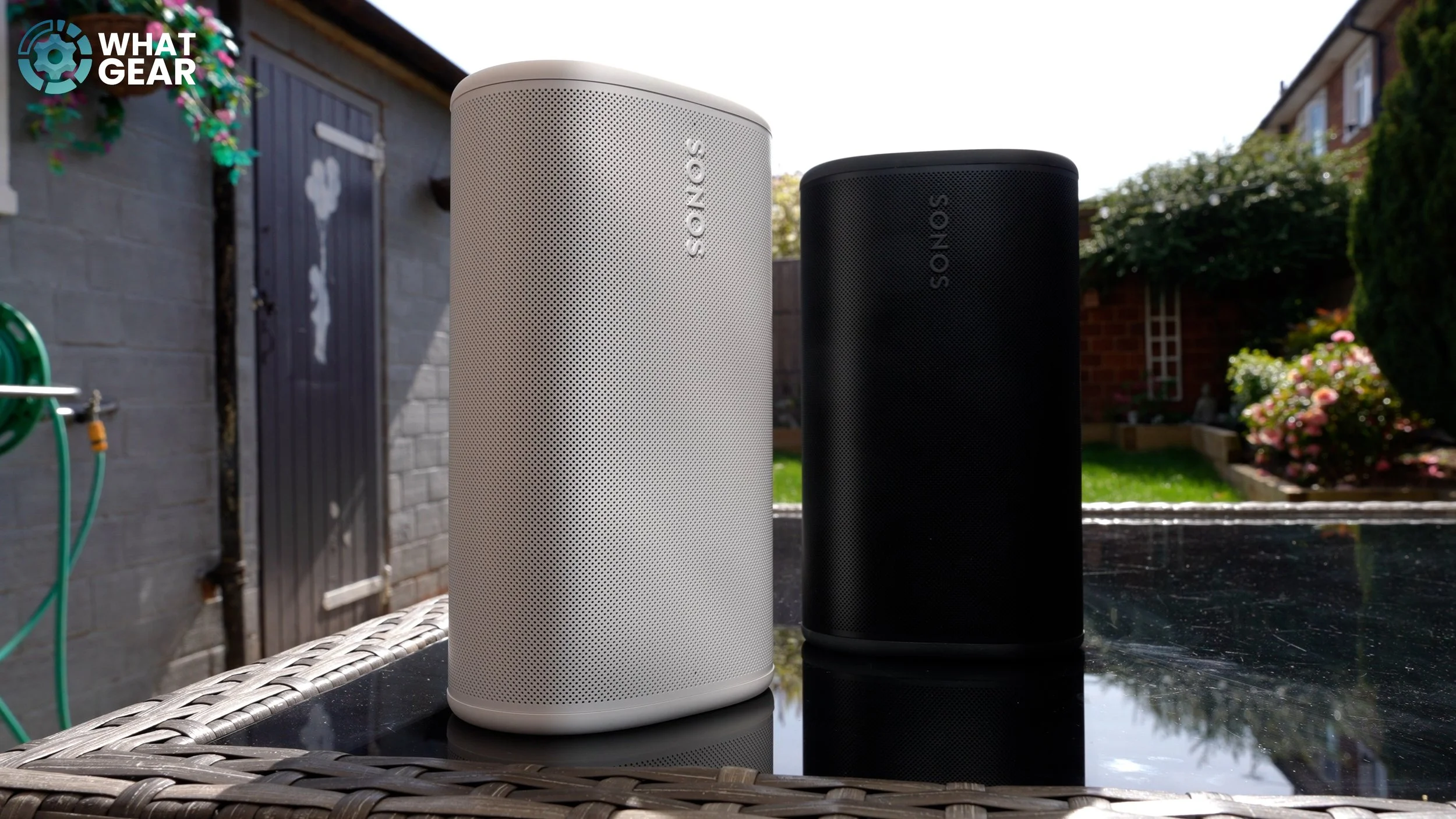
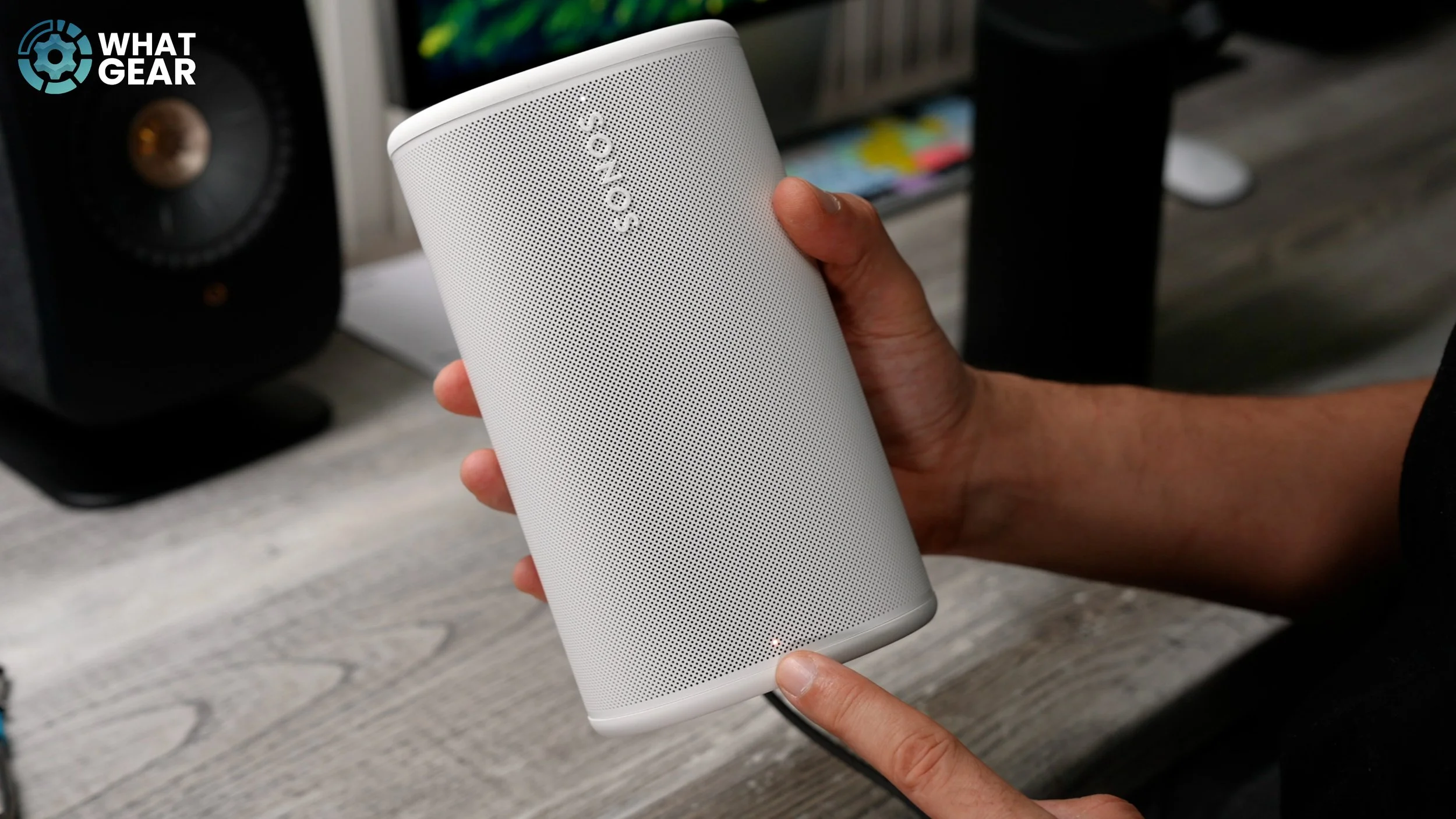
Premium Materials: The speaker features a beautiful metal mesh that wraps completely around the sides.
LED Indicators: Behind the mesh are two LED indicators: one for charging/low battery and one for connectivity status.
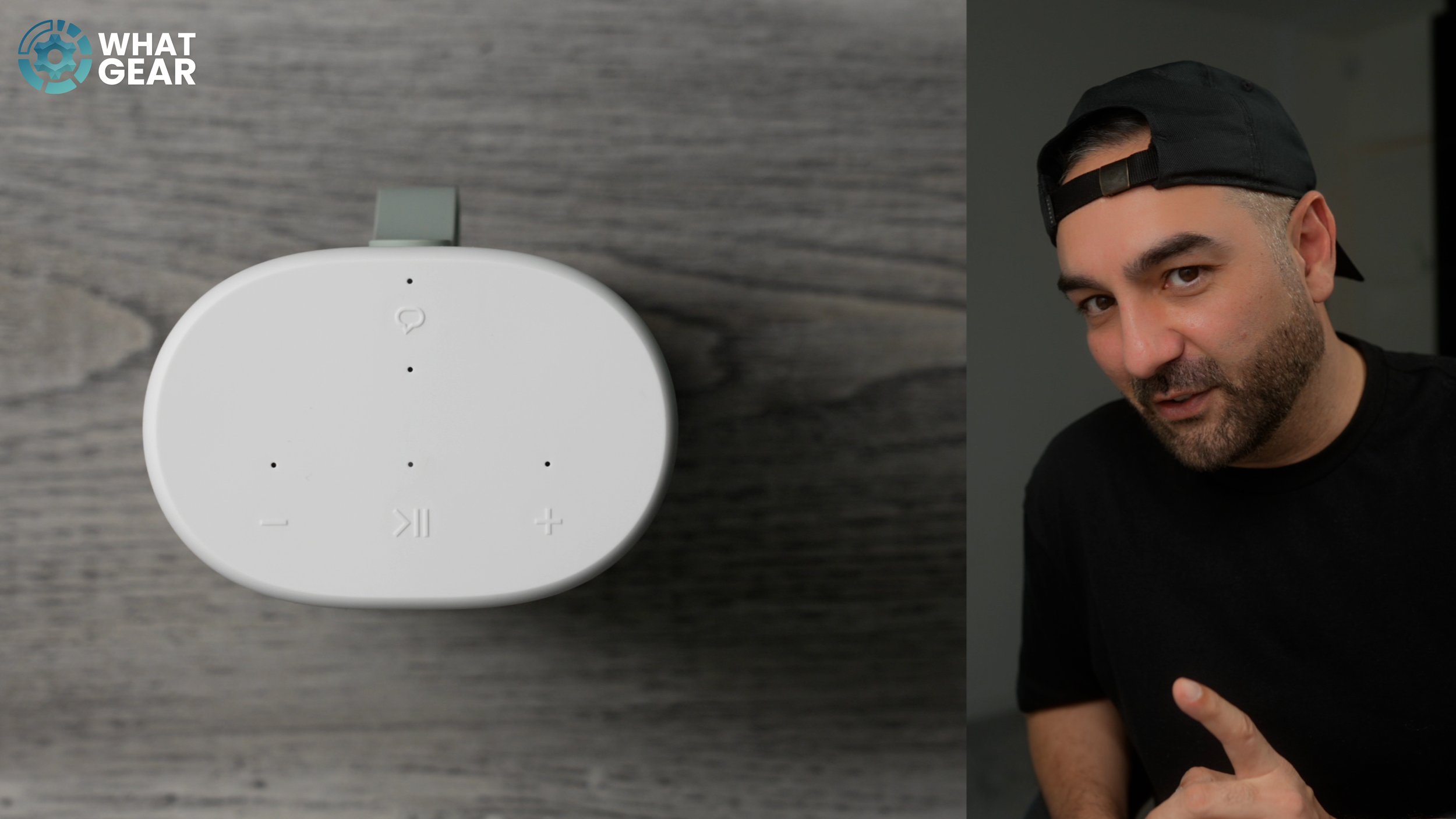
Shape & Base: It sports an oval shape from the top—a recurring design theme in modern Sonos speakers—and has a thin rubberized base to absorb shock and reduce unwanted table vibrations.
Controls: The top panel includes physical, clicky buttons (play, pause, volume up/down) beneath a rubberized surface, full cutouts for microphones, and an LED-equipped voice command button. This is very similar to the design of the Sonos Roam.
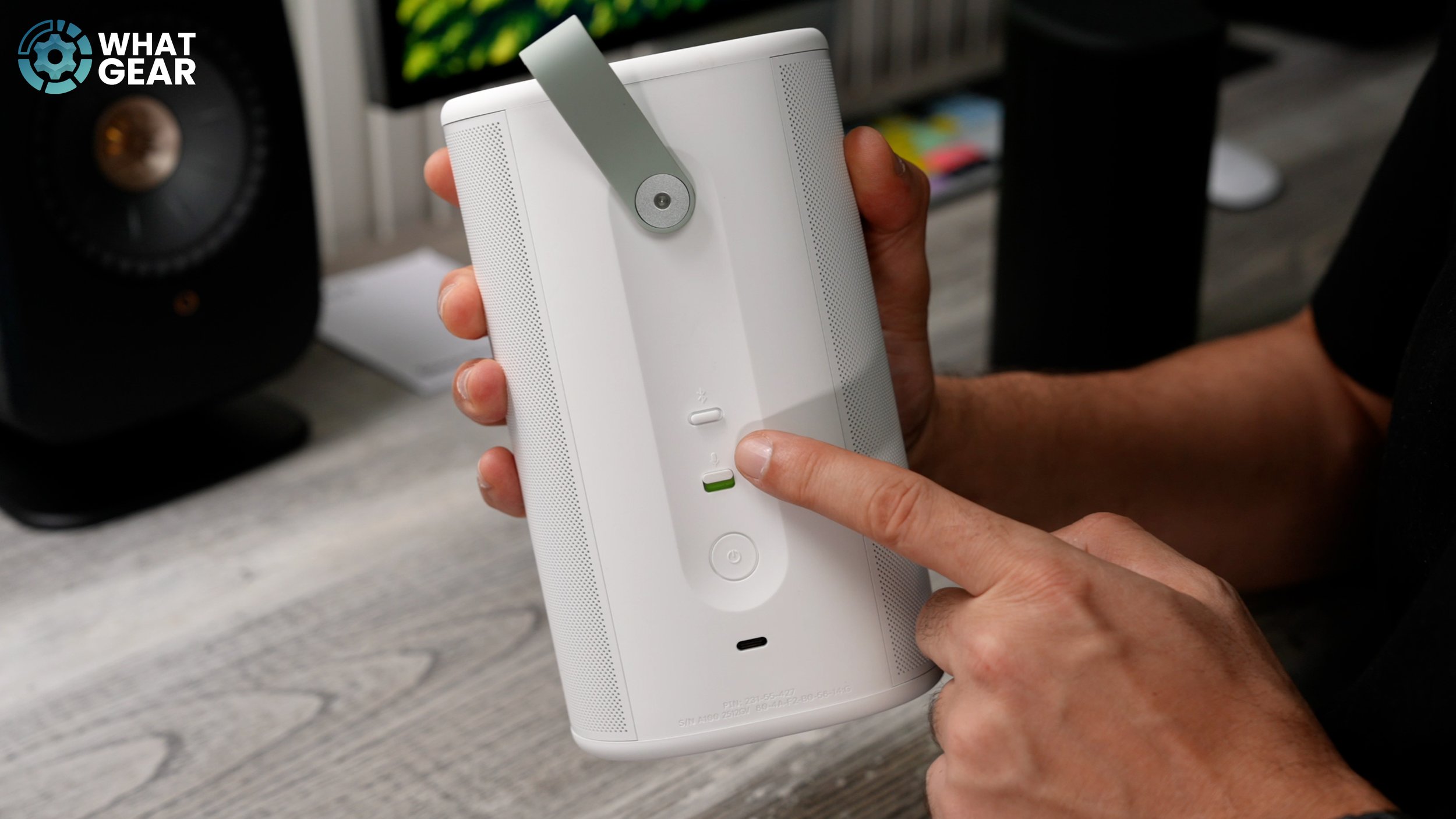
Rear Panel: The back features a signature Sonos groove, a Bluetooth pairing button, a microphone switch with a green accent, a power button, a multi-functional USB-C port, and a handy loop for hanging the speaker.
Durability: Despite its premium look, the speaker has an official IP67 rating, meaning it is watertight and dust-resistant. You can confidently take it to the pool, the beach, or out in the rain.
Connectivity: Wi-Fi vs. Bluetooth
While most portable speakers rely entirely on Bluetooth connectivity, the Sonos Play stands out by offering both Bluetooth and newer dual-band (2.4GHz and 5GHz) Wi-Fi chips. While Bluetooth is excellent for portability, unlocking the full potential of the speaker requires a Wi-Fi connection.
The Advantages of Wi-Fi Connectivity:
Performance: Wi-Fi offers better signal strength, faster speeds, greater distance, and superior overall audio quality.
Smart Features: It unlocks Apple AirPlay, Google Assistant, Amazon Alexa, and Sonos's own hands-free voice control.
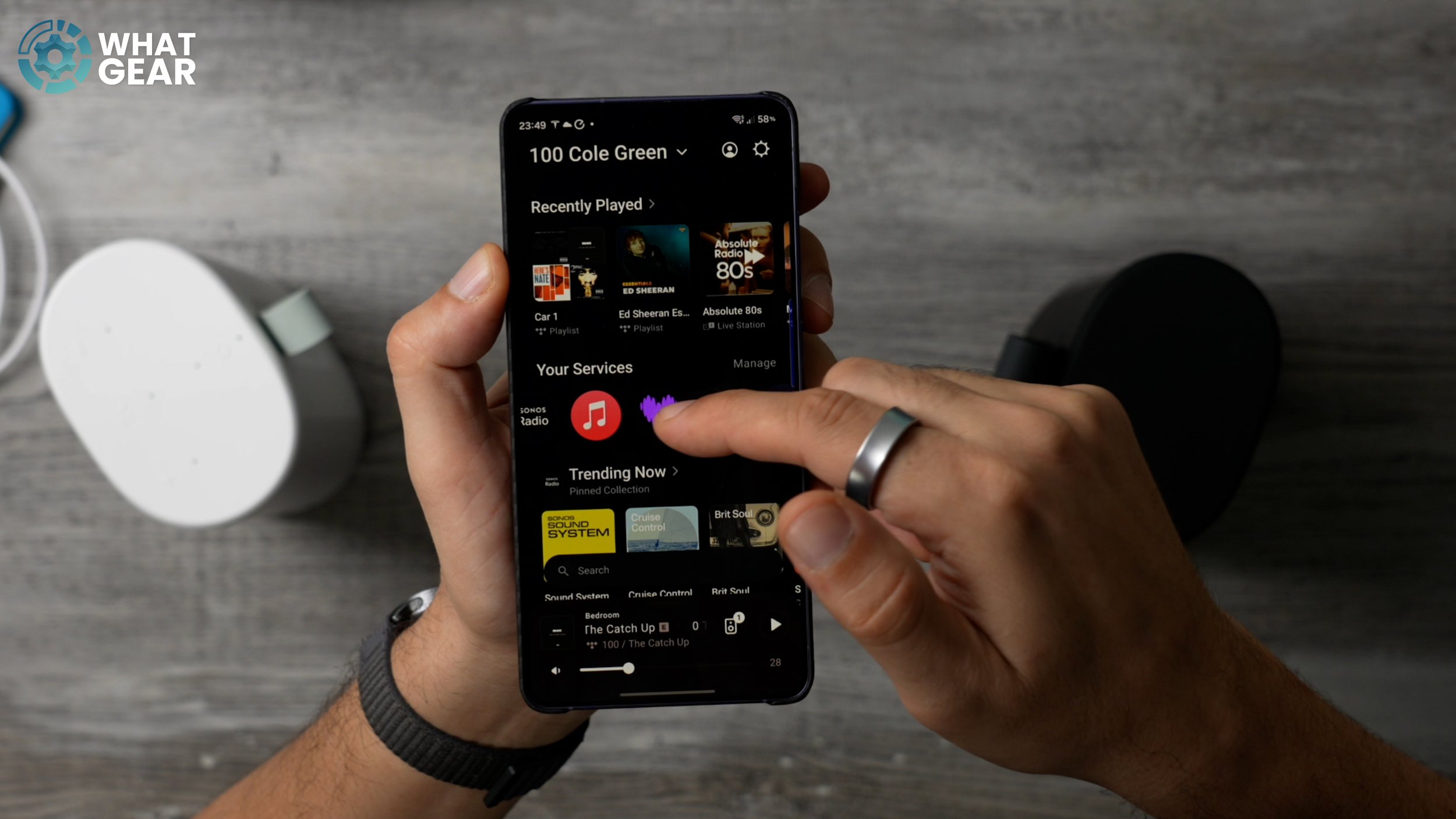
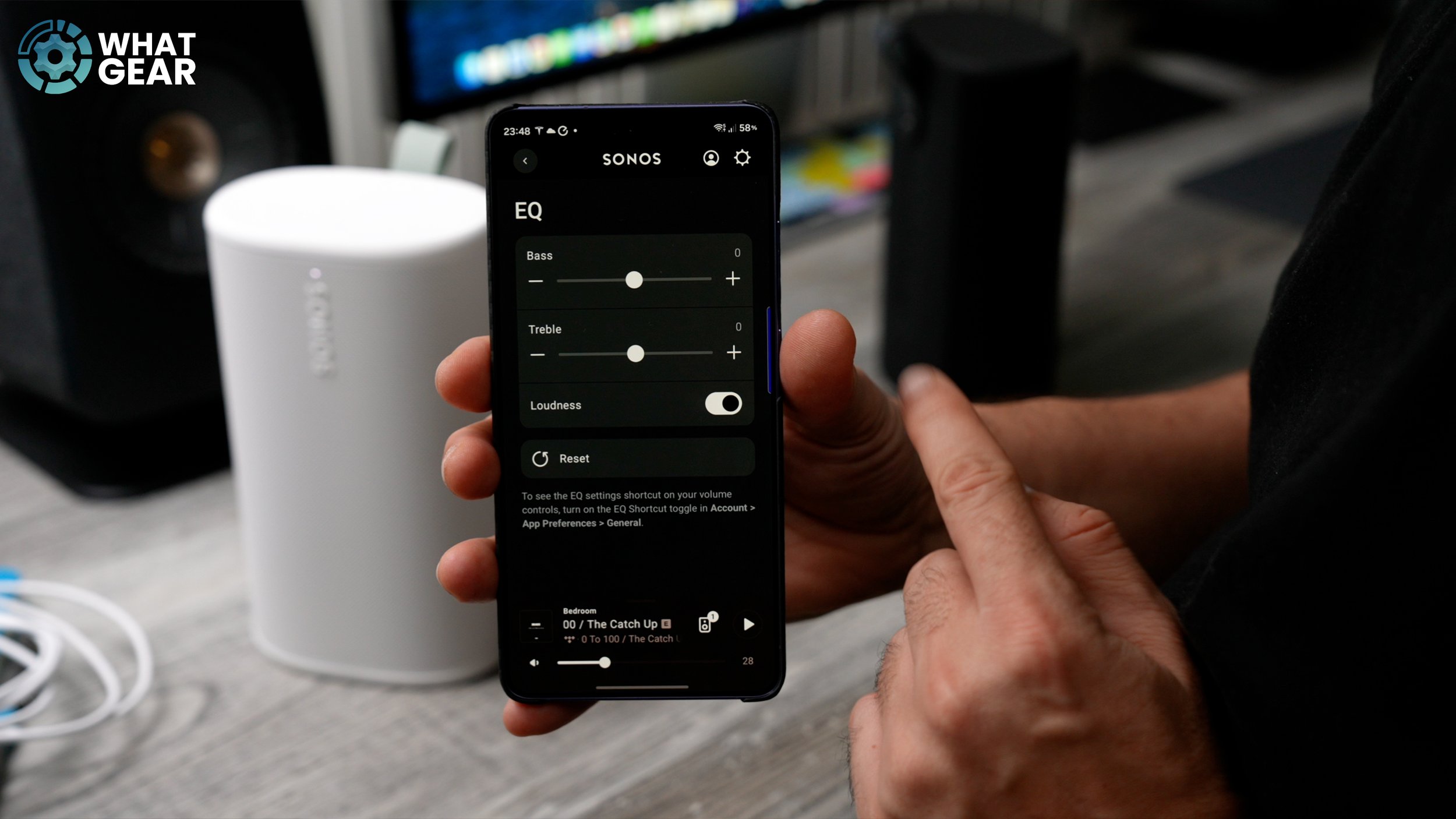
App Integration: Through the Sonos app, you get access to Sonos Radio, customizable EQ settings (treble and bass), and all your favorite music streaming services in one place.
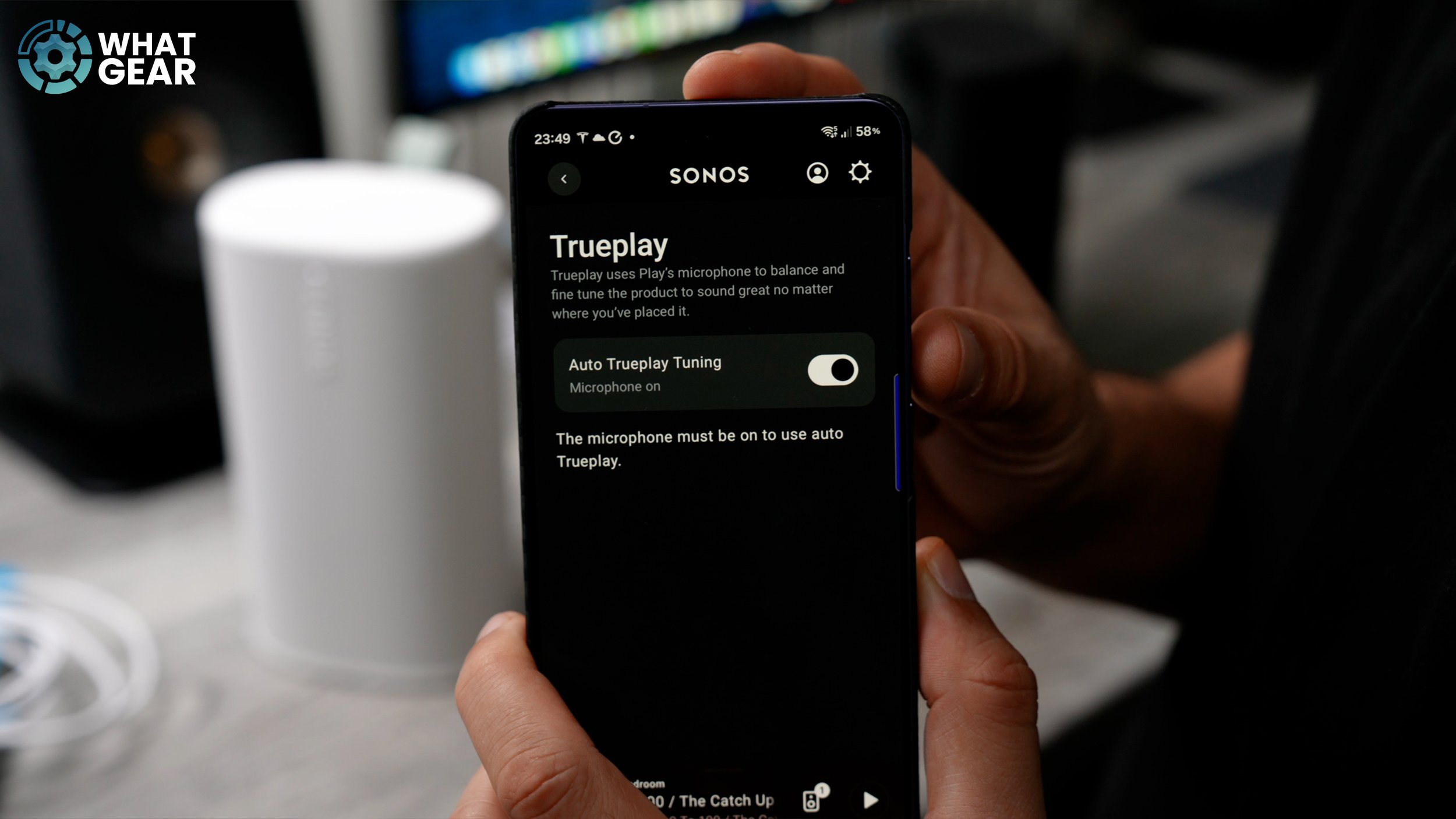
Trueplay Tuning: You gain access to Sonos Trueplay, which automatically adapts the speaker's sound signature to its surrounding environment.
Multi-Room Grouping: Over your home network, you can group an unlimited number of speakers together and control their volume levels individually, turning the Play into a fully-fledged multi-room smart speaker. These multi-room features are not available over Bluetooth.
Note: When you are out and about, the Bluetooth connection is still highly capable. The Play can pair with almost any device, be grouped in stereo, and its multi-functional USB-C port can even charge your phone on the go.
Battery Life and Charging
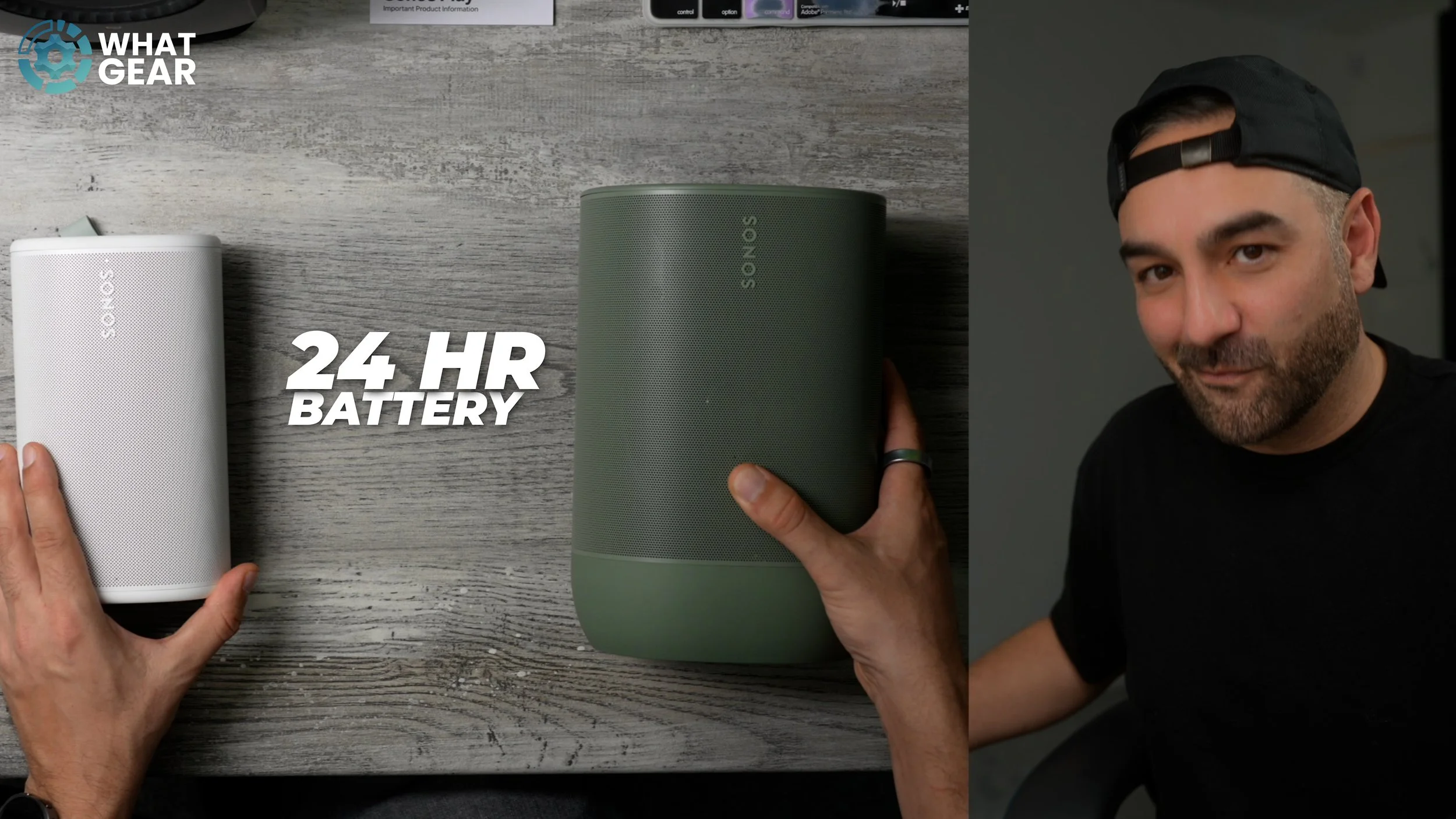
One of the most mind-blowing similarities the Play shares with the much larger Sonos Move (which is about three times its size) is its impressive 24-hour runtime. This massive battery life is exceptionally impressive for a compact speaker and factors into the higher price point.
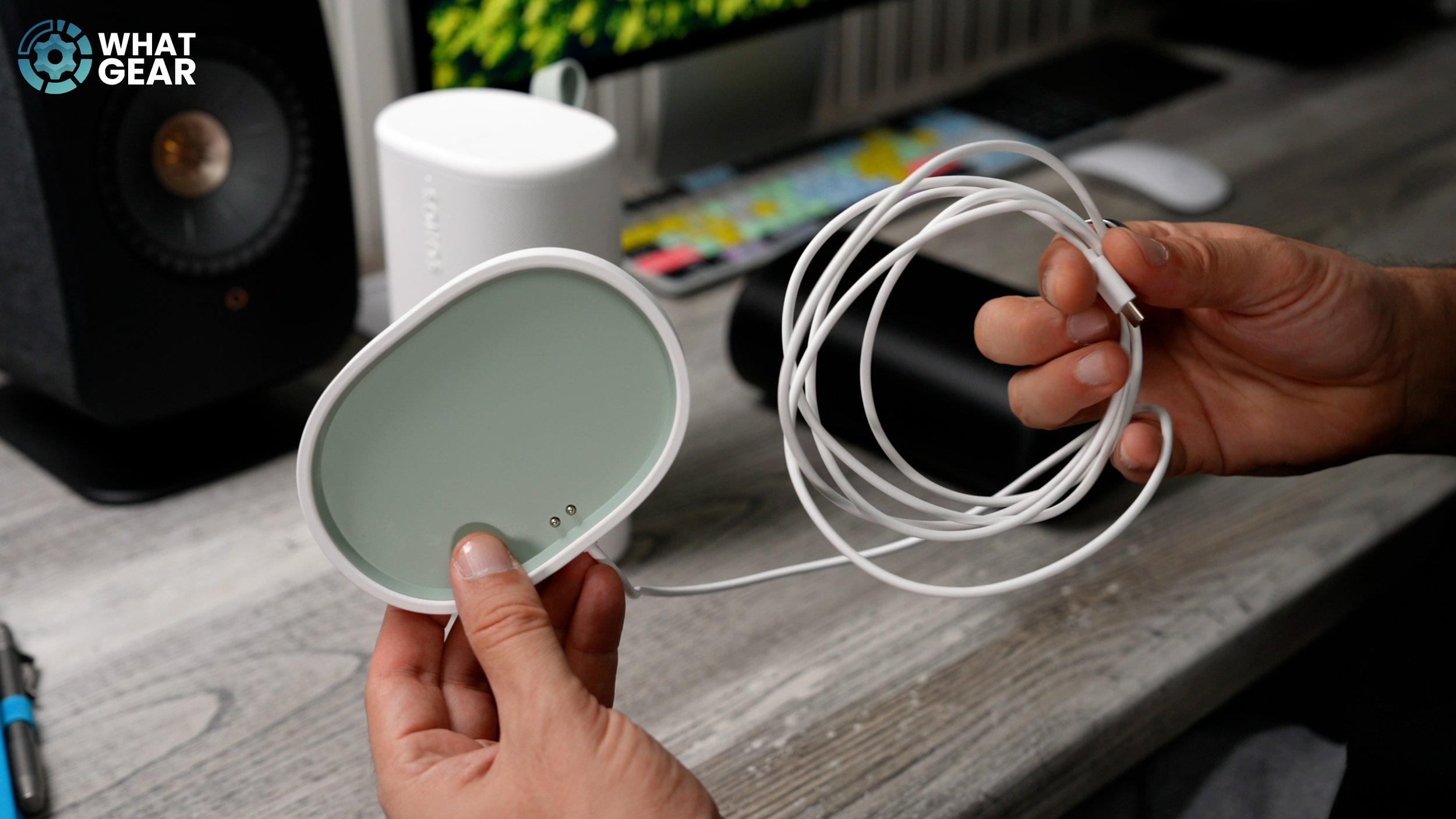
The Sonos Play ships with its own dedicated charging dock, featuring a long, non-detachable USB-C cable. It does not come with a charging brick, so you will need a 45W charger (standard for fast-charging modern smartphones) to get optimal charging speeds.
Sound Quality
Under the hood, the Sonos Play features a mid-range driver, two outward-angled tweeters for high frequencies, and dual passive radiators to enhance bass output, all powered by Class-H amplifiers.
Audio Performance: It punches well above its weight class, particularly in the mids and bass frequencies.
Clarity and Volume: At volumes below 70%, the vocal clarity and detailing are fantastic. You can push it way past 70% to get very loud, though the highs may start to sound slightly sharp.
Sound Dispersion: Even as a standalone mono speaker, the bass radiates beautifully, and the sound travels an impressive distance.
Stereo Pairing: While a single unit lacks massive audio separation, pairing two Play speakers together in stereo dramatically expands the soundstage, offering much richer detail and instrument directionality.
The "Hot Take": A Missed Opportunity?
If Sonos wanted to move boatloads of these speakers, there is one feature they should add: the ability to use them as rear surround channels with a Sonos soundbar. Many users with Sonos soundbars don't want to run permanent cables for a 5.1 setup. Being able to temporarily place two Play speakers behind the couch on movie night would be a game-changer and a massive selling point.
Who is the Sonos Play For?
Ultimately, the Sonos Play seems designed for users who plan to use the speaker indoors about 70% of the time, while taking it out to the garden, pool, or on holiday the other 30% of the time
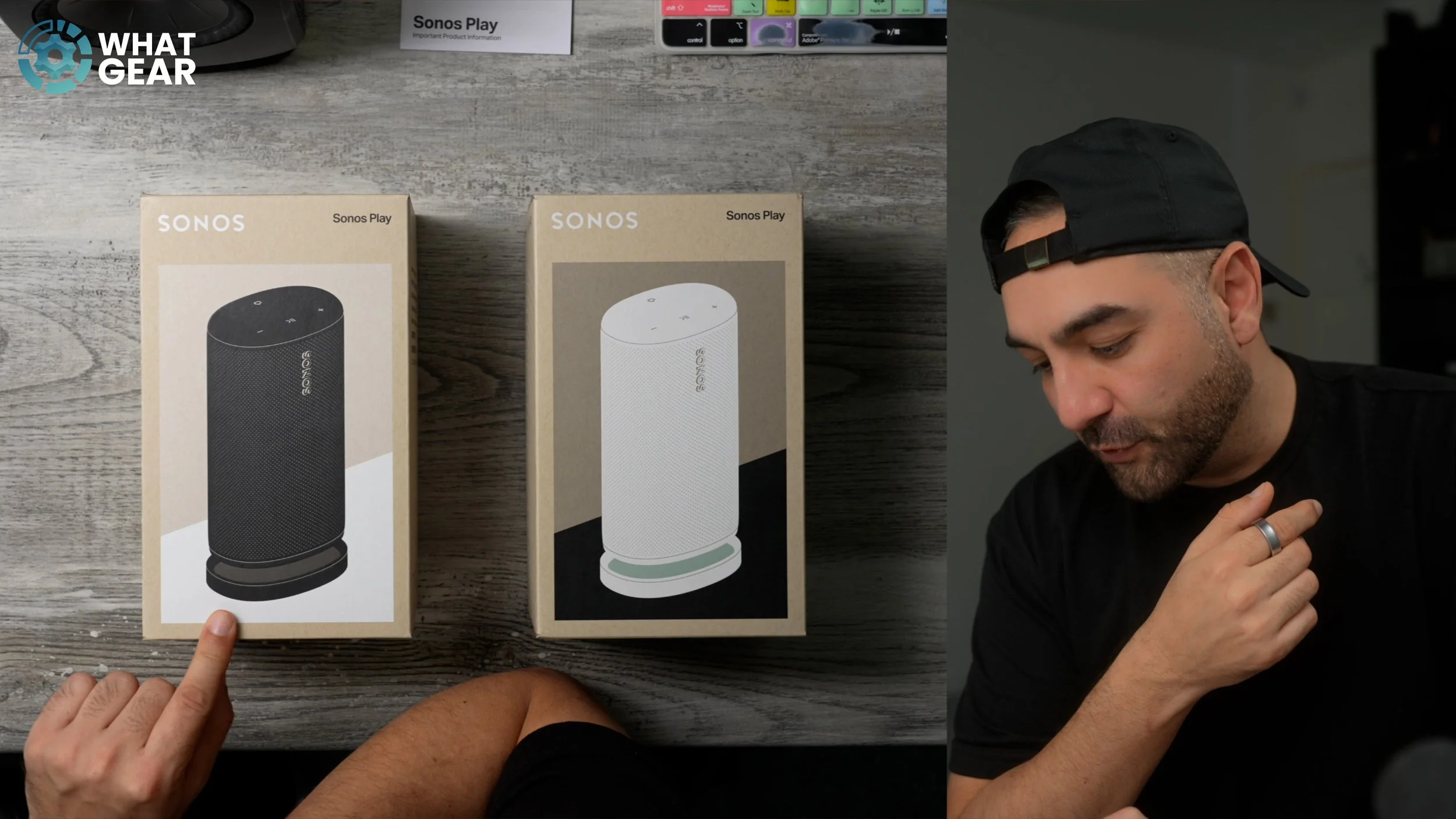
This speaker is for you if:
You want a portable speaker with serious firepower that looks classy enough to sit on a desktop or mantelpiece.
You are already invested in the Sonos ecosystem, as this will seamlessly integrate into your existing multi-room setup (which third-party speakers cannot do).
You have older analog equipment; Sonos sells a £20 USB-C to analog adapter, allowing you to use the Play as a wired desktop or stereo speaker.
If you need more raw power and don't mind a larger footprint, you might prefer the massive Sonos Move. Conversely, if you need something incredibly lightweight for your backpack, the smaller, Wi-Fi-enabled Sonos Roam is a highly portable alternative, though it won't match the audio quality of the Play.