TCL C8L SQD Mini-LED vs LG C6 OLED - The BATTLE for Your Living Room
Today, I’m staging another massive battle of panel technology. In the red corner, we’ve got the blinding brightness of TCL's brand-new SQD Mini-LED tech. And in the pink corner, we’ve got the pixel-perfect precision of LG's legendary OLED tech. This is the TCL C8L versus the LG C6 OLED.
But before we look at a single pixel, there is one major difference - beside the panel tech - that could have you considering the upstart TCL over the established LG. Historically, Mini-LED was just the 'budget alternative' to OLED. But this year, the C8L has gone full premium. Yet, it still costs substantially less than the LG. In fact, if we compare like-for-like at 65 inches, the price gap is so massive you could buy the TCL and use the leftover cash to fund a holiday in the sun.
So do me a favor: watch this breakdown, look at the hardware, and by the end of the video, tell me if the OLED is truly worth the extra premium—or if this new SQD tech is the ultimate TV for your living room. Let’s kick off with the physical hardware.
When you look at the LG C6, it’s exactly what you’d expect from a flagship OLED. It is mind-blowingly thin at just four and a half centimeters. It’s elegant, it’s premium, but you do have to be a bit gentle with it when you're setting it up. If you’re looking to wall mount it, the 65-inch model I have here weighs a surprisingly light 16.6kg.
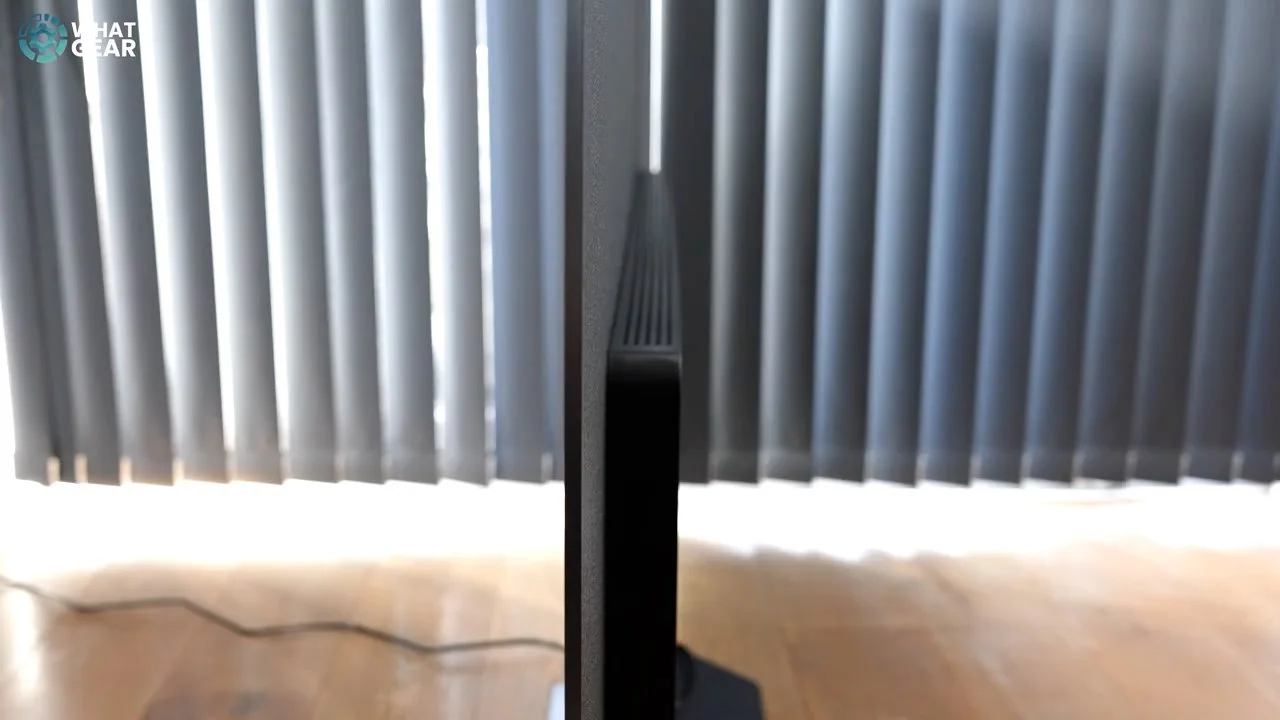
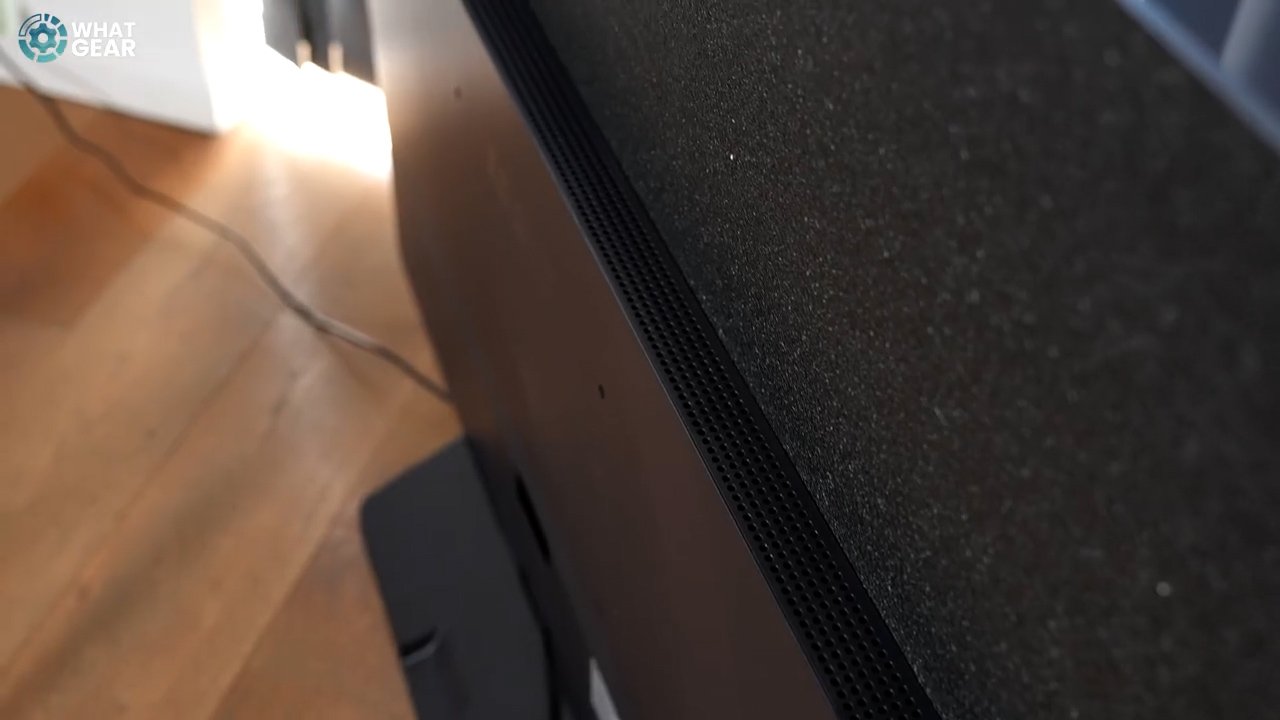
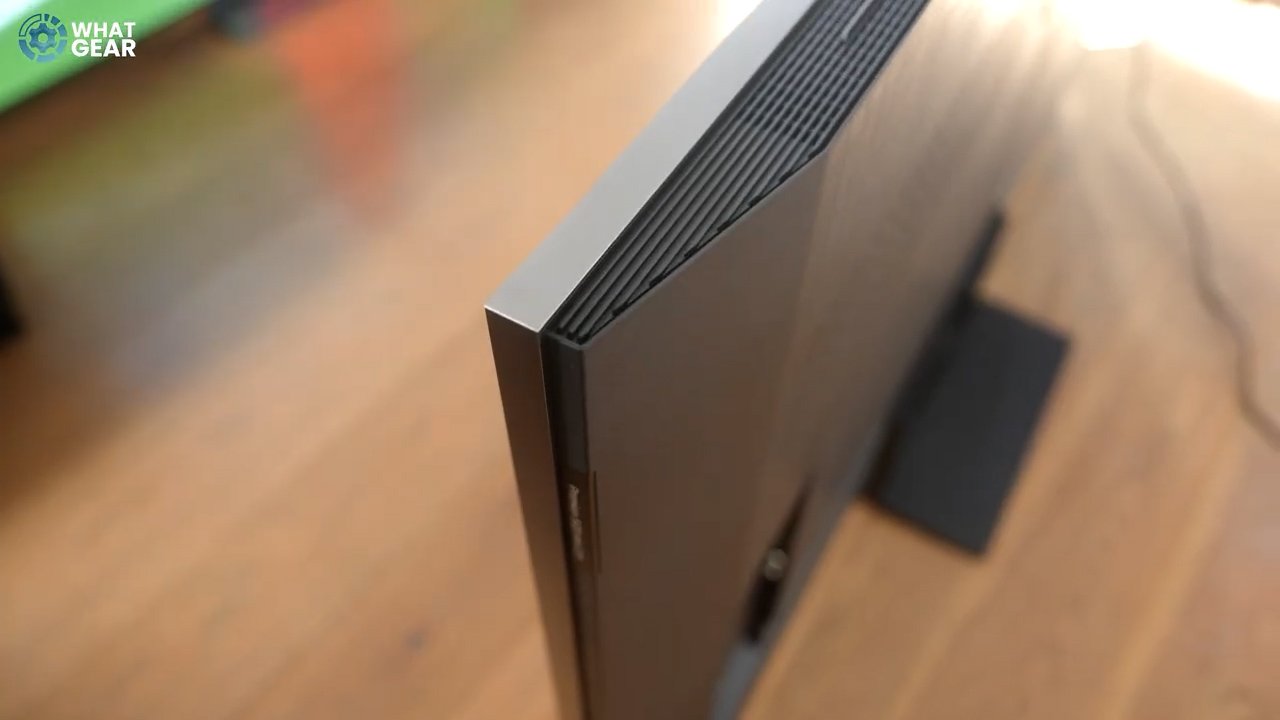
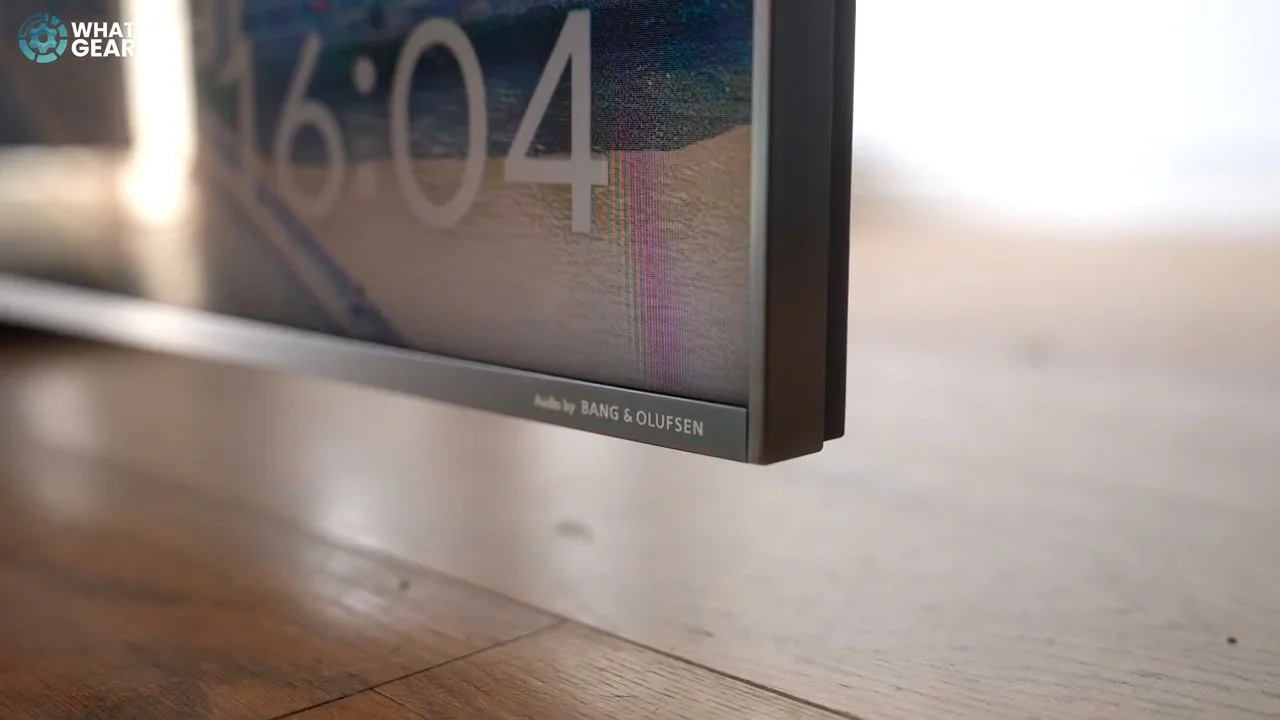
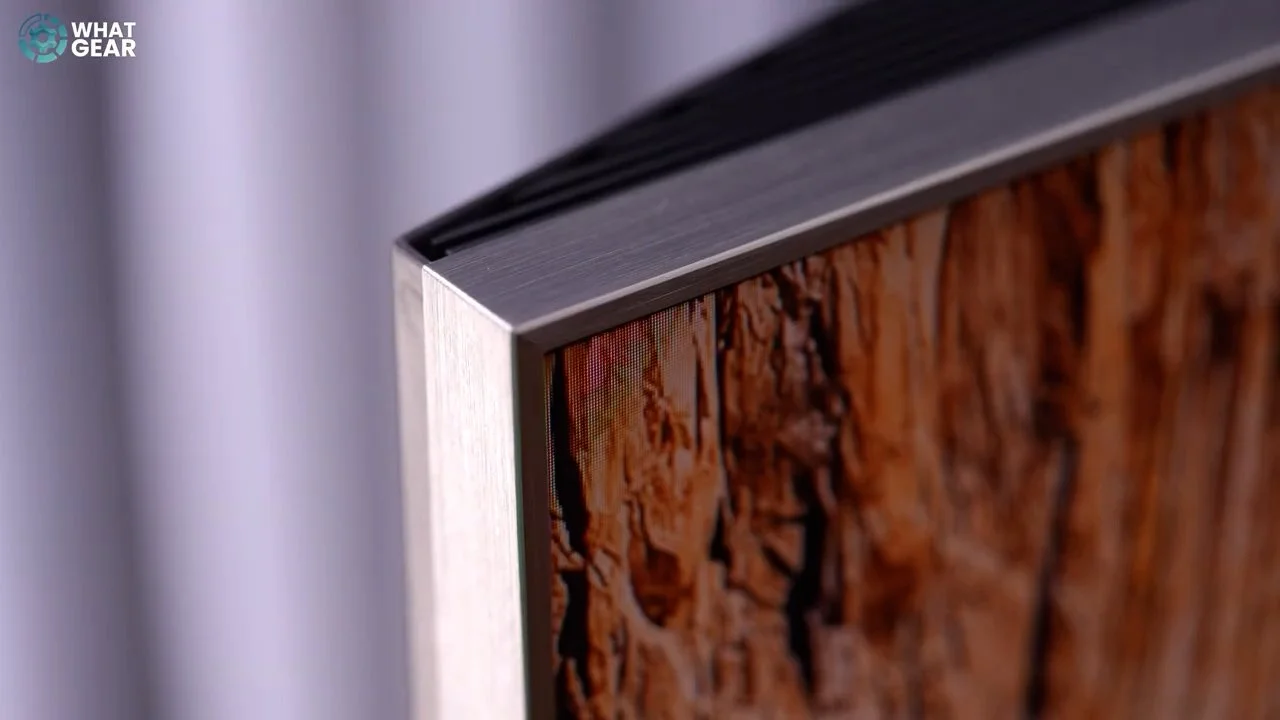
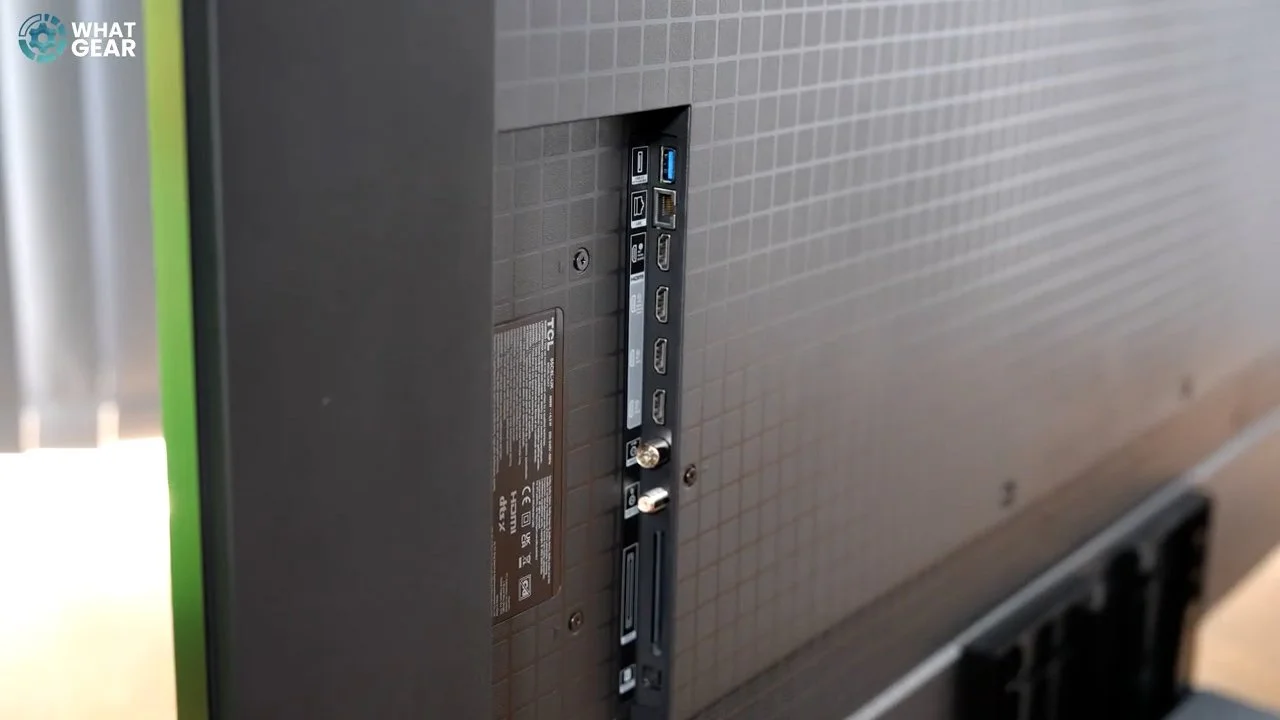
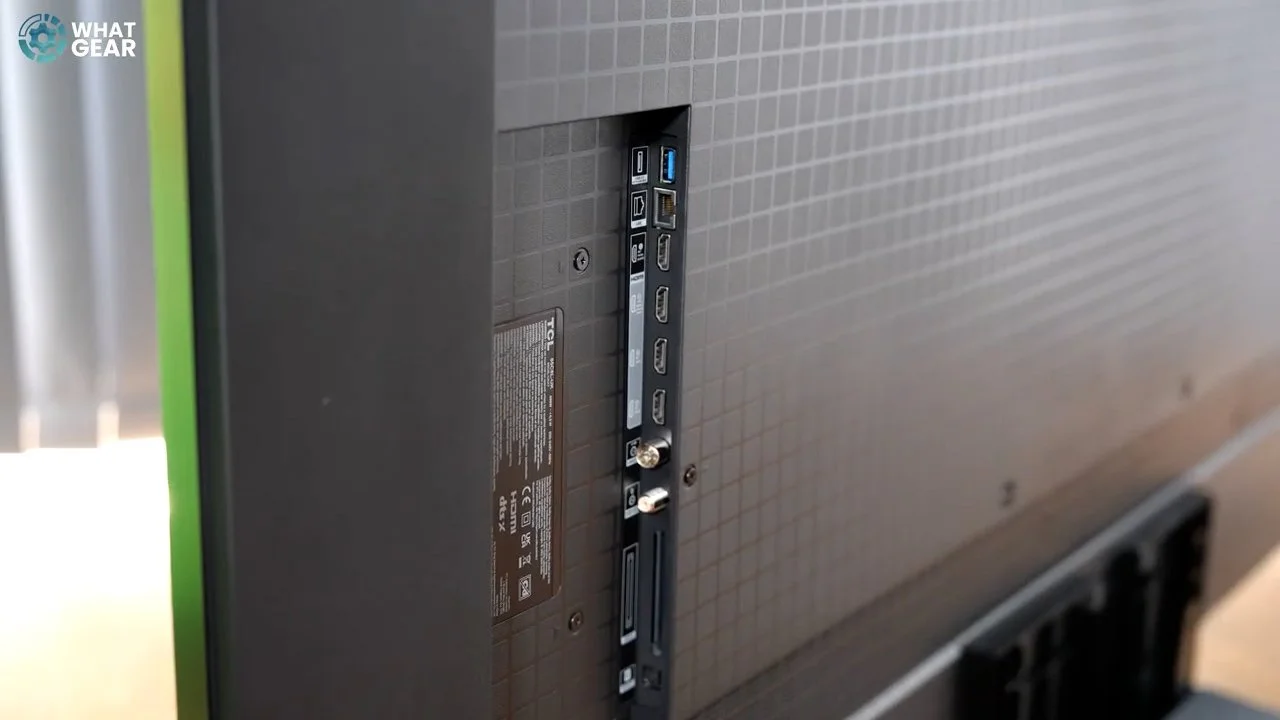
The TCL C8L, on the other hand, is far more robust. It’s five and a half centimeters thick, and the 65-inch panel tips the scales at 21.1kg - although interestingly the 55-inch model weighs almost 1kg less than the equivalently sized LG.
But there's a reason for that bulk: it houses a highly sophisticated backlight system with thousands of precise dimming zones. What is impressive about the C8L's design is the 'ZeroBorder' look I’ve loved on previous TCL TVs, keeping you completely immersed.
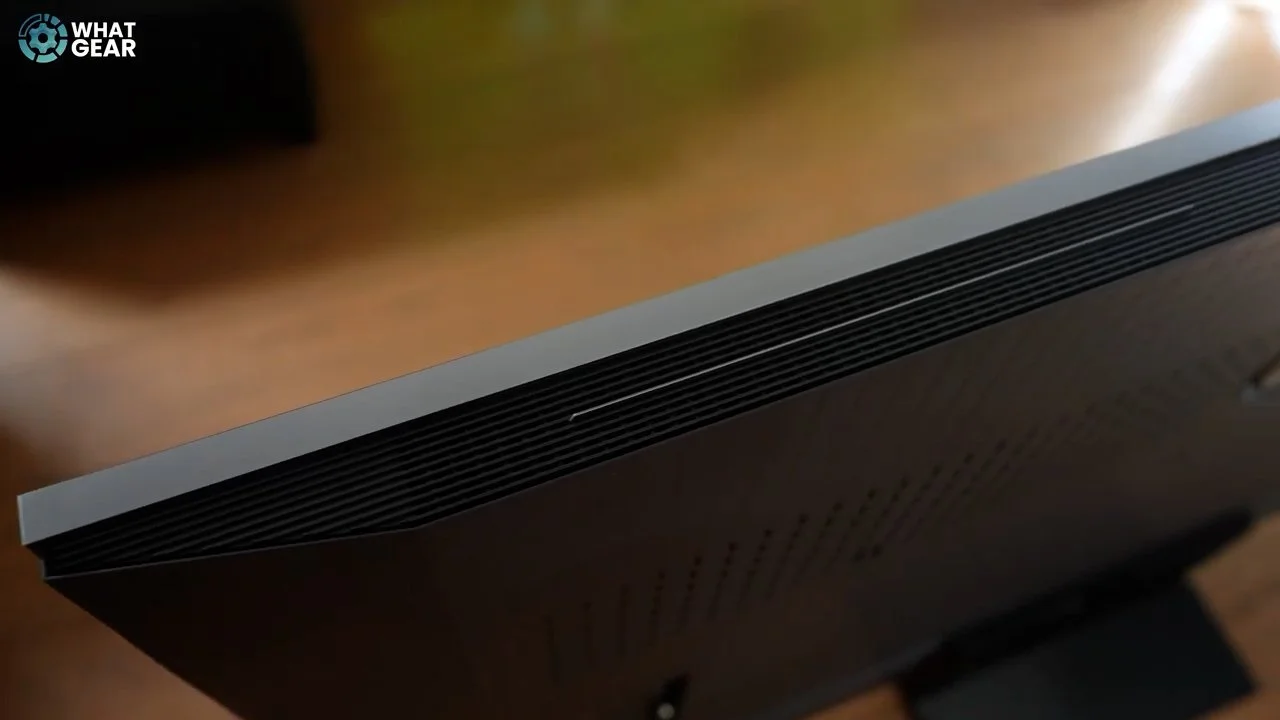
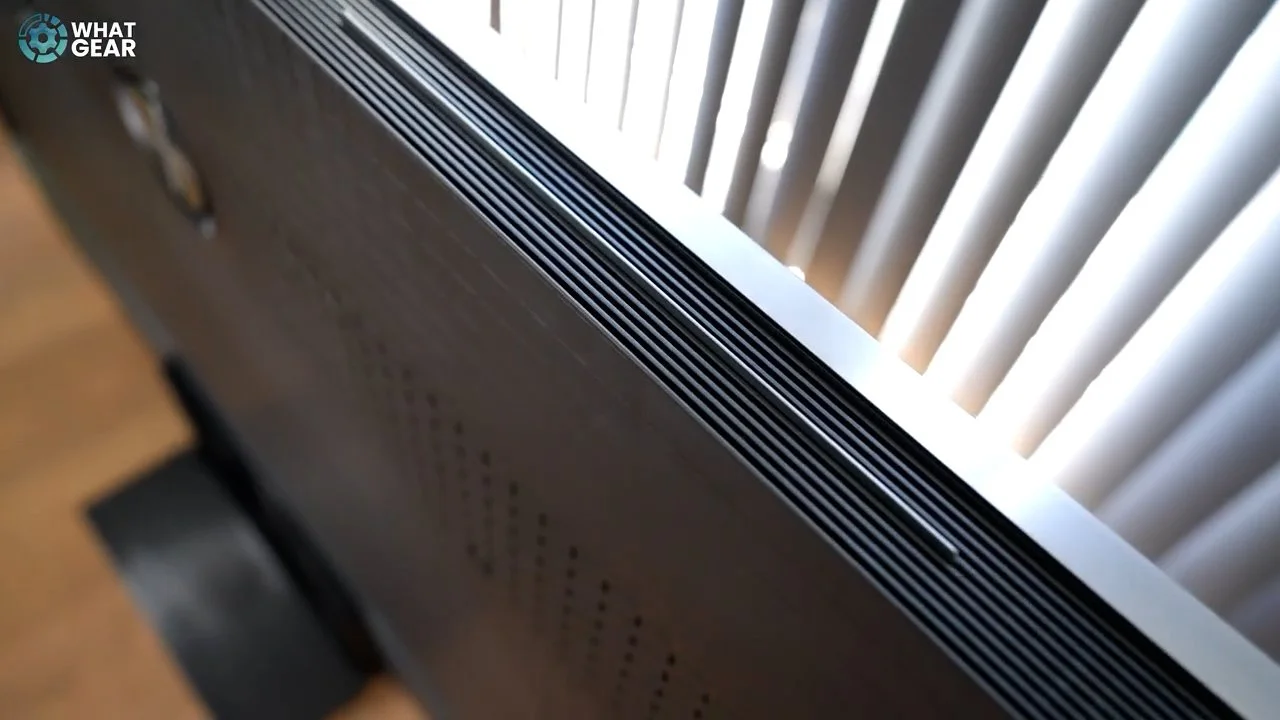
Looking at the two TVs head on, the biggest difference between them is that the TCL has a slightly more prominent stand and a premium looking brushed metal frame. And they've also added these nice little metal accents blades across the top.
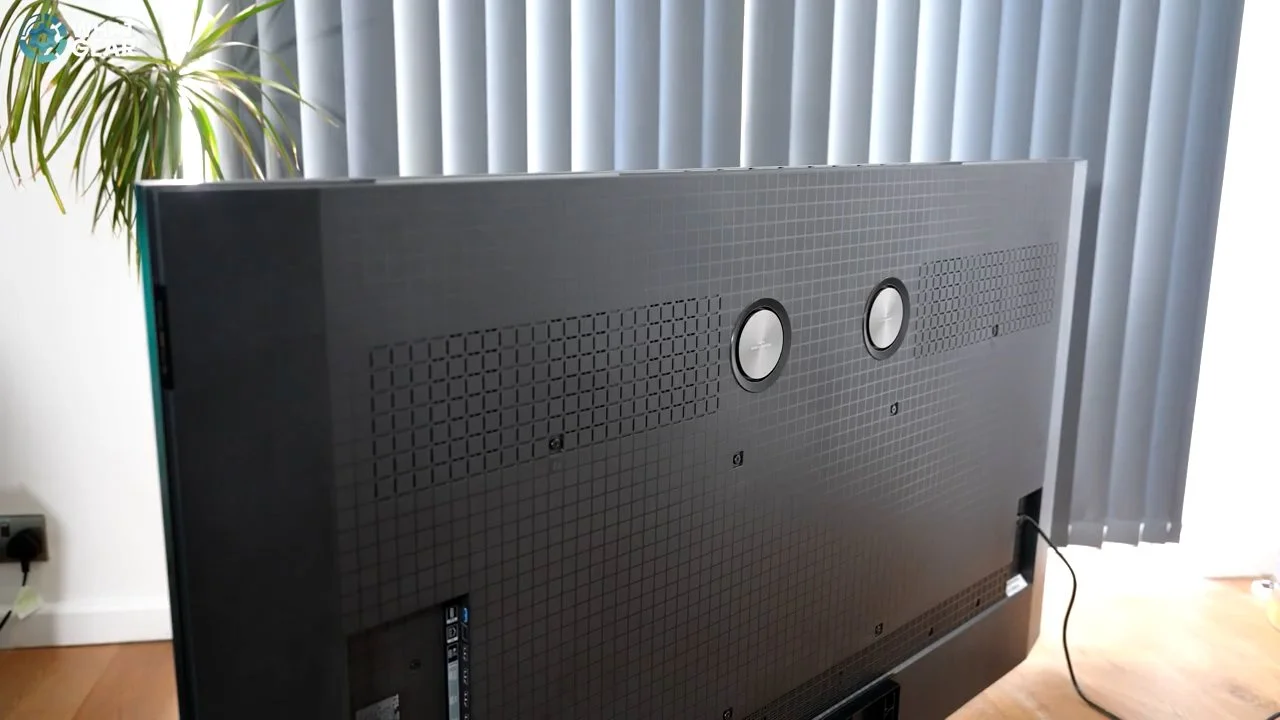
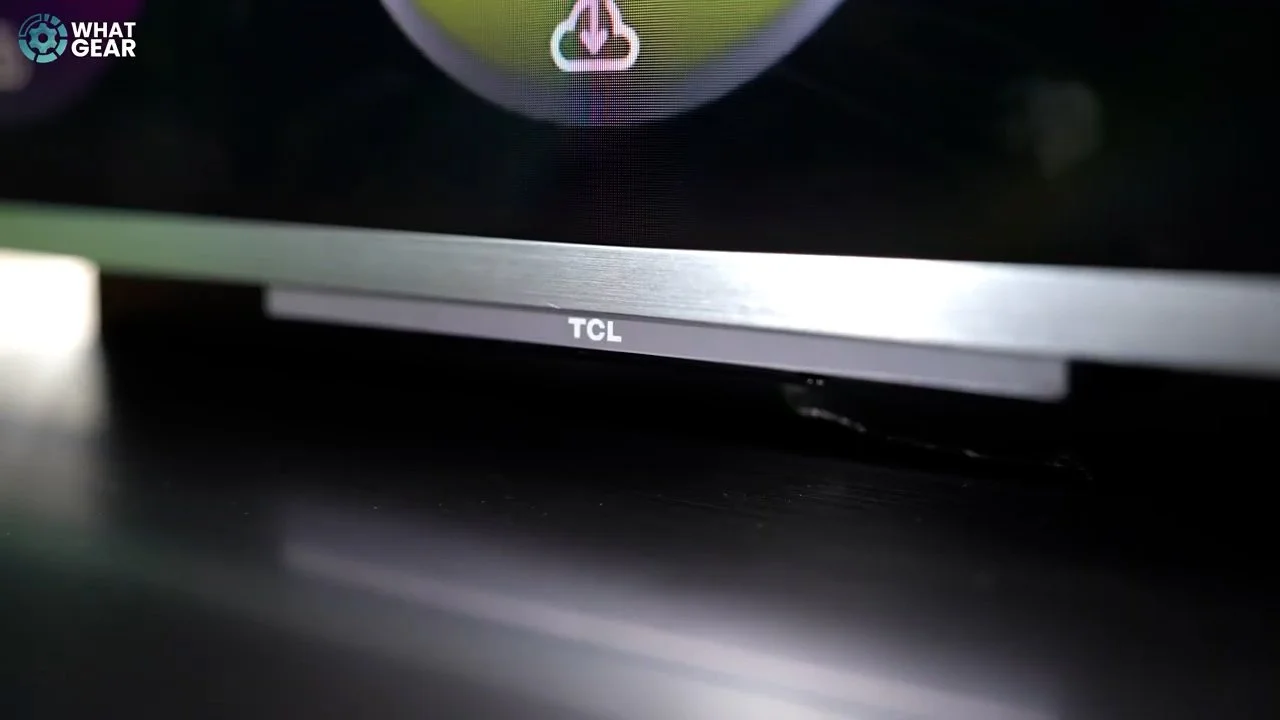
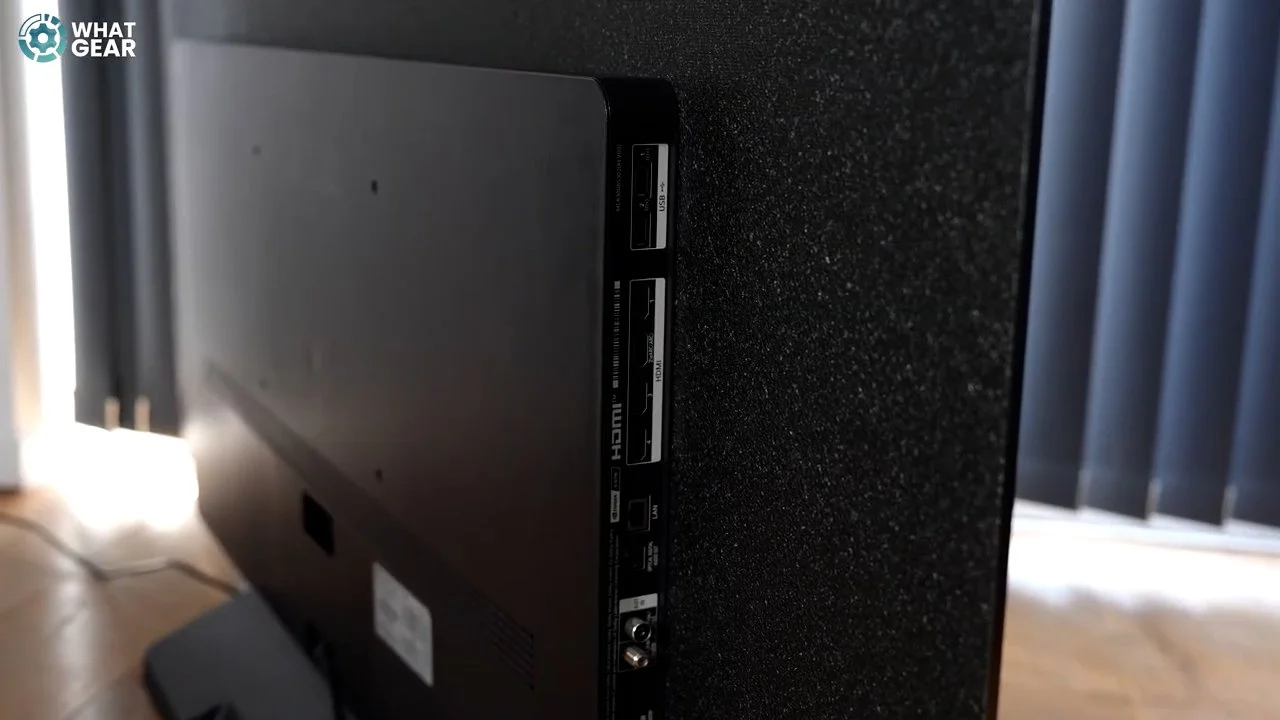
Both have very subtle branding and round the back TCL has made some marked improvements to their cable management. Also the TCL stand does offer up the option to mount it a little higher if you want to make space for a soundbar. TCL has also made some
Meanwhile, the connectivity battlefield has completely changed. In previous years, TCL may have cut corners on ports a little . Not anymore. Both the LG C6 and the TCL C8L come equipped with four full-bandwidth HDMI 2.1 ports. That means full 4K gaming at high refresh rates on either panel. However, if you are a hardcore PC gamer, the TCL panel can push all the way up to a staggering 288Hz VRR at HD resolutions, giving it a slight competitive edge to you PC gamers out there.
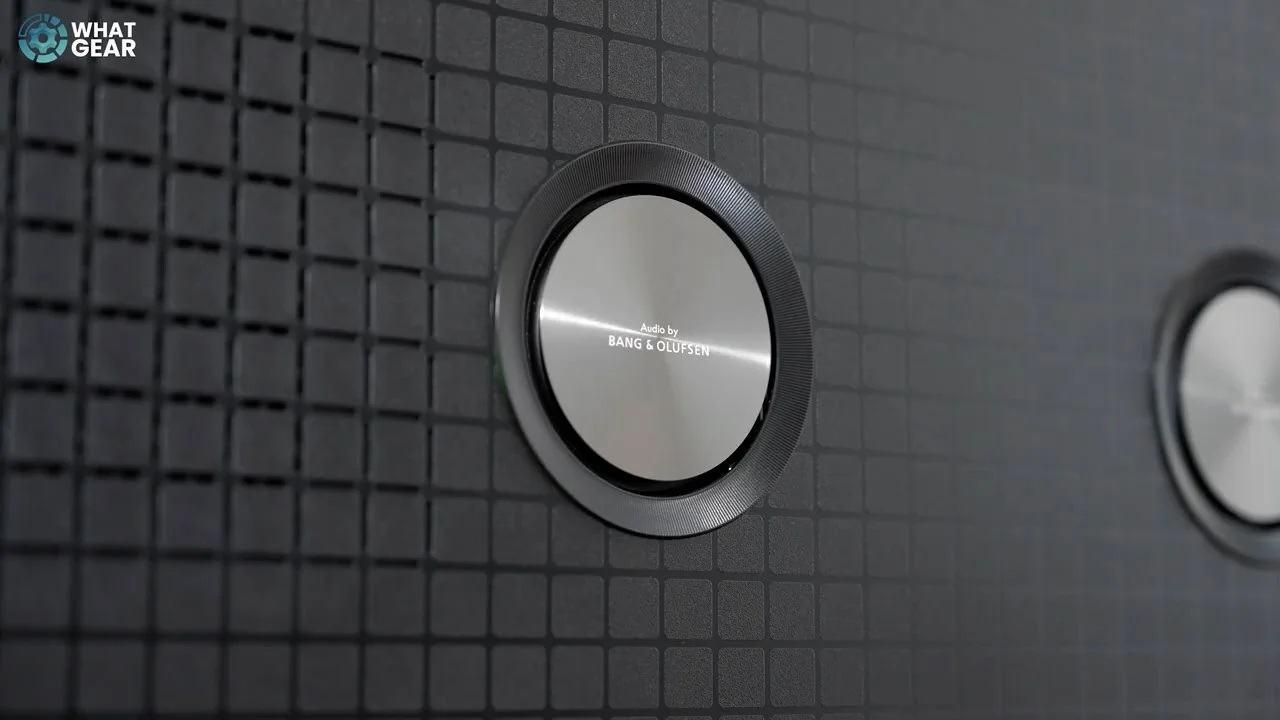
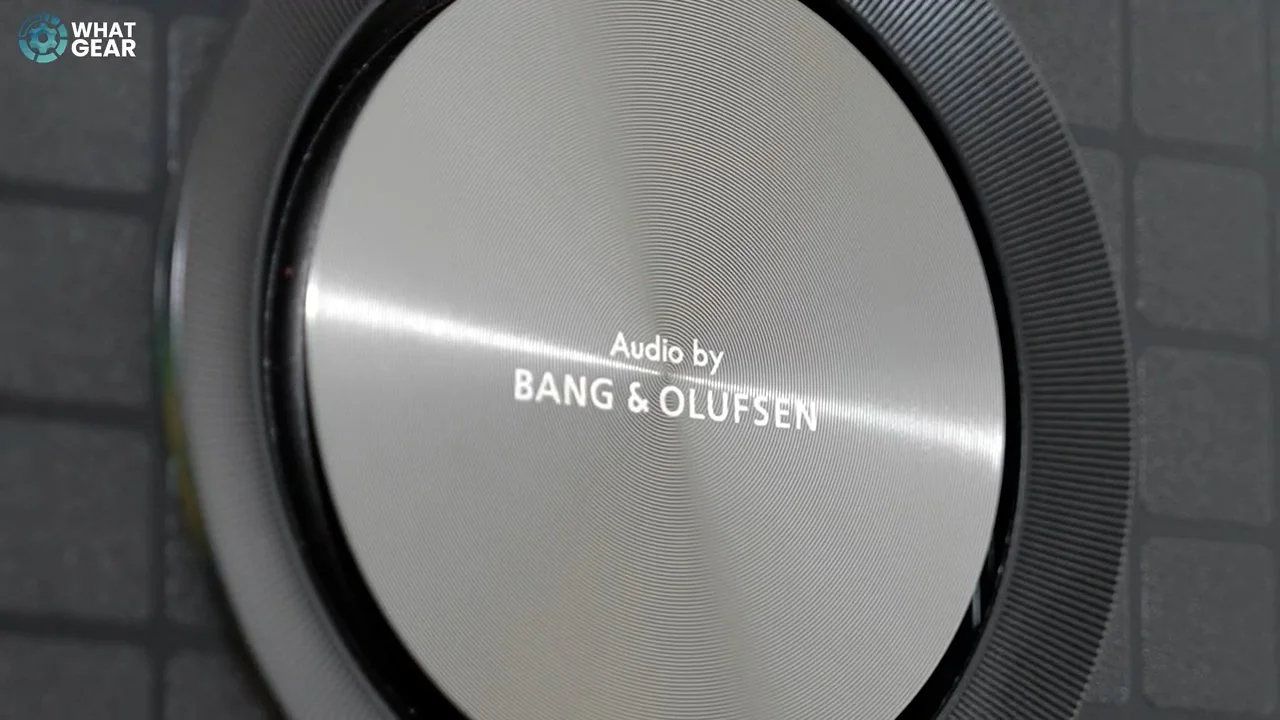
That thicker frame on the TCL C8L also hides another bonus - a premium sound system co-engineered by audio icons Bang & Olufsen, complete with their 'Beosonic' tuning interface. It boasts four independent sound chips, Hi-END grade acoustics and a separate ‘sky channel’ for the experience of a plane flying overhead. Compare that to LG’s 2.2 channel, 40W speaker system, and on paper it’s advantage TCL. Let’s put them to the test.
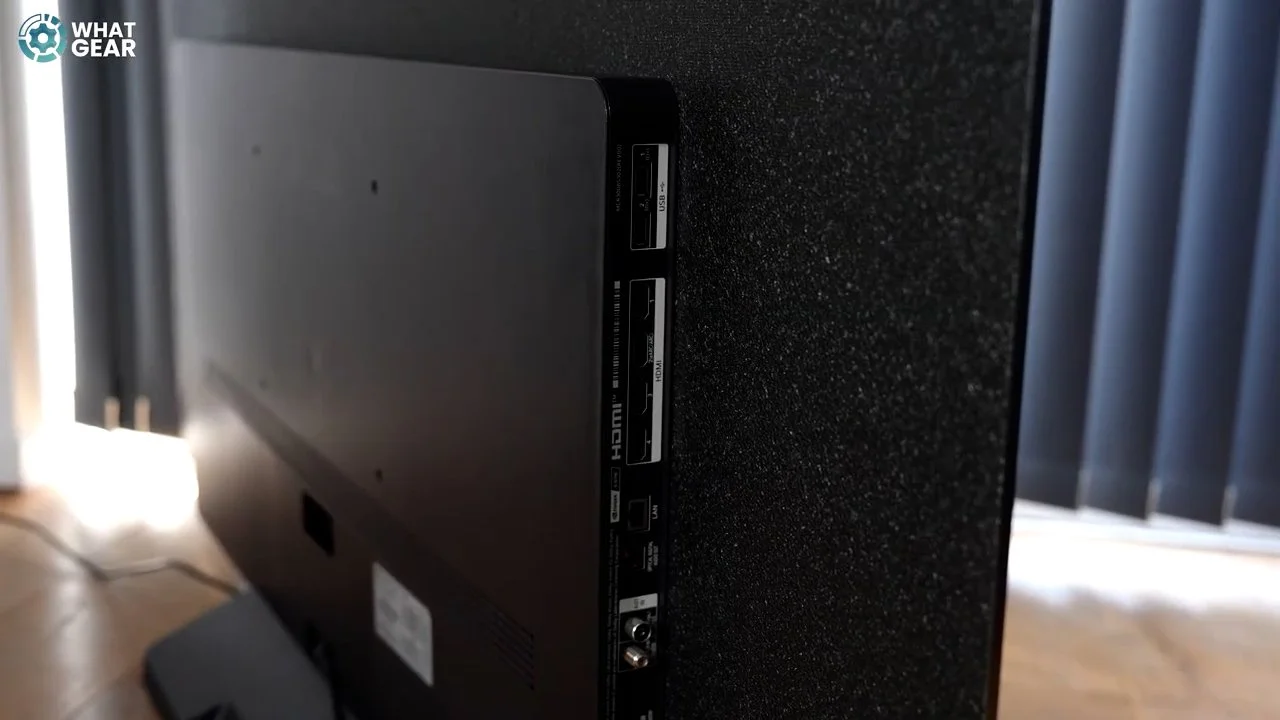
So I wrote down my first impressions of the sound difference and here's what I thought. When you compare it to a soundbar obviously TV doesn't sound great.
But actually LGs built-in speakers have come a long way and they have depth and clarity. Although the TCL B&O speaker setup clearly offers a wider sound stage, it also gets a lot louder. And voices seem clearer without having to adjust the sound mode. And the low frequencies, for example bass in music tracks and rumbles during explosions and things like that are also noticeably deeper.
Now don't get me wrong the LG is still shockingly impressive especially given how thin it is. But with that extra frame depth on the C8L you do get more audio depth.
Now for the main event: picture quality. This is the classic trade-off of raw brightness versus infinite contrast.
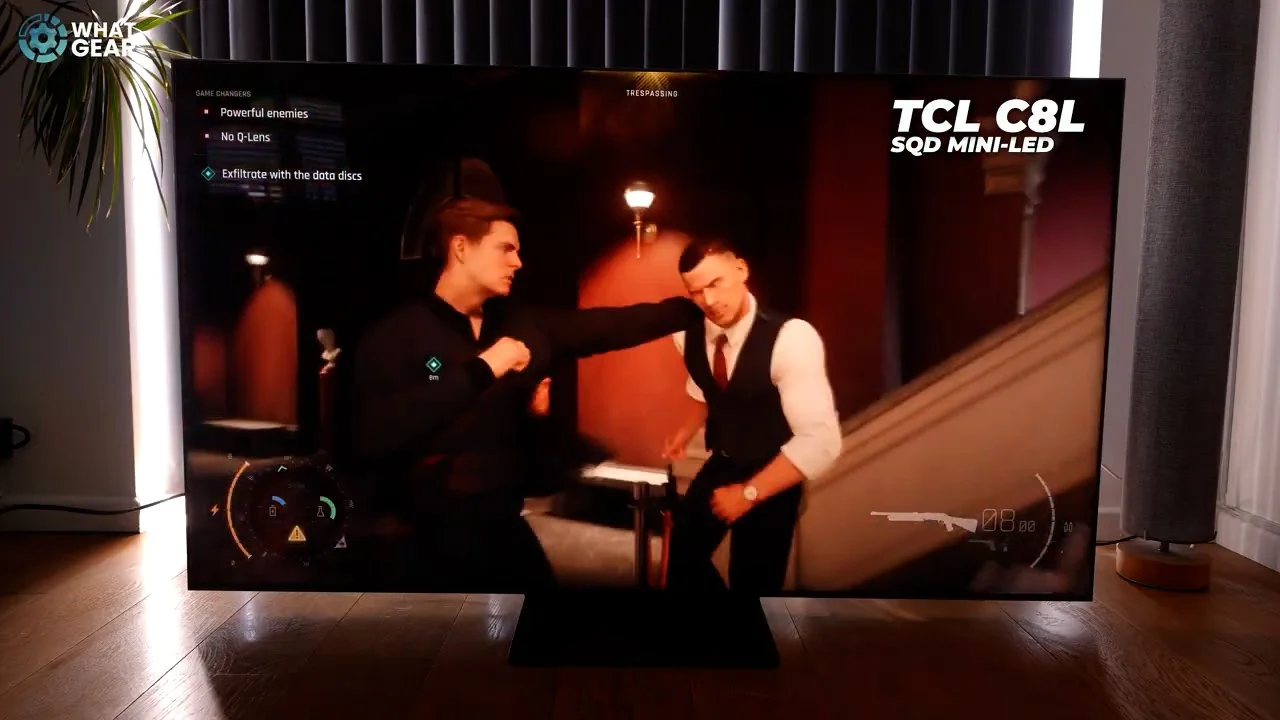
The TCL C8L features their new SQD—or Super Quantum Dot—Mini-LED technology. In the 65-inch model, you are looking at over 2,000 precise dimming zones. But the headline figure is its peak brightness: a blinding 5,000 nits on the 65-inch model, and up to 6,000 nits on the 98 and 85 models. Compared to the 1,500 nits peak brightness on the LG C6, the TCL can get nearly three times brighter on fullscreen images.
Plus, it covers 100% of the ultra-wide BT.2020 color gamut, making HDR colors incredibly punchy and vivid. Both sets support Dolby Vision, HDR10 and HLG formats, but the TCL can also handle HDR10+.
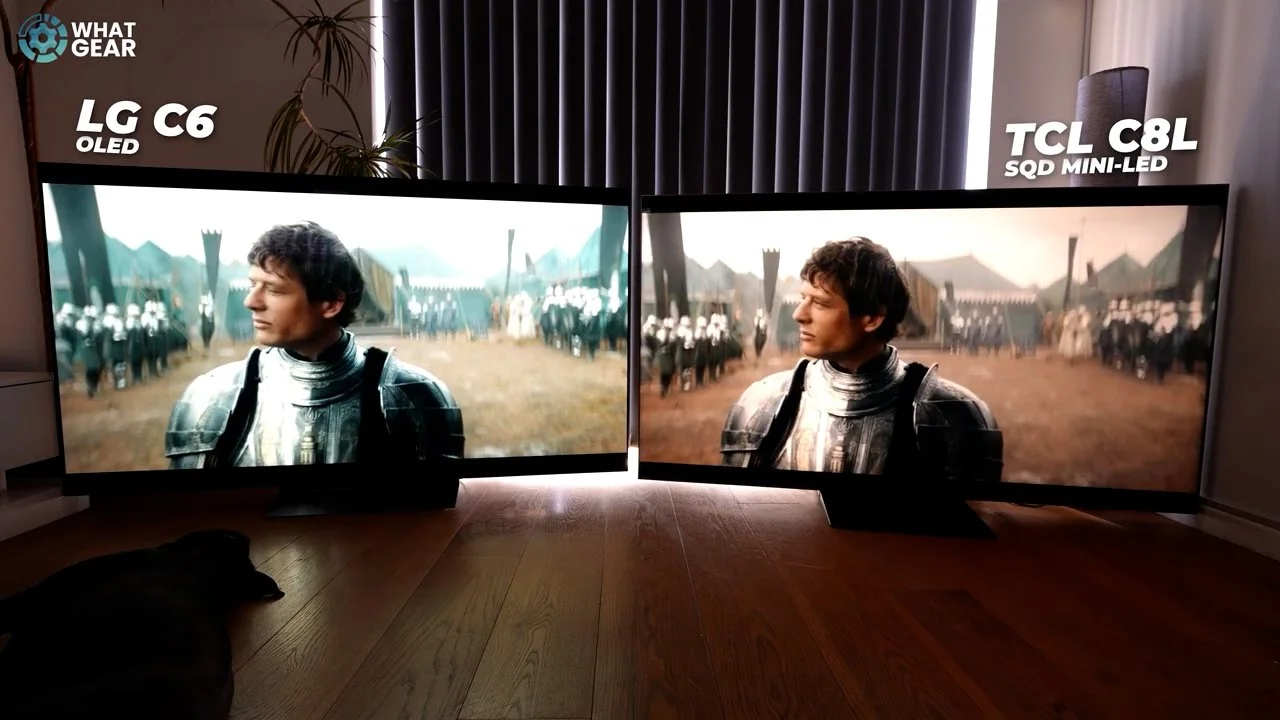
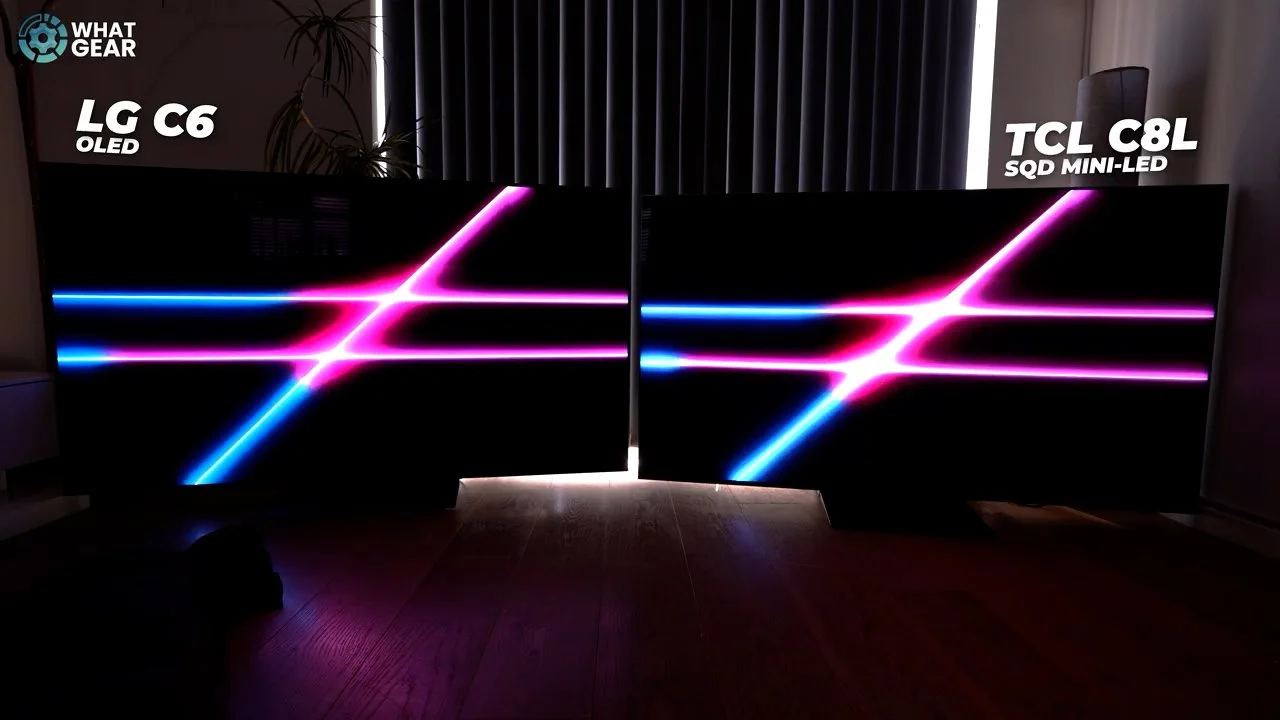
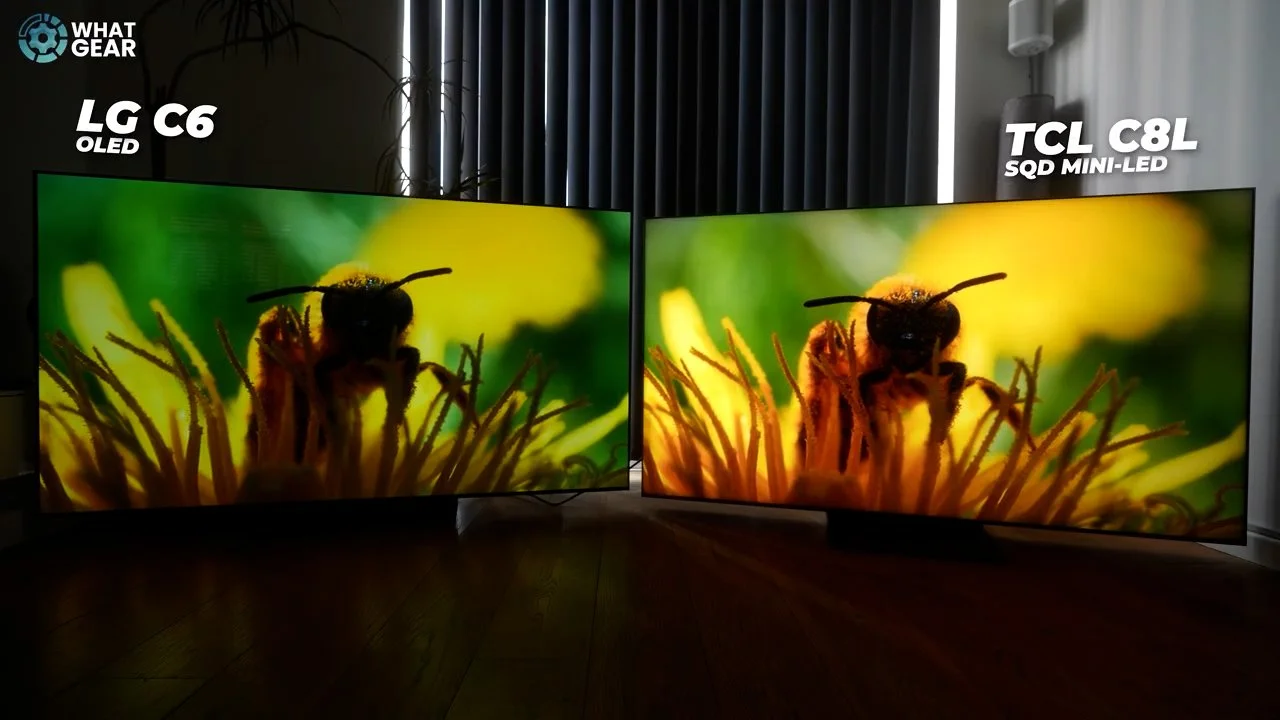
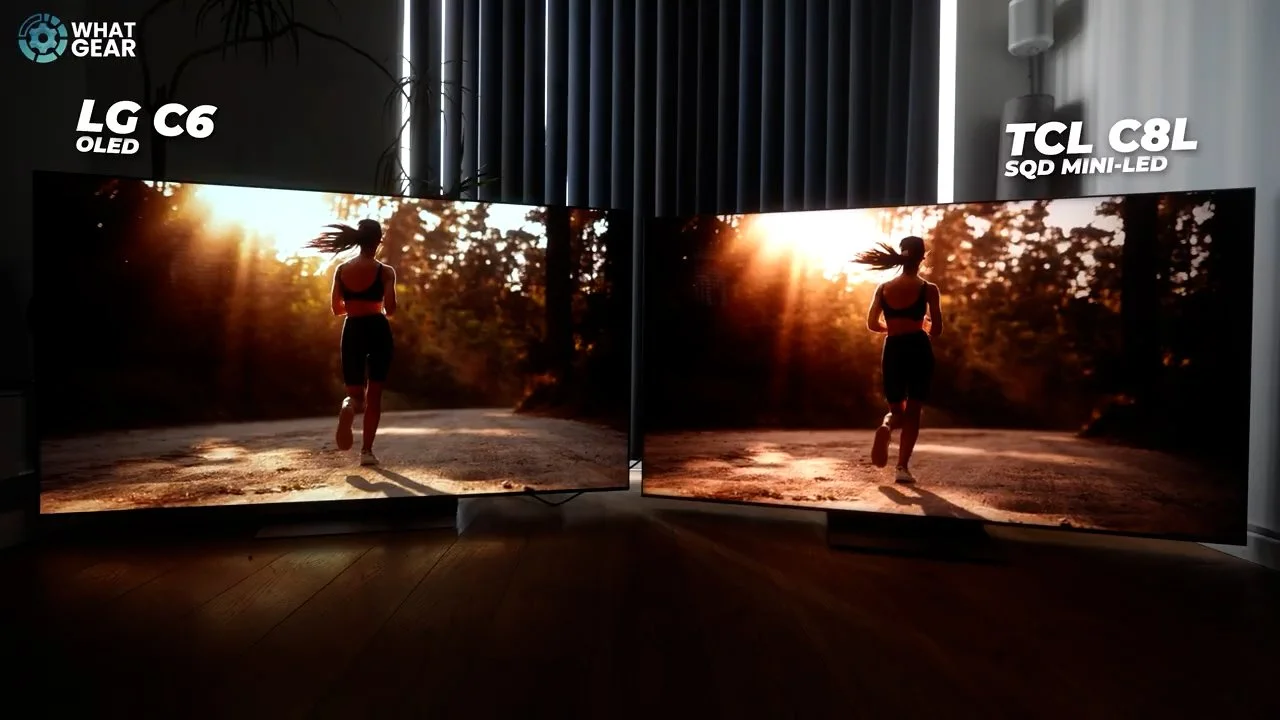
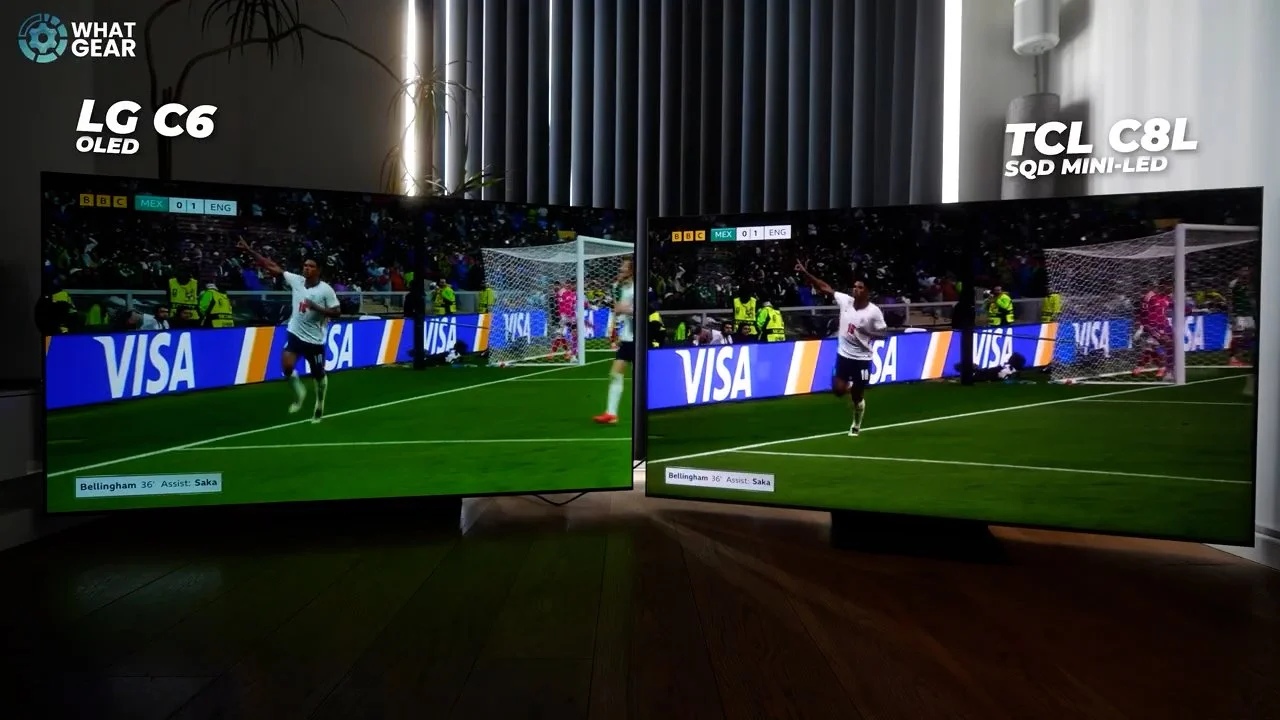
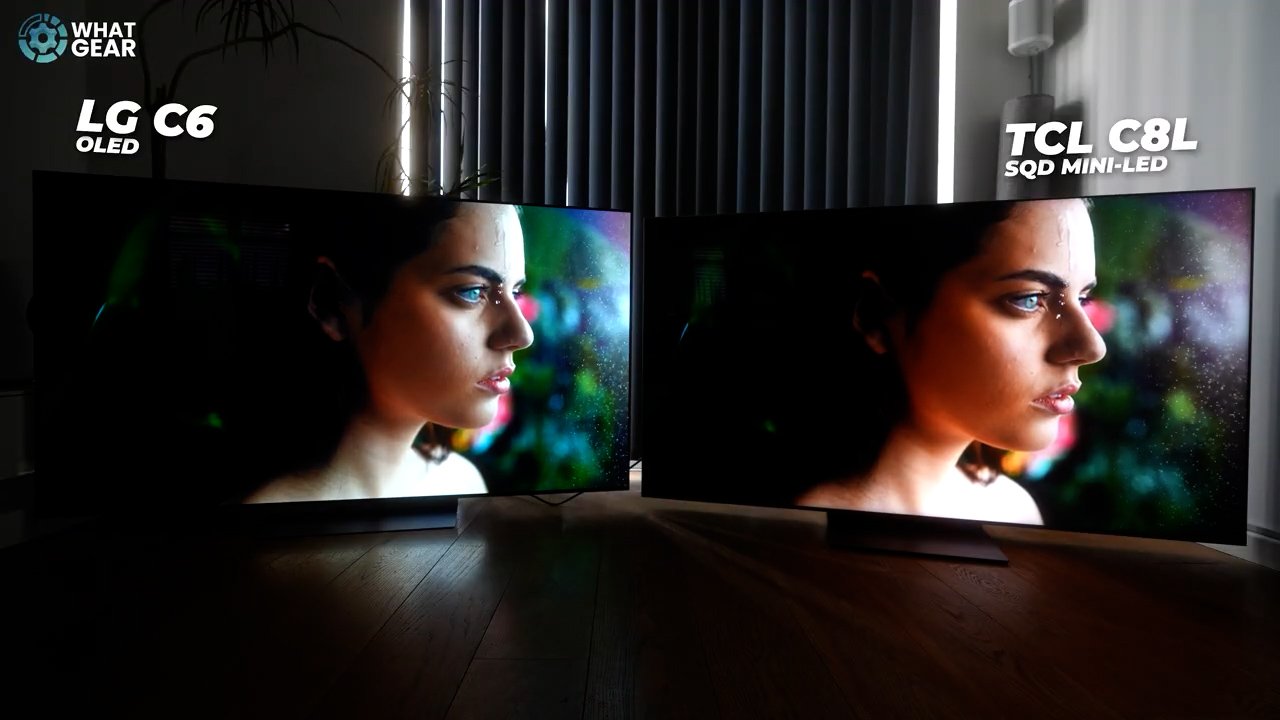
And TCL’s All-domain Halo Control Technology delivers deeper blacks and higher brightness than previous models, for a marked improvement in picture quality. So again I wrote down a few notes when I fired these two formidable TVs up for the first time and here are my initial impressions.
Honestly I'm quite shocked at how good the black levels are now on this MiniLED TV. In scenes where there's a single light source the difference in black levels are almost identical. It's only when there are multiple light sources for example a sky full of stars where the OLED tech shows it's black level advantages.
So the LG OLED is still king of the darkness But on the flip side, the TCL is truly the master of bright light. White highlights noticeably much brighter and you can notice this clearly when watching England's football team playing in the white shirts.
Also out of the box the TCL Colours pop much more. Of course some colour calibration on LG can get close but the C6 won't get close to the brightness.
Also thanks to the very wide colour gamut supported here. Skin tones do look more natural with the out of the box settings on the TCL.
Now if you are going to be watching a lot of sports. One tip for you if you do get the TCL is to dial back the colour saturation to 33. Because this panel is so bright and vibrant and power behind the bright green grass and brightly coloured shirts is maybe a little overpowered ... .but this is a good problem to have. Especially if your TV lives in a bright room.
Now let's jump over to the LG C6 OLED. It can’t match that raw, daytime-slaying brightness - even with its Brightness Booster feature - but frankly, it doesn't need to. Because of the nature of self-emissive OLED pixels, it can turn completely off. This means you get true, infinite blacks right next to bright highlights with absolutely zero blooming or halo effects around subtitles.
And for the gamers among you, the C6 offers the world's first 4K 120Hz HDR cloud gaming via NVIDIA GeForce NOW, and it’s the first TV to support Bluetooth Ultra Low Latency Controllers. No console required - just your TV, a controller, and an internet connection.
There's no doubt that the LG C6 is a beast when it comes to control, black levels and refresh rates. Colours in film maker mode are close to perfect when watching movies in a dark room. But on the other hand TCL do offer their own
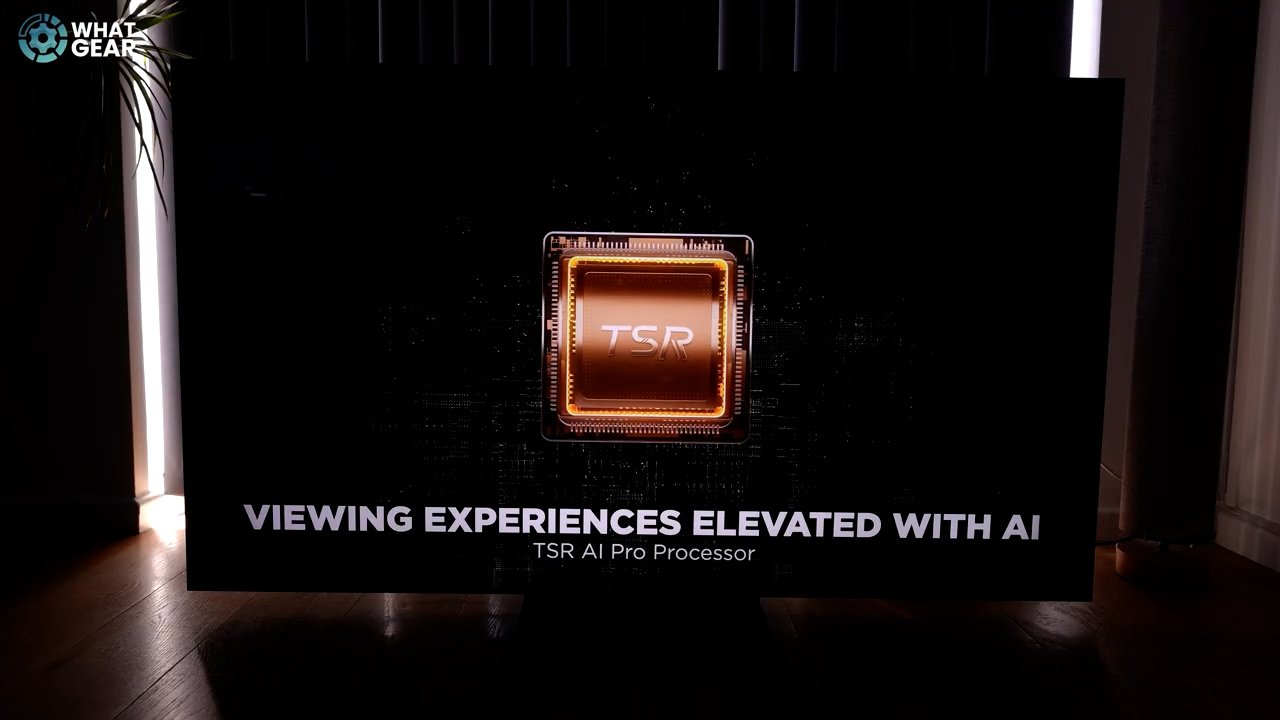
And this wouldn’t be a consumer tech video in 2026 without the mention of AI. Both sets boast their own AI chips. TCL has its TSR AiPQ Processor, which integrates proprietary image-tuning algorithms with the firm’s own AI model to deliver pixel-level optimization for visuals.
The C6 isn’t one to be outdone, and comes with LG’s alpha 11 AI Processor 4K Gen3 with Dual AI Engine. That name is a bit of a mouthful, but LG says it can refine sharpness and texture simultaneously, for sharper and more natural 4K picture quality.
Both look great but the real test for the Ai chips is their ability to upscale lower resolution content to make them appear closer to 4K. This could be handy when watching live sports and feed is only HD. And again I tested these with some of the world cup action and it's an extremely close contest.
Out of the box, both sets come with feature-packed systems. So what do they actually like to live with day-to-day?


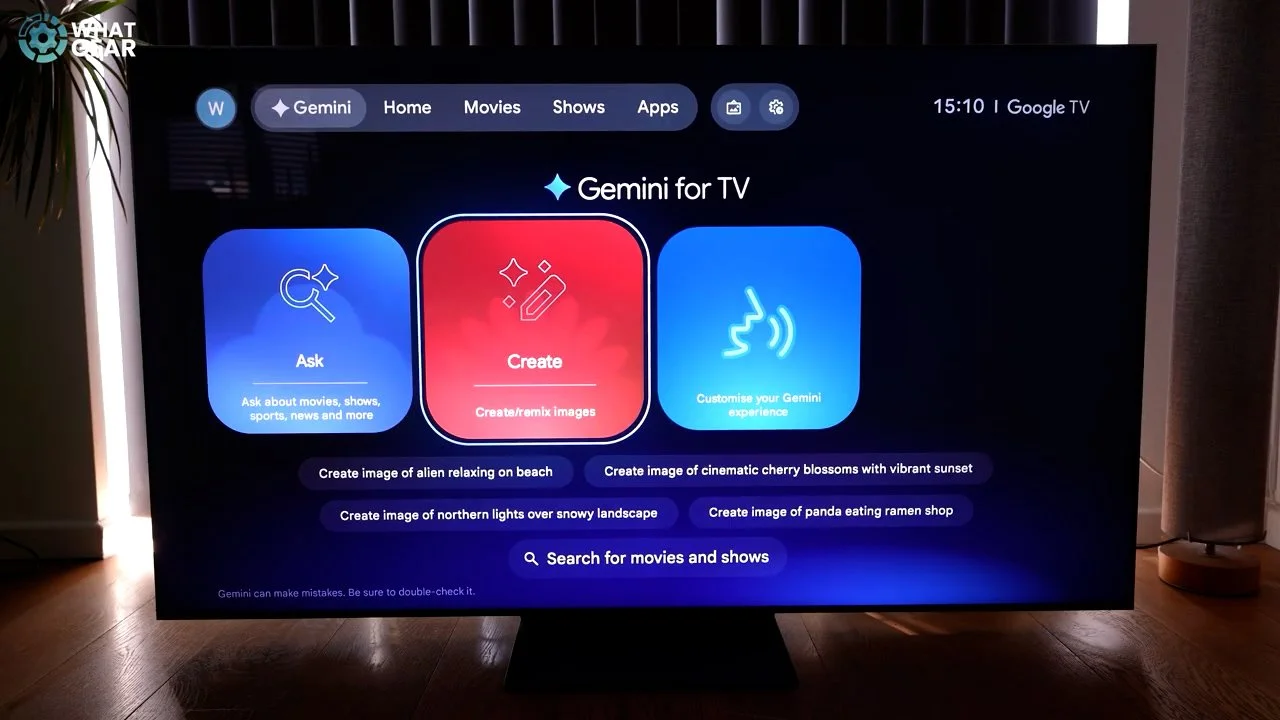
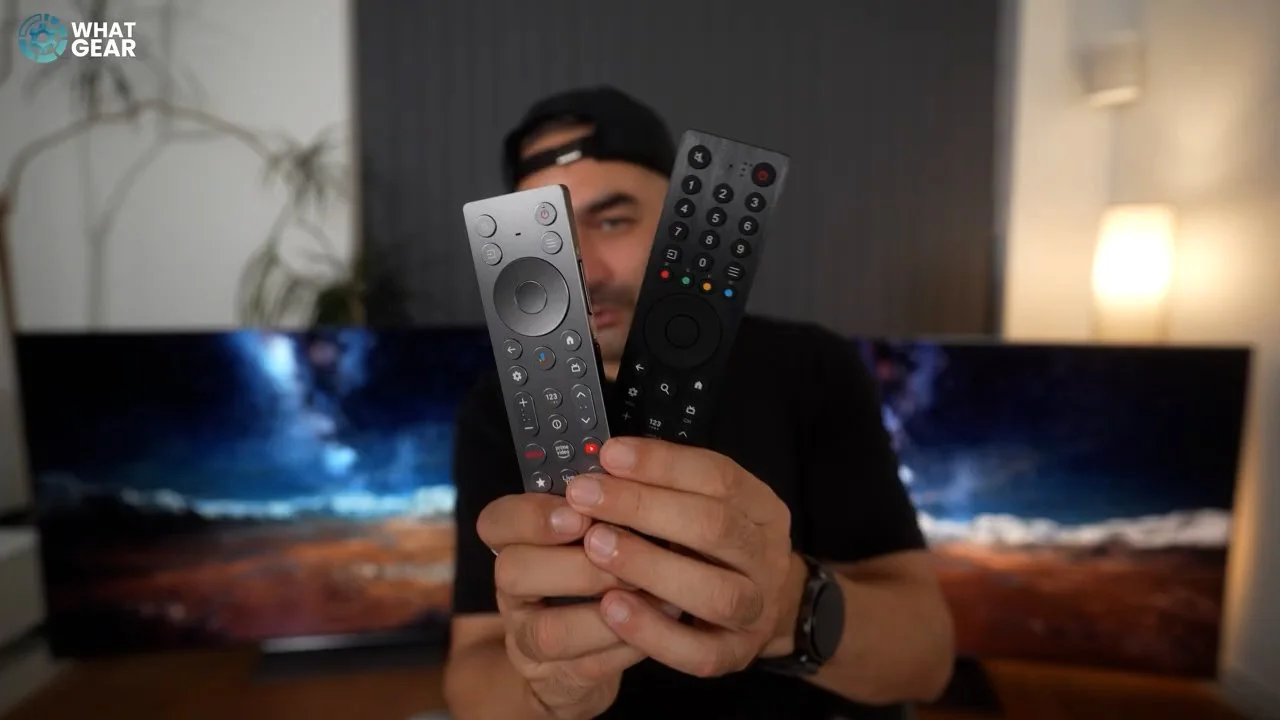
The TCL C8L runs on Google TV, offering a mega app ecosystem to keep you well entertained, whatever content and streaming services you want to watch. There’s support for Google Cast, AirPlay 2, and Chromecast too, making it easy to wirelessly beam content from your phone or laptop to the display. But the TCL does have a pretty significant UI advantage this year.
LG sticks with their proprietary webOS 26 on the C6. It’s highly customizable with quick-access cards, but it does feel a bit more cluttered with sponsored content out of the box.
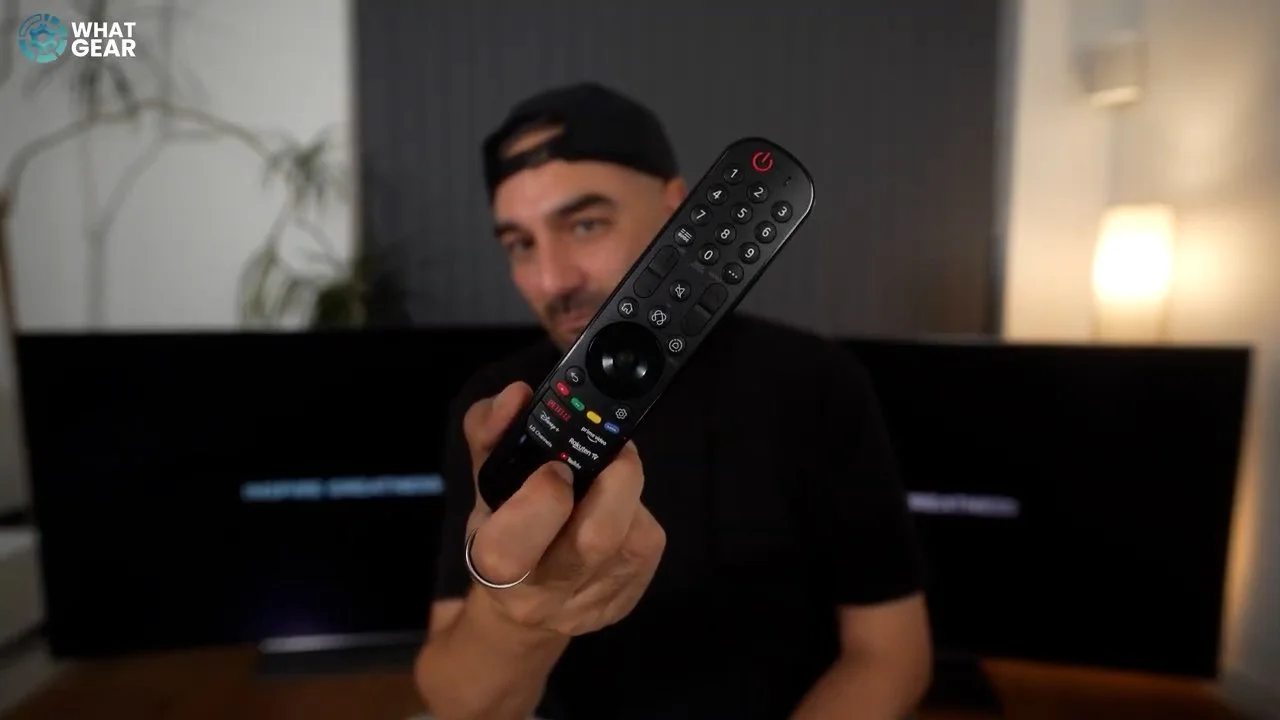
However, LG still has its handheld weapon: the AI Magic Remote. It acts like a wireless pointer on the screen, making typing passwords or navigating menus an absolute breeze compared to a traditional D-pad. The ‘AI’ part of the name means you can converse with the TV’s AI Chatbot, and use your voice to search for content. Meanwhile the AI Concierge works in the background to understand your viewing habits and offer up relevant content without you having to ask.
But they huge advantage for the TCL is that now Google's Gemini is built right into the TV. It's incredibly smart, and can help you get to what you want to watch in an instant. Also it has the advantage of being more knowledgeable, being that is one of the largest Ai platforms on the planet right now.
You can even use it to answer general questions, create images and help you navigate the UI. And it sounds far more human than LGs ai assistant.
Alright, let's talk numbers , because this is where our showdown gets really interesting.
Remember that holiday I mentioned at the start? At launch prices, choosing the 65-inch TCL C8L over the 65-inch LG C6 saves you roughly £700. That is literally enough cash to book a trip to Ibiza. So, what’s it going to be? Are you staying home with the flawless pixel precision of the OLED, or are you buying the TCL SQD powerhouse and heading straight to the beach?
You should buy the LG C6 OLED if you primarily watch TV in darker rooms, absolutely demand flawless, ink-black contrast, love the ultra-thin aesthetic, and want that effortless pointer remote experience. But remember, you are paying a massive premium for it.
On the flip side, you should buy the TCL C8L if you have a bright living room, want incredible built-in Bang & Olufsen audio without buying a soundbar, need that high-impact 5,000-nit brightness, and want the absolute best value for your money.