Bowers & Wilkins PX7 S3 - Better Than My XM5's & Sonos Ace?
The noise-cancelling headphone game has changed a lot in recent years, and in some ways, many people don't even realise it. And if you stick around, you'll hear what I mean. Anyway, these are new in April 2025. They're called Bowers & Wilkins PX7 S3. Interestingly, despite the £379 launch day price, these are not the most premium over-ear ANC headphones from B&W. That would be the PX8. However, they are priced in line with many fan favourites, such as Bose Quiet Comfort, Beats Studio Pro, Sony XM5, and Sonos Ace. This suggests that B&W is confident that it can compete and win in the category.
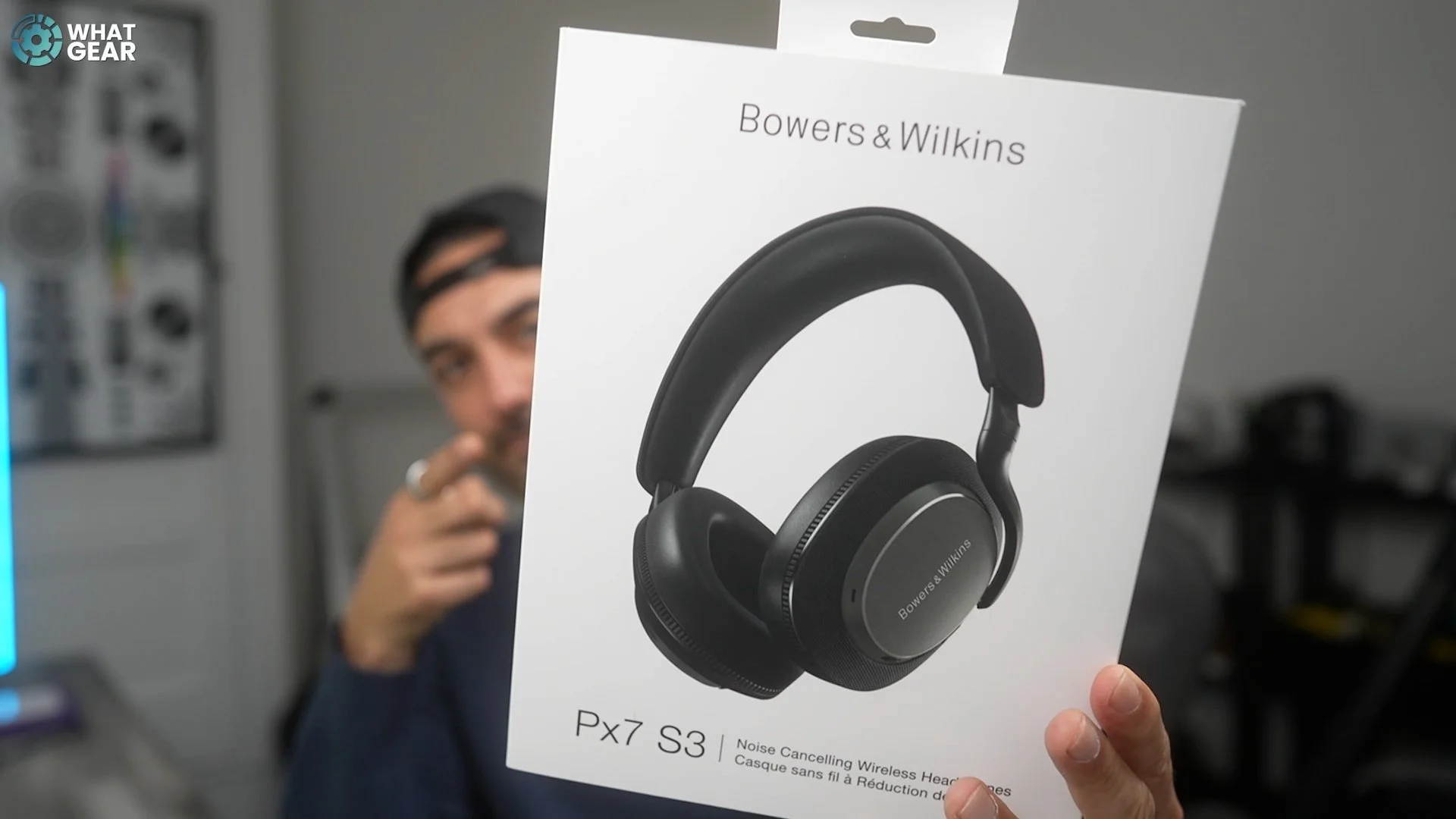
Two of my favourites are the XM5s and Sonos Ace. To give you a really honest opinion of the sound quality, I filmed my unscripted and unrehearsed reactions to the PX7 S3's sound compared to the Sonos ACE and Sony's XM5. Here's where it gets different. ( Not like the other ) I took the time to burn in the drivers on the PX7s for more than 50 Hrs at maximum volume. Why? Some audiophiles believe it takes at least 50 hours to burn in the drivers on a new pair of headphones before they can sound their best. And I want to give you guys my opinions based on them at their best. And some good news for me regarding burning in the drivers is that PX7 S3 has 30Hr battery life with ANC on. And a 15-minute quick charge feature delivers an additional 7 hours of playback. I gave them a little boost in the evenings before bed and didn't have to worry about them. So now, let's jump into what separates the PX7 S3 from the pack.
Design
The design of the PX7 S3 is a unique blend of woven material-wrapped surfaces, metal surfaces with diamond-cut chamfered edges, and minimal use of plastics, giving it the distinct B&W headphone identity. The launch day colour options include Canvas White, Indigo Blue, and Anthracite Black, with Indigo Blue being a personal favourite.
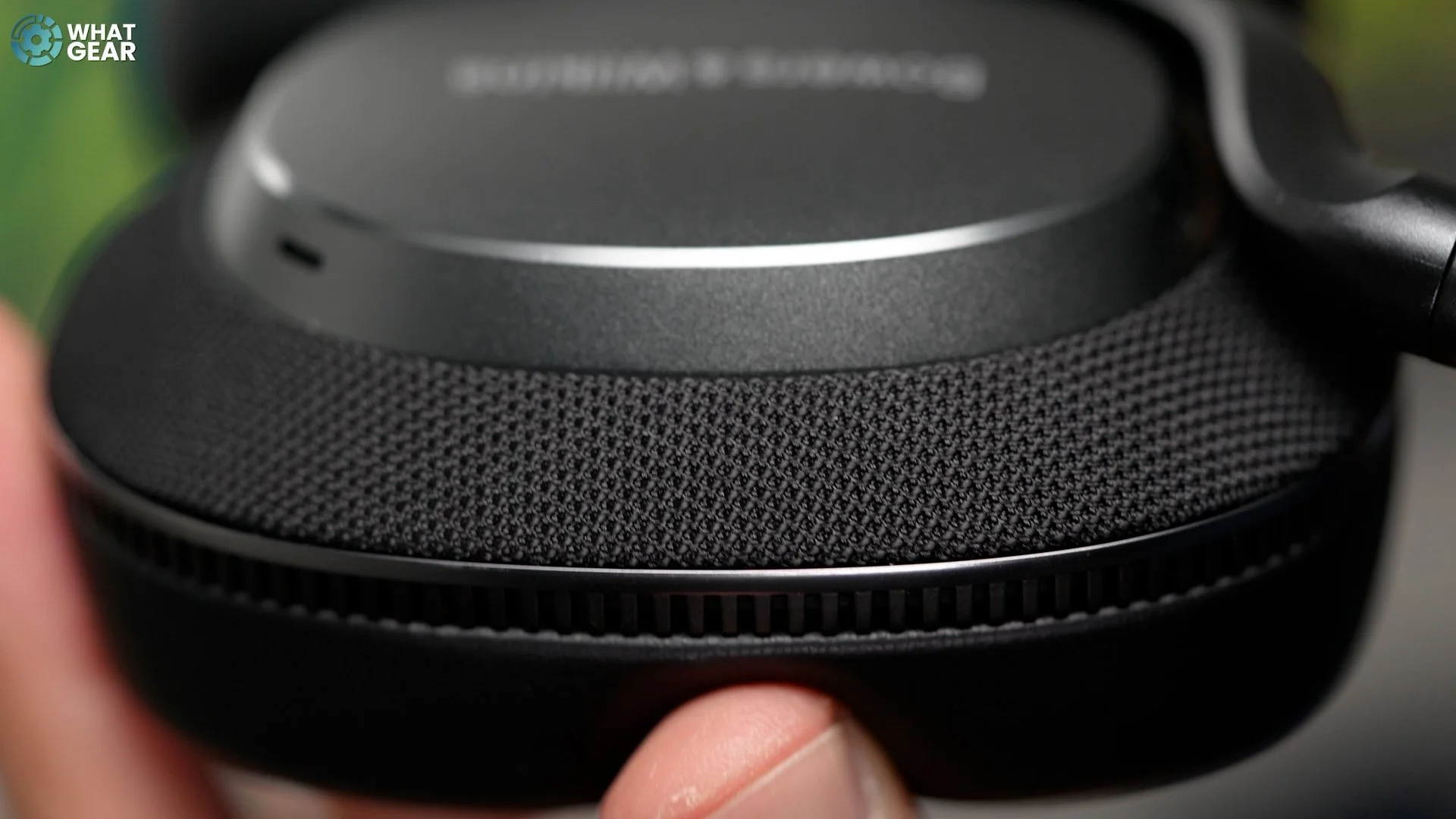
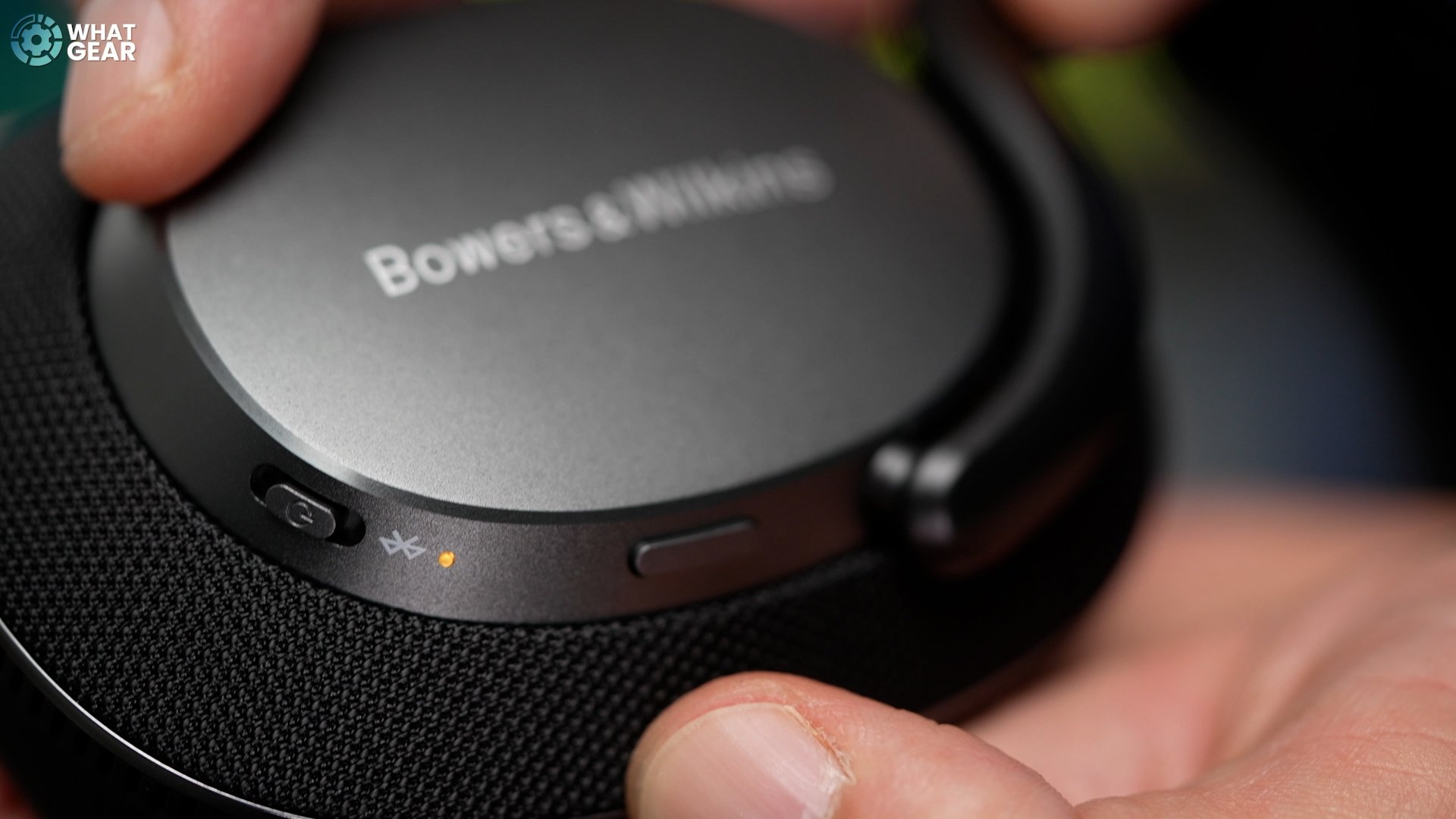
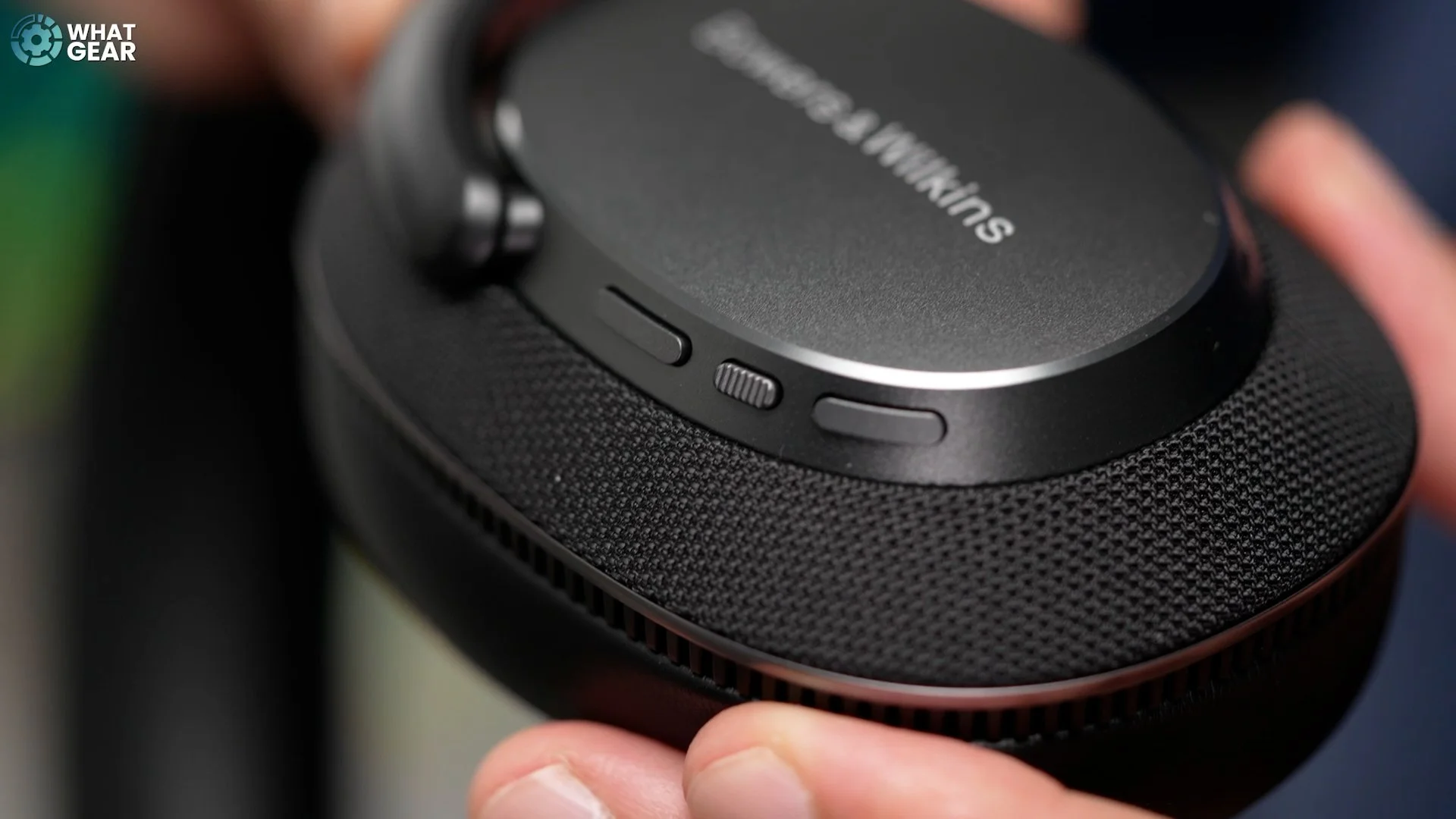
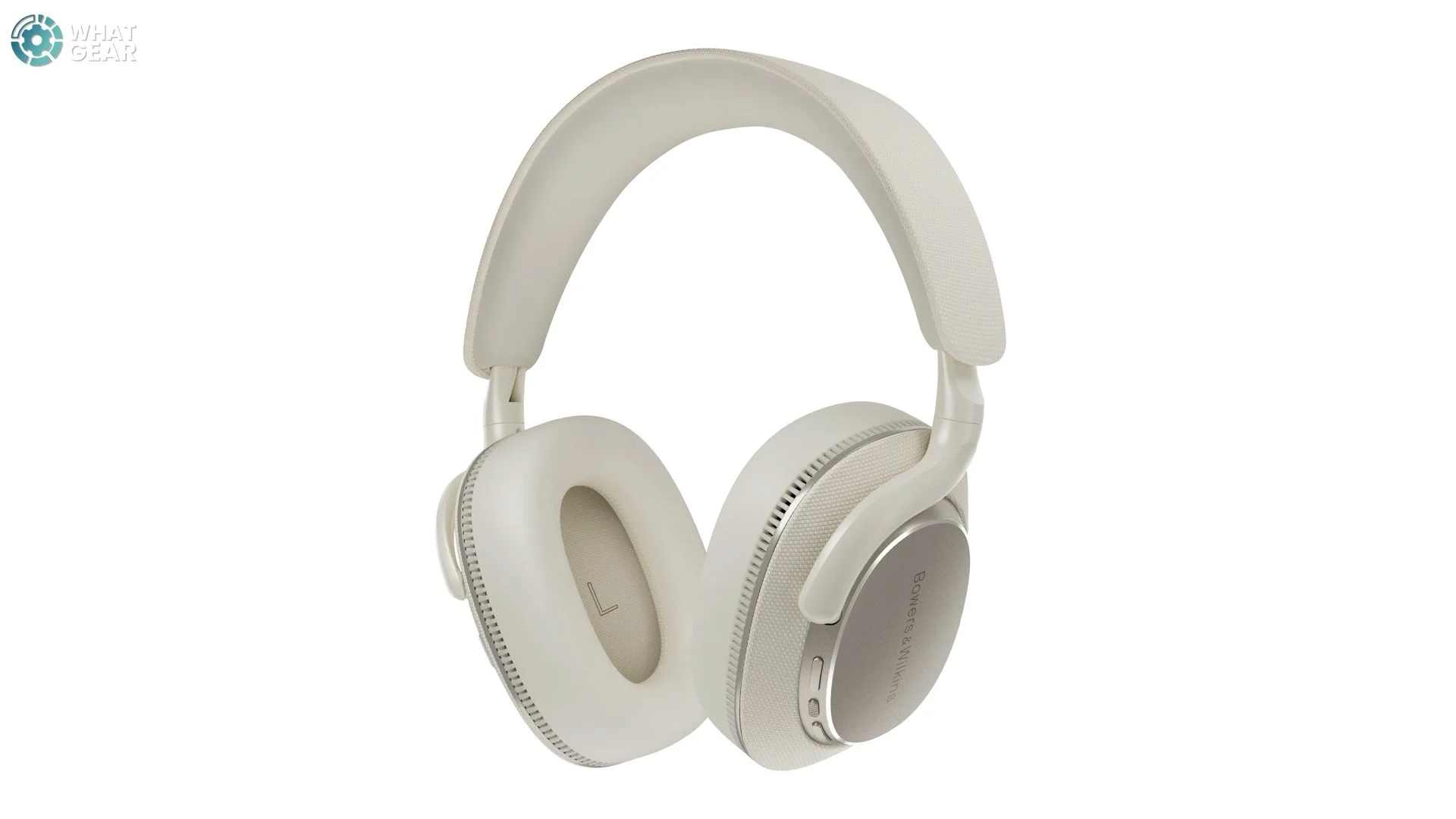
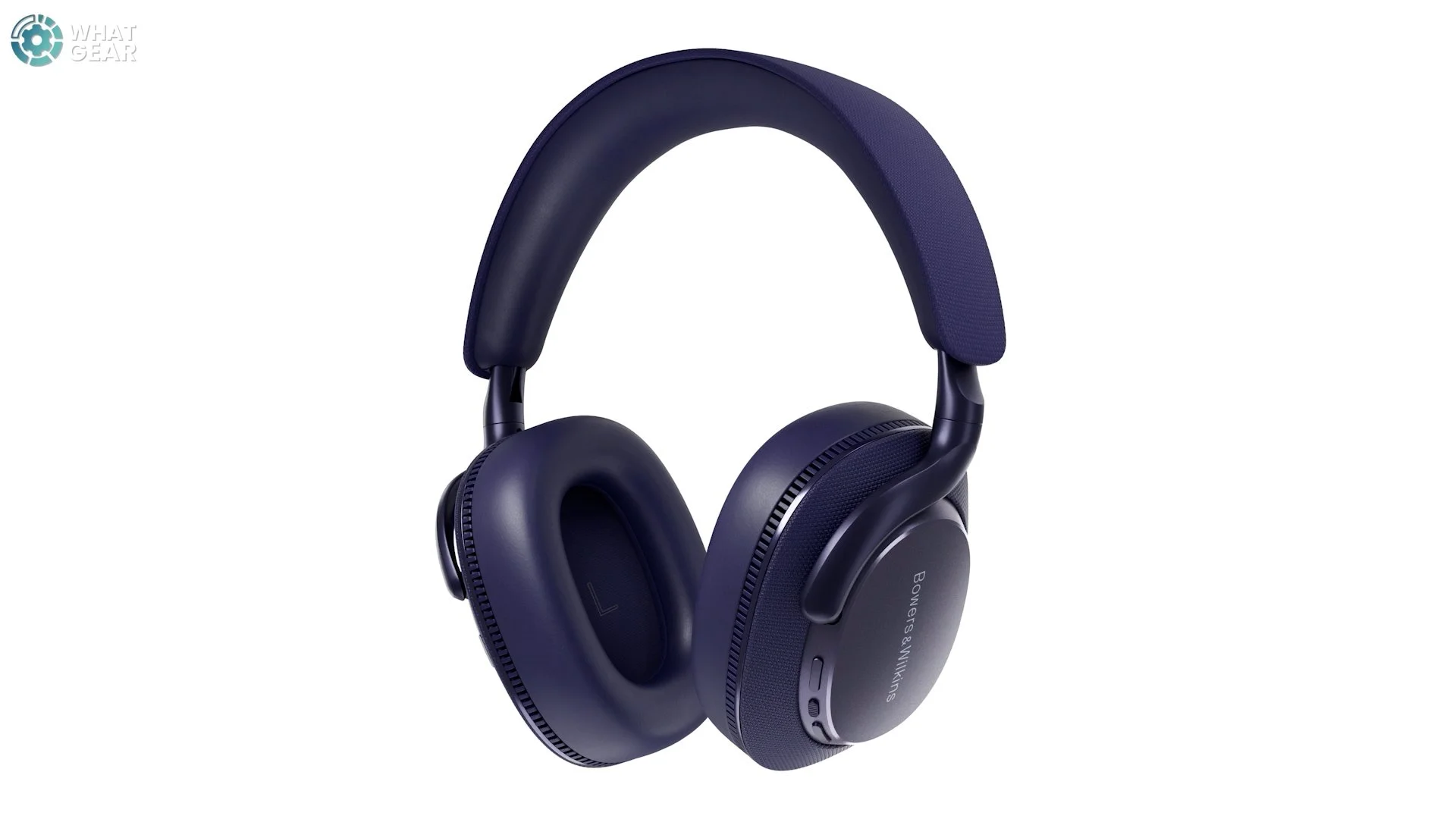
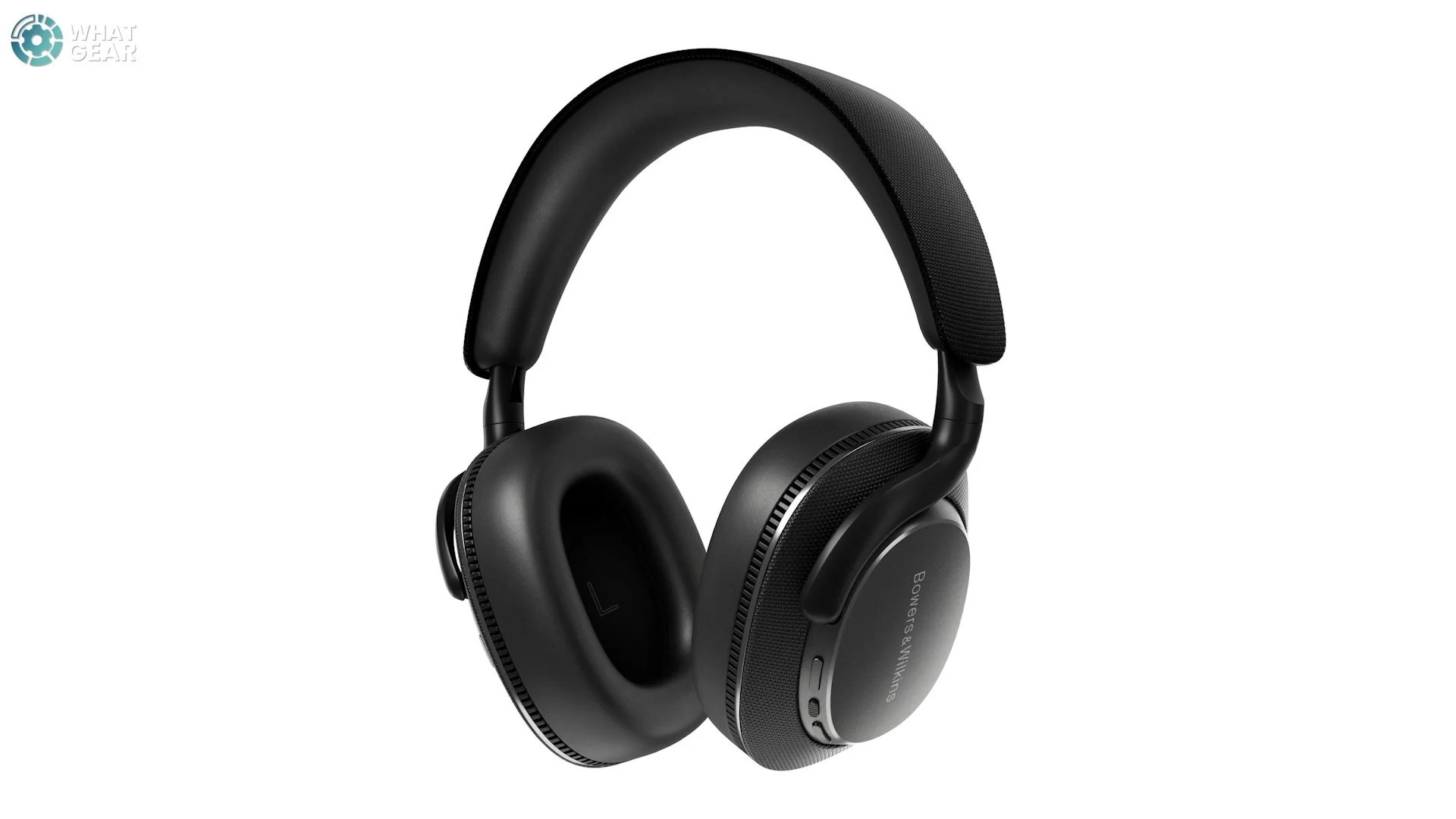
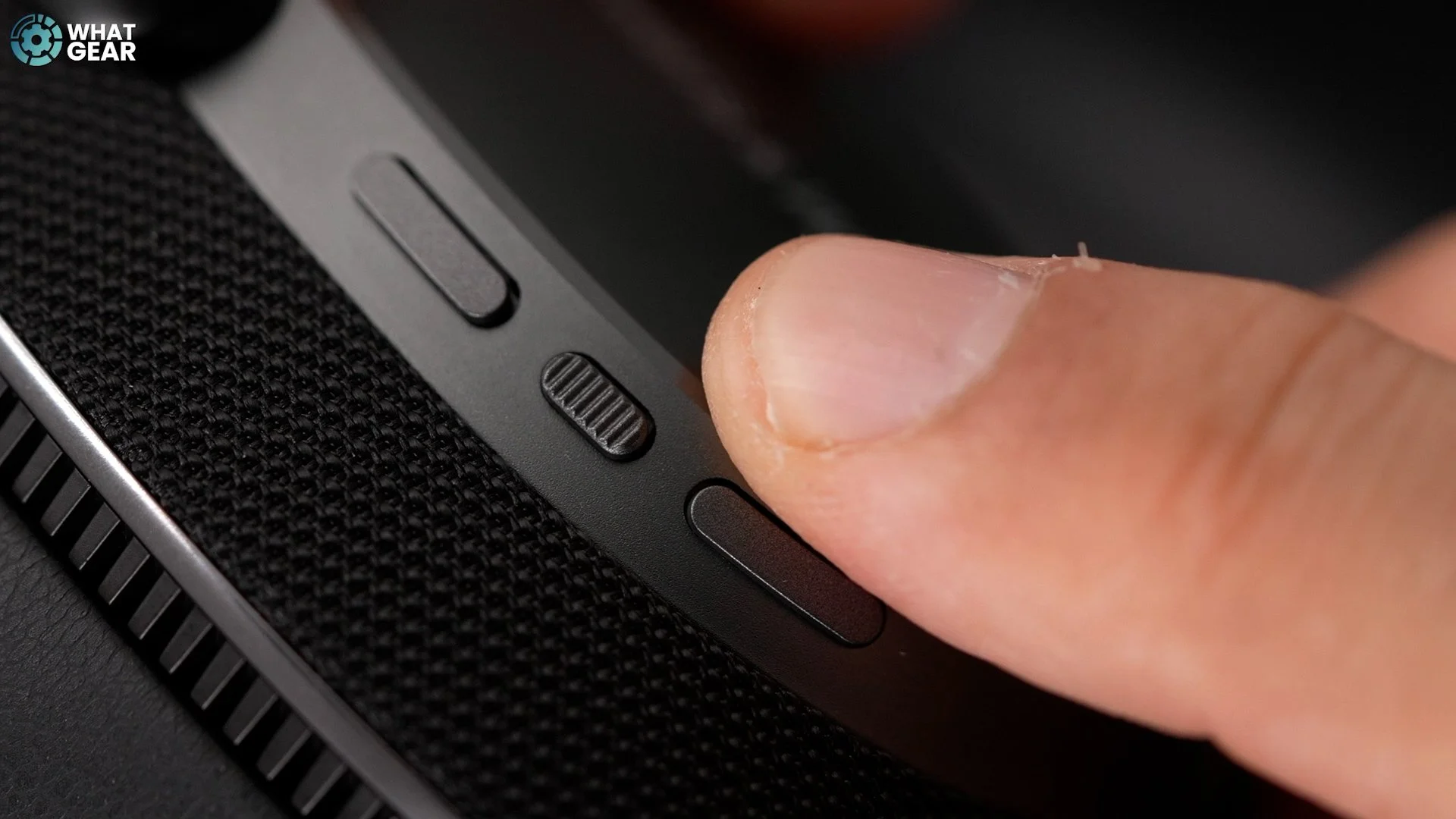
If you're familiar with the earlier version of the PX7, you might initially think that not much has changed. However, let me quickly run through some of the design upgrades that have been made. The PX7 S3 have newly upgraded wear detect sensors, there are now 4 mics on each earcup instead of three, and a redesigned button layout with a new textured diamond pattern on the centre button, making it easier to feel.
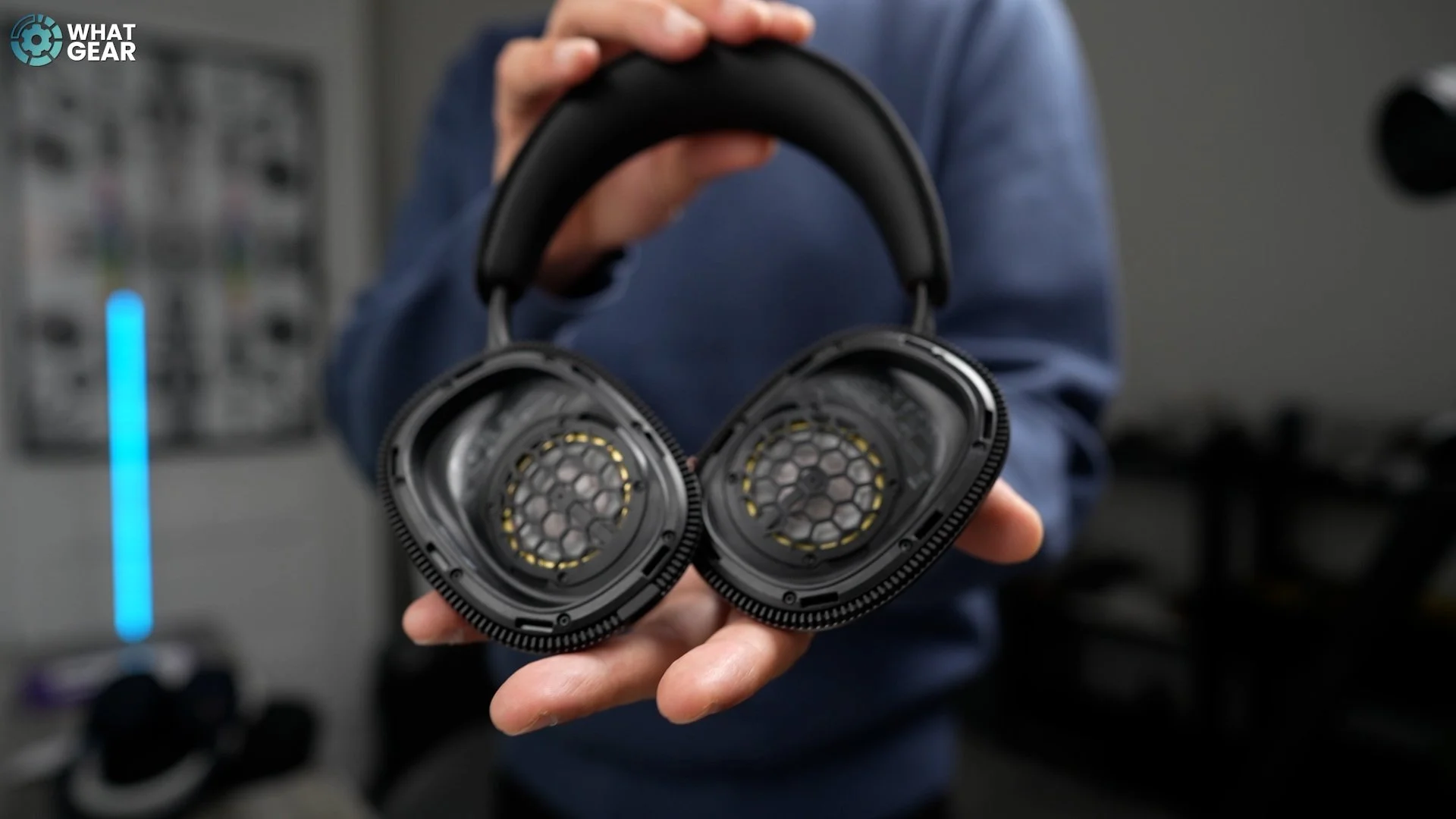
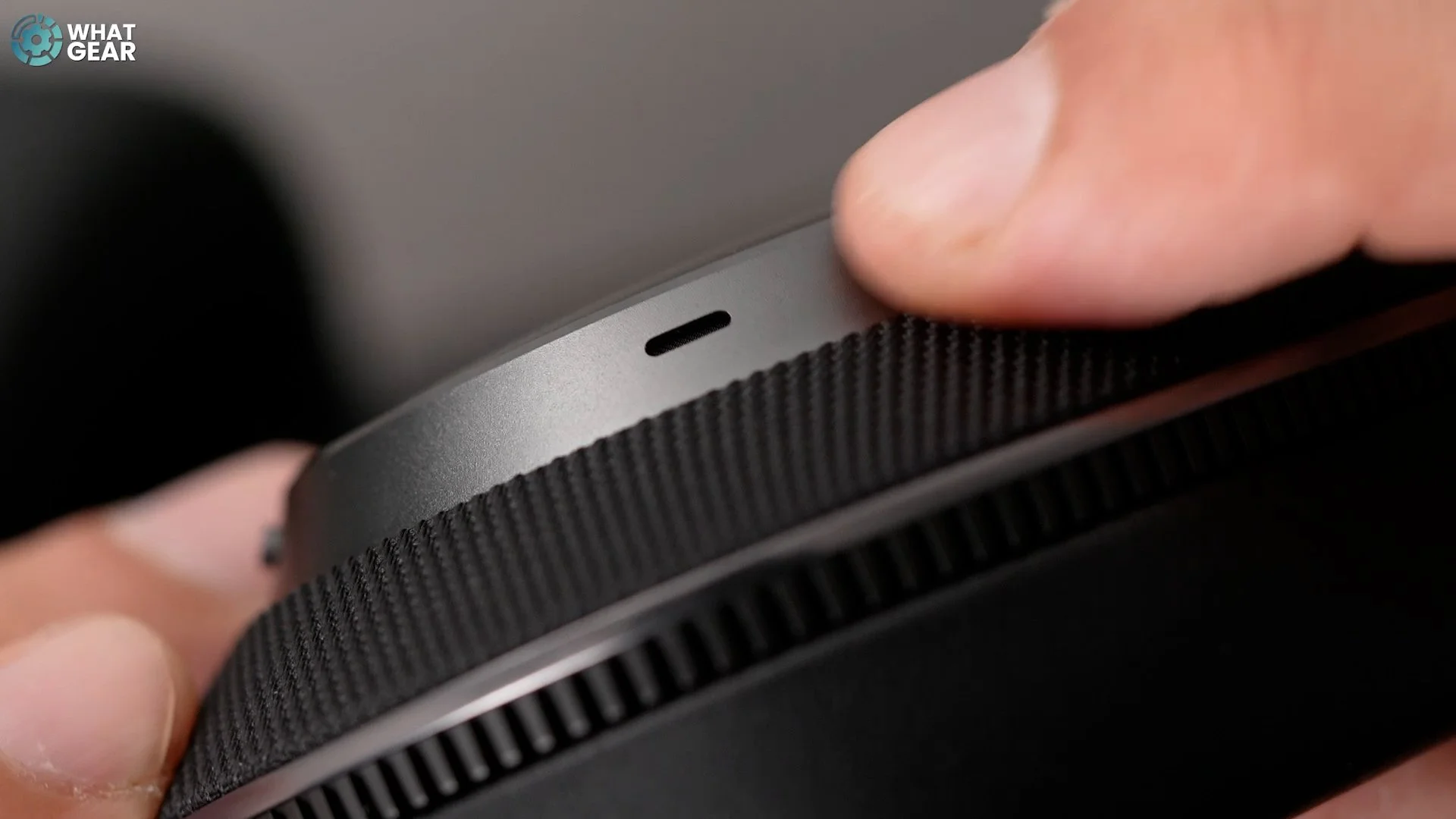
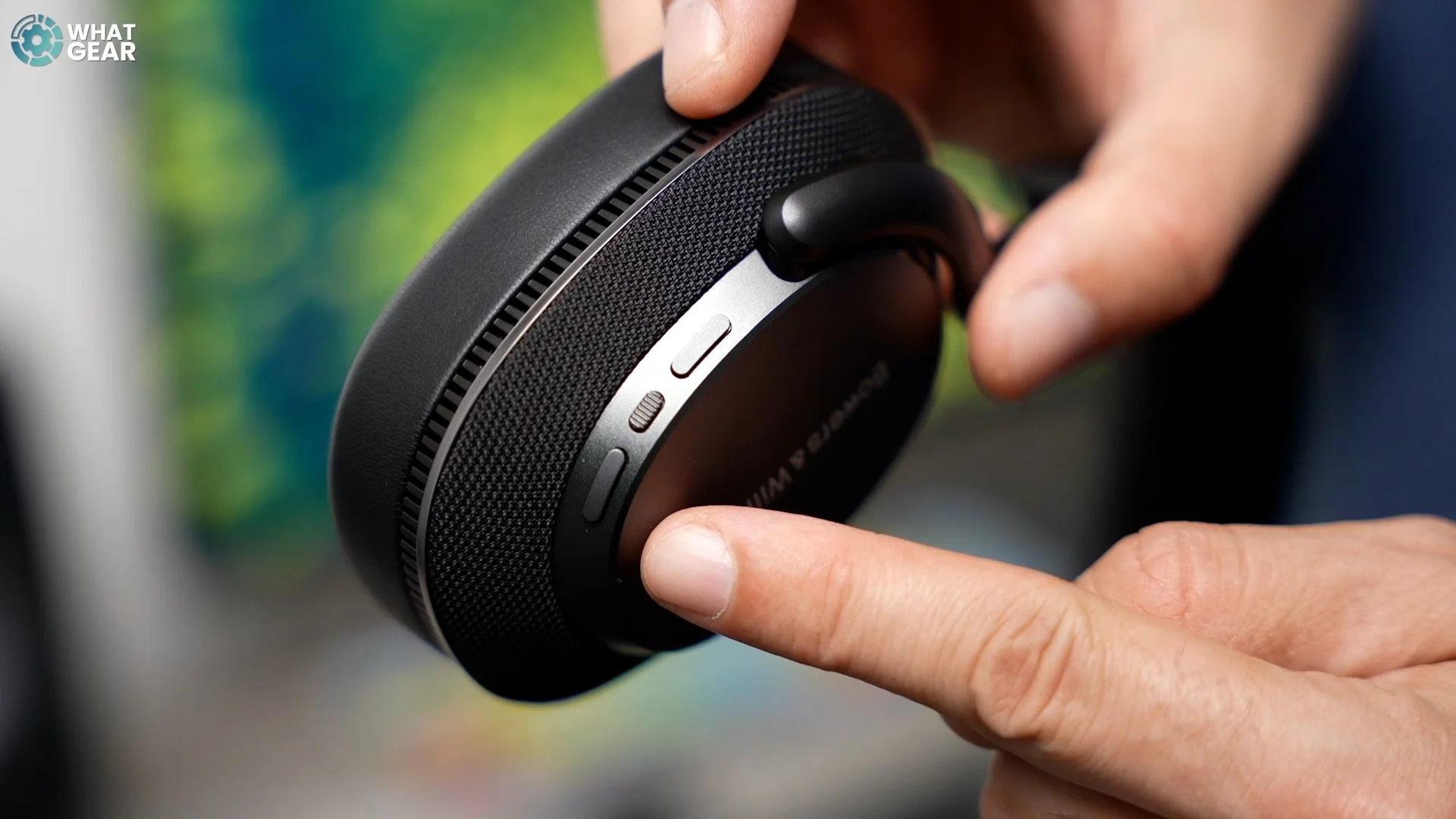
The ear cups are replaceable like before, but now the headband is also replaceable. The overall weight is 3g lighter. The depth of the earcups is slimmed down, the hangers have also been redesigned, and they twist inwards and outwards. Some headphones can't do that. And the entire headphone had been re-balanced to sit more comfortably. A couple of things that I like here is the use of metals; they give off that luxurious vibe. I also like this grill section. This is brand new to the PX7 S3, Bowers called the Annular Guard, which runs around the earcups. This style was carried over from the impressive B&W Pi8 in-ear ANC earbuds. There are a couple more significant upgrades beneath the surface, which I'll return to.
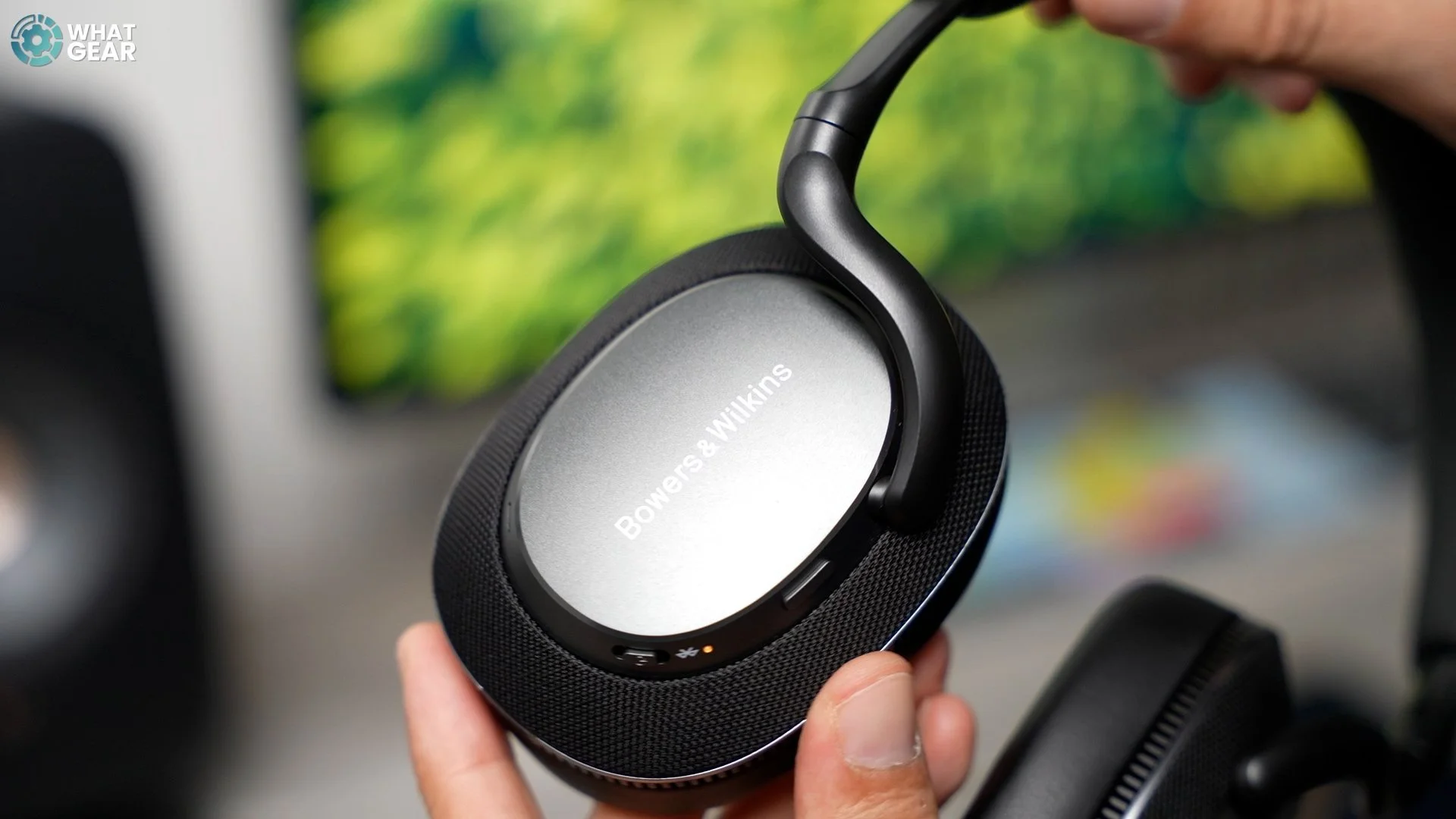
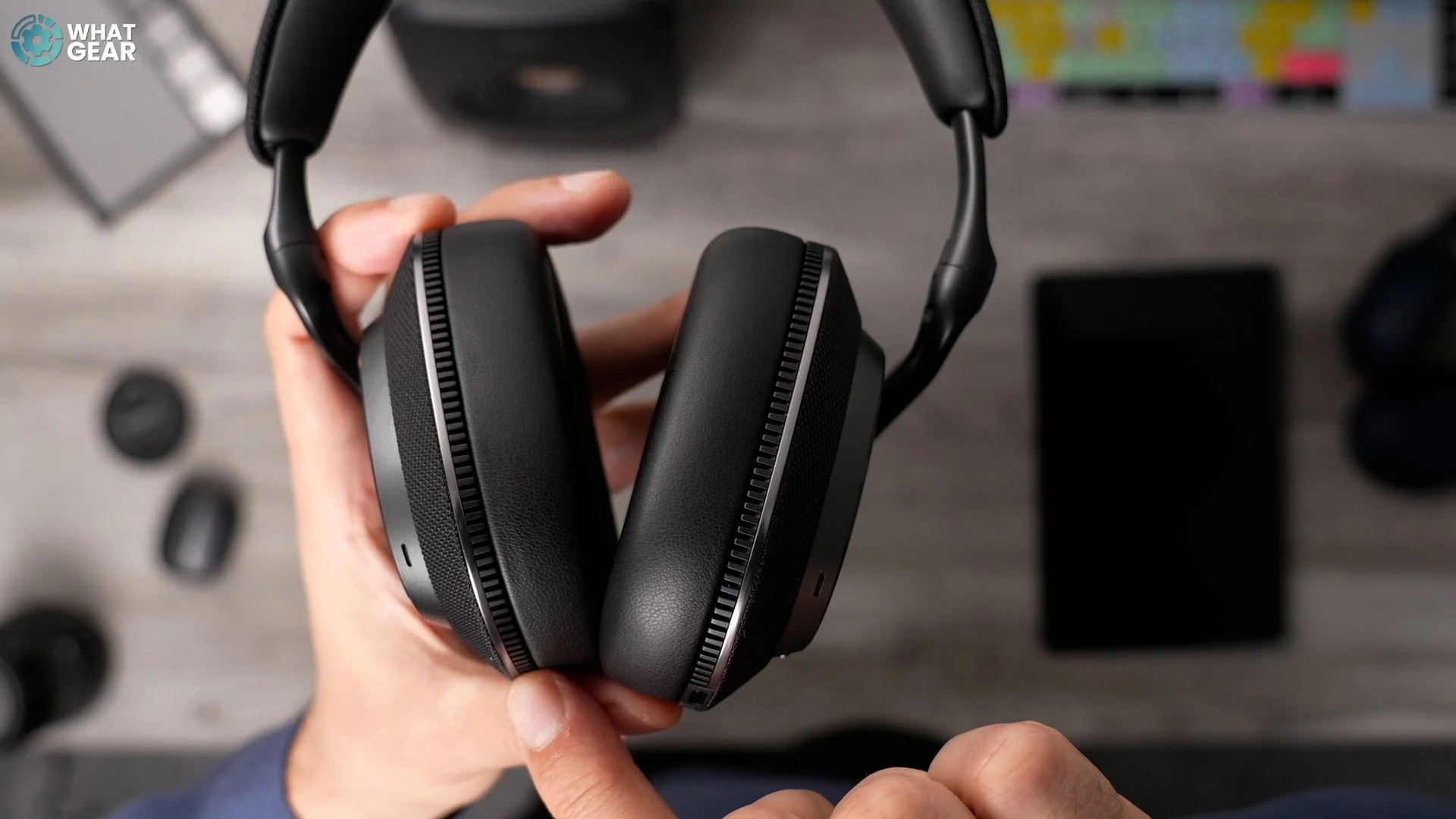
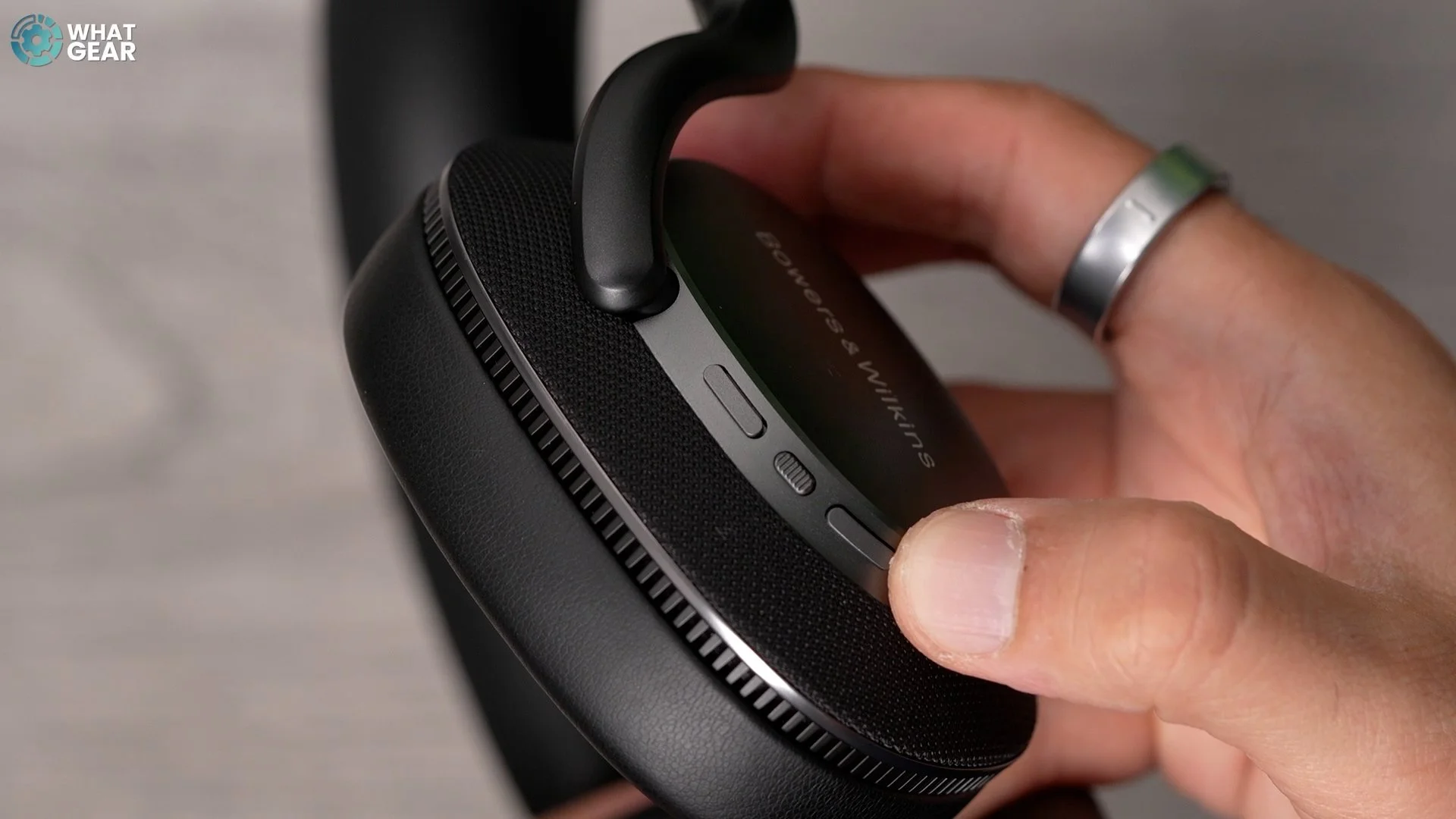
Anyway, the design. The top of the headband is made of tight weave material, which is quite robust & this is good because it's one area that might take a few knocks and scrapes from time to time. I like how B&W have stuck with physical buttons. Volume buttons and action buttons on the right earcup. Anc, Ambient toggle button & power slider switch on the left. The slider switch also doubles up as the BT pairing button. Sometimes, the old ways are still the best. Once you get past the learning curve of where to find them. The controls are straightforward to find and use with your thumbs.


The App
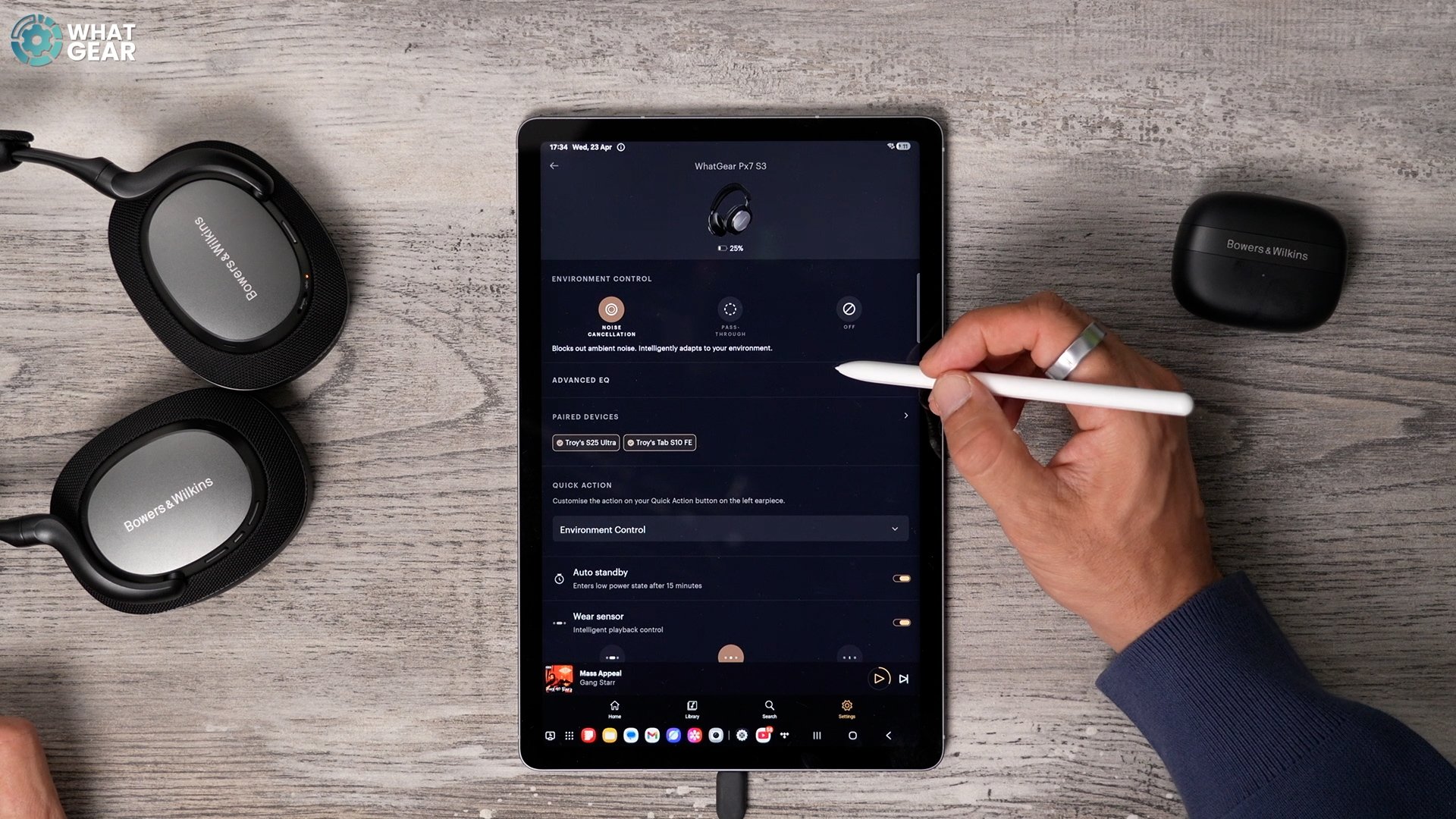
The App functionality has also had a couple of upgrades. It still combines your audio service libraries into one place. Which is nice. It's the option to manually dial in some EQ's and save them thats brand new. You can also adjust the sensitivity of the wear detect sensor here to, and remap the Quick action button to a Voice assistant. I kind of wish a push and hold could be mapped here, but if you want an Ai button at this point you'd need to sacrifice the ANC toggle.
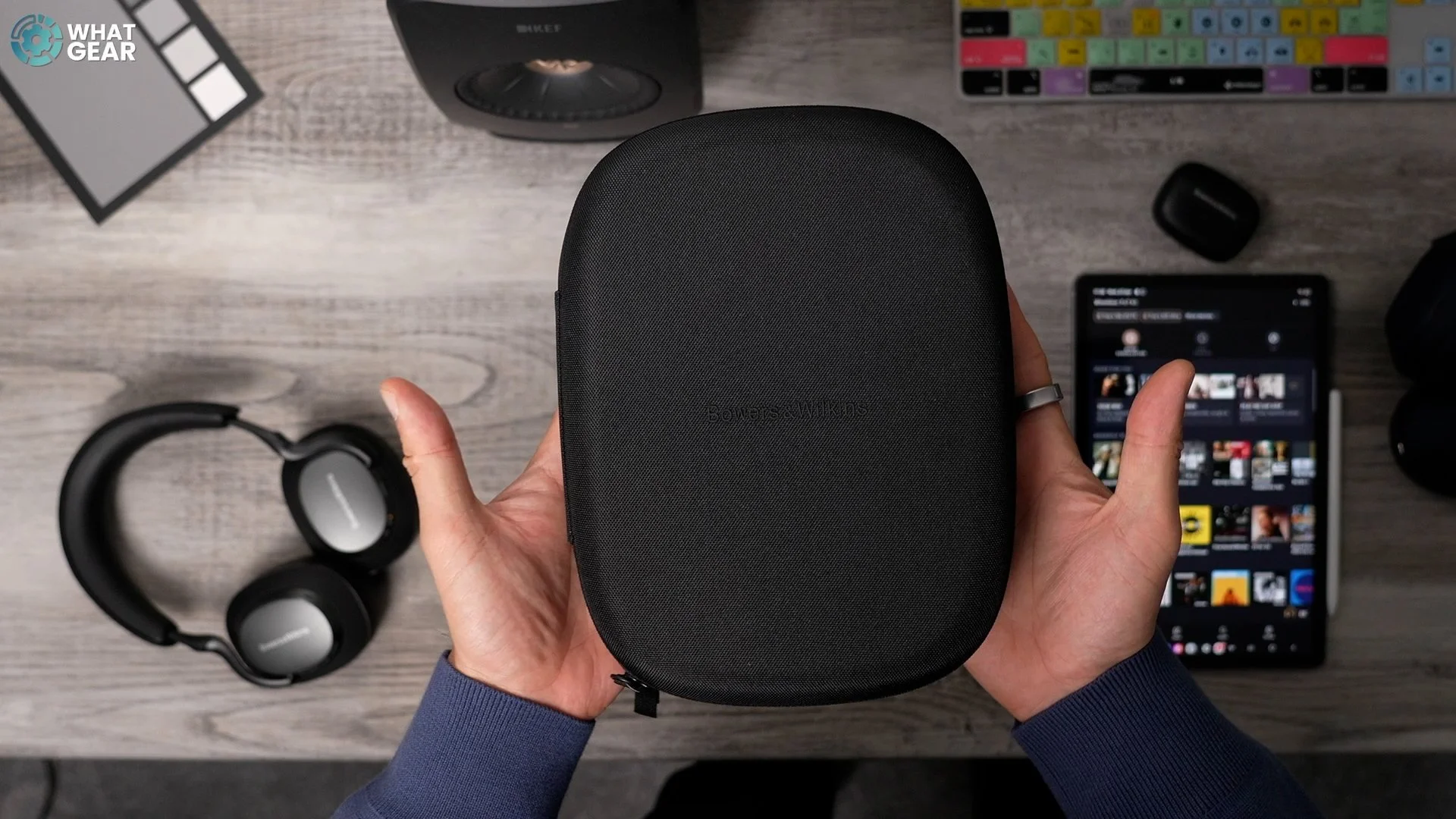

And before we get to how comfortable they are. Let me give you a quick look at the carry case. It is a reasonably slim, hard shell case with a nice textured surface. Inside, you've got a kind of Alcantara texture, a magnetic door for a USB C to C charging cable and a USB C to 3.5mm audio jack cable. And there's an added padding on the lid to keep everything nice, snug, and well protected even if thrown in a tightly packed carry-on suitcase.
Comfort
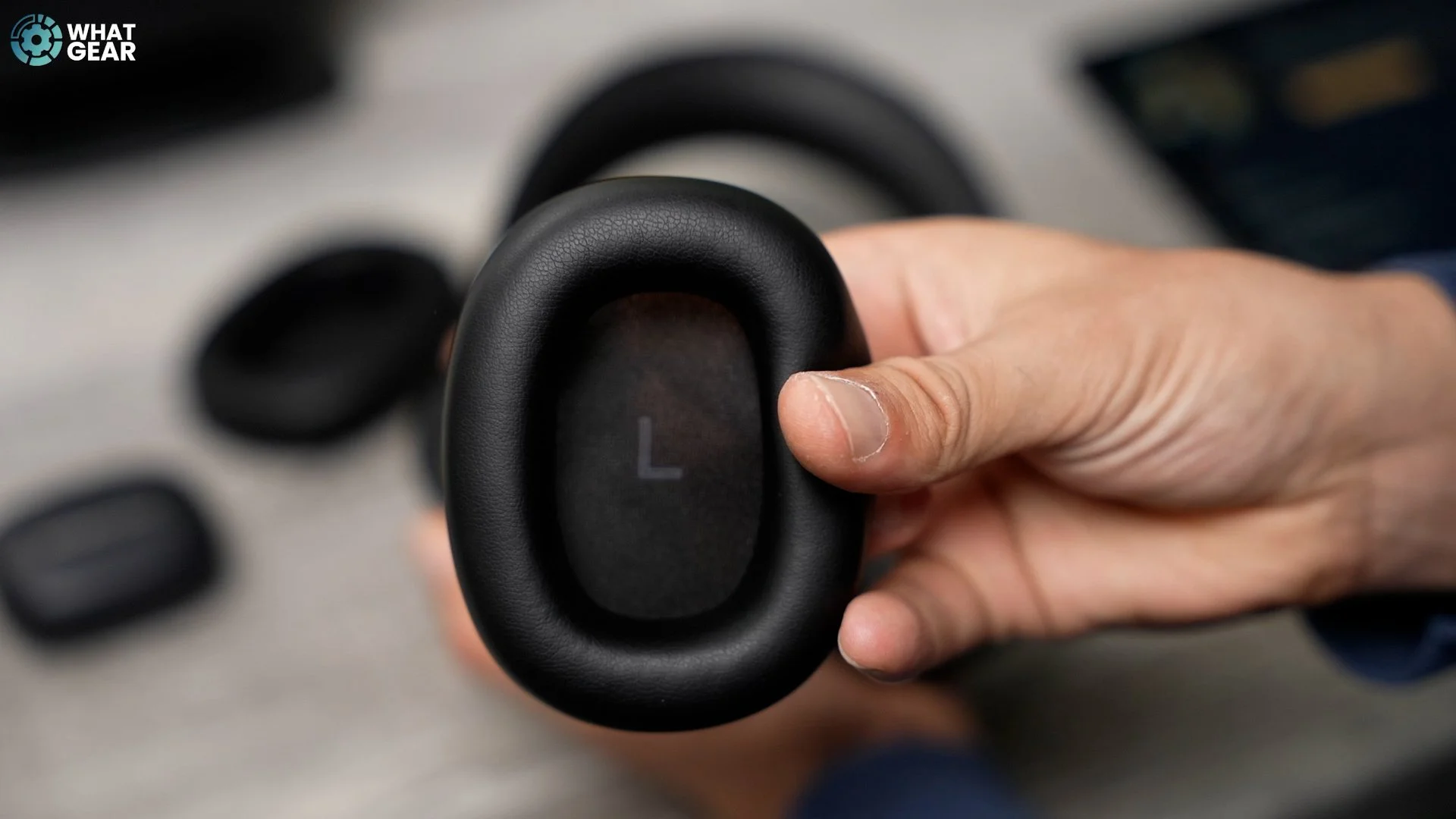
If there were a company that makes the best-sounding headphones ever, they would be the best at everything, but they aren't comfortable on your head. Well, then, they're not very good headphones. That's how I see it anyway. So, when it comes to the B&W Pi7 S3. Despite the fact, Bowers has slimmed down the profile. They have somehow managed not to compromise the space. They may have placed the driver lower down inside the earcups. The earcups seal comfortably around my massive ears, and my ears don't seem to touch back, so no complaints there. The padding is nice and PE leather; no cows were killed in the making. The padding on the headband is also more than adequate. And the fact that it is removable is a big deal. There are very few headphones out there that are.


When you first put them on straight out of the box. The grip strength of the headband is described as firm. You could use them for a light jog or the gym. Overall, the PX7 S3 is a remarkably comfortable pair of headphones. Even during longer listening sessions, I didn't experience any uncomfortable pressure points on the headband or earcups. The weight is not an issue, and the firm grip strength of the headband allows for light jogging or gym use. However, if I were to nitpick, I did notice some pressure from my glasses after extended wear. It could be more noticeable to me as I don't wear glasses often. Remember how I said there are more mics than before. Four on each side. Well, those are for ANC and, of course, for Voice calls. So let's do a quick mic test, and then we'll get into the noise-cancelling comparison & sound quality comparison.


Sound quality reactions after 50+ hours of Burn-In
Before we get to the sound quality, there are a few significant upgrades that I haven't mentioned yet that improve the sound. These PX7s use the same bio-cellulose cones as before; only now are the driver unit's chassis, voice coil, magnet, and suspension are all brand new and improved & Bowers has thrown in a separate DSP & ADI headphone amp to further improve sound reproduction. Also, the codec options are better than before. So, you get the usual SBC & AAC, which are the optimal codecs for Apple devices. There's also a BT LE update in the pipeline.
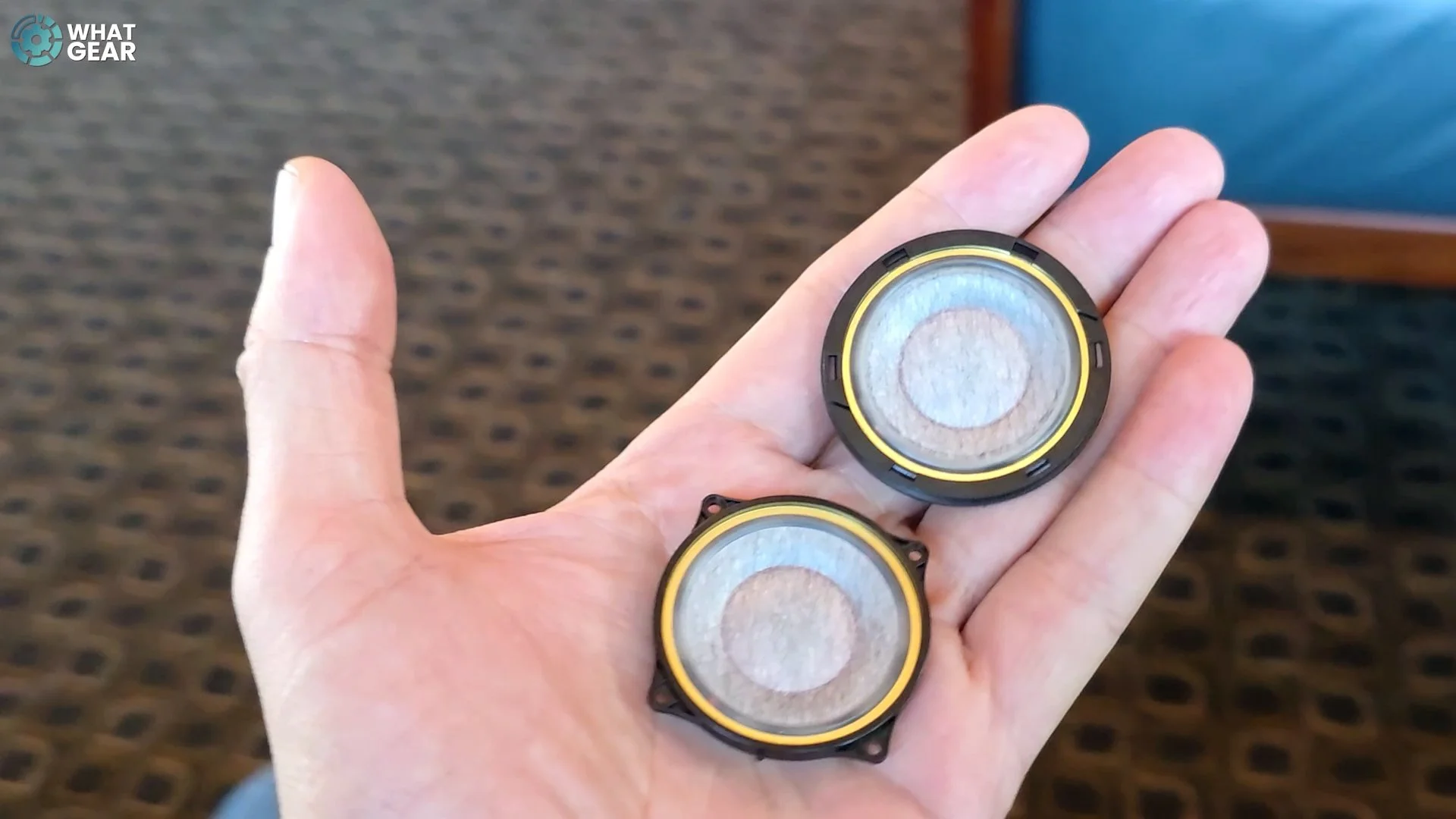


And if you use a Snapdragon phone, tablet, or even laptop. You can use AptX Adaptive & AptX Lossless, compared to the previous PX7, the supported audio resolution has increased from 24-bit/48 kHz to 24-bit/96 kHz. This only matters to you if you subscribe to HiRes audio services, such as Tidal or Quboz. Put simply, the faster the connection between your device and headphones, The more audio data can be sent. More data equals more detail and higher fidelity; this should be a winning formula with the redesigned drivers. Well, let's see.
Sound Quality Opinion - Please watch the video
So listen if liked the sound of these B&W over-ear headphones there's a good chance you'll like the Bowers & Wilkins Pi8 earbuds. And those do have a very unique feature for travelling which so useful.