Can Vivo V70 Defeat The iPhone 17?... Let's Find Out
Here’s a question for you: can the vivo V78, engineered with ZEISS, defeat an iPhone 17 in any areas? But maybe most importantly, when it comes to the camera — because when it comes to the V-Series, camera ability is definitely the first and foremost priority for vivo. And the quick answer to that question is: yeah, maybe. To make this video a bit more interesting, I’m going to do a little camera comparison that I think you guys are going to find particularly interesting.
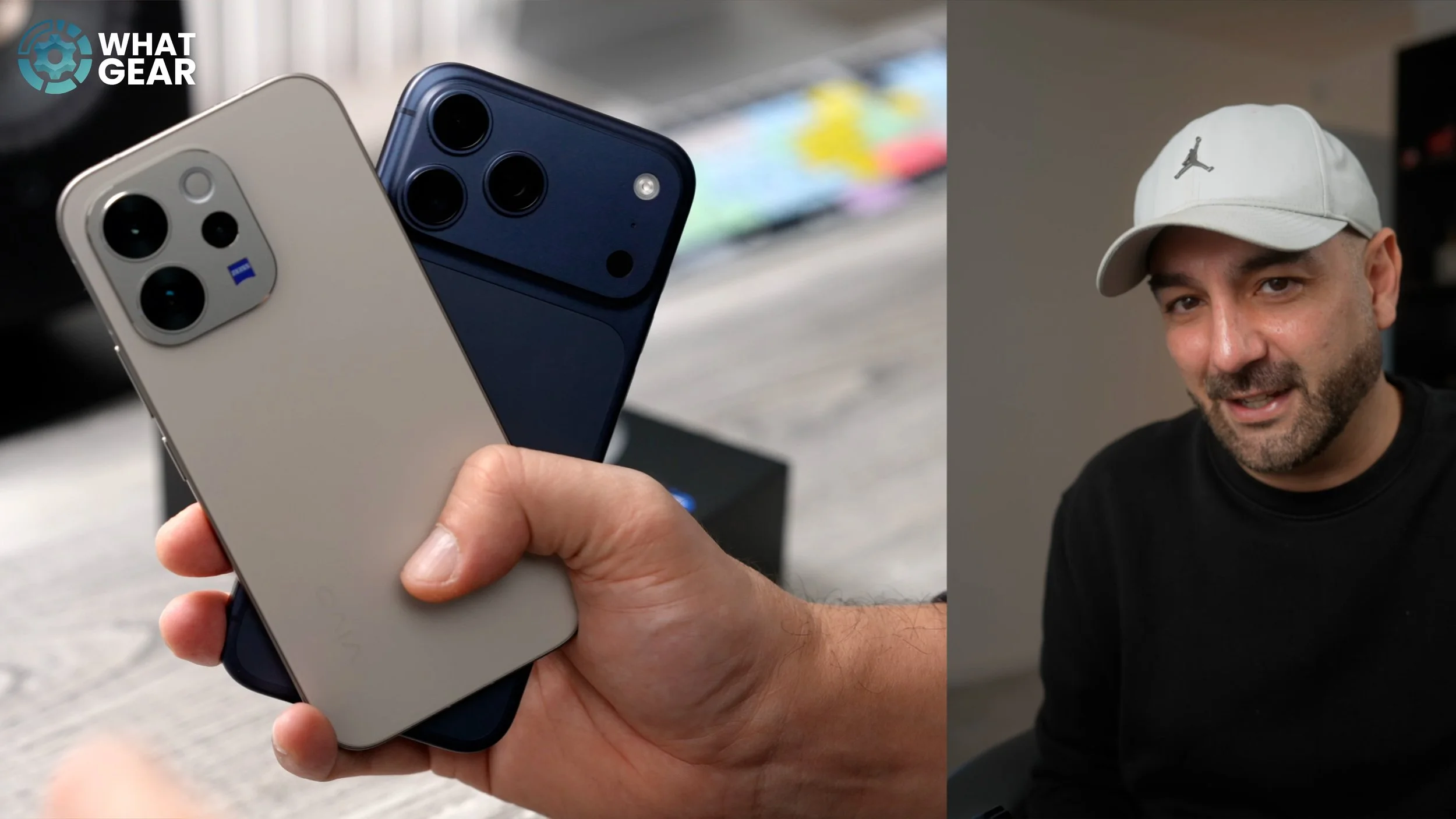
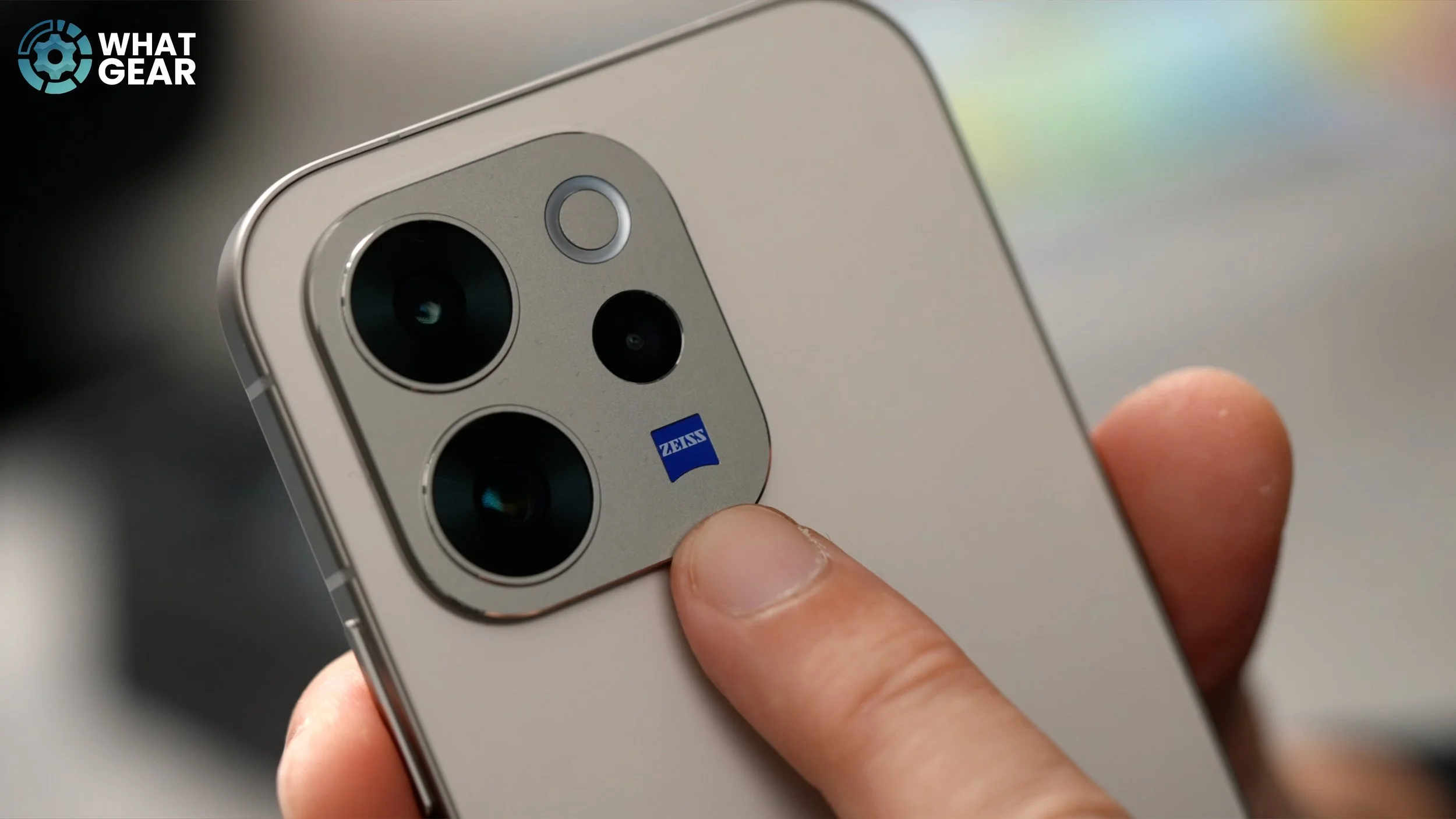
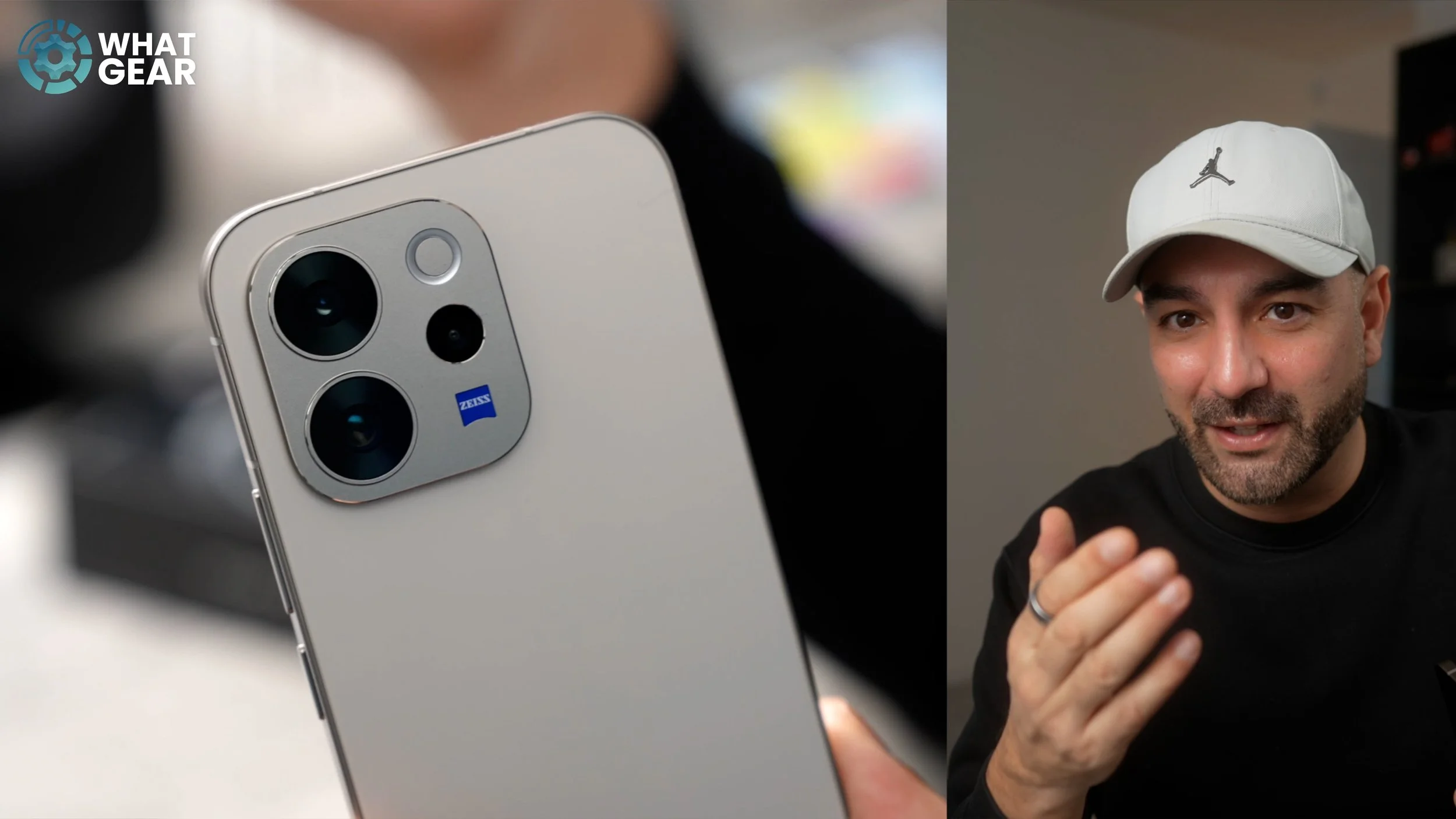
But before we do that, let me show you the hardware that you would be working with if you do decide to pick up a Vivo V7. So the frame on the V7 is aluminium. They call it space-grade 6-series alloy. And it has this really nice texture to it. It’s nicely rounded as well — not too sharp on either side — so that makes it more comfortable. I am a big fan of what vivo have done with this camera module. It’s also metallic, like the edge of the phone all the way around here, but they’ve also put the ZEISS logo on there. And actually, it’s not just printed on — it sits beneath the surface, and there’s a bit of gloss over the top of it. That’s a really nice little detail.
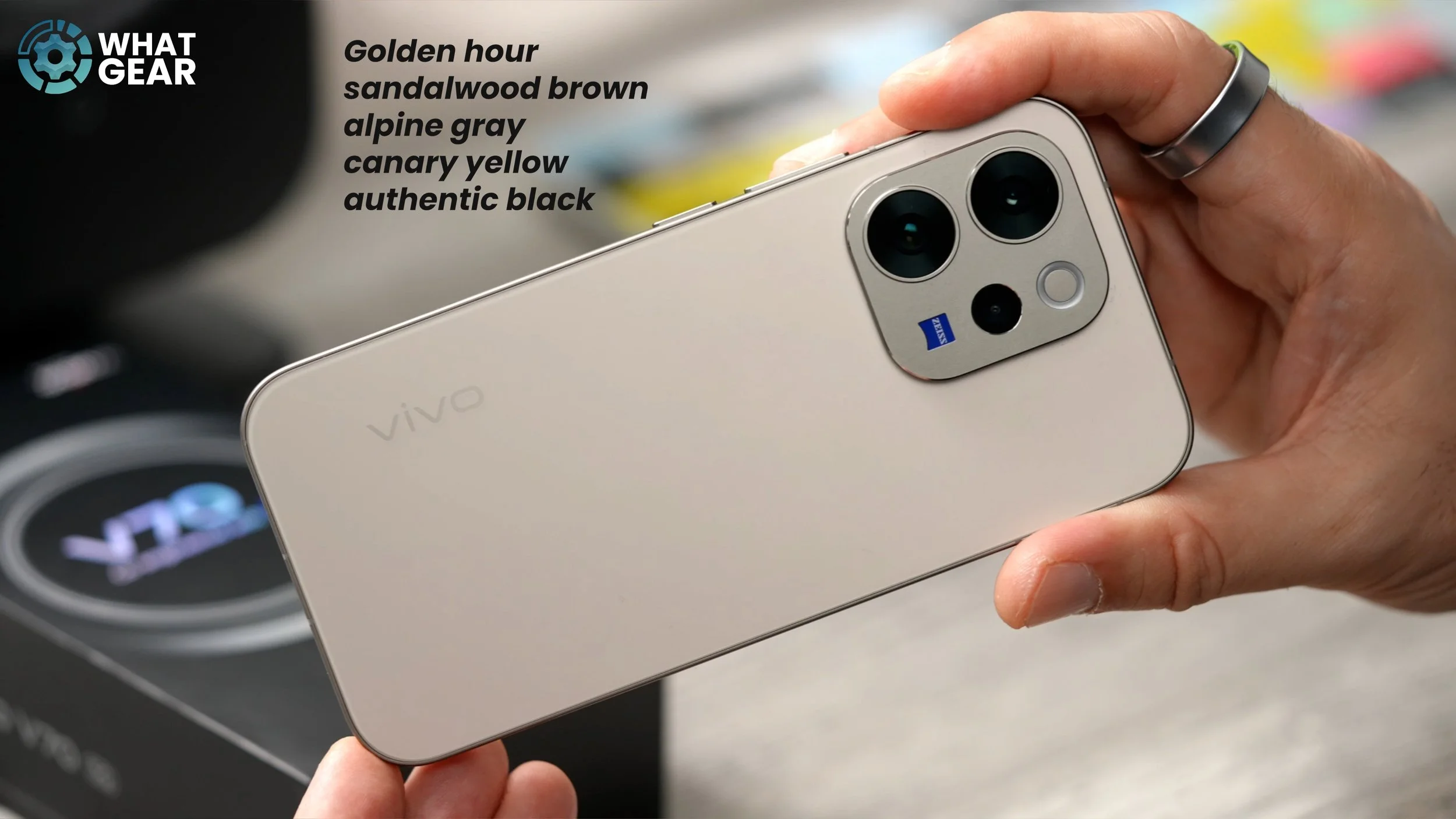
Now, whilst I am a fan of the more retro squared-off corners, I do like how vivo have rounded these ones. Combined with the nice soft edges of the aluminium frame, this makes the phone extremely comfortable to hold. The back of this phone is glass, and the colour that I have here is called Alpine Grey. The other colours are on screen right now if you’re wondering what options there are — and there are quite a few, so I think you’re going to be spoiled for choice.
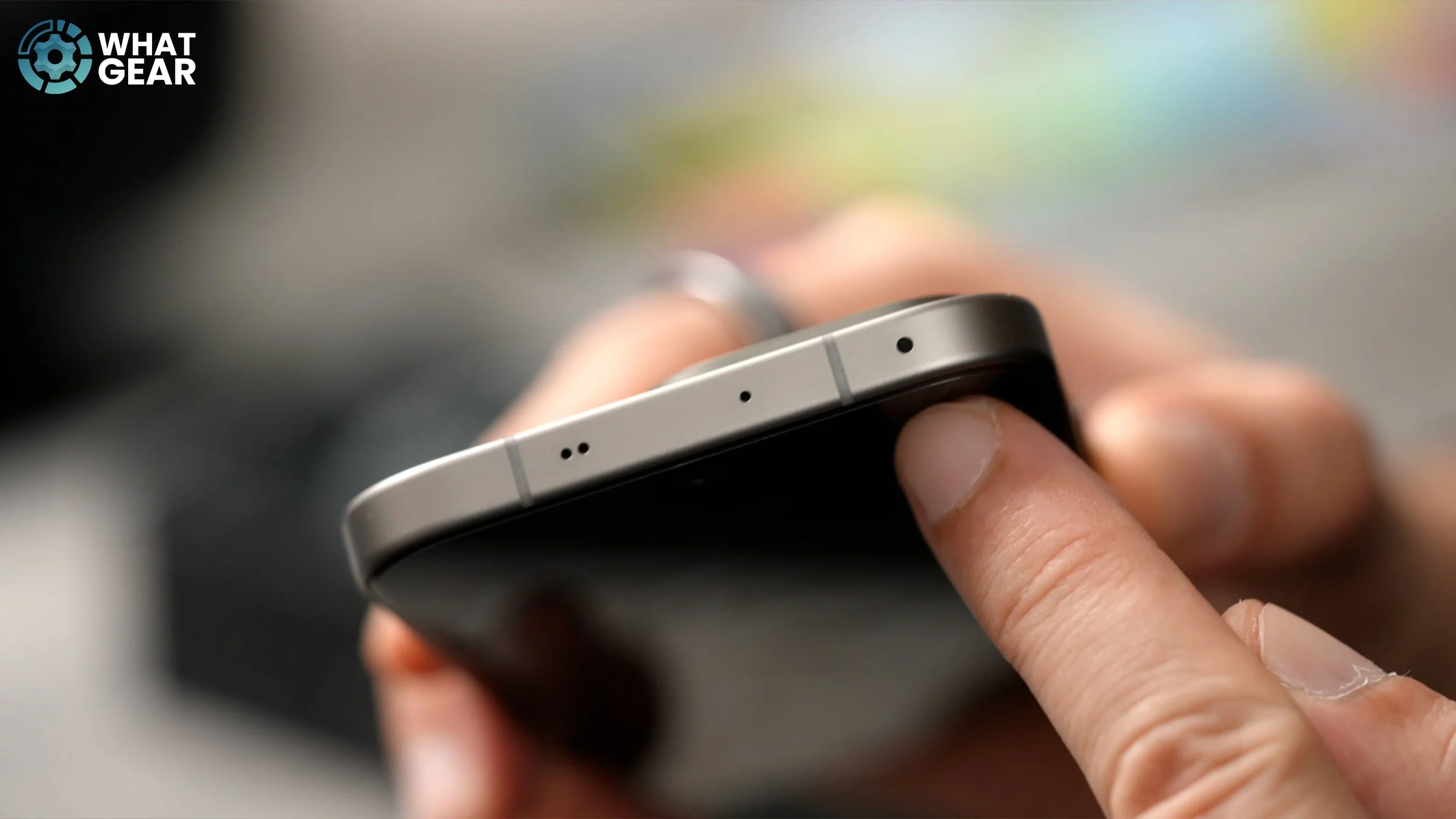
On top of the device, you’ll notice there is, in fact, an IR blaster. And on the other side, you’ll notice we have another speaker grille, the charging port — which I believe is USB 2 — and then we’ve got the SIM tray. Let’s see what kind of SIM tray we actually have here. We’ve got a rubber gasket around this, and this is in fact a dual-SIM tray.
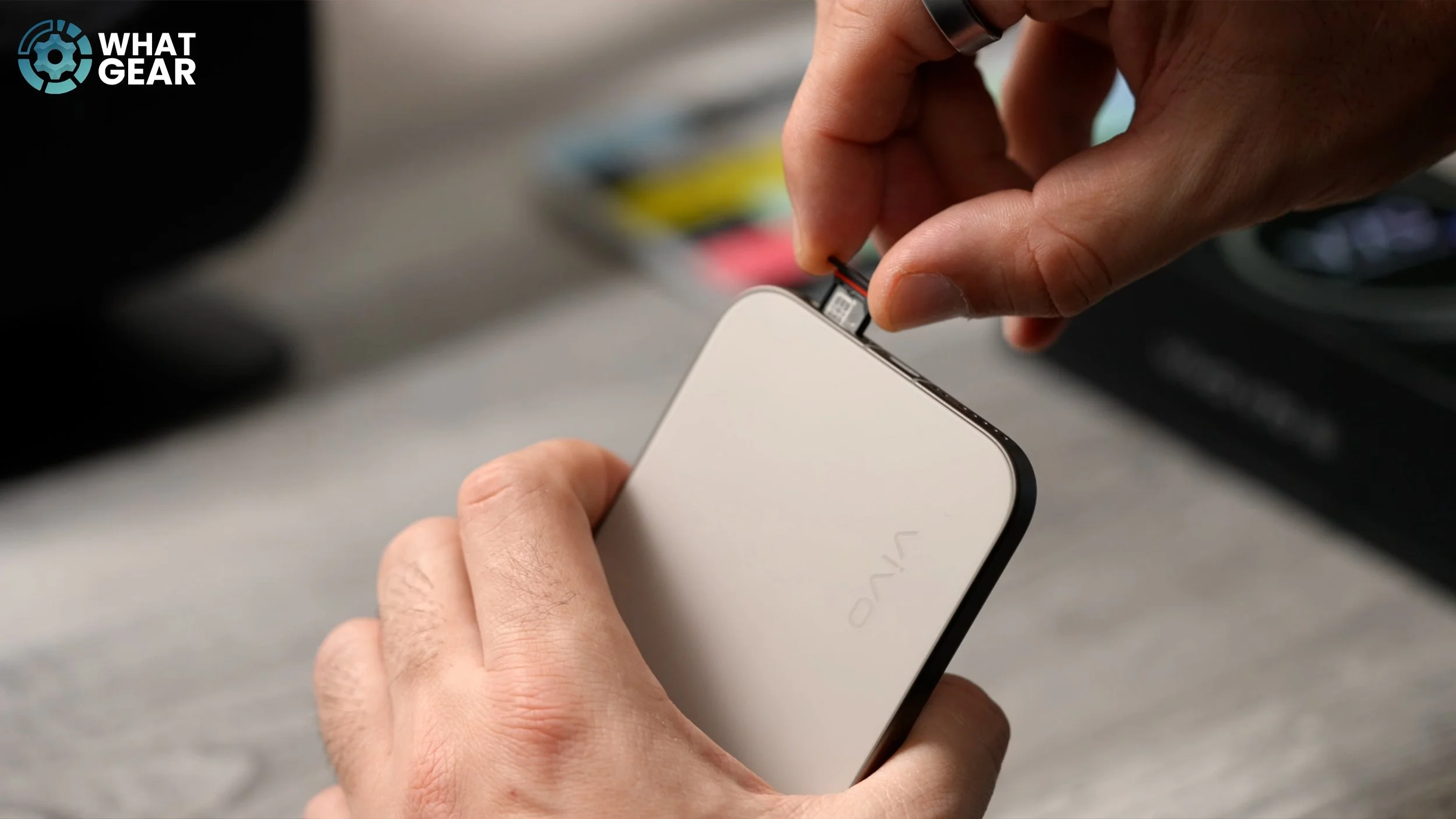
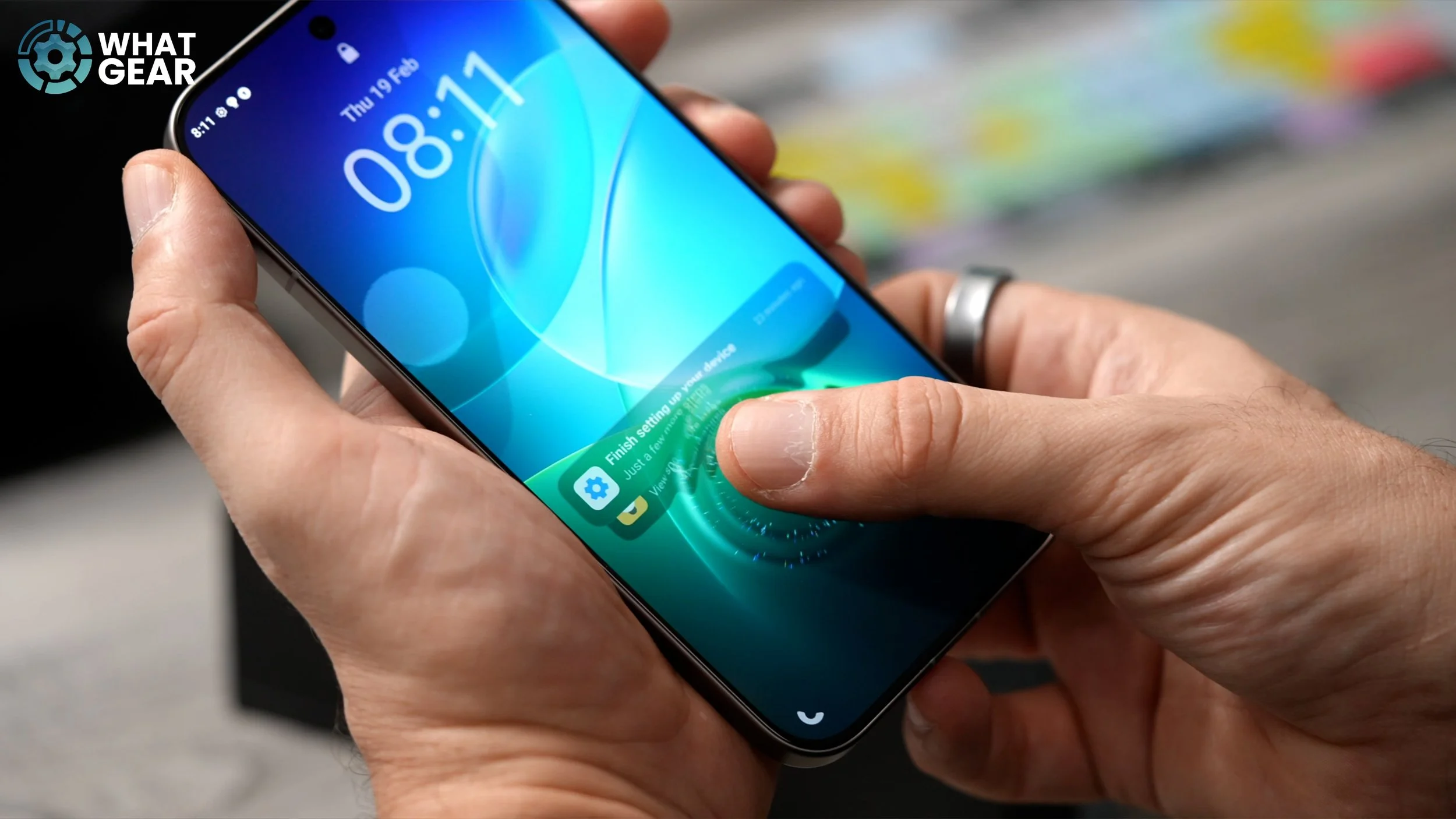
Now with this phone coming in at under £400, there are a couple of specs here that kind of caught me off guard. Number one being the in-display 3D sonic fingerprint reader, which is typically reserved for more expensive flagships. Most mid-range and budget phones will use optical scanners just because they’re cheaper, but the 3D scanner is much more secure and safer — and sometimes faster. And the second aspect that I didn’t expect to see here is an IP68 rating, which is the same as an iPhone. But this phone also has an IP69 rating, which means it actually one-ups the iPhone in this area. And inside the V70 is another one-up over the iPhone, which we’ll come back to a little bit later on in this video.
Display
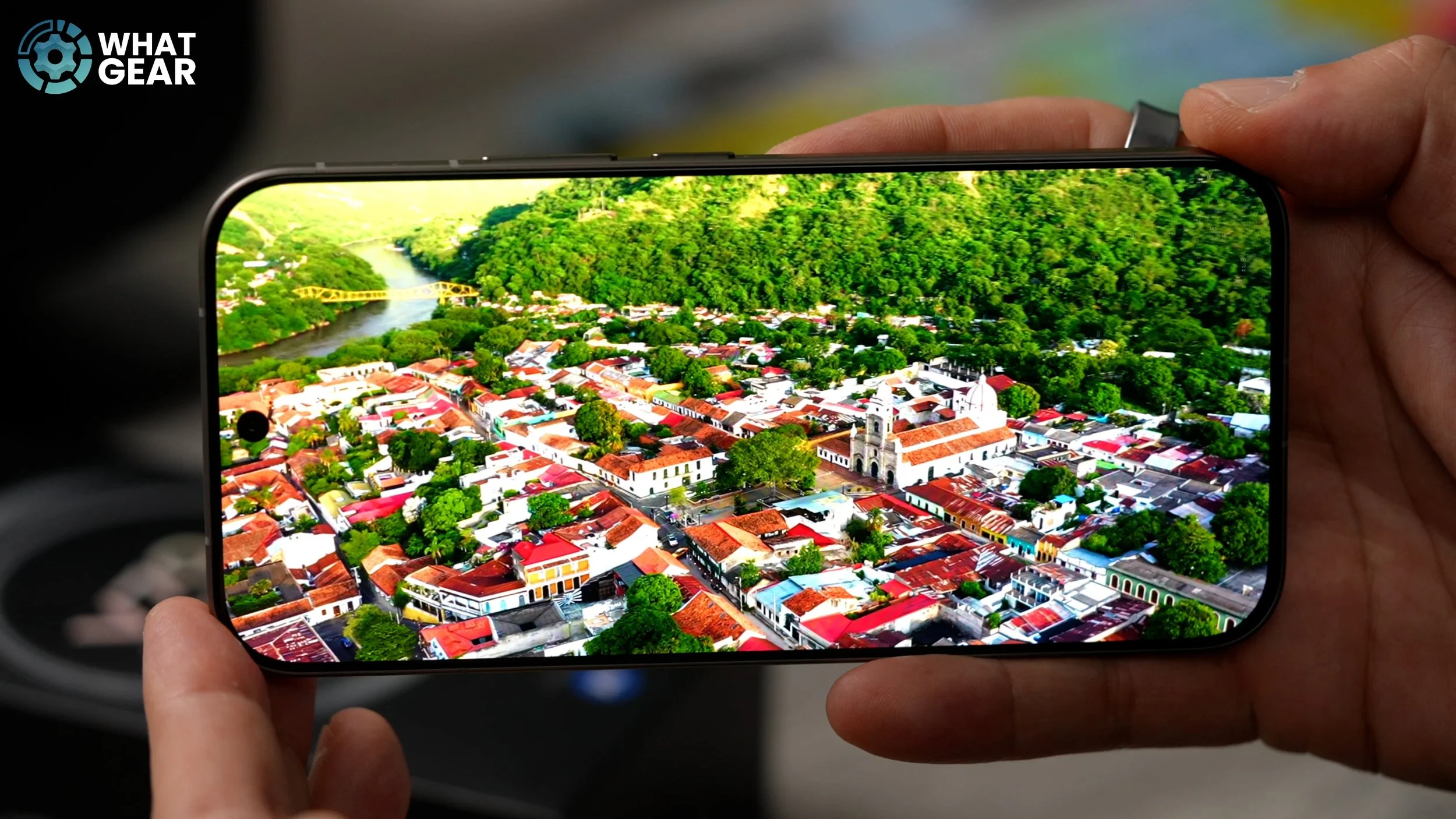
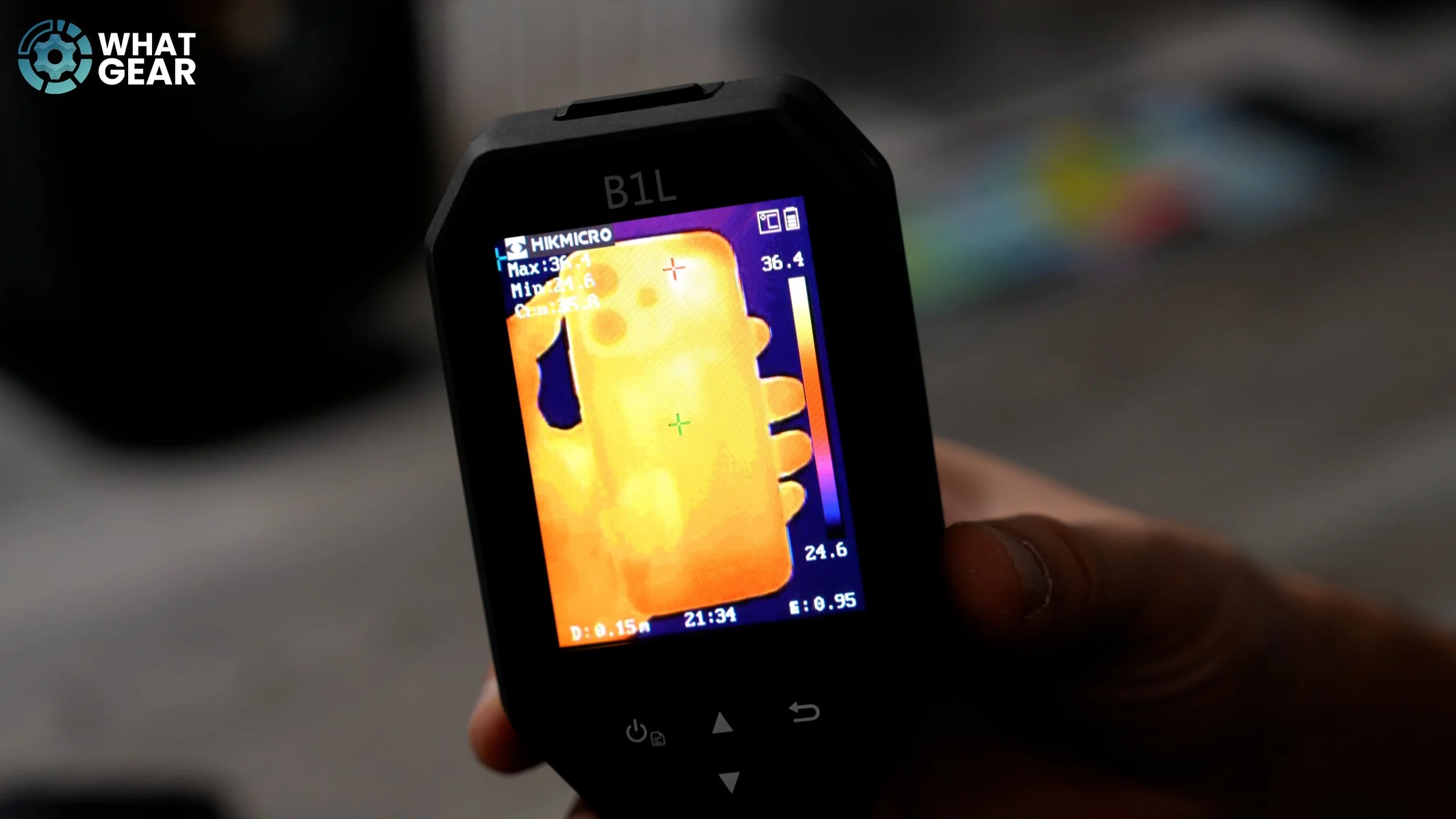
It is an AMOLED. It has a 1.5K resolution at 159 pixels per inch. It is a 10-bit panel, so colours are going to be spectacular. And the refresh rate is up to 120Hz, which is fantastic for everyday use. The global peak brightness here is 1800 nits as measured across the entire screen, but the local peak brightness is up to 5000 nits — which is kind of crazy. And this kind of spec on a display makes it perfect for gaming. If you’re interested to see how this phone holds up under pressure when gaming and how the thermals are managed, I will do a little thermal scan so you can get a good look at how it performs and handles the heat. Now, this isn’t what I alluded to as being the advantage over the iPhone, but it’s still pretty impressive given the price point of this phone.
Performance & Battery
So the chipset on this one is the Qualcomm Snapdragon 7104 mobile platform. It is an octa-core chip and is decently powerful — and you will see that in action in the gaming section of this video. You can get this in an 8GB RAM version up to 12GB. Storage options are 256GB or 512GB, and that is with LPDDR5 RAM and UFS 4.1 ROM. Now this is the advantage that I was talking about.
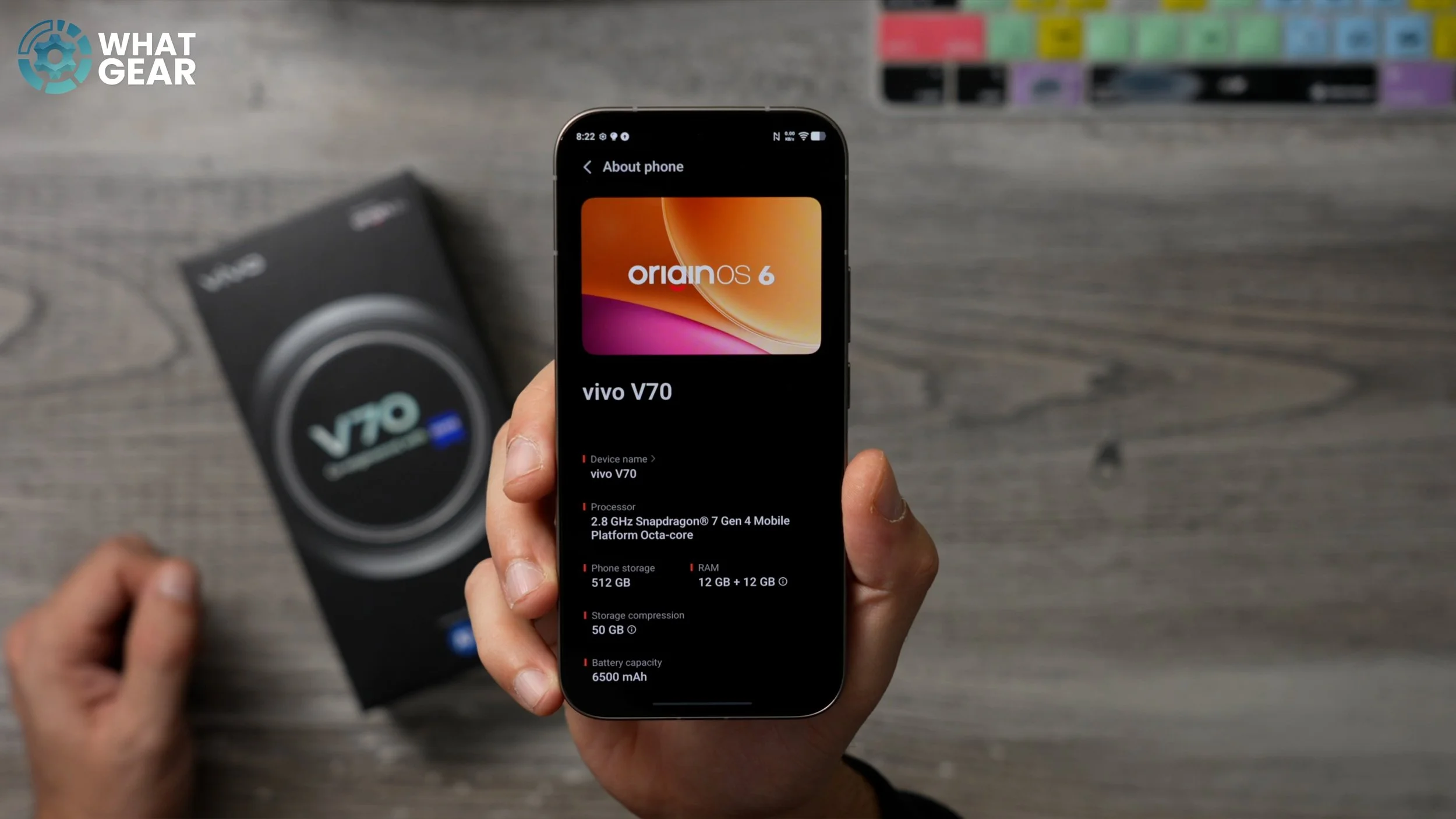
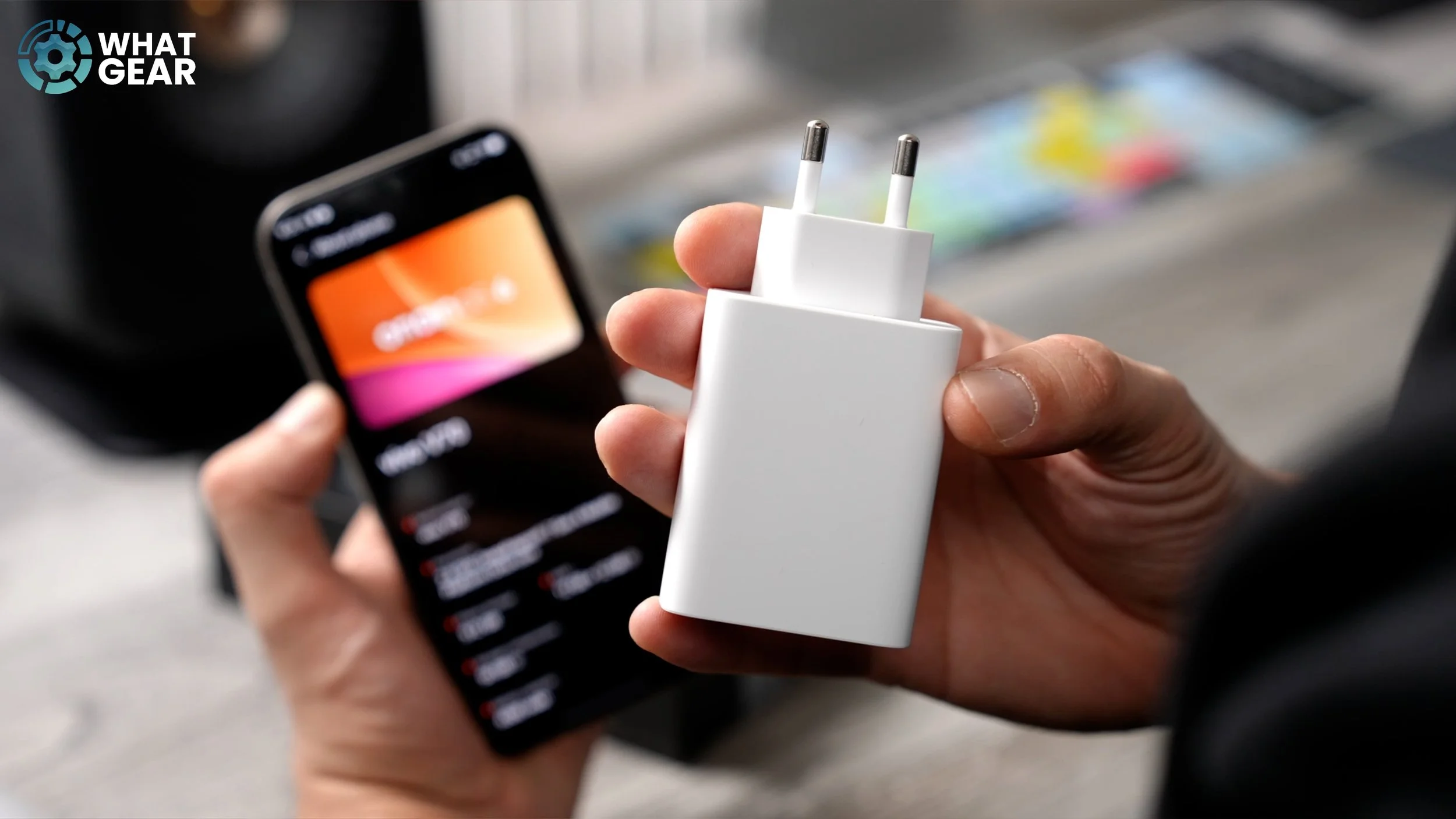
Not only do you get the charger in the box — it is a 90W charger — it’s double what the iPhone charges at, and the battery inside the phone is a 6500mAh silicon-carbon battery. They actually call it a BlueVolt battery — that’s vivo’s own name for it. But there is one thing vivo have stripped out of the device in order to keep the cost low for the customer: the wireless charging coil. So yeah, no Qi wireless charging here unfortunately.
Cameras & ZEISS Collaboration
First of all, you should probably know what this hardware is all about and why it might actually be able to defeat an iPhone — and it is because of this: the ZEISS collaboration. Apple have been going in-house with their lens configurations since the iPhone launched in 2007, whereas Vivo has enlisted ZEISS — a lens maker who have been in business since 1846 — to handle the lens configurations and coatings on their devices. And I do believe that could be a huge advantage for this phone.
Camera specs:
50MP ZEISS super telephoto camera
50MP primary camera with OIS
50MP selfie camera
8MP ultra-wide camera
Video recording goes up to 4K 60fps on both rear and selfie cameras.
Camera Comparison
The way I’m going to do this camera comparison is I’ll show you two photos side by side without telling you which phone took which photo until you decide which looks best. Then I’ll reveal the results
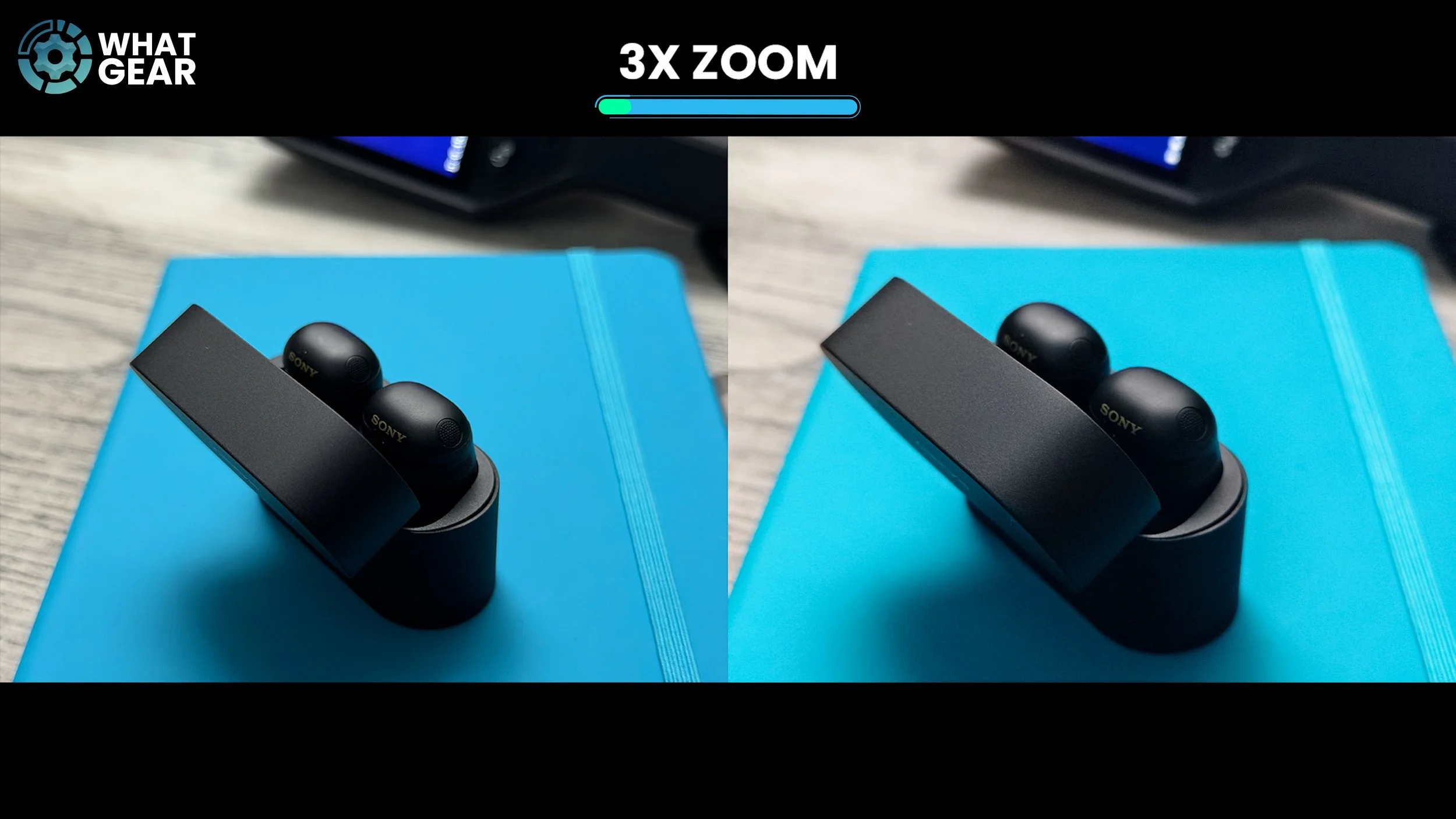
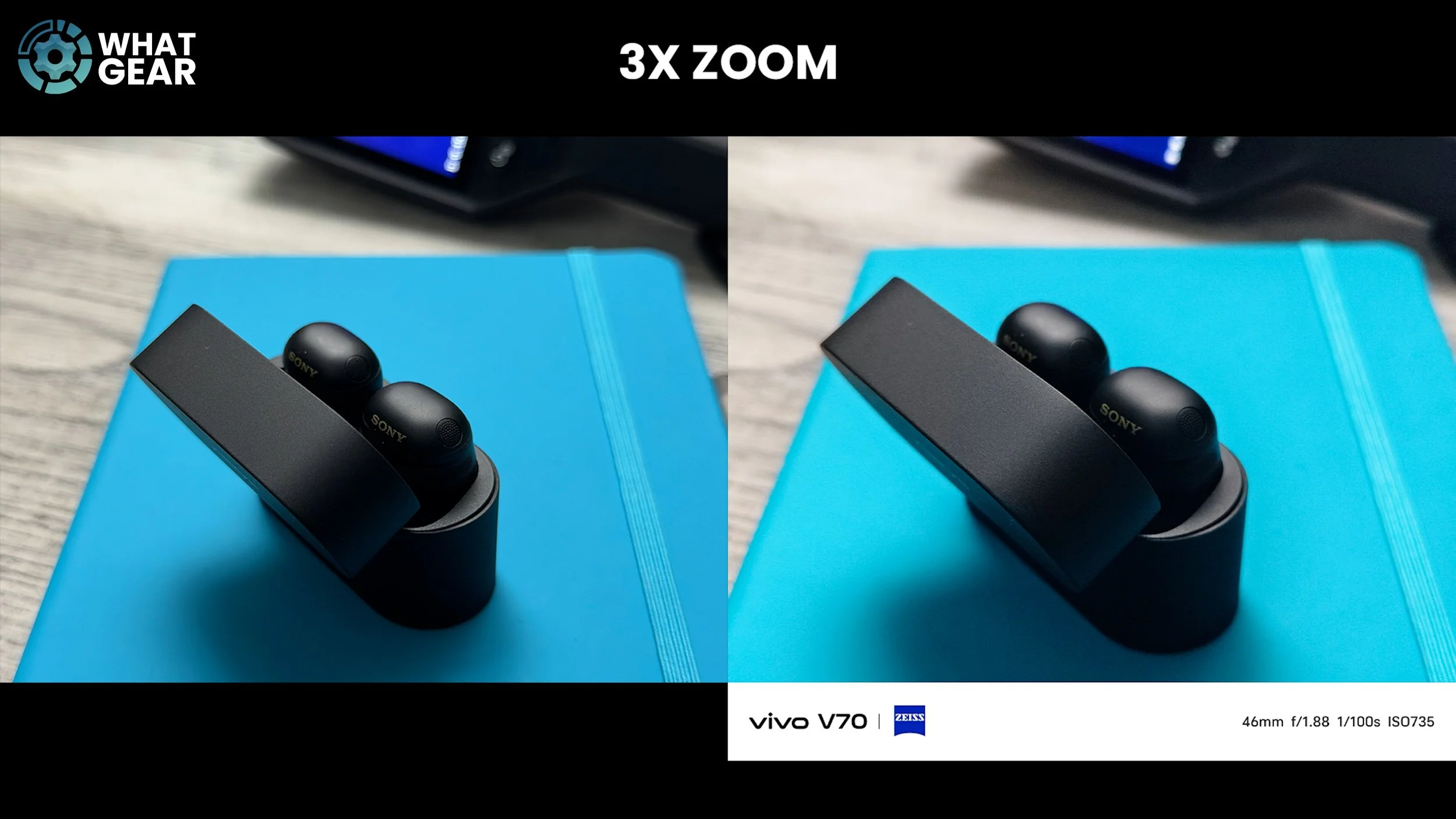
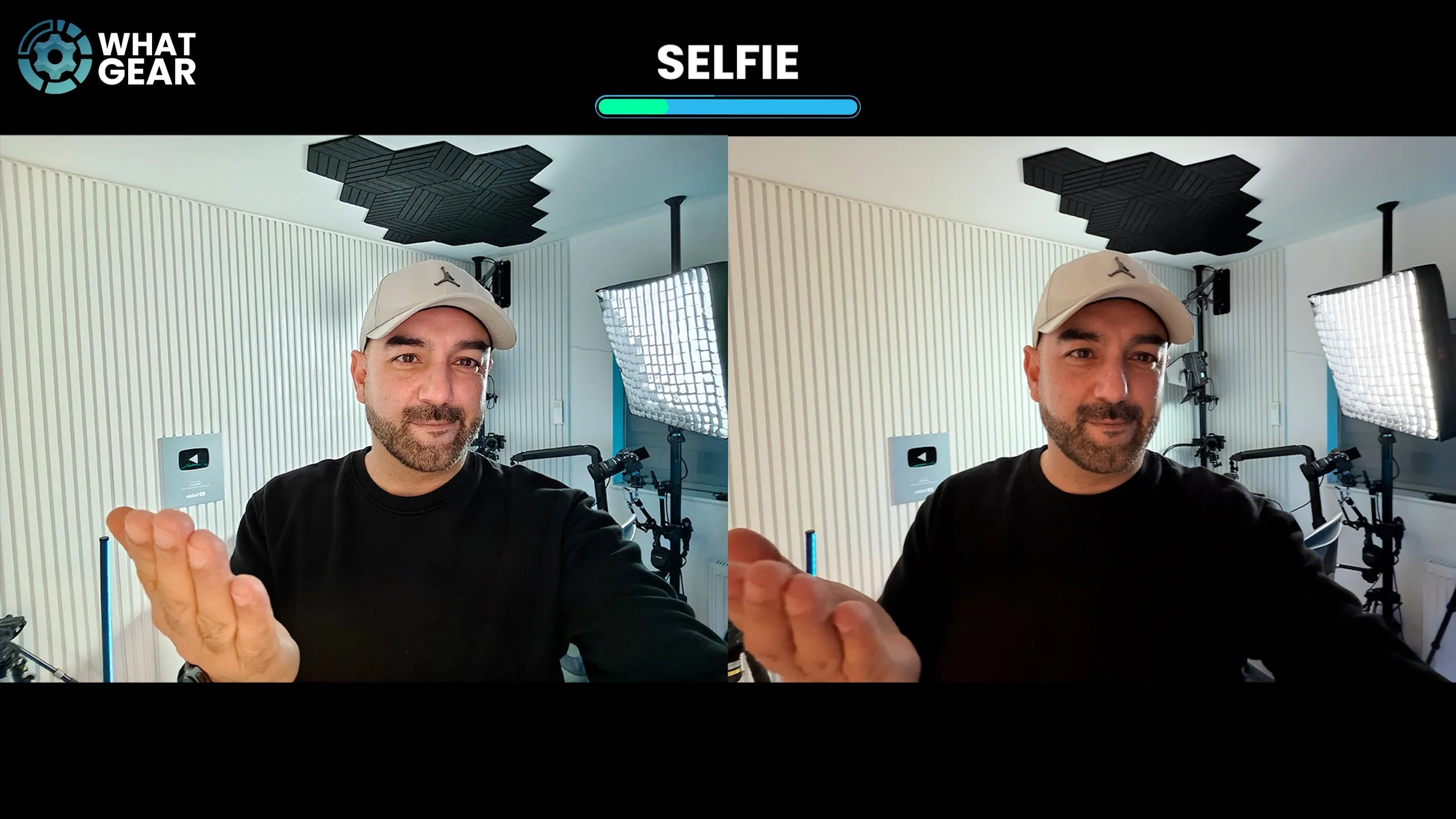
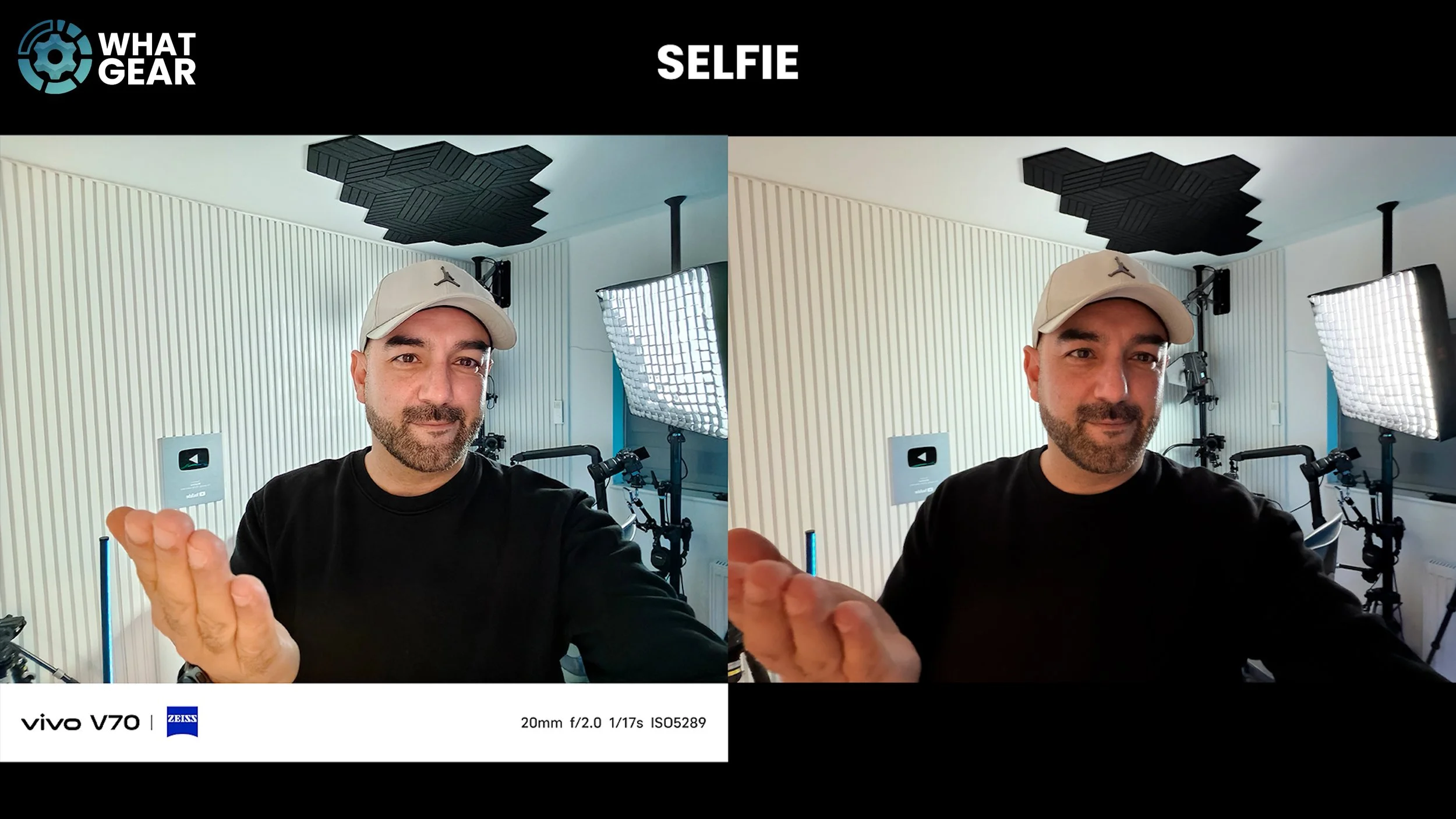
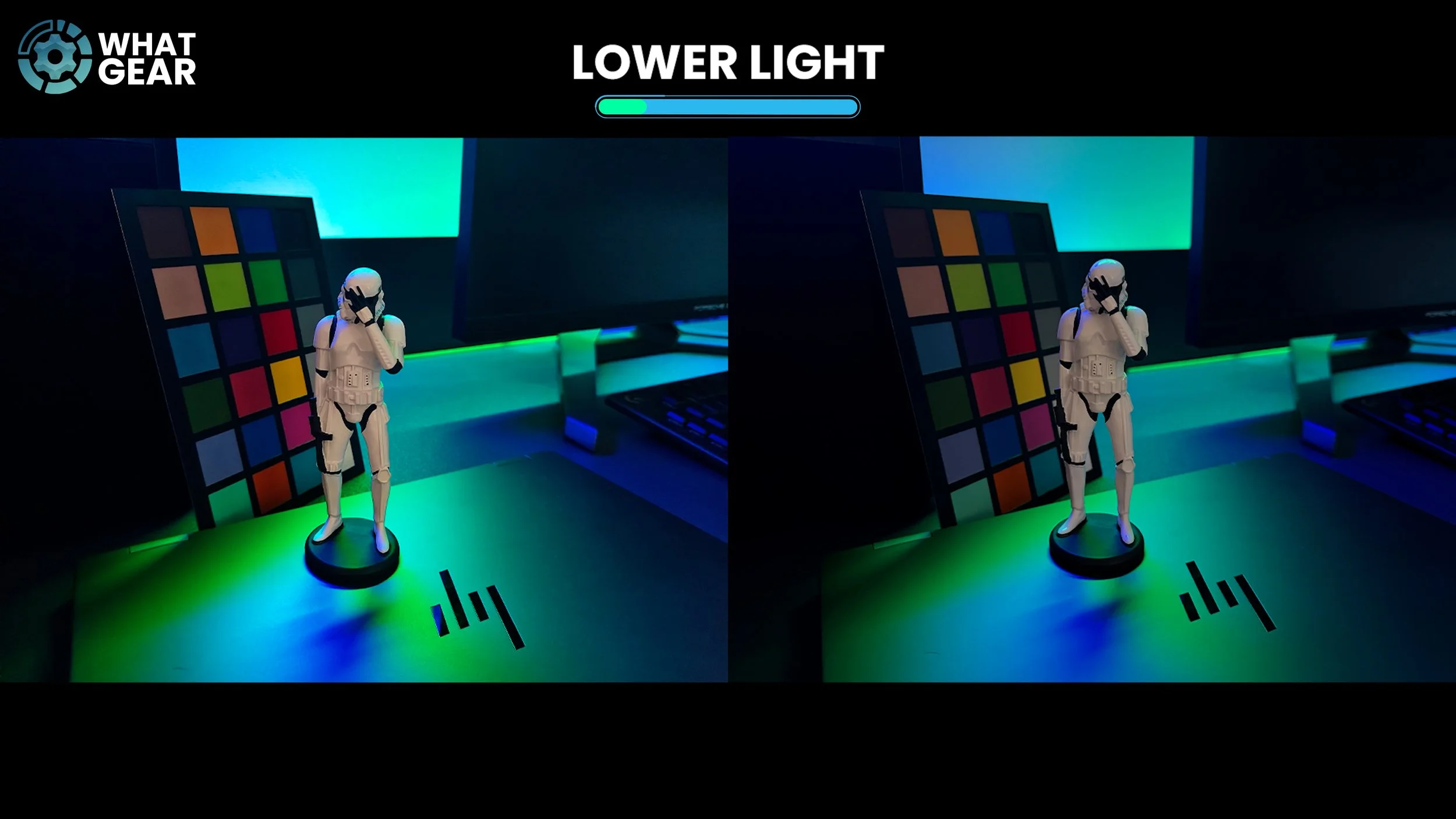
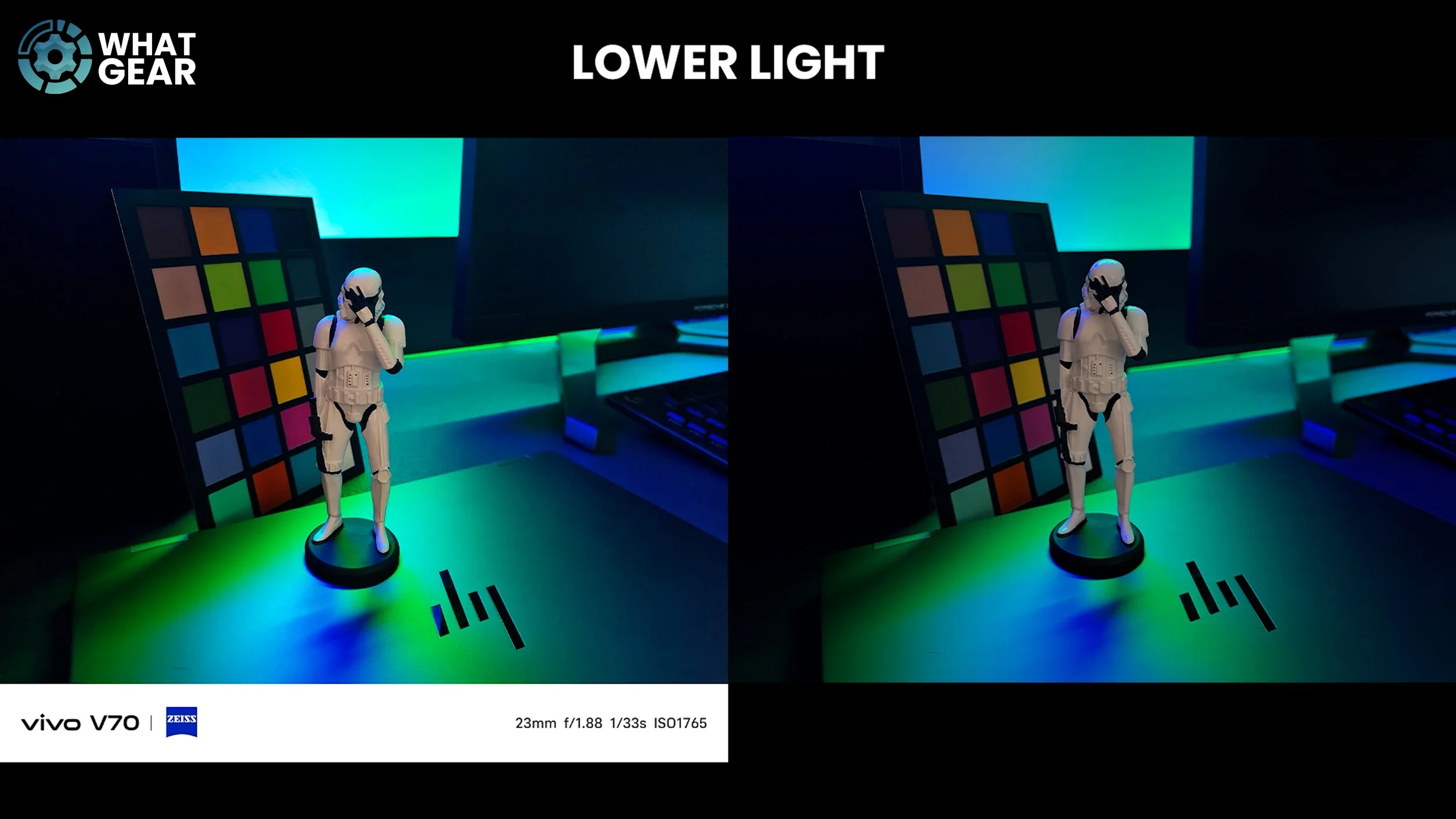
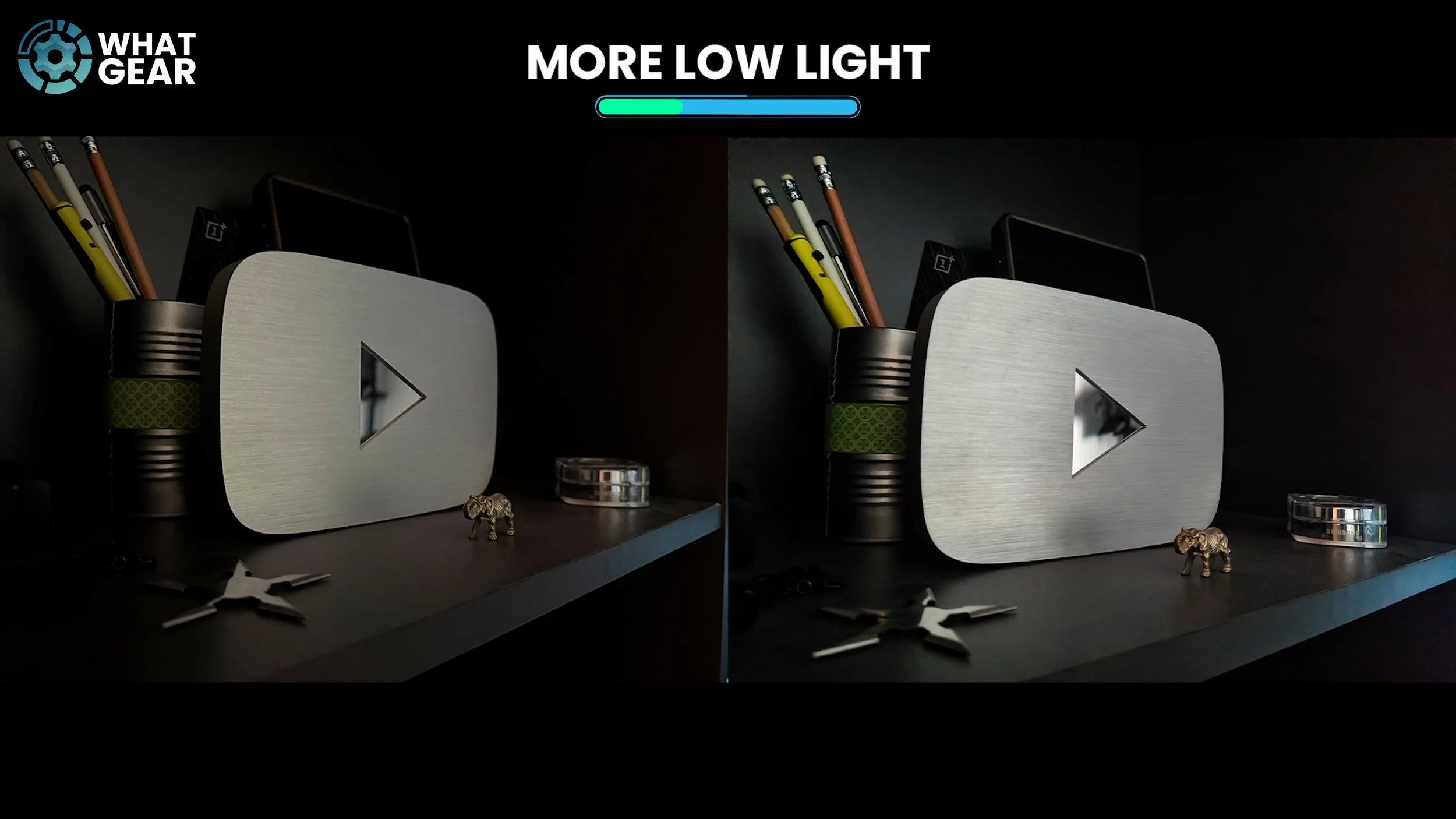
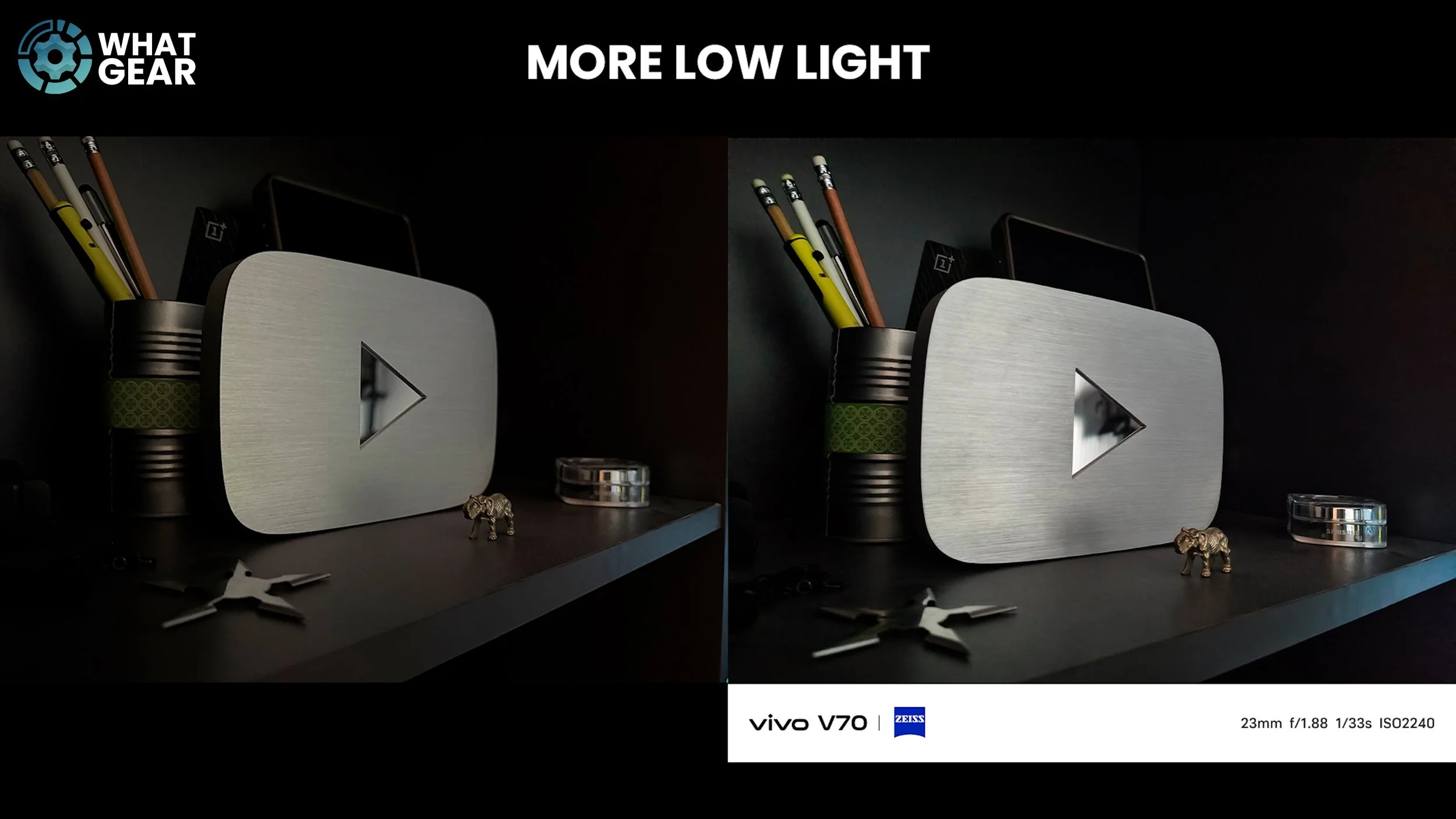

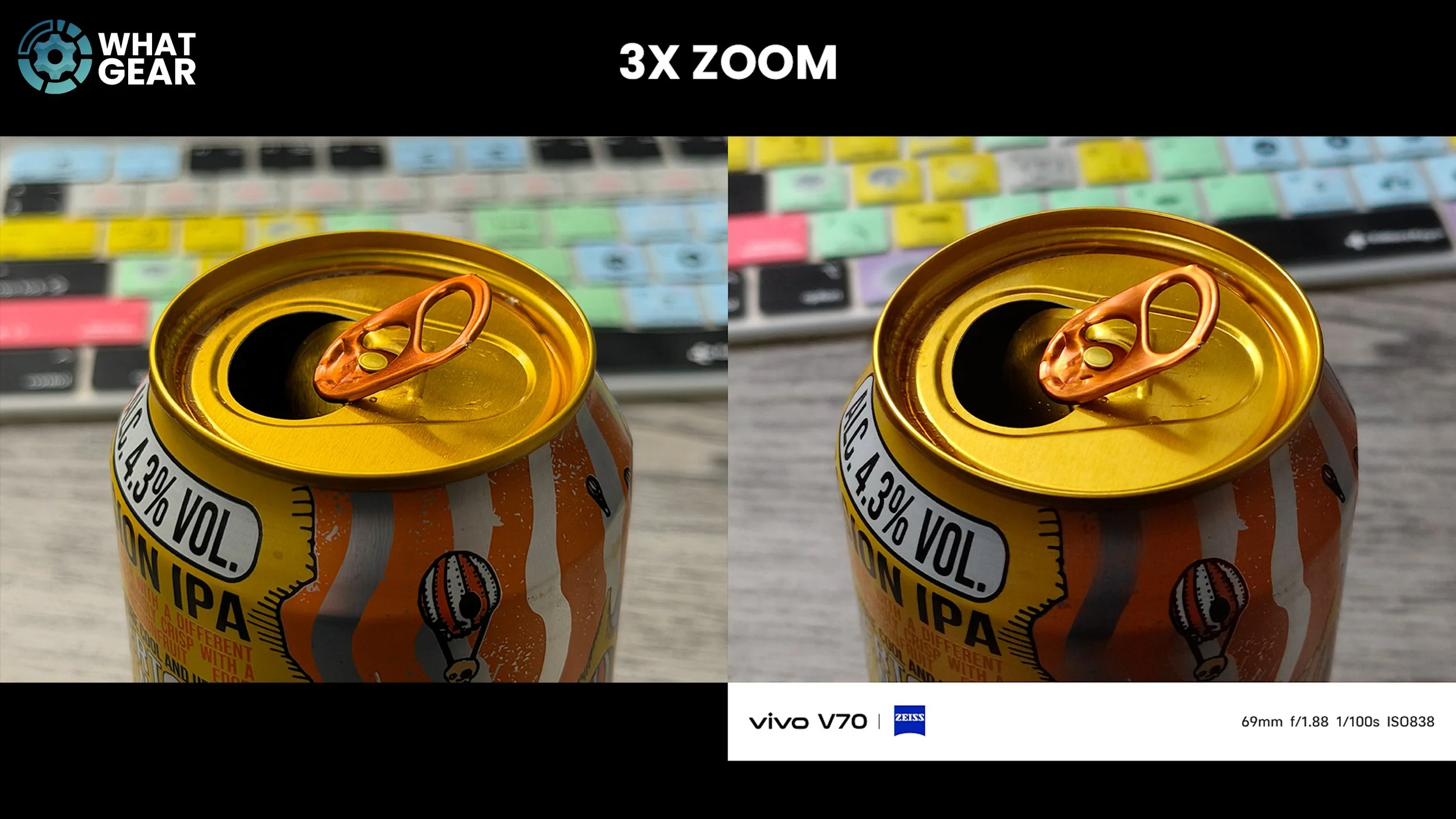
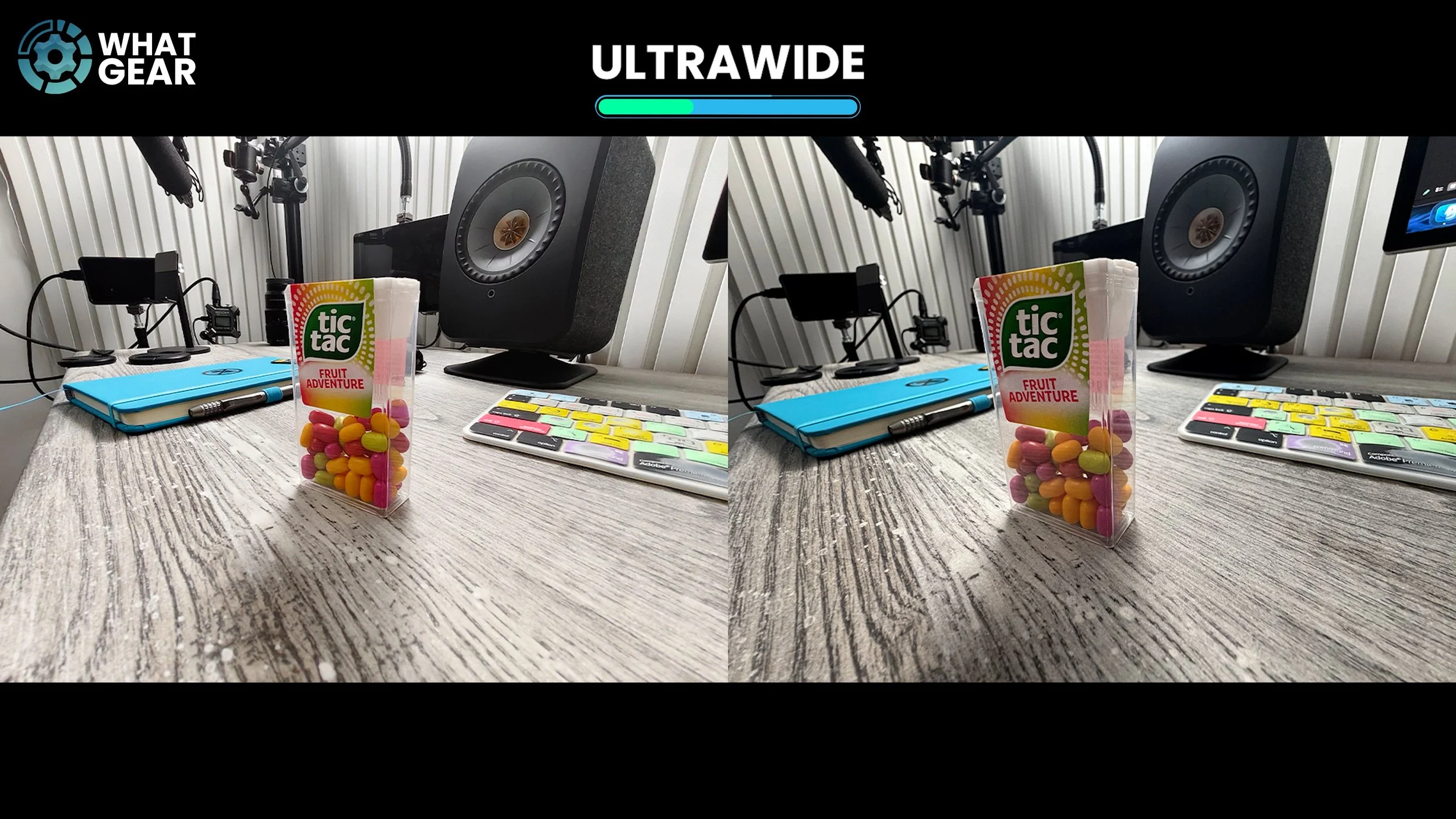
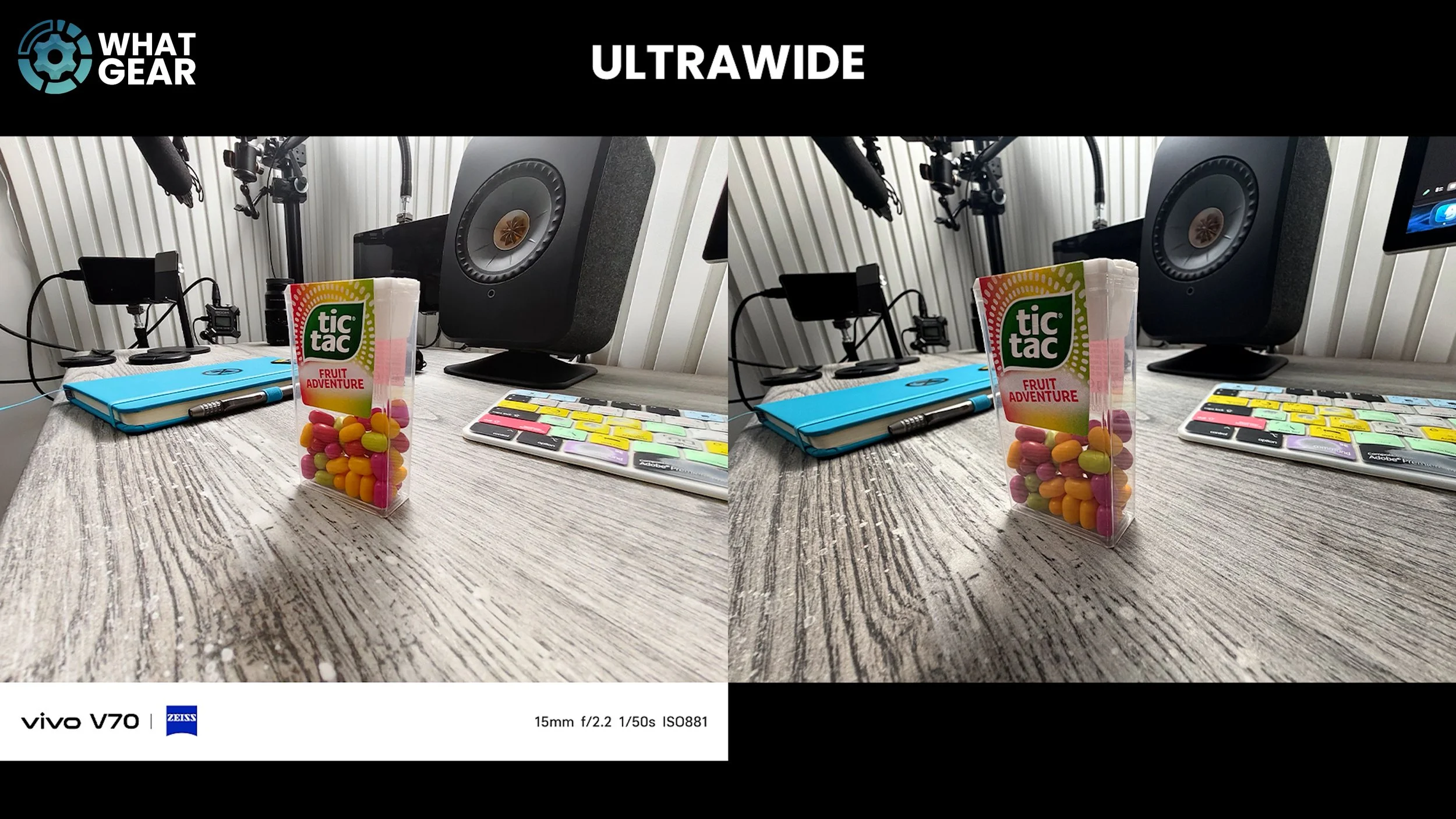
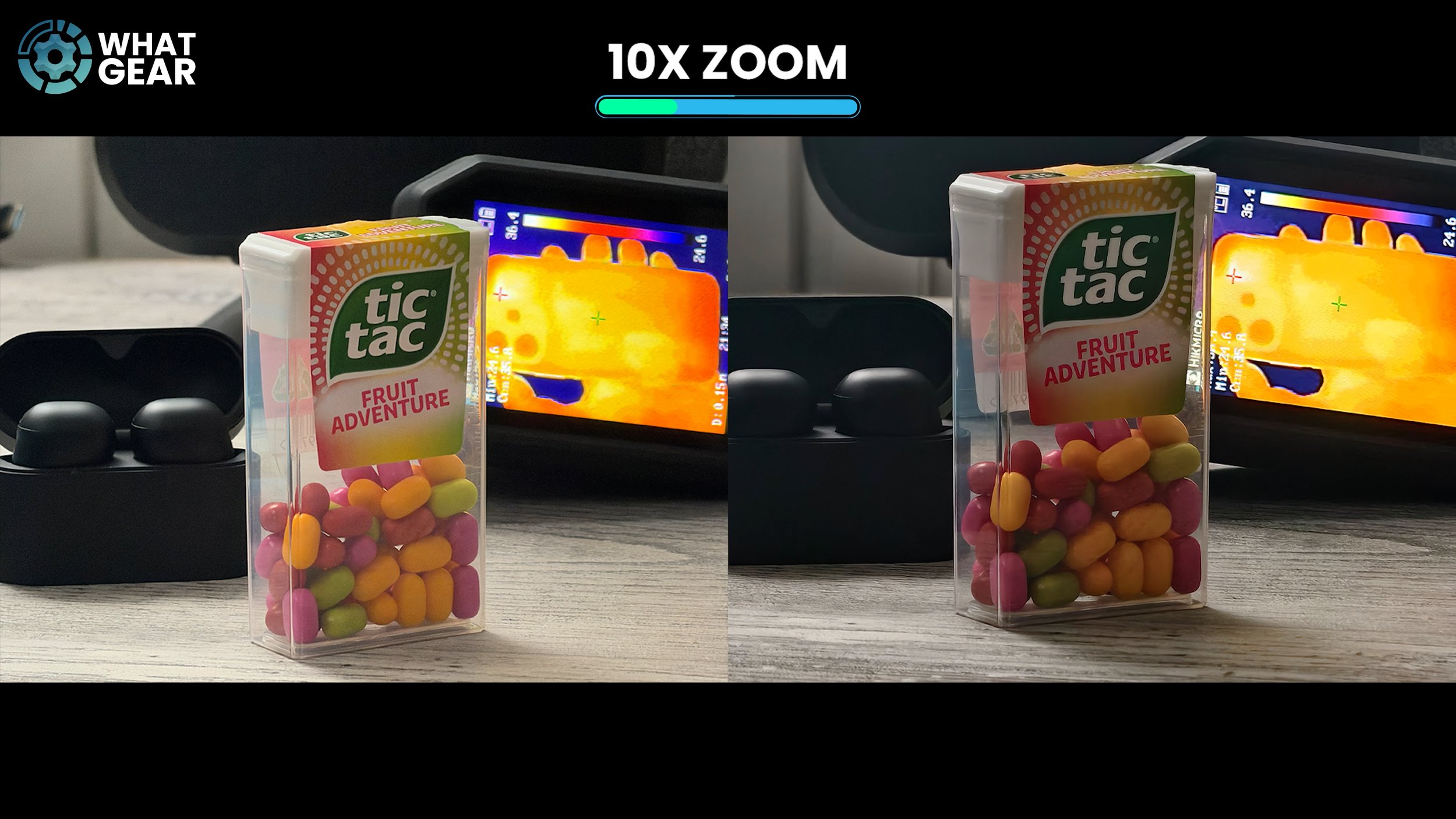
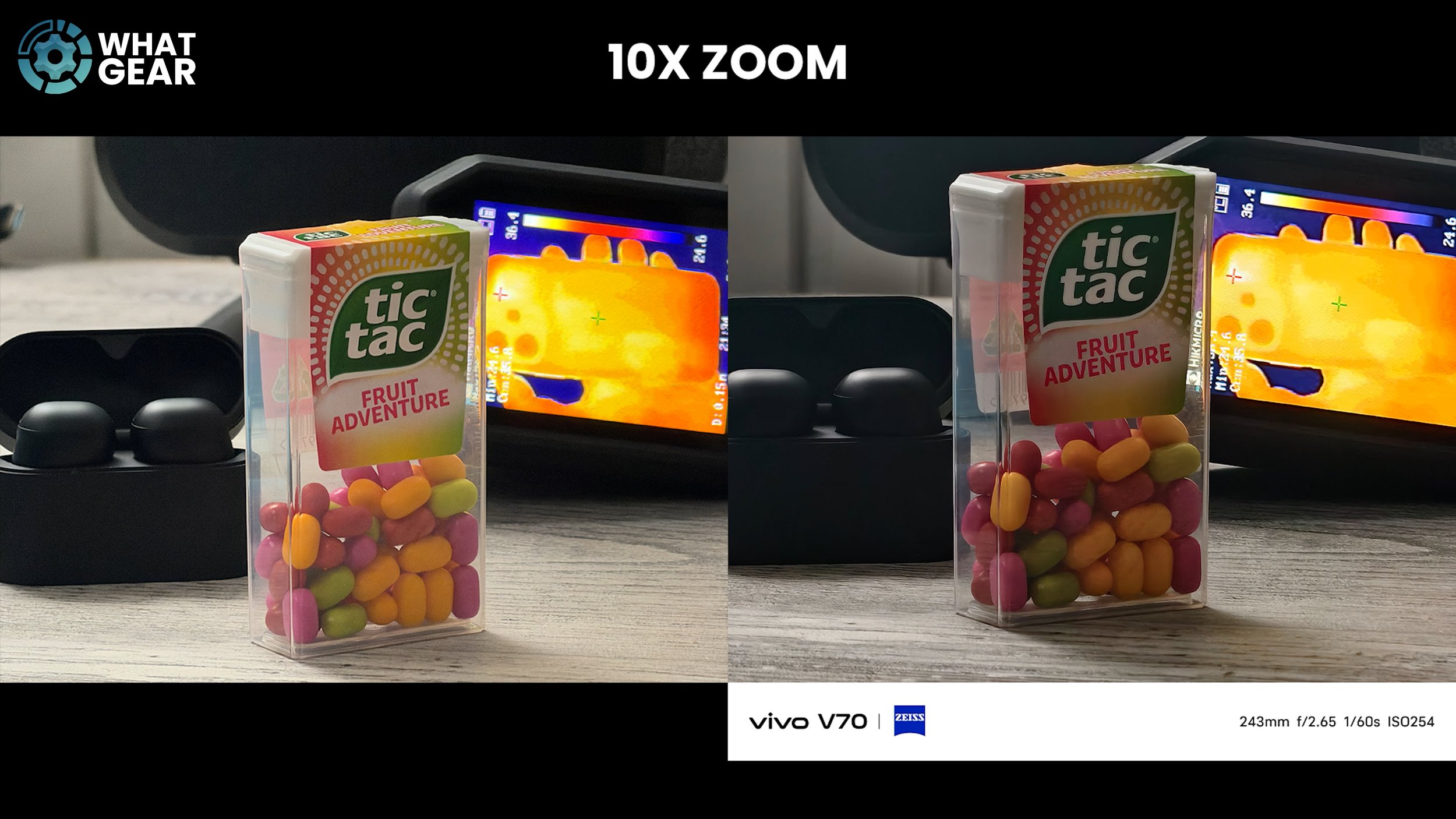
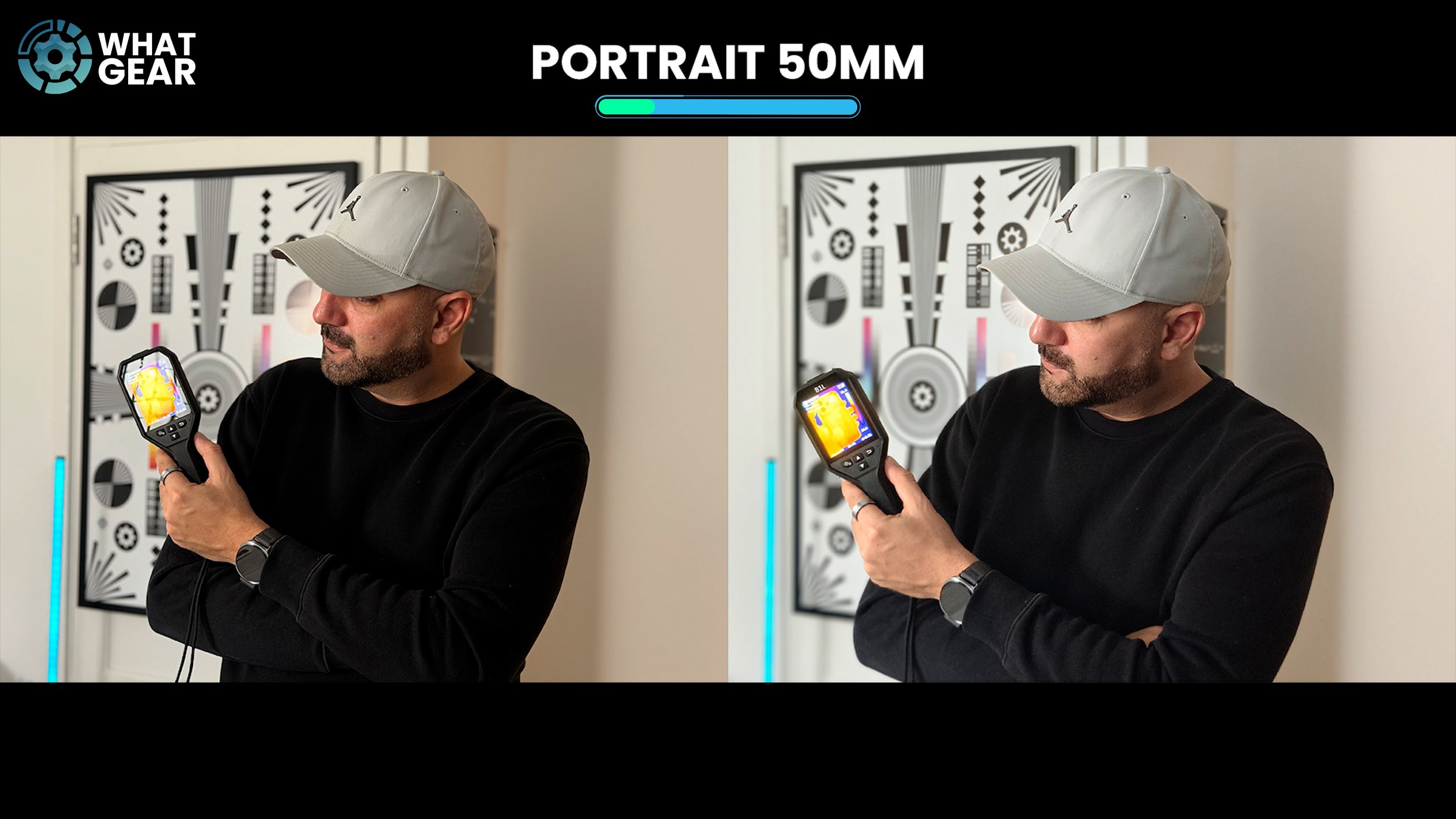
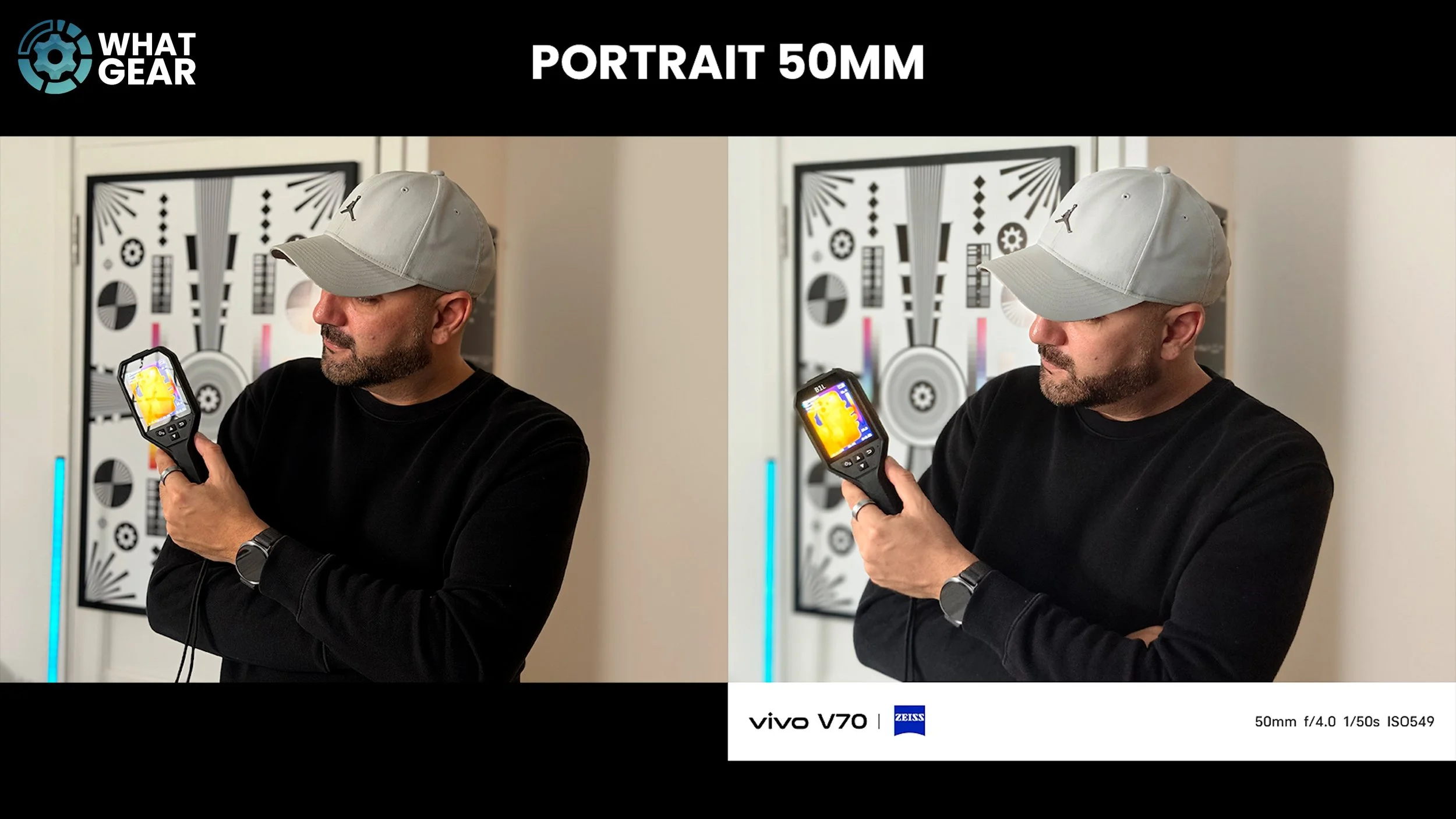
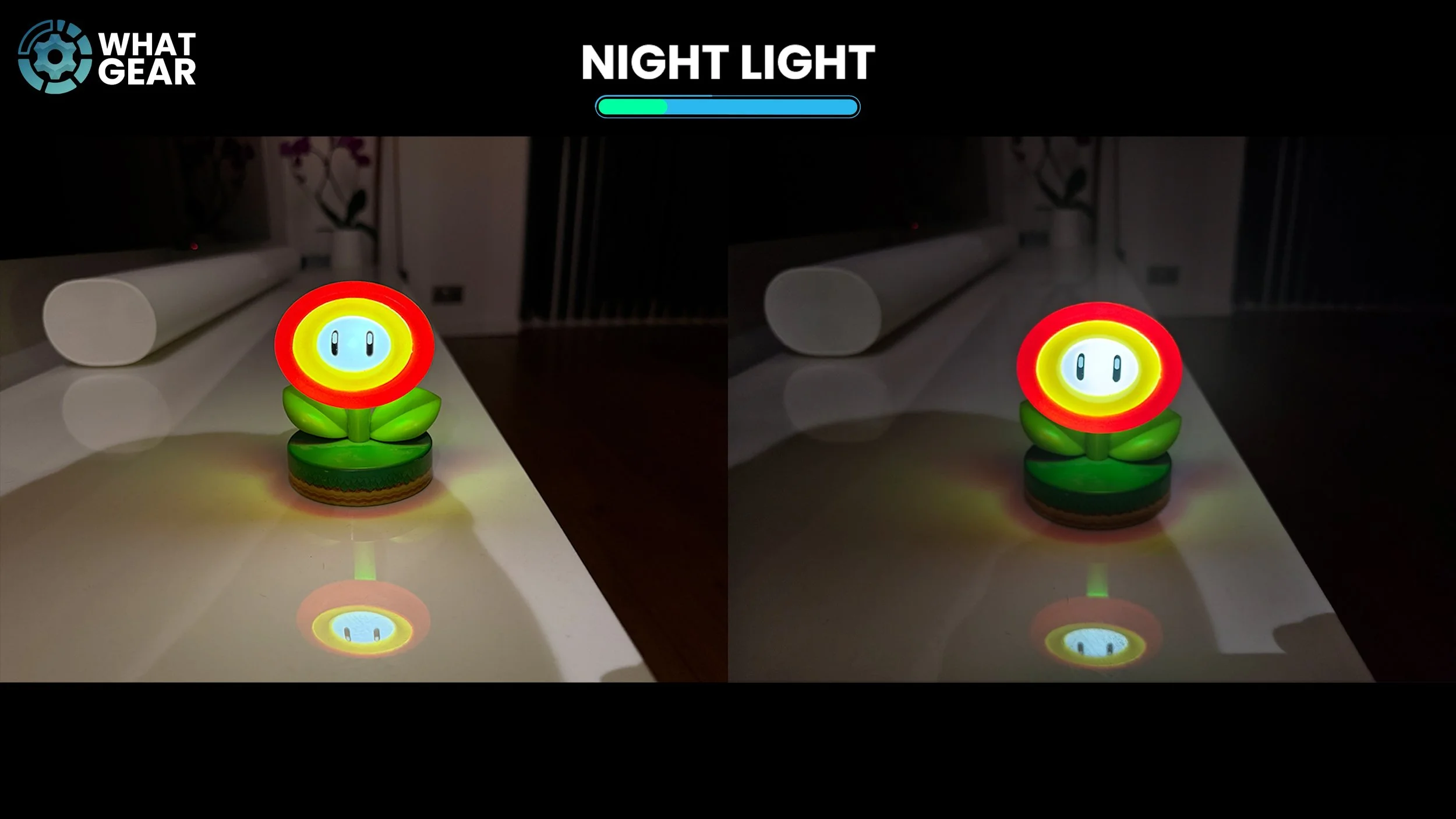
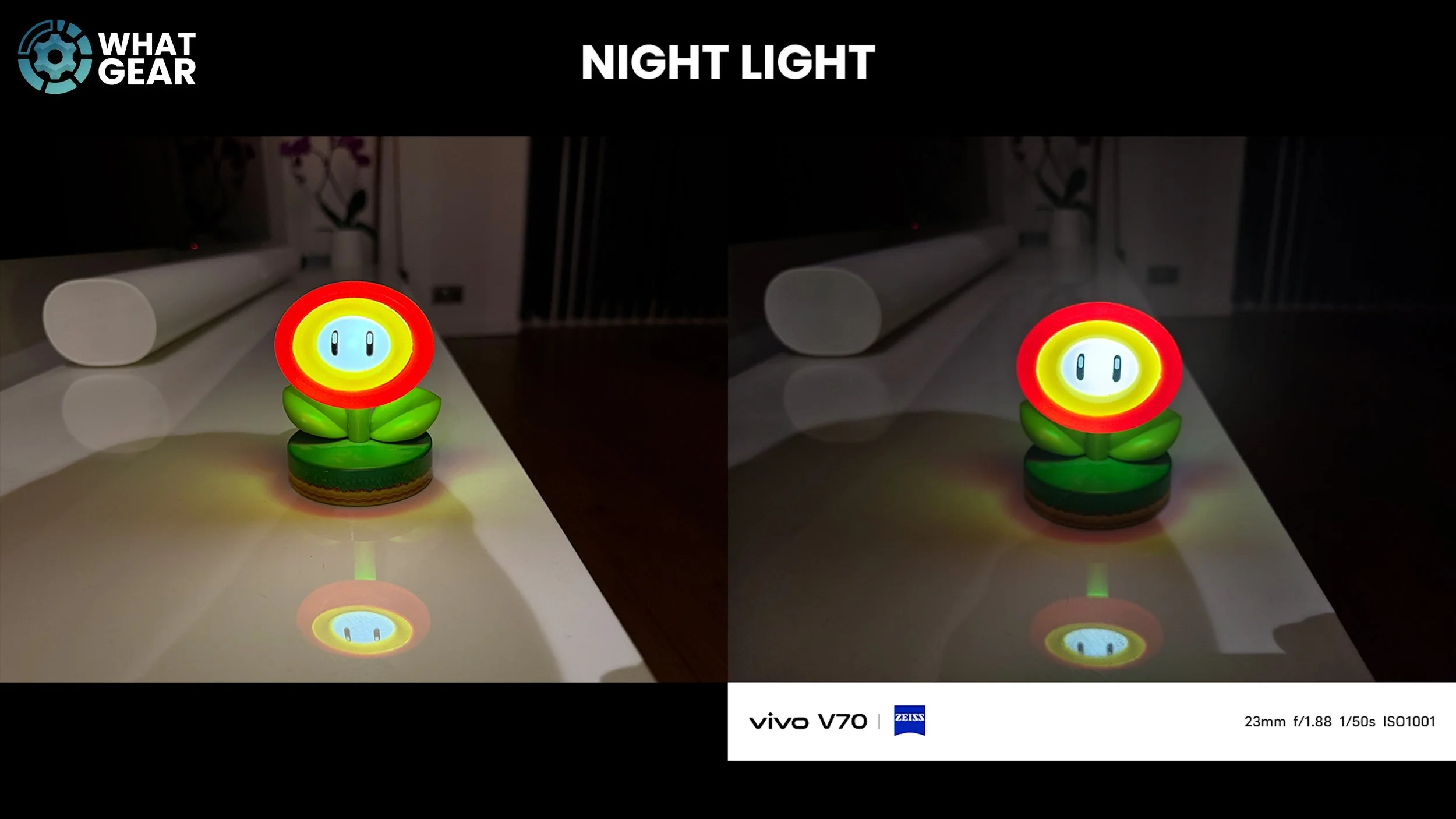
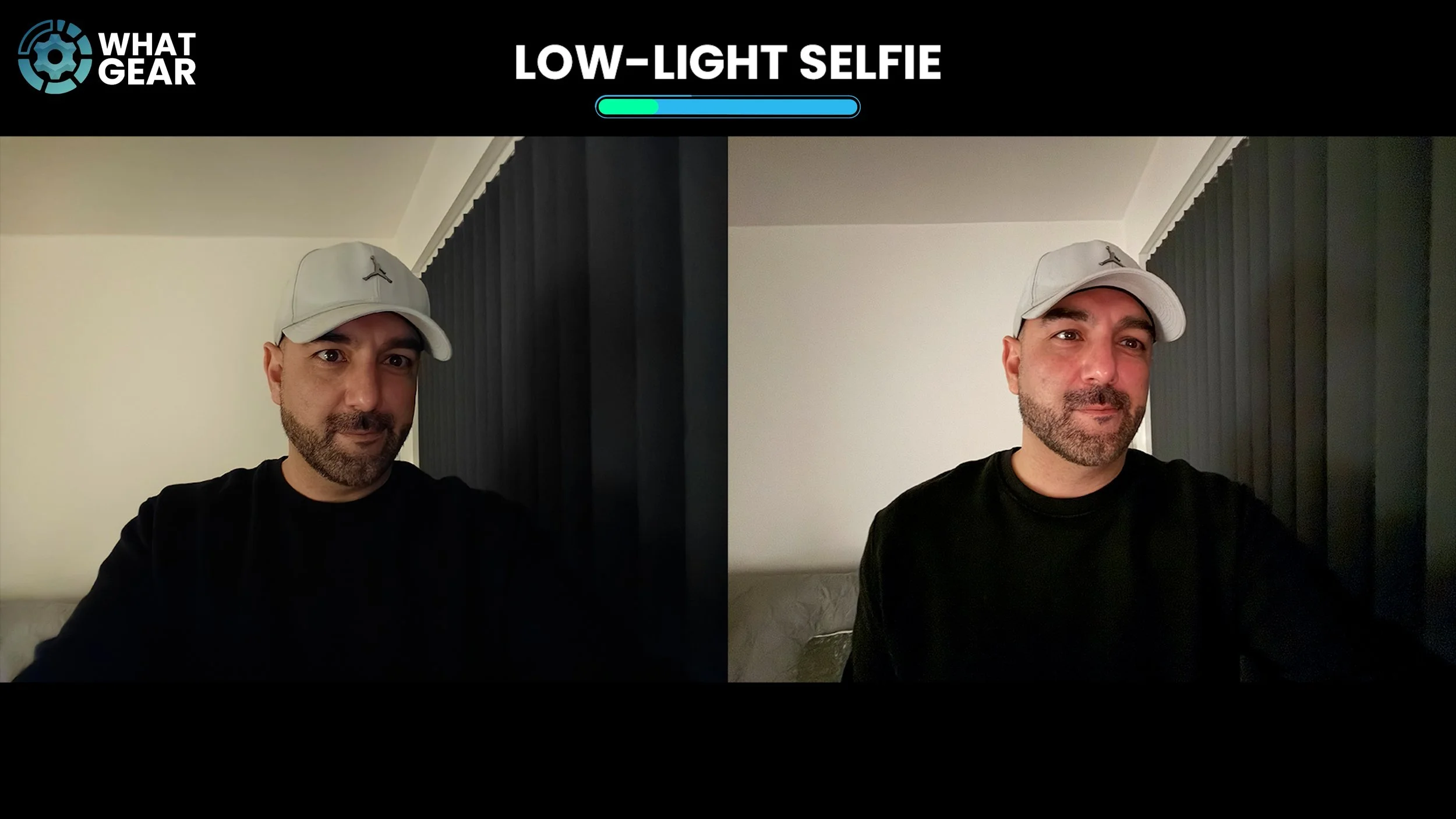
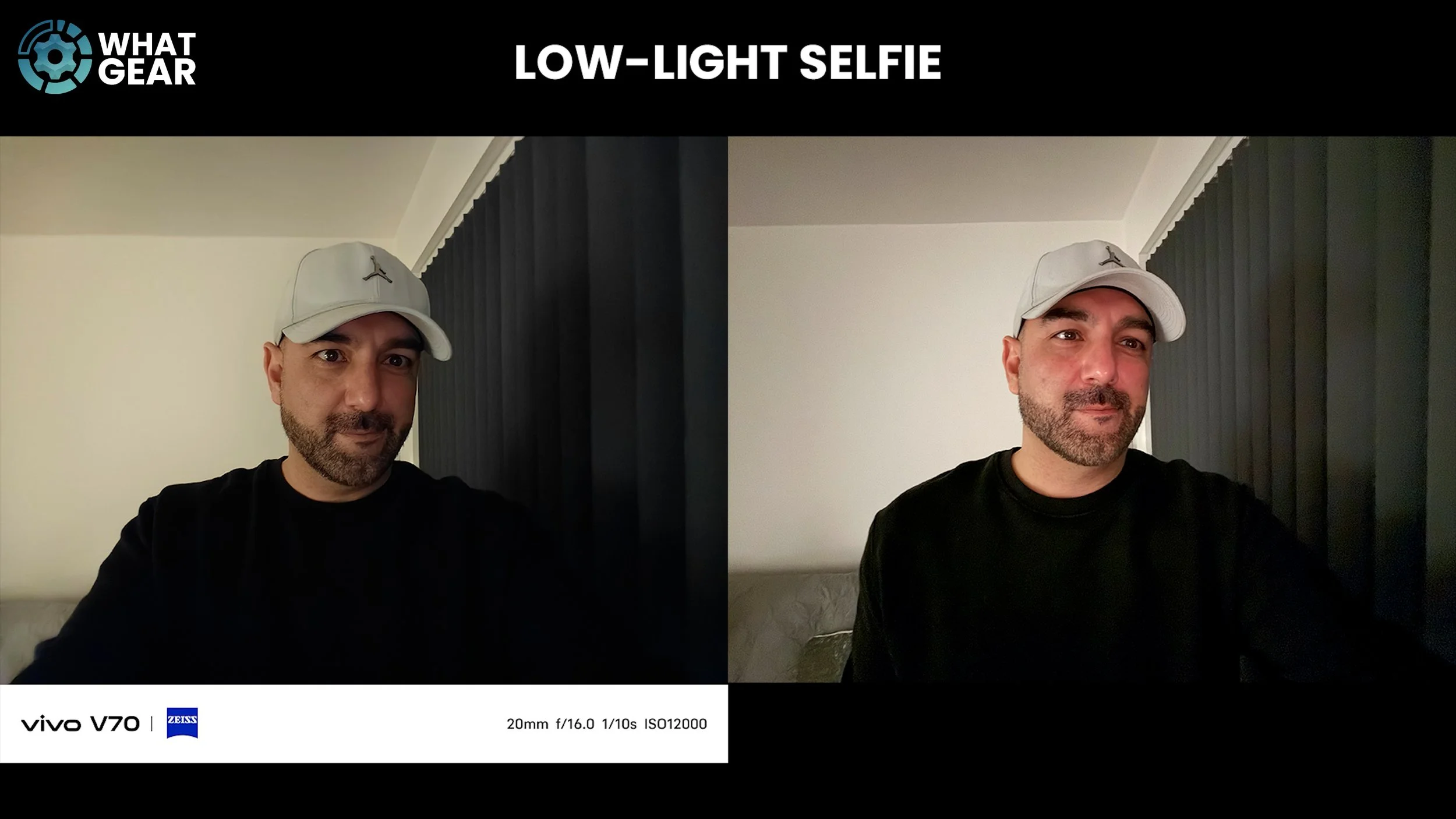
So let me know: how did the Vivo V7 stack up against the iPhone? Did it surprise you, or did the iPhone live up to its nearly triple price?
Gaming & Thermals
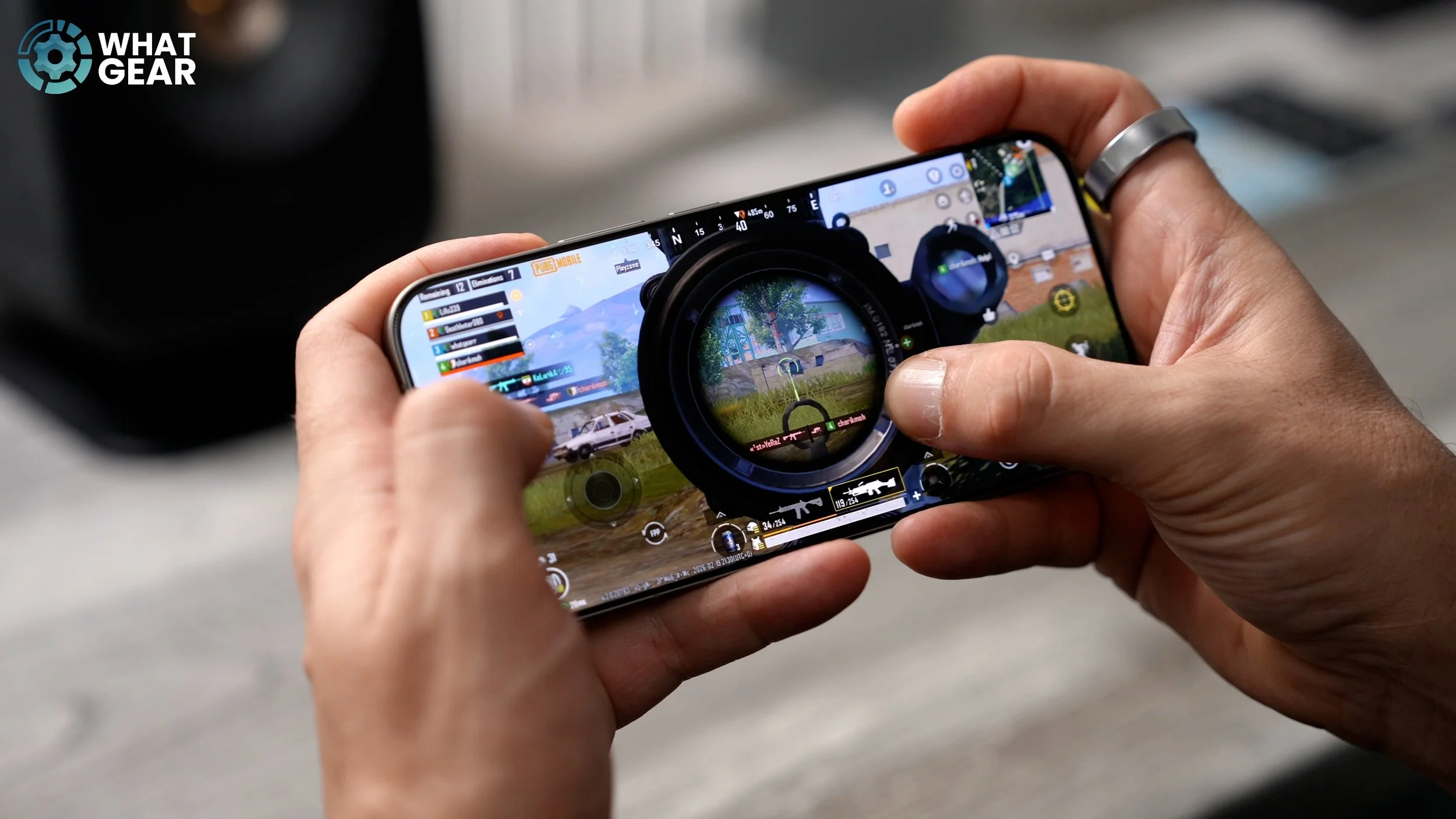
Now let’s put the phone through its paces with 5G gaming at maximum settings, then do a thermal scan. So far — not a single glitch. Everything looks colourful and smooth. Sound is good. Believe it or not, another win on PUBG — a full match start to finish. Basically, no stutters or stumbles. It warmed up slightly near the camera module, but performance was unaffected. Thermals peaked at just 36.4°C, which is very low. The centre showed 24.6°C — impressive cooling performance.

Final Thoughts
If you’re looking for a smartphone under £400 where the camera is the priority, this is a great option — and not only for the camera, but for everything else too. If you want to go to the next level, the vivo X300 might be what you’re looking for, and I hope to cover that on the channel at some point.