Honor 400 Pro - BLIND CAMERA TEST ( Newcastle, England )
Alright, the Honor 400 Pro is here. You want to see how good the cameras are. Well, I put it up against two of the most popular phones on the planet. Of course, I'm talking about the iPhone 16 Pro Max and the Galaxy S25 Ultra.
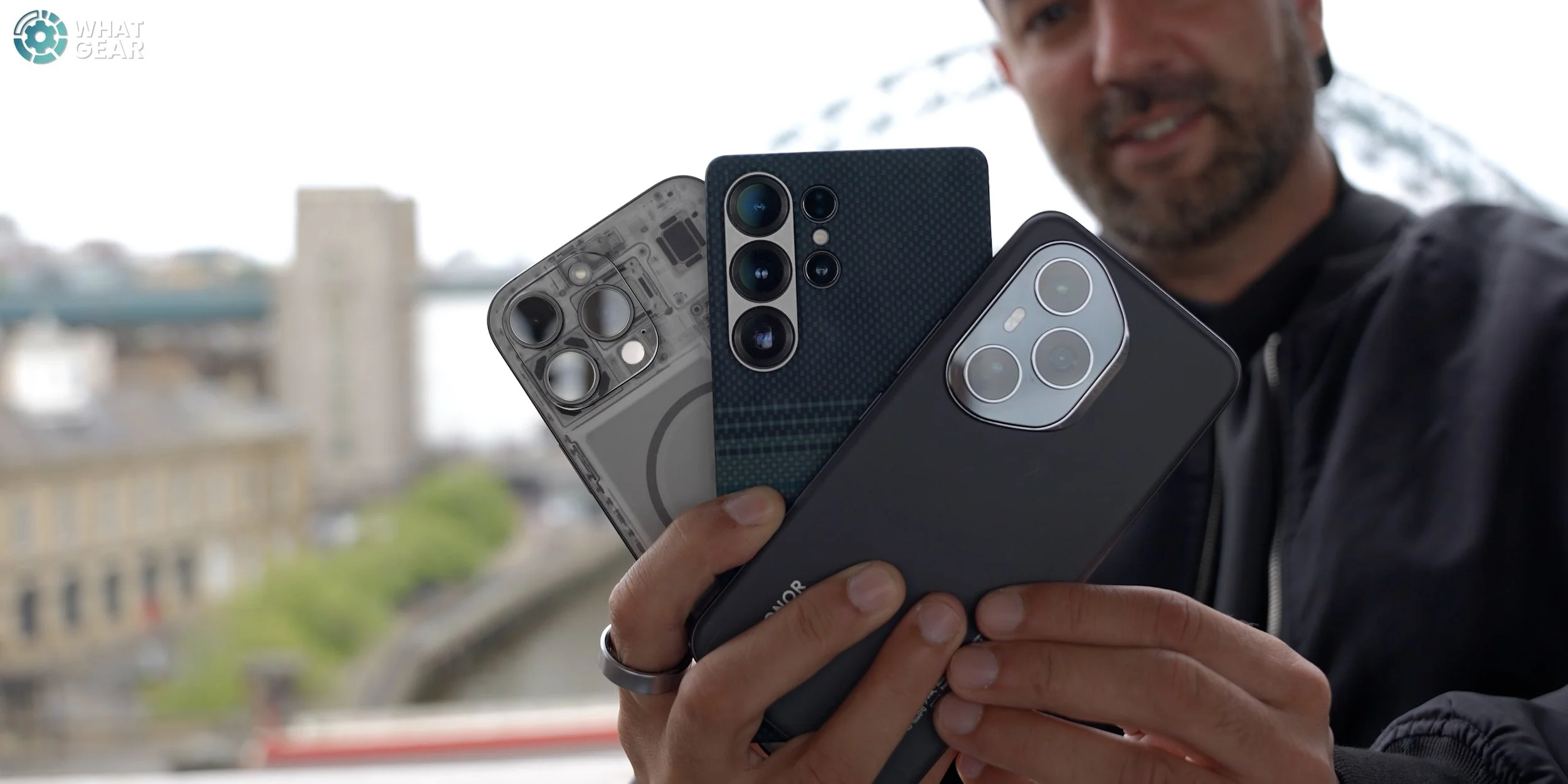
There are just two questions: can a phone half the price compete, and can you tell the difference? So here's how this is going to work.. you'll see the images without titles, I'll give you a few pointers for things to look at, and then I'll reveal which image is from which phone. Keep a score card and let's see how the Honor 400 Pro stacks up.
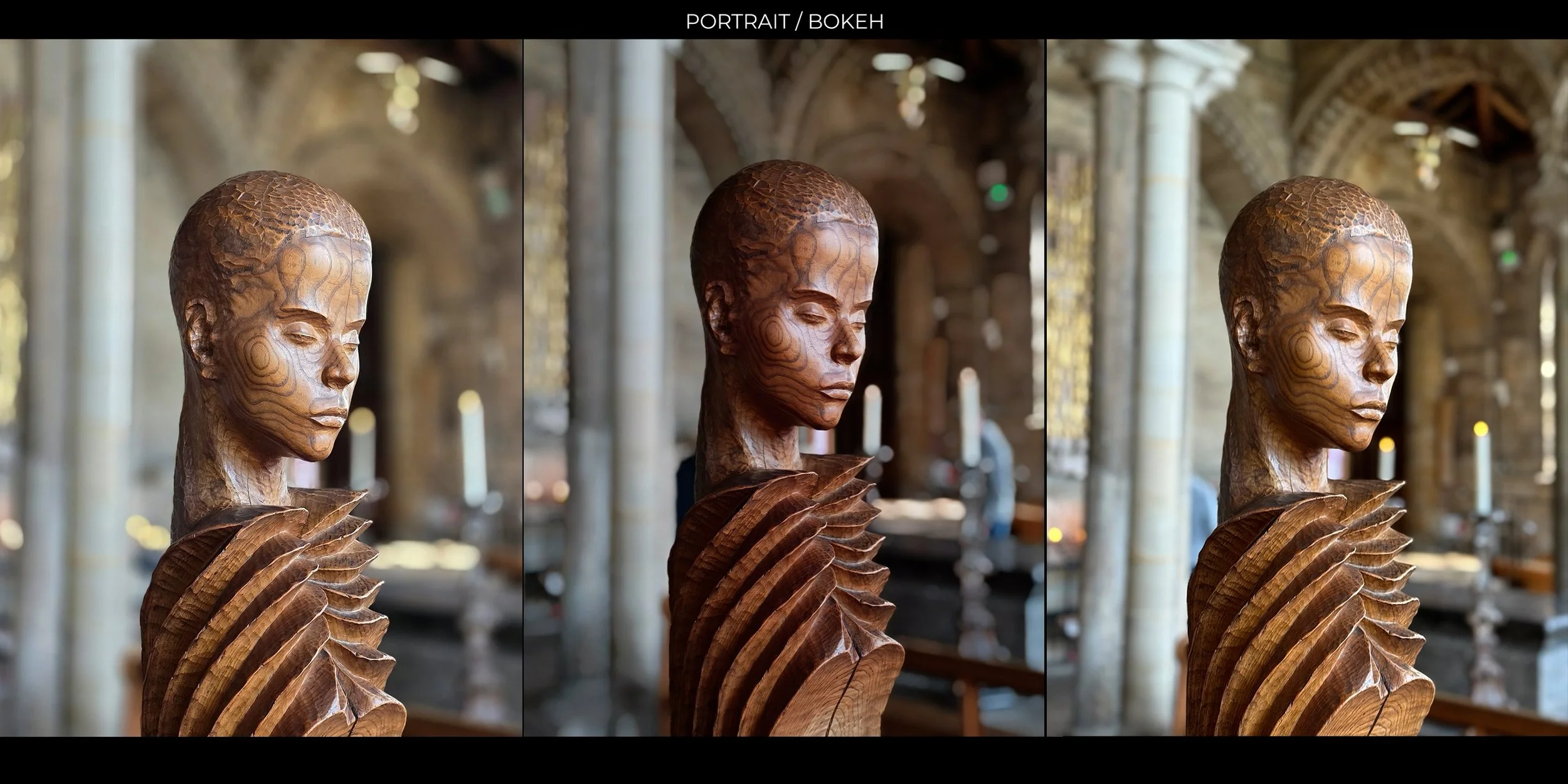
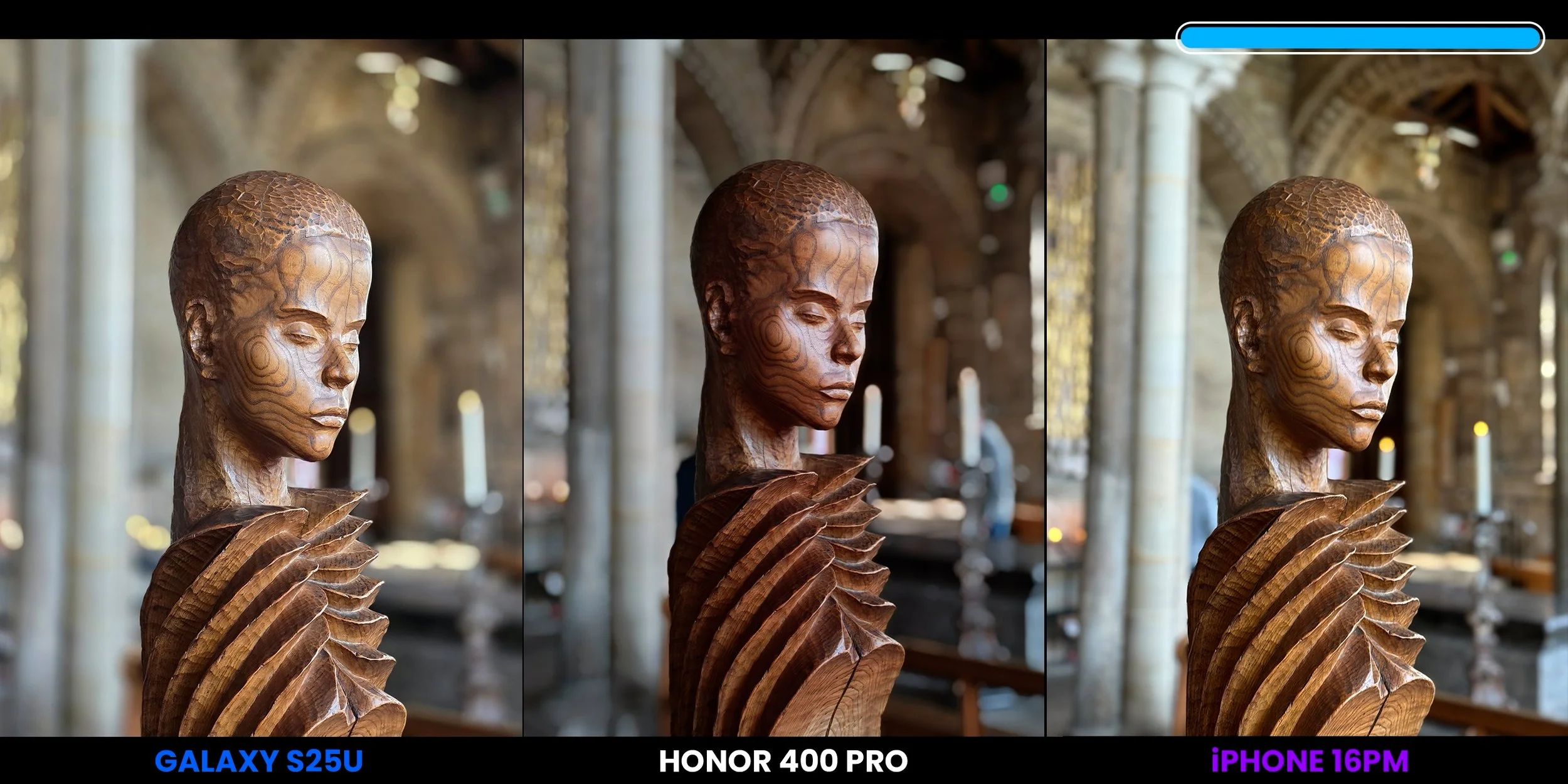
Pic 1. Portrait
Alright, picture a portrait shot where the phones use Ai edge detection to help create a blurry background effect. So it appears to have the most natural separation & this a sculpture carved from natural wood…so which wood looks the most natural to you. 10 seconds let's go.
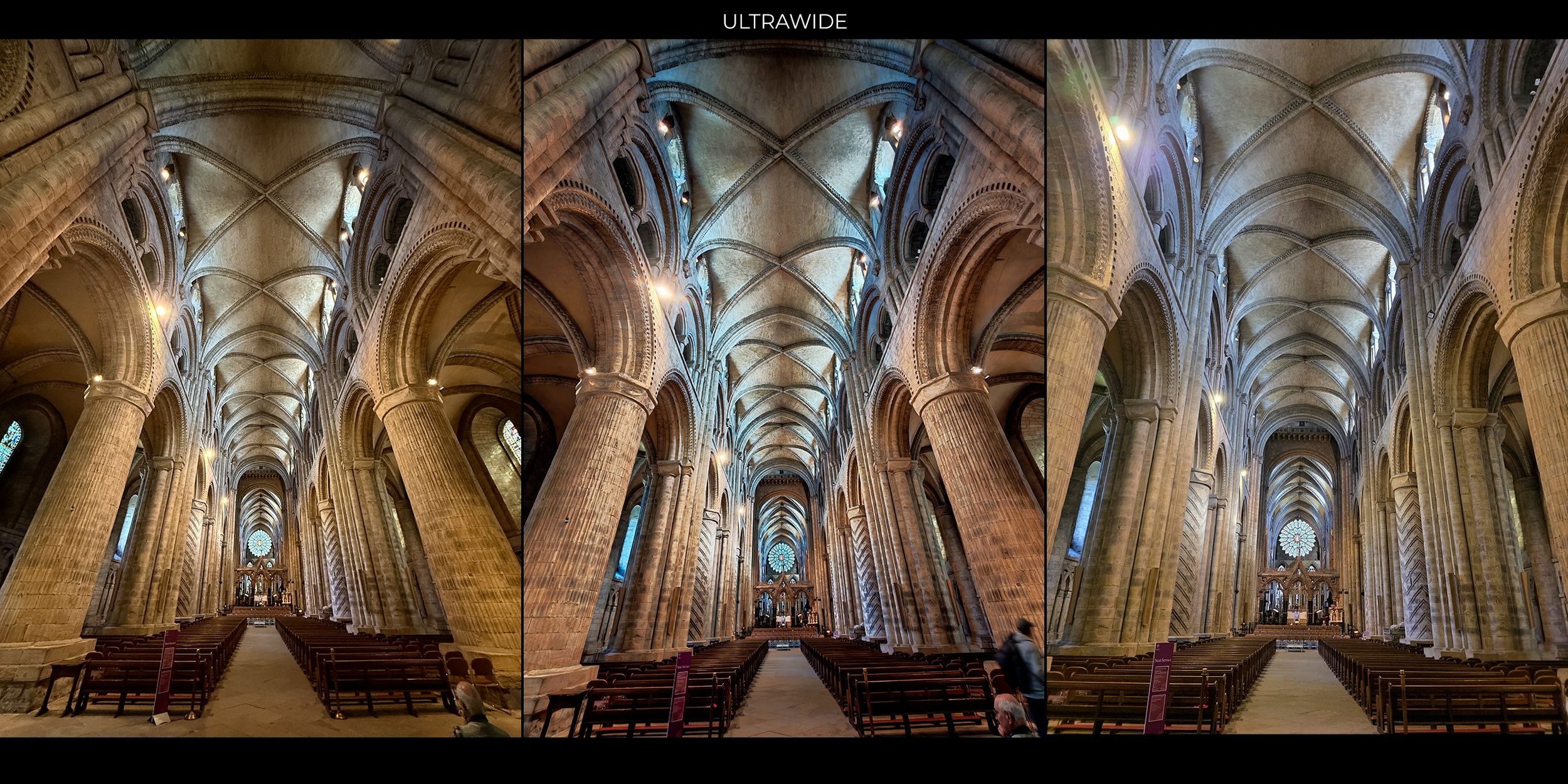
Pic 2. Ultrawide
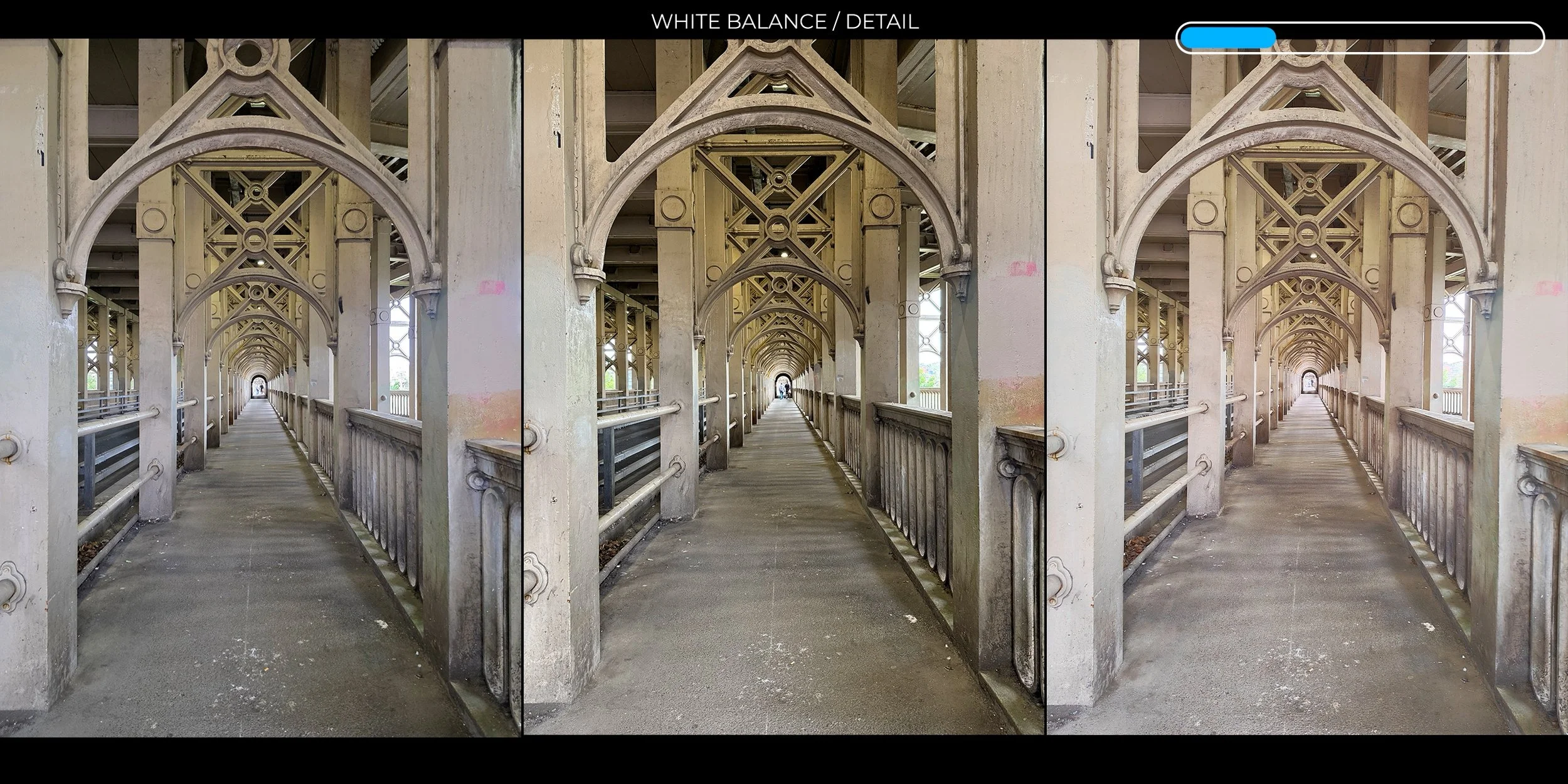
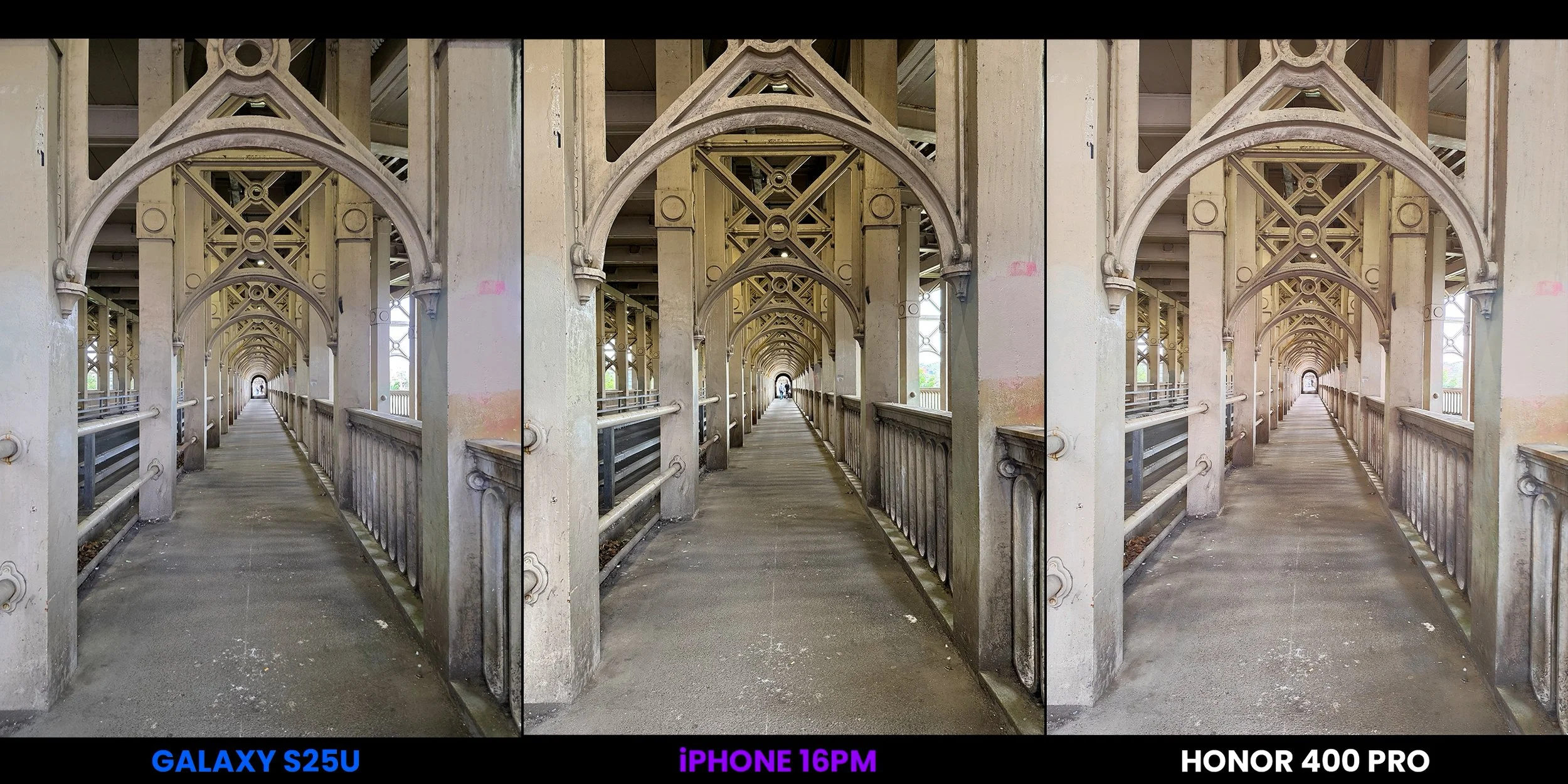
Ok this is an ultrawide shot, typically the Ultra lenses and the sensors used and not top priority. Colours can shift when compared to the main camera and softness in the details around the edges are a sign of a lower quality ultrawide camera. Let me know what you think here.

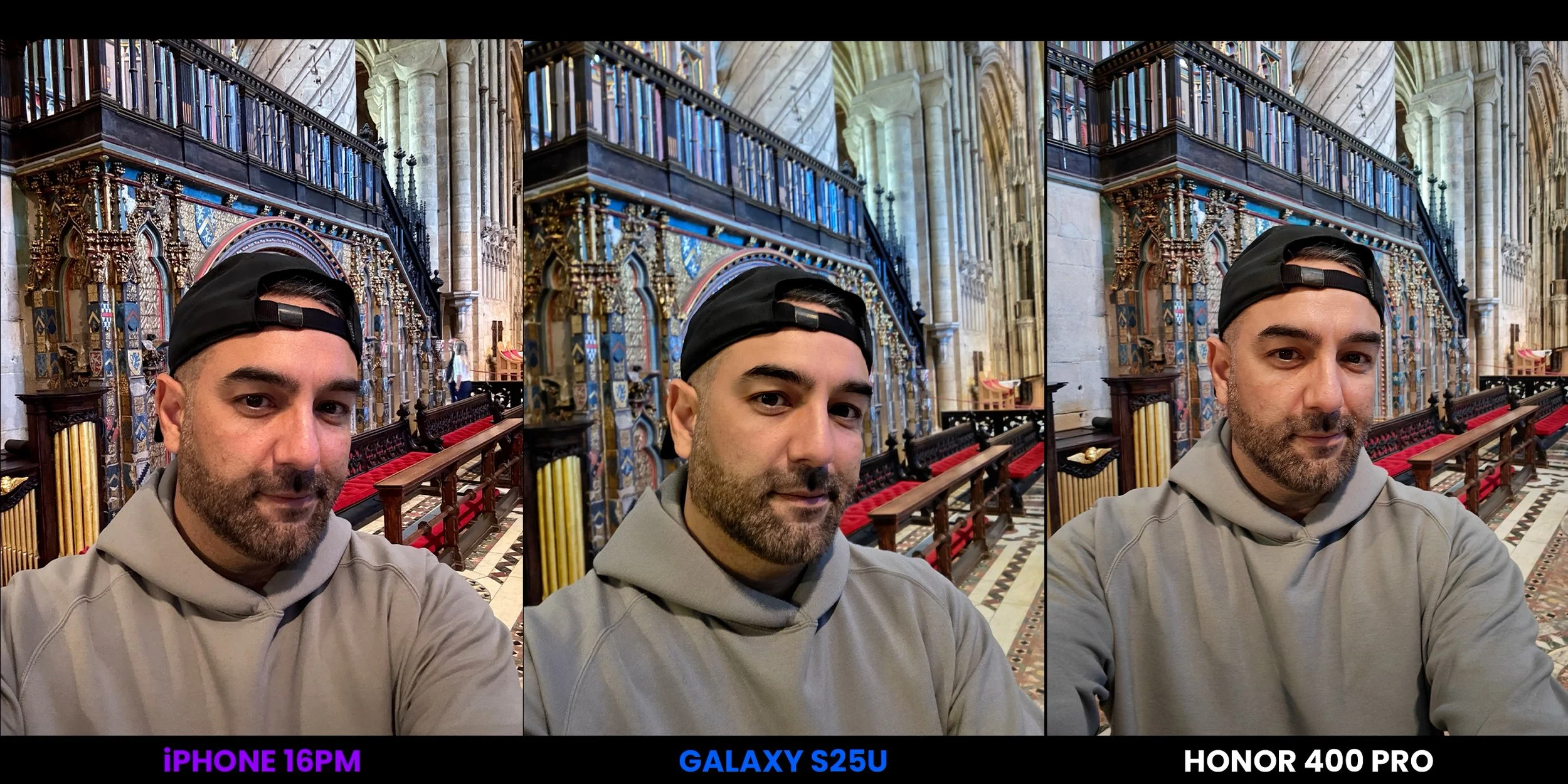
Pic 3. Selfie
There are a few things you need to know here: the lighting was lower than you think, and the Honor 400 Pro uses a 50MP sensor for its main selfie camera…and yes, I'm looking a little fat…I'm working on that lol.

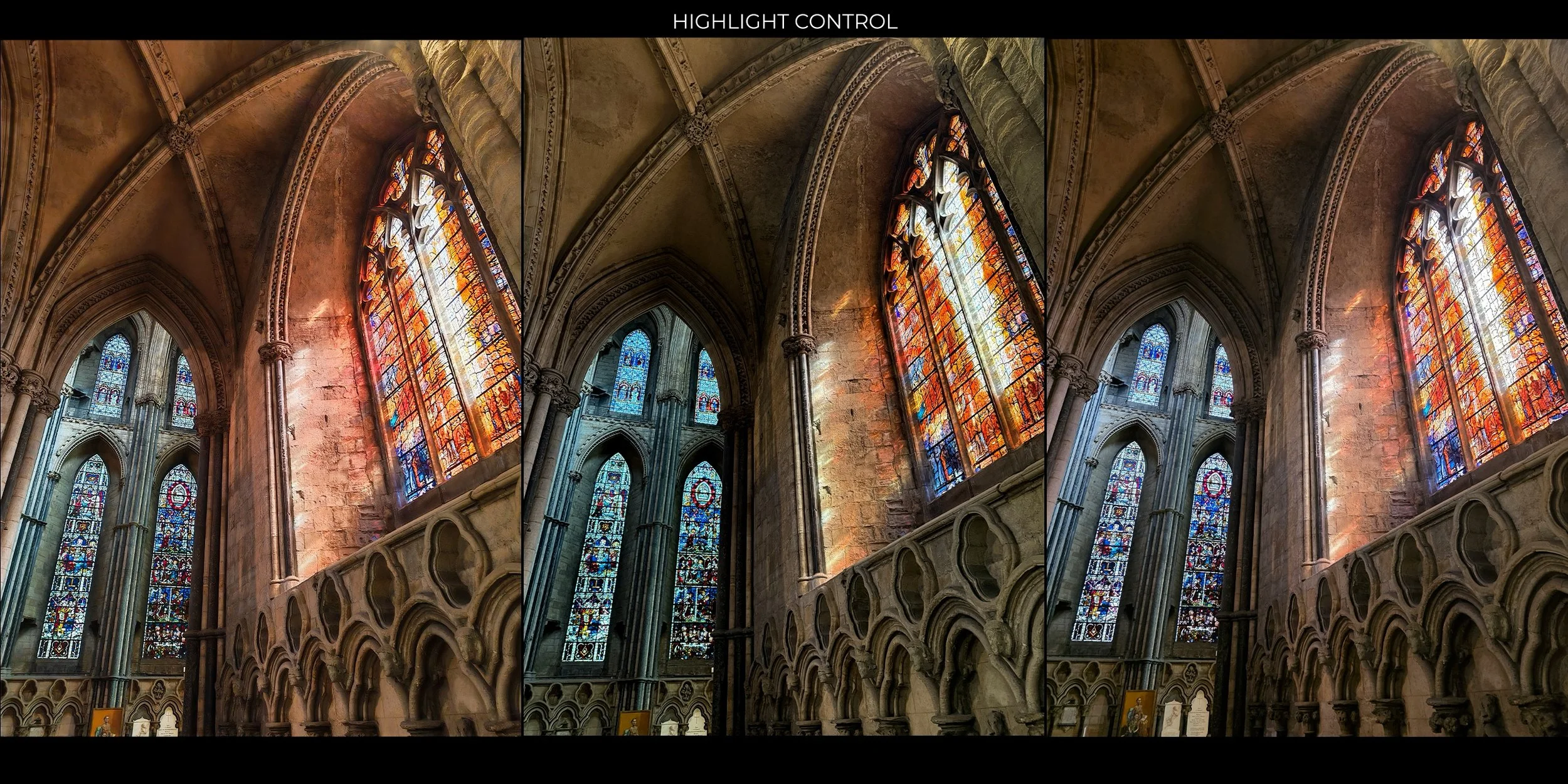
Pic 4. Highlights
Ok, a stained glass window is a great way to test how much detail is retained in the brightest spots of the image. So take a look and let me know.

Ok, so the next few photos I'm going to leave for you to decide. I'll set the timer to 20 seconds so I can get a good look.

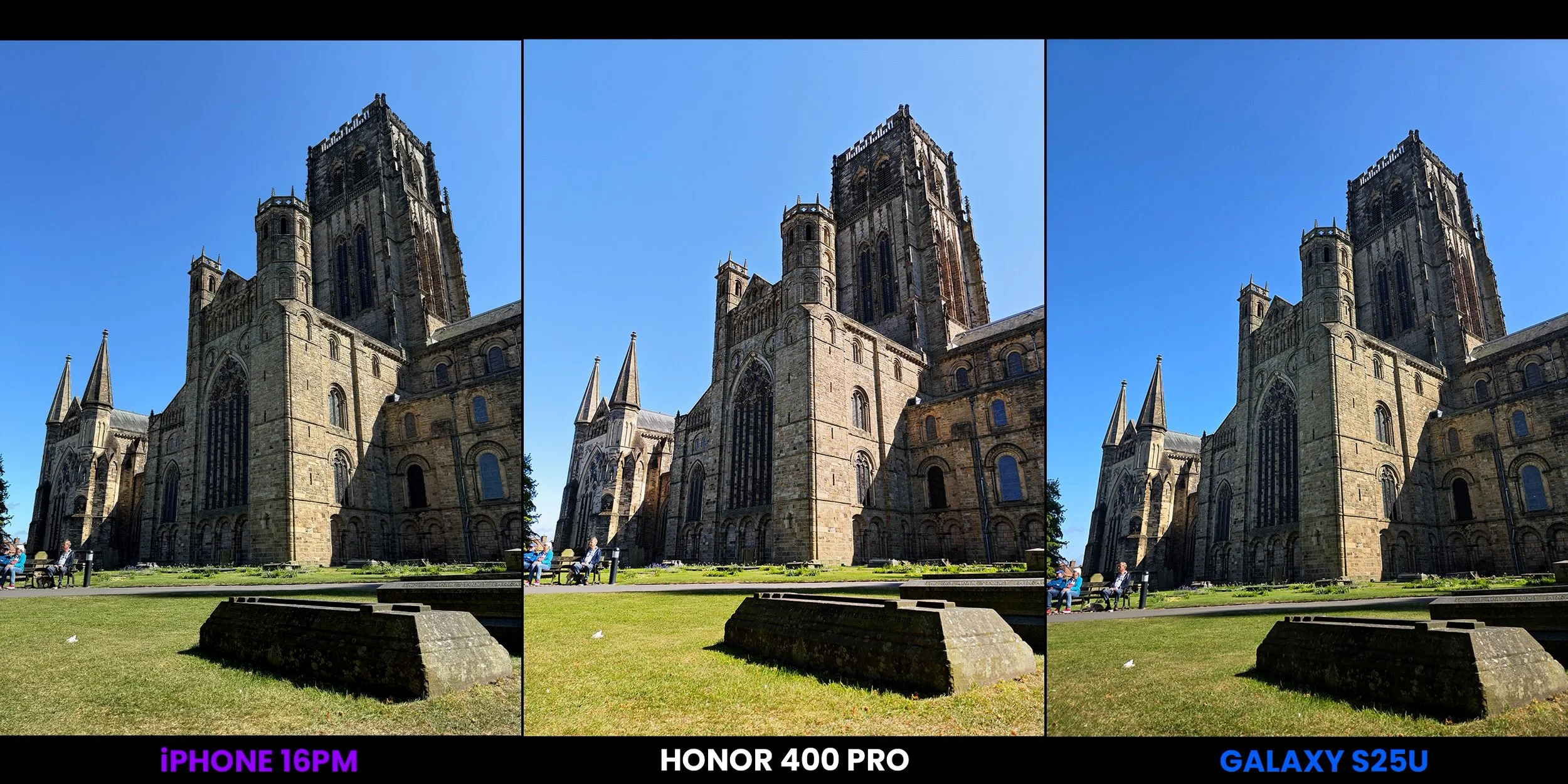

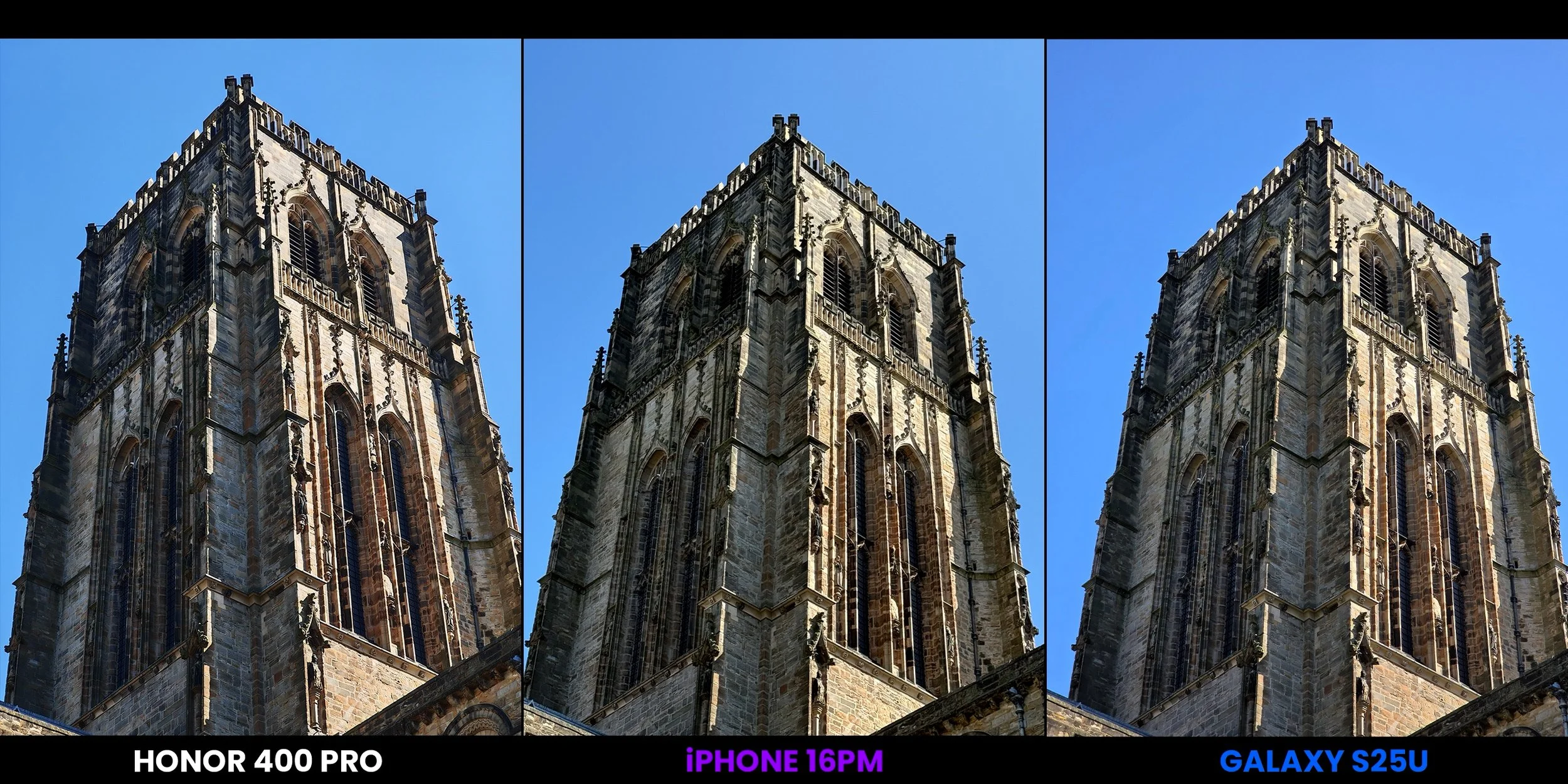
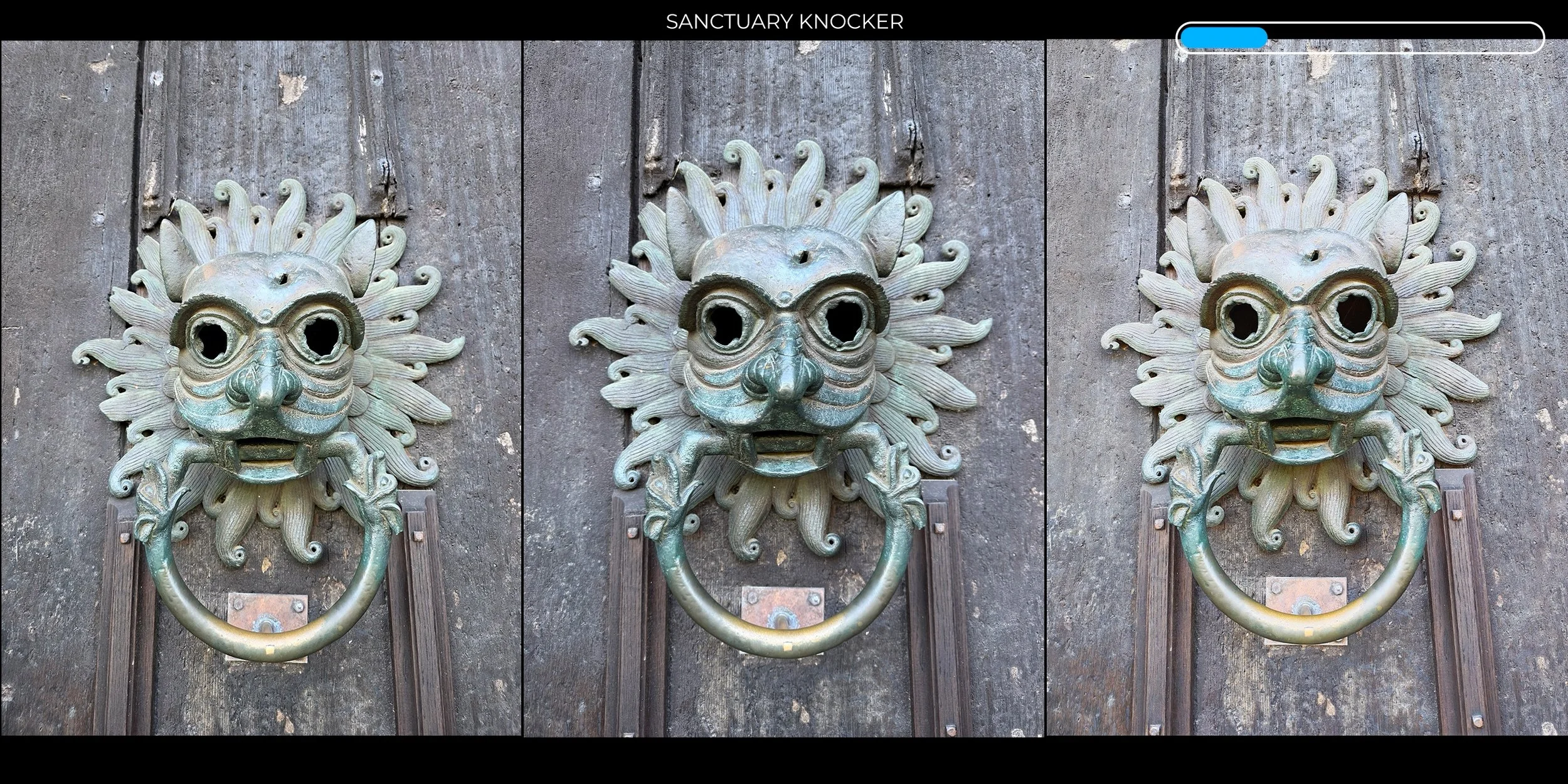
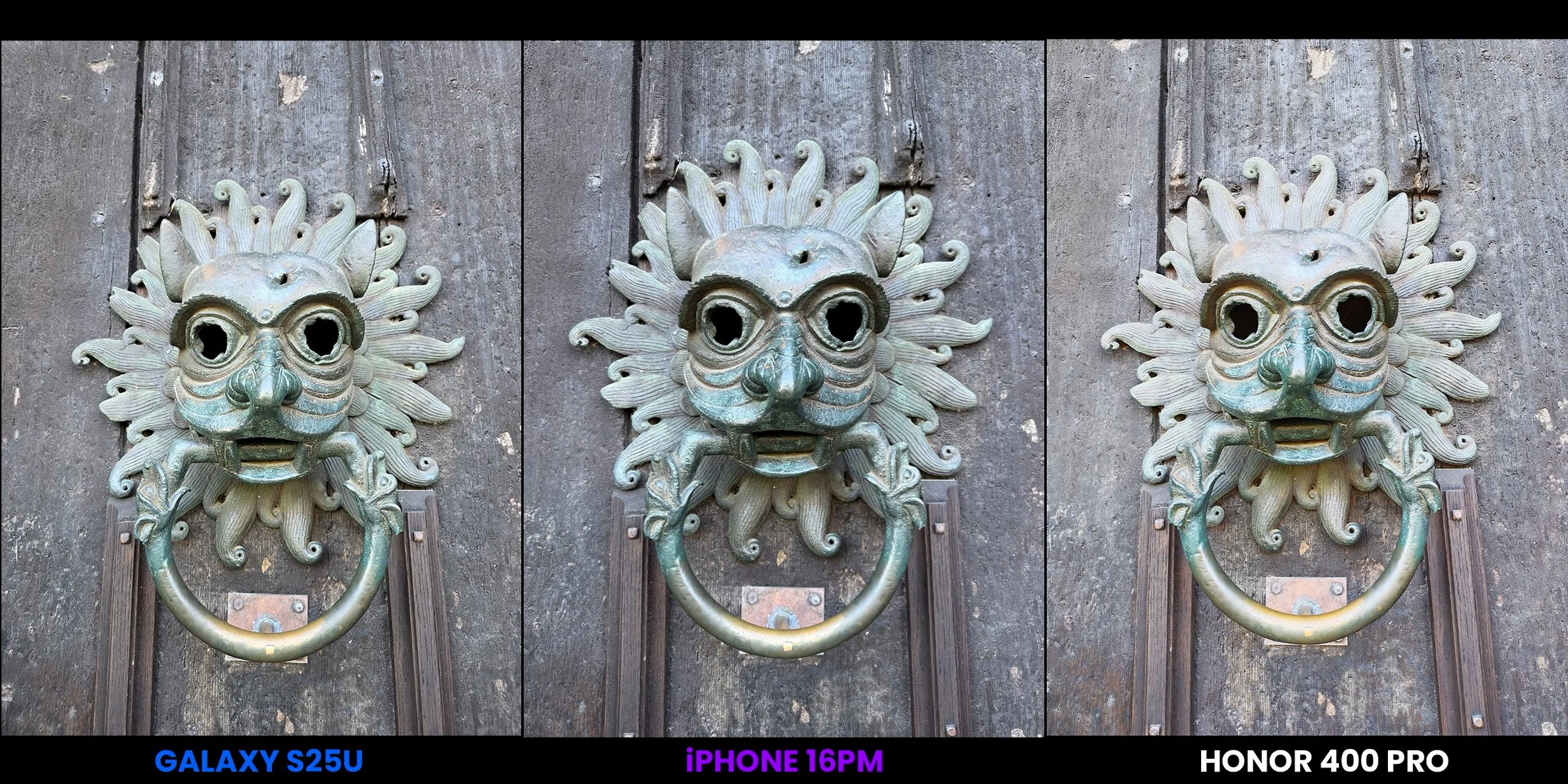
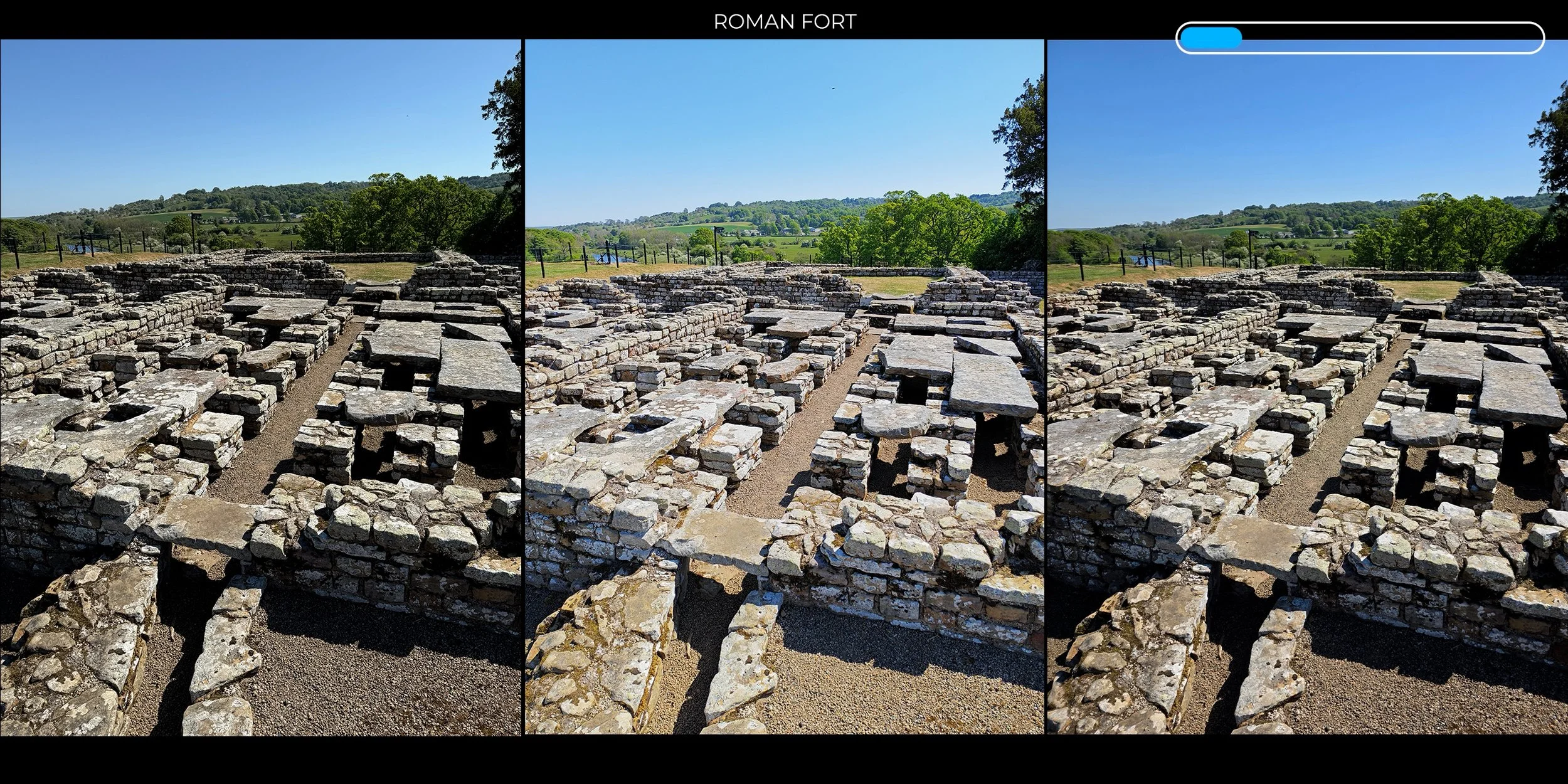

Pic 5. HDR
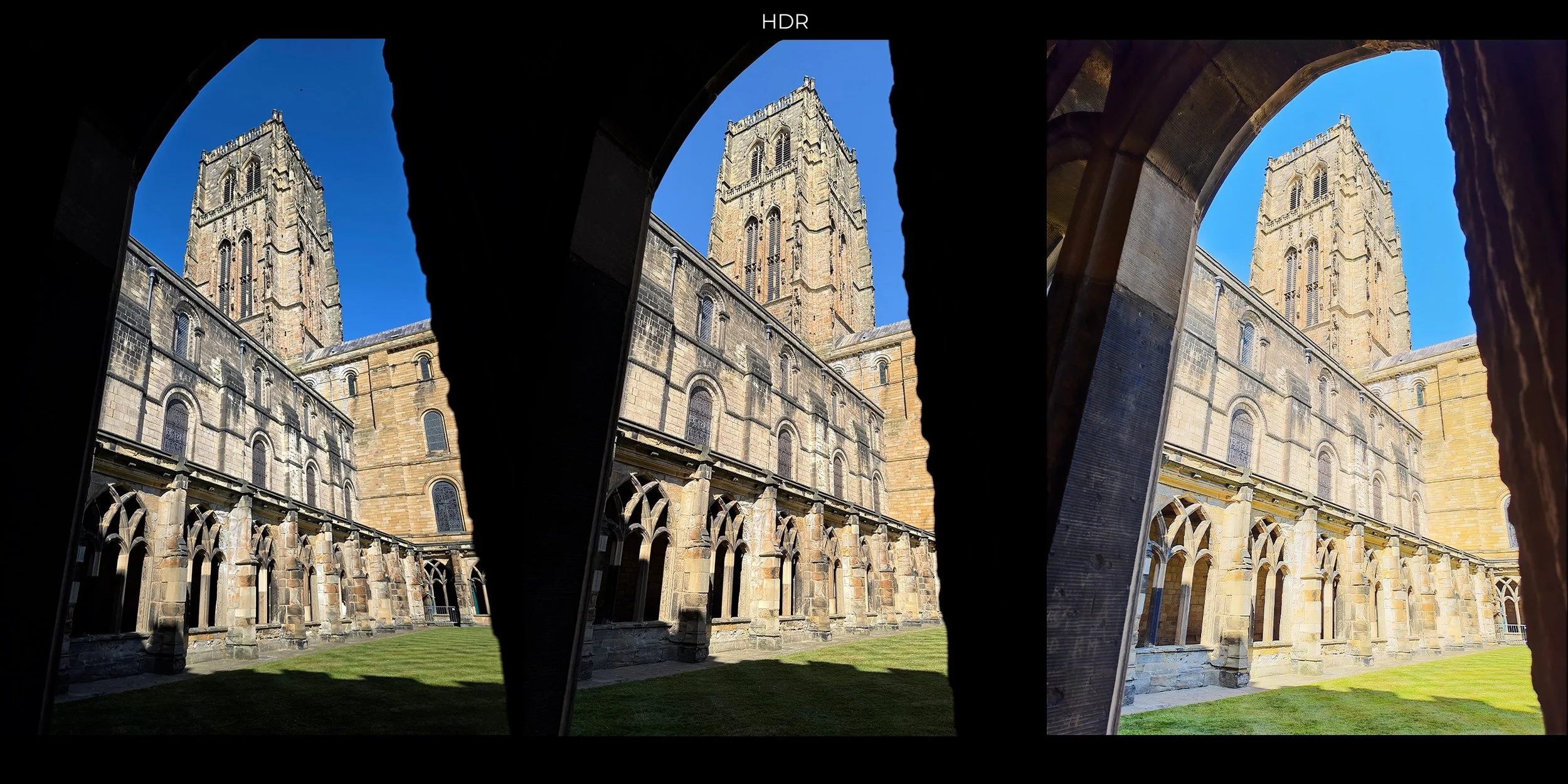
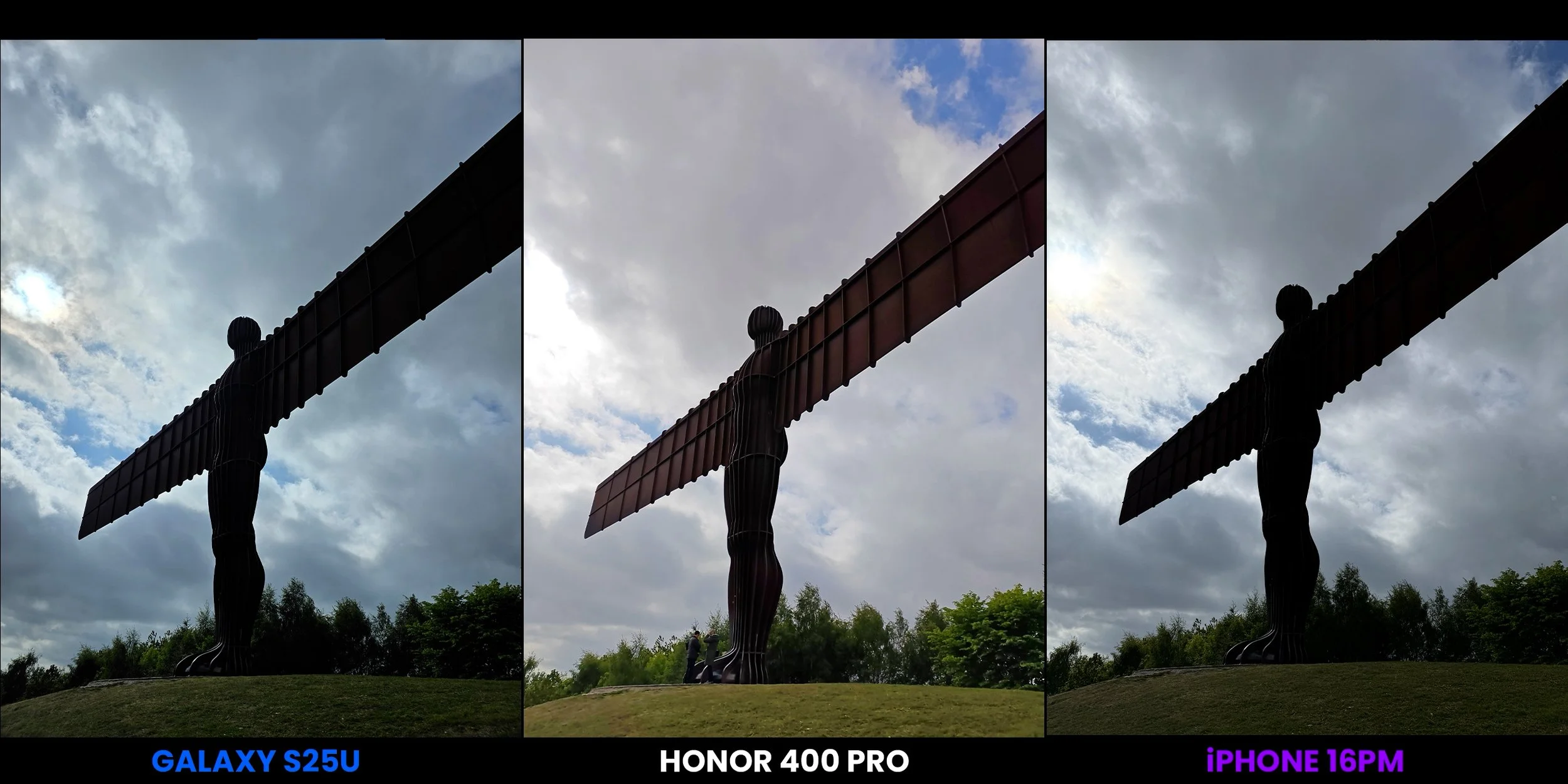
Ok, so this one is interesting because there are a few things in play here. When it comes to controlling extreme light and dark on smartphones, there are a few approaches to this. For example, taking shots with a variety of exposures and stitching them back together. Or sometimes the phones will prioritise the subject of the image and ignore everything else. Or sometimes, as we see here in the image on the right, the Ai may just decide to lift all the shadows sometimes at the cost of losing details in the brightest parts of the image. Keep that in mind because sometimes it works.
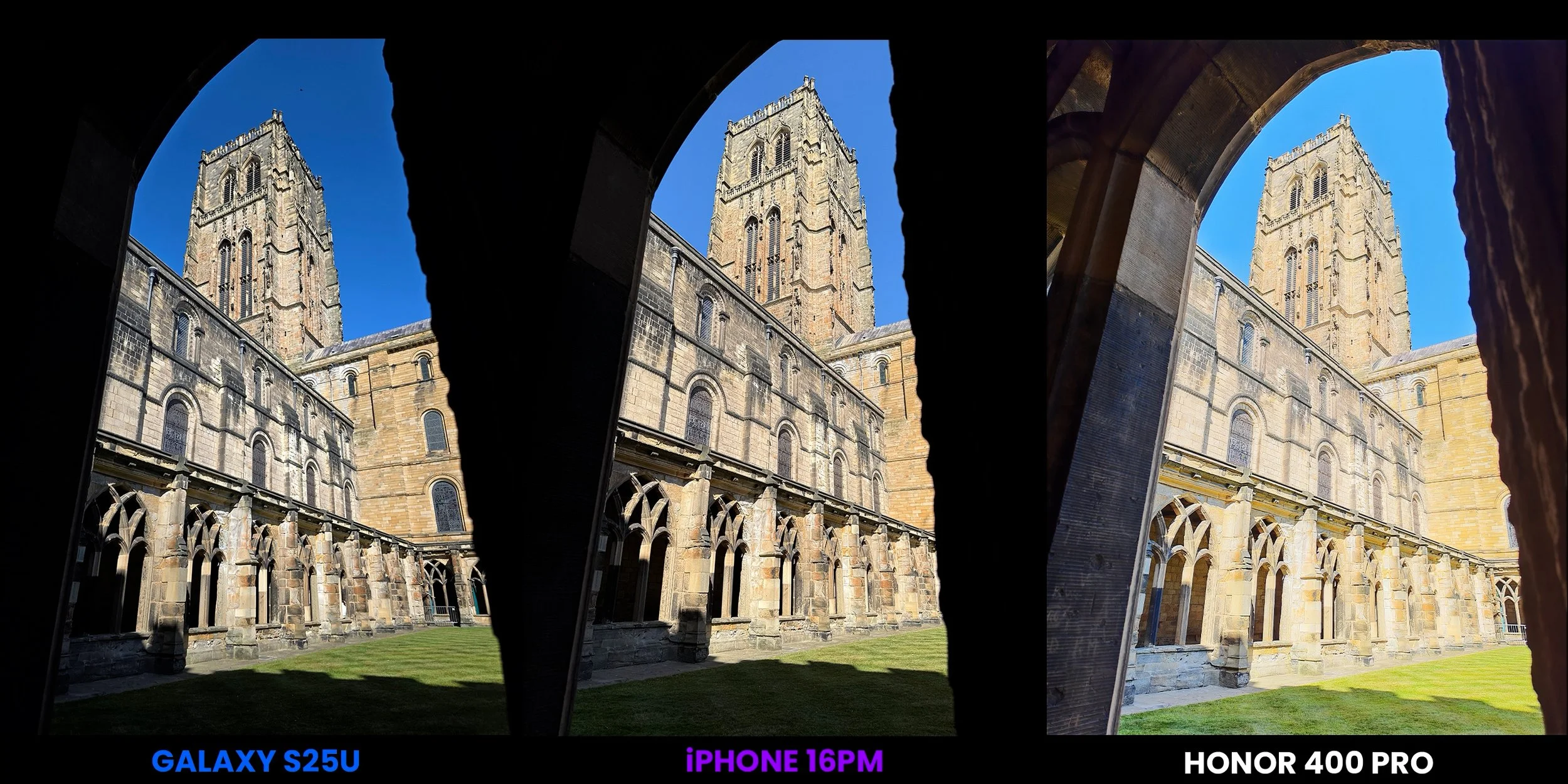
Pic 6.
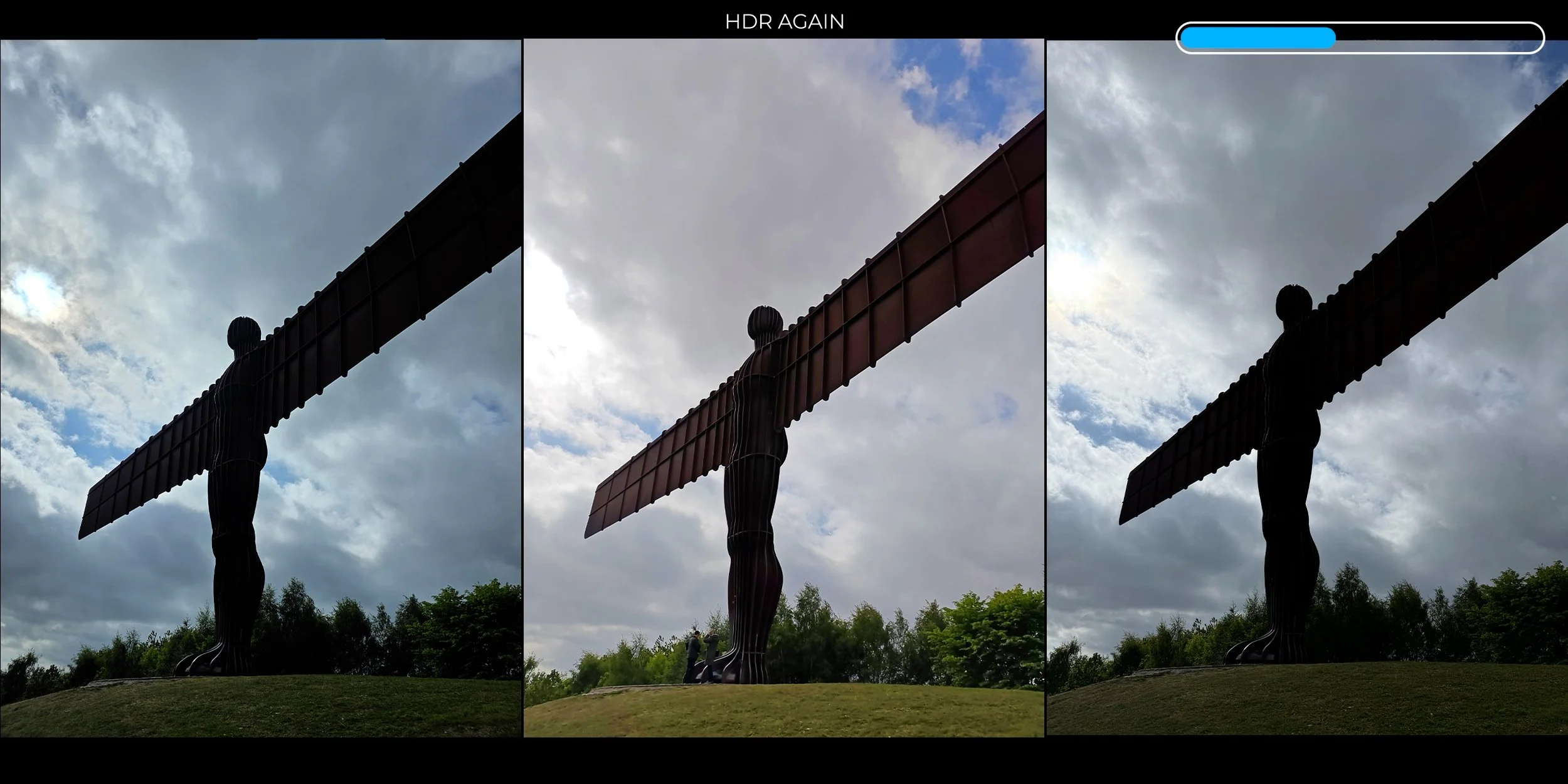
Here's another example of a different kind of HDR shot.

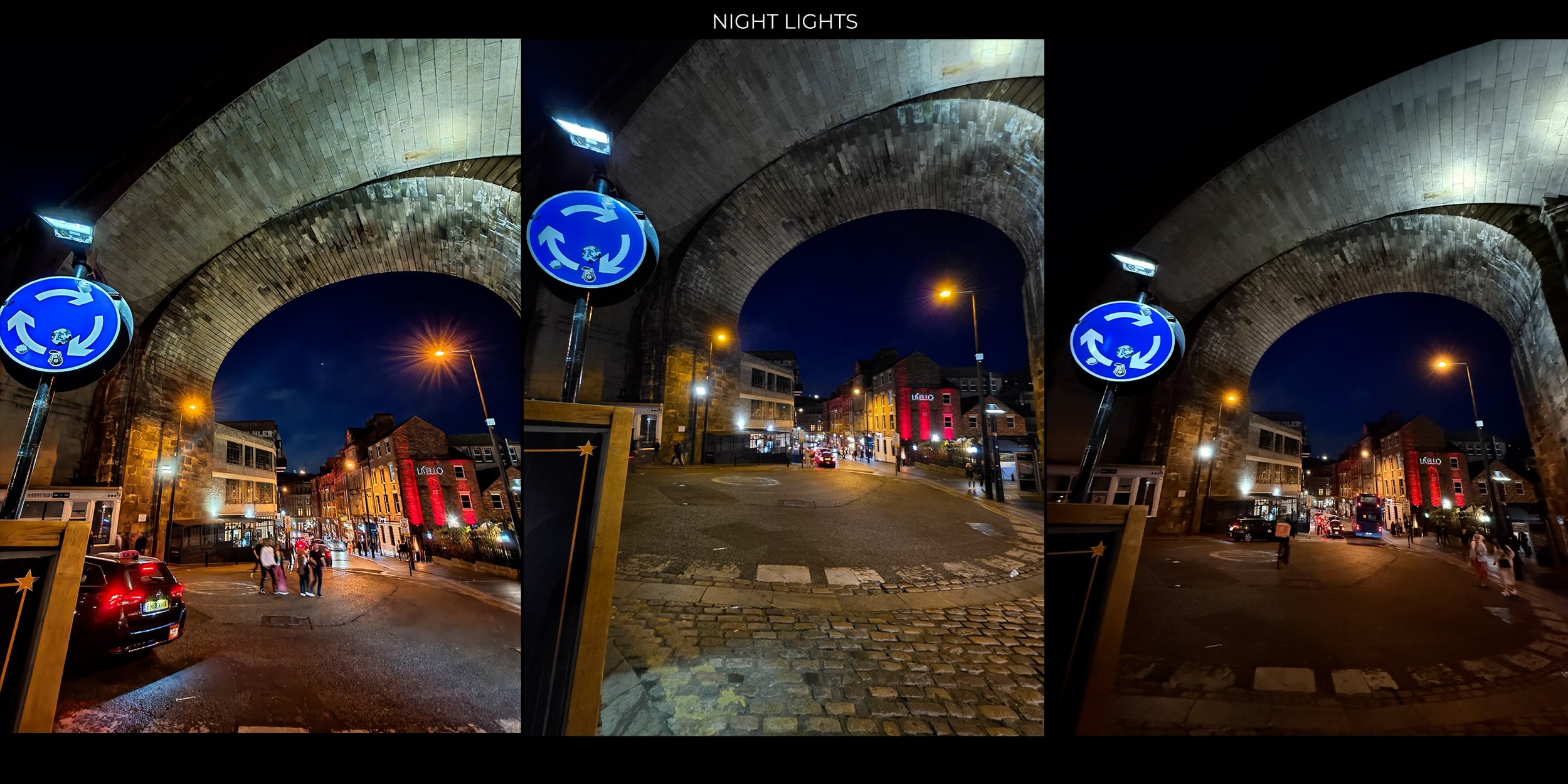
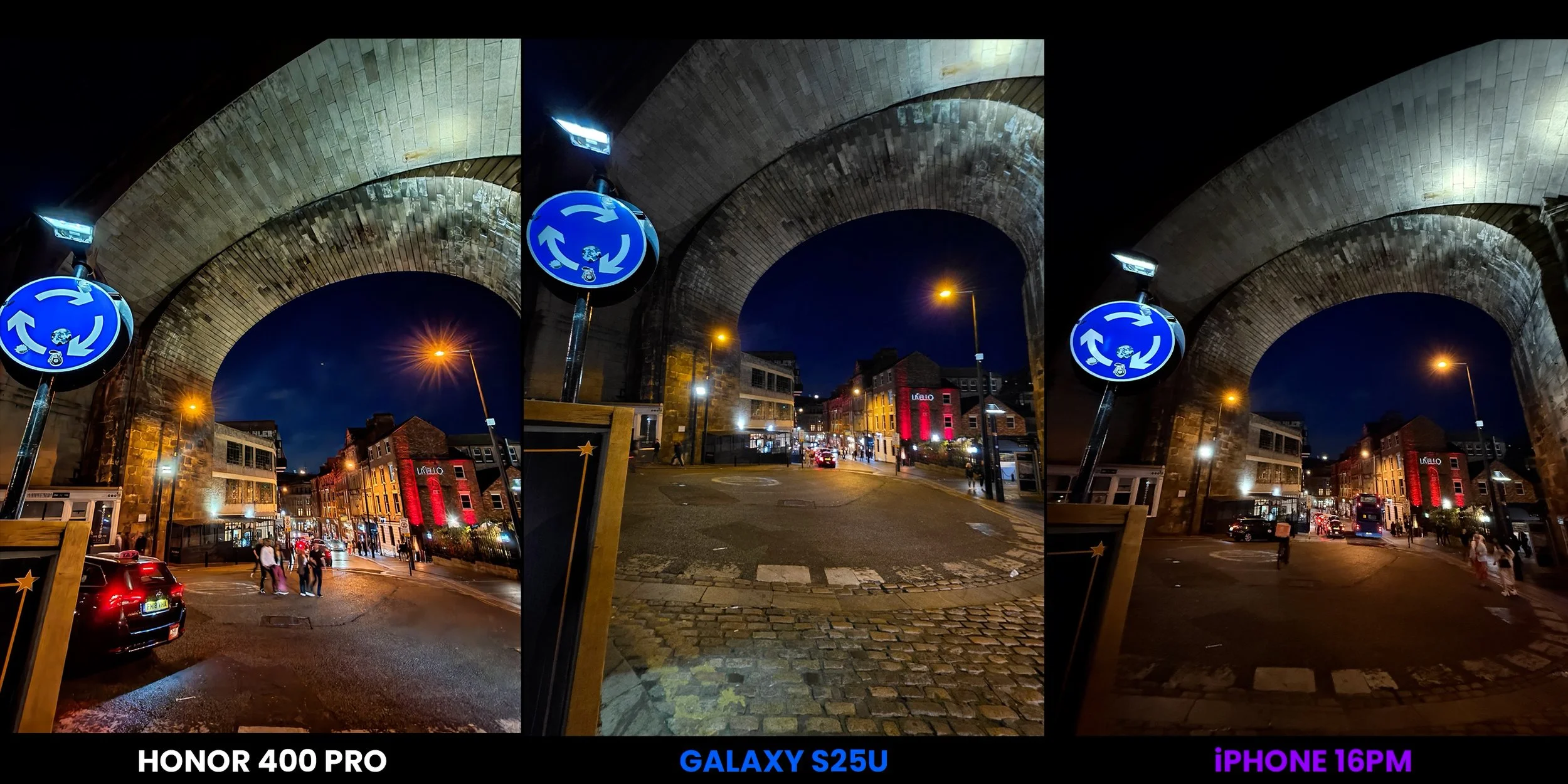
Pic 8 - Night
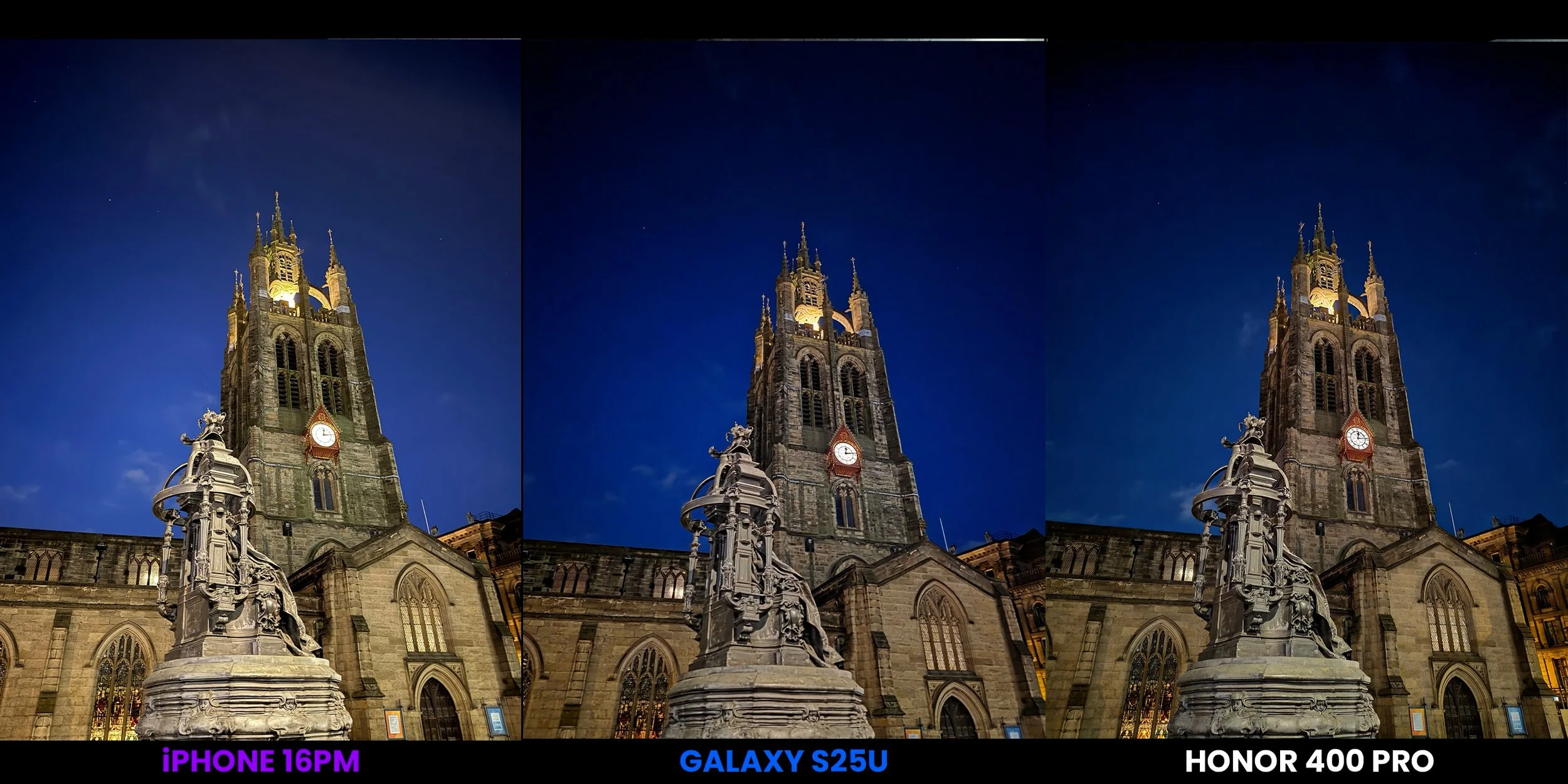
Ok, when it comes to lower-light photography on smartphones. There's quite a few different approaches to this. And lens configurations definitely help when it comes to handling light flares. Anyway, three very different styles here… at first glance, which looks the best to you.
Pic 9 Night 2.
So this night shot is interesting because it was significantly darker here however if you take a look at the top and the clock face these areas are bright. And check out the texture in the sky where the phones seem to be smoothing out the digital noise.