Poco F7 - 21 Important Questions Answered!
A Budget Flagship That Pulls No Punches
If you’re in the market for a smartphone that punches well above its price point, the new POCO F7 might just be the best-kept secret of 2025. In this review, we’ll walk you through everything you need to know—from specs and real-world performance to potential drawbacks and whether it’s worth picking over older flagships like the Xiaomi 14.
Let’s break it all down.
Price and Configurations
The POCO F7 is available in two configurations:
$399 / £389 for the 256GB version
$449 / £429 for the 512GB version
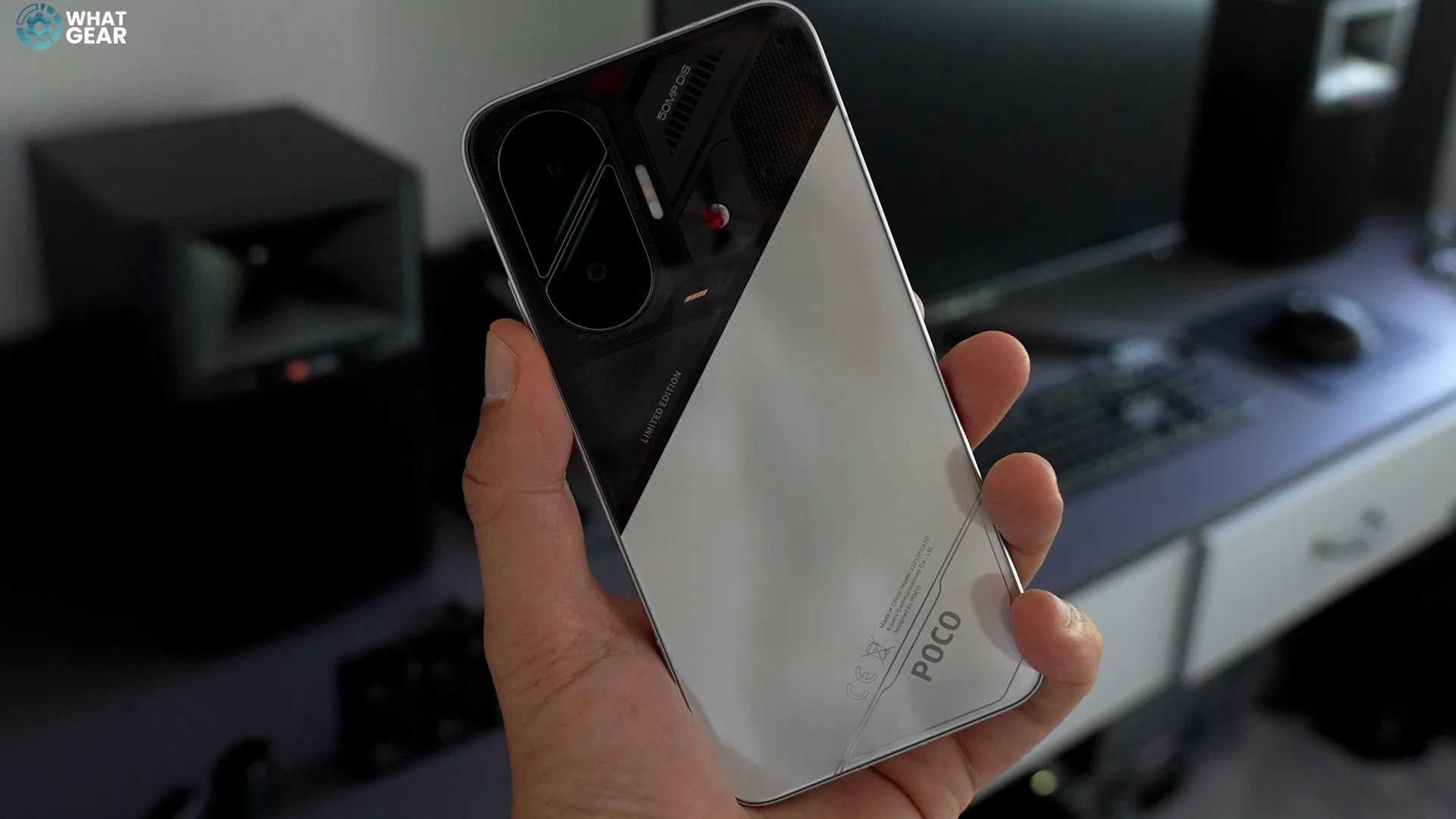
Both variants come with a generous 12GB of RAM, and you can choose between Black, White, or Silver finishes. For what you’re getting, this positions the F7 as one of the most compelling mid-range phones with flagship-level specs on the market.
Display & Visual Experience
POCO has a 6.83-inch AMOLED display with a 1.5K resolution (1280 x 2772) and an impressive 447 pixels per inch. What really stands out here is the peak brightness—up to 3200 nits in a 25% window, and a real-world max of 1800 nits — making outdoor visibility superb, even under direct sunlight.
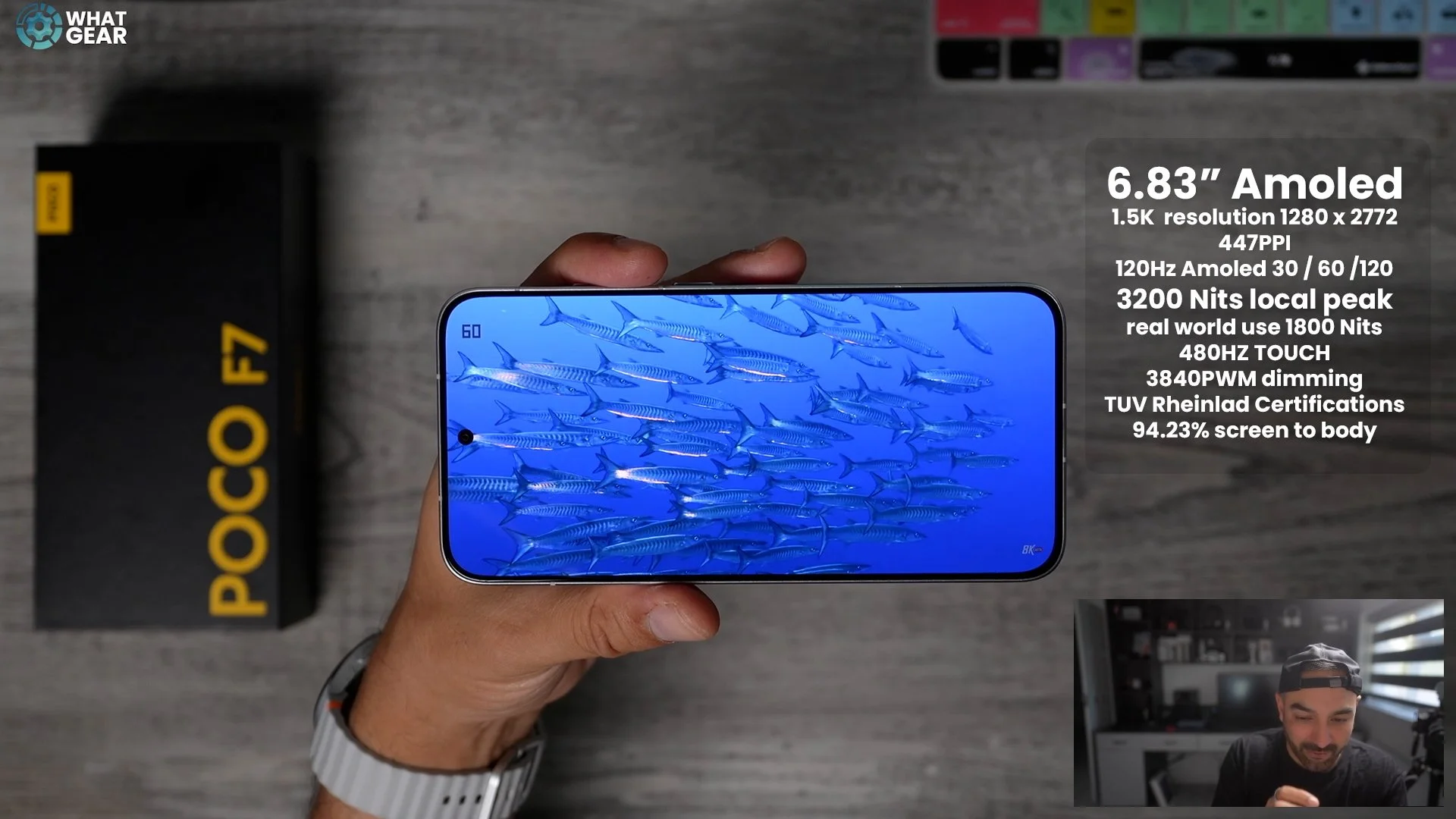
The display supports adaptive refresh rates up to 120Hz, and the 480Hz touch sampling rate (with even higher responsiveness in gaming mode) means ultra-smooth interaction and gaming precision. It also features 3840Hz PWM dimming, reducing eye strain, and is TÜV Rheinland certified for safety and comfort. Bezels are minimal too, with a 94.23% screen-to-body ratio, making this screen feel truly immersive.
Durability: What Kind of Glass and Build Quality?
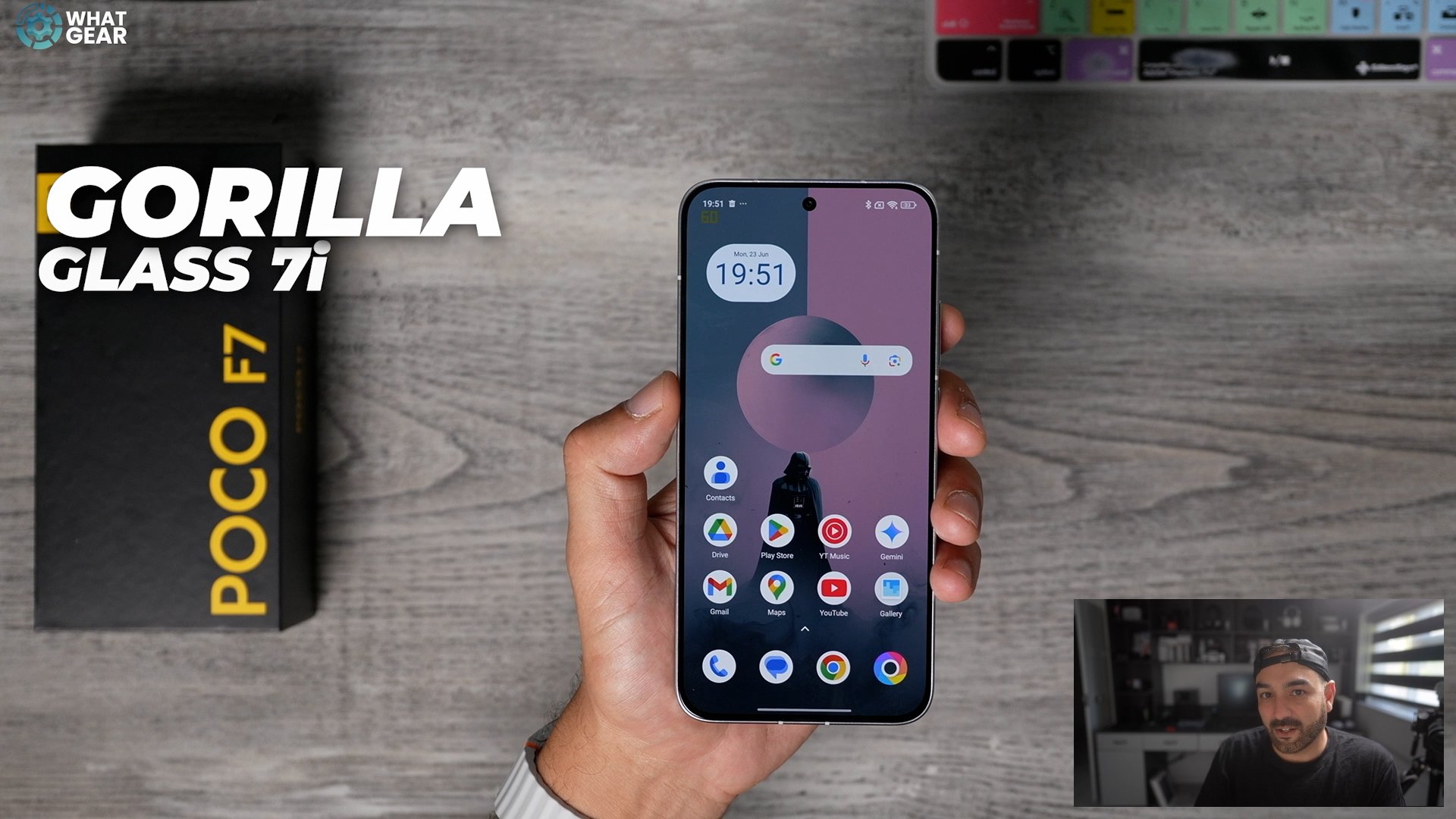
Covering that beautiful display is Corning’s Gorilla Glass 7i—a newer type of glass that’s twice as scratch-resistant as Gorilla Glass 6 and offers enhanced drop protection. While it doesn’t quite reach the premium level of Victus 2, it’s a major step up for a phone in this price bracket. The back is made of glass, and the frame is an aluminium alloy, giving the phone a solid, premium feel in hand.


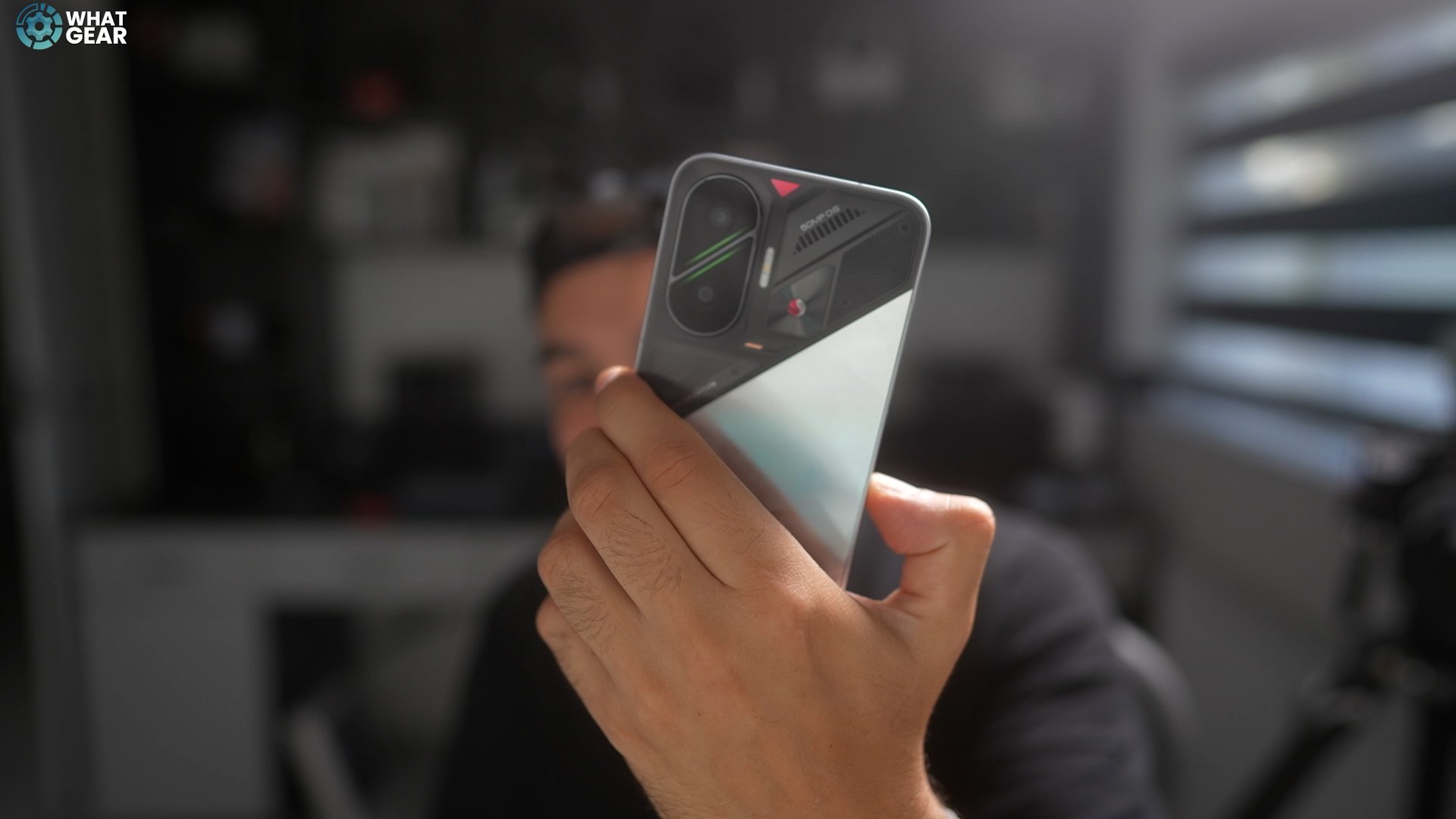
Despite packing a large battery, the phone is just 8.2mm thin and weighs 215.7g. There’s no notification LED, but a dynamic drop-down animation adds a slick visual touch in its place. And for those worried about water and dust: the F7 is IP68-rated and has also earned TÜV SÜD's 5-star Smartphone Quality Certification.
Performance: Snapdragon 8s Gen 3 Delivers
Under the hood, the POCO F7 is powered by the Snapdragon 8s Gen 3, built on a 4nm process. This chip is a step below the Snapdragon Elite & Snapdragon 8 Gen 3 but still offers excellent performance for gaming, multitasking, and demanding apps. And can outperform the SD 8 GEN 3’s GPU in some scenarios.
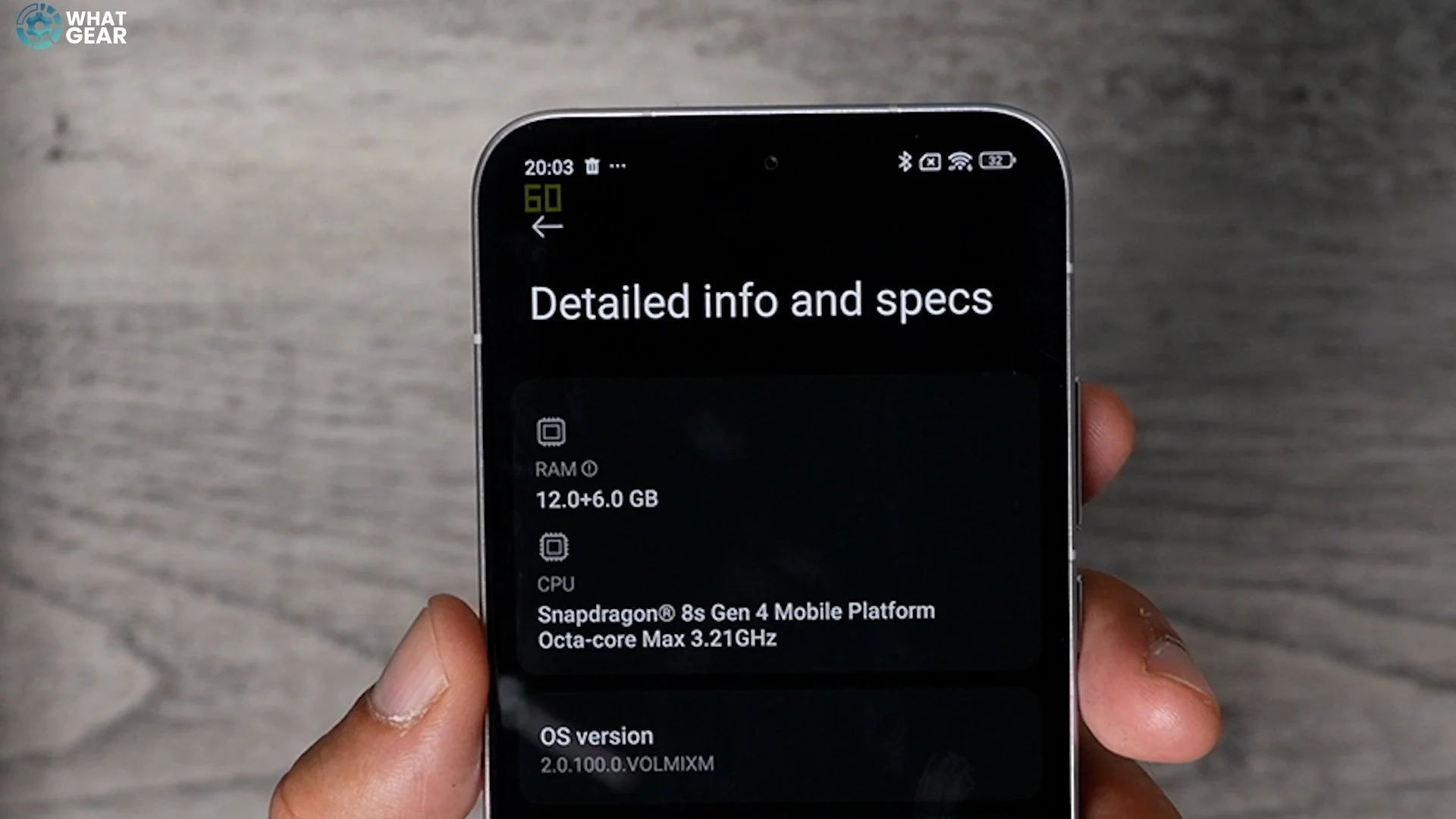
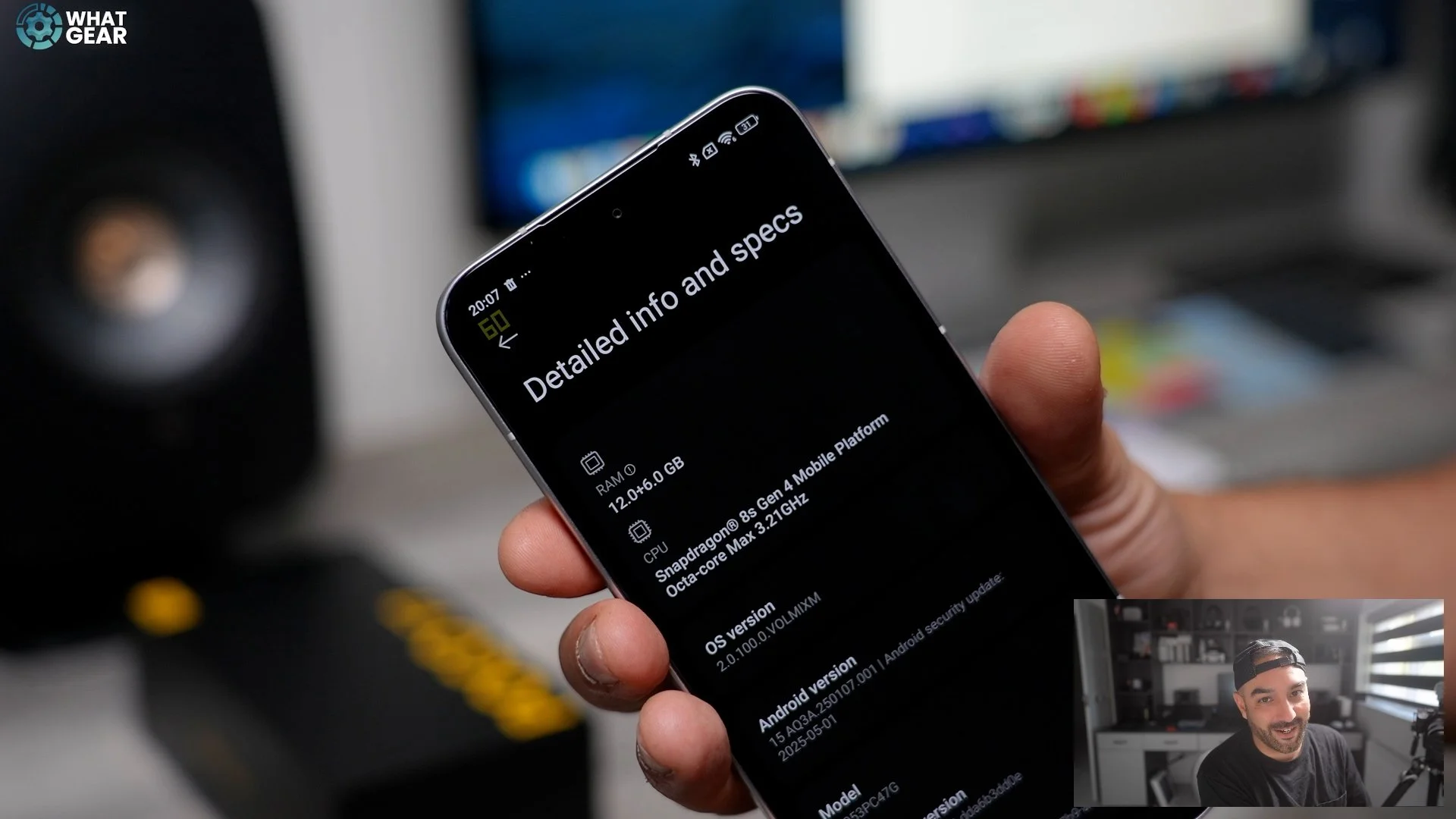
Clock speeds go up to 3.21GHz, and it uses an all-big-core design, which does bring some performance heat (literally—we’ll touch on that below). Still, this chipset provides flagship-grade performance at a mid-tier price. The phone uses LPDDR5X RAM (just a notch below LPDDR5T, which is the current bleeding edge) and UFS 4.1 storage, which is 11% faster than the UFS 4.0 standard.
Thermal Management & Benchmarks
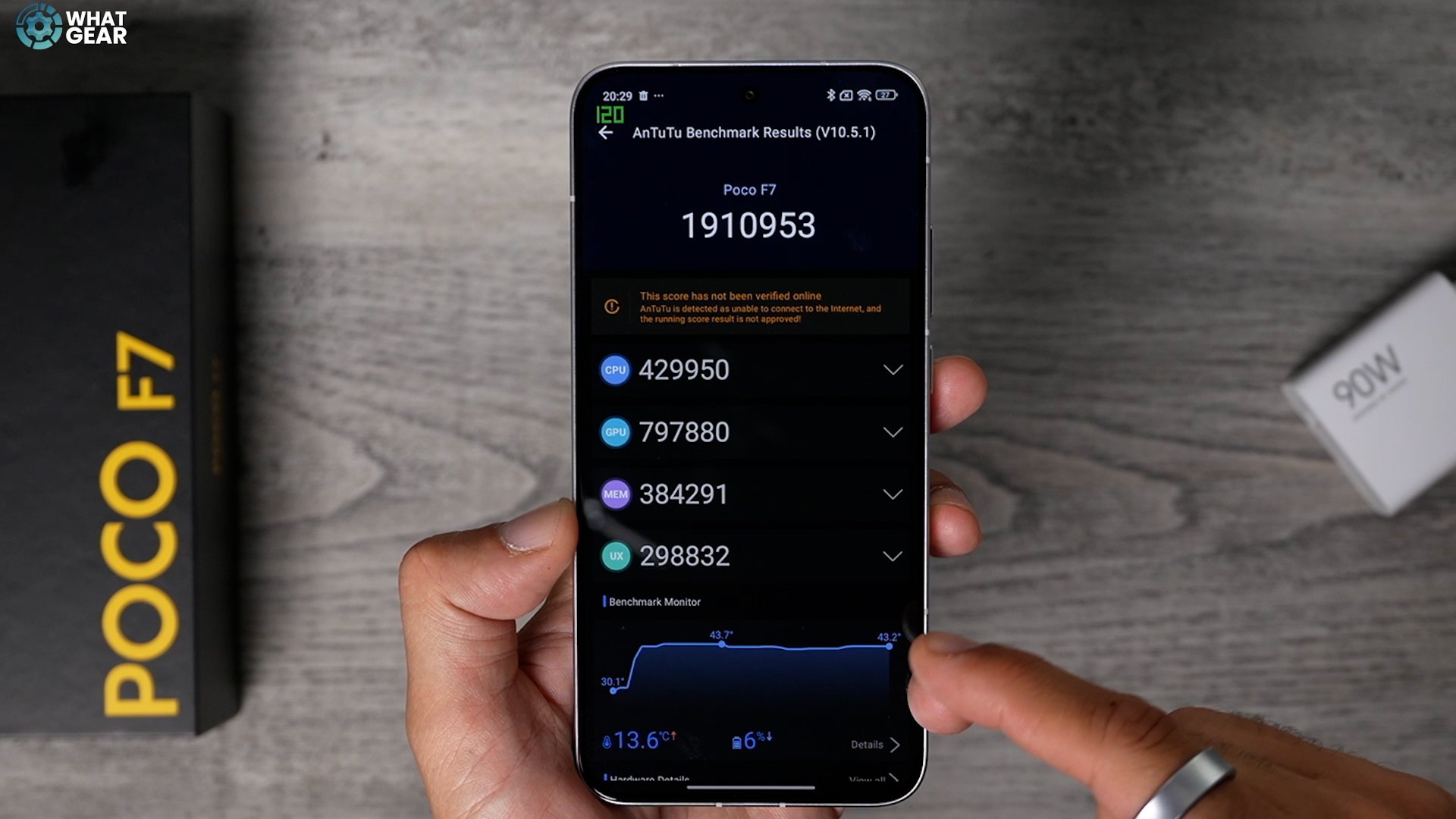
To handle all that horsepower, POCO equipped the F7 with LiquidCool 4 technology, including an IceLoop vapor chamber system. This keeps the device relatively cool under normal use. In benchmark testing, the phone performed well, ranking 19th on Antutu, even outperforming the POCO F7 Pro. However, when running the 3DMark Extreme 20-minute stress test, the phone overheated and failed the test.
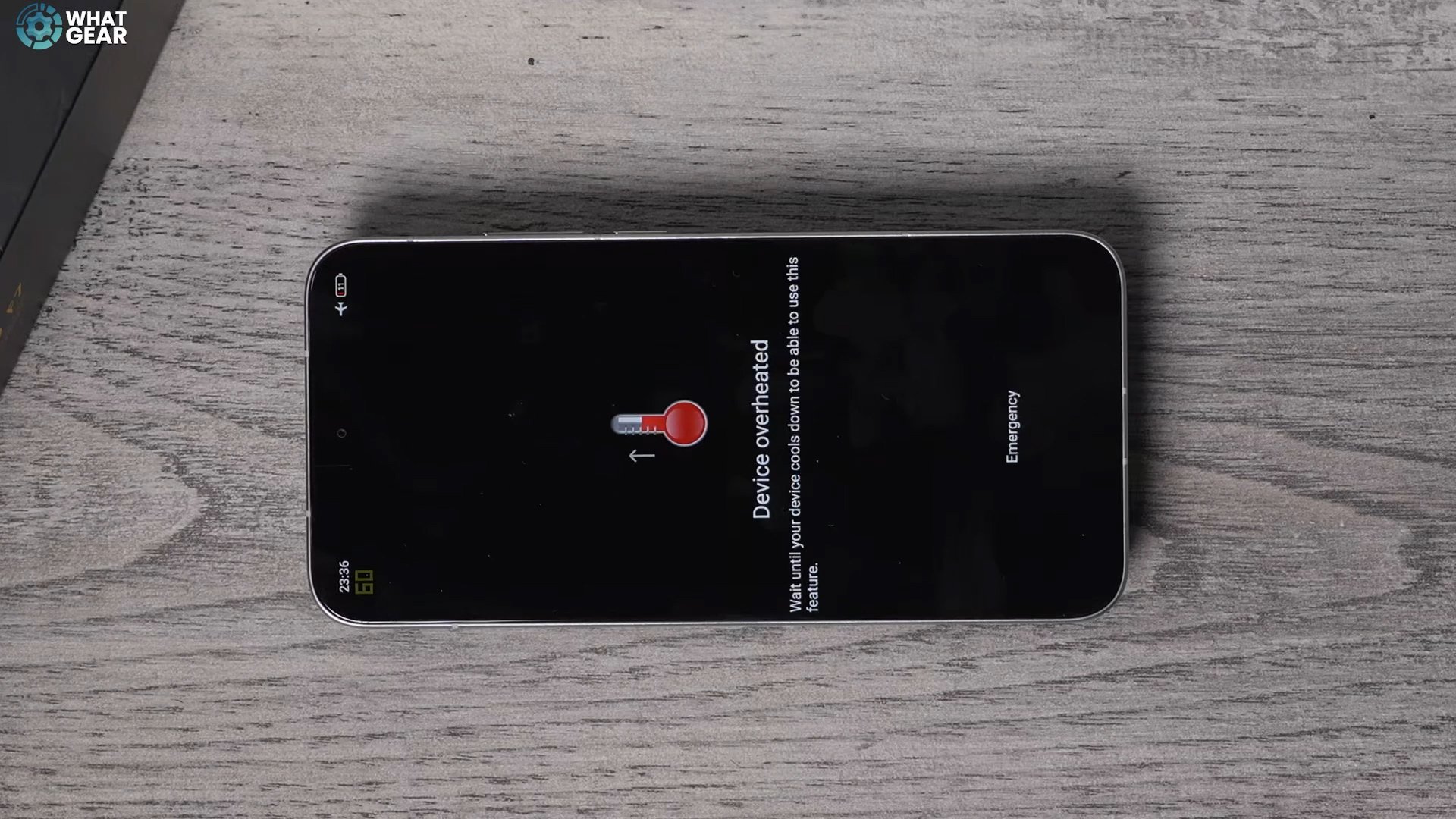
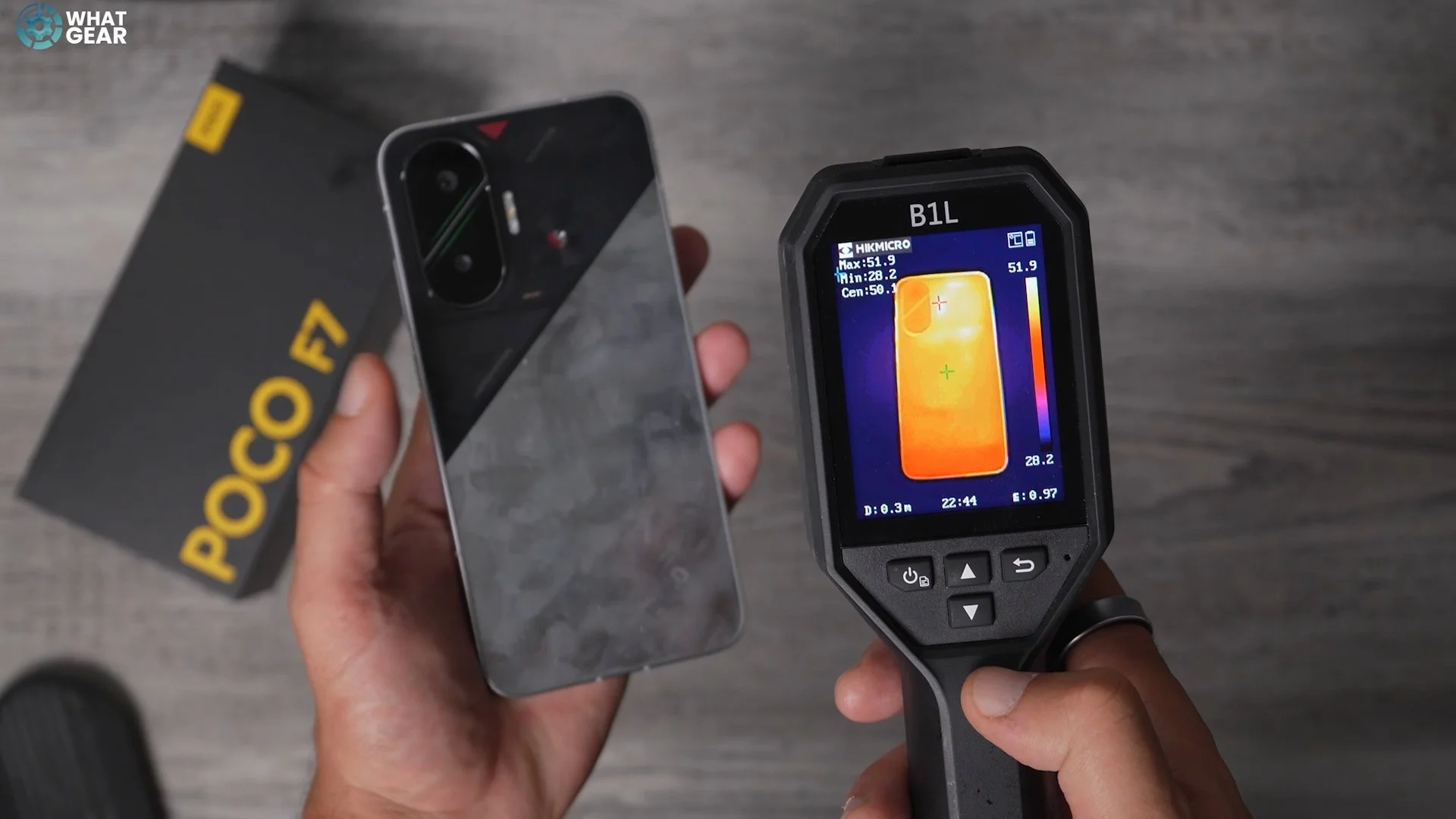
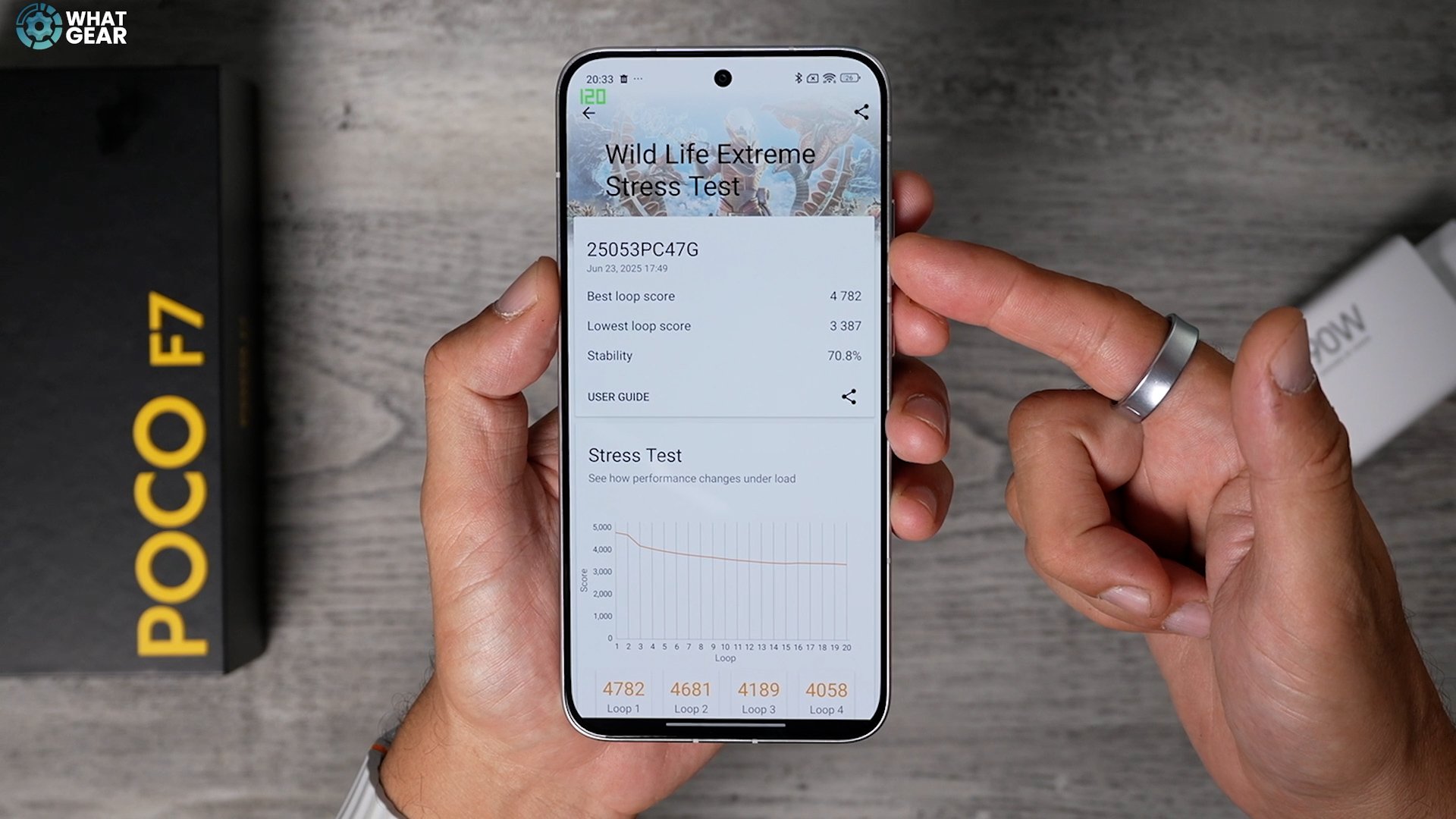
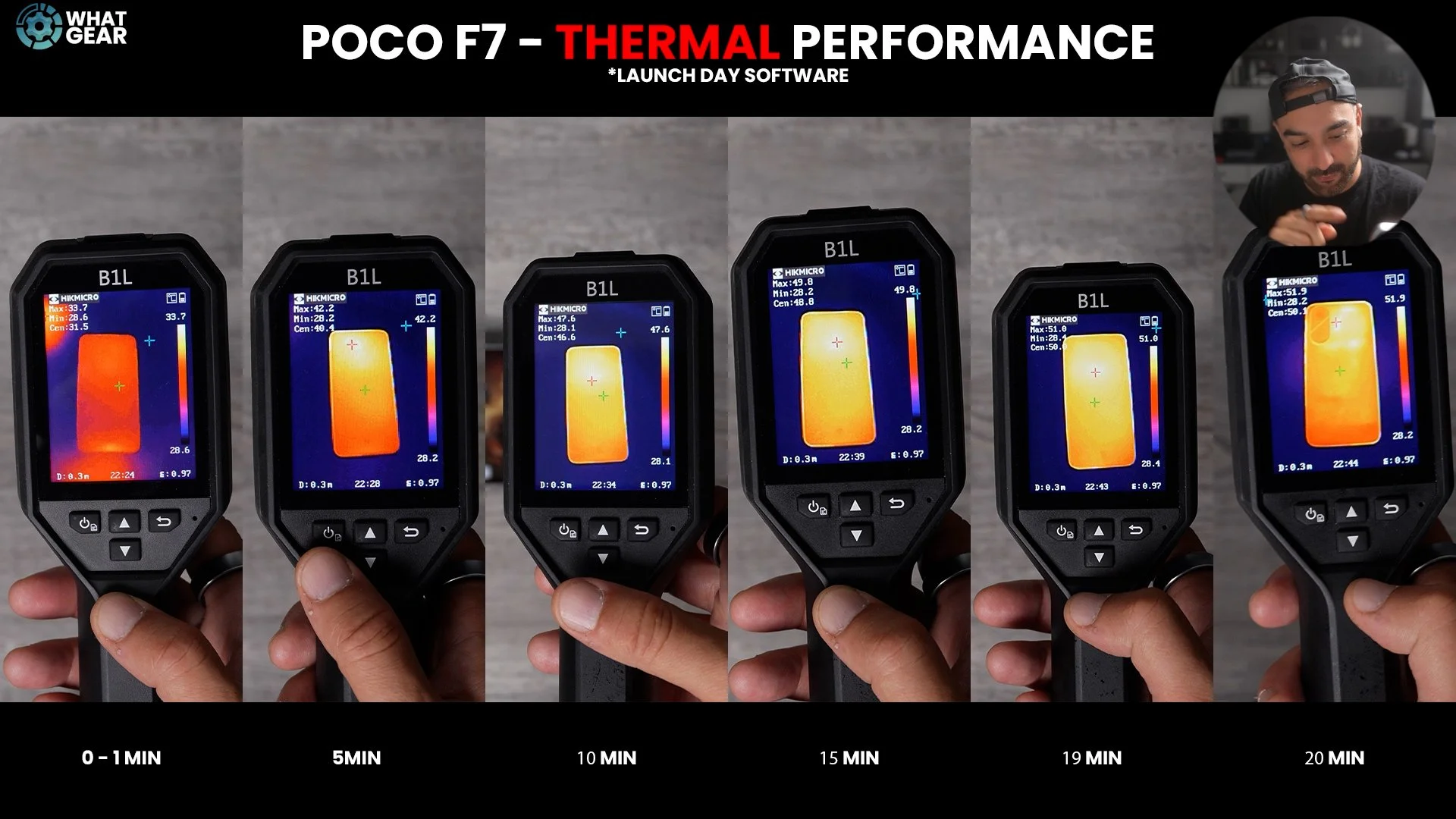
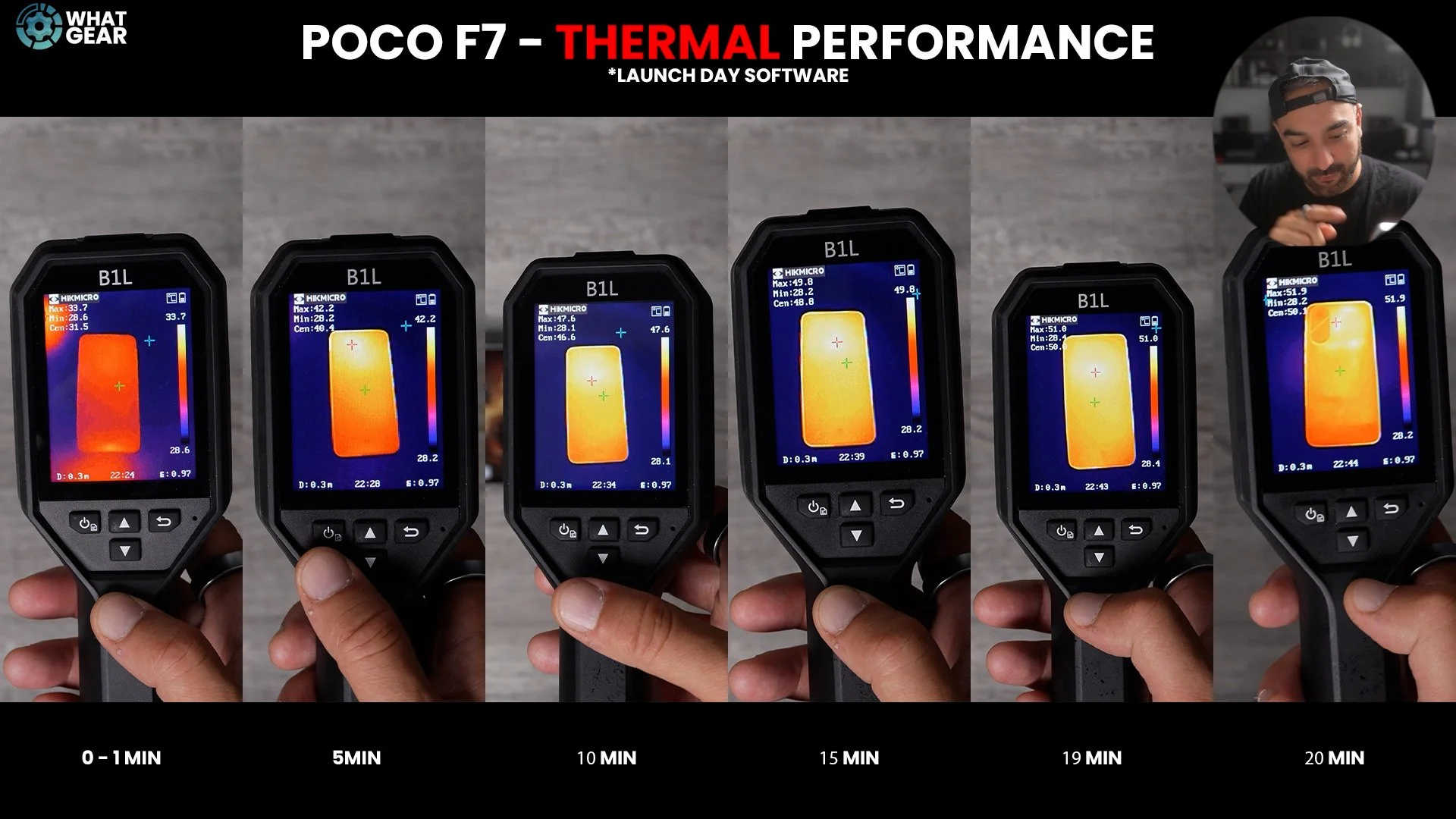
After cooling the device in a fridge and re-running the test, it completed successfully—suggesting software or ambient temperature could be a factor. Expect firmware updates to improve thermal management over time.
Battery and Charging: A Powerhouse
The POCO F7 packs a massive 6500mAh Silicon Carbon battery, which is ideal for powering the more power-hungry architecture of the Snapdragon chip.

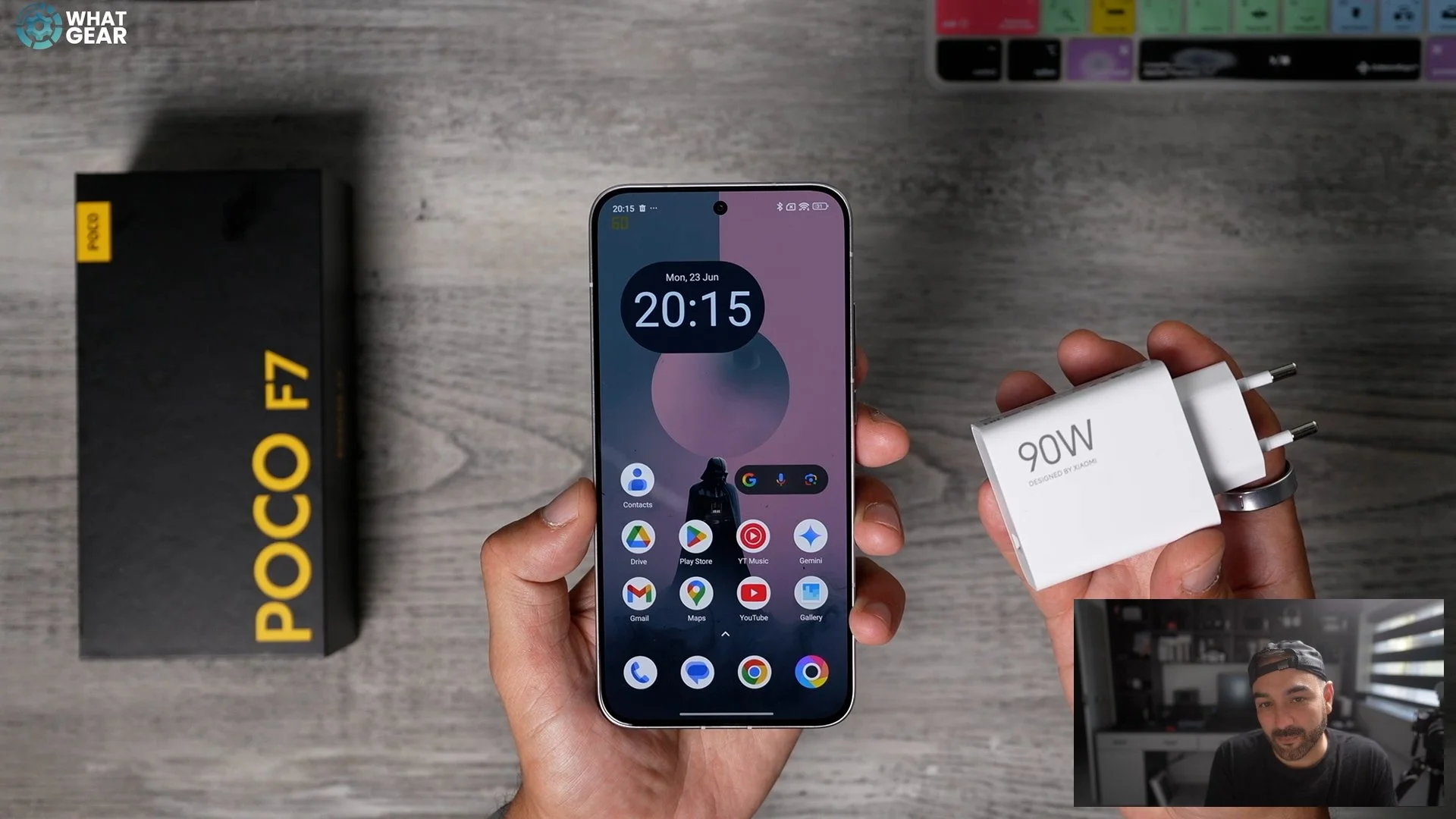
Charging is fast and efficient—90W HyperCharge gets you to 80% in just 30 minutes, and yes, the charger is included in the box. Wireless charging is missing, but the phone does support 22.5W reverse wired charging, handy for juicing up accessories or other devices.
Camera Setup
The rear camera system includes a 50MP Sony IMX882 sensor with optical image stabilisation (OIS) and an f/1.5 aperture, which means great detail and decent low-light performance. There’s also an 8MP ultra-wide lens.


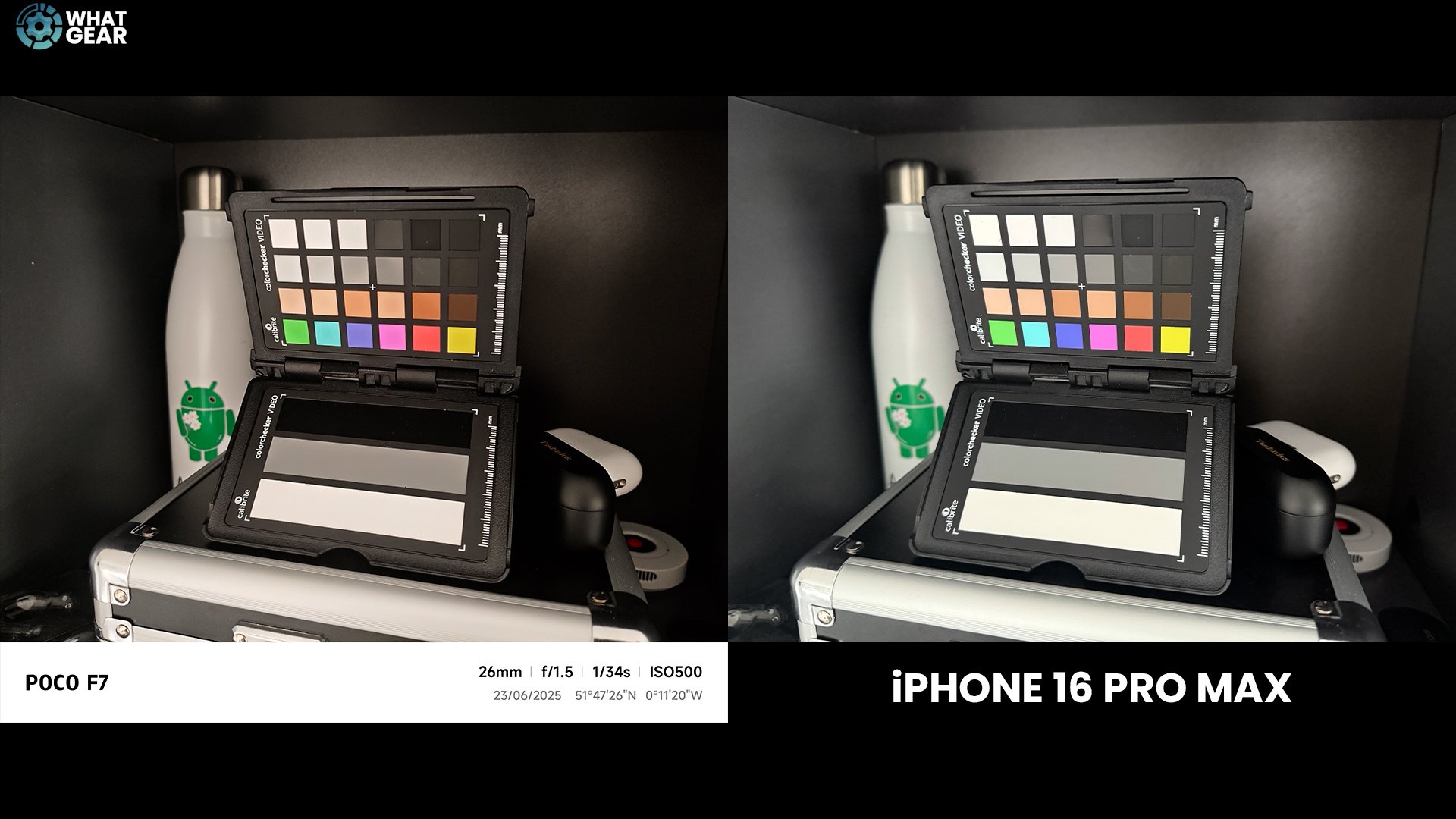
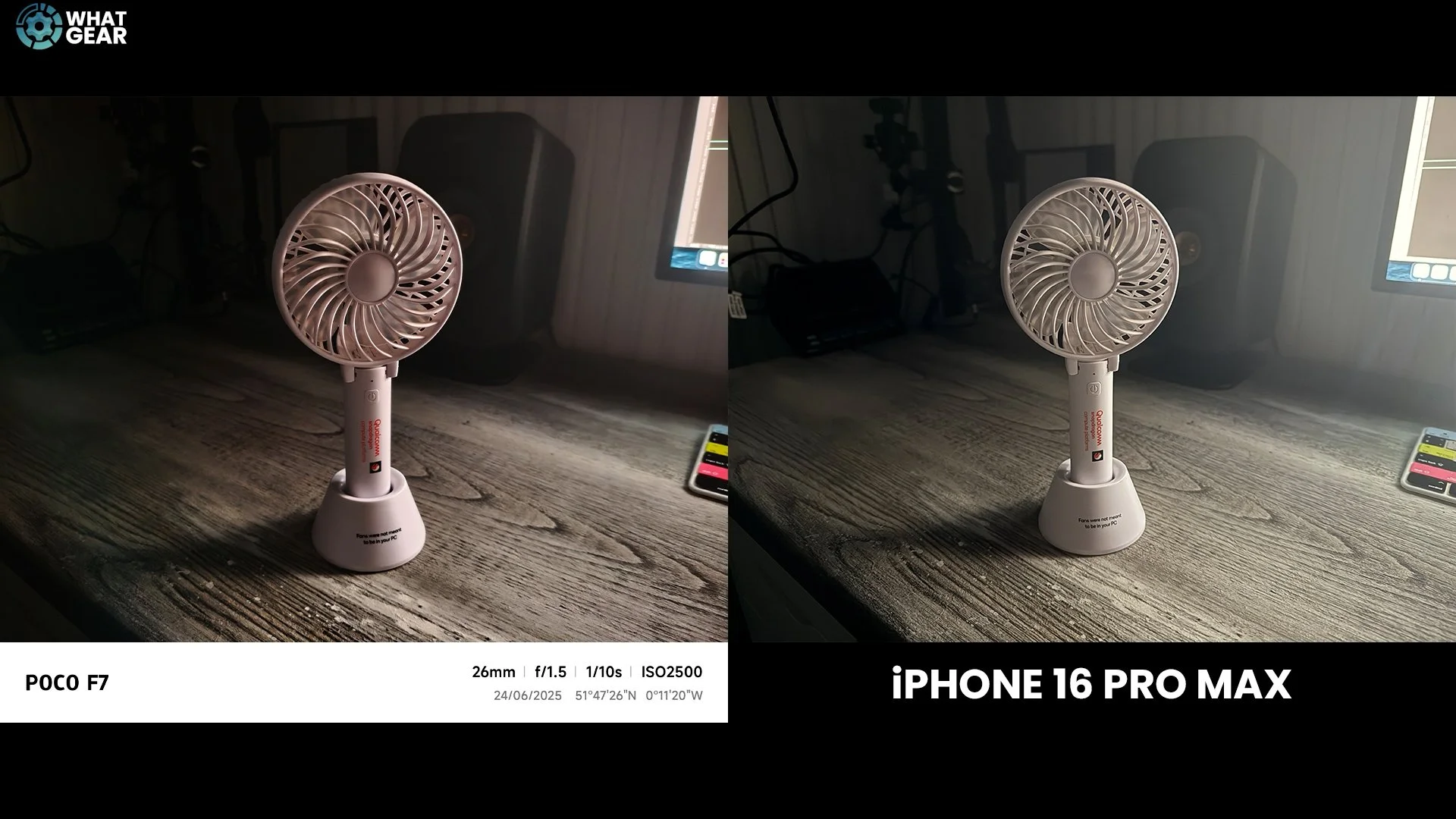

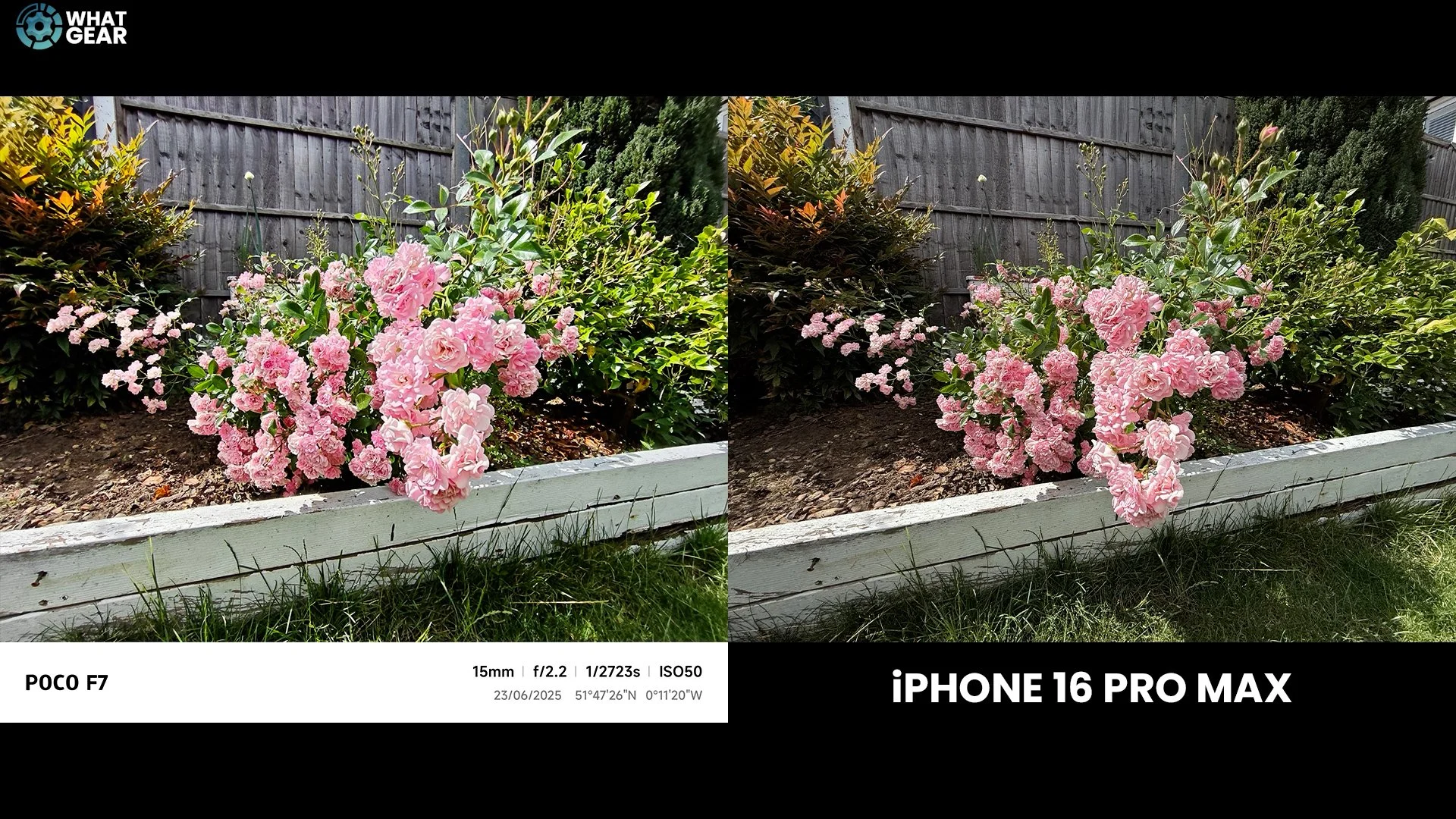




On the front, you’ll find a 20MP selfie camera that's more than enough for video calls and social media shots. While not in the flagship tier, the cameras perform well at this price. This isn’t a Pixel or Galaxy Ultra competitor, but it holds its own in good lighting conditions.
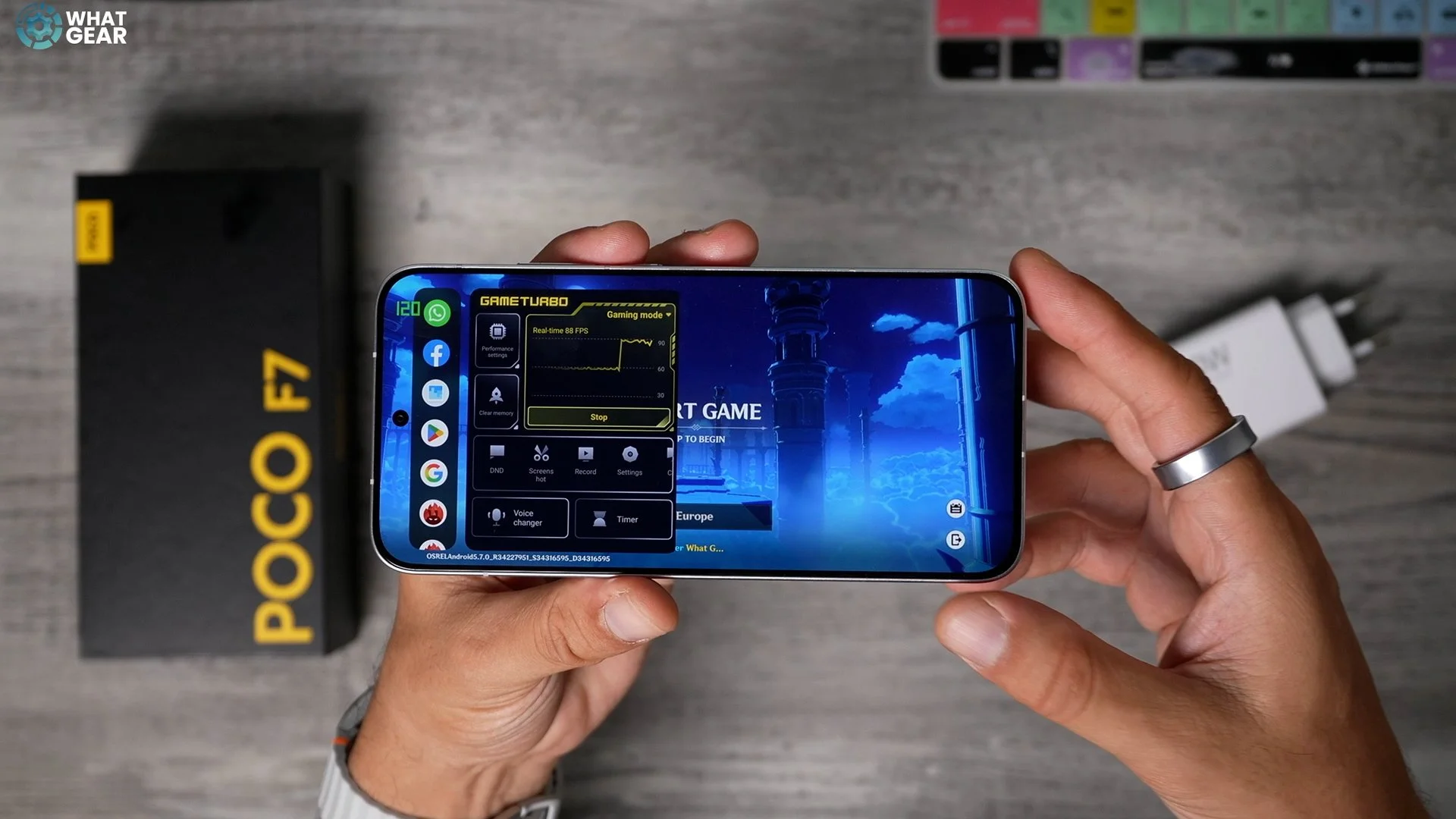
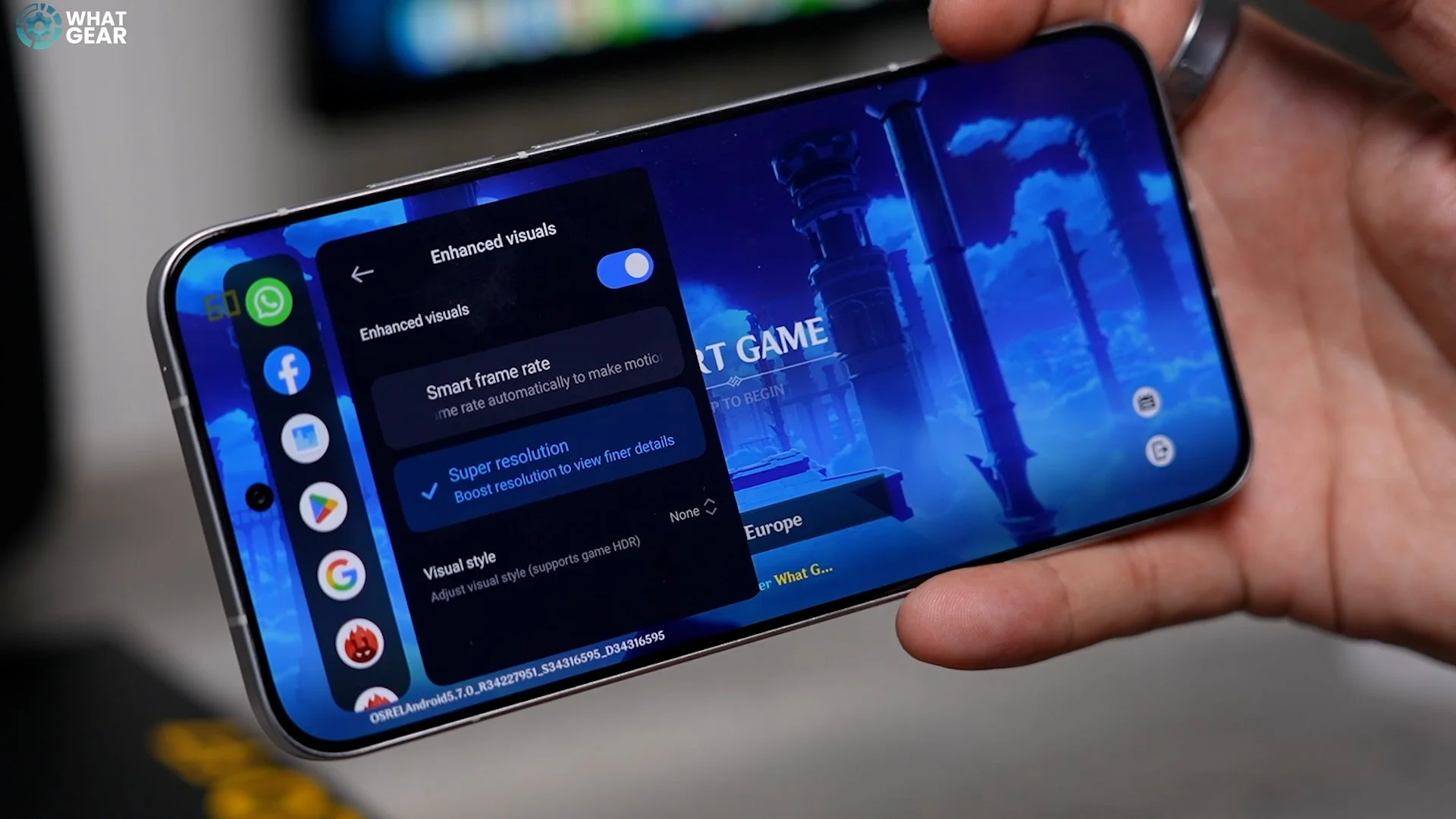
Gaming Features
Gamers will appreciate the extra touches POCO added here:
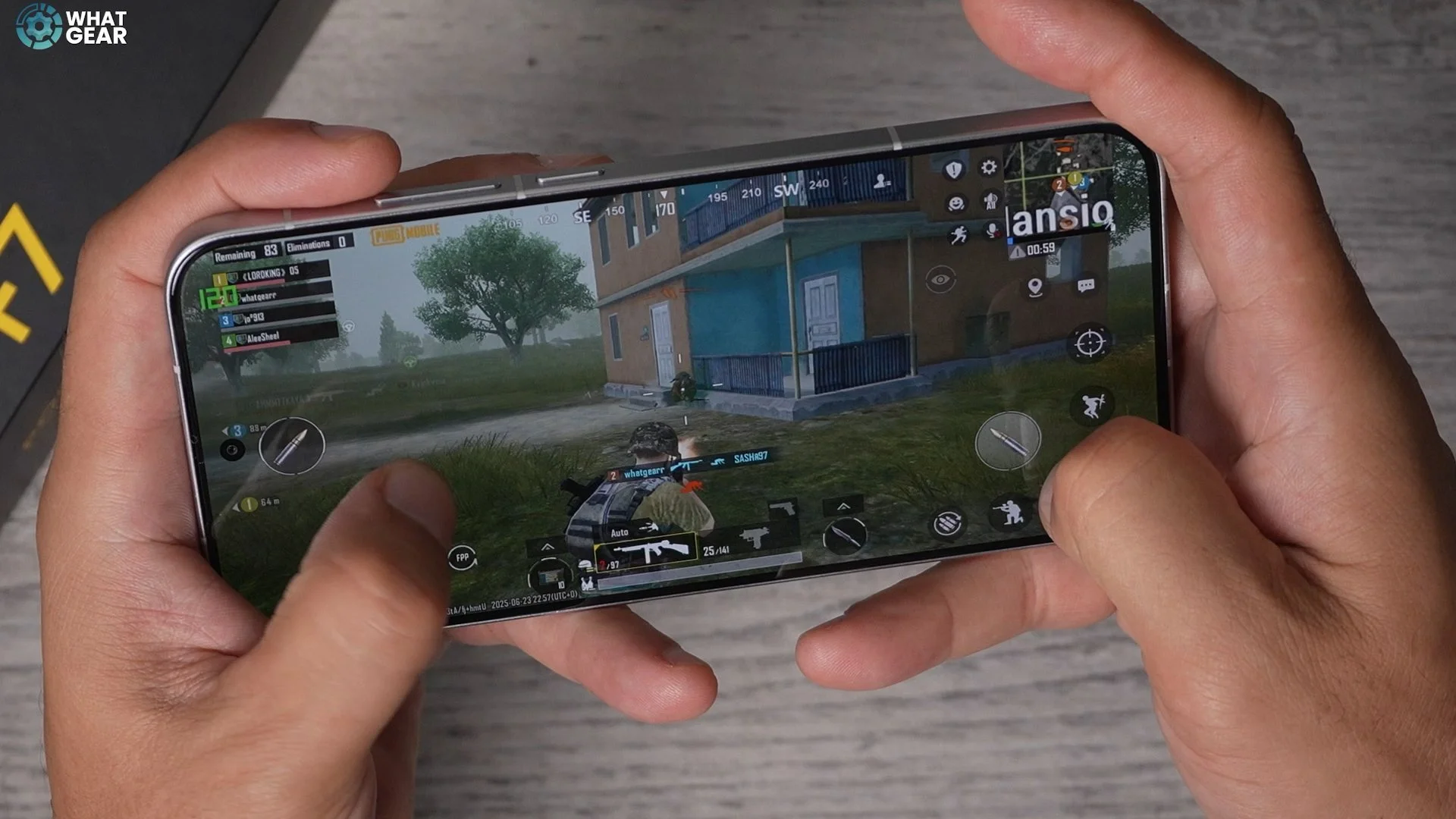
Dual stereo speakers with Snapdragon Sound
WildBoost Optimization 4 for better frame rate and GPU scaling
Frame and graphics upscaling
Surge T1s signal tuner improves Wi-Fi, Bluetooth, and cellular stability
Unfortunately, there’s no headphone jack, but Bluetooth audio quality is excellent.
AI Features
The POCO F7 also includes several AI-powered tools out of the box:
AI writing assistant
Dynamic AI wallpapers
AI photo editor
Live transcription, translation, and subtitles
These features add genuine utility and help keep the POCO F7 feeling modern and feature-rich.



Software and Updates
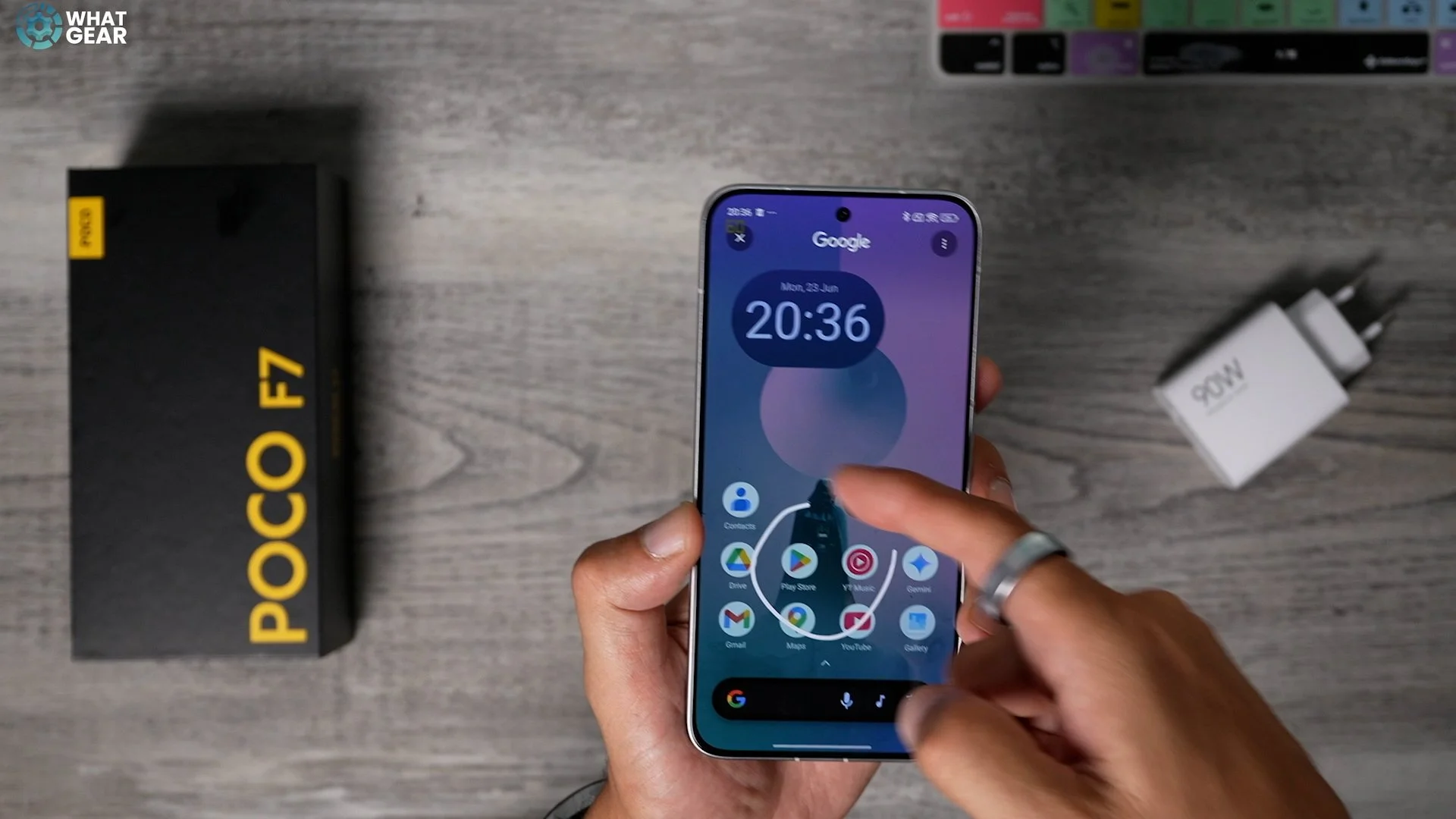
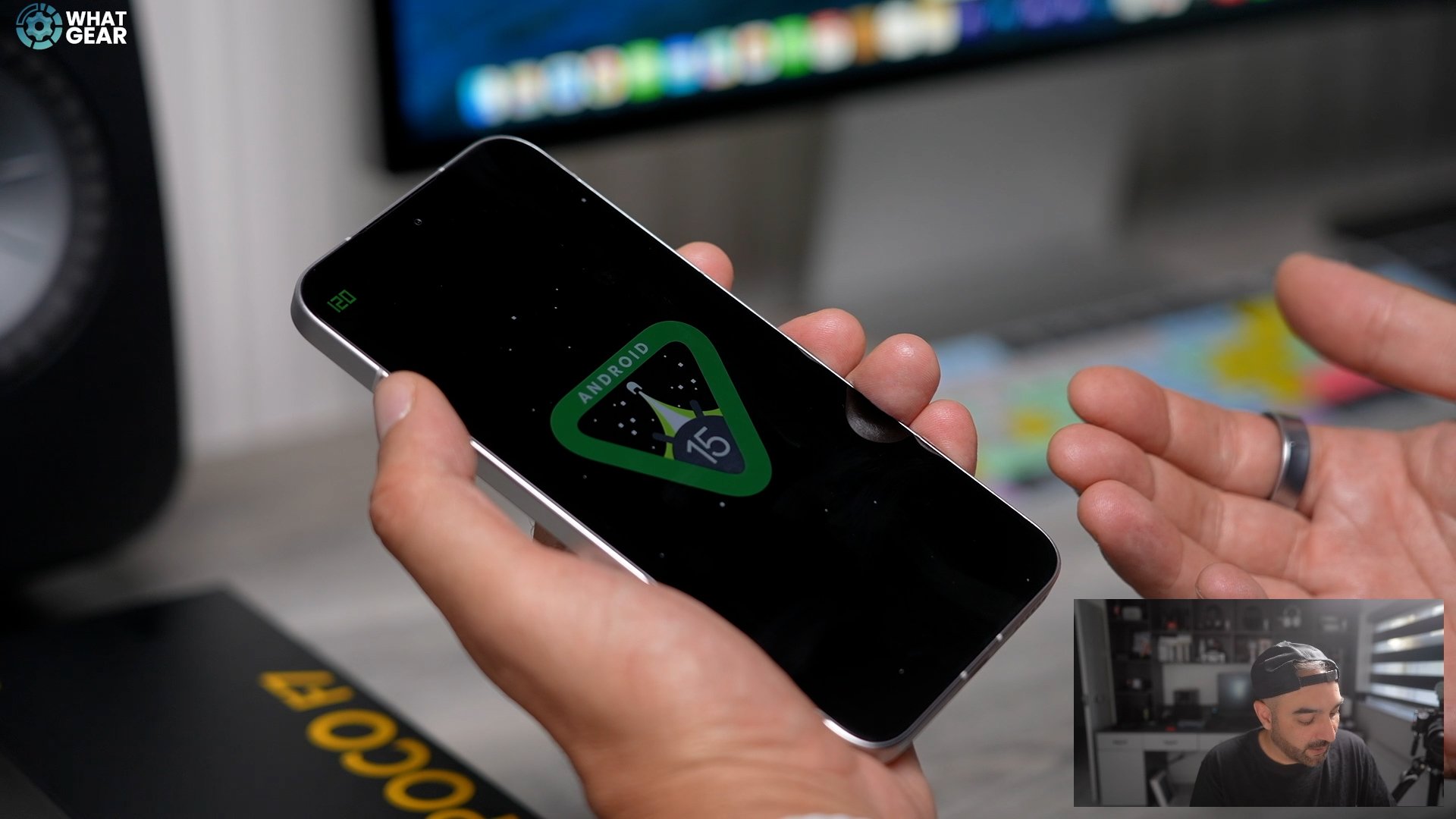
The device runs HyperOS, Xiaomi’s latest skin based on Android, with 4 years of major Android updates and 6 years of security patches promised. This puts it ahead of many competitors in the same price range in terms of longevity.
Bloatware & Downsides
Yes, there is some pre-installed bloatware, including apps like Booking.com, Temu, Netflix, Facebook and suggested games and suggested Apps folders. Some bloatware can be skipped during setup, but it’s still something to be aware of.

Other trade-offs:
No wireless charging
No LTPO display (so refresh rate isn’t dynamic)
Optical fingerprint scanner (less secure than ultrasonic)
2D face unlock (not 3D secure)
Cameras are decent, but not flagship-level
Phone can run hot under sustained heavy use
Should You Consider an Older Flagship Instead?
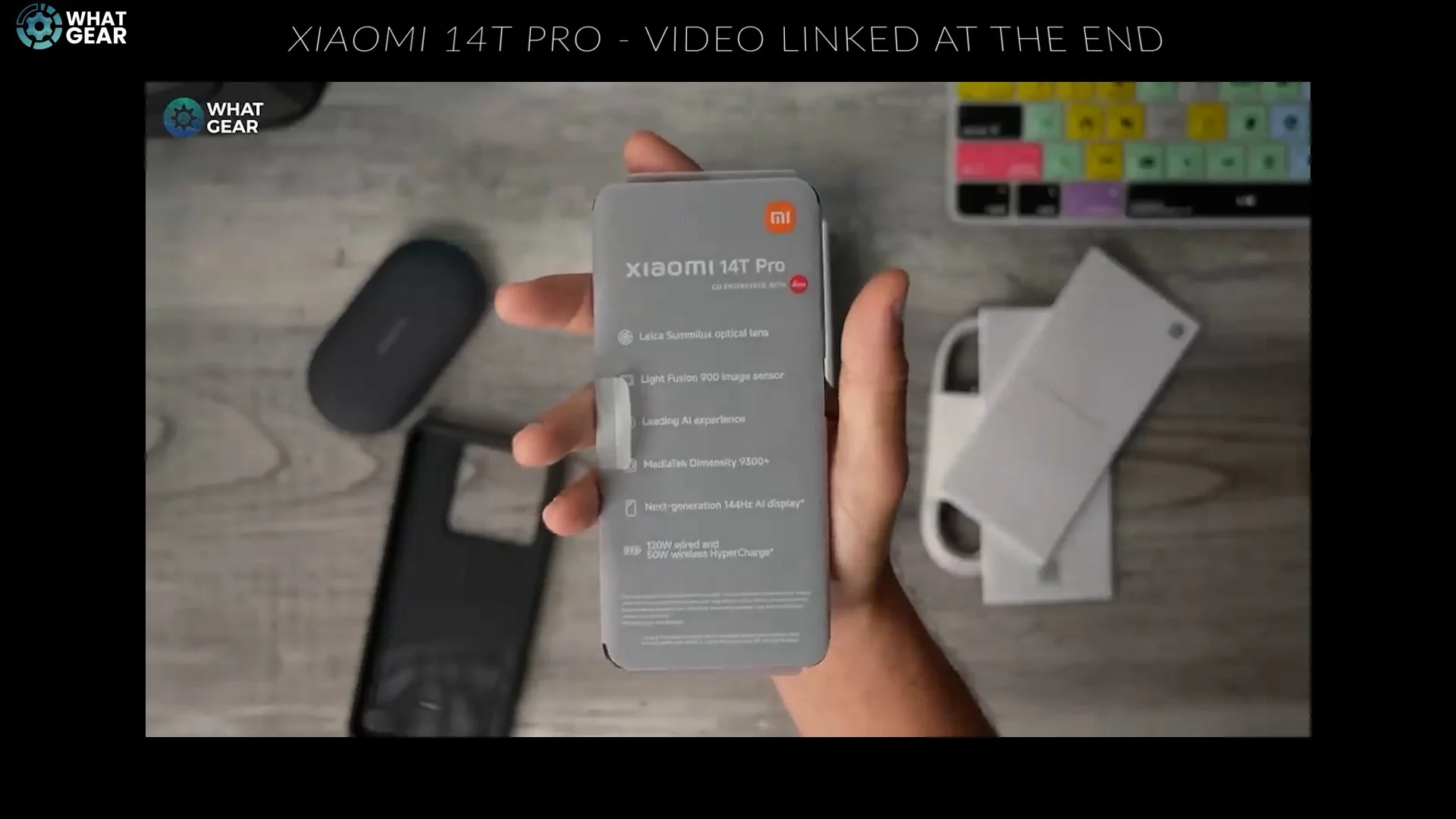
If your priority is camera performance or you prefer a more classic design, consider the Xiaomi 14T Pro, which has a MediaTek chip which is just as powerful and superior imaging. The Xiaomi 14 with Snapdragon 8 Gen 3 is another solid option if found on sale. The performance & cameras will be significantly better. Just keep in mind that these models:
Come with slightly older designs & older hardware
Offer one less year of software updates
Still, for some users, the camera improvements and refined build may be worth the trade-off.
Final Thoughts: Is the POCO F7 Worth Buying?
The POCO F7 is one of the best value smartphones of 2025. It delivers exceptional performance, a gorgeous display, Incredible battery life, and modern AI tools—all for under $450.
While there are a few compromises, the overall package makes this phone a serious contender in the mid-range market. If you want something brand new, fast, and future-proofed without breaking the bank, the POCO F7 is a no-brainer.
Where to Buy:
Check the latest deals and POCO F7 discount links [here].