Mini LED TV Comparison 2025 - TCL C7K vs Samsung QN90F
TCL C7K Price [EU] : https://amzn.to/46gBLX2
TCL C7K QD MiniLED Deals [US] : https://amzn.to/4kihfZF
Samsung QN90F price [EU] : https://amzn.to/3TIyzMq
QN90F NeoQLED deals [US] : https://amzn.to/3TLioxS
Samsung QN90F vs. TCL C7K: Which Mini LED TV Offers More Bang for Your Buck?
Choosing a new TV can be tough, especially when premium features are available at vastly different price points. Today, we're diving into a head-to-head battle between two Mini LED TVs: the popular, high-end Samsung QN90F, priced at £2,299, and the more budget-friendly TCL C7K, coming in at £1,099. If you're not yet familiar with TCL, know that they consistently rank as the second or third largest TV manufacturer globally.
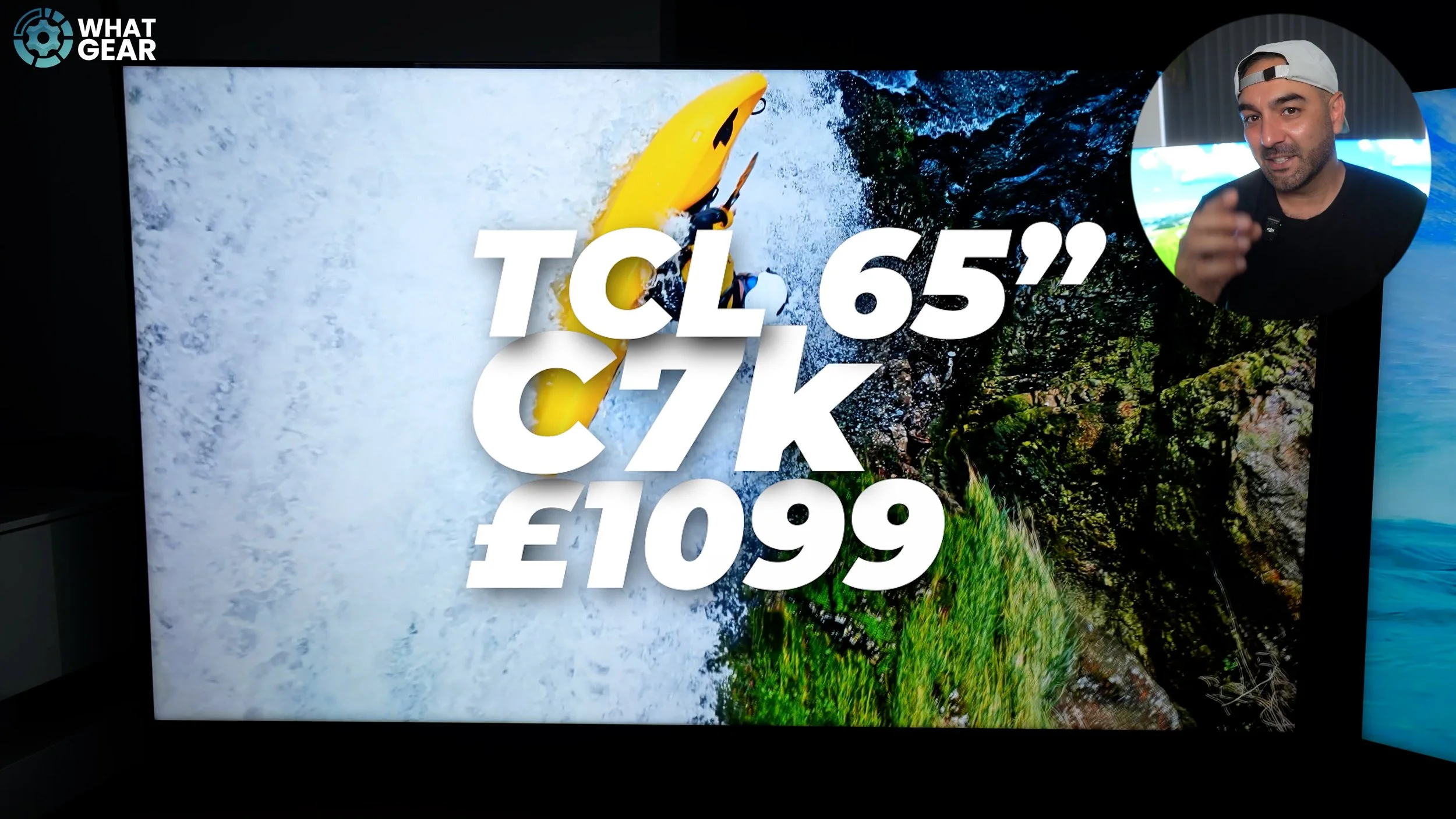
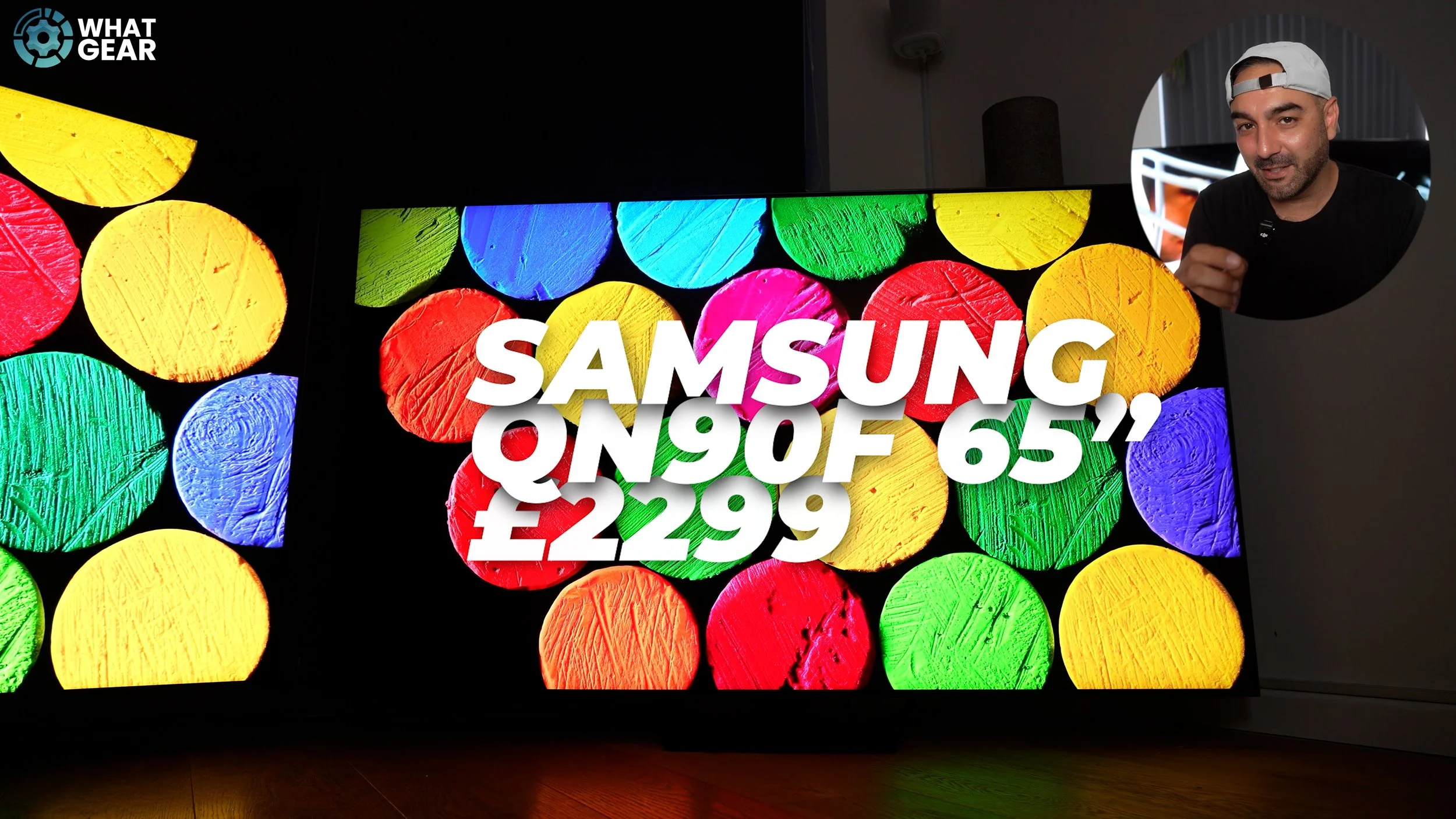
So, while they might be an "up-and-coming" brand in the UK, they're a major player worldwide. By the end of this post, you'll have a clear idea of what you get for your money with each of these TVs and whether spending more or less aligns with your needs. Plus, I'll share my honest pros and cons for both, helping you make a more informed decision.
Design: Subtle Differences, Practical Impacts
Let's start with the aesthetics. From the front, both TVs present a sleek look with metal trim frames. The most apparent difference lies in their stands. Both stands are well-designed and sit flush with your surface, leaving ample space for a soundbar in front. Samsung's stand is solid metal and easy to install, though it lacks height adjustment. The TCL, while featuring some plastic in its stand, offers crucial height adjustment for taller soundbars and slightly better cable management.
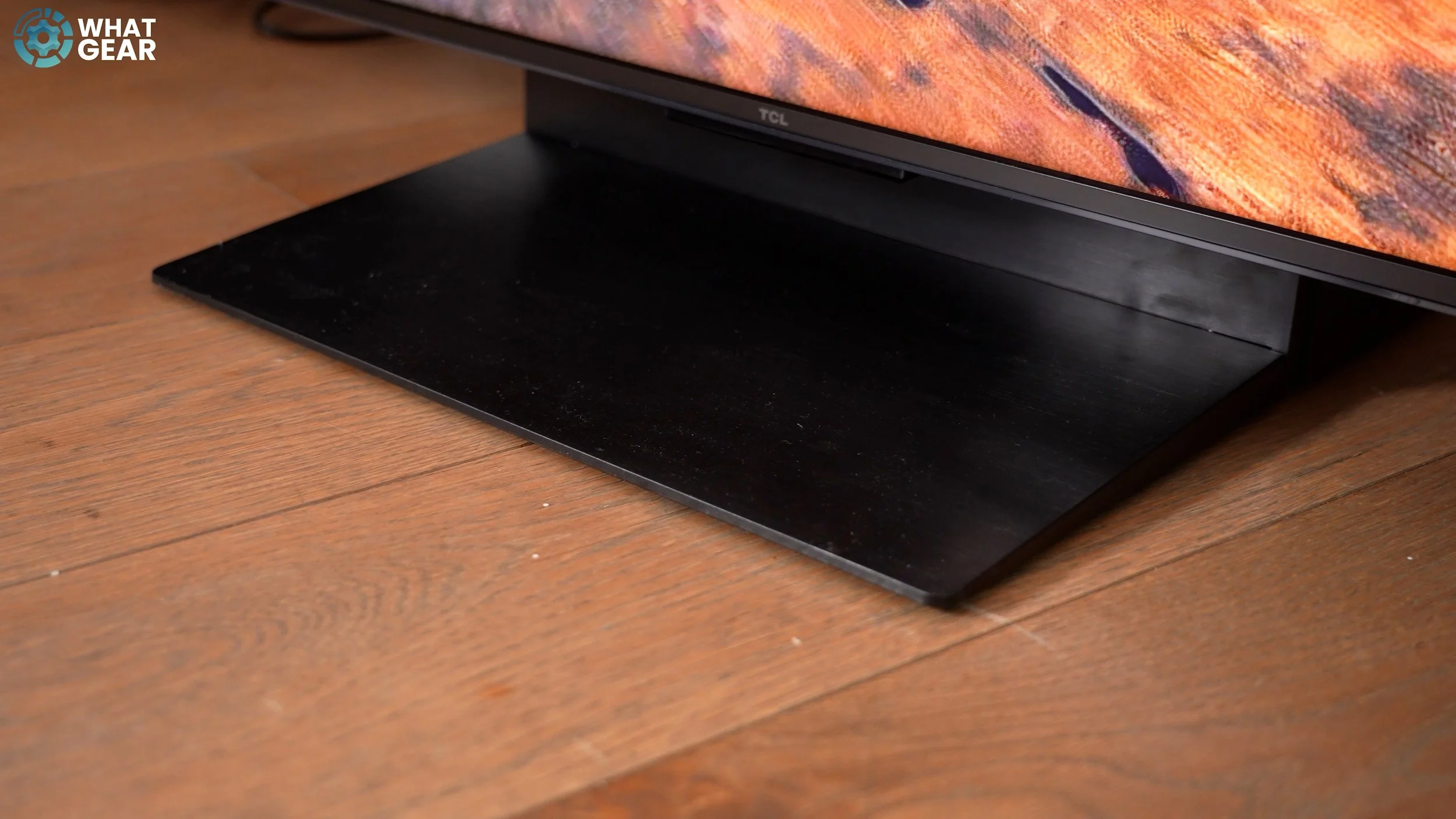
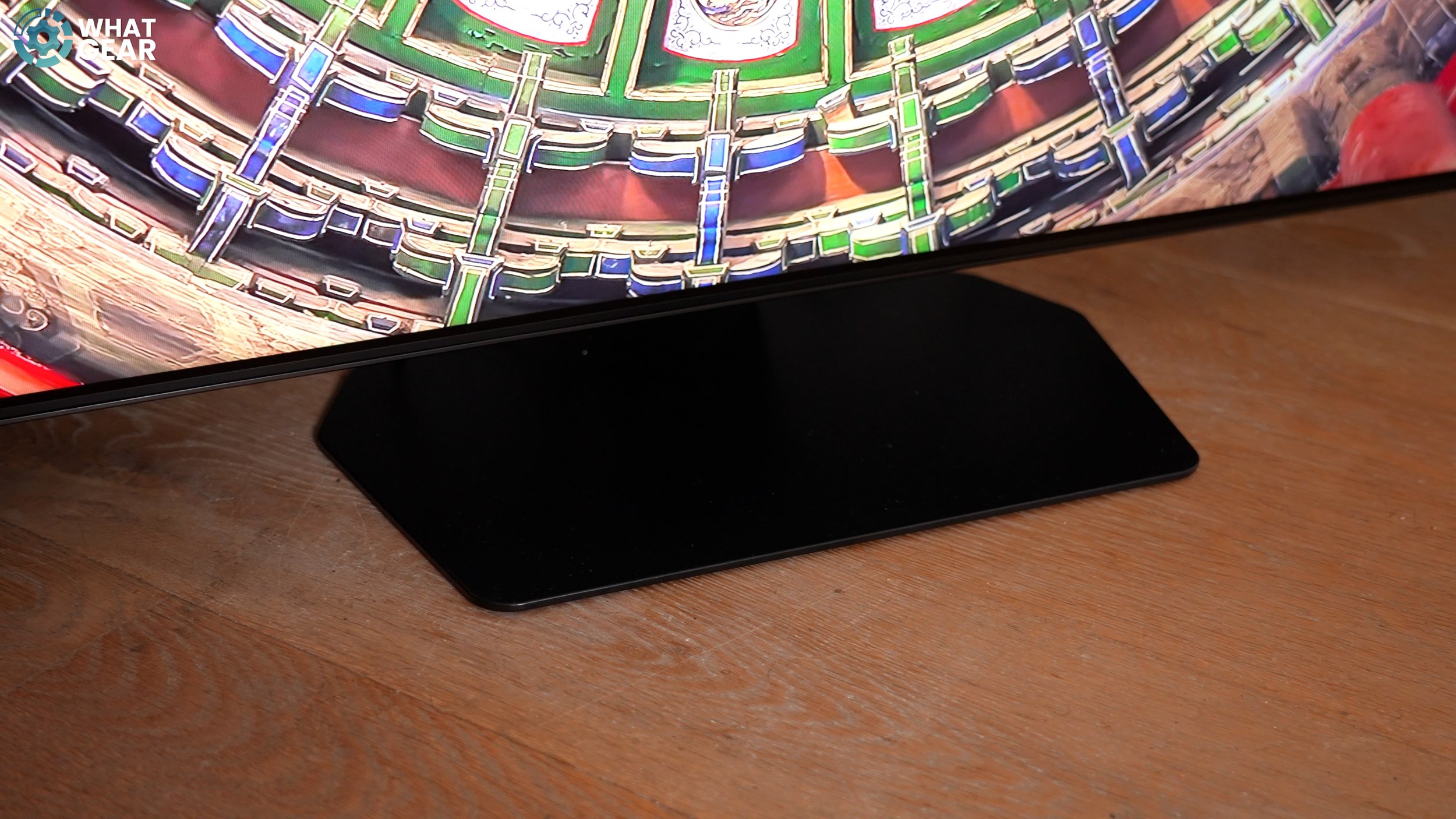
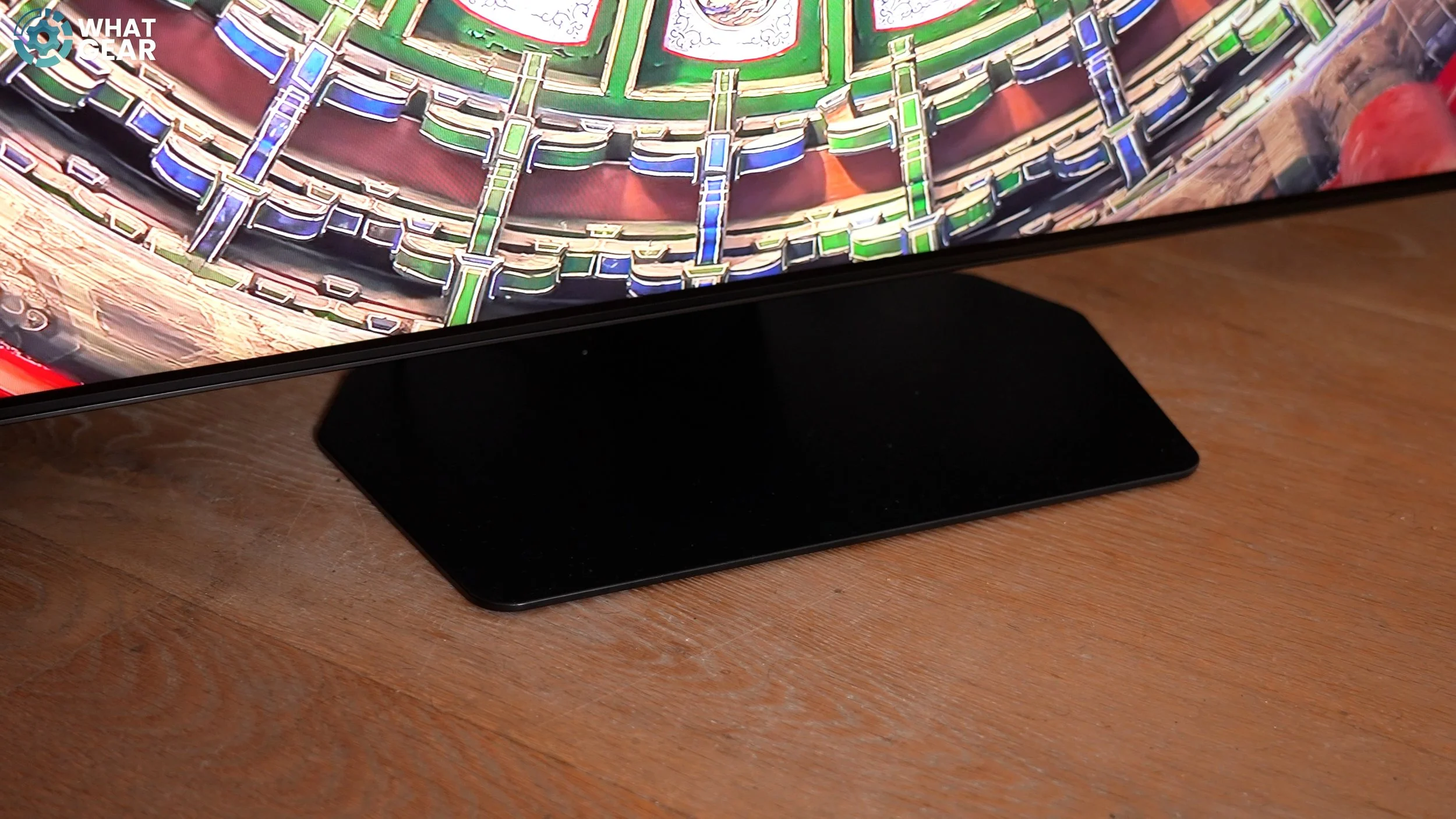
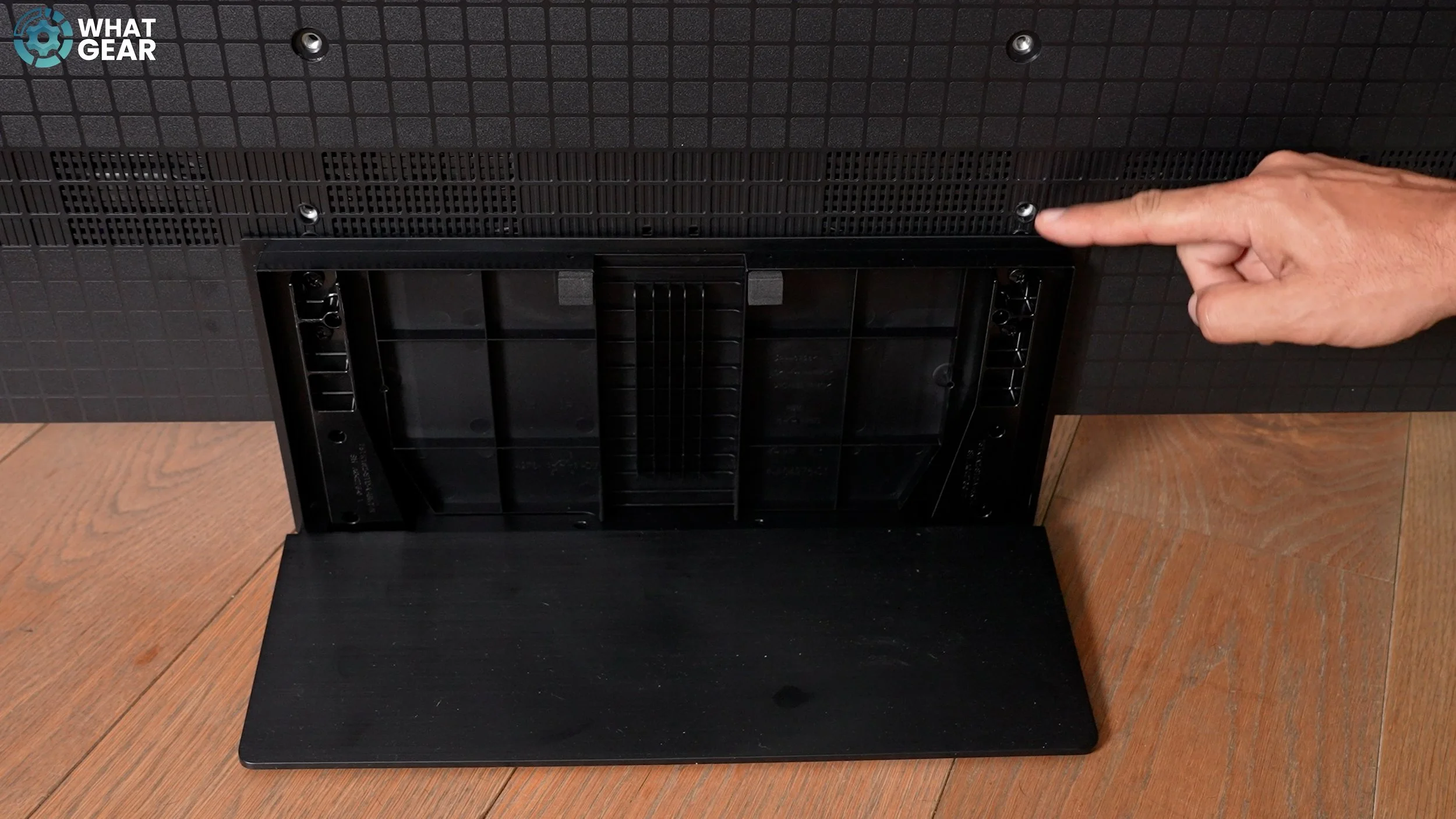

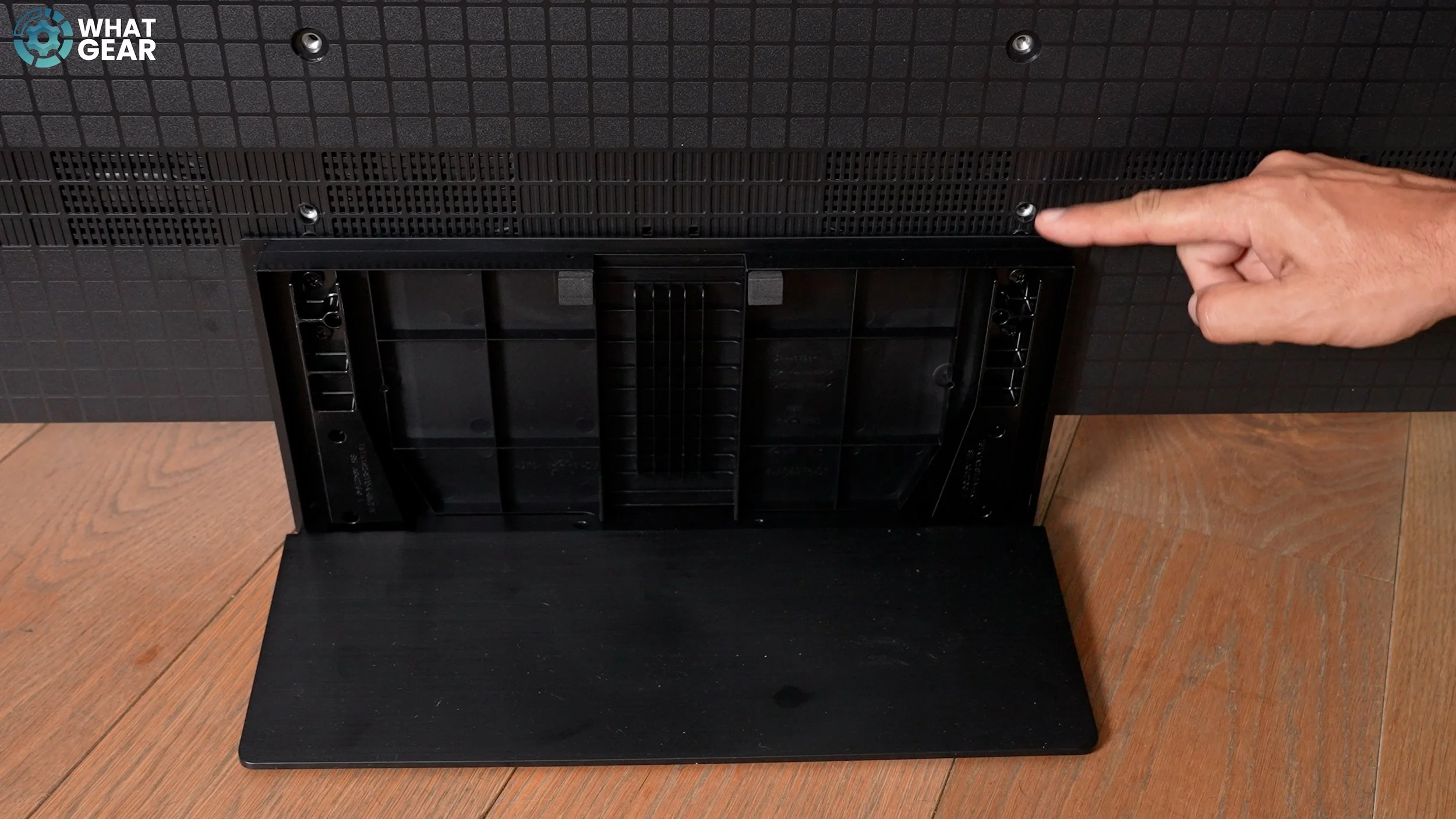
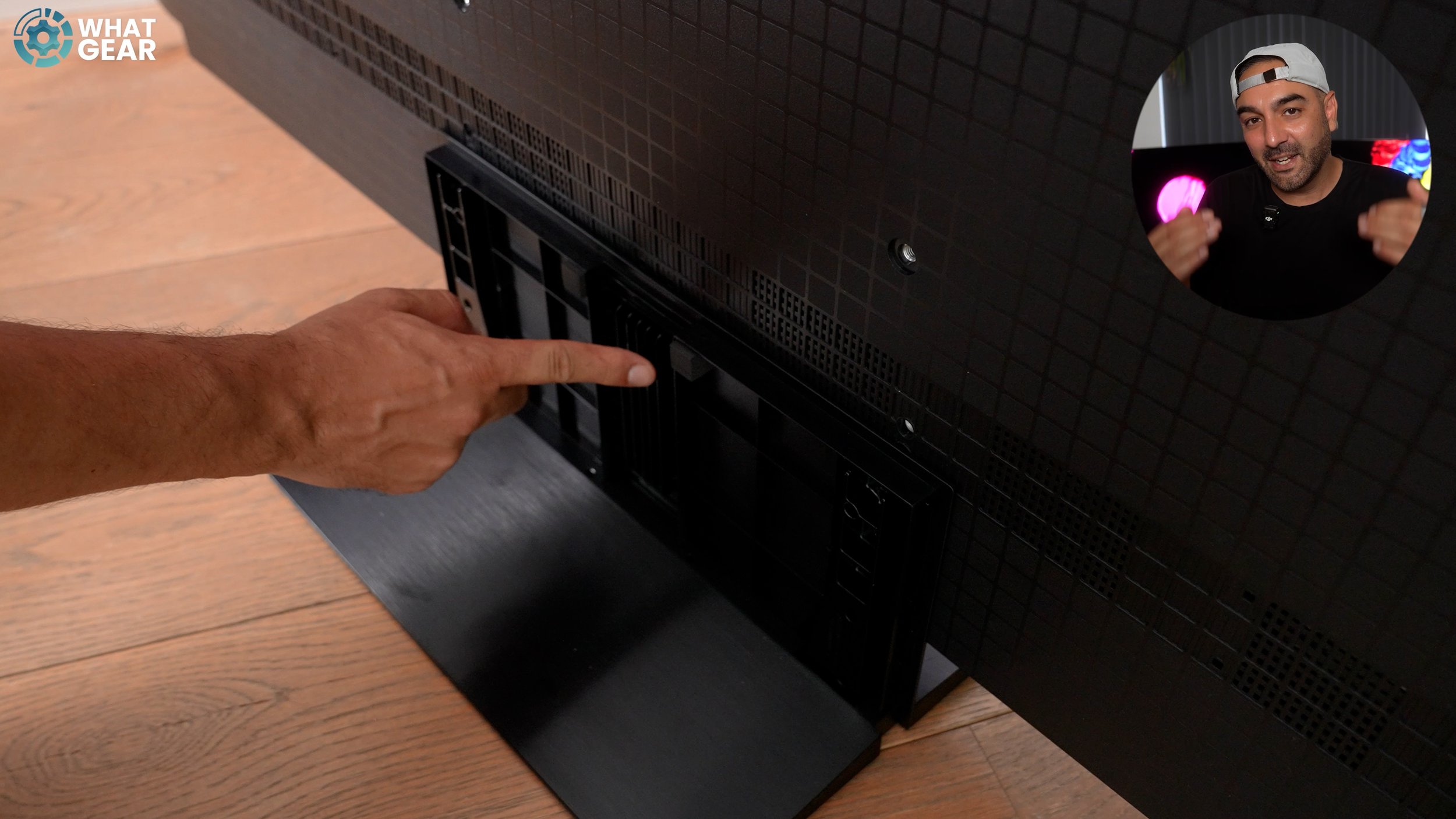
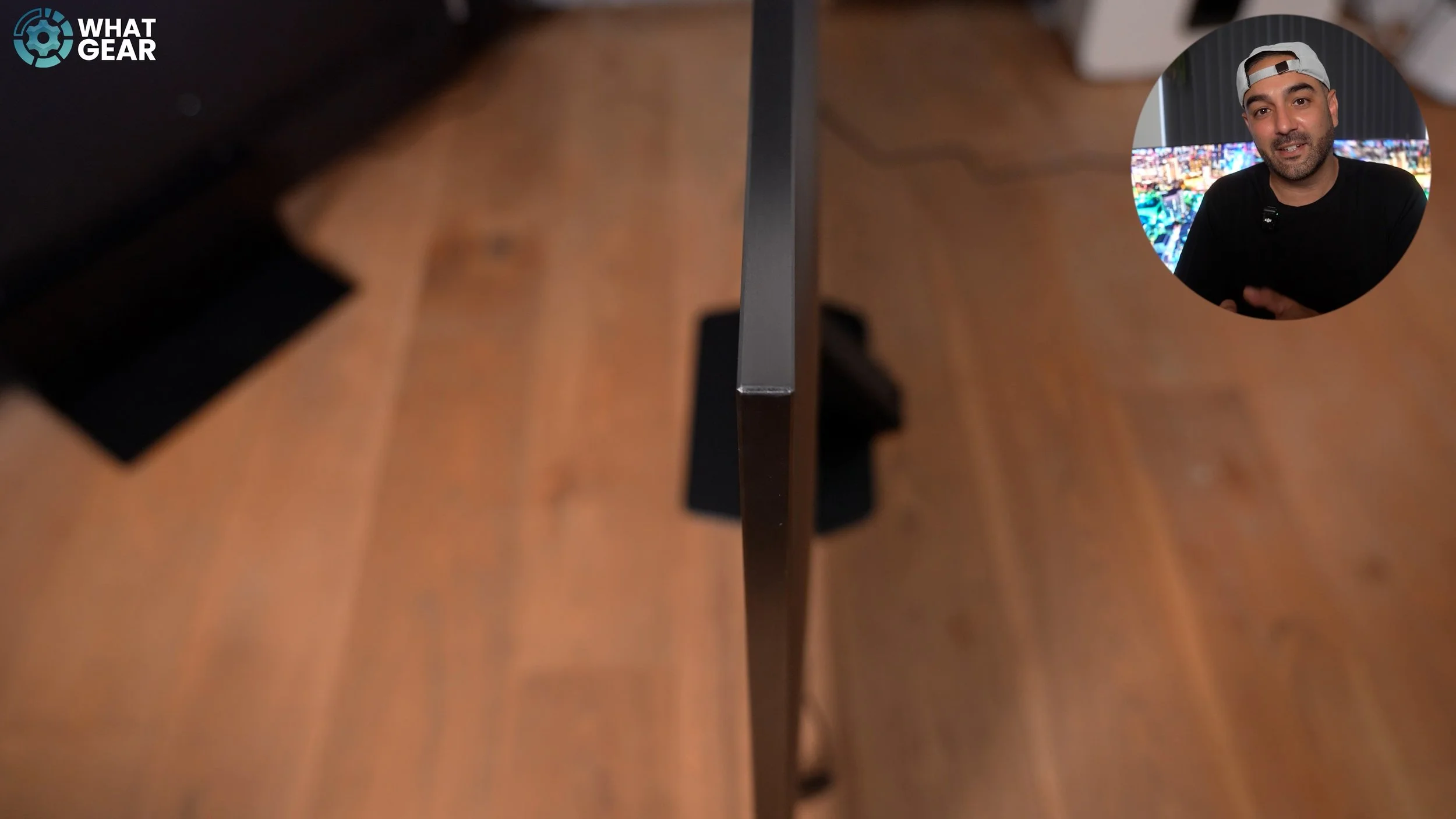
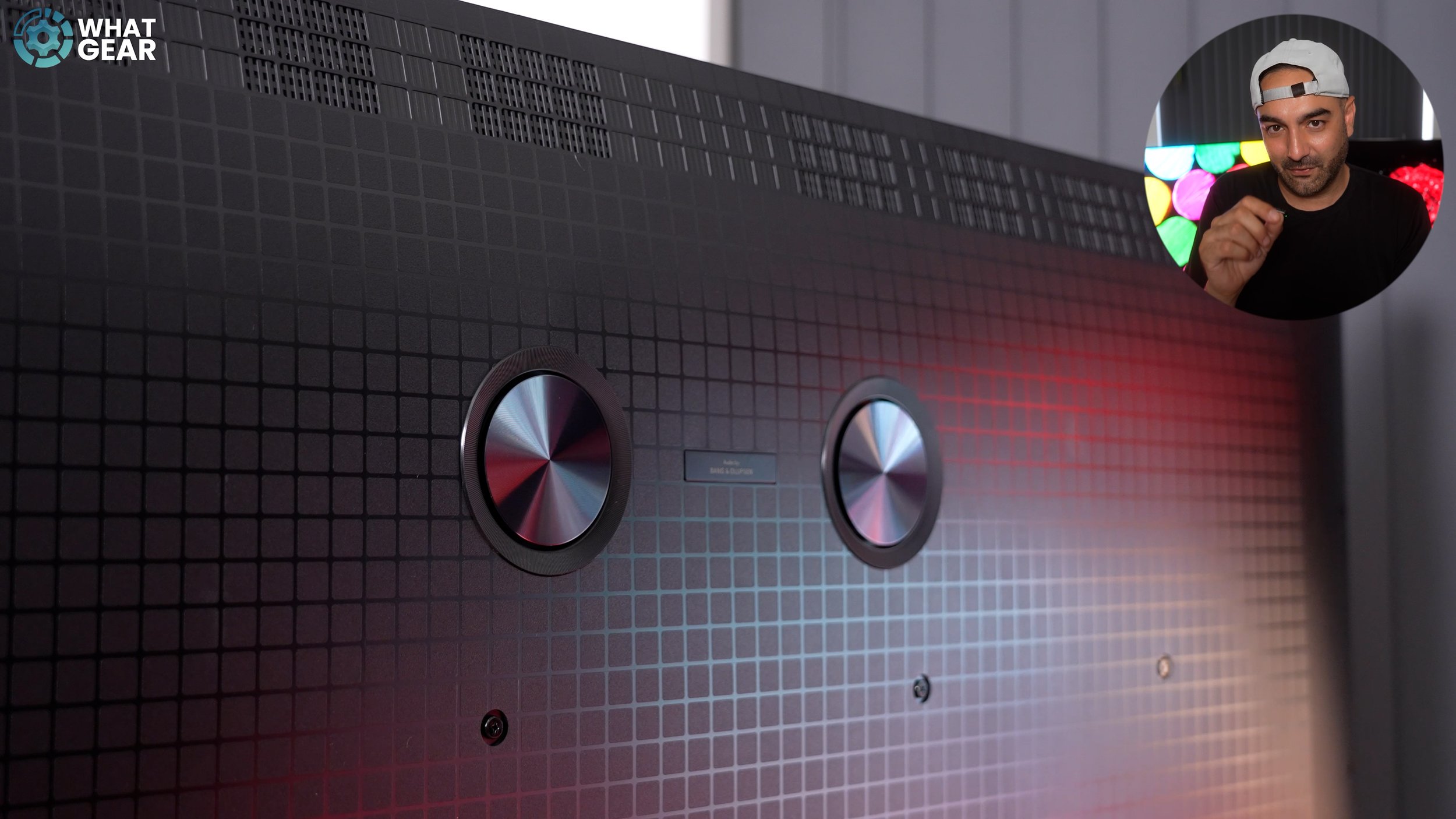

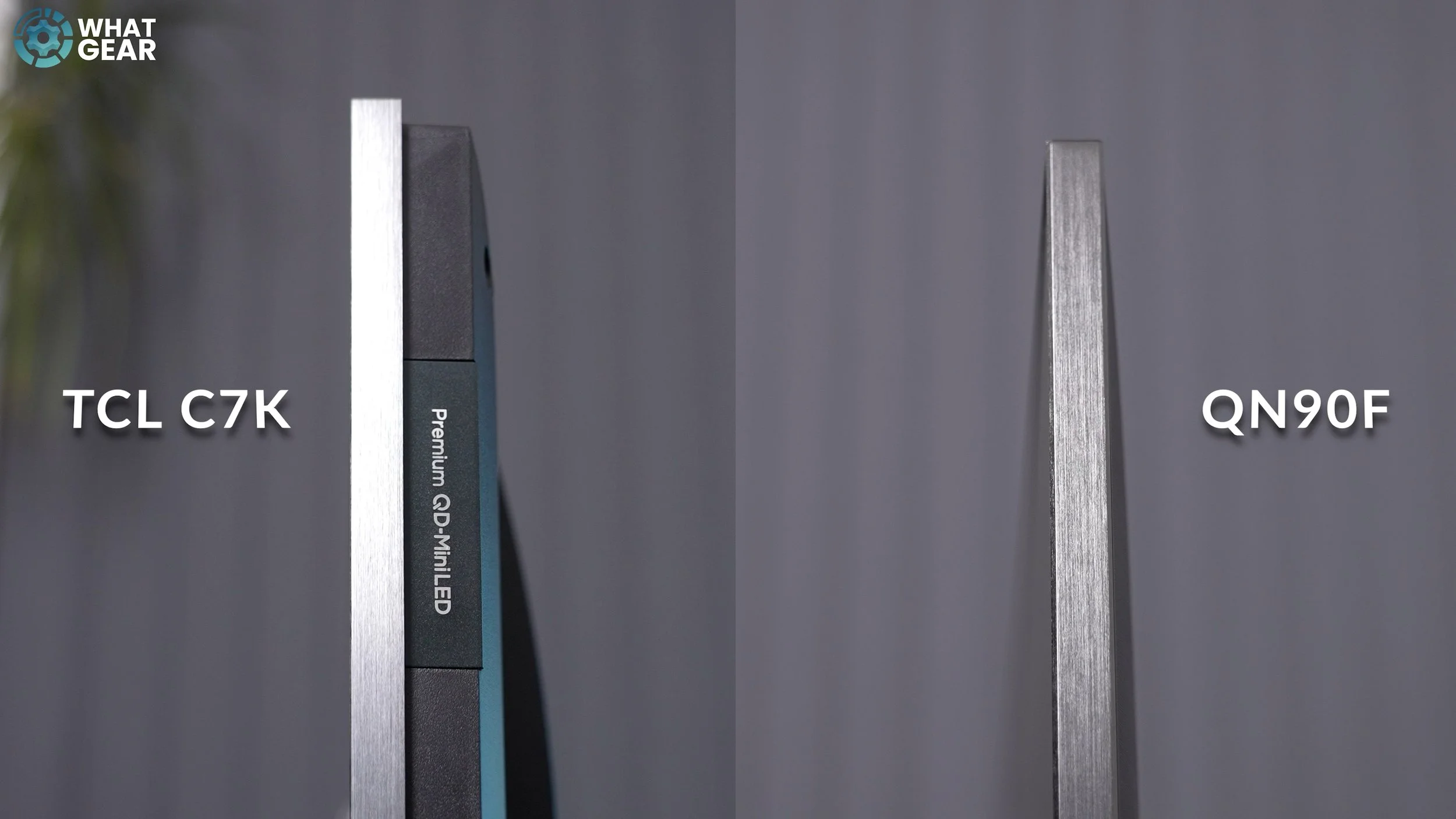
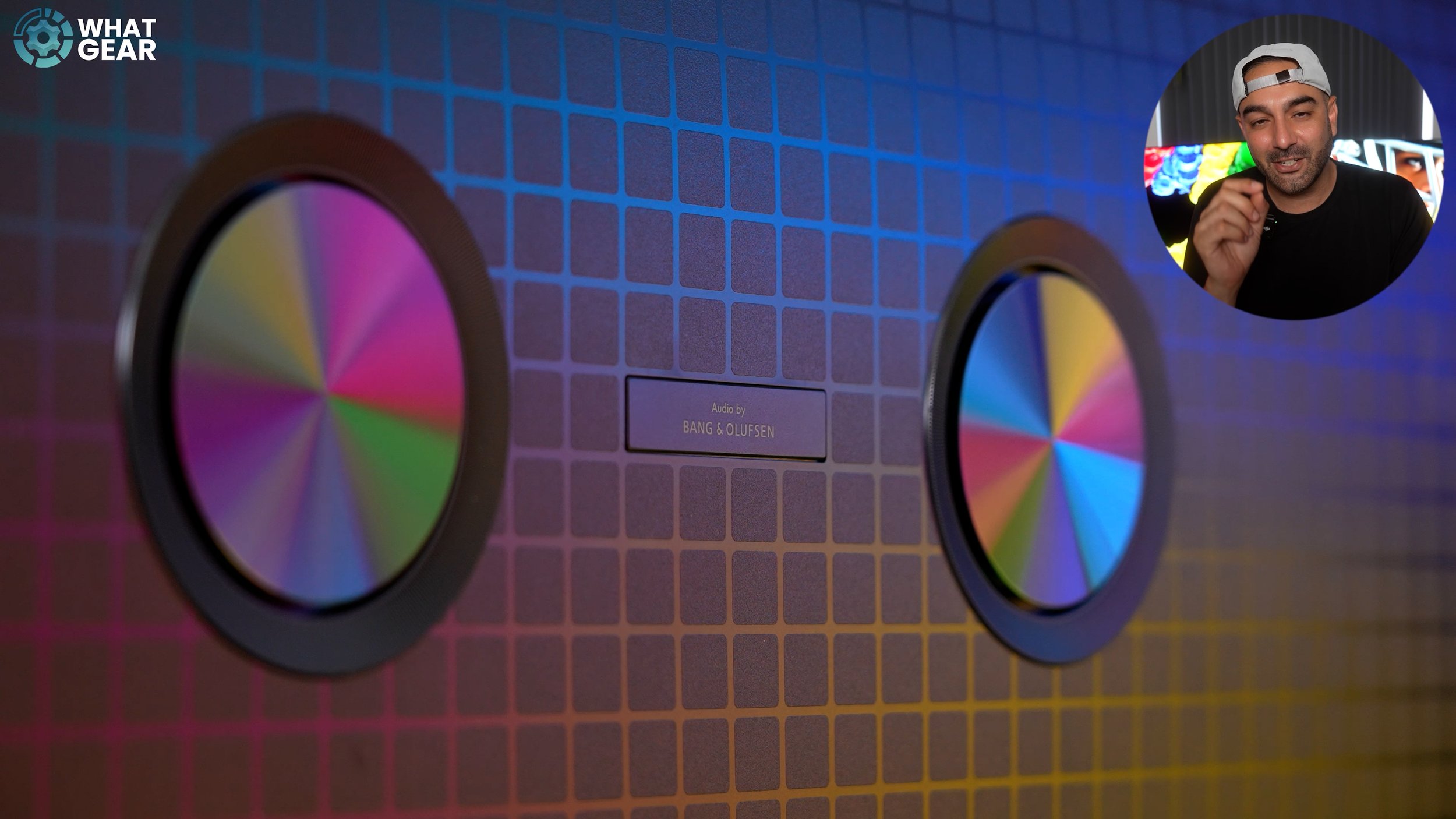
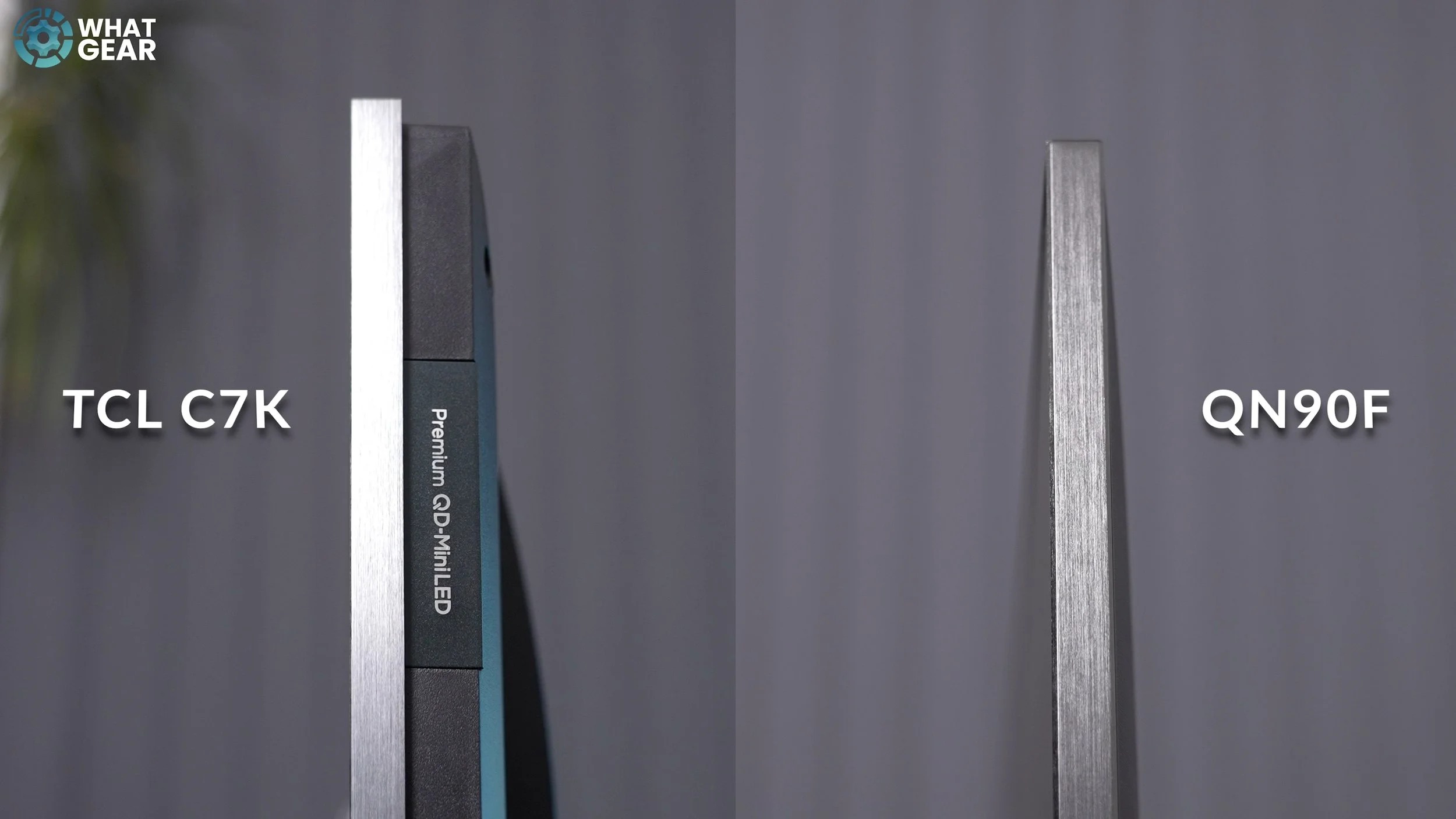
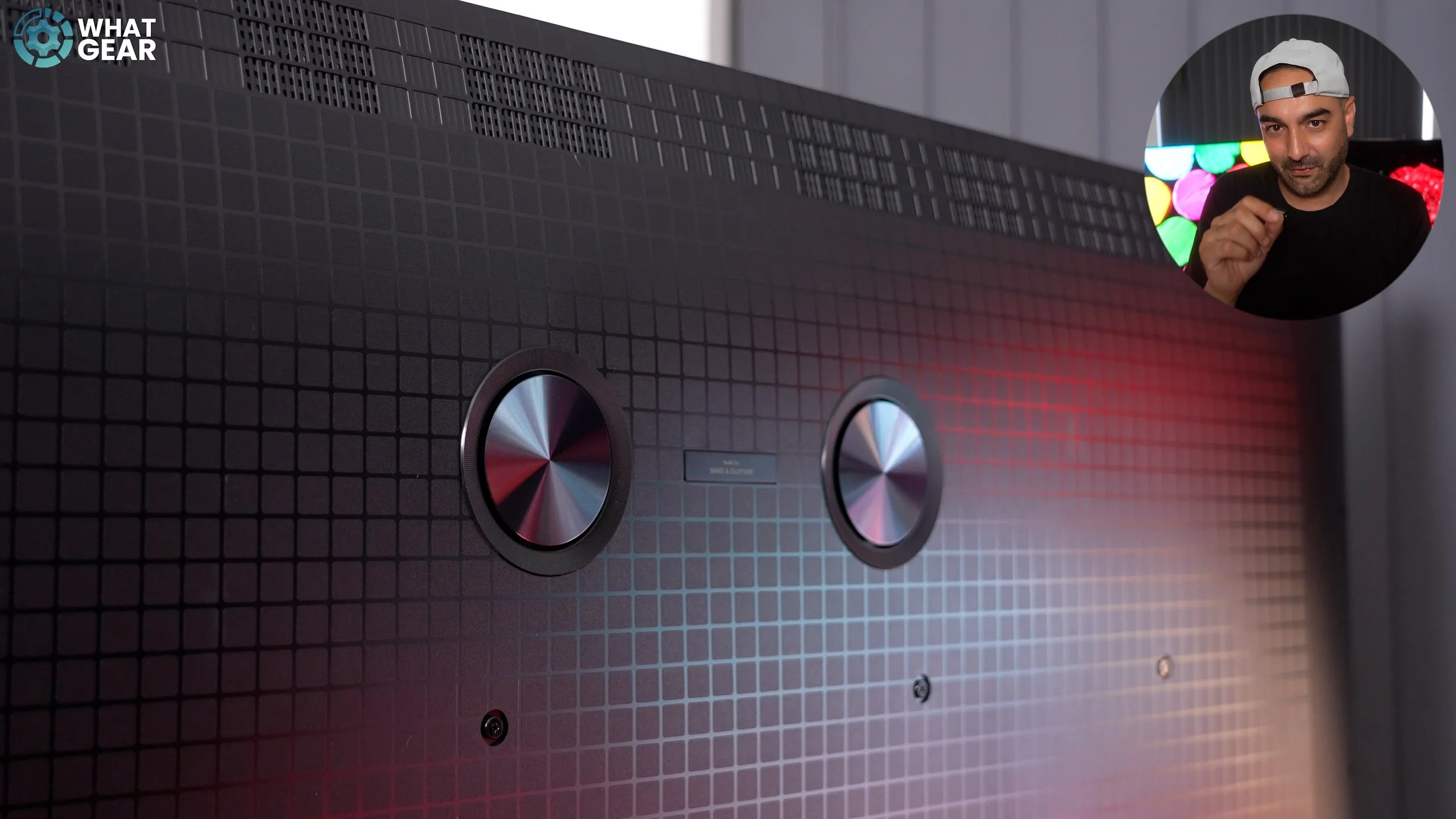
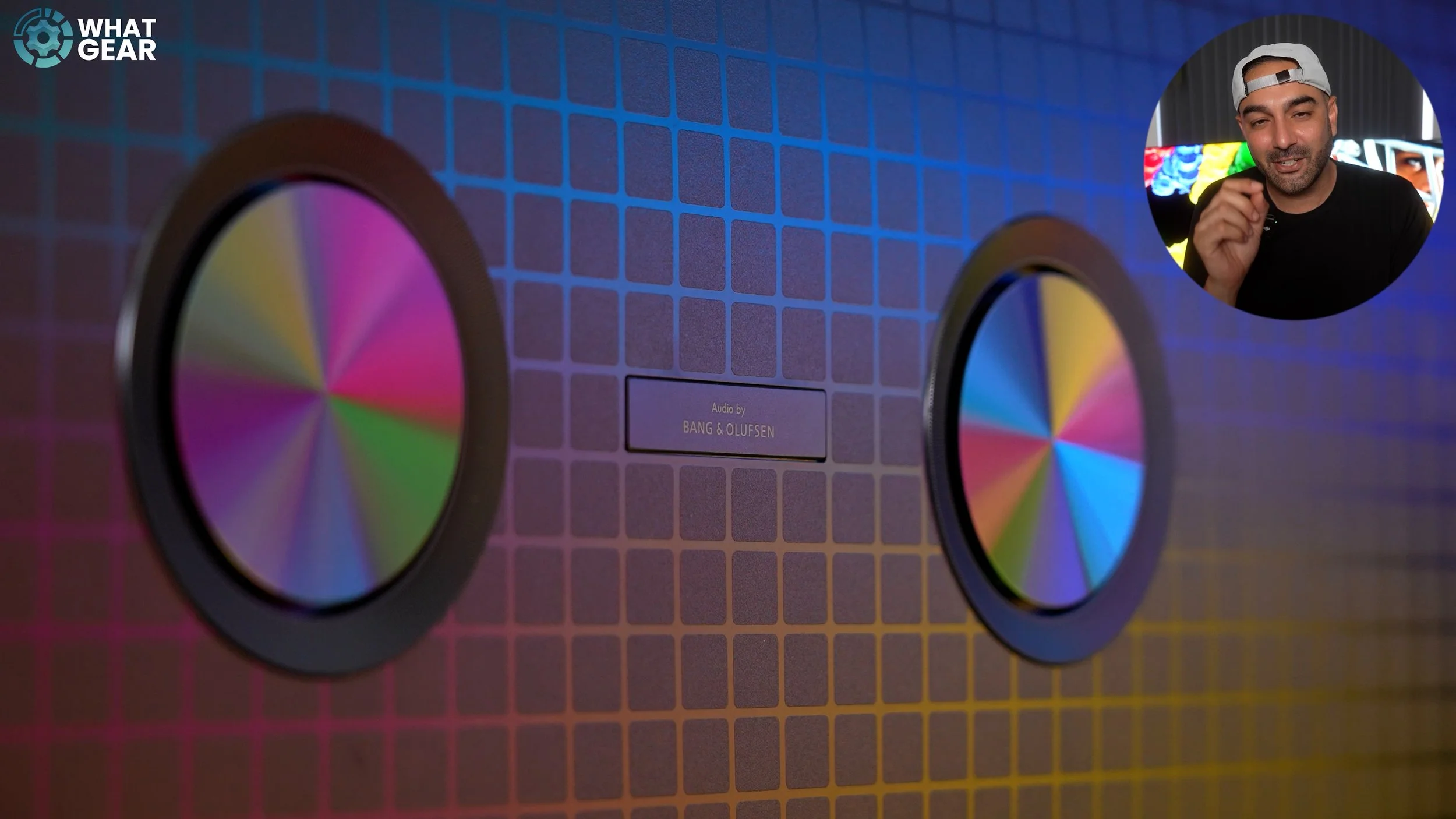
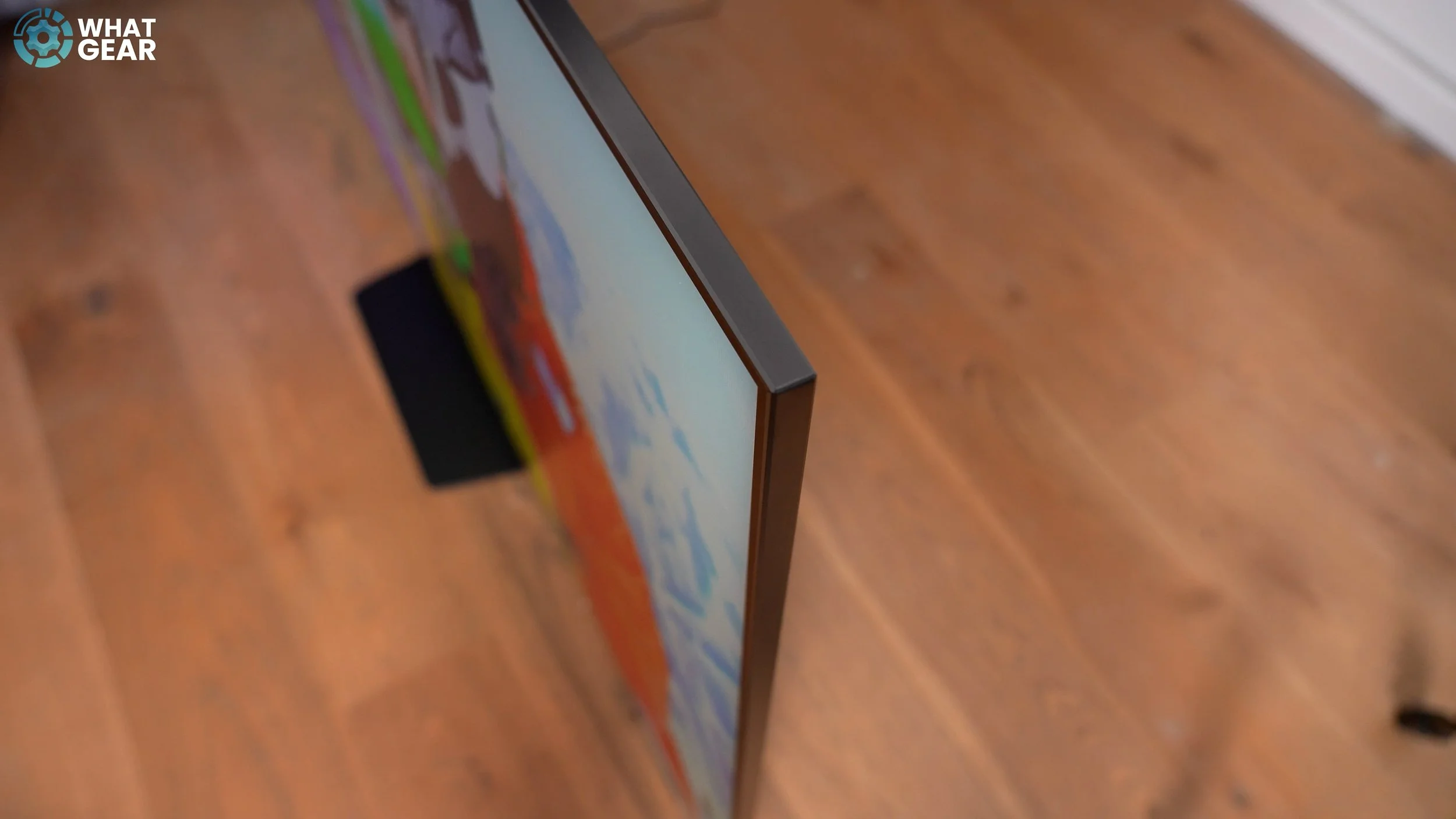
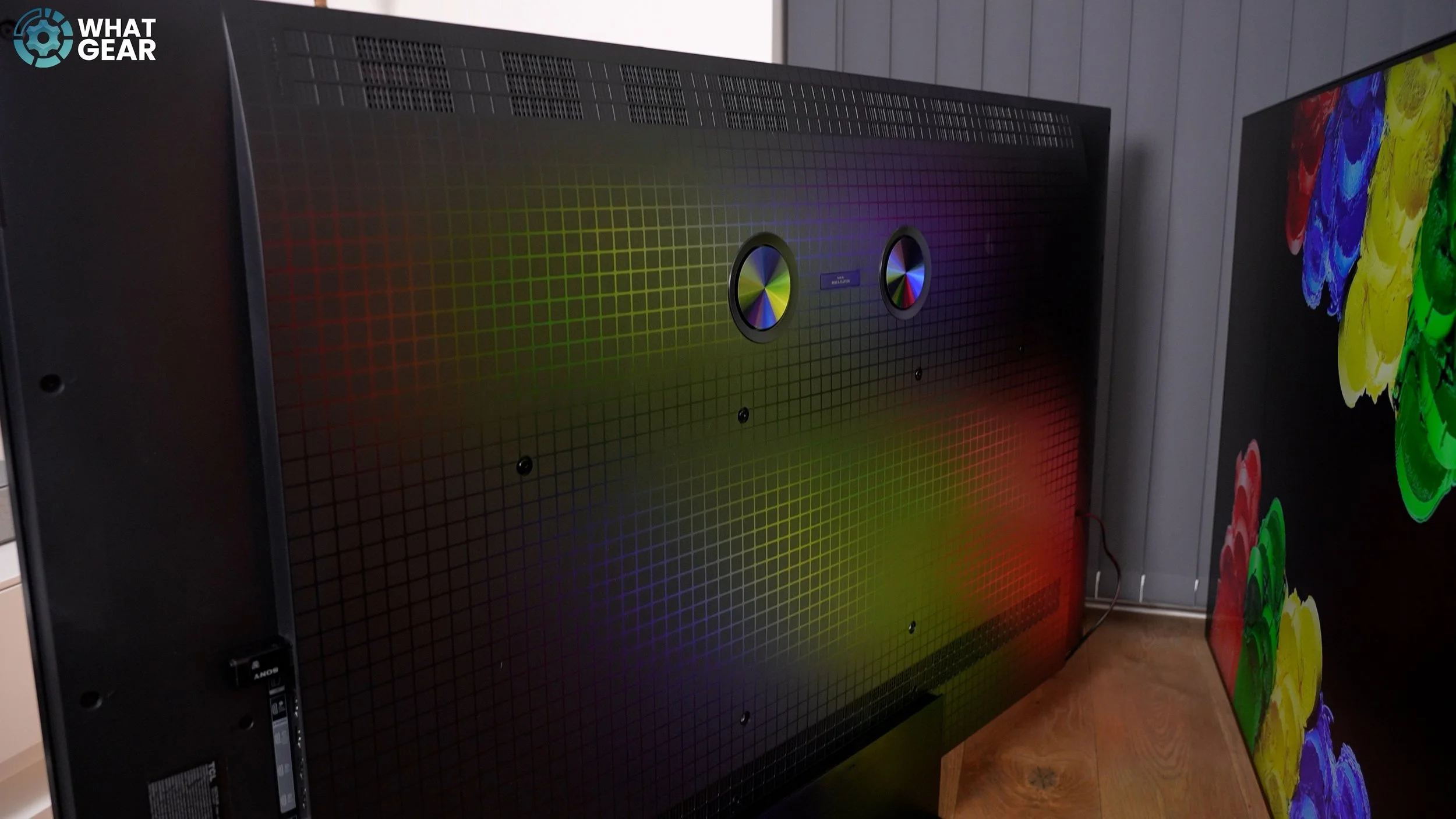
If wall-mounting is your plan, you'll be glad to know both TVs come with standard VESA fixings. When it comes to profile, the Samsung is noticeably thinner, offering a more minimalist aesthetic. However, the TCL C7K's extra depth is intentional. TCL has utilised this space to house more powerful audio hardware – a significant advantage we'll discuss shortly. In fact, the C7K's sound system is tuned by Bang & Olufsen, a high-end Danish audio brand with a legacy dating back to 1925.
Connectivity and Gaming Features
Both TVs are well-equipped with ports. You'll find four high-speed HDMI 2.1 ports on each, supporting 120Hz – perfect for your PS5, Xbox, Nintendo, or PC gaming setup. They also include one USB 3.0 port, RF antenna, satellite connections, and analogue and optical audio outputs.
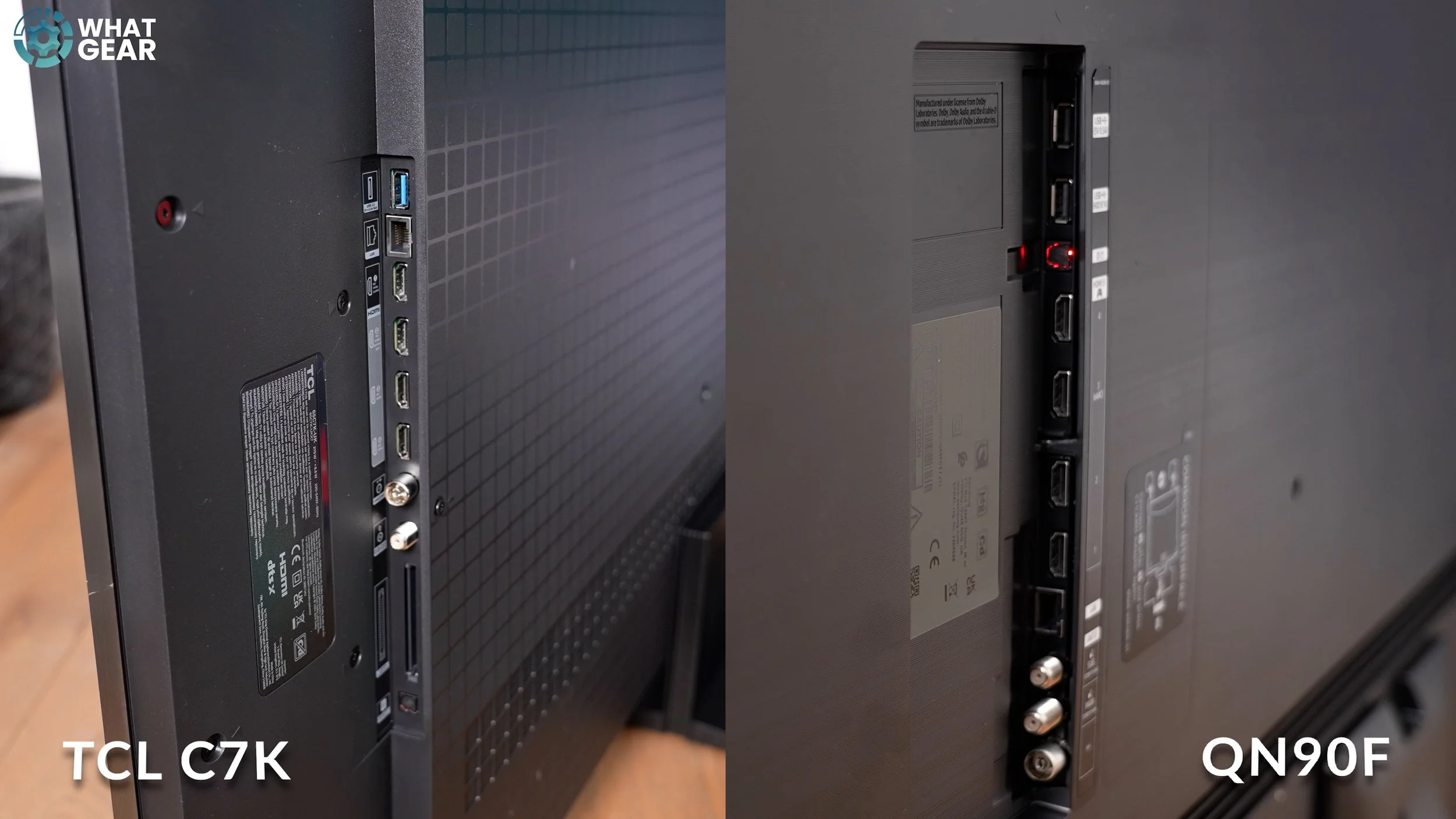
For gamers, both the QN90F and C7K support VRR, G-Sync, and FreeSync Premium Pro. The Samsung QN90F can reach an impressive 165Hz, ideal for serious PC gamers. However, the TCL pushes boundaries even further, achieving up to 288Hz in FHD, offering an incredibly exhilarating gaming experience.
Software: Ecosystems and App Libraries
Here's where these two TVs diverge significantly. Samsung uses its proprietary Tizen TV software, which is bright, vivid, and impressively fast. It provides access to all popular streaming apps and is generally very intuitive to use. Tizen's main advantages lie in its various Samsung Ecosystem features, like 'SmartThings.' If you own other Samsung smart home devices (fridges, washing machines, robot vacuums, Galaxy Tabs, or phones), the cross-device compatibility is excellent. Samsung also uniquely offers the Xbox Cloud streaming service directly on its TVs. The TCL, on the other hand, runs a very clean version of the Google TV operating system.
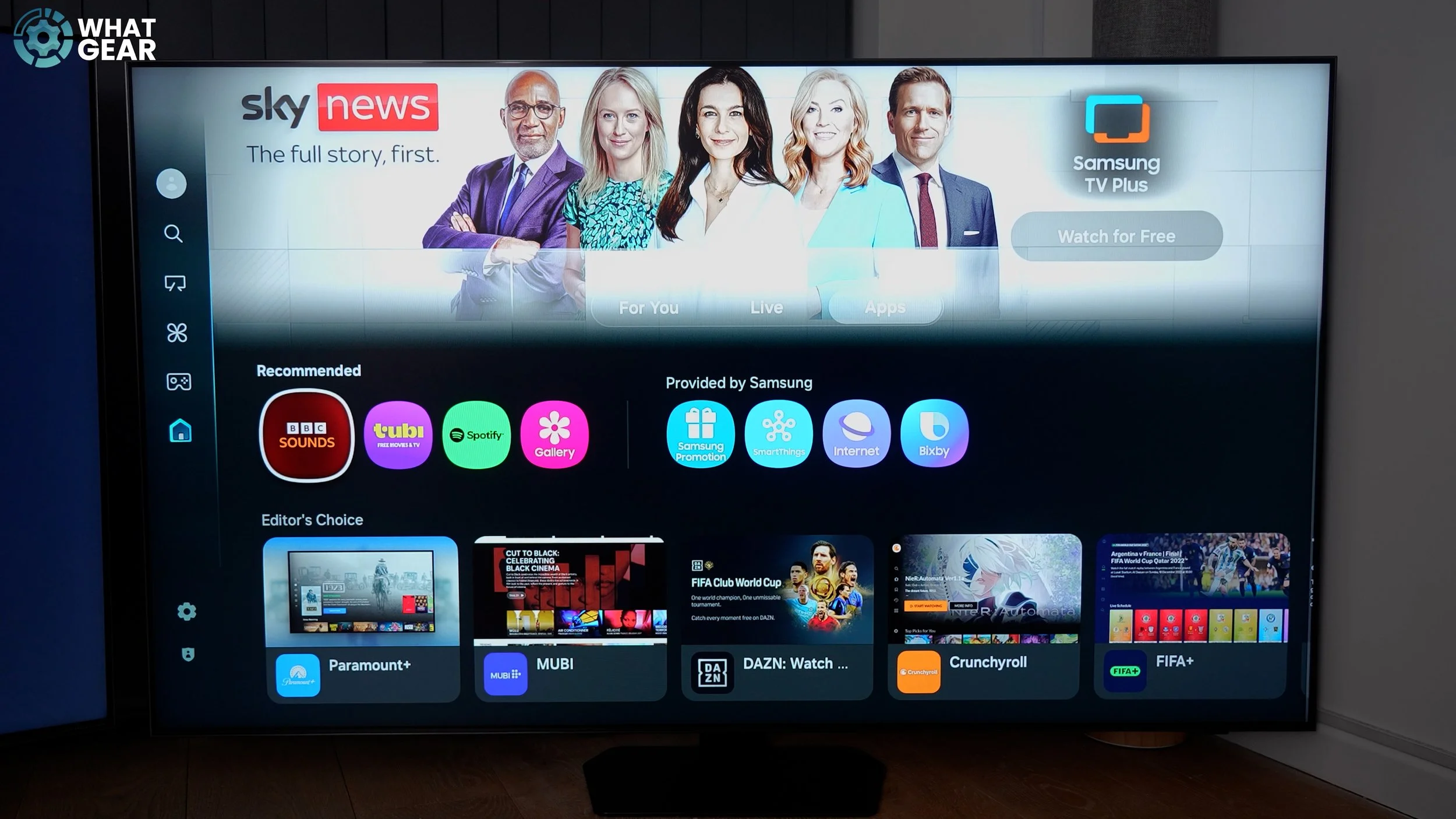
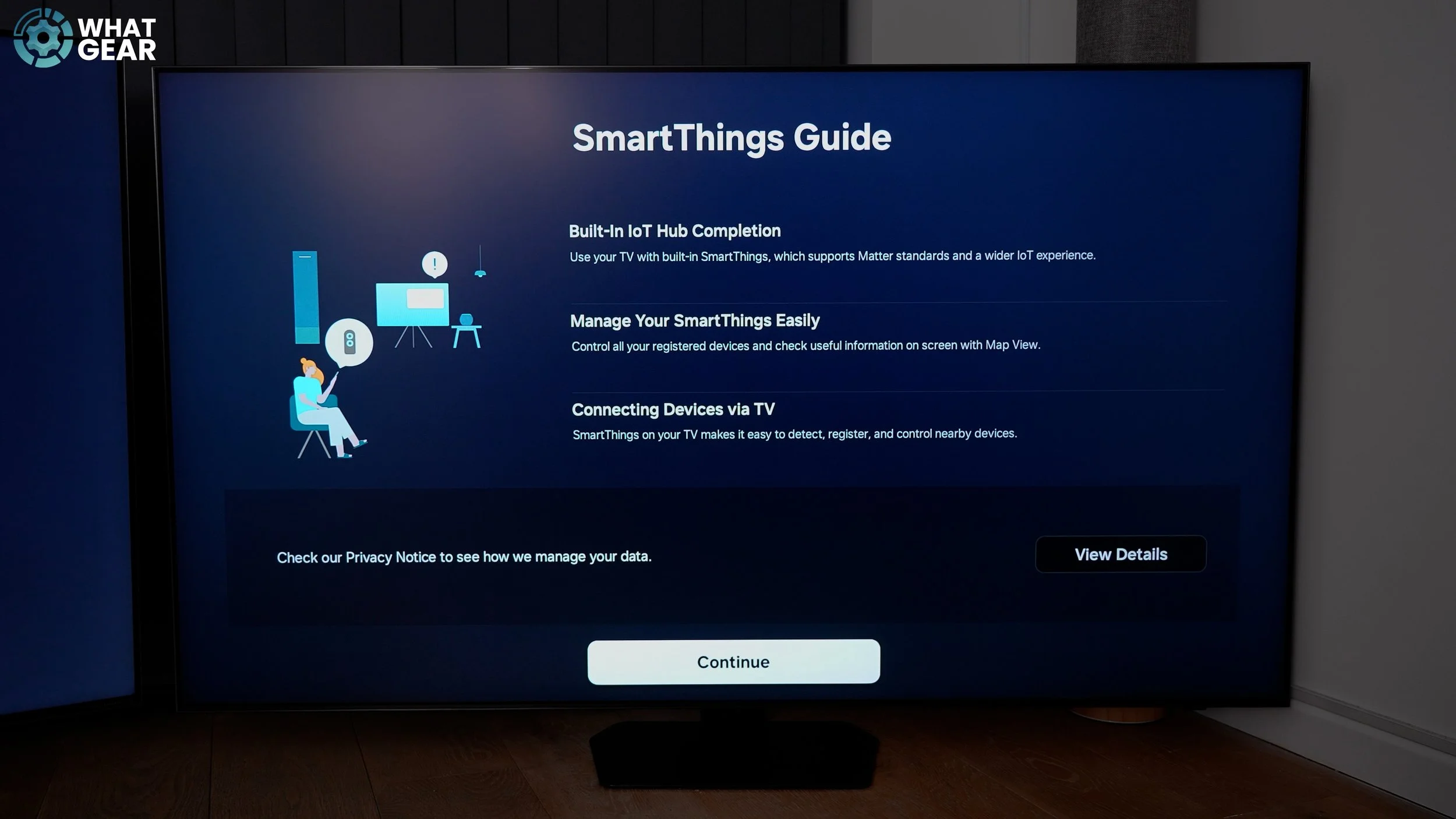

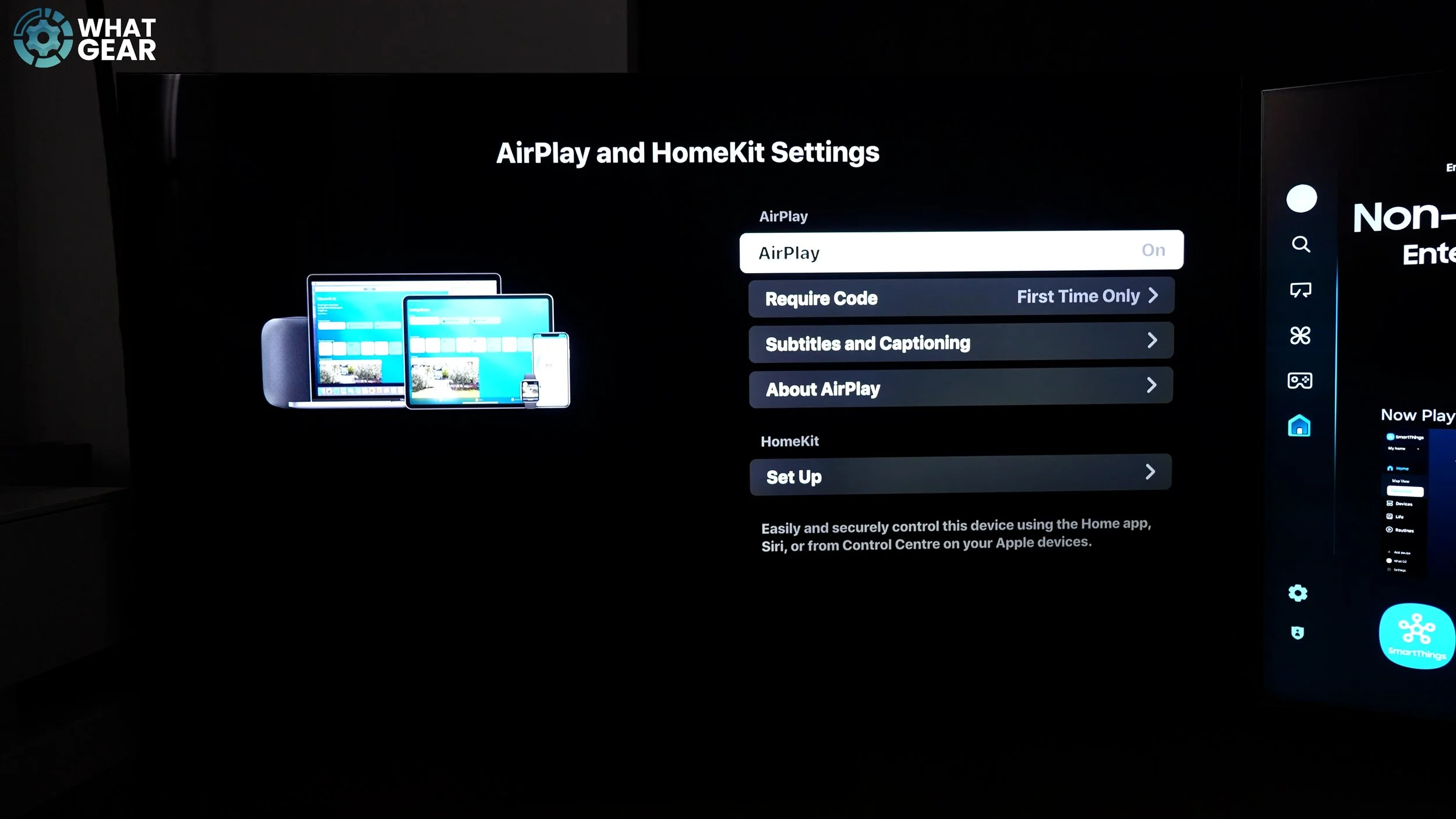
This means seamless compatibility with Android devices and Google Home devices. Google TV also boasts one of the largest TV app libraries available. While you won't find Xbox Cloud streaming, there are plenty of other options, including GeForce Now. Both TVs offer fantastic customization and advanced settings. They both support voice controls, but Google's voice assistant is arguably the best currently available. This can be particularly useful for searching for content. Imagine the possibilities if Google integrates Gemini AI into this feature down the line! For iPhone users, both TVs support AirPlay. However, the TCL also offers Apple HomeKit support without requiring third-party software.
Sound Quality: Hearing the Difference
The Samsung QN90F has a 30-watt, 4.2.2 channel system. It delivers clear highs and mid-frequencies, making vocals stand out, and the multi-channel setup helps with the soundstage. However, the TCL truly shines here. Its Bang & Olufsen sound system, coupled with double the power output of the Samsung, makes a significant difference. The deeper cabinet space allows its drivers and woofers to move more air, drastically improving low sub-bass frequencies.
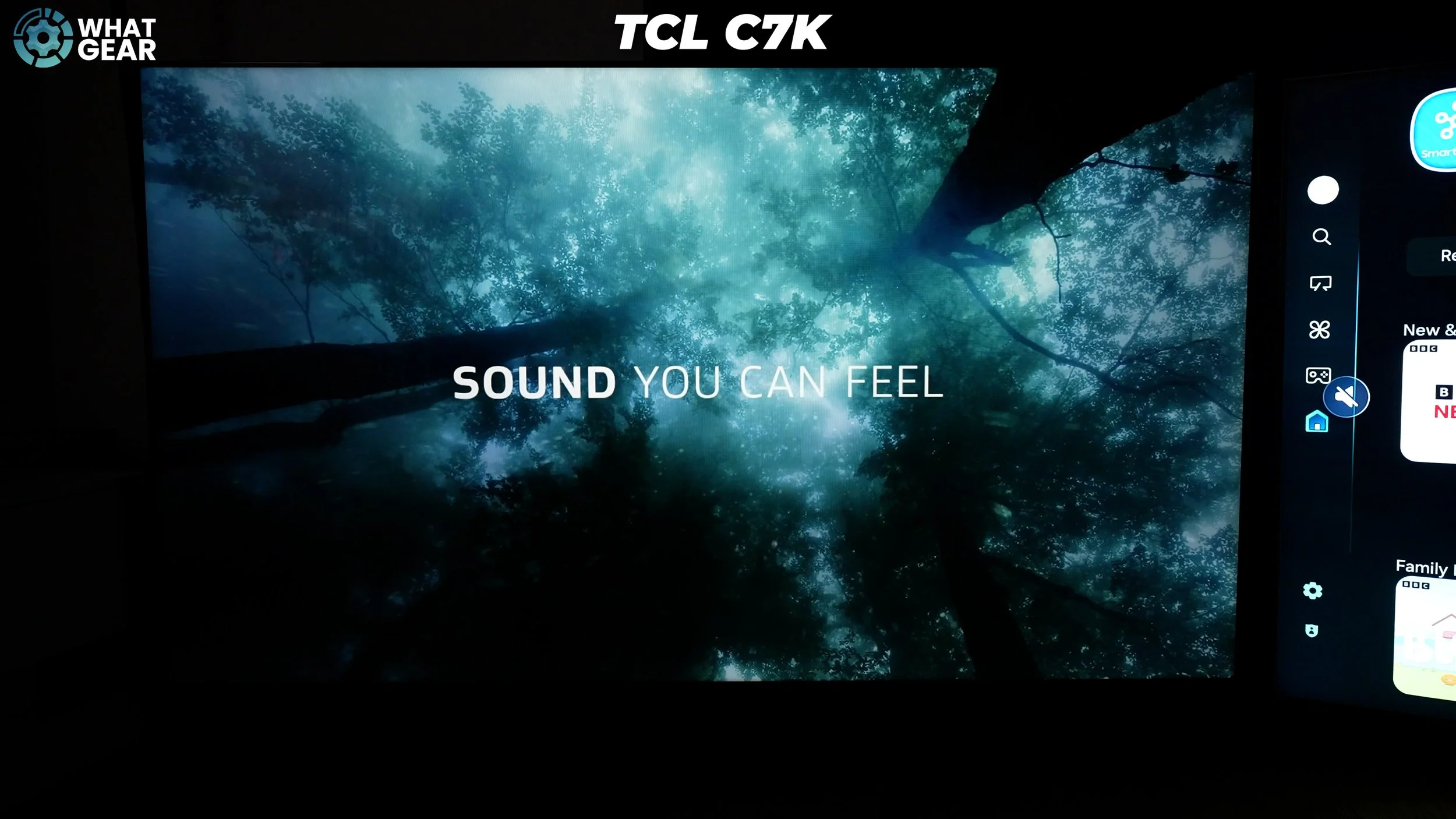
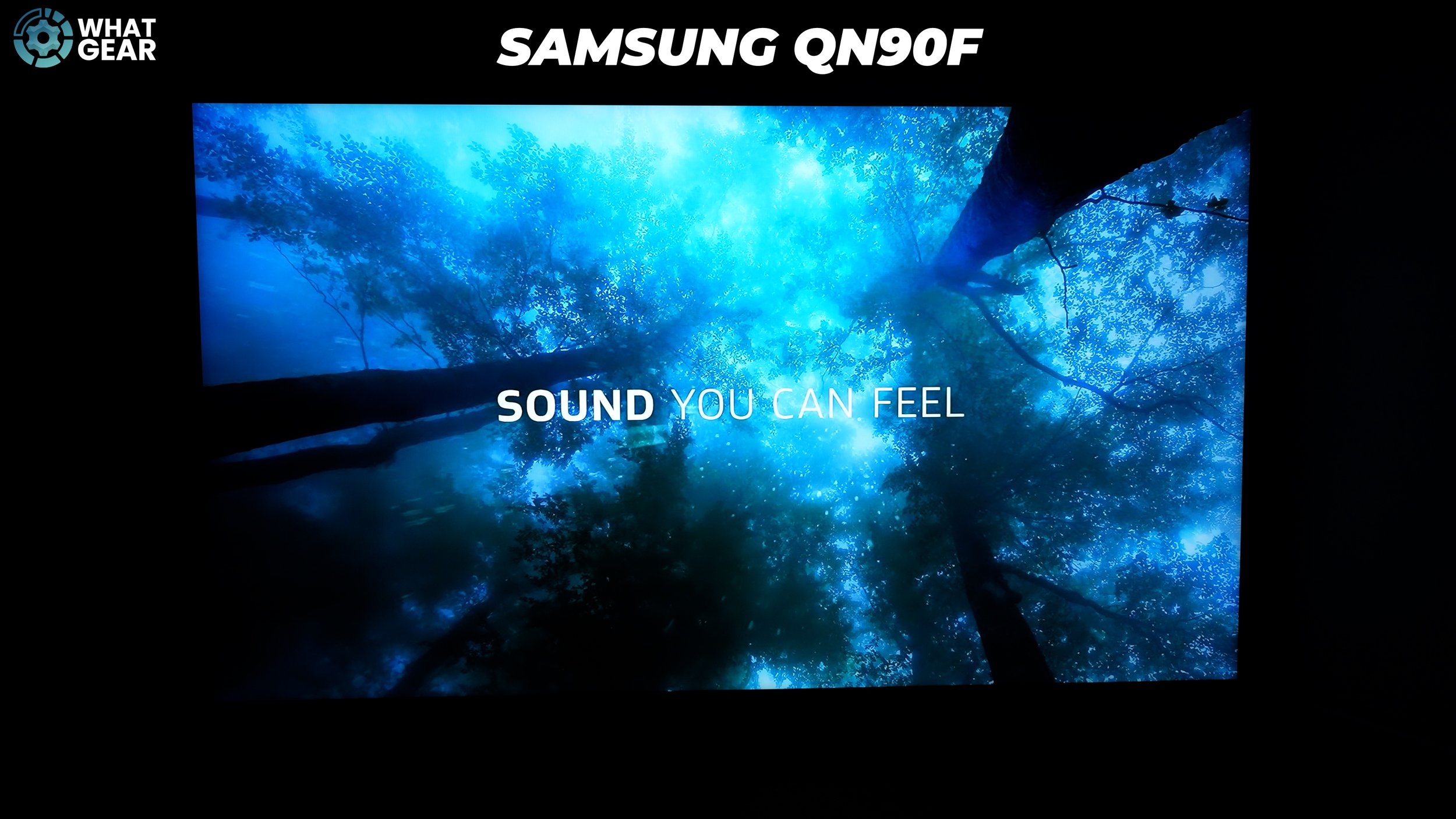
The clarity is also impressive. The TCL sound system supports Dolby Atmos, DTS Virtual:X, and up-mixing software, which converts stereo audio into emulated spatial sound. The key question here is: are you planning to connect external audio hardware to your TV? If not, the TCL's built-in sound system is a huge plus.
Picture Quality: The Core of the Review
This is where the rubber meets the road. When watching 4K HDR content side-by-side, the TCL C7K proves surprisingly competitive. Its color saturation is more pronounced, making vibrant scenes like nature documentaries or animated movies look incredibly lifelike. Of course, a few picture profile tweaks or professional calibration on either TV could alter this instantly. In darker scenes, the Samsung QN90F appears to have slightly brighter peak brightness.
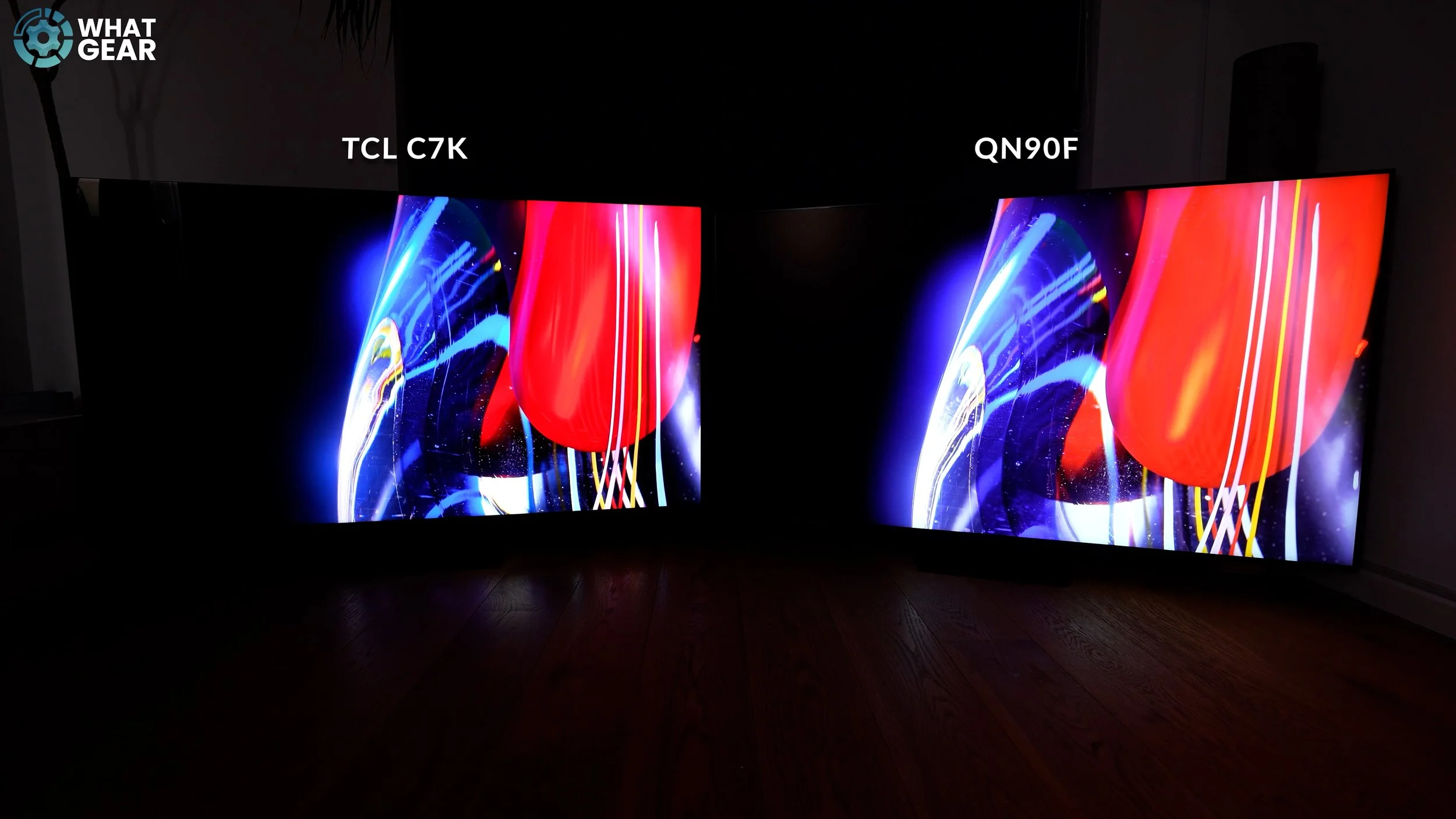
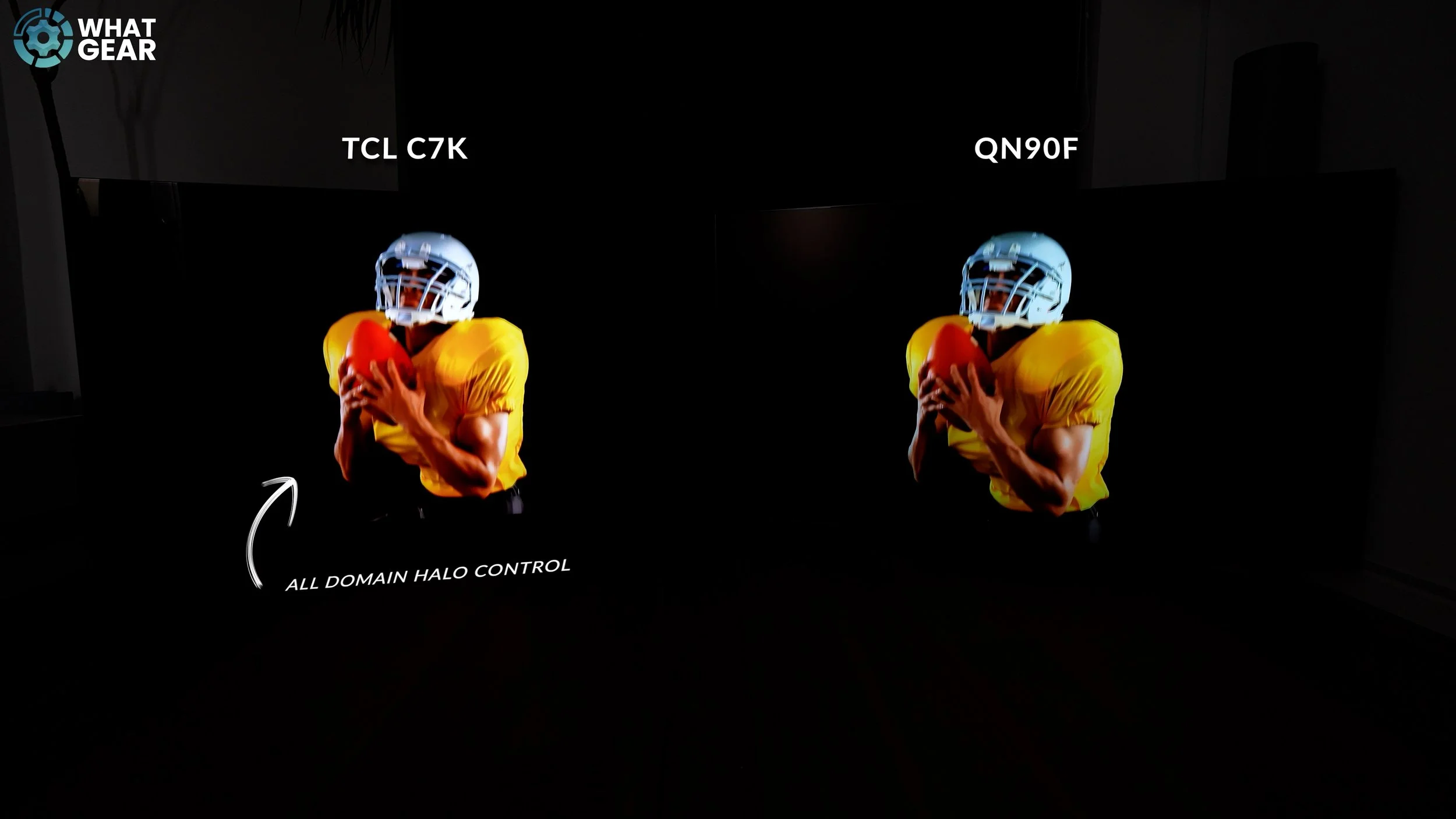
Both TVs utilize Full Array Mini LED panels, and I'm genuinely impressed by how far this technology has come. Black levels are incredibly dark, even next to bright whites, thanks to the TV's ability to turn off dimming zones where no light is needed. It's very difficult to spot any haloing or blooming on either TV. When it comes to dynamic range, these two TVs are neck and neck. Looking closely at the black and white leather on golf clubs, both the C7K and QN90F display the same level of detail, proving visually very close in this aspect.
For sports enthusiasts, motion smoothness is critical. Both TVs excel here, which is remarkable considering their price difference. You might expect a more noticeable gap, but both deliver smooth motion. Regarding viewing angles, the Samsung QN90F has an edge. Its screen features a very effective anti-reflective coating, making the picture more visible in rooms with bright windows. That said, in darker environments, the TCL's viewing angle is just as good as the Samsung's.

What about lower-resolution content? I tested a clip of 'Gravity' in standard FHD without HDR, and interestingly, both TVs made the content look like HDR. Scenes with stars were a great test. One difference I noticed is that Samsung's upscaling does a good job of sharpening the picture, which looks excellent most of the time. However, occasionally, you might see some digital artifacts in brighter areas. Is it fair to expect a TV twice the price to be twice as good? Let's break down the pros and cons.
Pros and Cons: Making Your Decision
Samsung QN90F
Pros:
Thinner frame for a sleeker aesthetic.
Solid metal stand.
Slightly brighter picture with more dimming zones.
Excellent anti-reflective surface for better viewing in bright rooms.
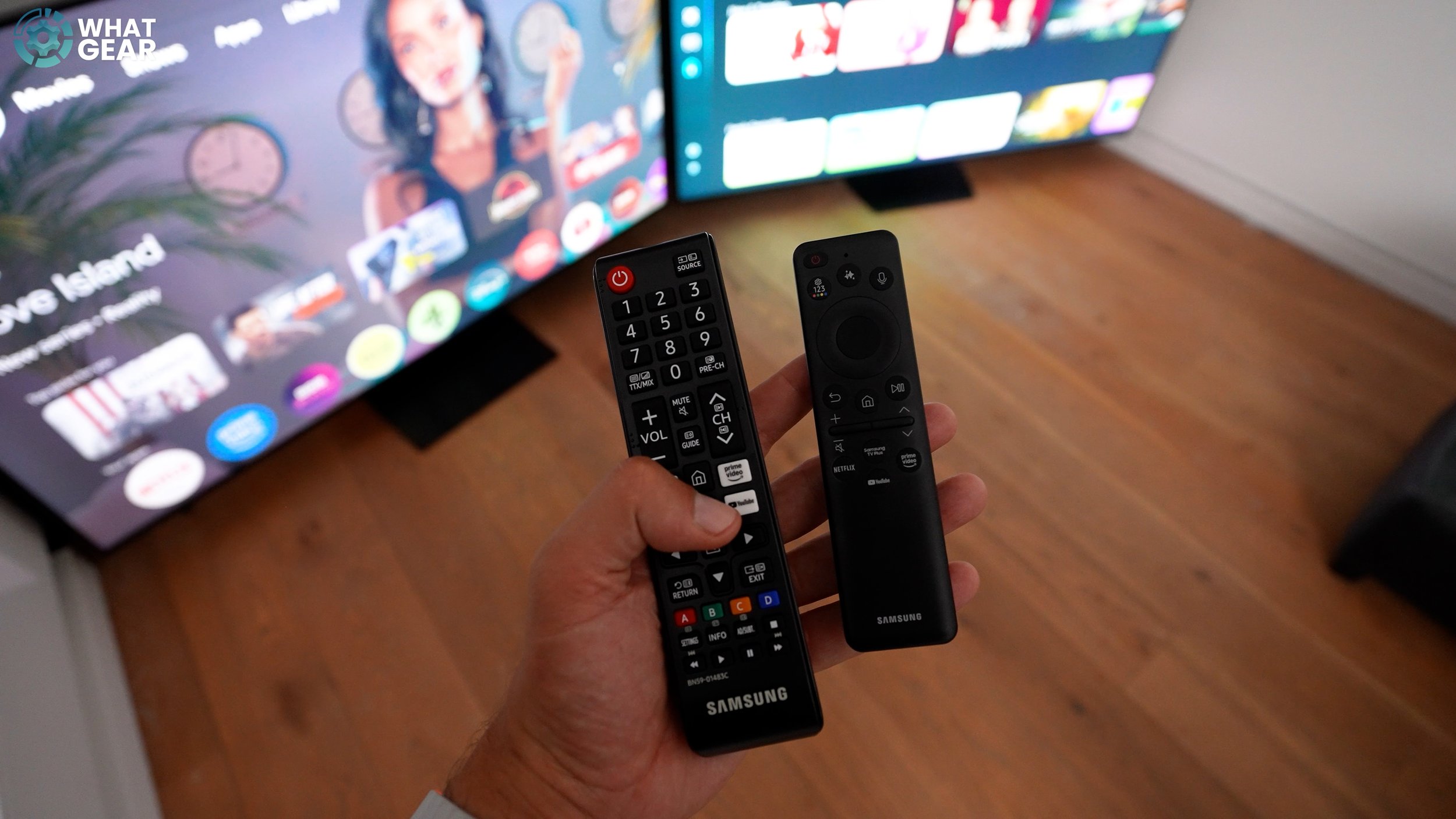
Comes with a second remote.
Full access to Samsung's AI features and SmartThings Ecosystem for seamless integration with other Samsung devices.
Xbox Cloud streaming built-in.
Overall, a very impressive Mini LED TV.

Cons:
Higher price point (£2,299).
No height adjustment for the stand.
Sound system is good, but not as powerful as TCL's.
TCL C7K
Pros:
Much more affordable (£1,099).
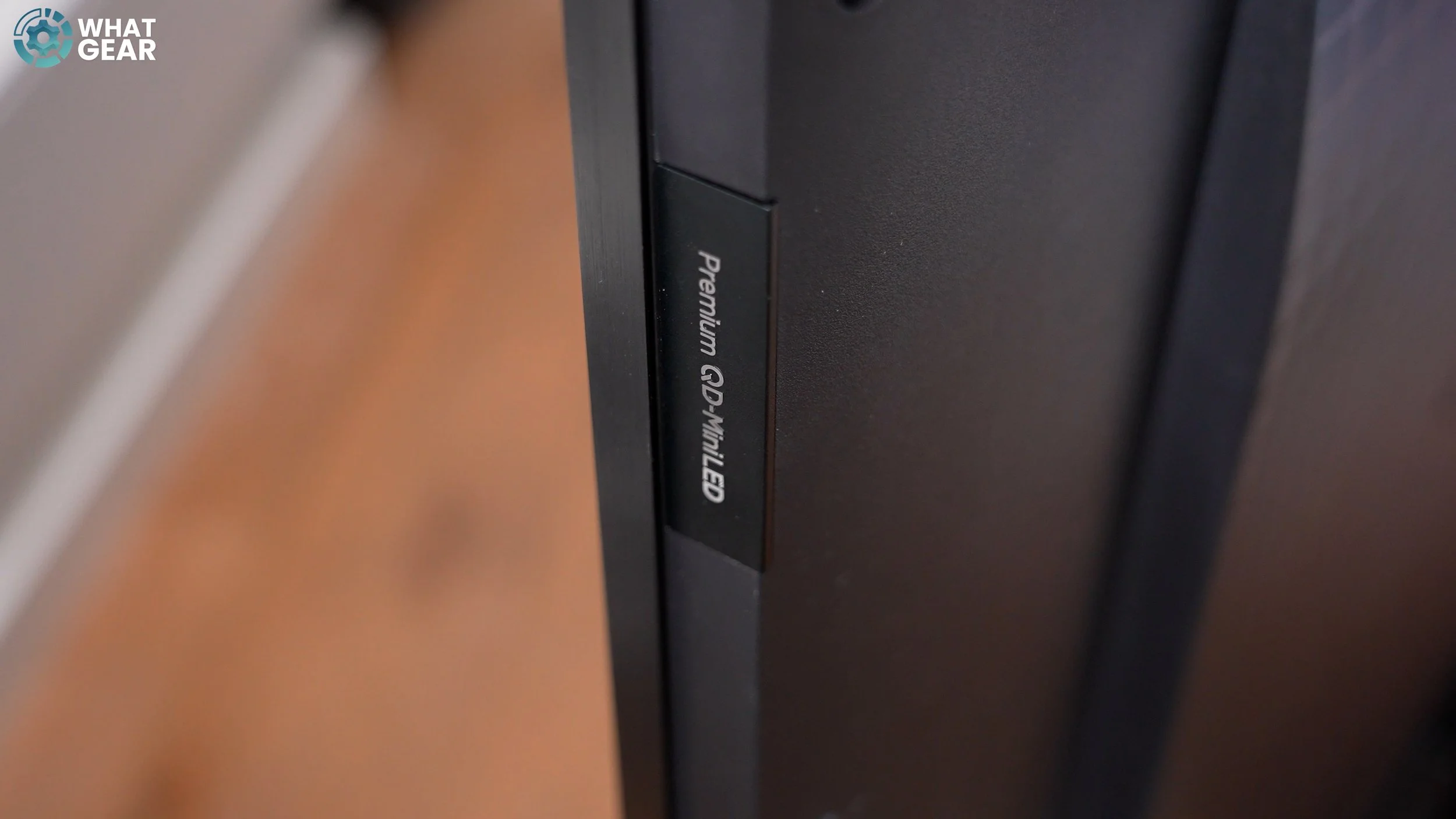
Very similar Mini LED technology and design from the front.
Powerful Bang & Olufsen sound system with double the wattage of the Samsung, making a soundbar less necessary.
Height-adjustable stand with excellent cable management.
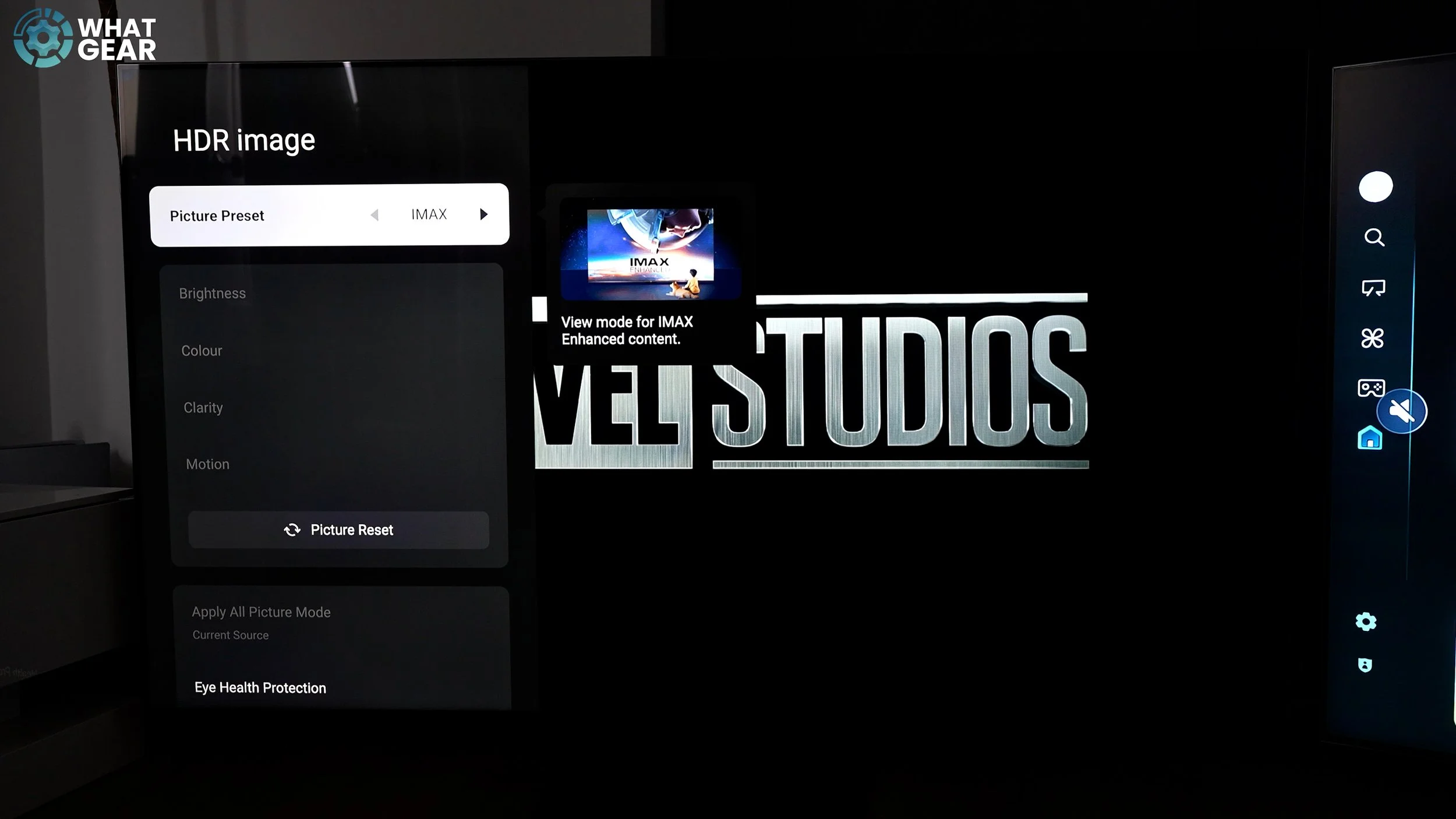
Accurate picture profile presets, including an IMAX picture profile.
Full advantages of the Google TV operating system and its vast app library.
288Hz support in FHD for PC gamers.
Apple HomeKit support without third-party software.
You save a significant £1,200!

Cons:
Slightly thicker frame.
Viewing angles are slightly less forgiving in bright environments compared to the Samsung.
Ultimately, both are fantastic Mini LED TVs. The Samsung QN90F offers premium refinements and ecosystem advantages. However, the TCL C7K delivers incredibly similar core picture quality and a superior built-in sound system at a significantly lower price.
Which TV do you think offers the better value for your money? Let us know in the comments below!