Imagine having a 300-inch TV in your living room. That's nearly seven metres wide and almost four metres tall! Now imagine getting that kind of big-screen experience from a pair of glasses. That's essentially what the RayNeo GT Max promises. But how good is the picture? Can you play games at 120Hz? Can these glasses turn ordinary movies into 3D?
And are they actually comfortable enough to wear for an entire film? Today, I'm going to answer ten of the biggest questions about the RayNeo GT Max. And before you rush out and buy these, there's one really important thing you need to check first. We'll come back to that shortly. Let's get into it.
How Big Is the RayNeo GT Max Screen?
RayNeo claims the GT Max can create a virtual screen equivalent to a massive 307-inch display. That's a perceived screen size, not a physical TV in front of you. Inside the glasses, you get Micro-OLED displays delivering 1920 by 1080 resolution to each eye (with a 59-degree field of view). RayNeo also claims up to 1,200 nits of perceived brightness, a 200,000-to-one contrast ratio, and 98% DCI-P3 colour coverage.
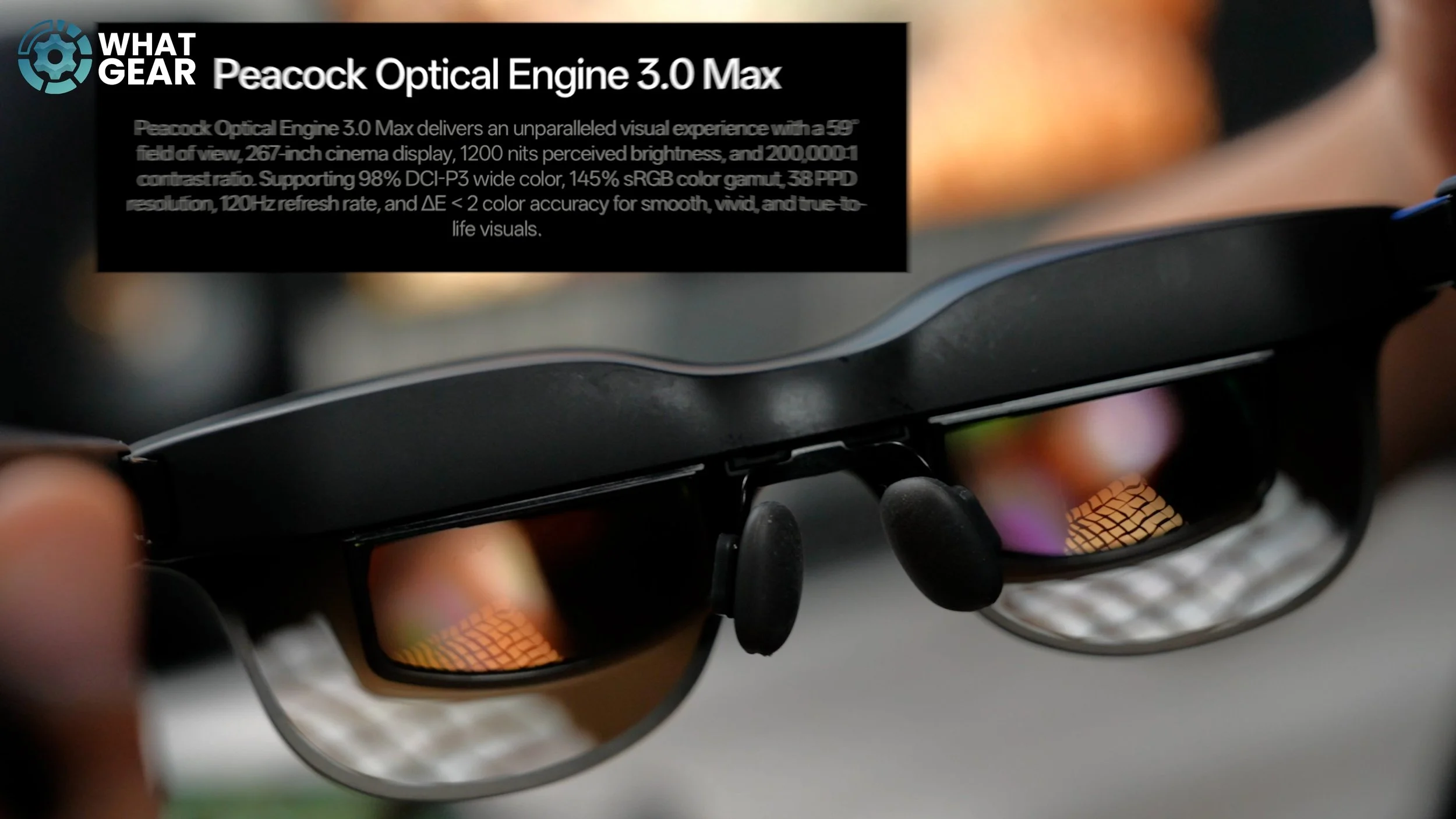
But here's something worth knowing: the virtual screen doesn't have to stay at its maximum size. You can reduce it down to smaller sizes, 267 inches or even 227 inches. That could be useful if you find the edges difficult to see clearly or simply prefer a smaller screen. Of course, having a massive screen is one thing. But what about the actual picture quality?
How Good Is the RayNeo GT Max Display…
One of the most exciting things about the GT Max is its Micro-OLED technology. That means deep blacks, high contrast and potentially some fantastic-looking movies. And if you're a gamer, there's another reason to get excited. The GT Max supports refresh rates up to 120Hz in 2D. Now, that doesn't automatically mean every game will run at 120 frames per second.
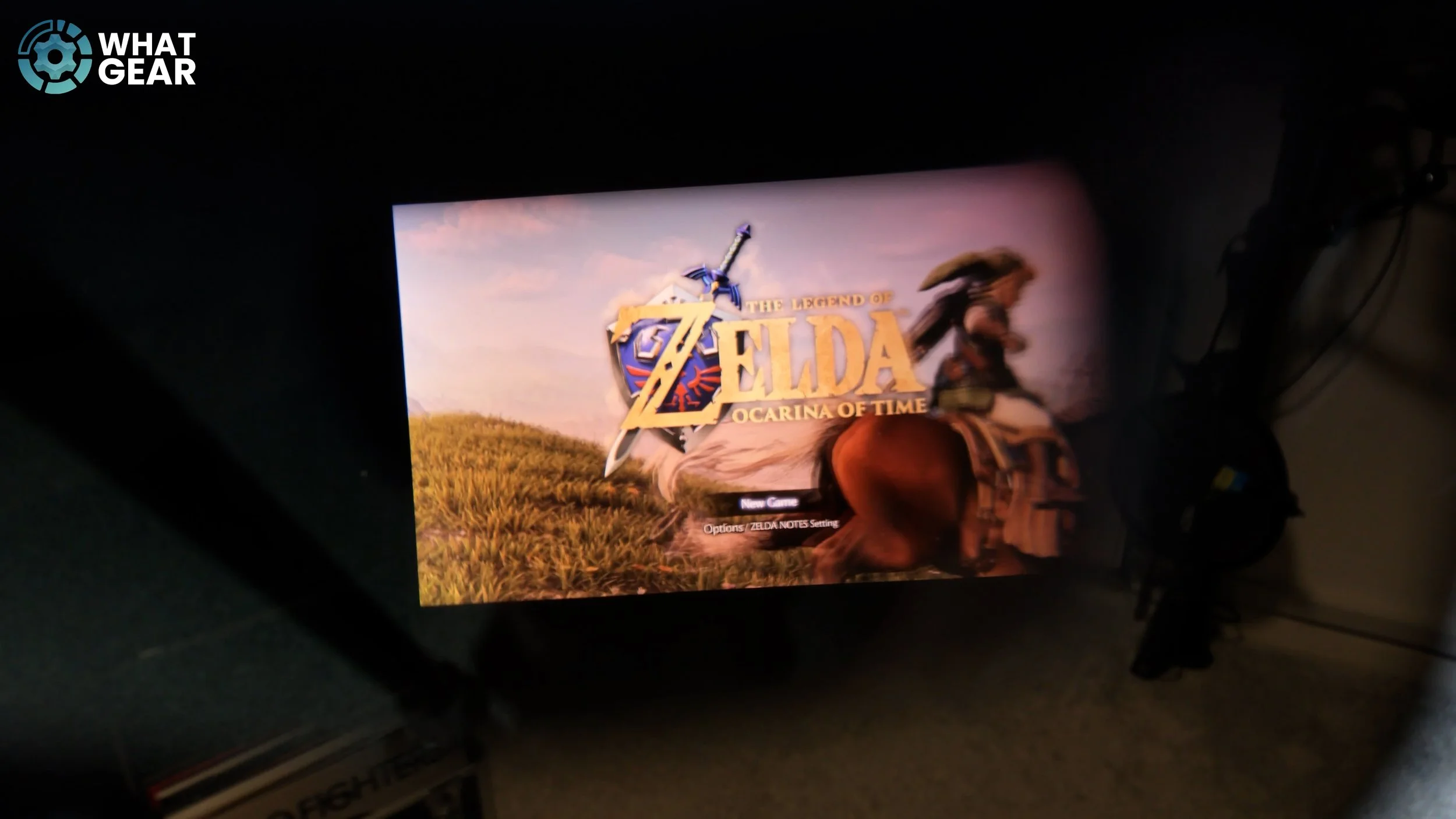
Your connected device and the game itself need to support the appropriate output. And if you're a Nintendo Switch 2 owner, RayNeo also offers a battery-powered accessory called the JoyDock, which could potentially let you enjoy big-screen gaming on the go. But if you think gaming on a giant virtual screen sounds impressive, wait until we introduce a third dimension.
Can I Pin The Screen?
Now, one thing that makes the GT Max particularly interesting is that the virtual screen doesn't always have to move with your head. You've actually got three viewing modes, powered by native 3DoF tracking. Follow Mode keeps the display moving with your head. Pinned Mode anchors the screen in a fixed position, so you can look away from it. And Steady Mode is designed to reduce unwanted movement.
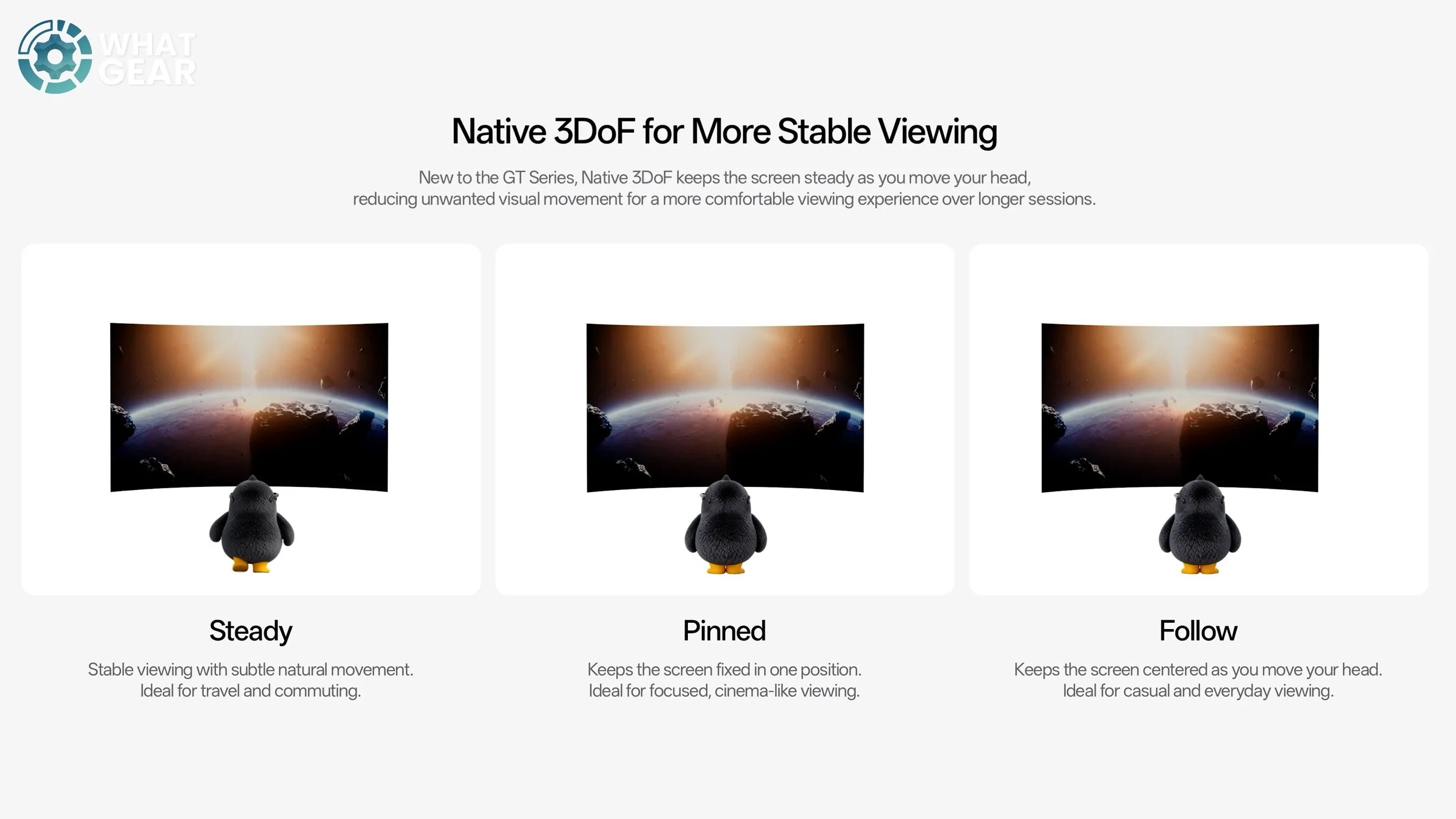
The glasses use built-in three-degrees-of-freedom tracking to make these modes possible. But even if the screen stays perfectly positioned, there's another issue that could make or break the experience… how well the glasses fit.
Are the RayNeo GT Max Glasses Comfortable?
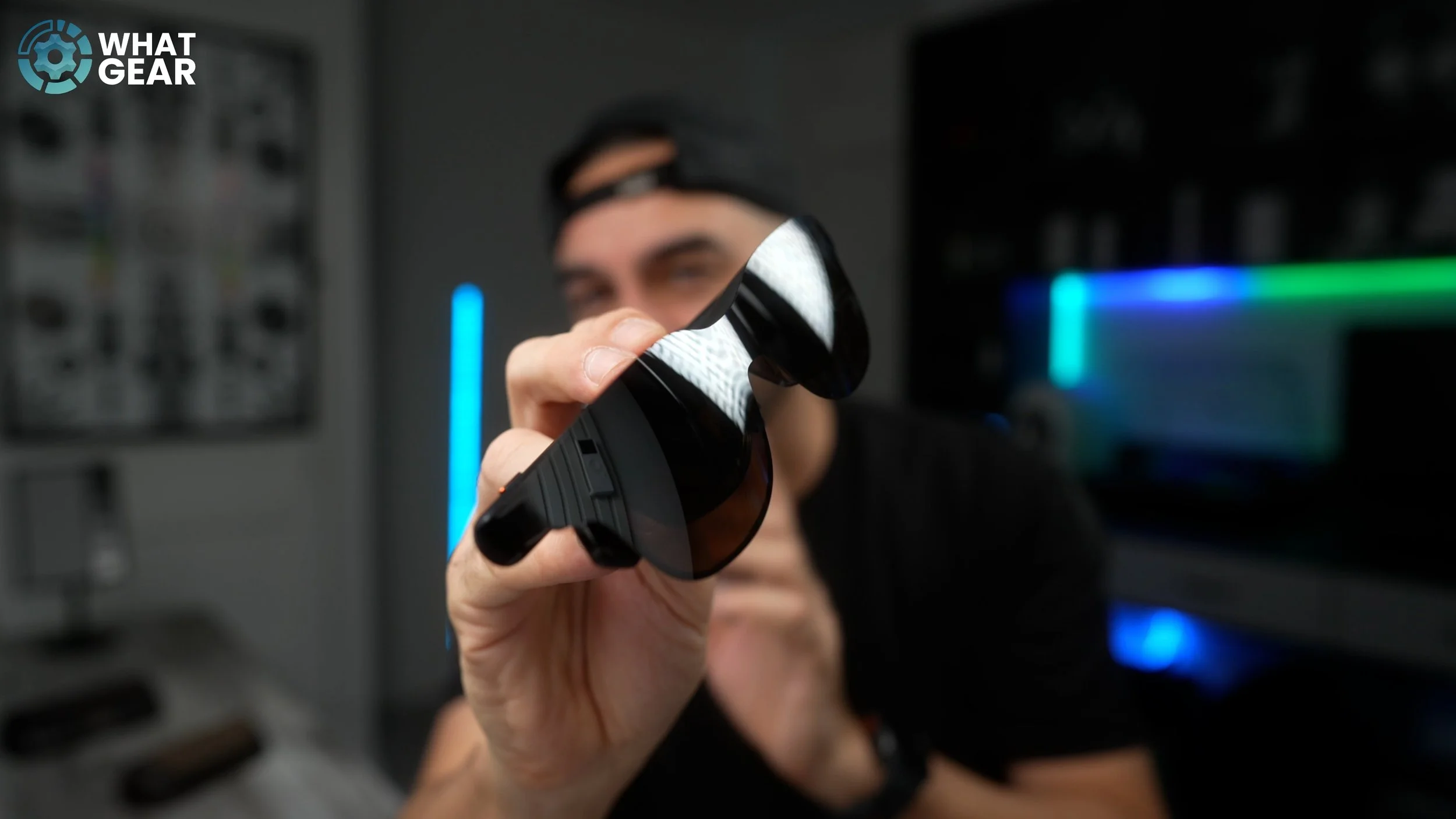
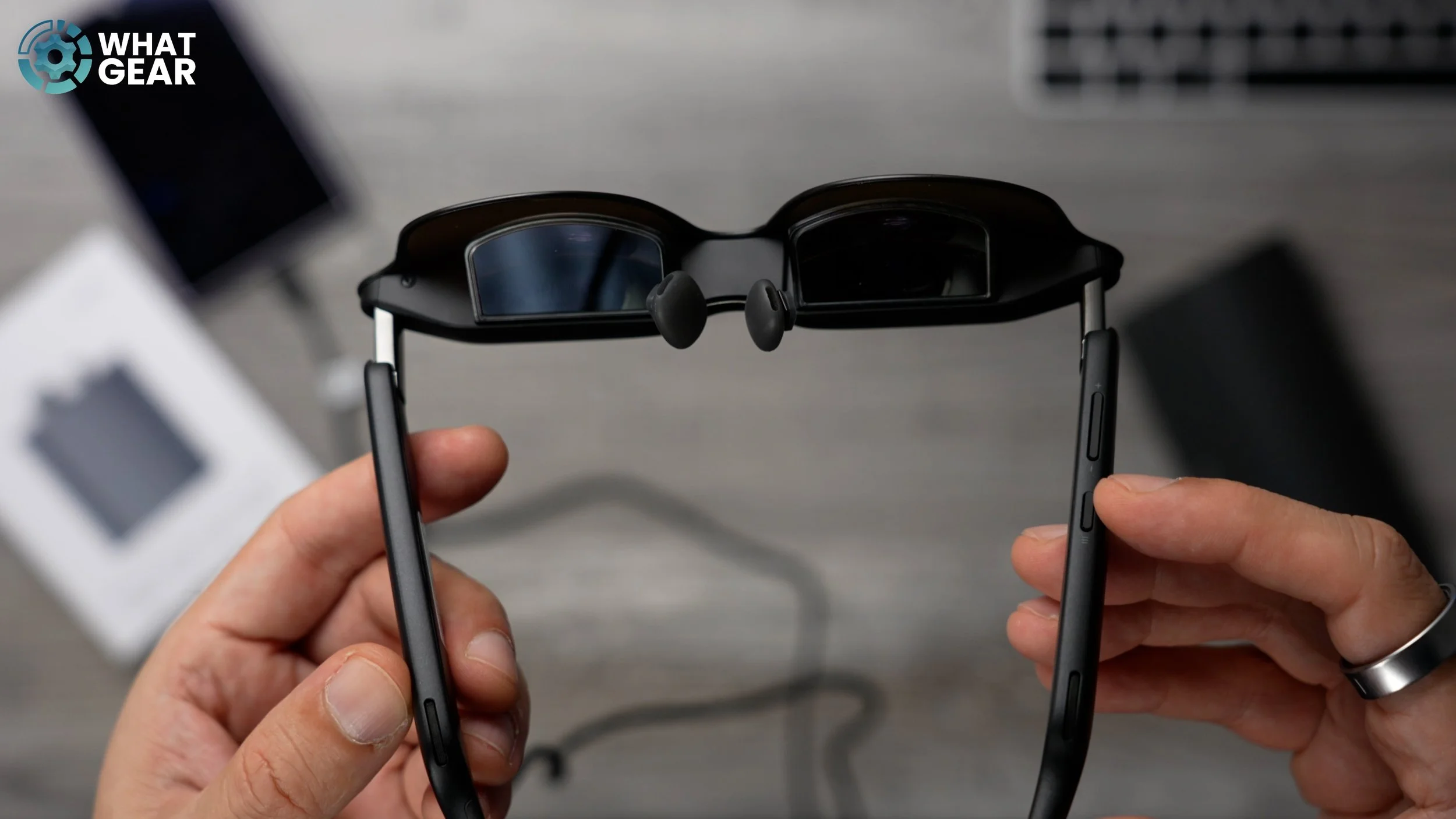
At 78 grams, these are noticeably heavier than the original Ray-Ban Meta Wayfarers, which weigh approximately 49 grams. But RayNeo uses prism optics, interchangeable nose pads and anti-slip temple pads to help improve the fit. The real question is whether you can comfortably wear them for an entire movie. Now, remember that really important thing I mentioned at the beginning? Before buying these glasses, you need to know your interpupillary distance, or IPD. That's the distance between the centres of your pupils.
The GT Max comes in three optical sizes:
- Small: below 64 millimetres
- Medium: 64 to 67 millimetres
- Large: above 67 millimetres
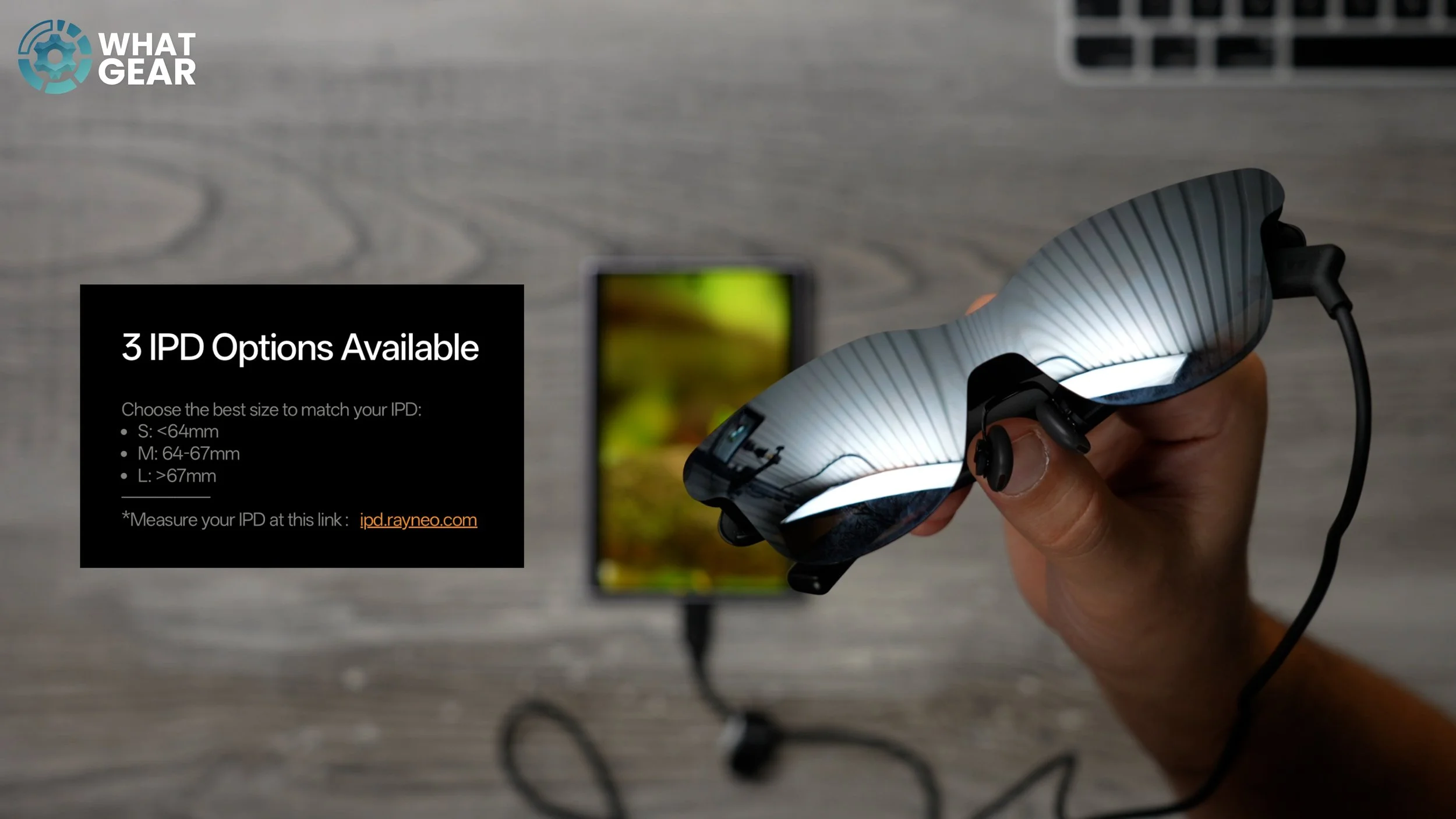
And here's the important bit: you need to choose your size when buying them. You can't simply adjust the optical spacing afterwards. RayNeo has an online IPD measurement tool, which I'll link in the description. Choosing the wrong size could affect both clarity and comfort. There's another practical consideration, too. The GT Max draws power from your connected device, so how much battery life will it actually use? RayNeo also offers an optional USB-C Charging Adapter for approximately £35 in the UK, allowing compatible devices to charge while you're using the glasses. And that brings us to another important buying question.
What Phones, Consoles and Devices Work With the RayNeo GT Max?
The good news is that the GT Max works with quite a few devices. But here's the key thing to check. Your USB-C port needs to support DisplayPort Alt Mode, meaning it can output video, not just charge. That includes compatible Samsung Galaxy flagships, supported Pixel phones, compatible USB-C iPhones, iPads, MacBooks and gaming handhelds like the Steam Deck. But don't assume every USB-C device will work. Some phones have exceptions, so check the exact model before buying.
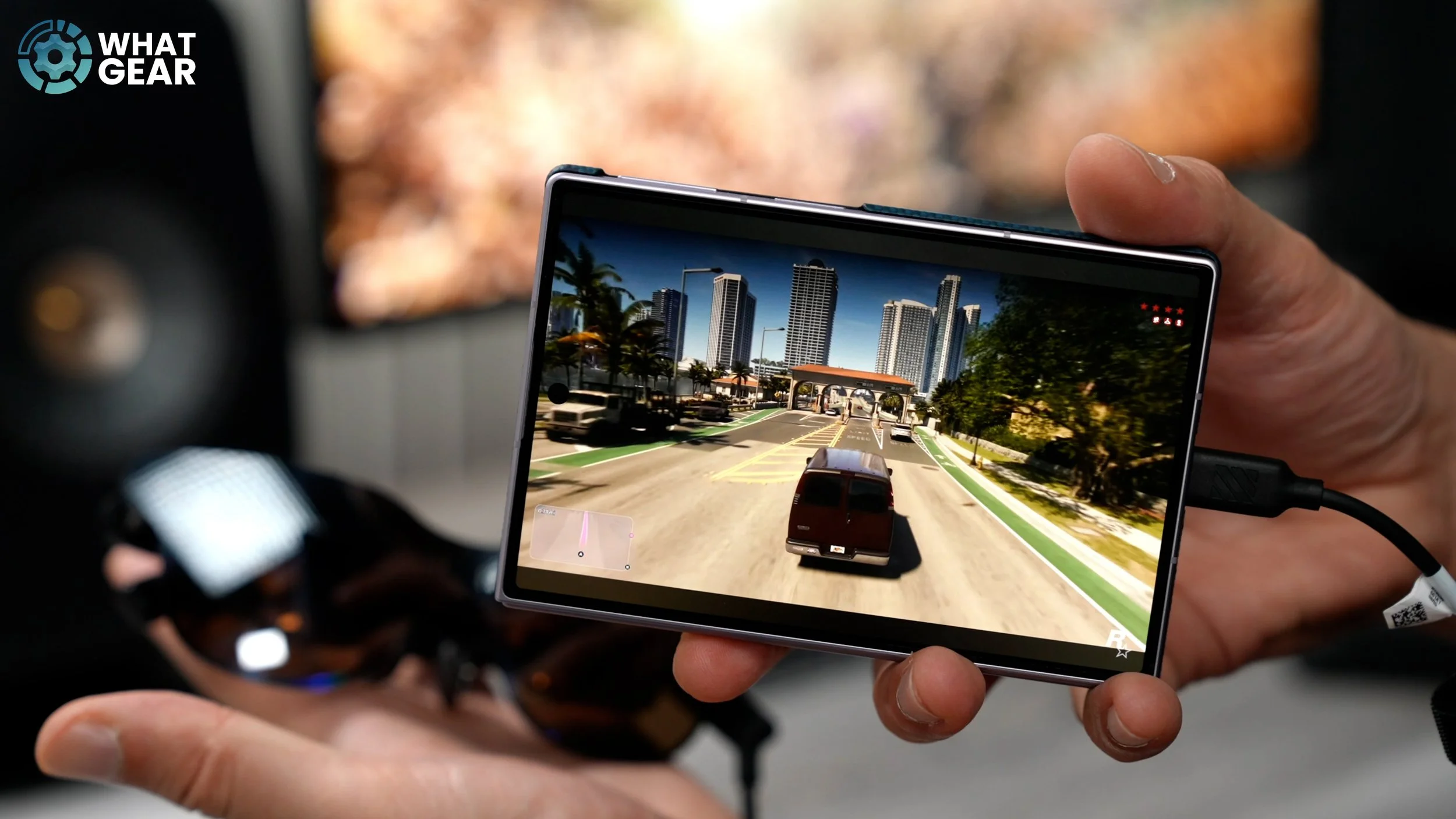
If you've got a PS5 or Xbox, you'll need a compatible HDMI-to-USB-C video adapter. RayNeo offers an HDMI Adapter for approximately £55 in the UK, which also requires USB-C power. And that's different from the charging adapter we mentioned earlier. So you can use these glasses with plenty of devices. But what happens when you take them outside?
Can You Use the RayNeo GT Max Outdoors?
You might be wondering whether the GT Max is usable outdoors, especially on a bright sunny day. Some reviewers have reported surprisingly good results, with the virtual screen remaining visible in daylight. Of course, brighter surroundings can make the image harder to see clearly. RayNeo also offers an optional GT Max Lens Shade, designed to block surrounding light and improve perceived contrast. It costs approximately £19 in the UK and is sold separately from the standard glasses package.
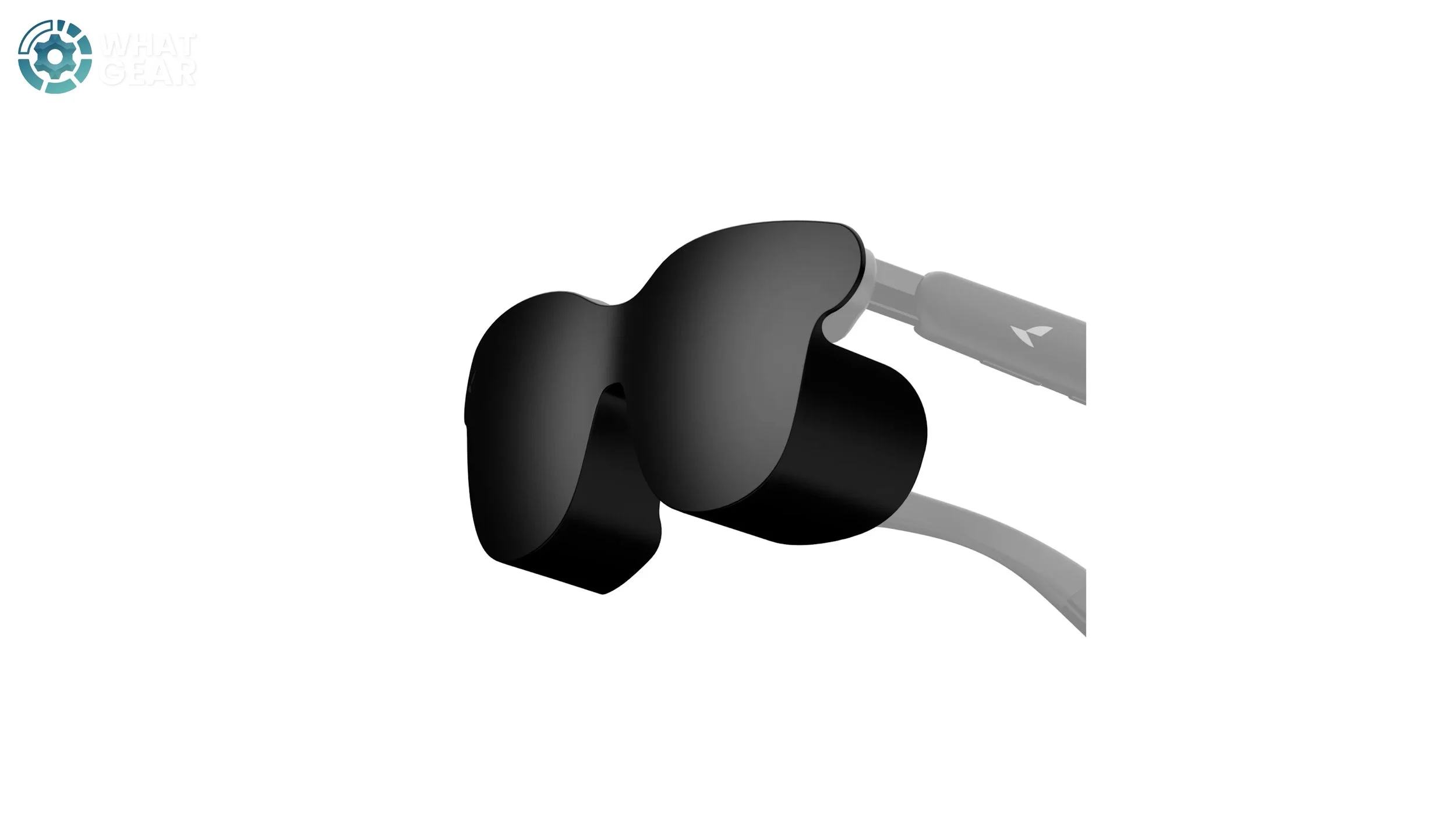
And what about walking around while wearing them? Well, unlike a VR headset, you can still see the real world through the lenses. But with a virtual screen floating in front of your eyes, I wouldn't recommend watching a movie while navigating busy streets. These are primarily entertainment glasses, not a replacement for everyday navigation glasses. Now, let's get to one of the features I've been particularly curious about.
Can the RayNeo GT Max Play 3D Movies and Convert 2D Videos to 3D?
Remember earlier when I said gaming on a giant virtual screen was impressive, but things get even more interesting when you introduce a third dimension? Well, the GT Max can display genuine stereoscopic 3D movies, provided you've got a compatible 3D video file and a device that supports video output. You don't need a special AI-compatible processor for that. The catch is that genuine 3D movies aren't particularly easy to find these days. You can't simply open Netflix and expect a library of 3D films.
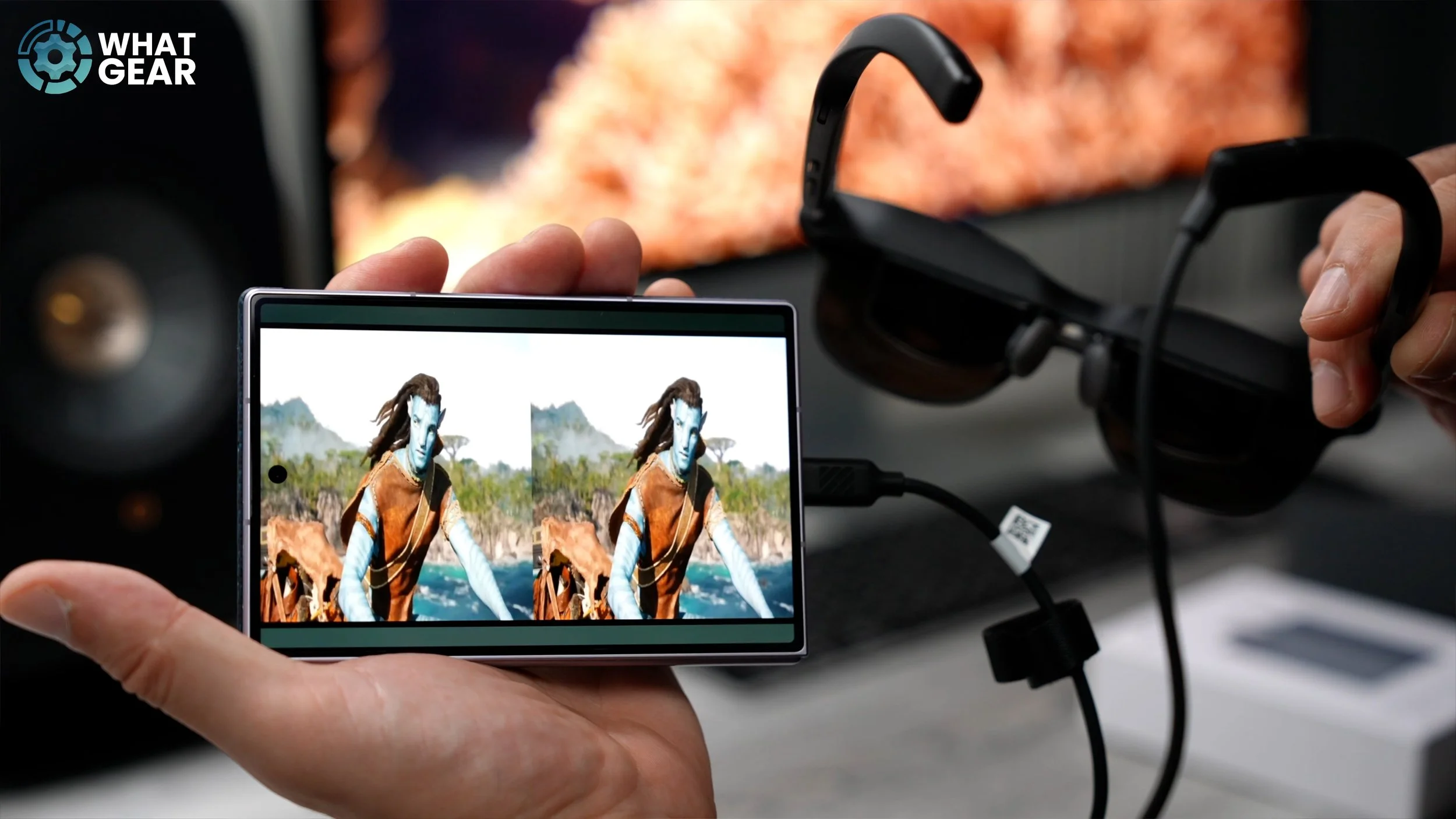
But here's where things get interesting. RayNeo also offers AI 2D-to-3D conversion, which can take ordinary videos and generate a simulated sense of depth. Essentially, it analyses the footage and creates different perspectives for your left and right eyes. There are some compatibility requirements. On Android, you'll need a supported Snapdragon 8 Gen 2 processor or newer, plus USB-C DisplayPort video output.
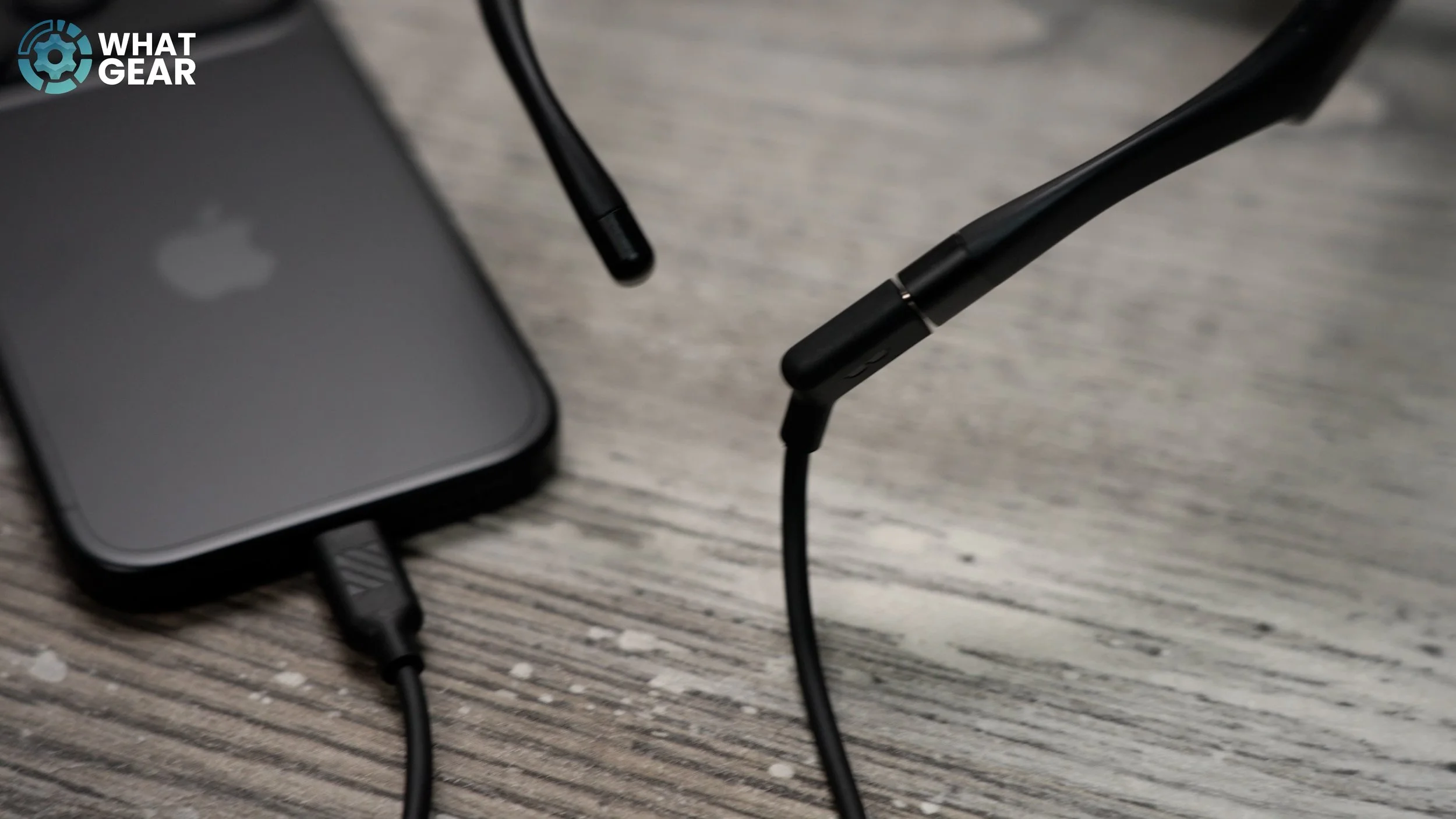
On iPhone, you'll need a model with compatible USB-C video output and RayNeo app support. And AI conversion doesn't necessarily work with protected streaming content. And what about gaming in 3D? Unfortunately, AI conversion doesn't currently extend to live gaming. So you can't simply turn every game into a 3D experience. Compatible games that already output stereoscopic 3D may work, but official platform and format support still needs confirmation from RayNeo.
Can You Get Prescription Lenses?
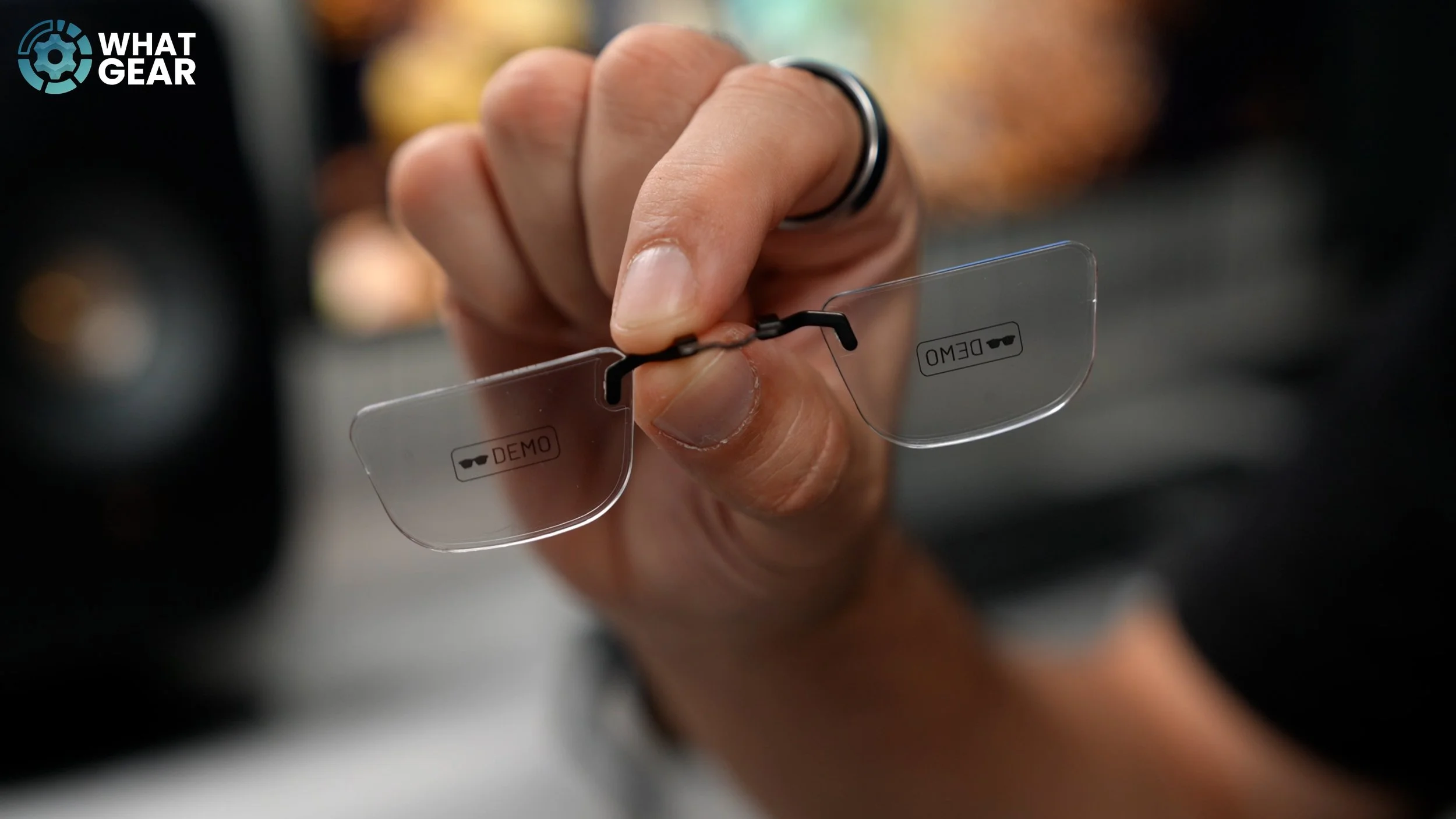
Yes, you can! RayNeo offers prescription lens inserts through Lensology. They clip into the glasses and are listed at approximately £95 in the UK. I'll leave a link in the description so you can check pricing, availability and compatibility with your prescription.
Does the RayNeo GT Max Leak Sound?
Now, here's a question that could make or break the experience, especially if you're planning to use these on a plane. Can the person sitting next to you hear what you're watching? The GT Max has four open-ear speakers tuned by Bang & Olufsen. Early reviews suggest dialogue is clear, although bass isn't particularly powerful. But RayNeo has also included Whisper Mode 2.0, designed to reduce sound leakage.
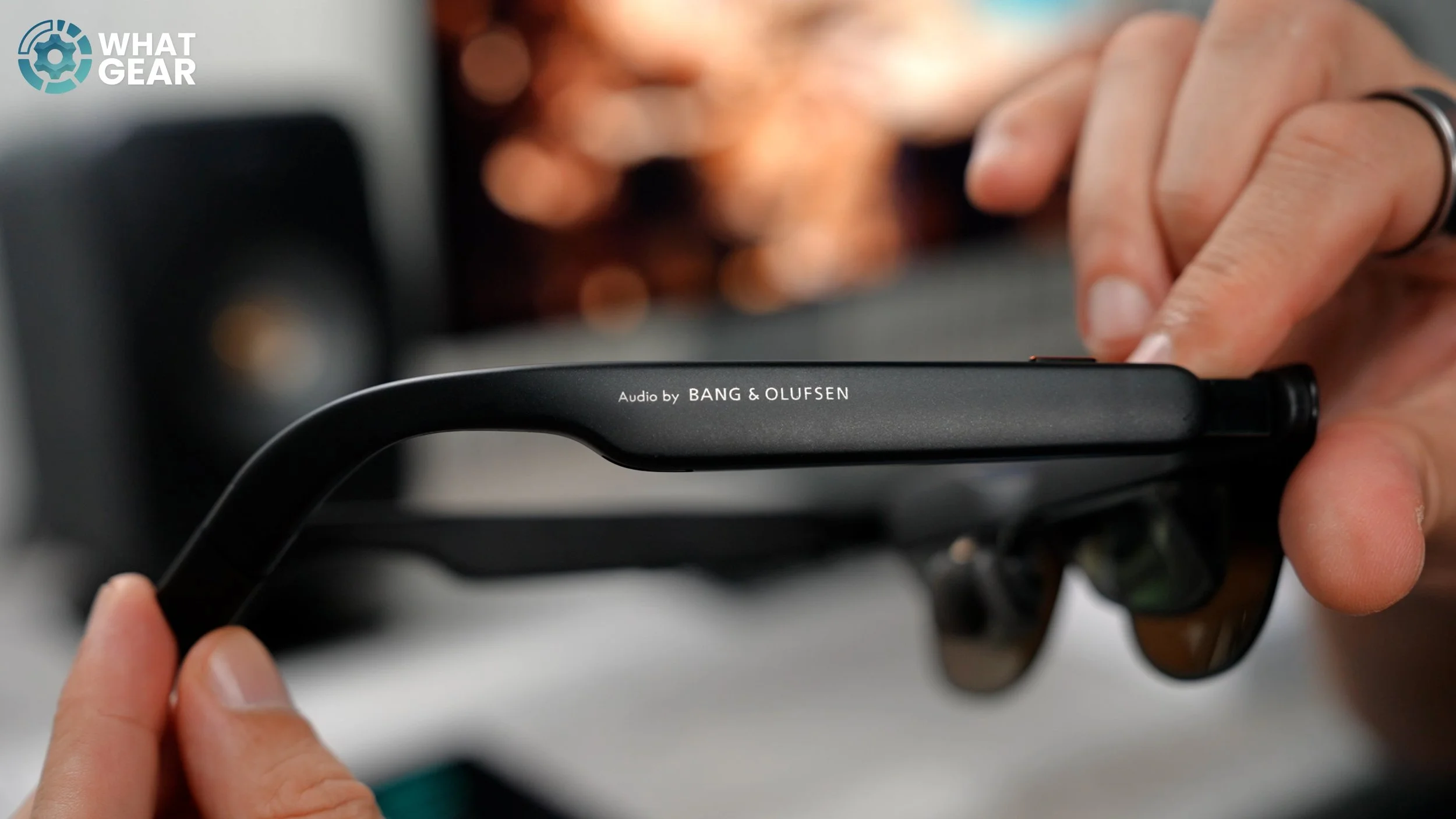
So let's put that to the test. And if you want more private listening, you can use headphones connected to your source device, provided it supports simultaneous video and Bluetooth audio. But what if you want to change the experience without constantly reaching for your phone?
What Do the RayNeo GT Max Buttons Do?
Finally, how much can you control directly on the glasses? Well, the GT Max has physical controls for adjusting volume and display settings. You can also switch between different spatial modes and activate Whisper Mode. But there's also the RayNeo XR app, which adds another layer of functionality. We've already covered AI 3D conversion, but the app also supports compatible media playback, spatial photos, device settings and firmware updates.
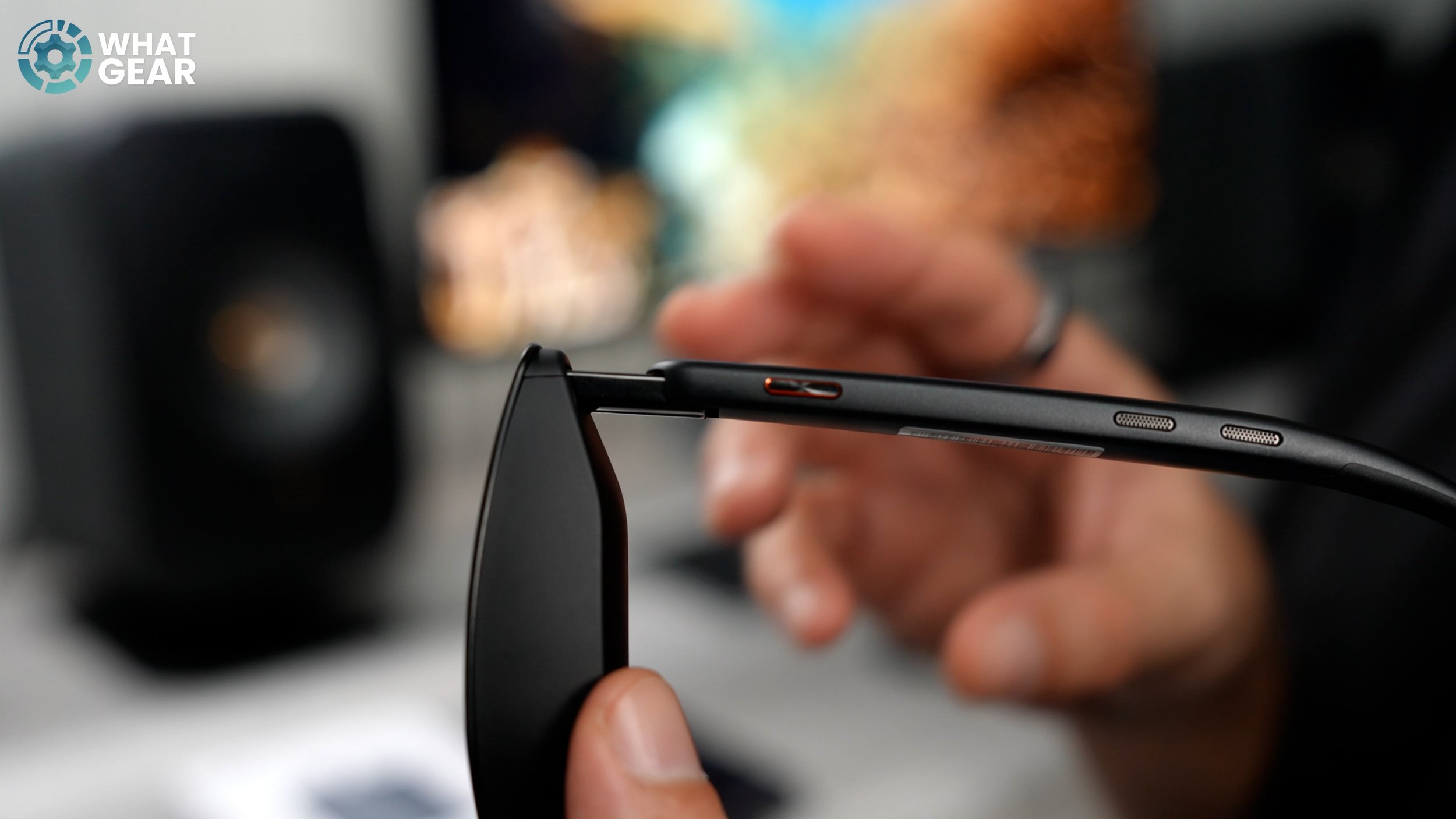
And here's something particularly useful. Eco Mode lets your phone screen dim while video continues playing through the glasses, potentially helping to save battery. There's also an automatic screen-dimming feature during screen casting. So you don't need the app for basic screen mirroring, but it's worth exploring if you want to get more out of the GT Max.
Does It Support Dolby Vision?
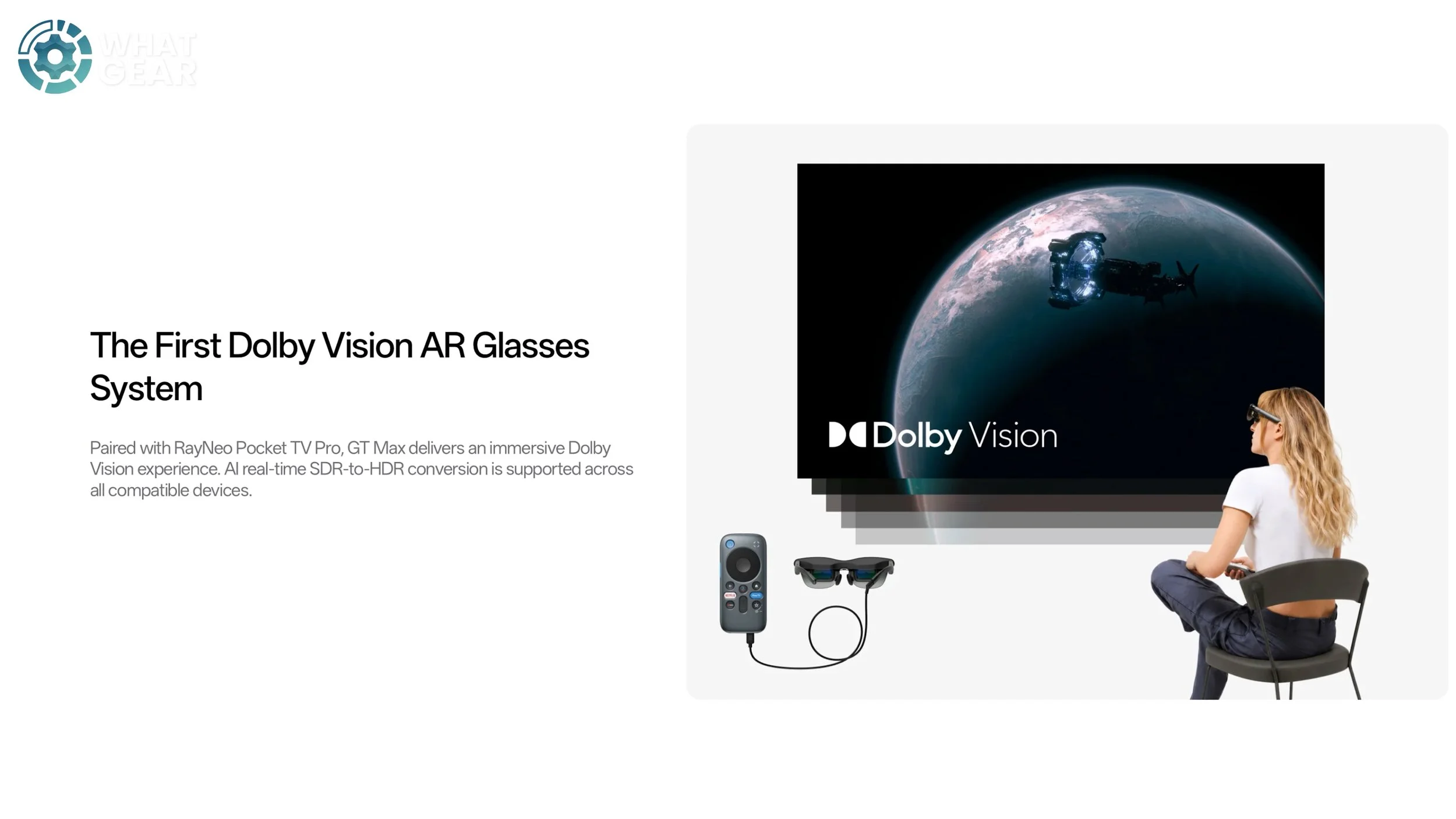
RayNeo offers an optional Pocket TV Pro accessory. Paired together, RayNeo promotes this setup as "The World's First Dolby Vision AR Glasses System with Pocket TV Pro." It enables Dolby Vision playback and expanded streaming capabilities directly through the glasses.
How Does the GT Max Compare to the Standard RayNeo GT?
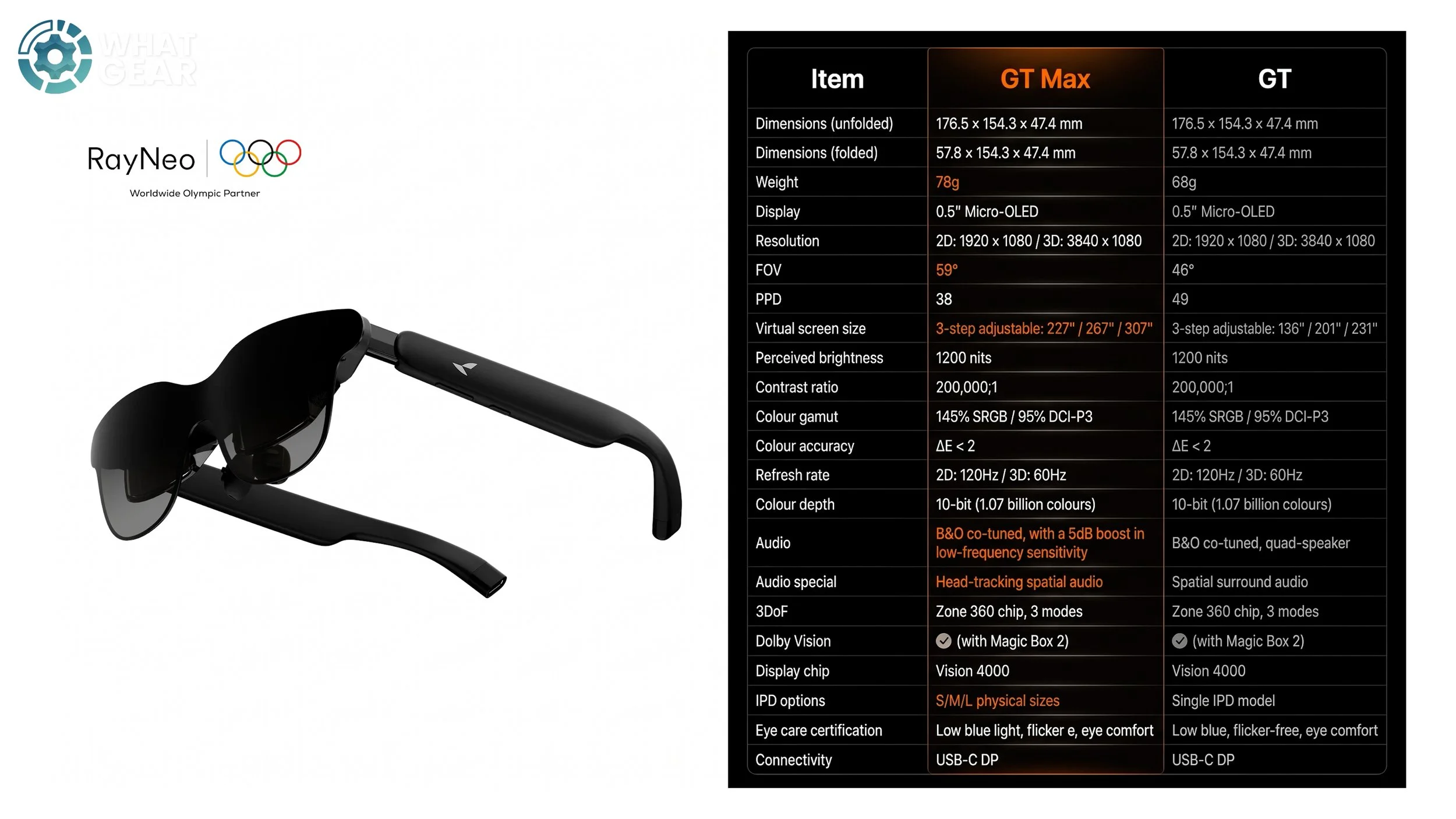
If you're wondering how the GT Max compares to the standard RayNeo GT, the base GT model is lighter, smaller, more affordable, and still offers native 3DoF tracking in its price range, making it a great option if you prefer a more compact setup.
So, after answering ten of the biggest questions about the RayNeo GT Max, who are these glasses actually for? Well, the appeal is pretty clear. If you love watching movies, gaming on a huge screen or having a portable display when travelling, there's something genuinely exciting about carrying an enormous virtual screen in your pocket. But they're not trying to replace your everyday glasses, and they're not a full mixed-reality headset. They're a wearable entertainment display. And whether they're worth buying comes down to three things.
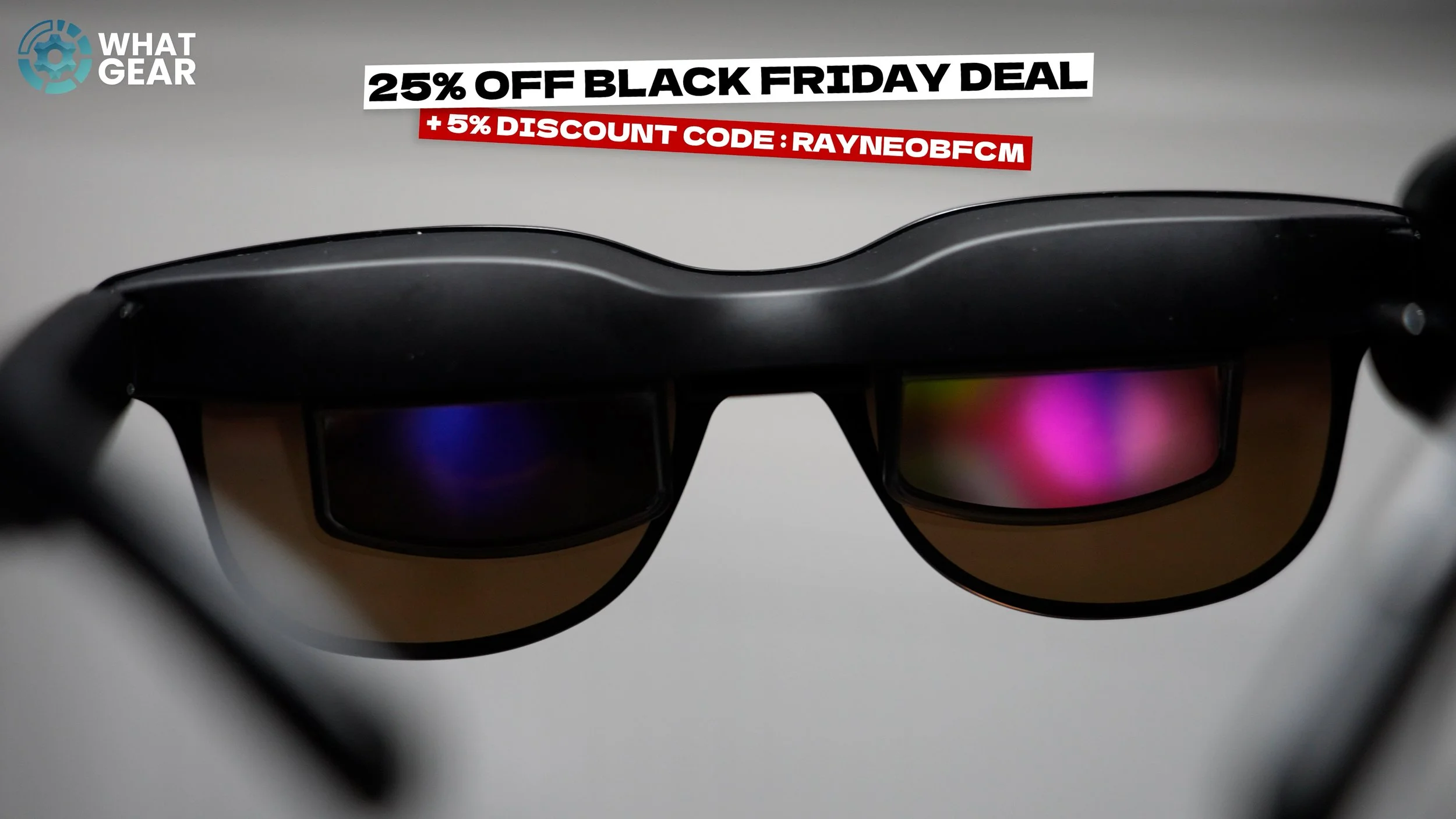
How impressive the picture looks, how comfortable they feel, and whether your devices support the features you actually want. If you're considering picking up a pair, right now you can get up to 25% off during the Black Friday deal, plus a BOGO giveaway with limited spots available! Be sure to use the universal discount code RAYNEOBFCM for an extra 5% off across all products. And I'd love to know… would you rather watch movies on a massive virtual screen like this, or would you still prefer a traditional TV?