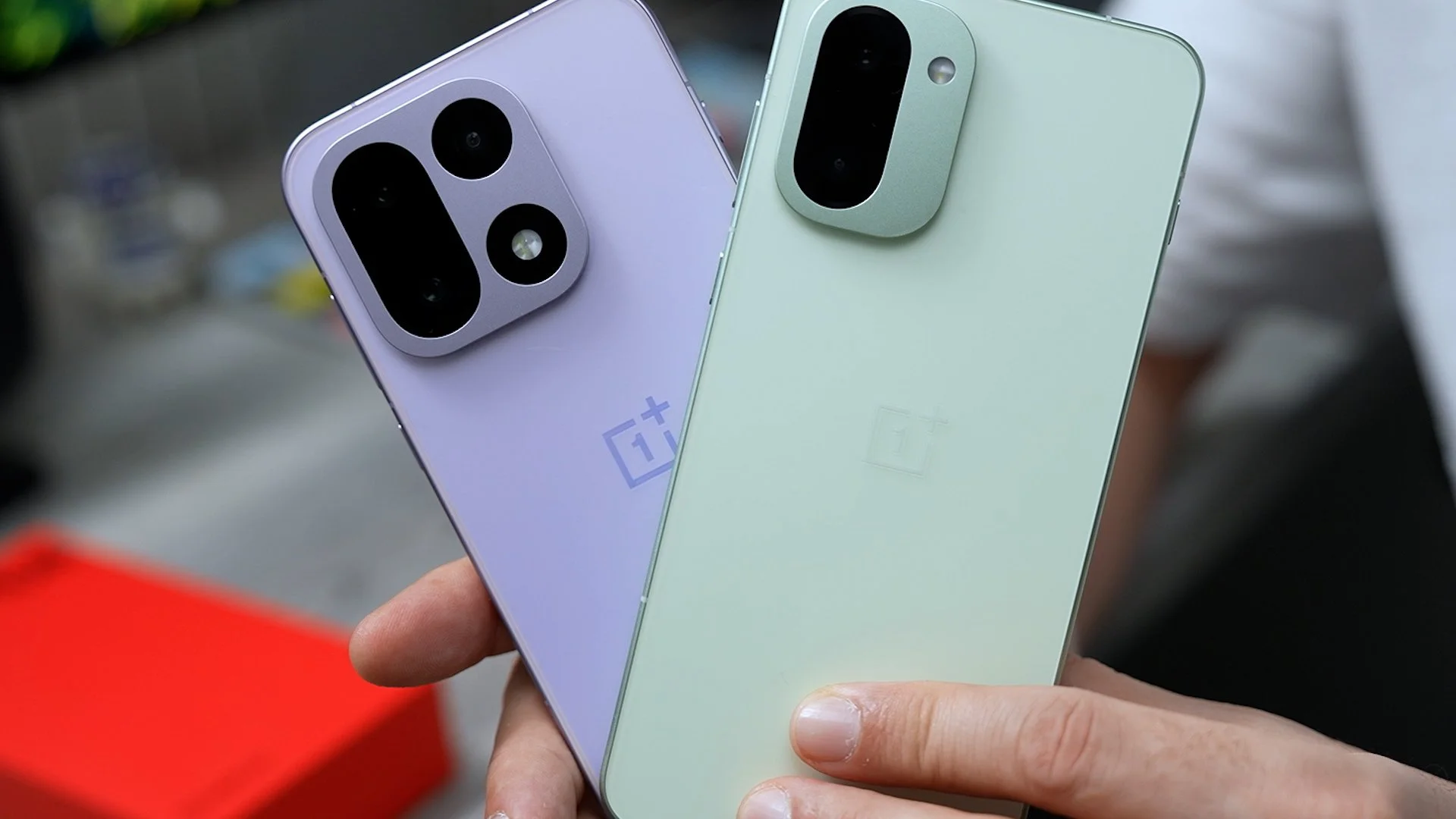
What OnePlus DIDN’T Tell You: 15R vs OnePlus 15 Comparison
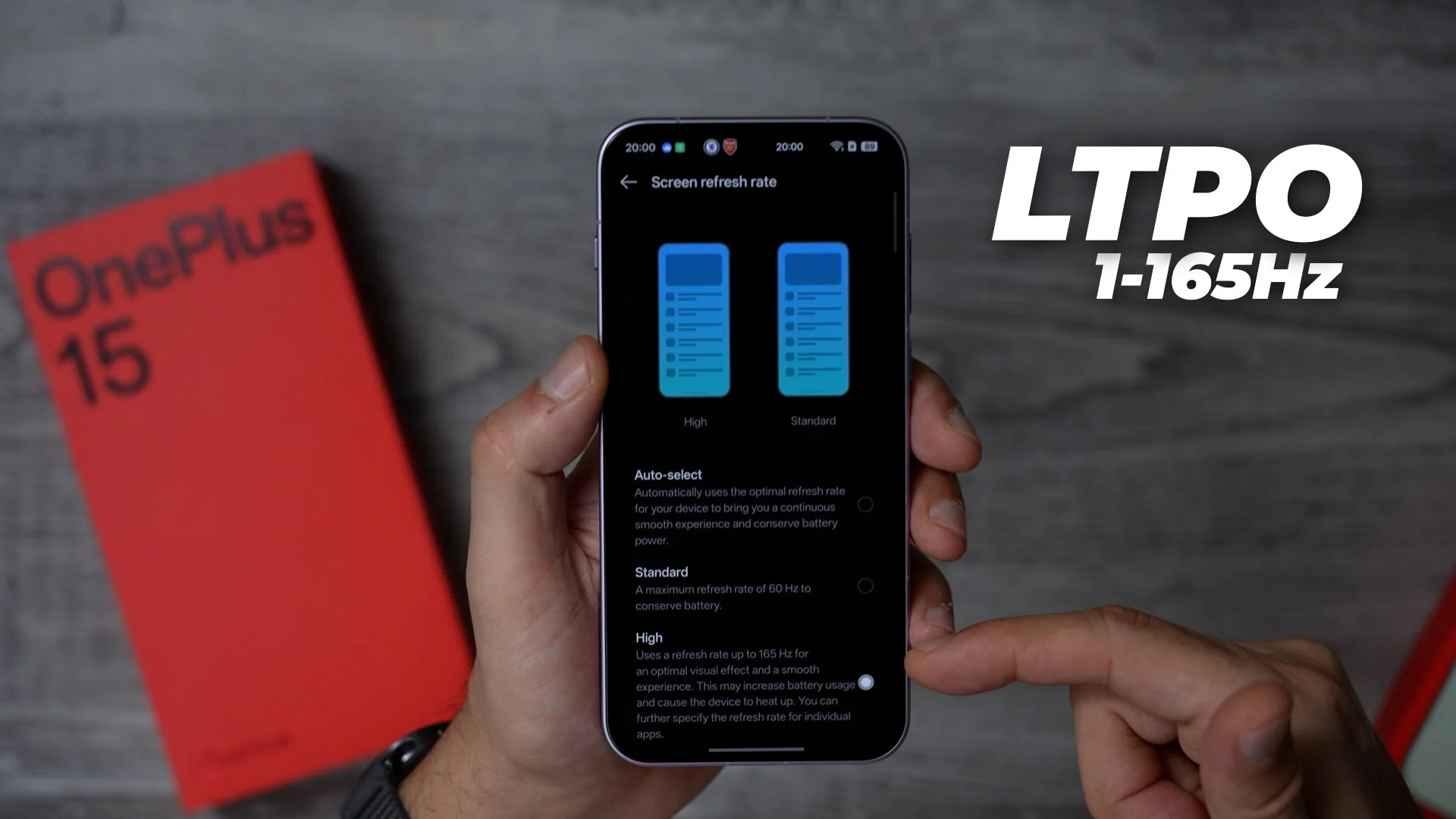
If you’re thinking about getting a OnePlus 15R or considering splashing the cash on the flagship OnePlus 15, here are the key differences you need to consider before making a decision. Both displays are FHD+ 165Hz 10-Bit AMOLEDs with the same PPI and a peak brightness of 1,800 Nits. The difference here is that while the 15R’s display can jump between 60/90/120/144/165Hz, the 15 has an advantage as it uses an LTPO display that can gradually scale from 1Hz up to its peak of 165Hz. This superior display also has better brightness control, making it more power-efficient.
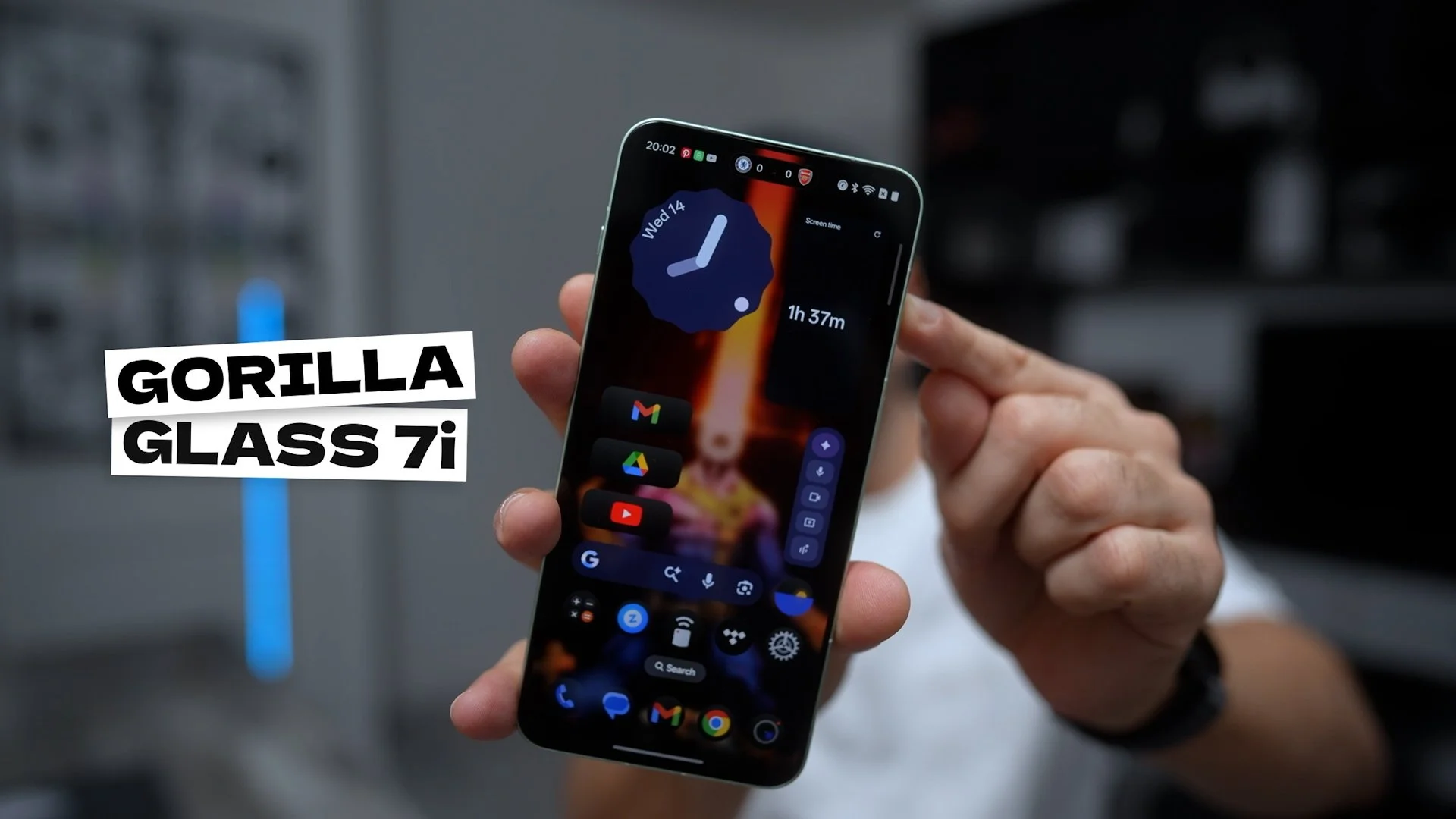
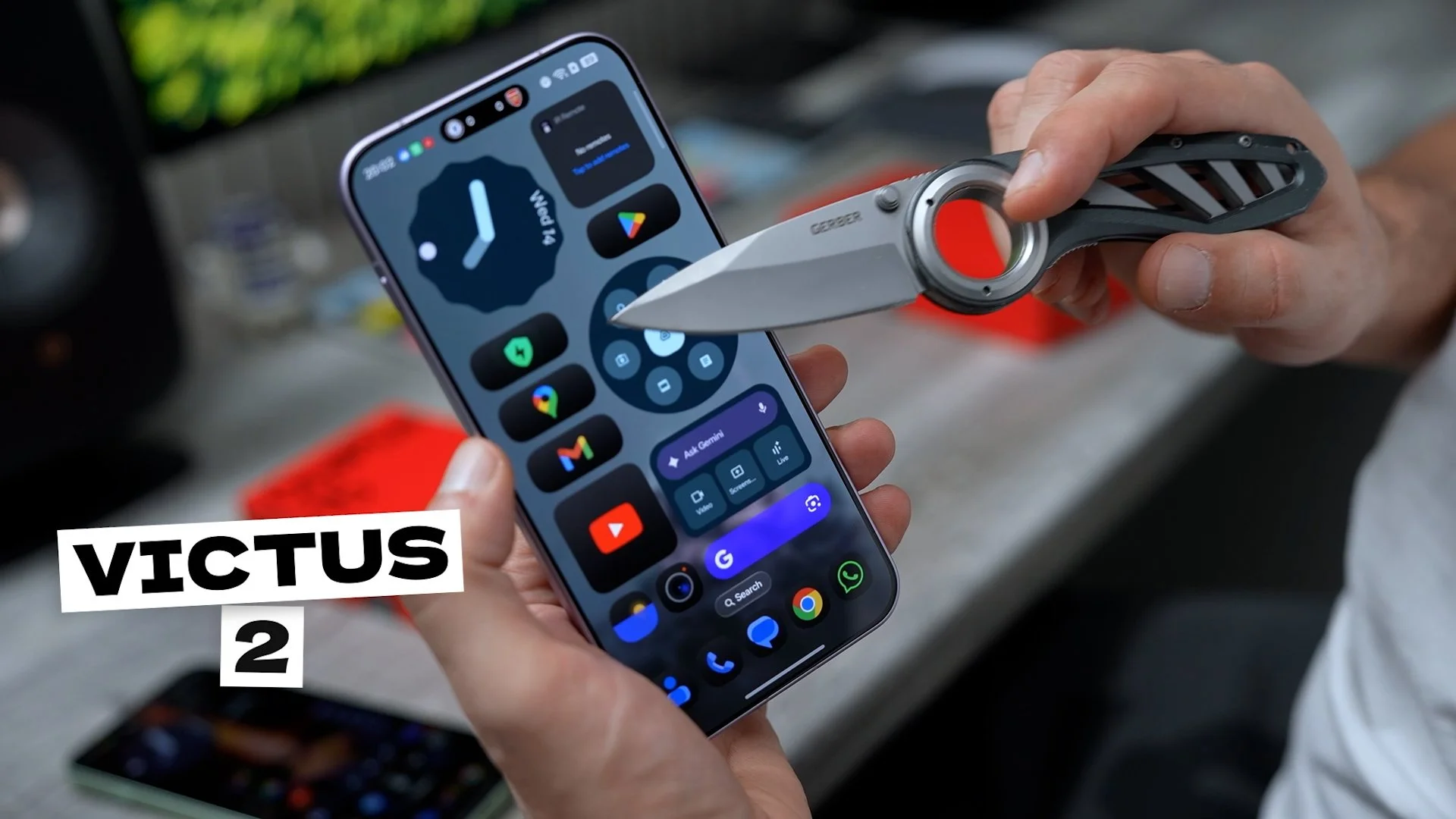
The glass used on the front of the 15R is a respectable, but mid-range, Corning Gorilla Glass 7i, while the flagship 15 uses Corning Gorilla Glass Victus 2, which offers better drop resistance and is said to be twice as scratch-resistant. The OnePlus 15R has one advantage with its larger 7,400mAh silicon-carbon battery; the 15 has a similar but smaller 7,300mAh battery. However, the flagship 15 charges faster at speeds up to 120 Watts versus the 80 Watts on the 15R. This difference is likely due to the USB-C 2.0 port used on the 15R and the USB-C 3.2 Gen 1 port used on the 15.
With that said, both are faster than the current iPhone. Another difference is that the 15R lacks wireless charging, whereas the flagship 15 supports up to 50 Watts wirelessly. Both phones use premium materials, with the more expensive 15 having some interesting options on its Sandstone variant that uses a fiberglass composite with MicroArc Oxidation (MAO) coated metal for enhanced durability. Both phones also have official IP69 and IP69K dust and water resistant ratings, which is much higher than the best-selling phones out there today.
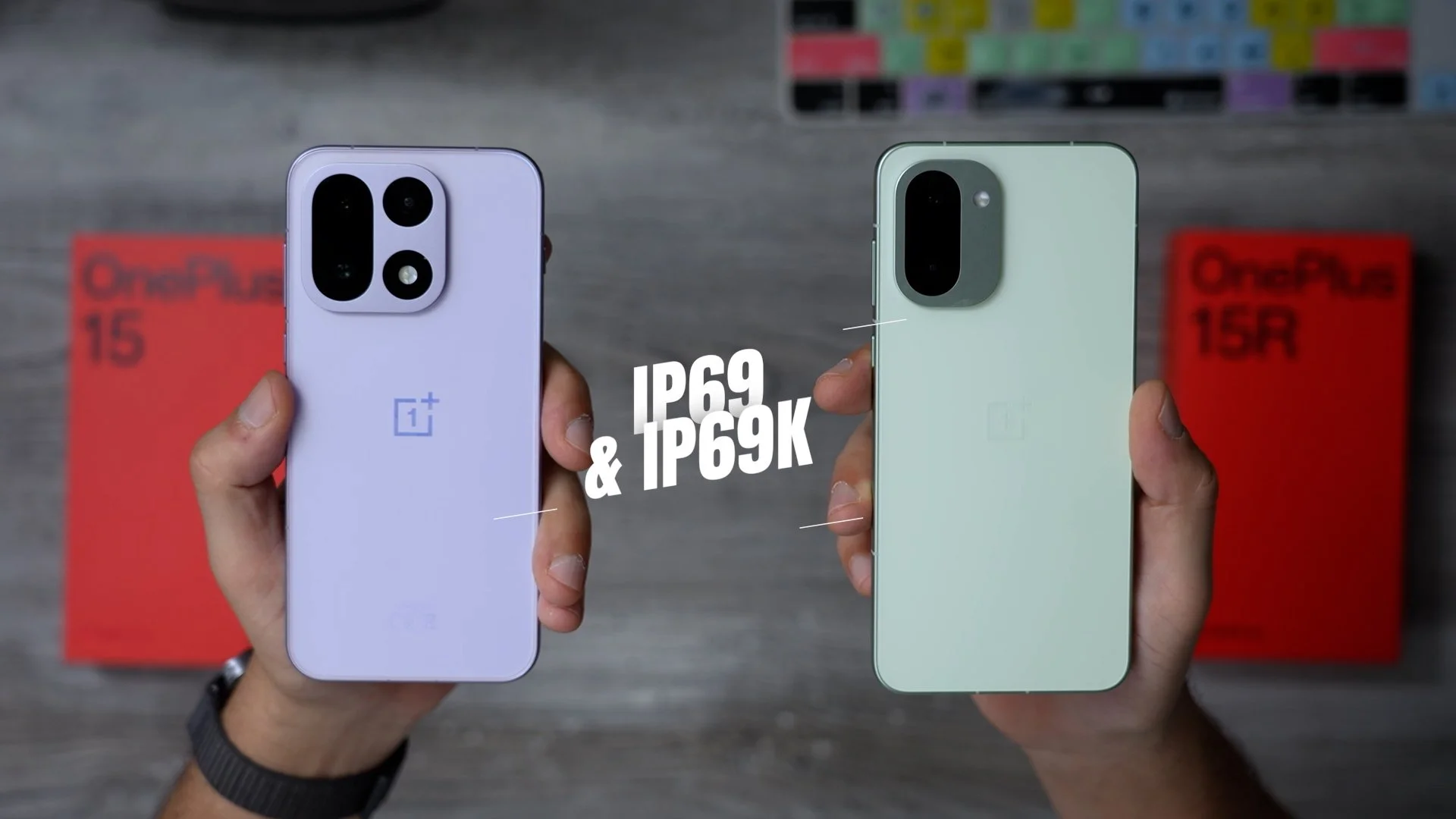
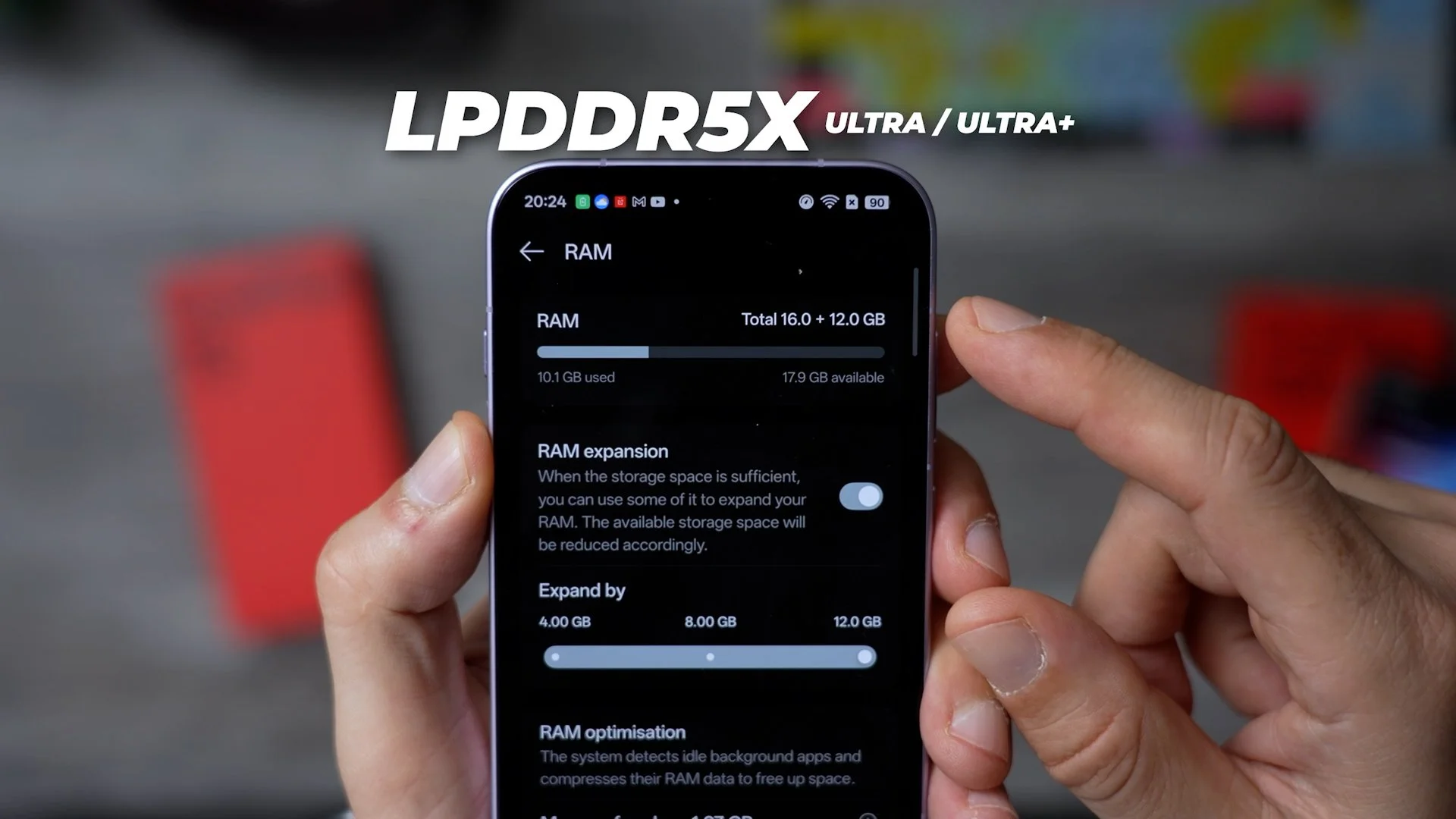
But the biggest difference of all is their chipsets. The 15R has the Snapdragon 8 Gen 5, which is very impressive and actually beats the OnePlus 15’s Snapdragon Elite off the mark in Ray Tracing extreme benchmark tests. However, the Elite chip in the 15 delivers a much more consistent performance over time and runs cooler over the 20-minute stress test. There are a few more subtle differences that most people will miss. Where both phones have 256GB or 512GB ROM options with 12GB of RAM, the 15 goes one step further with its LPDDR5X Ultra & Ultra Plus RAM on the 16GB version. The 15R uses a standard version of this, which is still flagship-level but not quite as fast.
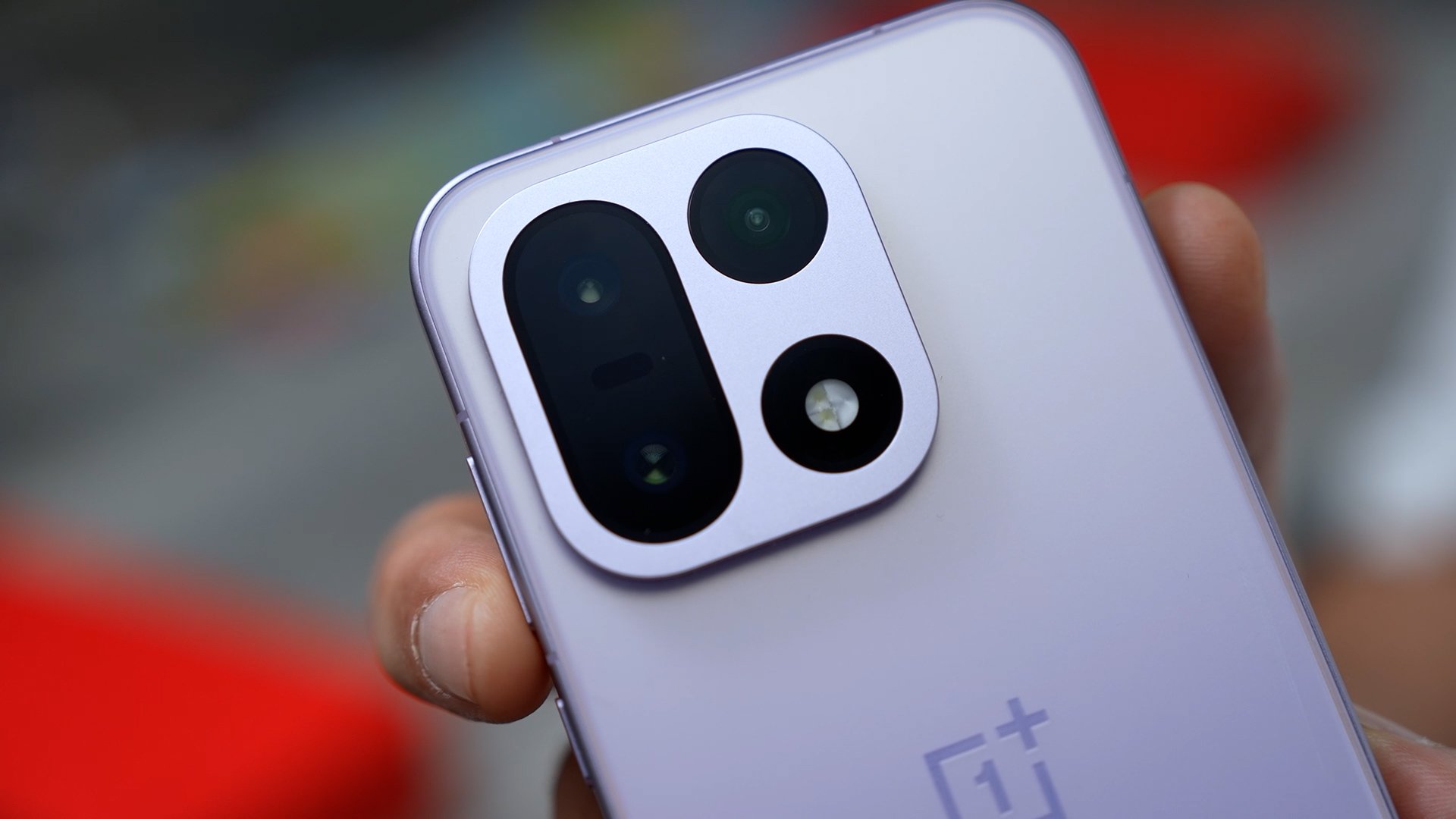
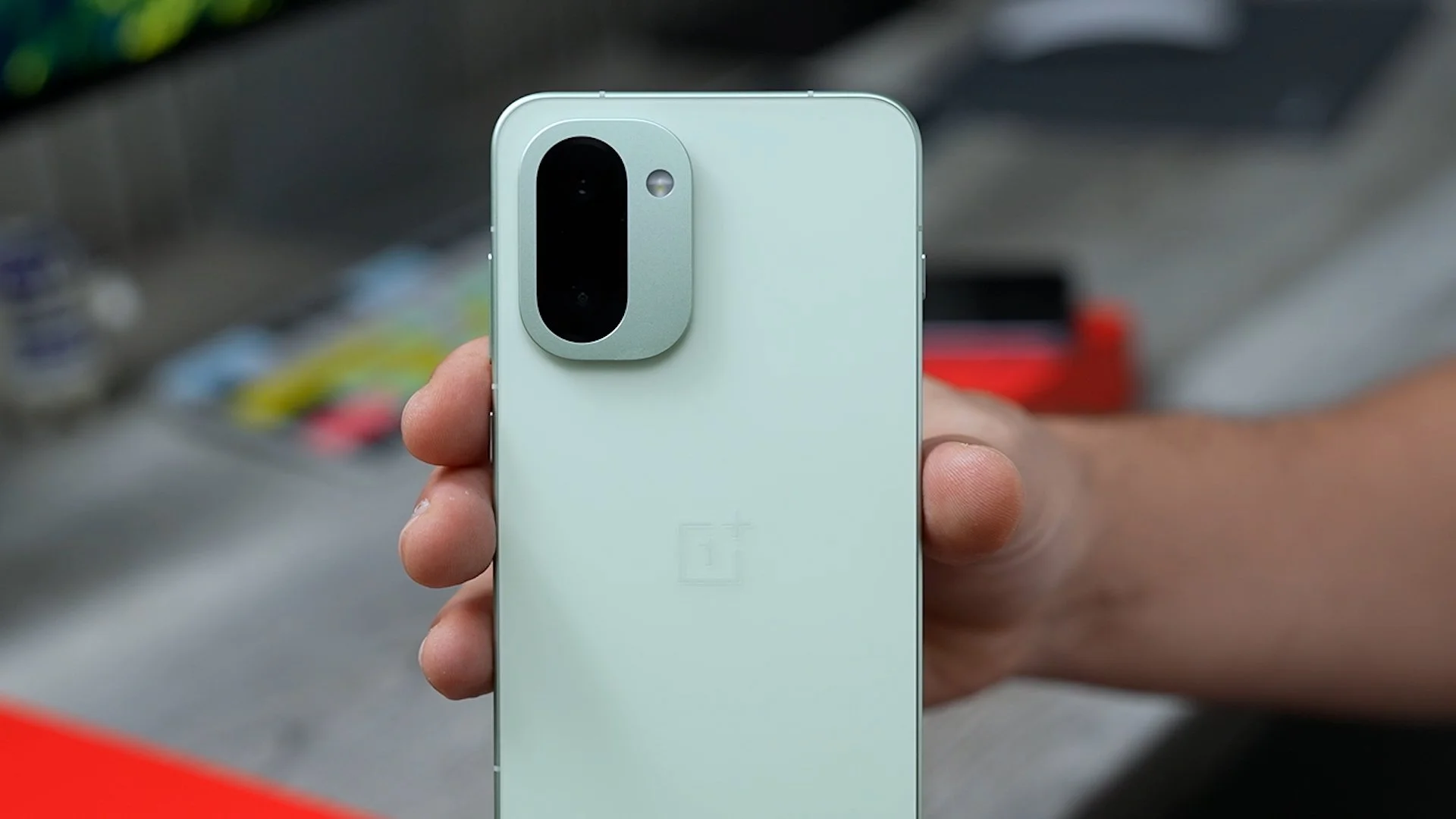
The camera hardware is identical regarding the primary camera on the back. They both use the same 50MP sensor and lens setup with OIS (Sony IMX906 image sensor). However, due to the difference in chipsets, the 15 has a slight edge in Image Signal Processing (ISP), which comes into play in low-light photos and HDR scenes. A big difference between the two is the number of cameras. The 15 has three cameras on the back, all of which use 50MP sensors, whereas the 15R has two, the second of which is an 8MP ultrawide. The additional telephoto lens on the 15 allows for 3X lossless zoom, while the 15R uses a primary sensor crop for its zoom.
The selfie cameras are both 32MP; however, the flagship model uses a more premium Sony IMX706 sensor behind its lenses. Video capabilities are also different, with the 15 being able to shoot up to 8K 30FPS, and the 15R maxing out at 4K 120FPS. A couple more differences worth noting are that the flagship model supports Wi-Fi 6 and Qualcomm's AptX Adaptive BT codec, which the 15R does not. The 15 also has some additional sensors, including a Hall sensor, laser focusing, and spectral sensors for the cameras on the rear, as well as a barometer. And, of course, there is the price difference between them, which is currently £350.