Bowers & Wilkins PX8 S2 vs PX7 S3 - What's The Difference?
How long has it been since B&W released the PX8? It was 3 years ago. But now finally, the new Bowers & Wilkins ANC champ is here… they're called the PX8 Series 2. I might as well rip the band-aid off real quick. There are two colours: warm stone and onyx black price on the PX8 S2 is likely to be £629 at launch. Making them £230 more expensive than the recently released & award-winning B&W PX7 S3.
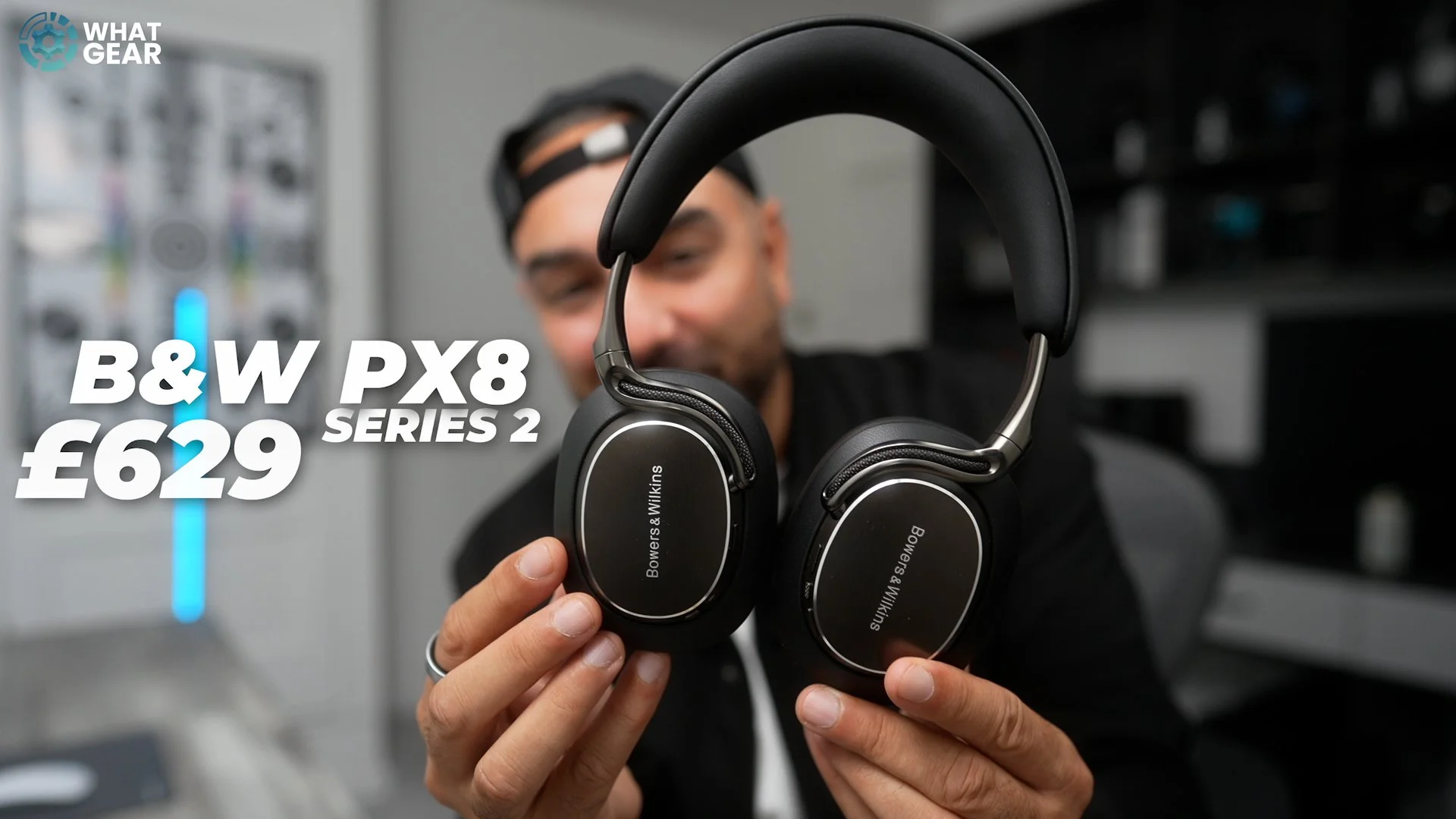
So you have questions. Why are they so expensive? What can they do that the PX7 S3 does not? And ultimately, should you save the money and go for the PX7 S3, or are the PX8 S2S the new pound-for-pound champ when it comes to noise cancelling? Well, you're about to find out.
DESIGN DIFFERENCE
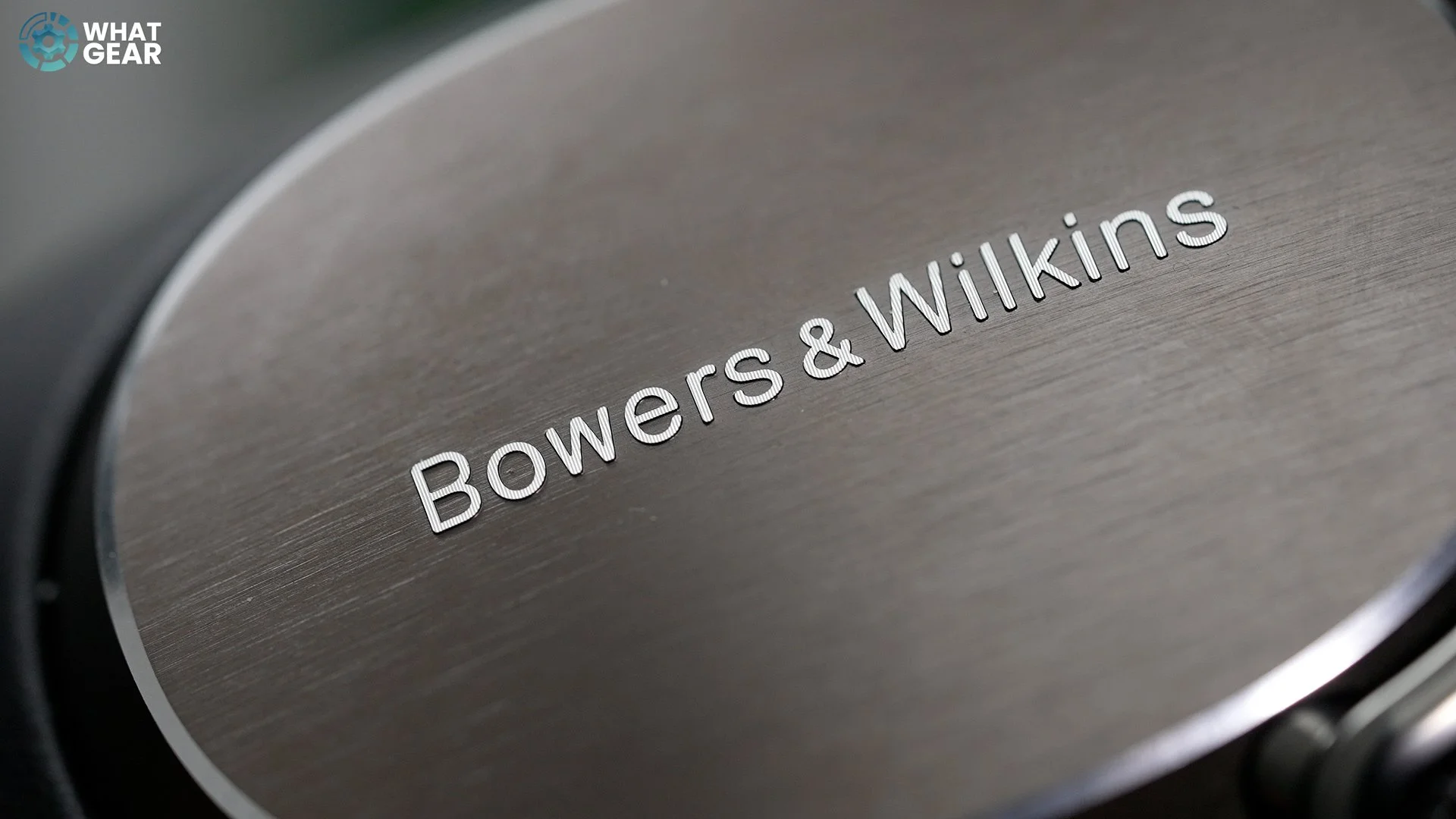
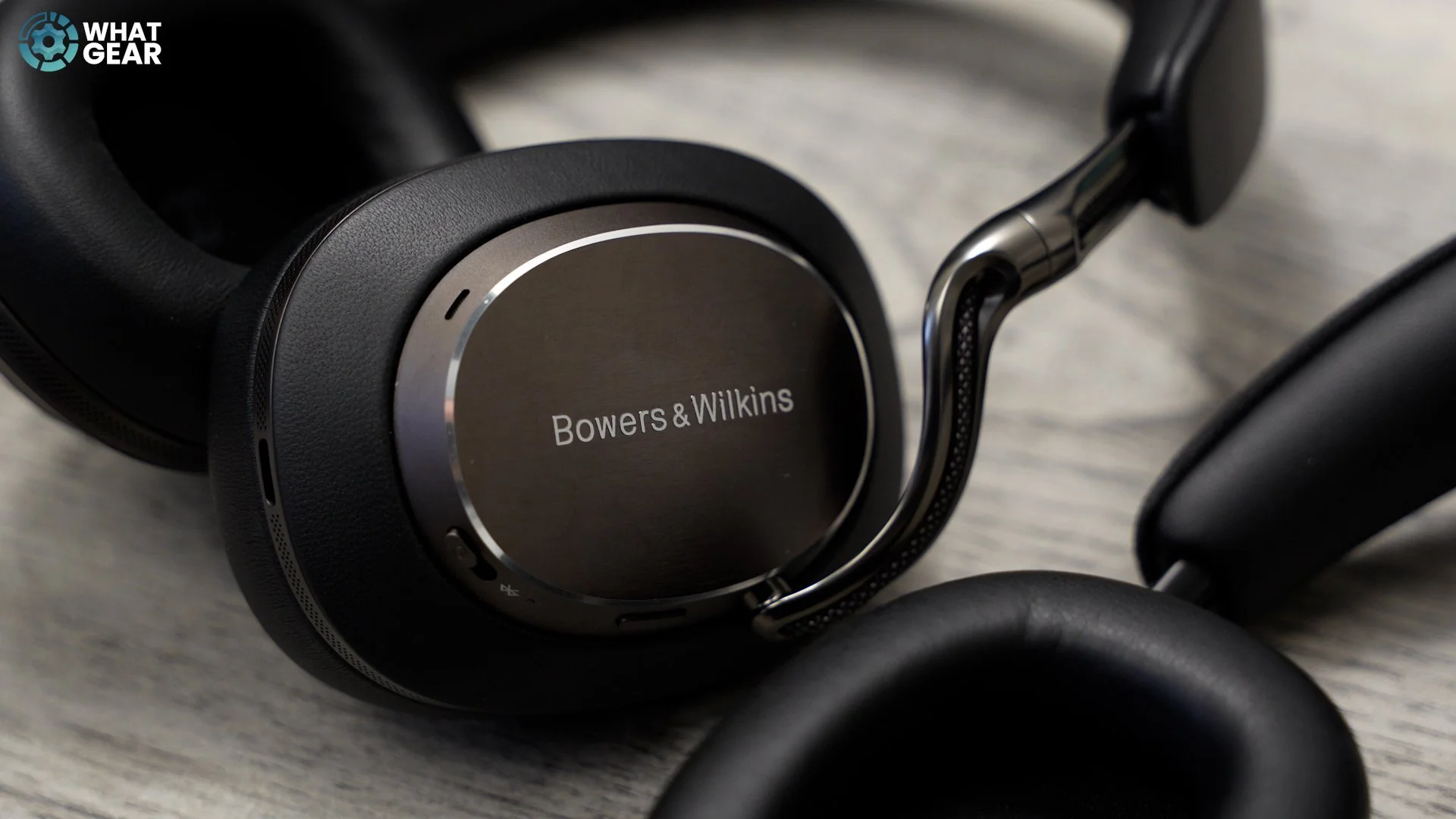
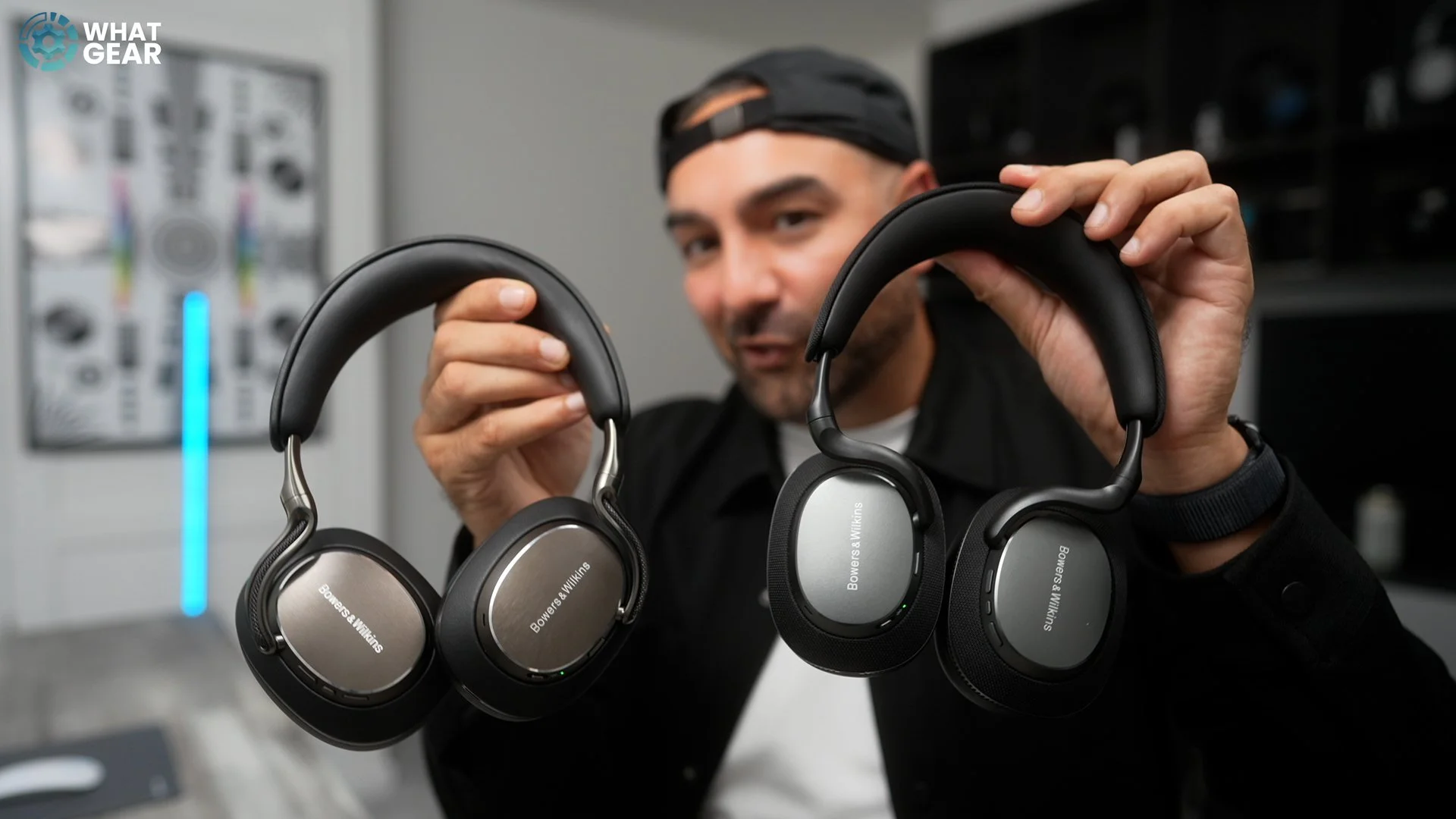
You could easily mistake the PX8s for the PX7s, as they both share that iconic B&W design. But there are some significant design differences and material upgrades. That separates the two. Starting with the backs of the ear cups. Both have this aluminium housing with chamfered cut edges that catch the light like David Beckham's bling. One difference here is that the Bowers and Wilkins logo on the PX7 S2 is etched into the surface. In contrast, the logo on the PX8 is raised, embossed, and catches the light even more. I'm sure Beckham would approve.
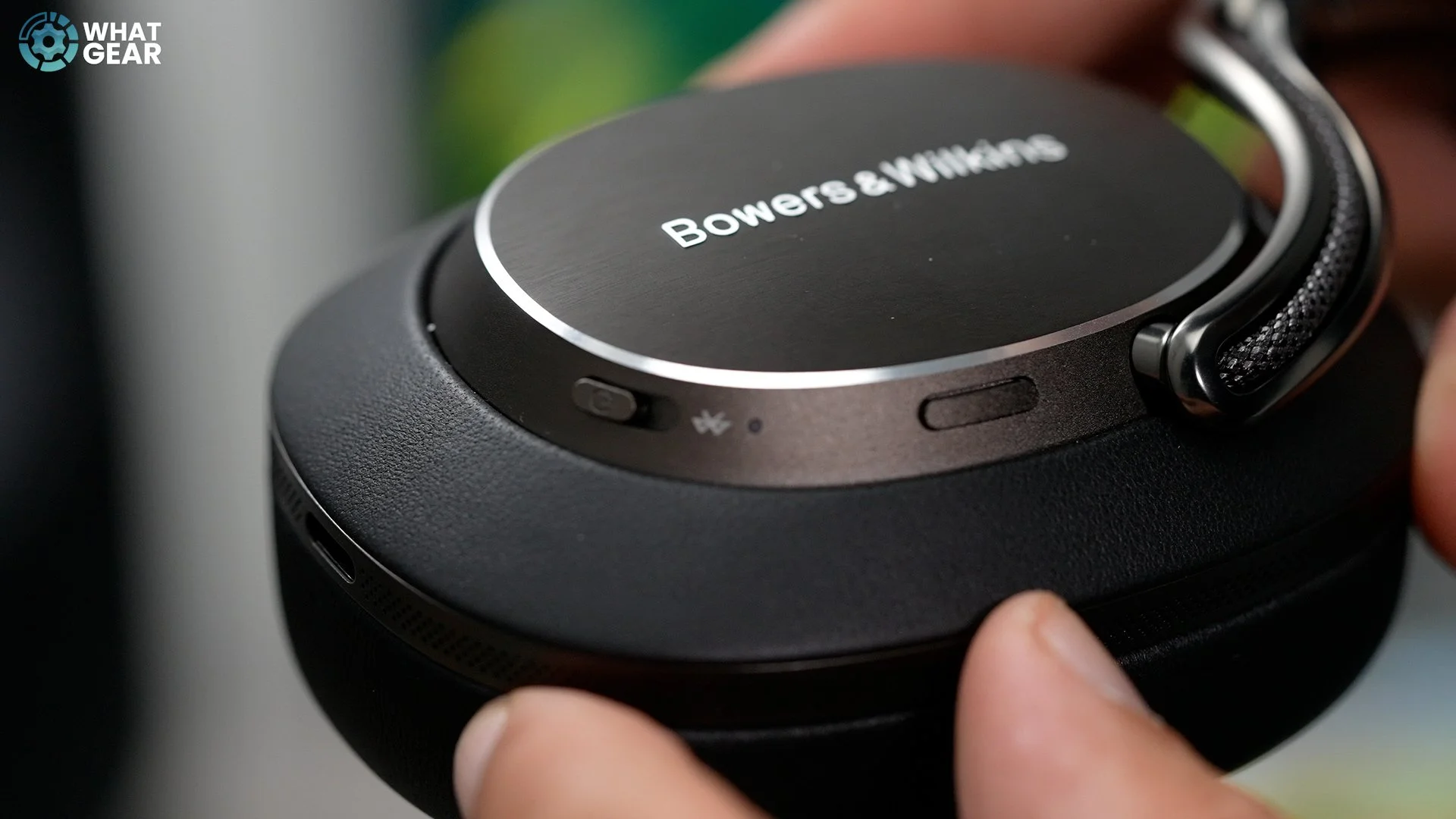
Here's a material upgrade: the PX7 has a woven material around the outer edge of the ear cups and the same material used across the top of the headband. Which is nice and hard-wearing and never shows fingerprints. Which is nice, but on the PX8 S2, Bowers has used genuine NAPA leather in place of the woven fabric, and it wraps right across the top; in fact, it's used on all the primary surfaces.
This is one of the upgrades that contributes to the higher cost. But there's more that you'll find interesting. So, when you turn the earcups sideways, you'll notice that the vented area, which runs right around the outside of the earcups, is different. The PX7 features a plastic vent, which looks nice, and actually, this is where four of the PX7 S2's microphones reside. It has 6 in total, 4 from ANC and 2 for voice pickup.
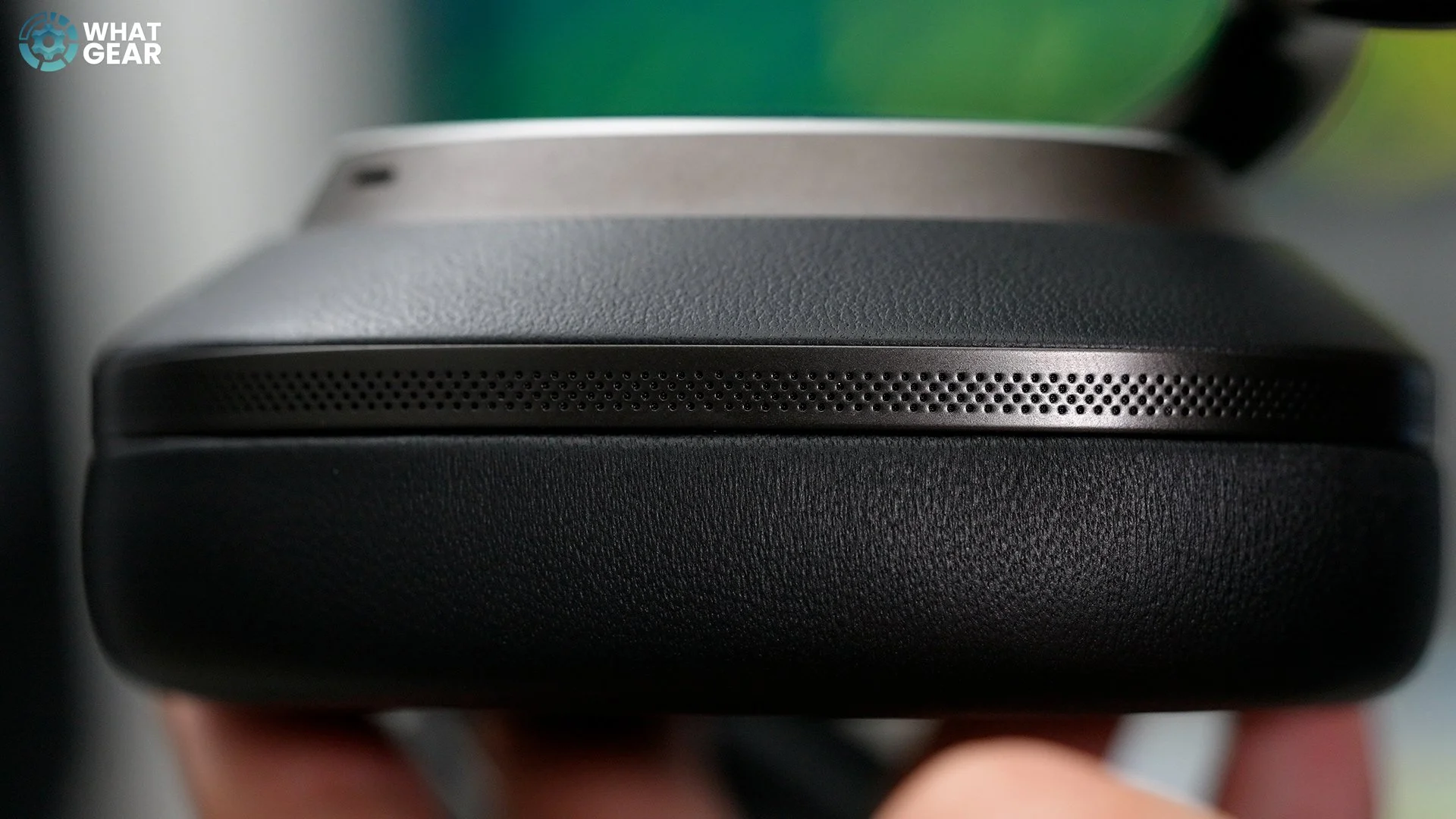
In comparison, the PX8 features a more premium metal mesh, which enhances its luxurious finish. Hidden behind this are six ANC mics. In total, the PX8 has 8 mics. Which, on paper, should mean noise-cancelling will be more effective here. And even though both have two voice mics. They actually use different voice call quality algorithms. See if you can hear a difference? And I'll run a side-by-side test for you so you can hear the difference for yourself. So get your headphones ready.
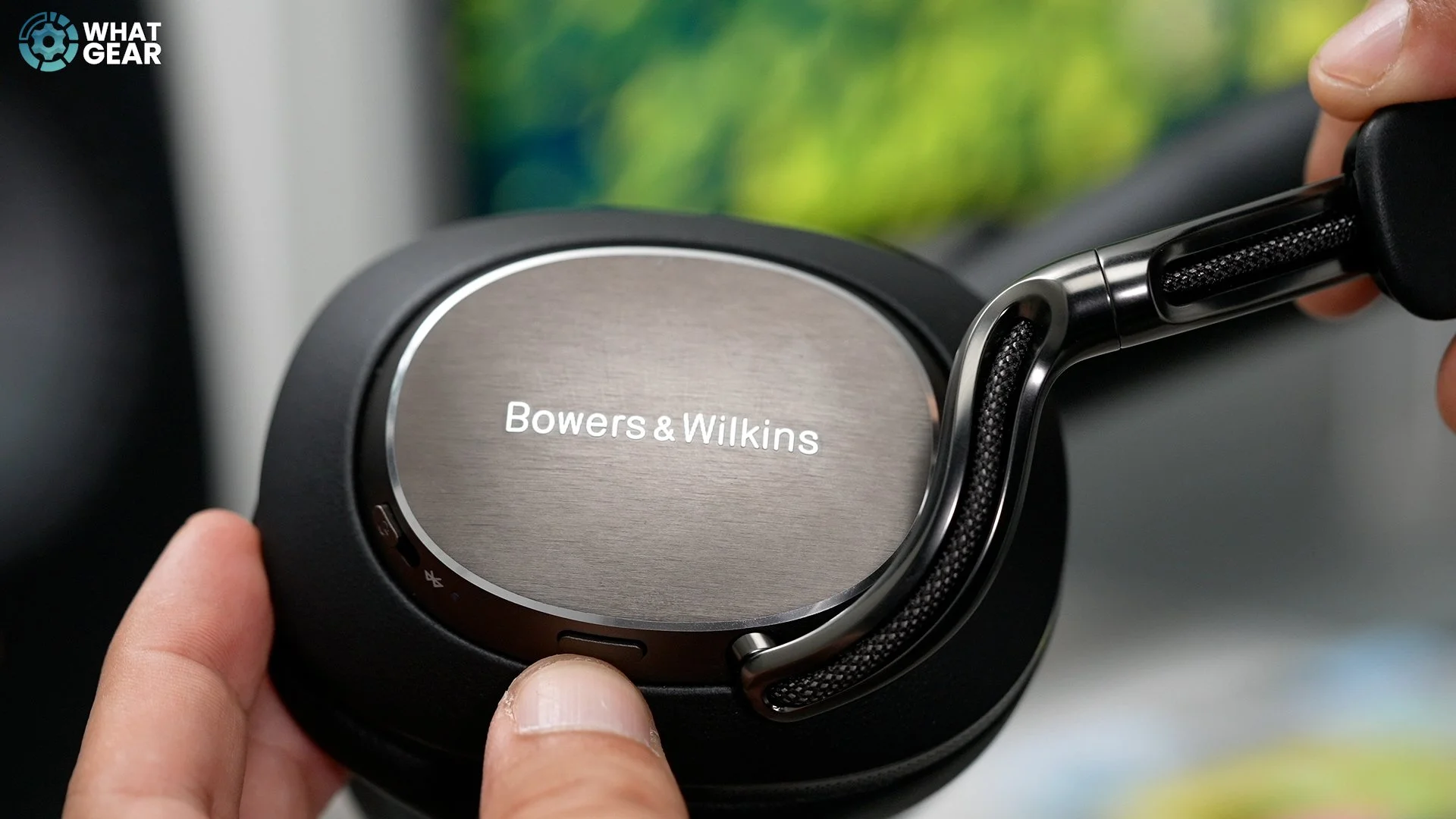
The hanger design is entirely different. The PX7 has these nicely shaped metal hangers. However, the PX is definitely nice. The aluminium has a more glossy finish, and this nice exposed area shows some of the cabling. It's a really lovely detail. And the movement of the hinge and the firmness of the hanger are slightly firmer. Both of these have been designed to last for a long time. But the PX8 will just look better while doing it. And when it comes to comfort, the PX8 offers a more secure fit and can adjust and adapt to the head more effectively.
NOISE CANCELLING
Let me know if you could hear a difference there.
SOUND QUALITY
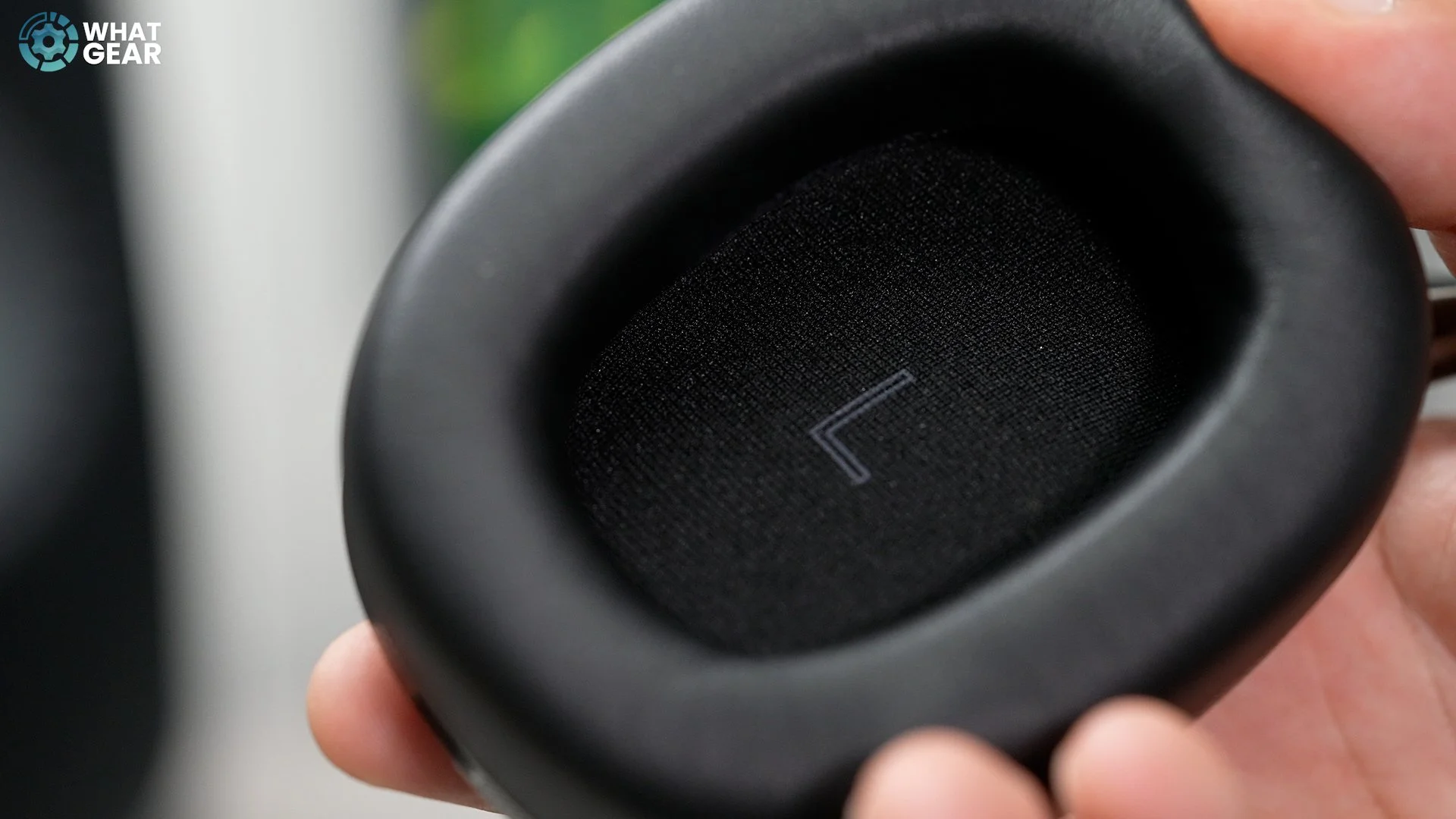
Let's talk about the audio upgrades, a key area where the PX8 shines. The PX7 features a 40mm bio-cellulose driver, delivering high-quality sound. However, the PX8 takes it up a notch with more premium components, offering a sound experience that justifies its higher price. The PX8s are fitted with 40 mm Carbon Cone drivers. With a newly designed chassis, voice coil, suspension and magnet. Ultimately, it improves the low-end bass frequencies and noticeably enhances the audio's spaciousness. The first time I compared the two, I also noticed more detailed nuances in tracks when listening to the PX8 S2. And whilst the PX7s still sound amazing, I'd describe it as a cleaner, more accurate sound.
And here are some of the upgrades made versus the series 1 PX8. The drivers are newer and more premium, but they also have dedicated Amps. Bowers & Wilkins has also included a few additional secret weapons to further enhance the audio experience. The discrete DSP is more premium. The Qualcomm chipset has been upgraded, which enhances connection stability and unlocks new connectivity options. The series 1 supports Bluetooth 5.1, and the PX7 supports Bluetooth 5.2.
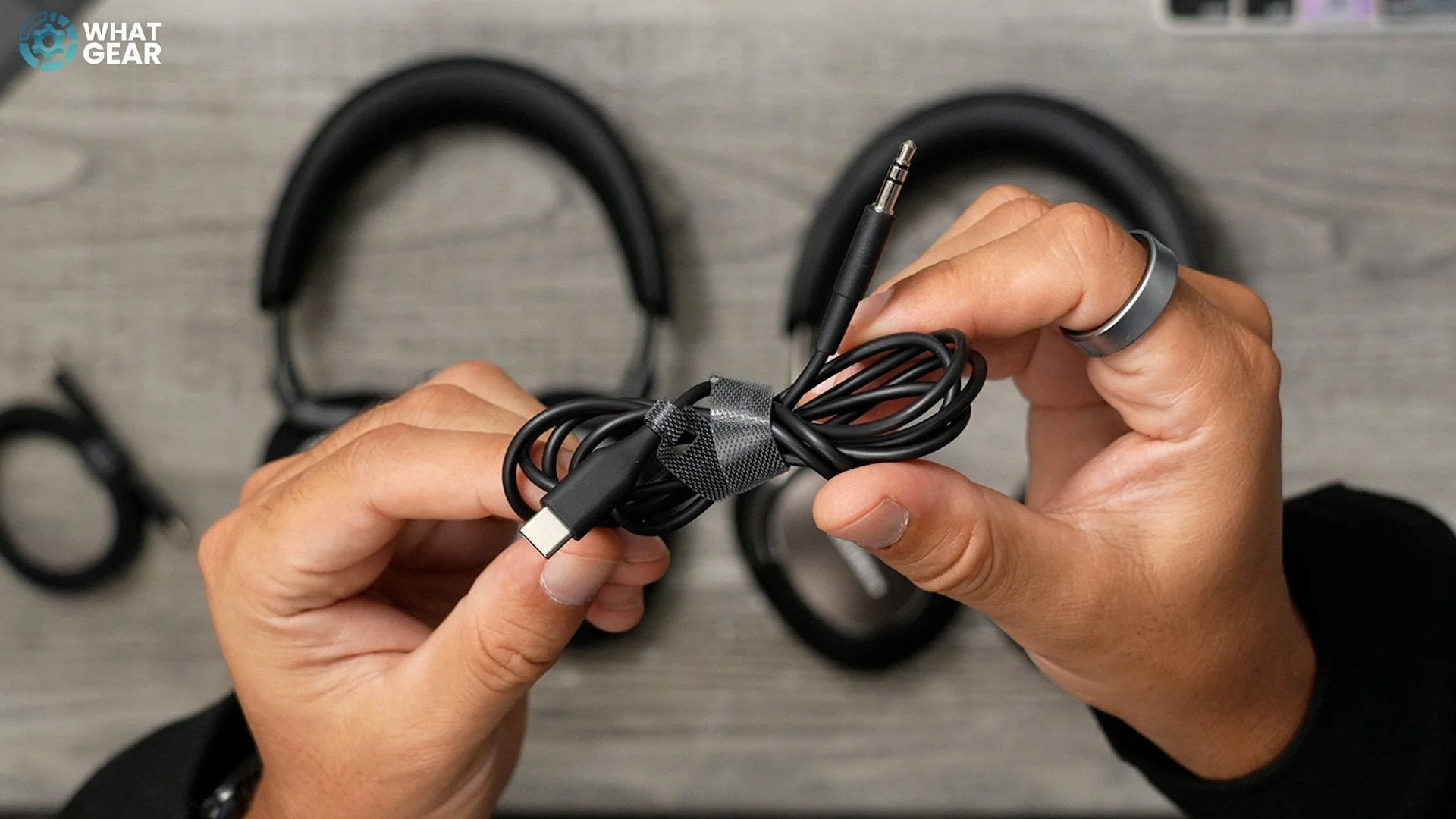
The series 1 has AptX Adaptive and AptX HD. But the PX8 has AptX Adaptive & AdaptX Lossless for HiRes 24-bit 96kHz wireless connections. If your device supports it. If it doesn't, there is another option. Also, now the PX7 S2 can use the provided USB-C to USB-C cable for Hi-Res lossless audio. Another option is the provided 3.5mm analogue to USB-C cable, which is also capable of delivering Hi-Res.
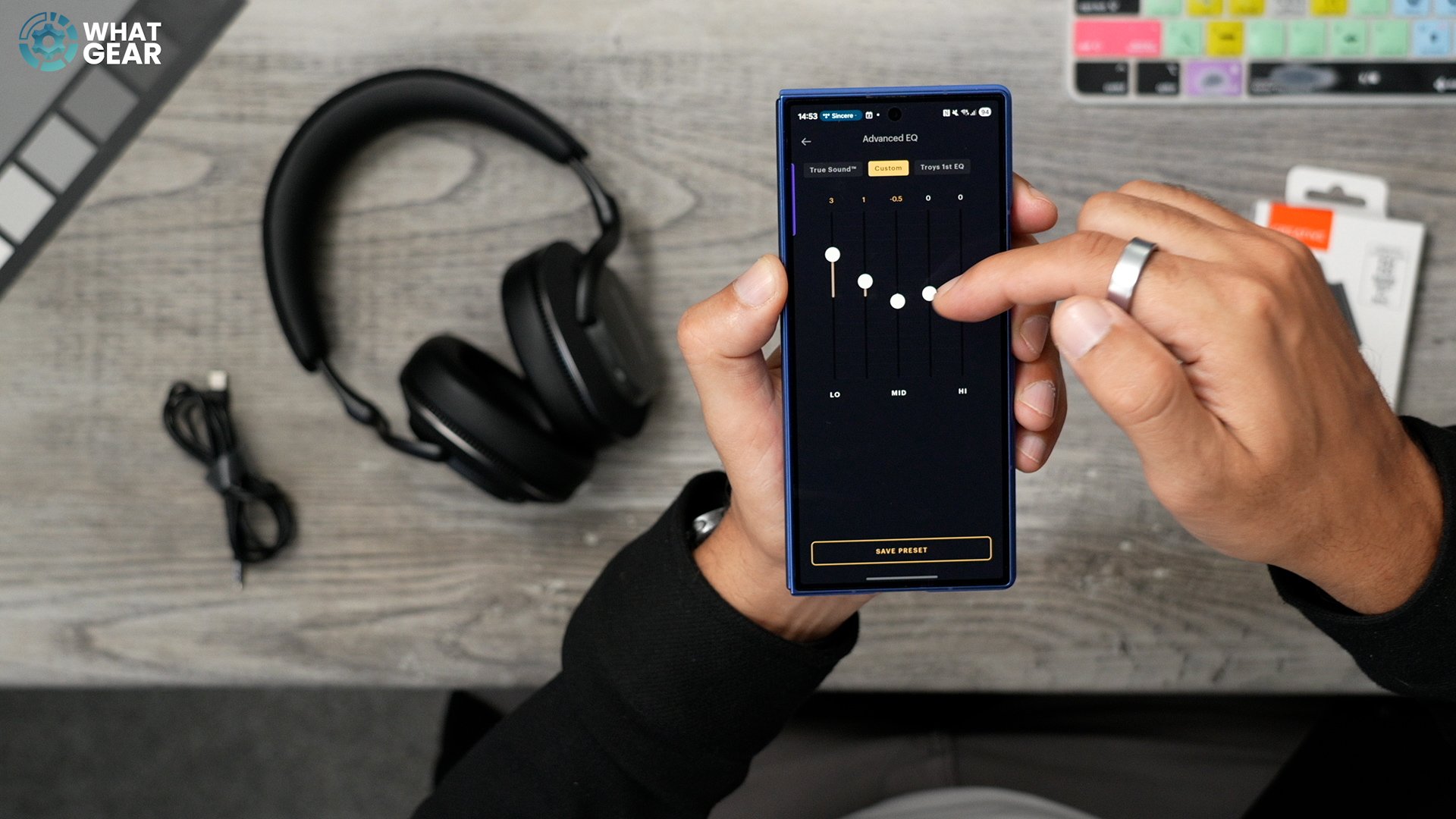
Now there is a 4th option. If you want the highest quality wireless signal from other devices. You could get a BT-W6 from Creative. They're not too expensive, and you can even connect this to your PlayStation. Anyway, there is one more difference between PX7 S3 and PX8 S2 that you need to know about, and this is on the software side of things. The PX7 S3 has bass and treble EQ within the app. The PX8 S2 actually features a 5-band EQ. And one more thing worth noting, word on the street is that LE audio and Spatial audio updates are coming for these headphones shortly..

Hopefully, you now know what the extra £230 is for. When it comes to what the PX8 does differently, they sound better, with a more studio-quality sound. The noise-cancelling feature is also improved, and the connectivity is better. They sit more securely on your head, are 1 gram lighter, and the case is also a few millimetres smaller.
Should you save some money and go for the PX7 S3? If you value build quality and the peace of mind that comes with knowing you're using the best materials, then you'll appreciate this. That's one good reason to splash the cash on the PX8, but in my opinion, one of the best reasons to spend £ 629 is the sound quality.