Galaxy Z Fold 8 ( WIDE ) - Better Than The ULTRA?
Here it is: the brand new Samsung Galaxy Z Fold 8, rumoured to be the Z Fold Wide, but it isn't. And even though it is, in fact, white and brand new, sealed in a box, I believe it is the grey colour that I have here. I’m unboxing it, running through the design aspects and some of the key need-to-know features, and then I'll give you guys my first impressions on this.
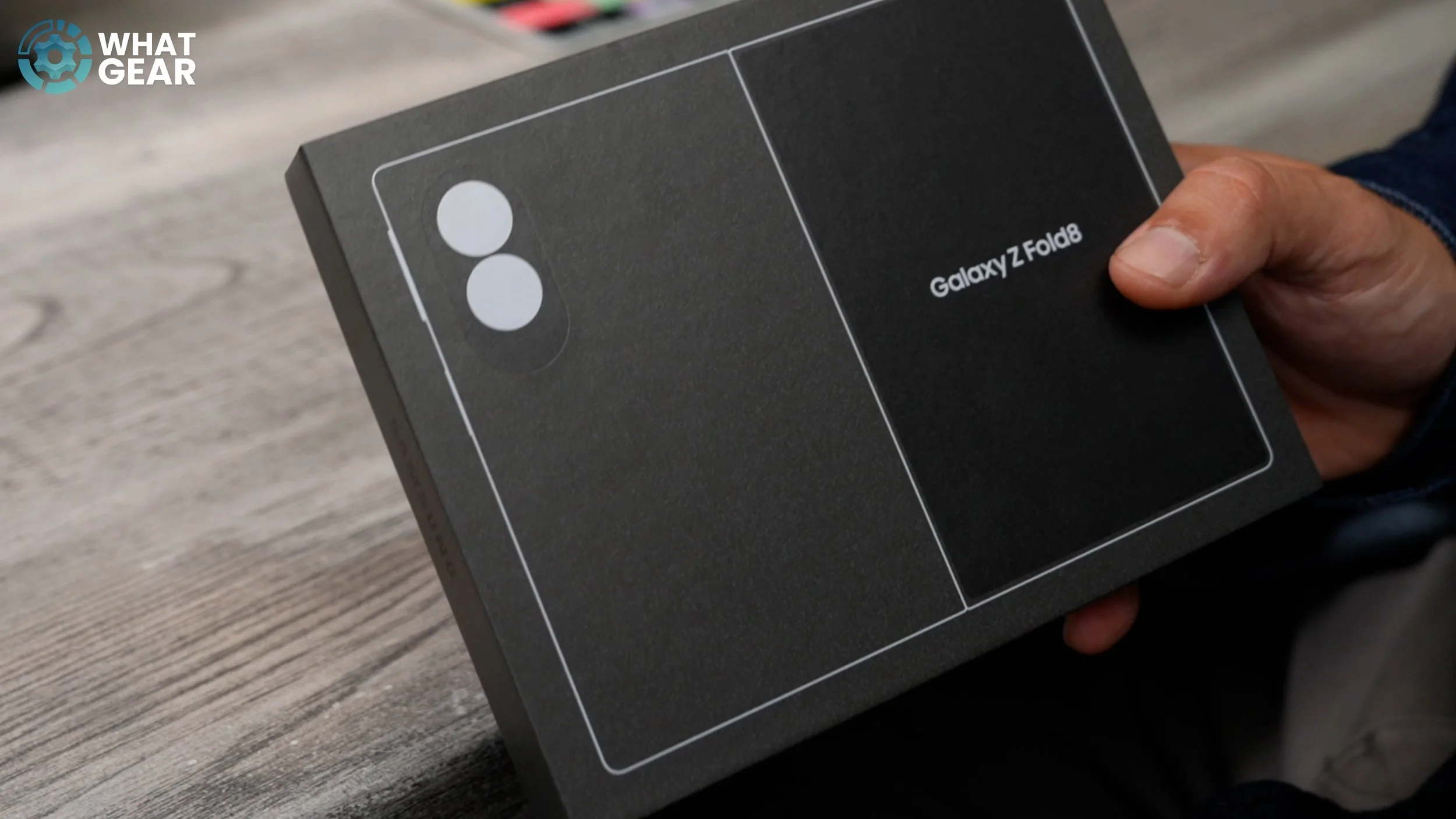
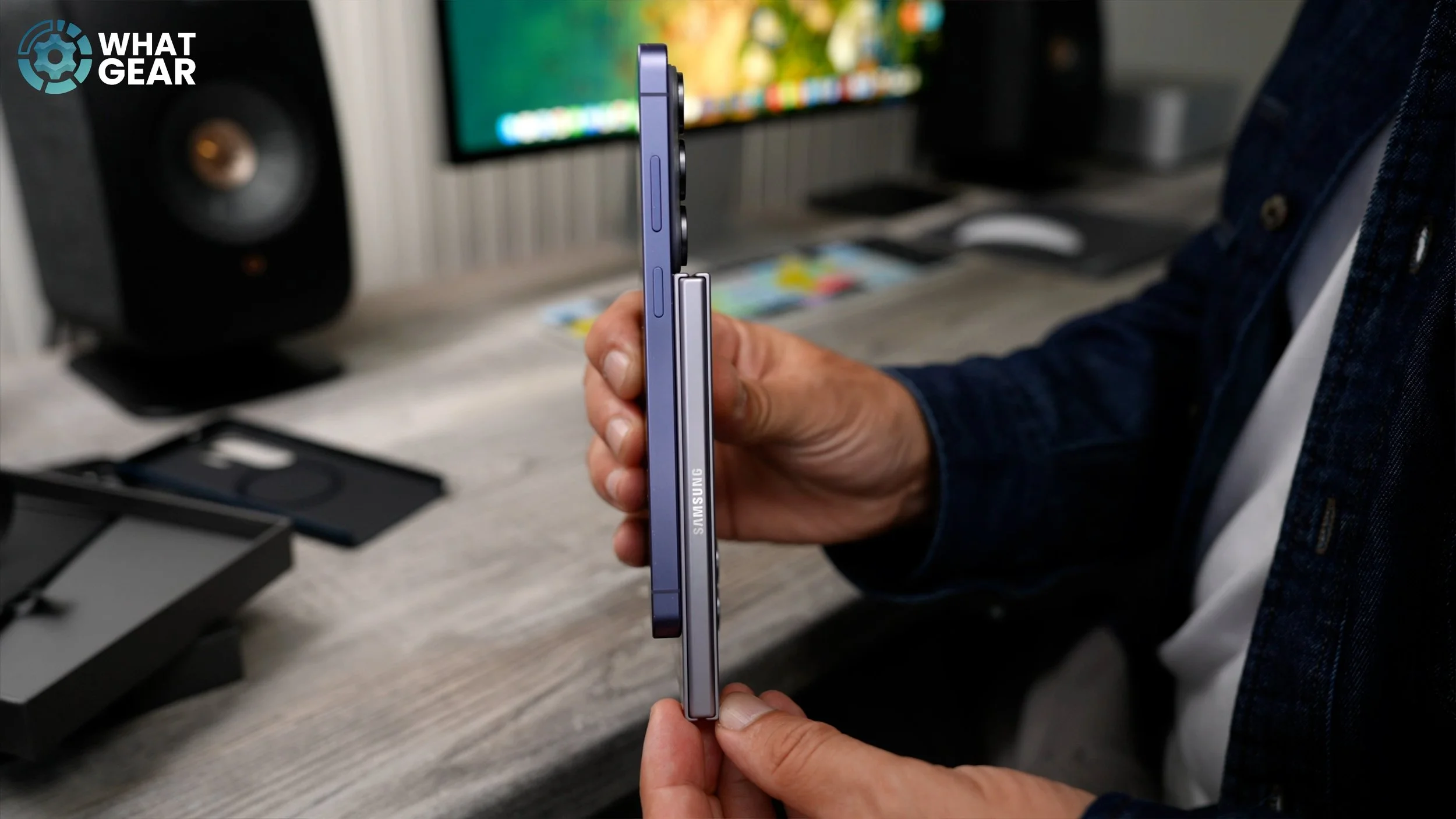
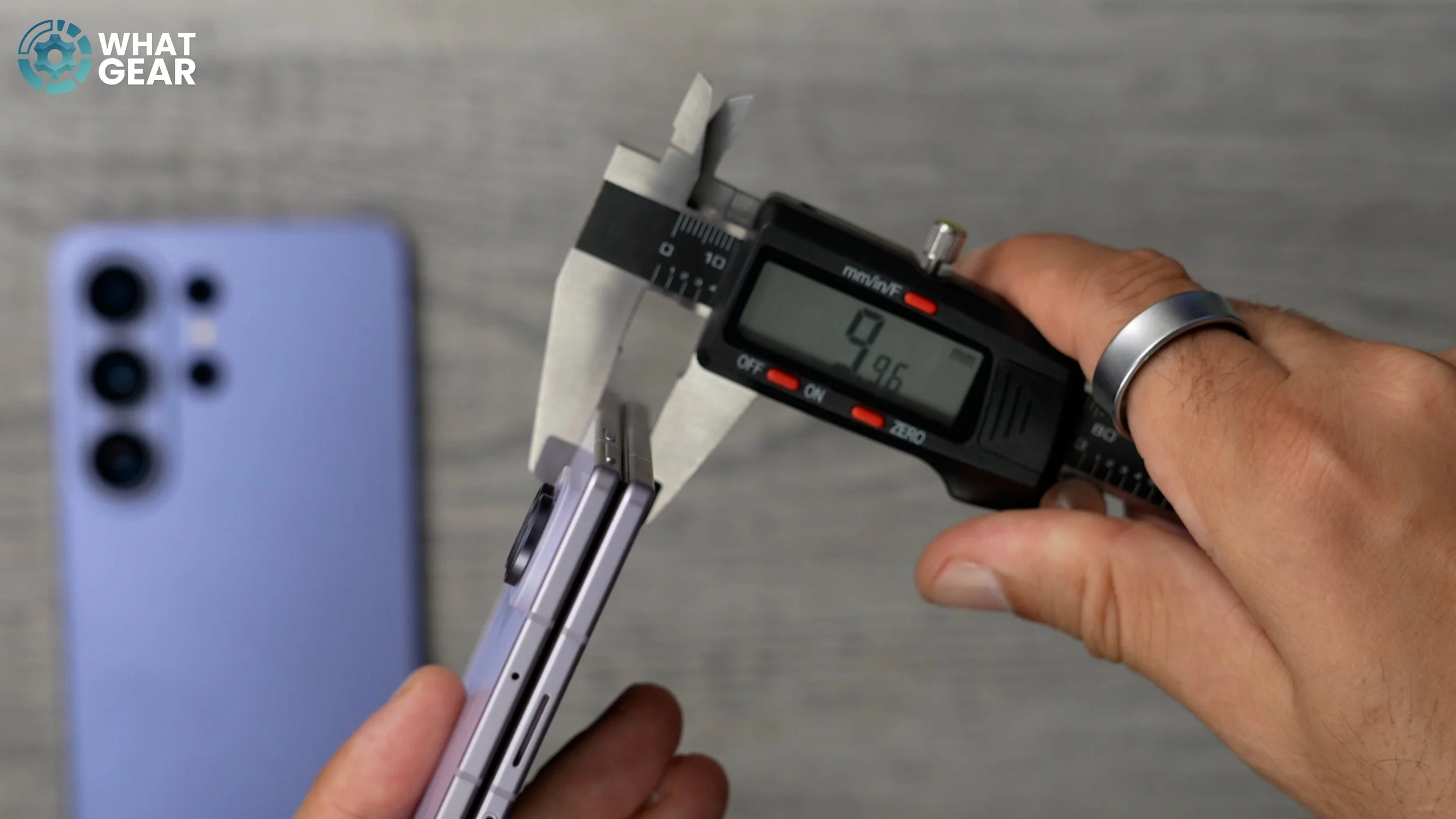
And I will be doing a similar guided tour of the Z Fold 8 Ultra as well, so stick around at the end if you're interested in seeing that. But for now, let's get this out of the box. So, it turns out, this one right here is the lavender colour. Probably my least favourite. But I'm just grateful to have one at all. Let's do the peel on this thing. So here's what you need to know about this phone. It is the world's lightest foldable at the time of this video. It is 201g. At its thinnest point, it is just 4.1mm thick. And when it's closed, just for context, this is how thick it is compared to the Galaxy S20 Ultra, which I'm currently using as my main phone. And according to my calliper right here, it is 9.96mm thick.
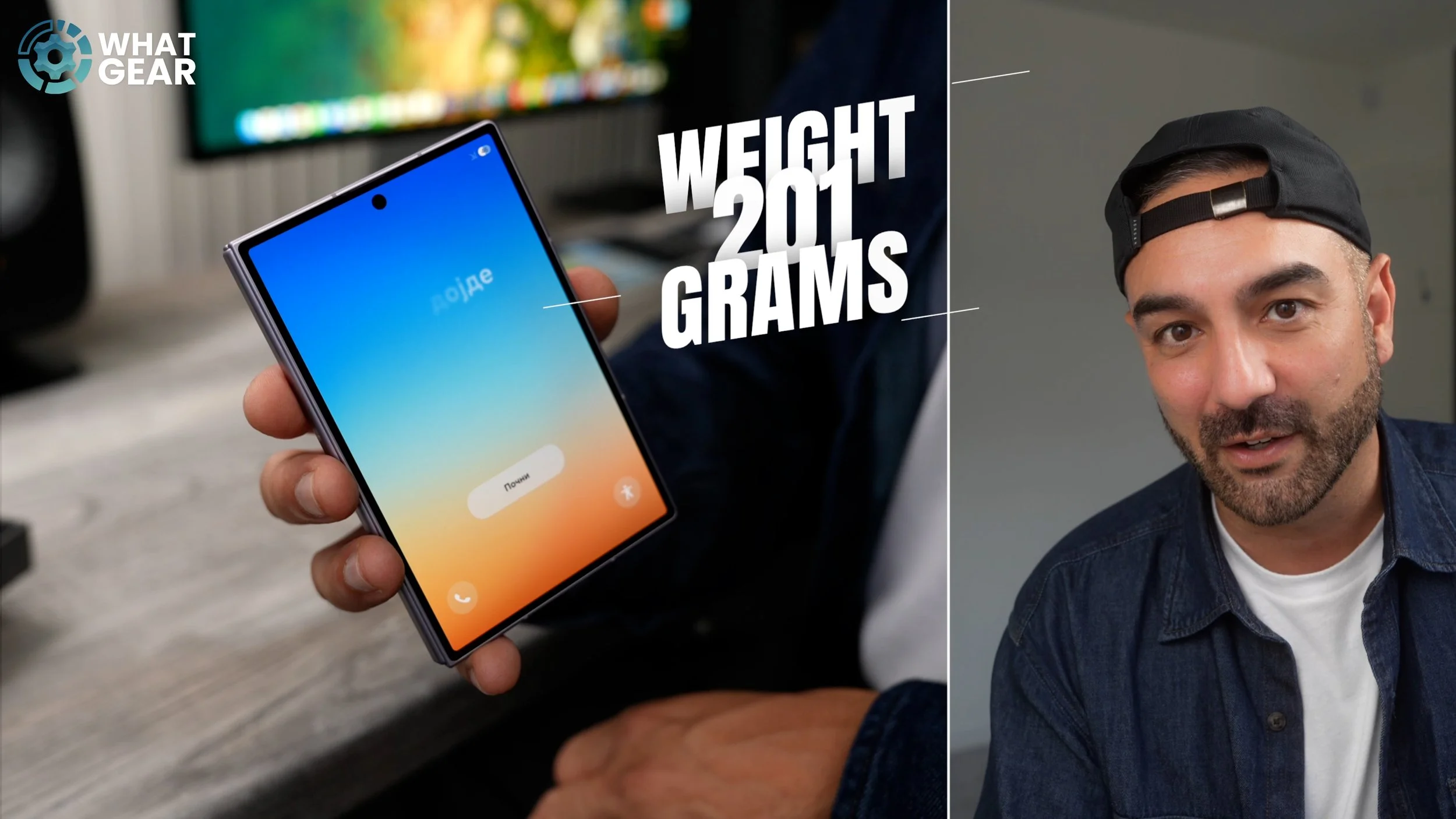
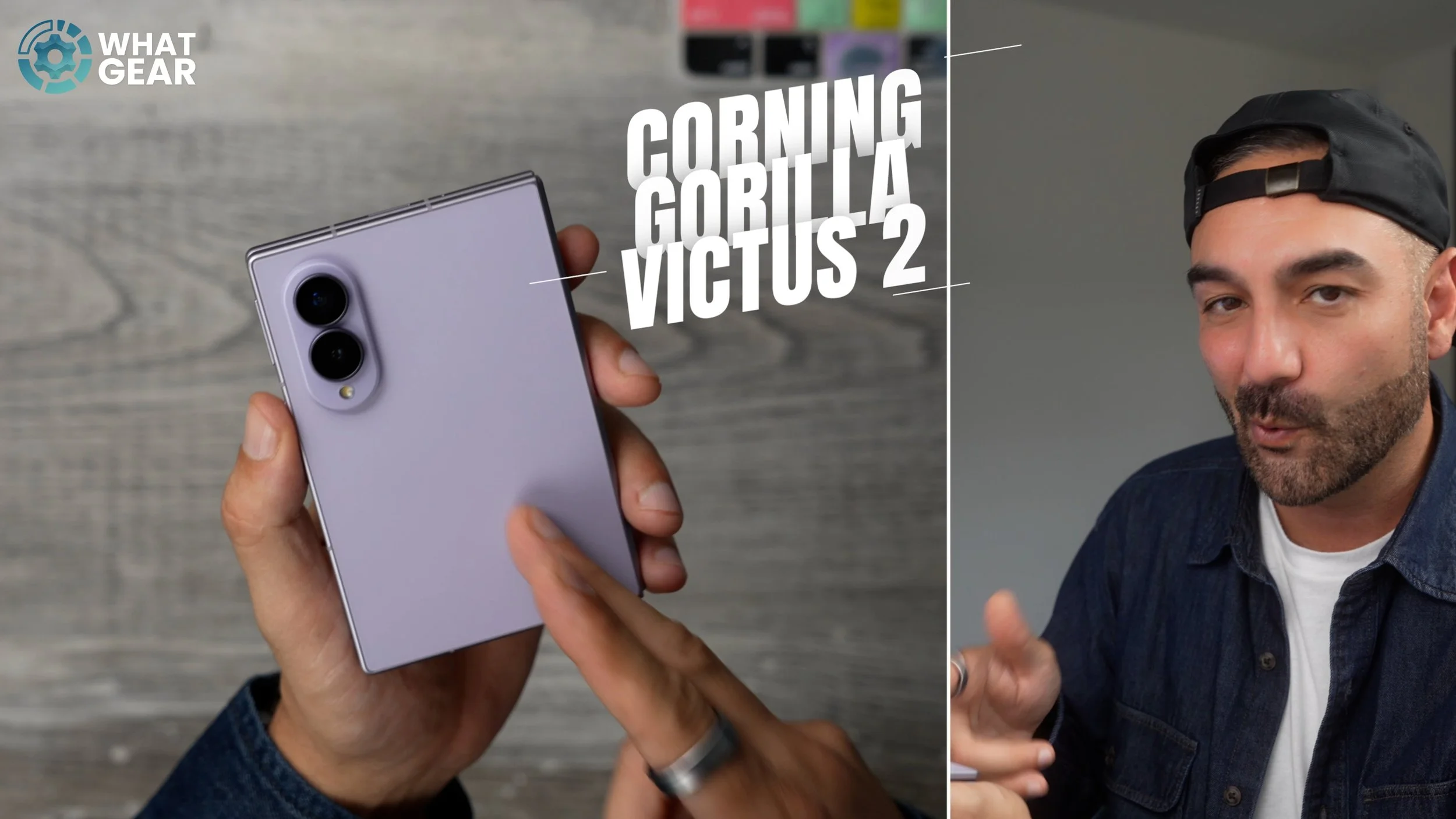
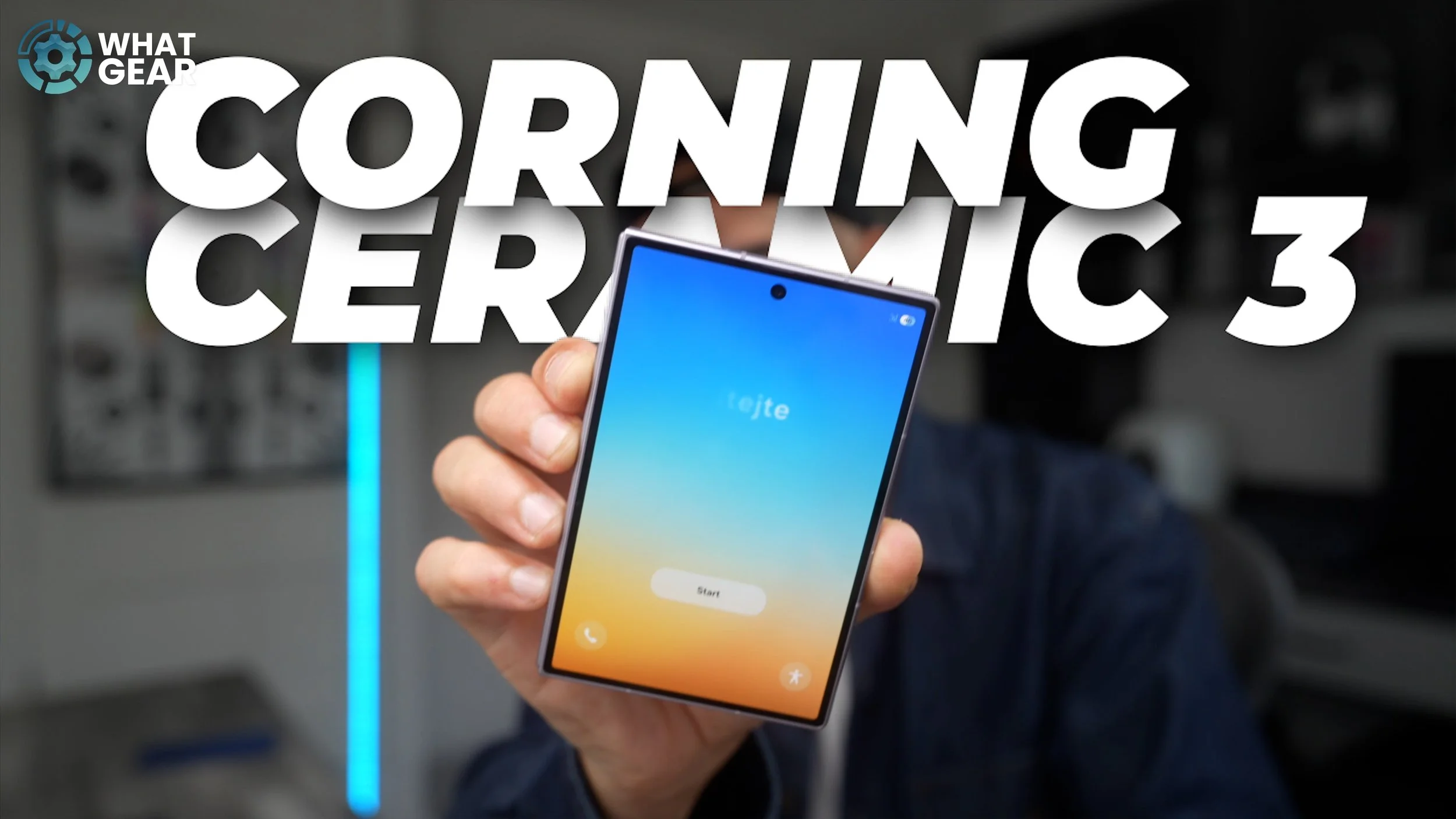
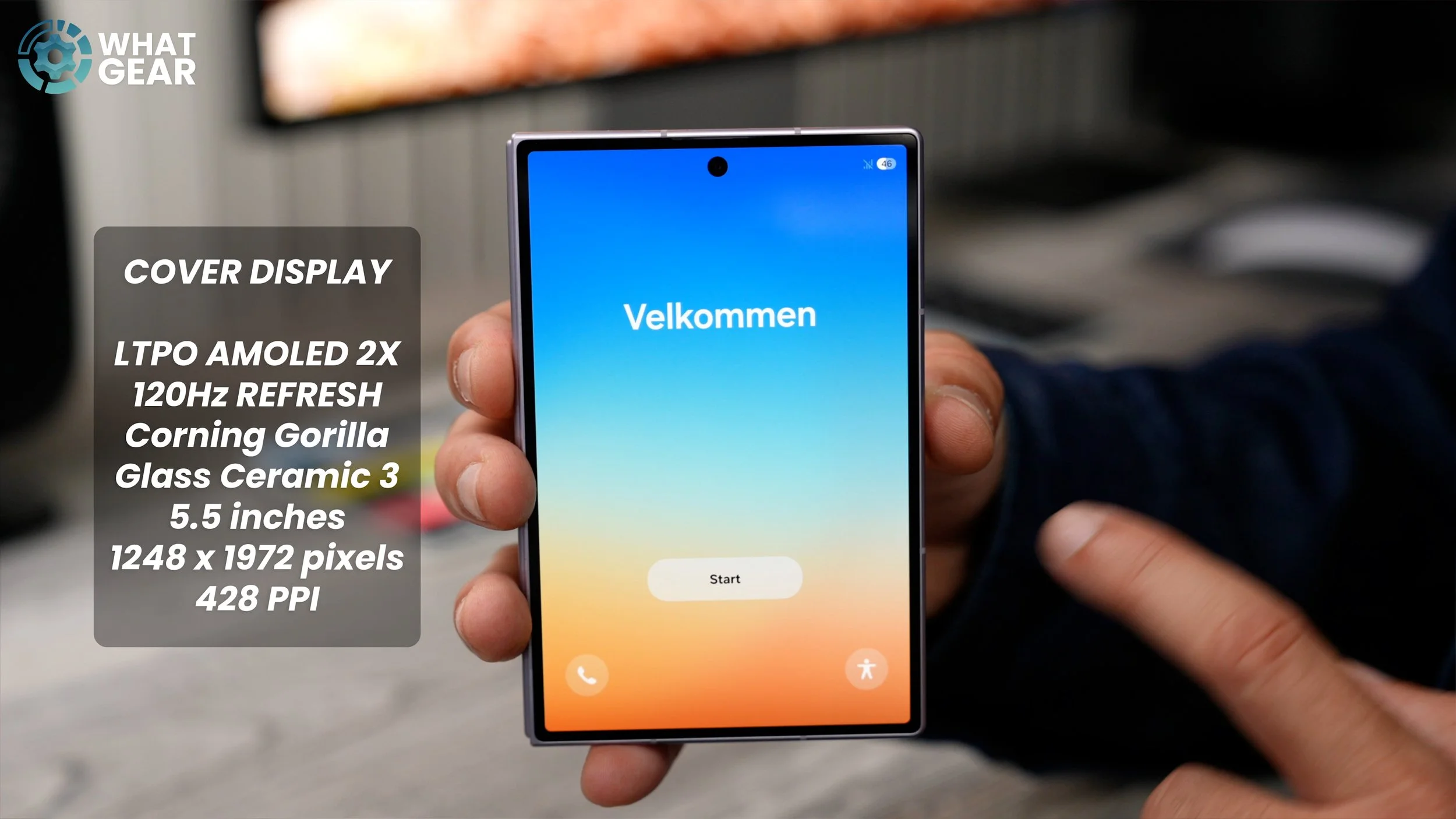
It does have what Samsung calls their Armor Flex Hinge, and it's got a nice little snap to it when you open it up. It does have an Armour Aluminium frame all the way around, and they have actually managed to widen the gap here on this side. So when it comes to opening it, it's much easier to do. It's got Corning Gorilla Glass Victus 2 on the back and Corning Gorilla Ceramic Glass on the front. The outer display is technically 4.5 inches across, slightly smaller if you account for the rounded corners. The bezels are nice and slim. The aspect ratio on the cover screen is four by five, and when you flip it over, five by four.
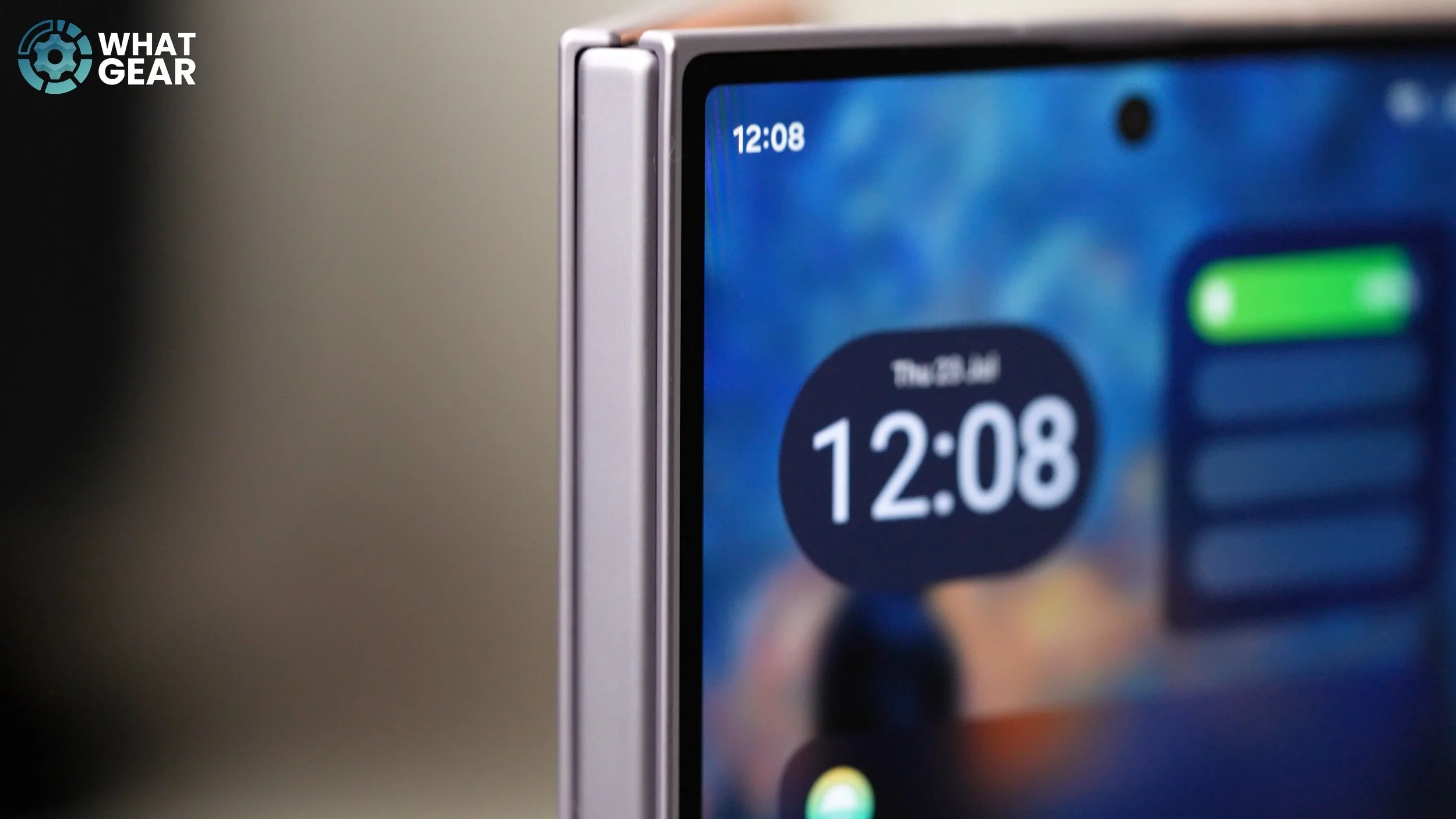
For now, the inner display is where it gets interesting. This is a brand-new-sized display, the first of its kind. Technically, the display is 7.6 inches, and when held landscape like this, it's a four-by-three aspect ratio. When you flip it up into portrait, it is three by four. The portrait aspect ratio is much better for social media content and web pages. And then the landscape is actually much better for movie and video content. And this has what Samsung calls their Titanium Flex Display. So there is a titanium layer underneath this display, which actually reduces the crease. And you can barely see it, even with the reflections here. So this is a massive improvement, in my opinion. And not only does it flatten out the crease, it actually improves the shock absorption on the display.
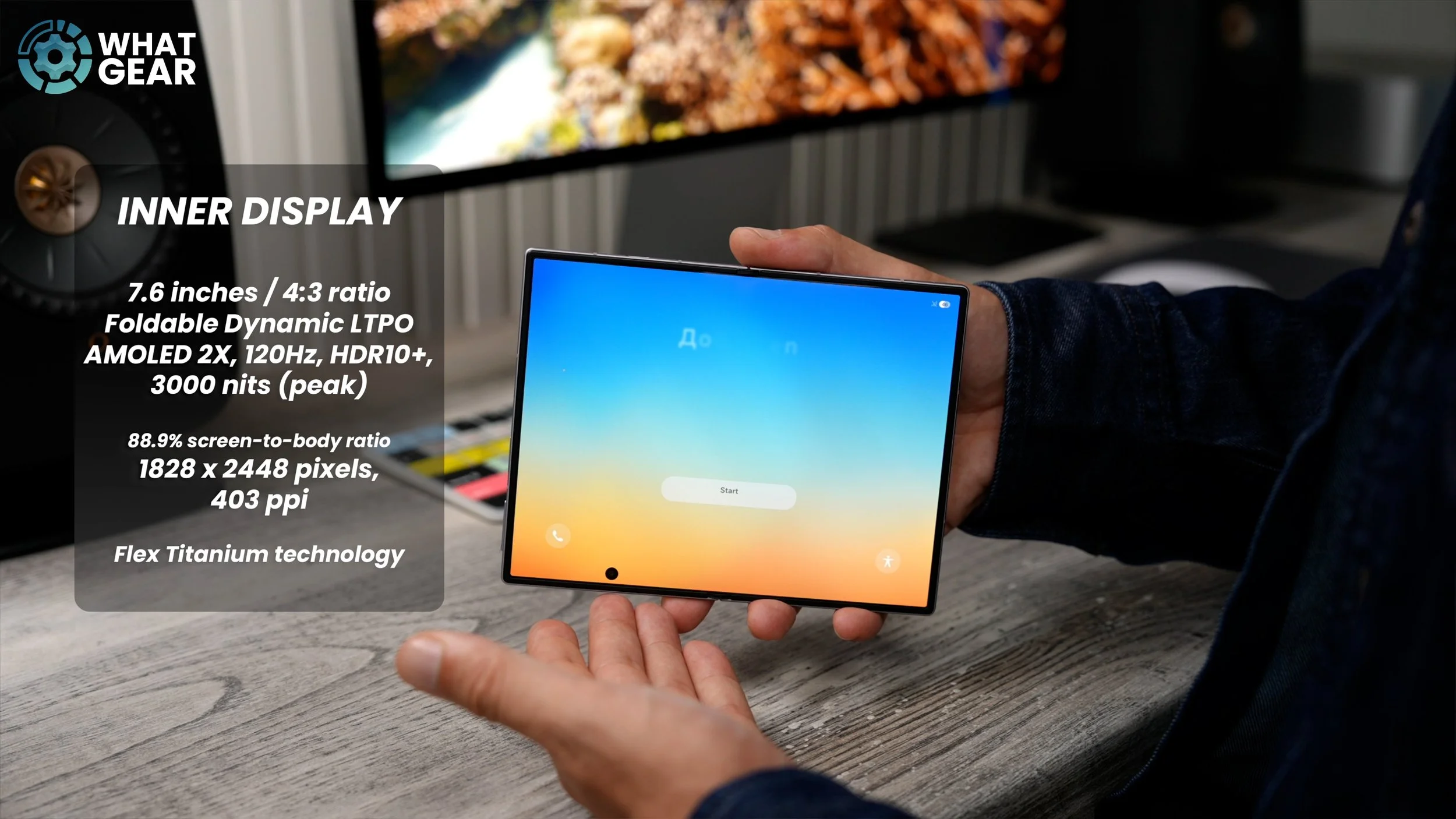
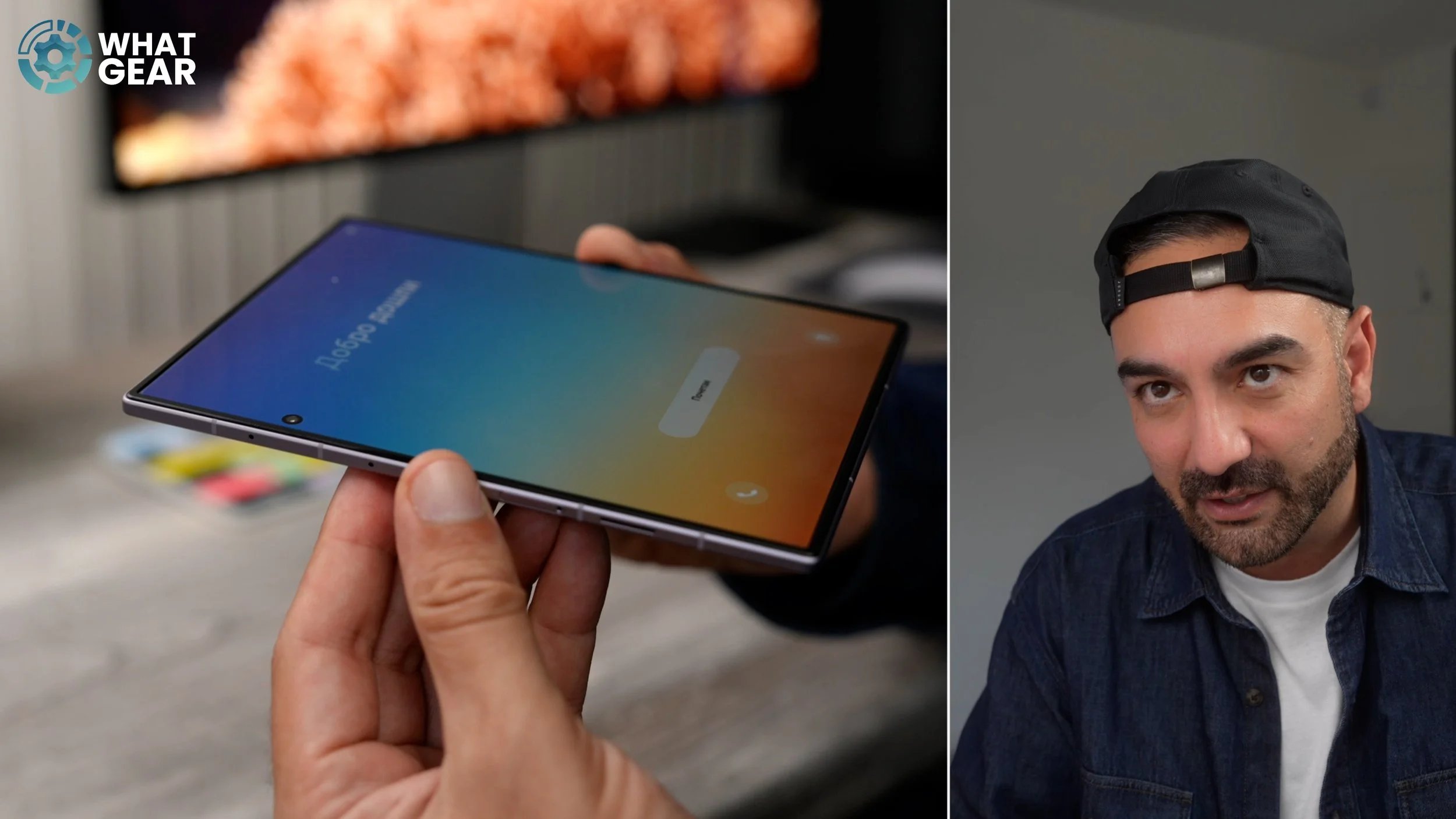
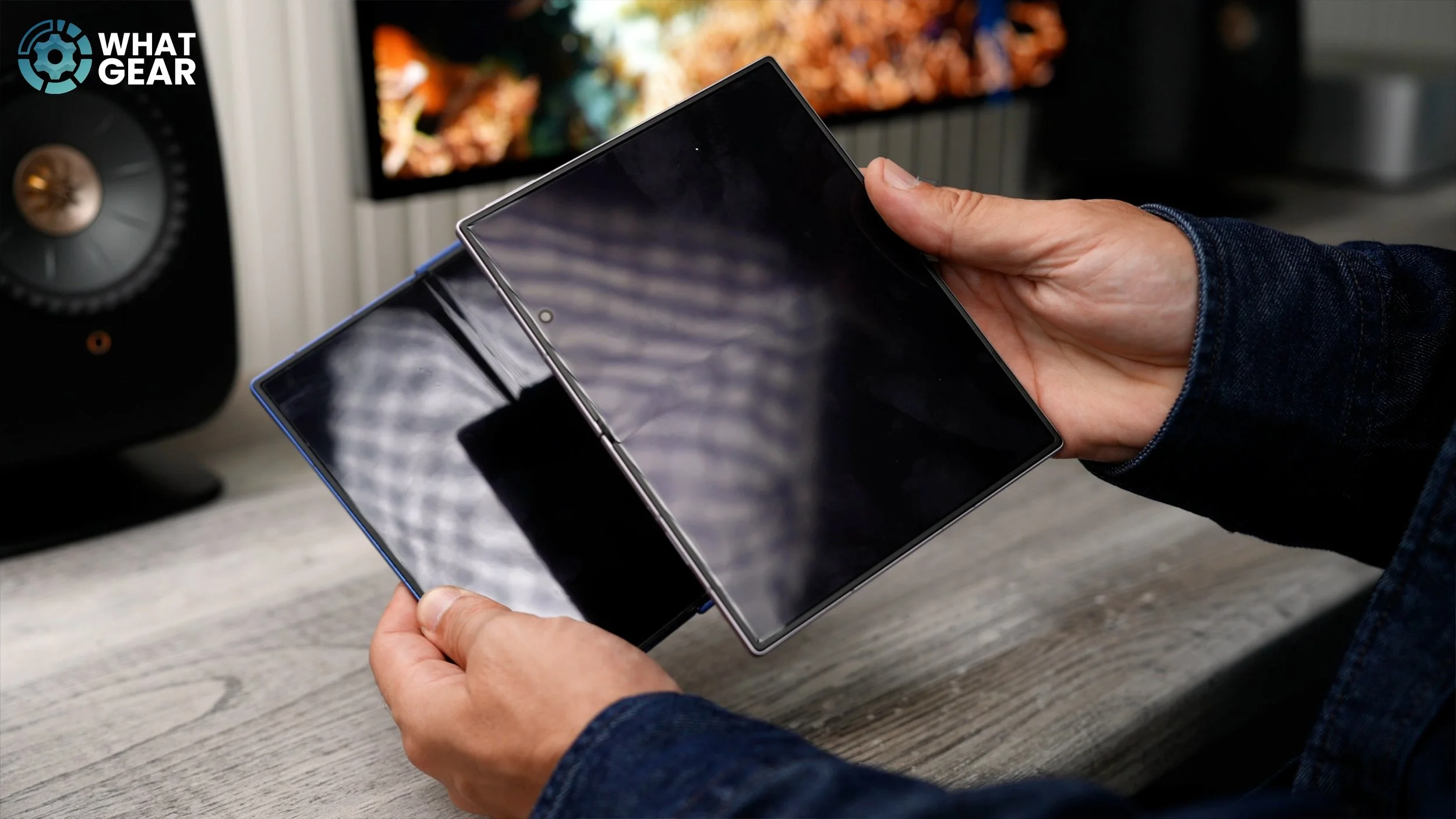
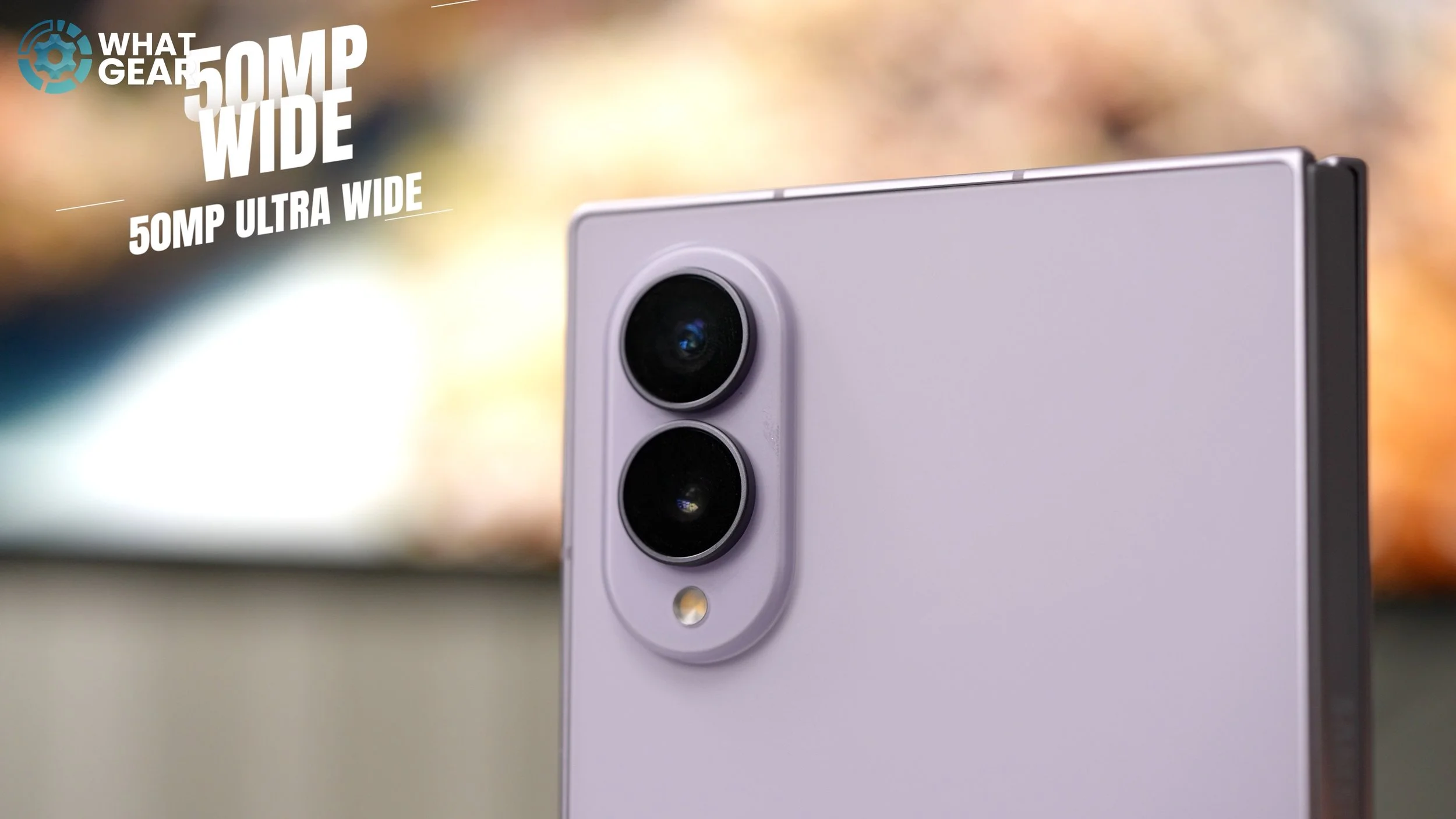
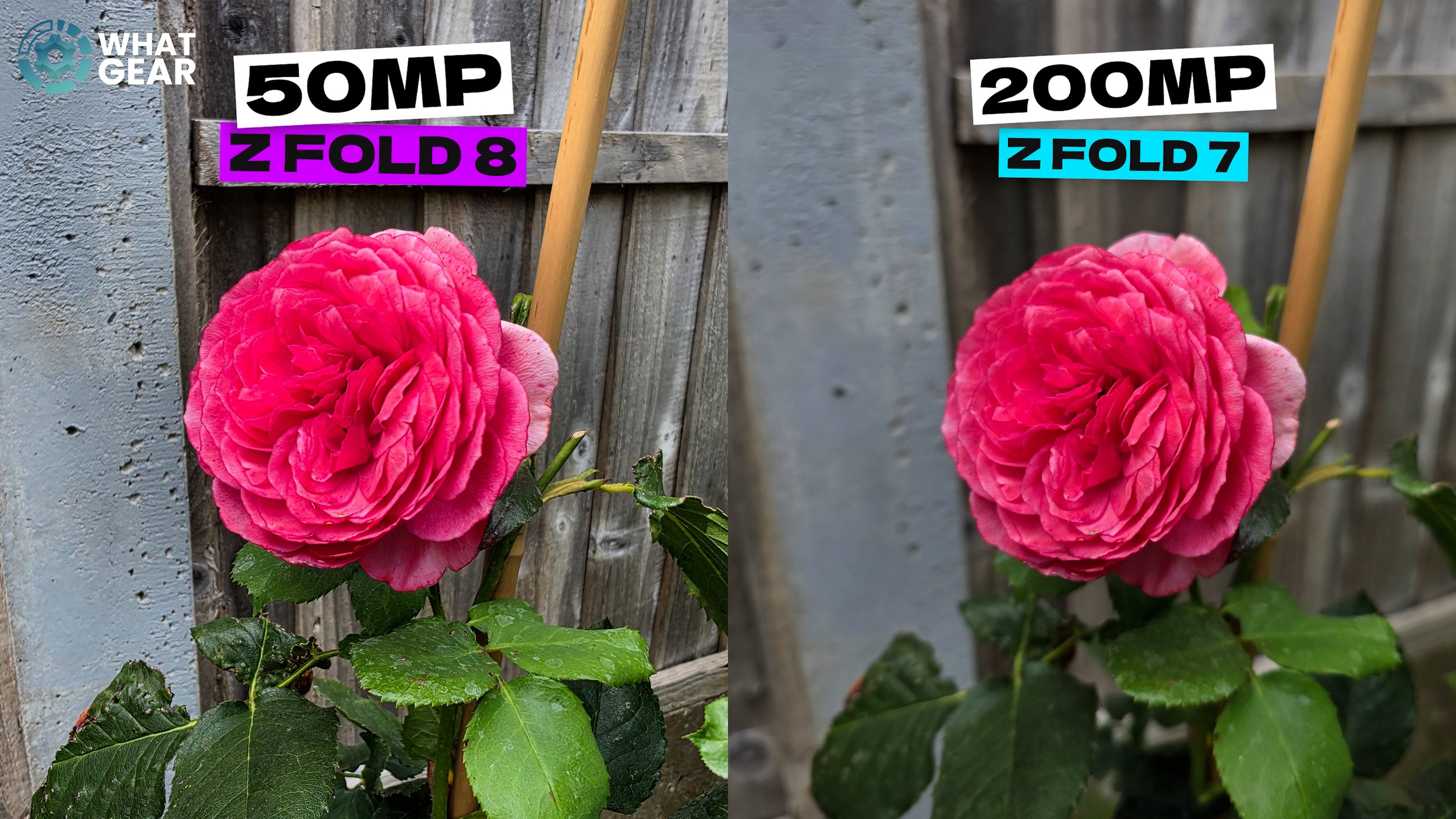
And it's also got an anti-reflective inner screen as well. So behind it is the Z Fold seven. And this is the Z Fold eight. You can see the difference there in the reflections. It's pretty dramatic. Peak brightness on the outer display is up to 3000 nits, and it is also 3000 nits on the inner display too. Now here's one of the areas where you may have to compromise. If you like this form factor over the Ultra form factor, it is in regard to the camera. So the main camera here is 50 megapixels. When you compare that to the 200-megapixel sensor on the Ultra, yeah, you'll definitely see a little difference in quality there. The second camera is an ultra-wide. It's also 50 megapixels. And then the in-display selfie cameras on the inside and the outside are both ten megapixels.
Inside is the Snapdragon 8 Gen 5 for Galaxy. It’s an overclocked version of the chip. You get 12 gigs of RAM as standard, but you can get up to 16 gigs if you get the one-terabyte version of this phone. There are four colours of this phone. There's the cream, the graphite, which I think is the best one. There's this one, the lavender, and an online-exclusive pistachio colour as well.
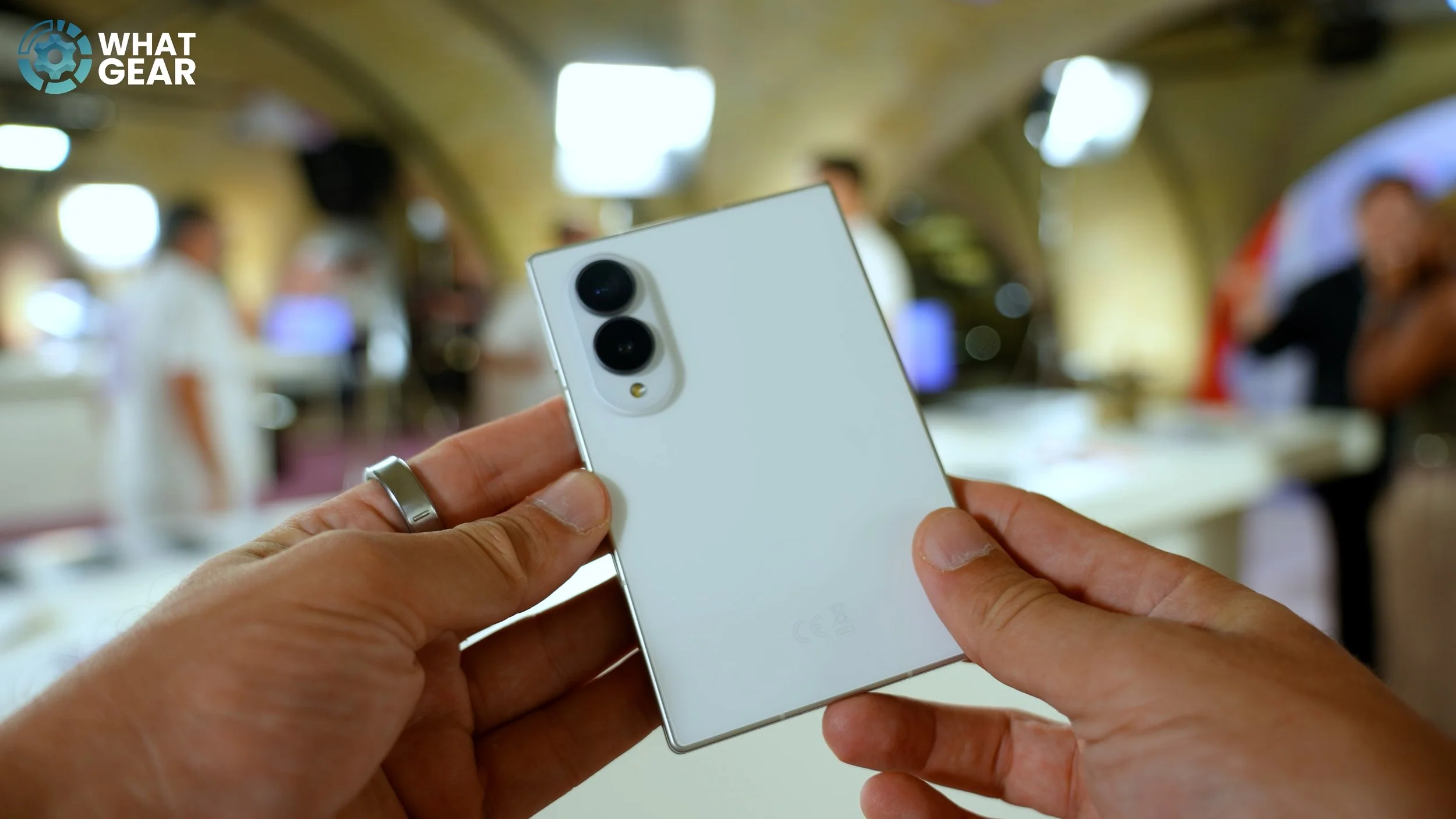
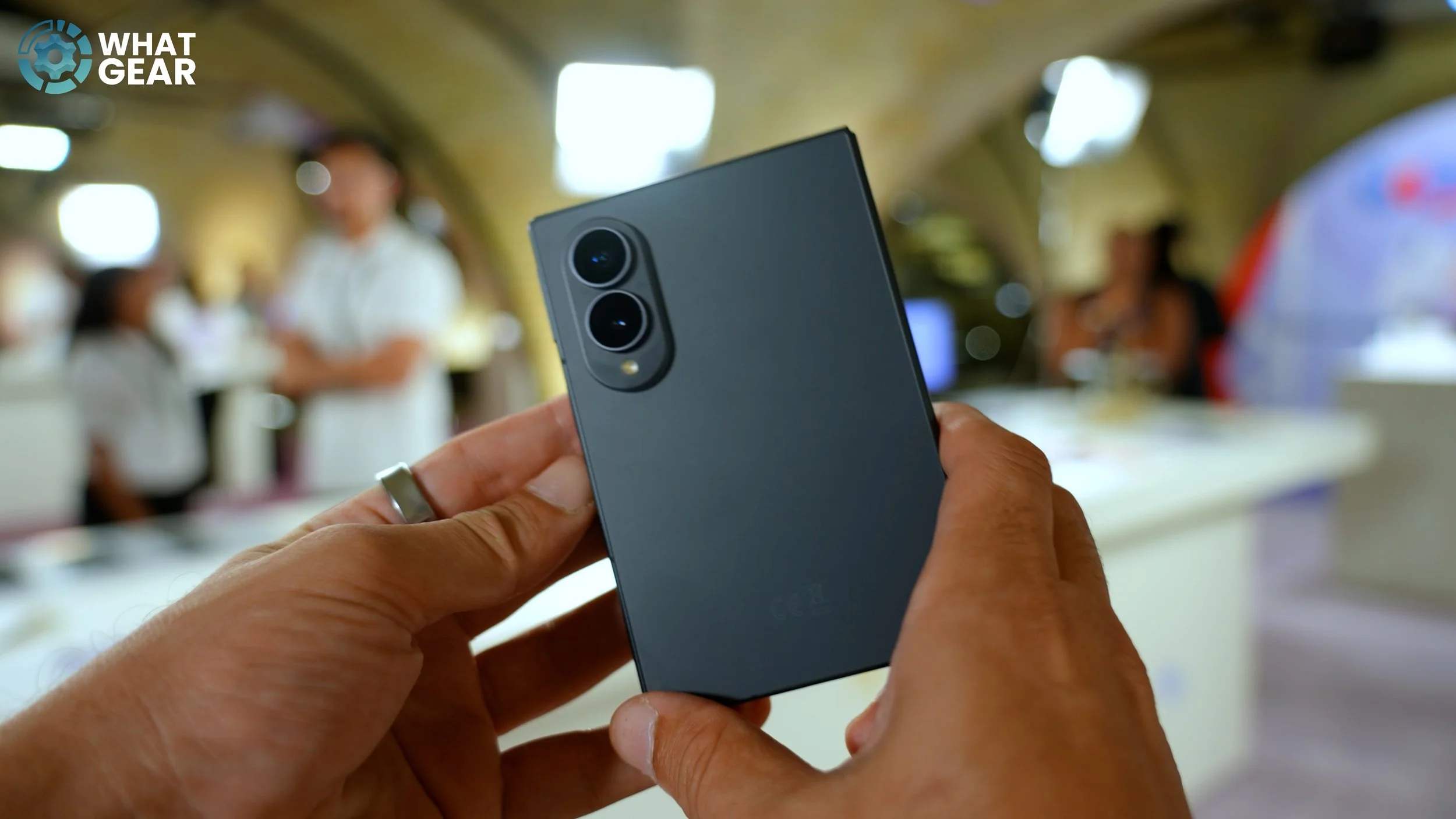
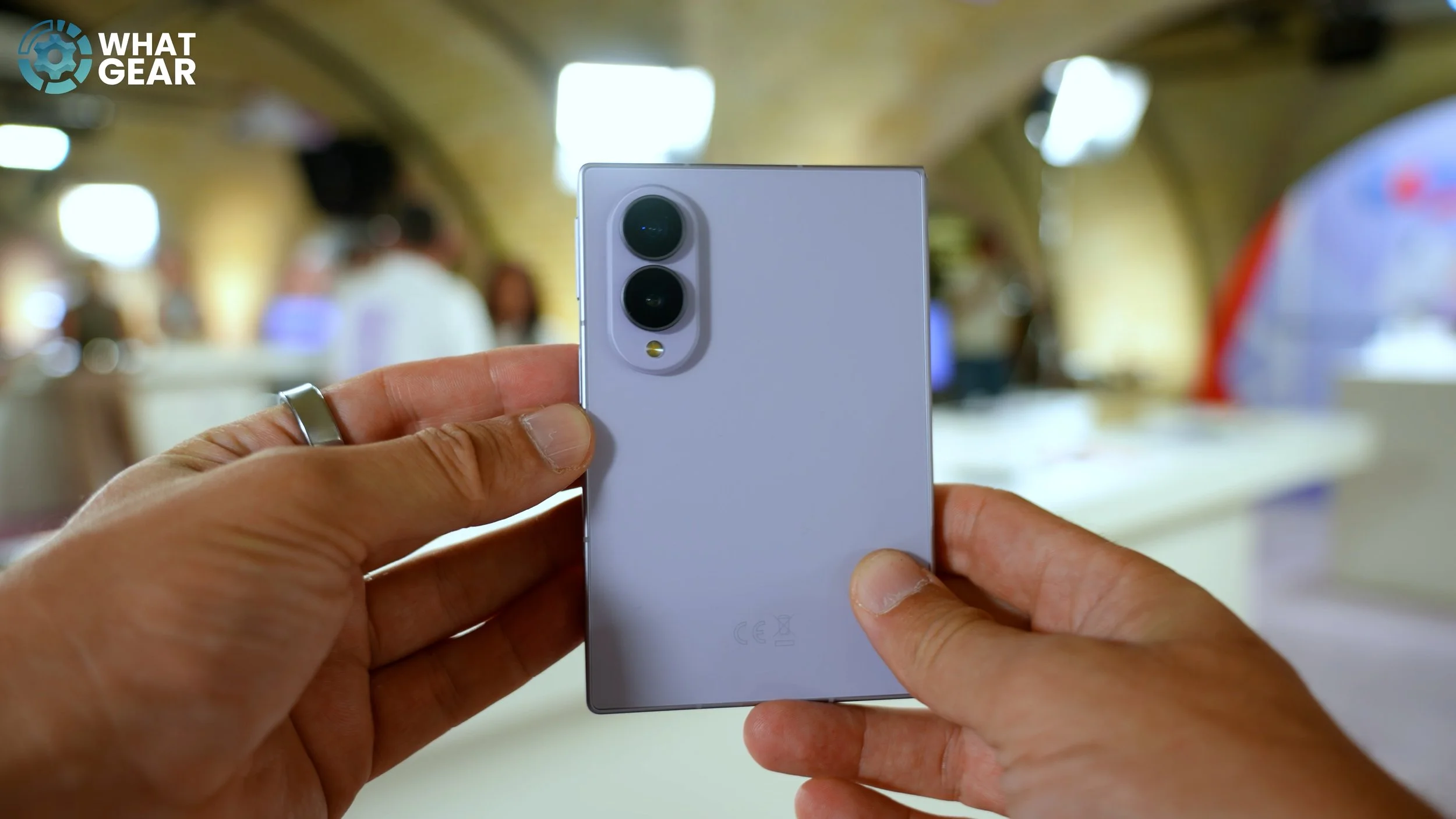
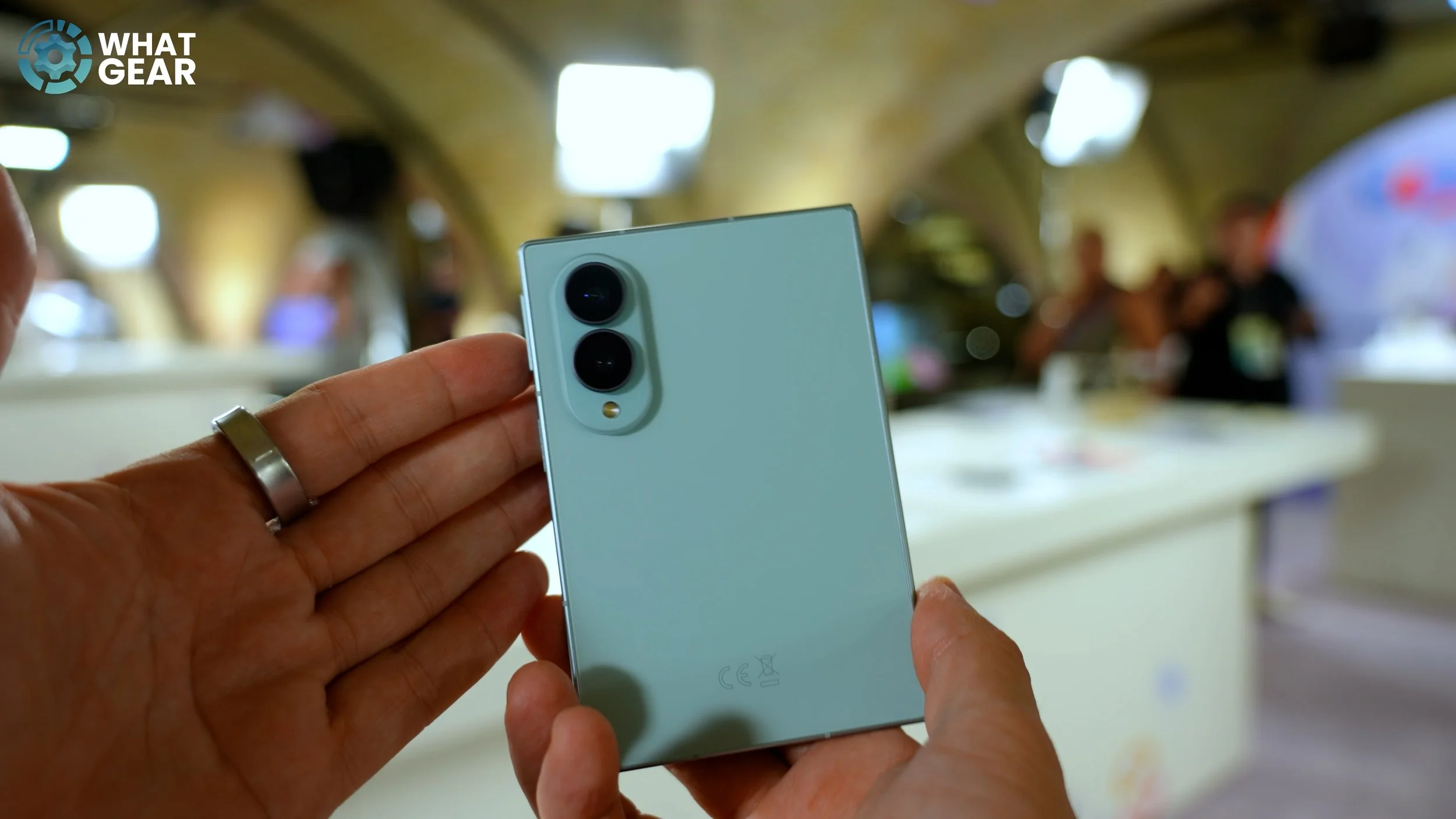
And when it comes to design changes other than the form factor, obviously, they have managed to round out the camera module a little bit. It is kind of clear if you look at it from the side, but it's still got the colour to it. It's just got more of a sort of pillow finish to it. It looks softer and less angular than the previous model. The battery size is also pretty decent here at 4800 milliamp hours. It charges at 45W wired and 25W wirelessly. Now, here are my first thoughts on the Galaxy Z Fold 8. When I first saw this thing, I did think that getting used to the wider aspect ratio would be a bit of a feeling-out process, but it's actually only a tiny bit wider than the phone that I use right now, the Galaxy S26 Ultra.
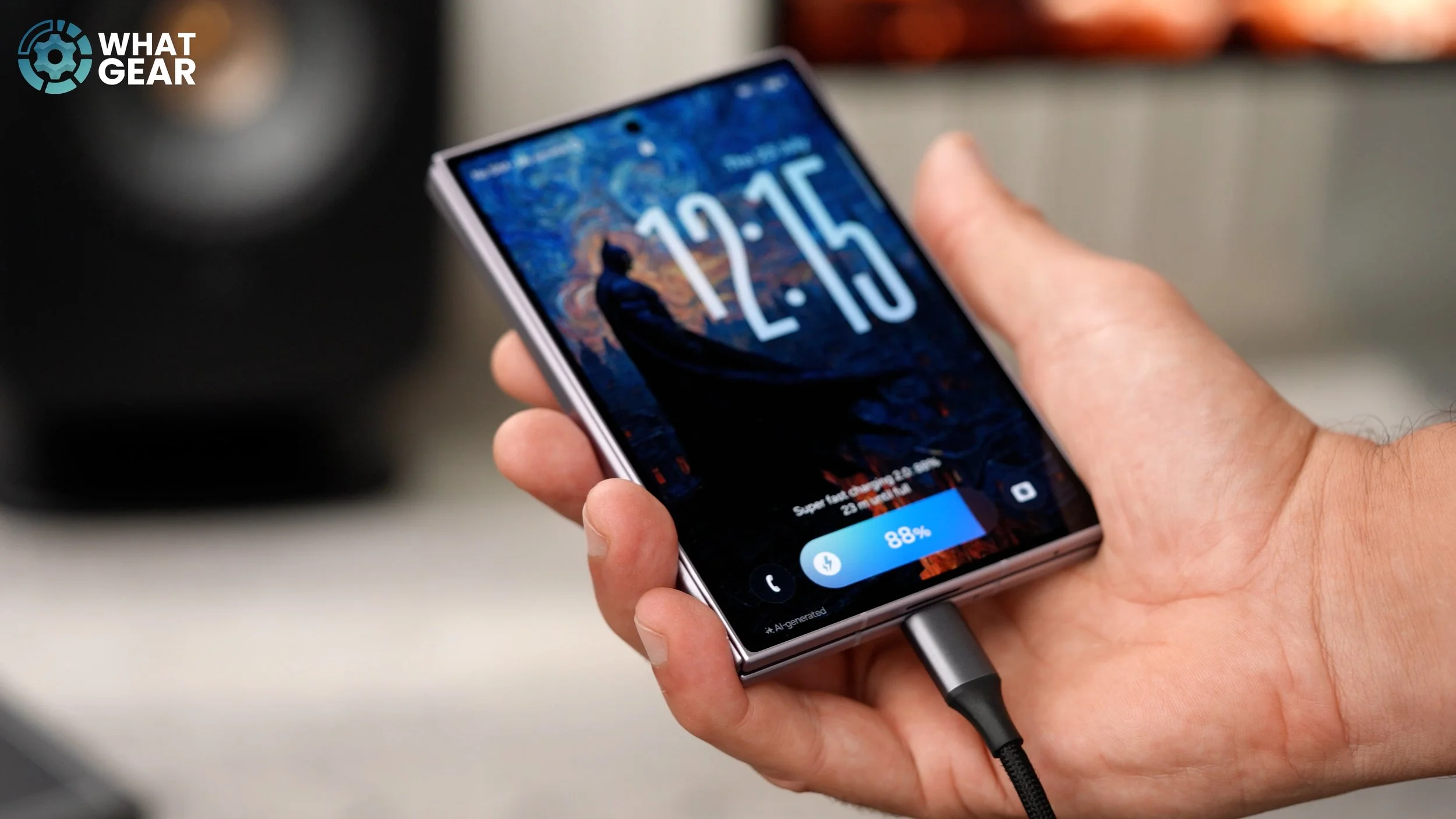
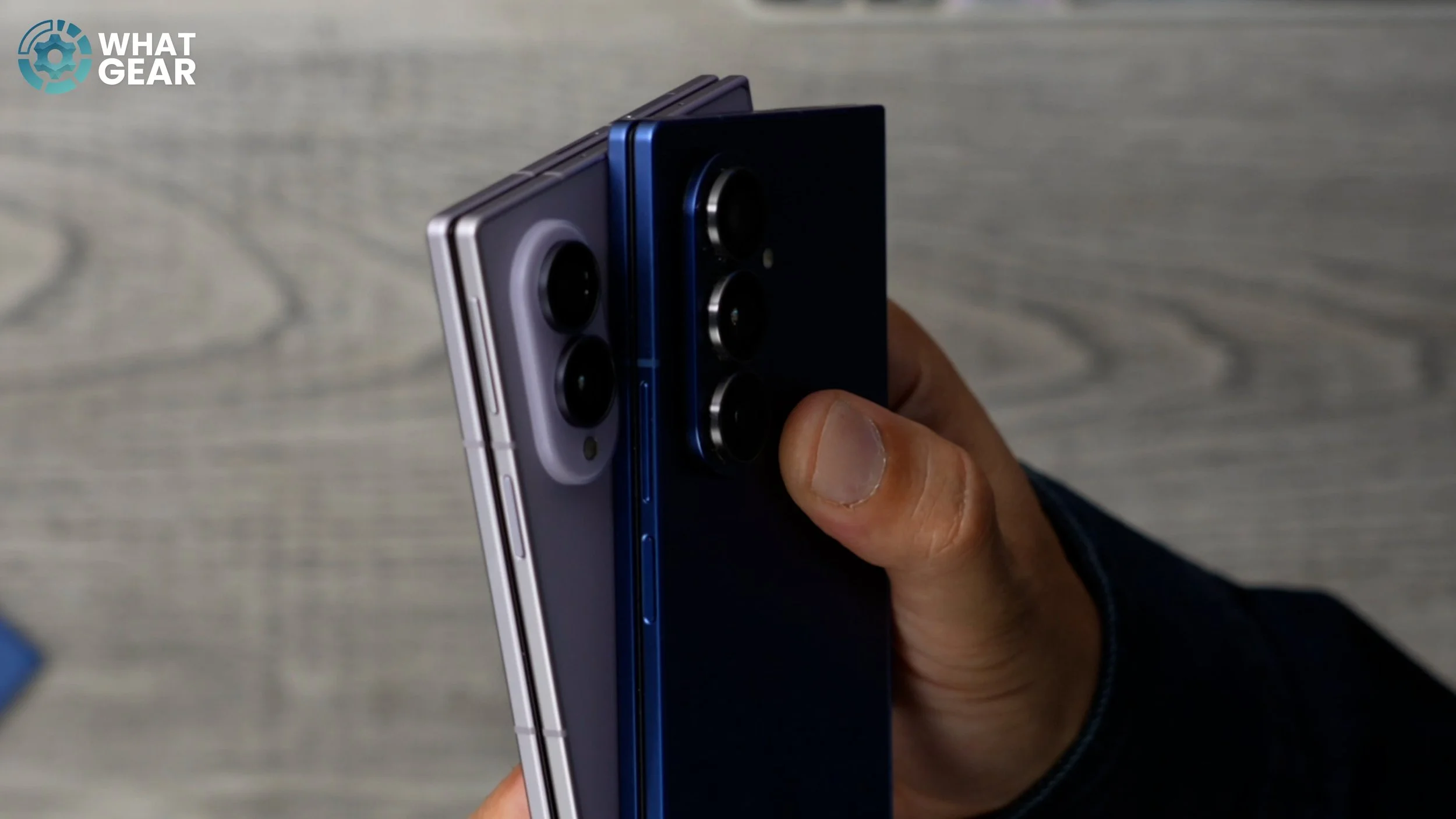
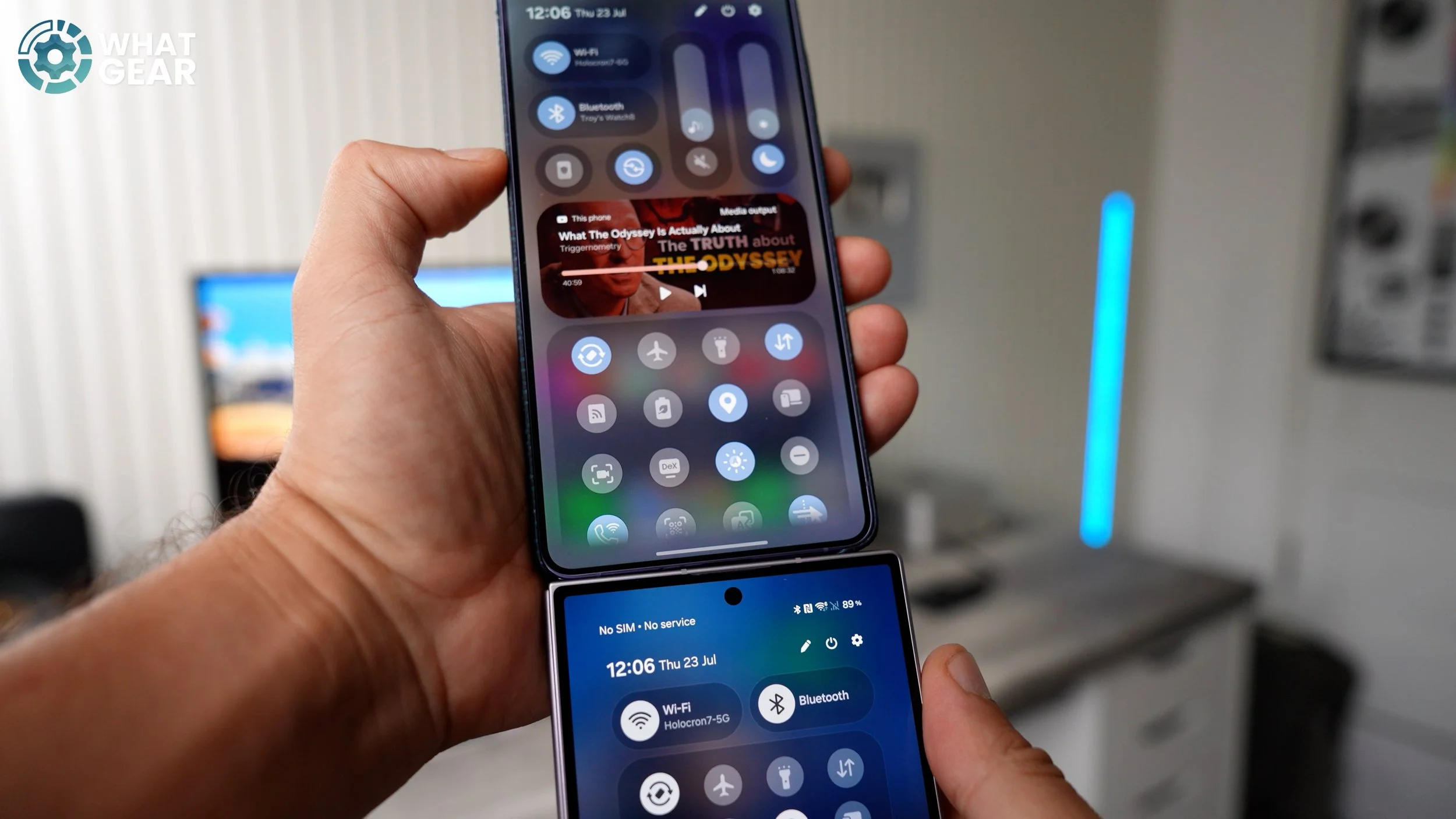
And actually, the fact that it is, in fact, wider than my previous phone, the Galaxy Z Fold 7, is an advantage. Typing on the cover screen is so much better. And yes, it is shorter, which means less can be shown at once when scrolling vertically on a social media app, for example. But the upside to the shorter display is that now it's very easy to reach the top of the display one-handed, and that is super convenient. And if your main reason for getting a foldable is because you want that big screen for movies and social media and maybe gaming, there is a case to be made that the inner display on the Fold eight is more well suited to that over the Galaxy Z Fold 8 Ultra's inner display, which might be more well suited for power users who might be doing more multitasking and workflow types of stuff on the inner screens.
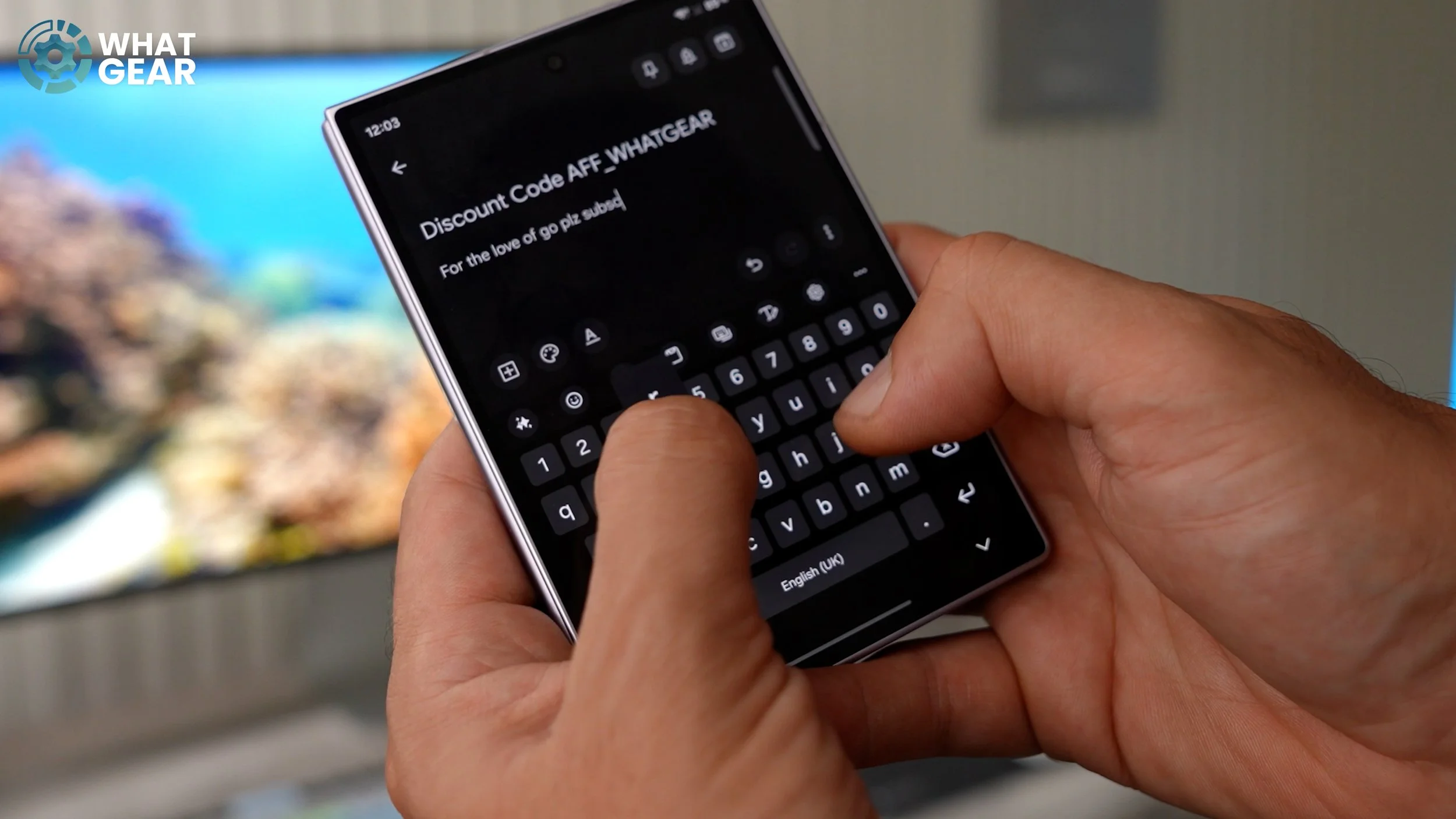
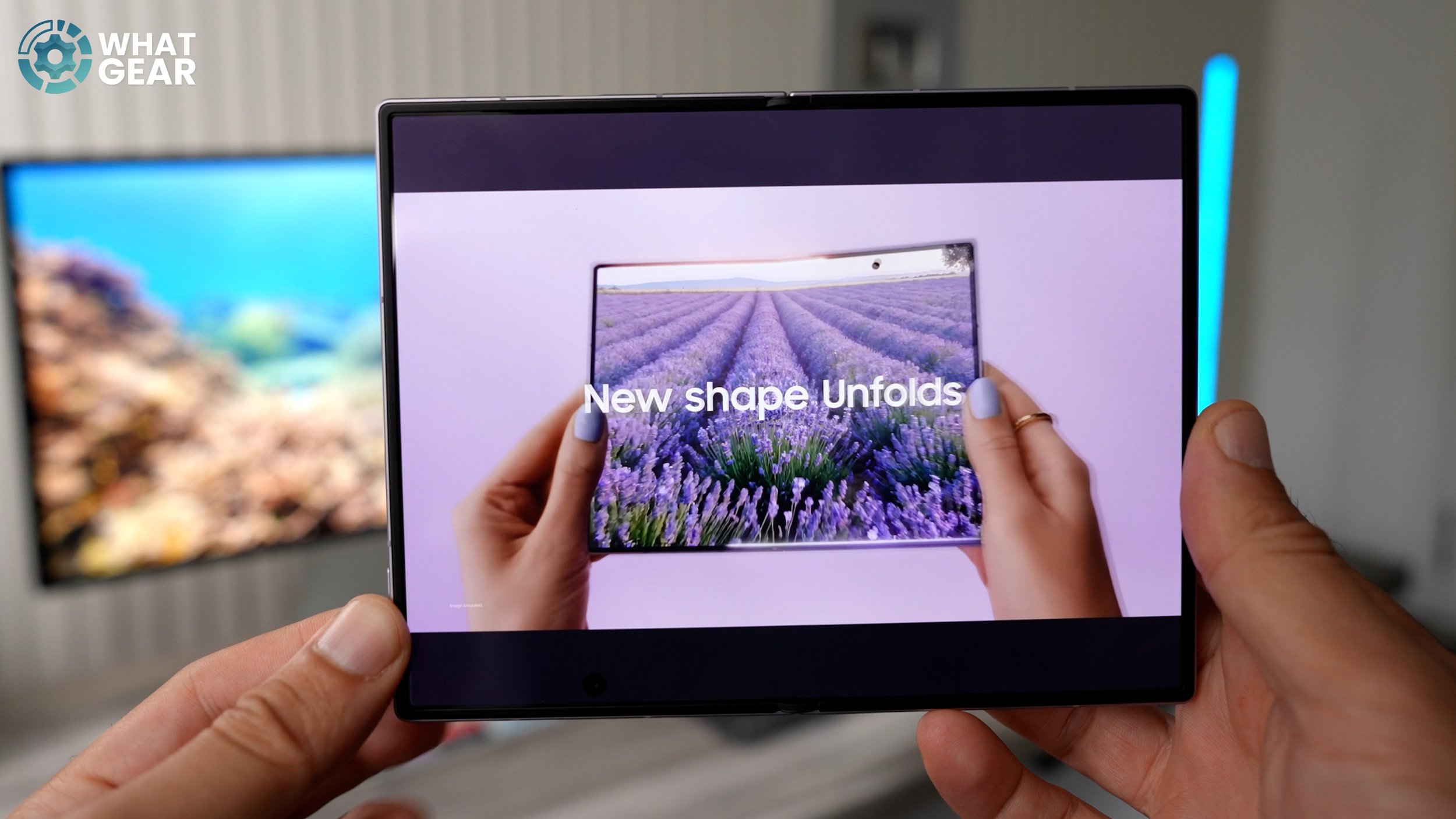
And I have a sneaking suspicion that Samsung is testing out the waters with this new design. And if this new Fold eight design does end up being wildly popular, we could see them ramp up the camera specs and battery specs, maybe quite significantly next year. And there are a ton of new features on this phone, which I will be deep-diving into in my tips and tricks guide. So keep an eye out for those. And if you guys want to check out the Galaxy Z Fold 8 Ultra, which is the upgraded version of the 7, check out my unboxing video on this phone. And if you want to see how these two phones compare, if you're trying to decide between the two, I am working on a separate video all about that, so that video is coming soon.