KEF LS Luxe - Pure Perfection...But!
They say money can't buy happiness... but it can buy you a pair of KEFs latest luxury wireless speakers designed by Ross Lovegrove, and these are brand new in August 2026…KEF sent these early to test, for which I am very grateful! And I've been using them for around a month & I can tell you without a shadow of a doubt these speakers definitely make me happy. Anyone who knows me knows that is not that easy.
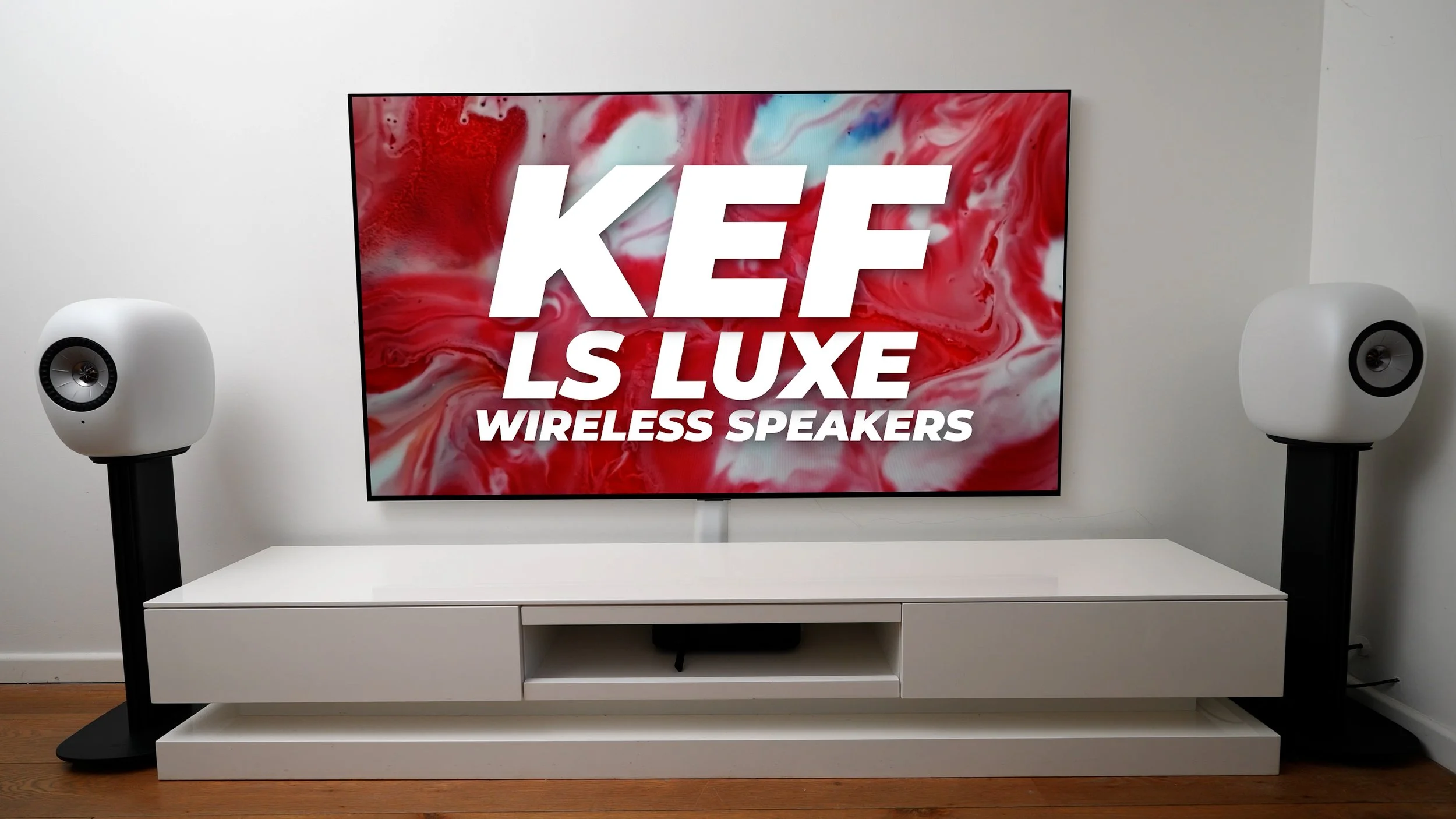
These are an upgraded version of KEF's very popular LS50 Wireless 2 speakers. They have a ton of upgrades and interesting tech… and that is exactly what you'd expect given that 6 years of development have gone into these. You get a lot of sound for your pounds… or other currency, and we'll come back to the price, don't worry. There's no question these are luxury 2-speaker systems. And while most wireless speakers promise high-end audio, a lot of them cut corners on quality when it comes to how you actually stream your music. But the LS Luxe does not. And on the hardware & design side. There are a few things that I think you'll find very interesting about the all-new drivers, a new type of Meta Material used and something that might be a massive eye-opener for you when it comes to the delivery of audio to these very unique wireless luxury speakers.
Design & Build
So a little background, just in case KEF is new to you. KEF are a British high-end audio company, and they've been pioneering audio tech and building premium speakers since 1961. Their name and quality hold a lot of prestige, and anyone who has experienced their products already knows they live up to the high expectations… And these speakers have been designed with living spaces in mind. For desktop workspaces, please check out my LSX II review.
So with their all-new LS Luxe, KEF didn't just build a box with drivers stuffed inside… every curve, cabinet shape, and finish feels intentional. And it is; KEF has once again teamed up with renowned designer Ross Lovegrove to sculpt the LUXE into a shape that looks as good as it sounds. Now what you might find interesting about the LX Luxe shape is how its curved cabinet performs compared to your standard boxy speaker. The LS LUXE's design mimics the acoustic behaviour of a perfect sphere, the gold standard for sound dispersion. Which (paradoxically) gives it an edge over box-shaped speakers…
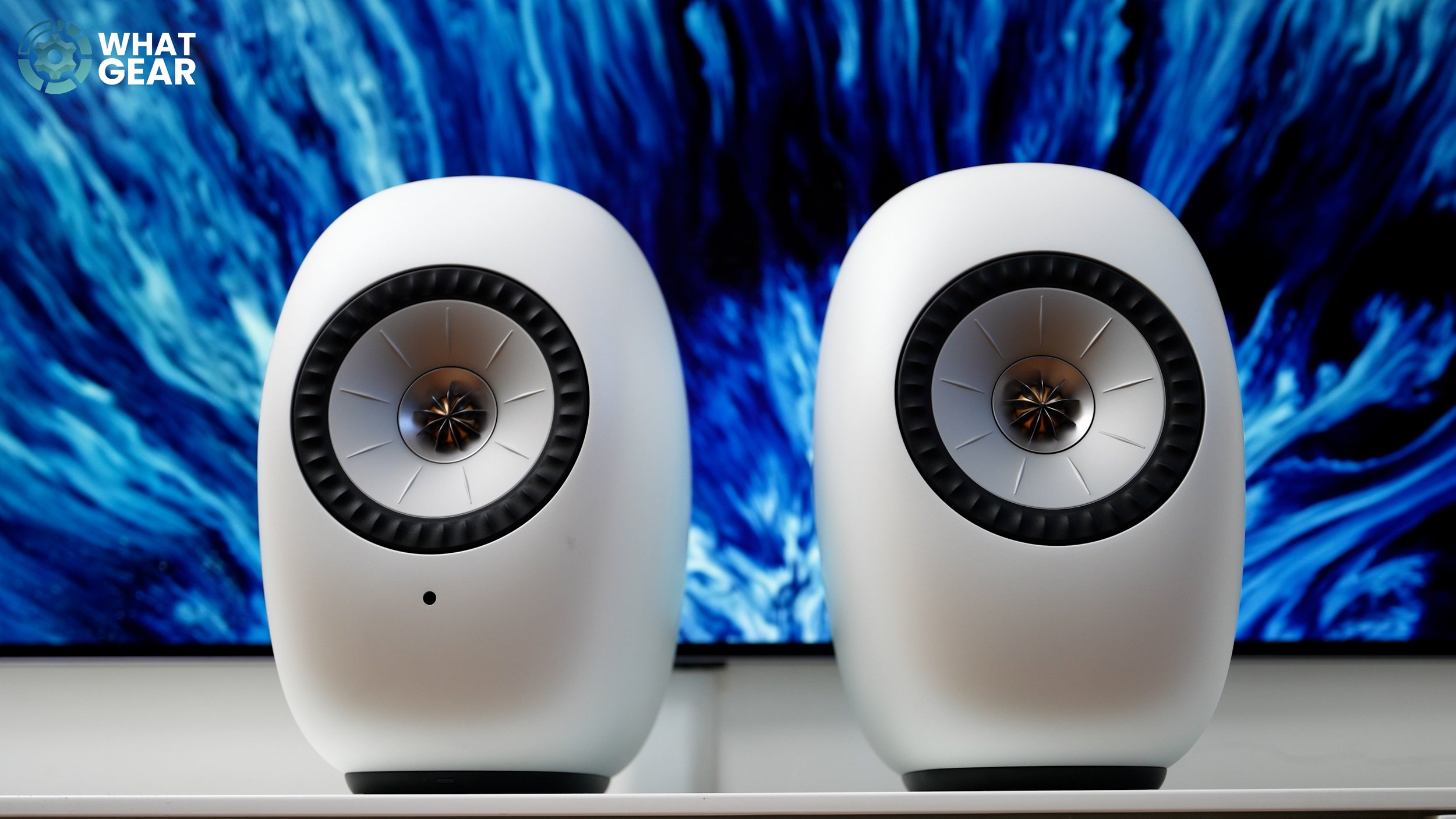
So by ditching those sharp edges, KEF has managed to virtually eliminate the diffraction issues that normally muddy up your audio. And this represents a massive step up and brings you much closer to that ideal, clean sonic presentation. So, right, be like ok great, it's got a nice shape. But there's more to it than that. Kef is using a very specific material for the cabinet to improve audio precision and aesthetics.
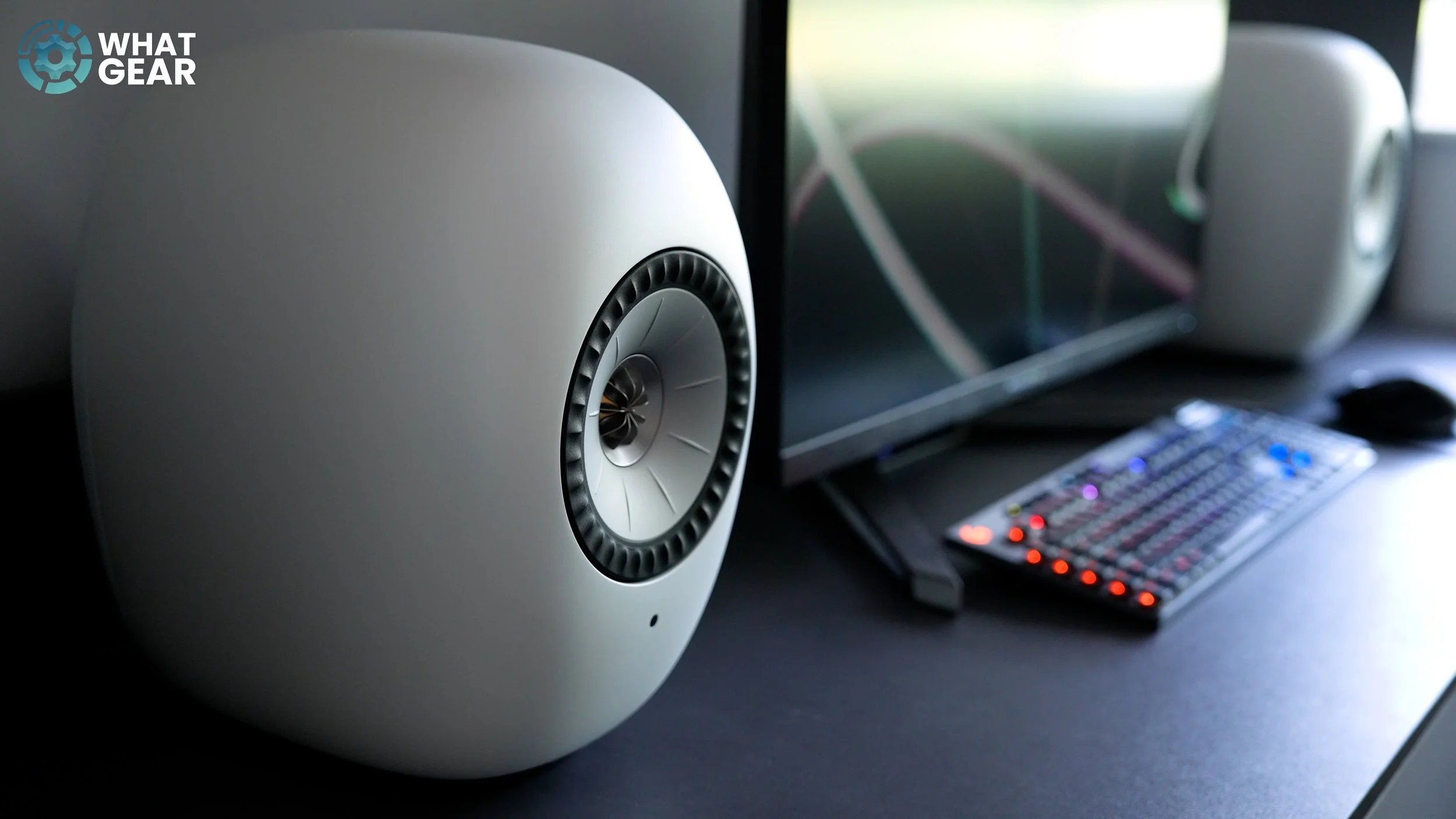
It's a bespoke glass-fibre BMC (Bulk Moulded Compound) engineered specifically for this product. If that sounds familiar, it's because it's the same high-tech composite KEF utilises for the front baffles on the LS50 Meta and Wireless II models. But the difference here is that the LUXE is encapsulated within it, to ensure the chassis remains as acoustically solid and as stiff as it needs to be whilst keeping sleek and good-looking. And KEF's unique UNI Q drivers are maybe some of the best-looking out there. Still, again they've managed to deliver impressive design with high-end audio engineering, and the upgrades they've made behind the scenes here are very interesting.
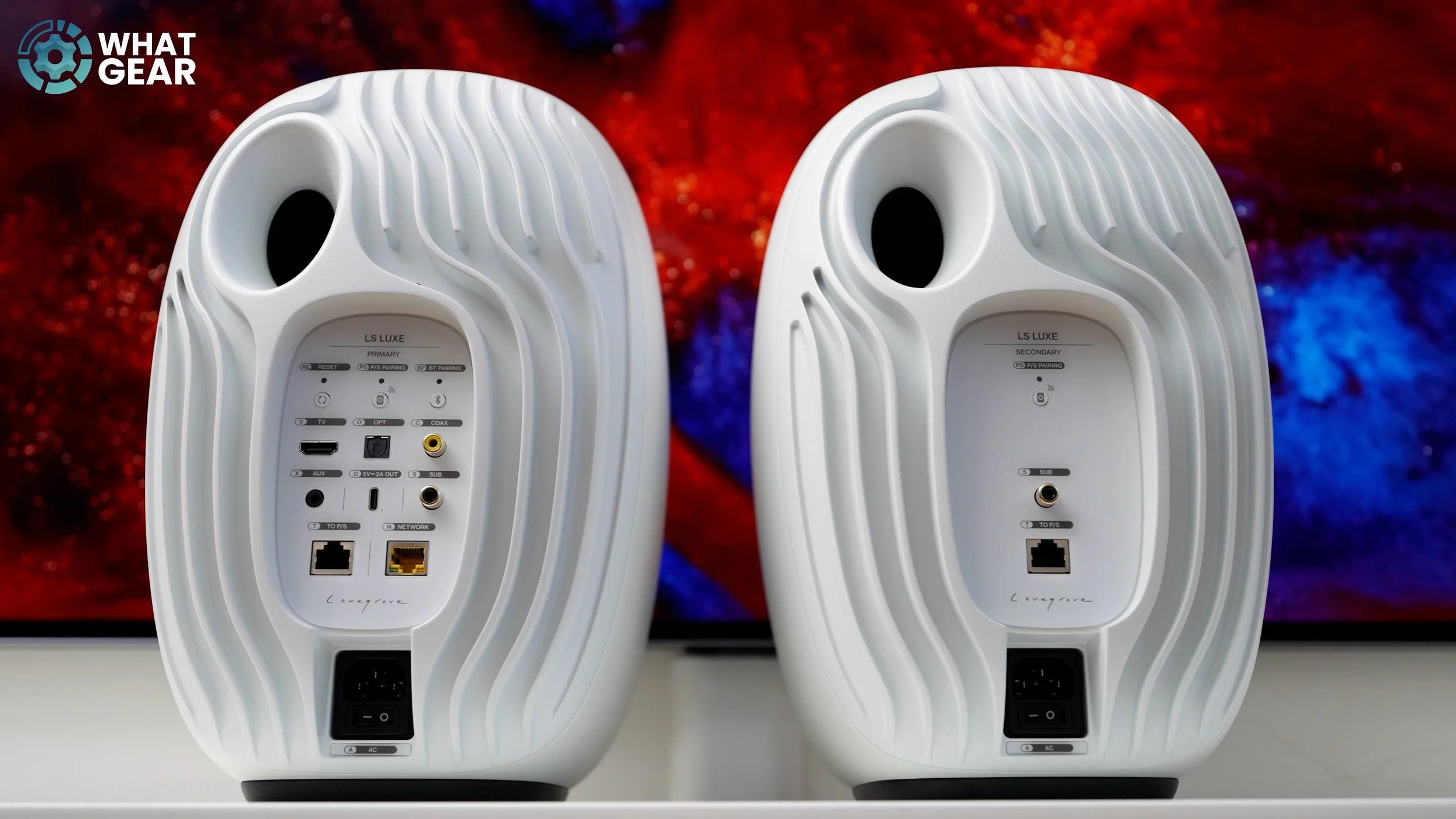
But first, let's flip to the back because this design aspect is important too. The back of most speakers is probably an afterthought on most speaker designs. But here KEF has added a pretty substantial aluminium heatsink. You might not realise this about drivers, but when driven for long periods, they heat up, which can affect the speaker's acoustic performance. Put very simply, It's designed to draw heat away from the internal electronics, keeping everything cool so the speaker runs reliably during long listening sessions… and I must admit it looks cool too. And the provided remote is a nice premium too. It's quite minimalist and self-explanatory, and you can program a favourite input mode here. But the real magic is hidden in the KEF Connect App, which I'll come back to towards the end of this video.
The Tech Under the Hood (Uni-Q, MAT & DSP)
Alright, let's talk about this—the 12 Gen UNI Q Driver array. If you know KEF, you already know about these. But for those of you who are new to this tech. Here's what makes the UNI Q drivers special. Instead of placing the tweeter and woofer in separate spots, KEF places the tweeter directly at the acoustic centre of the midrange cone. And that little waveguide at the centre isn't just for looks. They call it the Tangerine Waveguide, and it helps improve the smoothness of sound dispersion. And the entire array, because it's designed in this way, creates a single point source, giving you an ultra-wide sweet spot so the sound stays consistent no matter where you sit in the room.
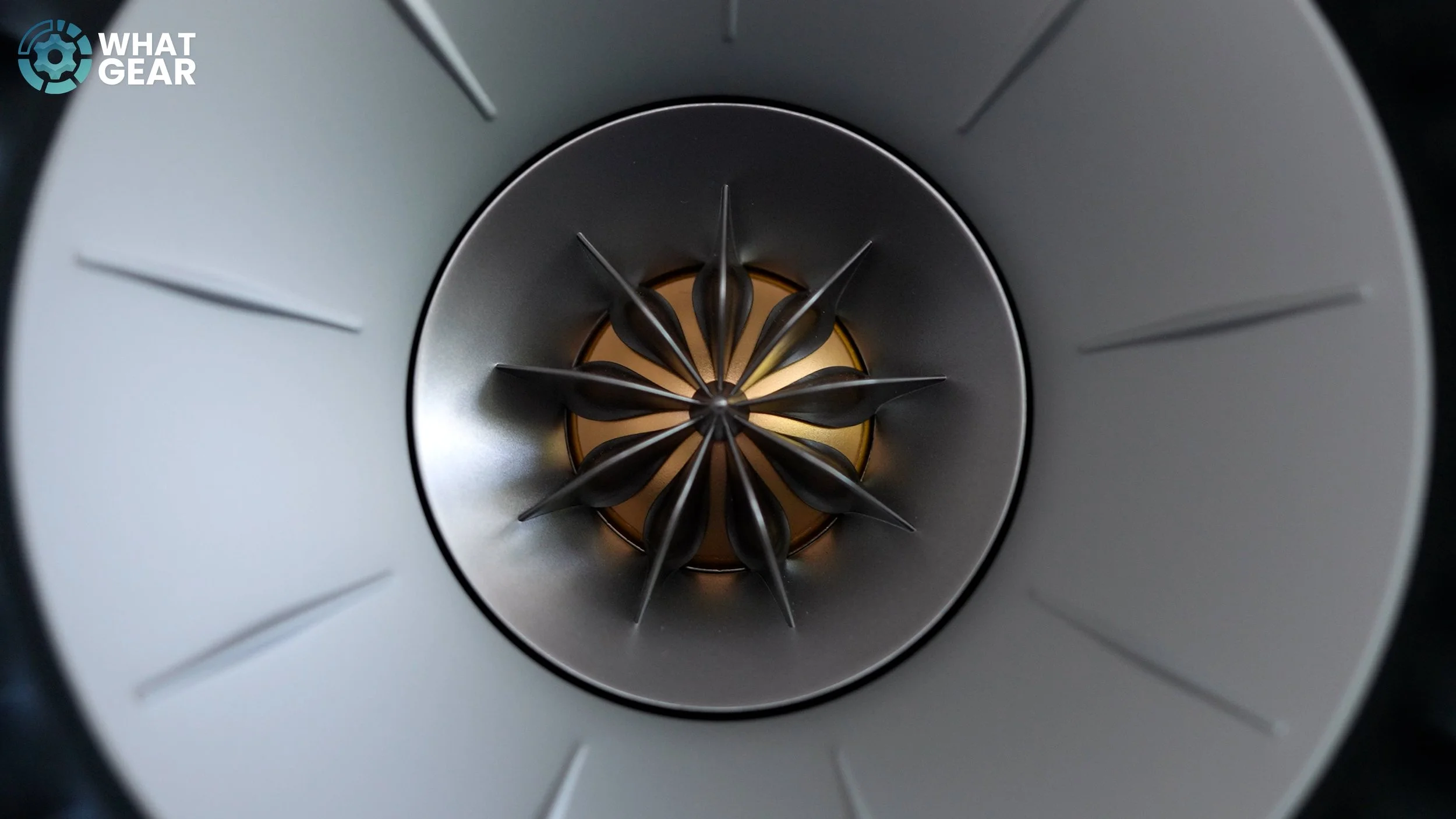
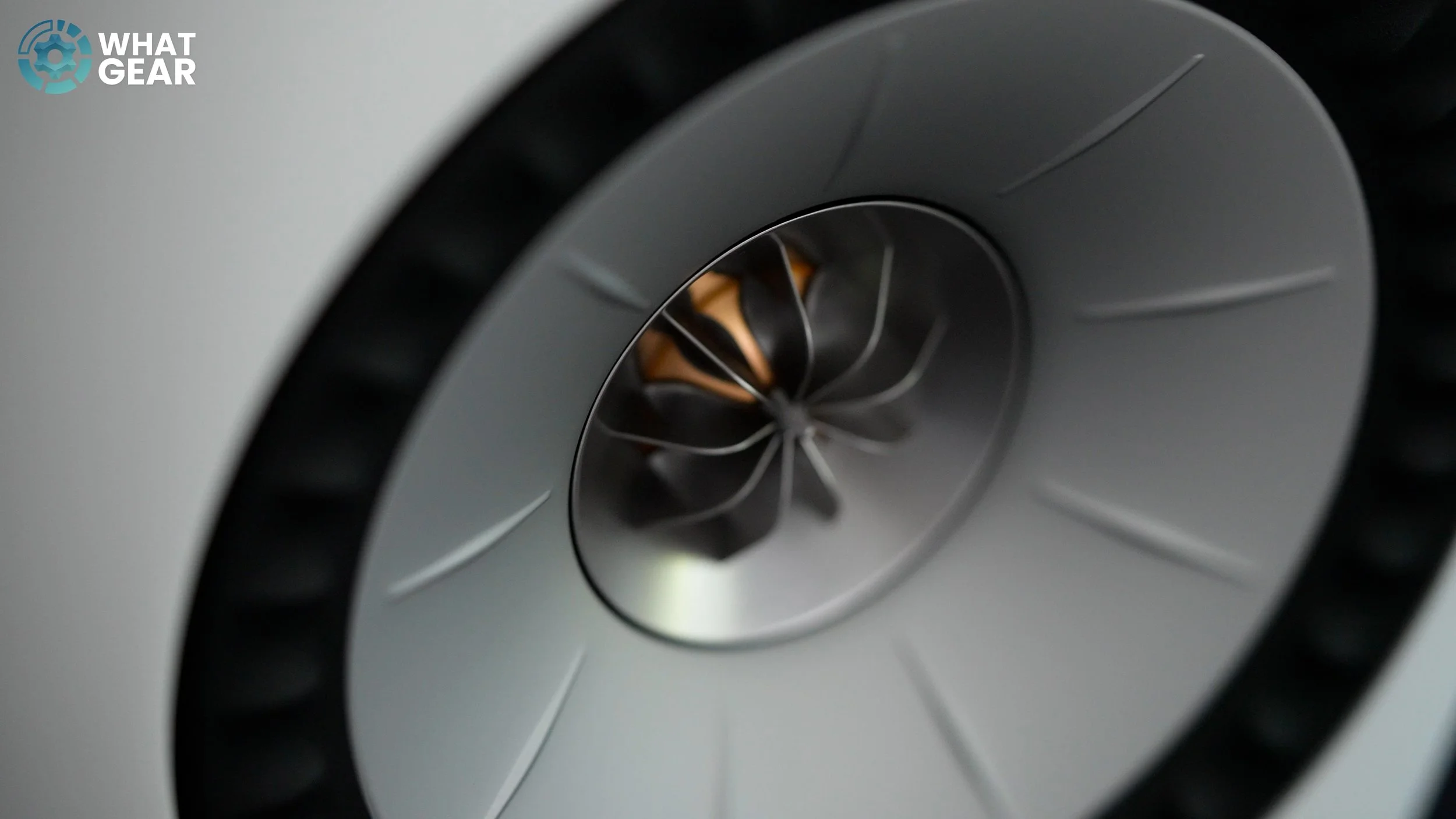
And this is the latest and greatest 12th-Gen Uni-Q Driver Array. And here are the upgrades that KEF has made since the last gen used on the LS50 models. The Aluminium cone is larger and improves low- and mid-range frequencies. Plus an improved Tweeter Gap Damper and Cone Neck Decoupler designed to eliminate unwanted resonances and keep your high frequencies incredibly pure.
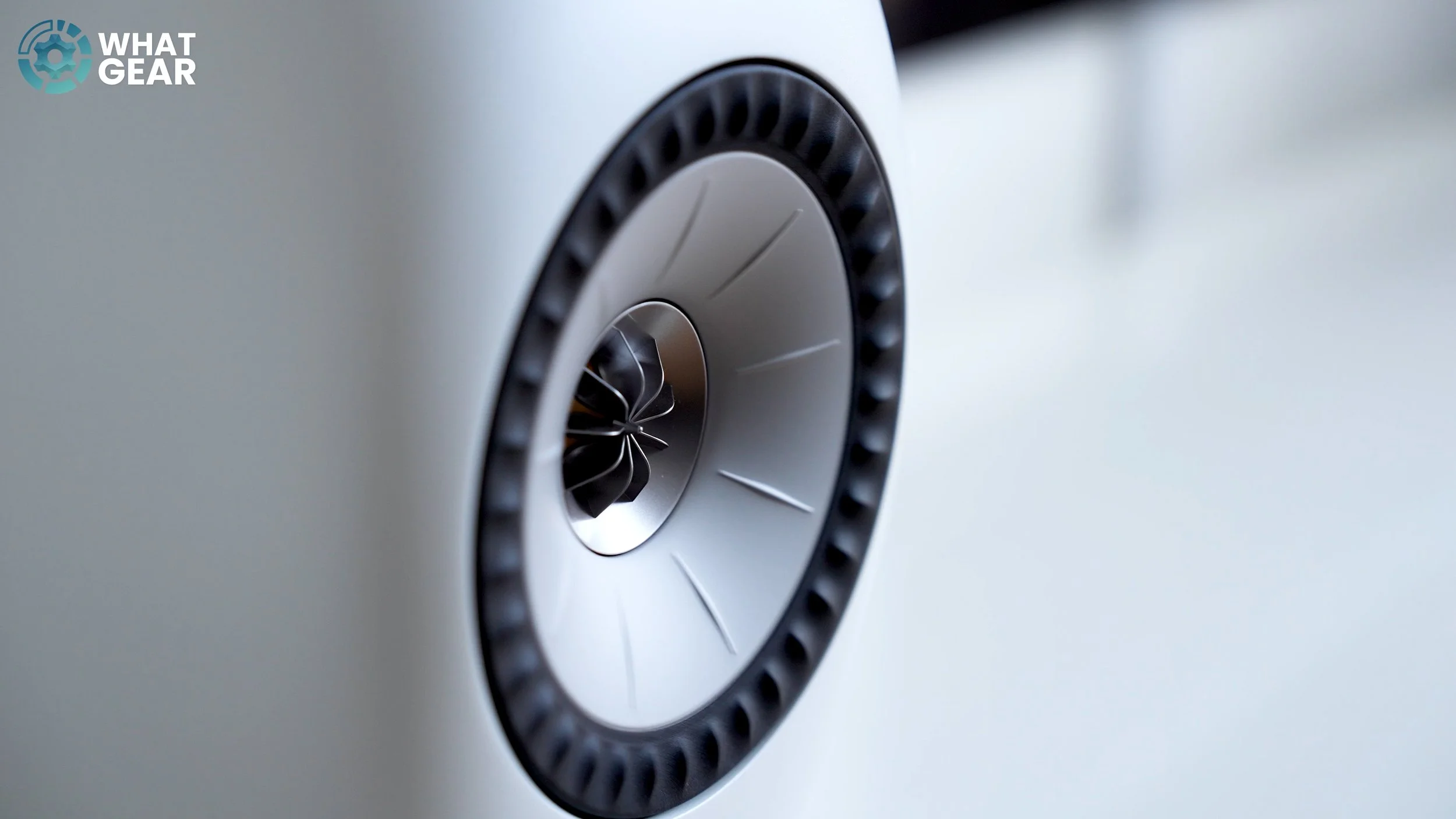
There's a new shock-absorbing metal structure that reduces vibrations even more than before at higher volumes. They used a supercomputer to test millions of designs. The computer showed them exactly where the frame needed to be soft, and where it needed to be strong. That computer testing is called FEA. Thanks to this computer-designed pillow, you only hear the clean, crisp music without any of the ugly box-shaking! KEF has also integrated micro sensors, which we'll come back to and remember that Metamaterial I mentioned earlier.
Metamaterial Absorption Technology (MAT)
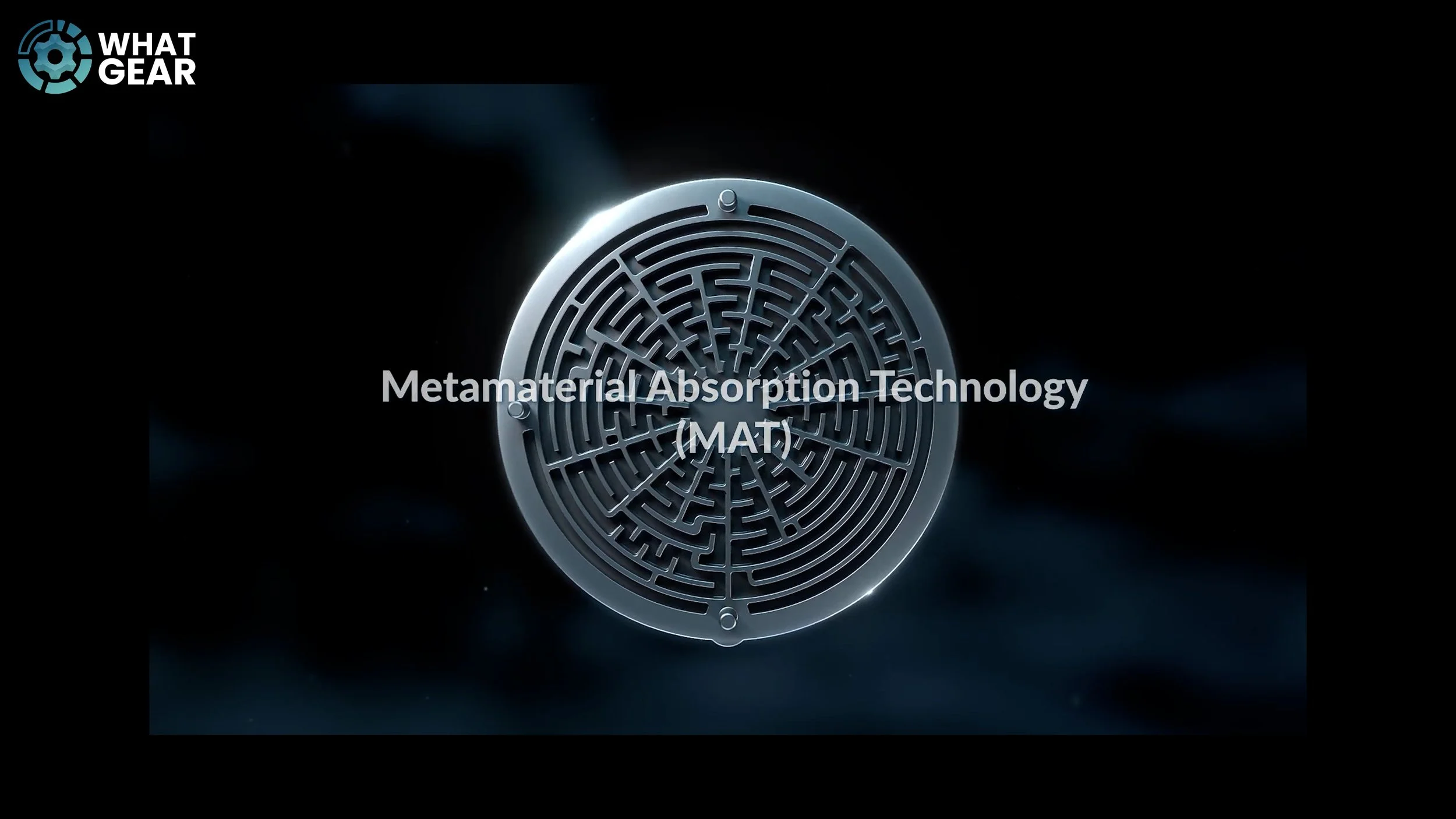
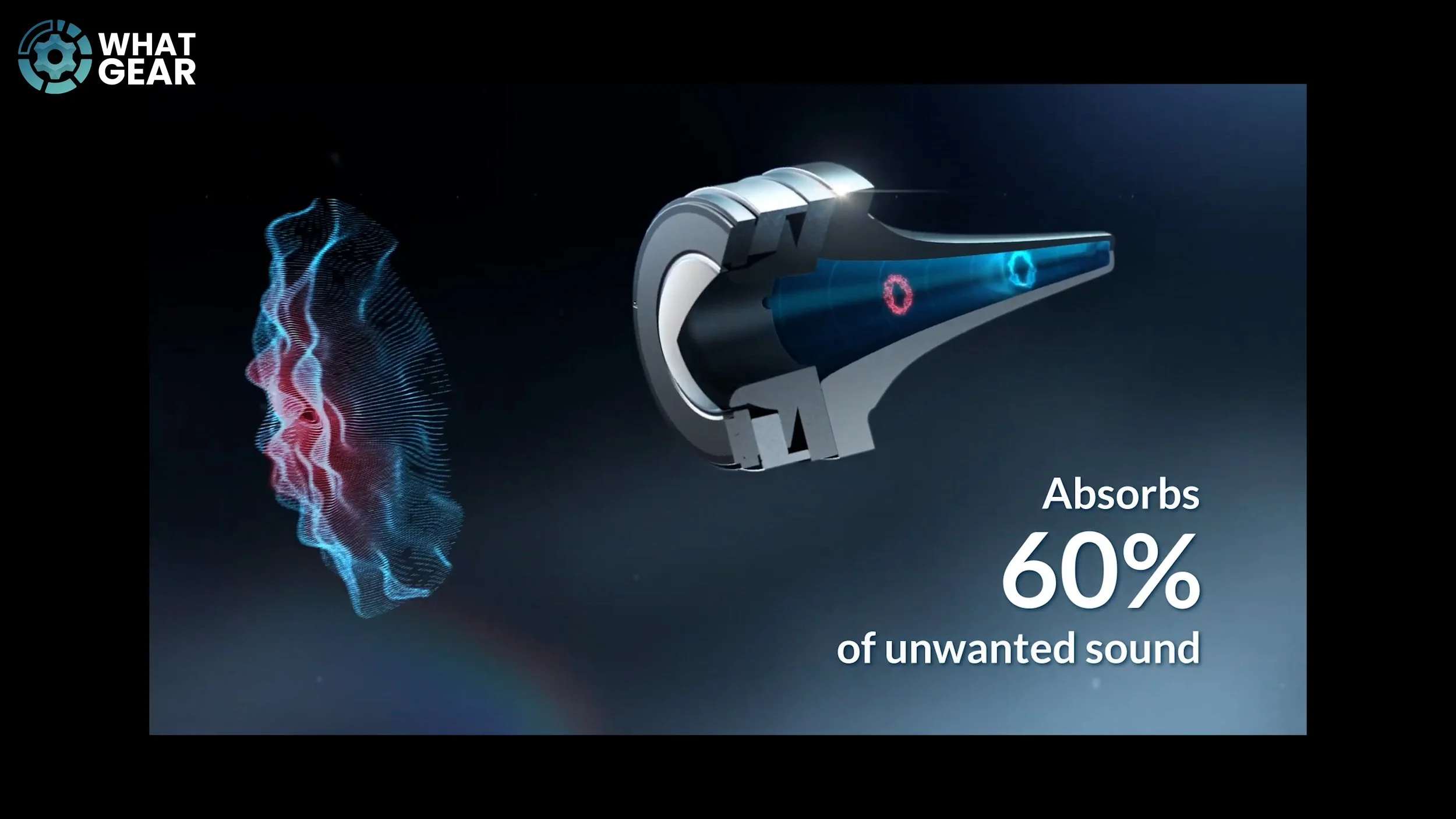
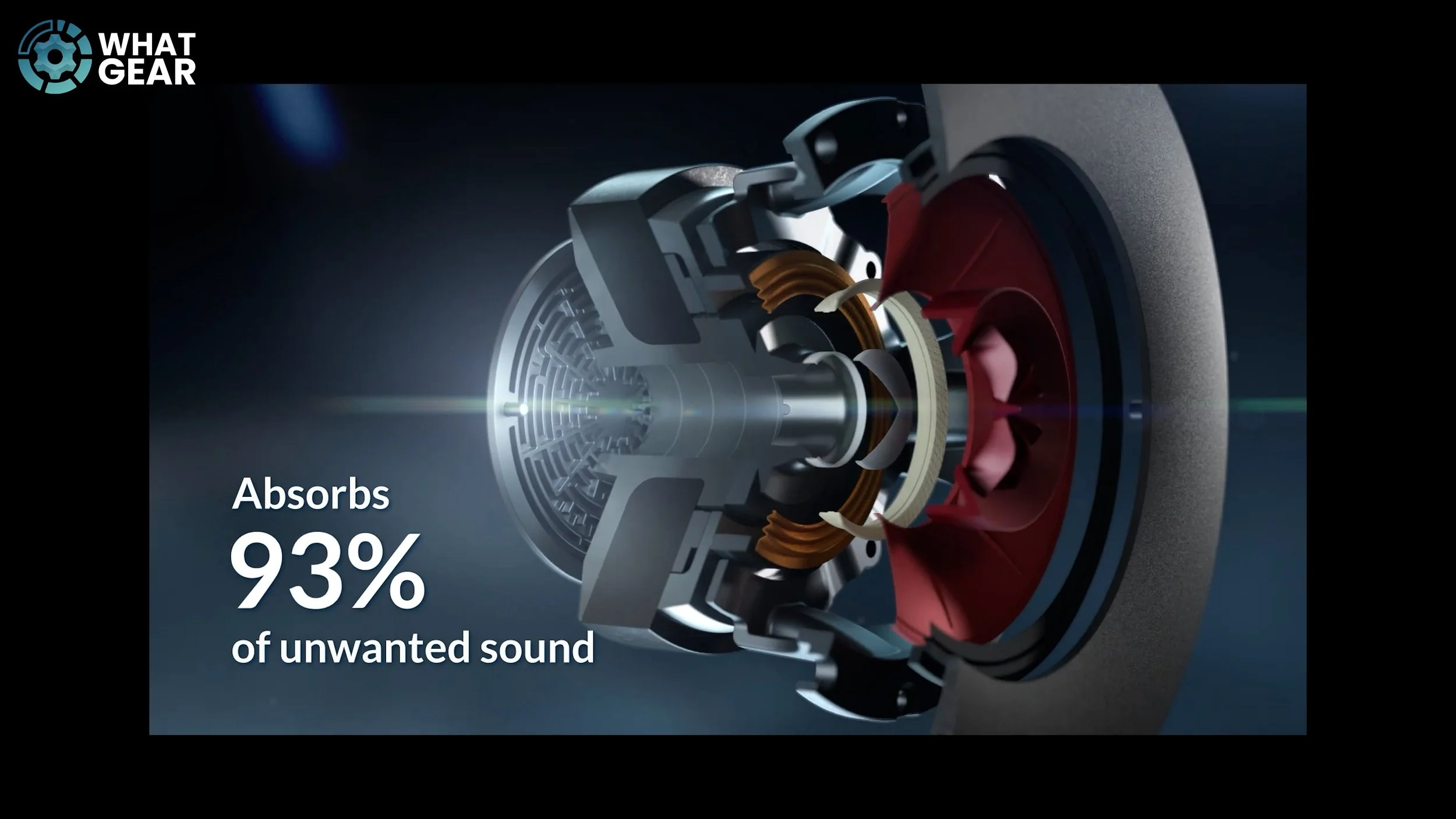
They call it MAT. Hidden behind this 12 Gen UNI Q driver is a complex, labyrinth-like structure that traps and absorbs 99% of unwanted sound waves emanating from the back of the tweeter. And this innovative material drastically reduces distortion and helps deliver a much cleaner presentation. And little for shadowing… clean is a keyword.
Of course, just like other KEF speakers, they are using their Music Integrity Engine, but it's a customised version for this new hardware. This is KEF's custom DSP running the show behind the scenes, keeping the time alignment precise and ensuring the built-in amplifiers drive each frequency effortlessly.
VECO
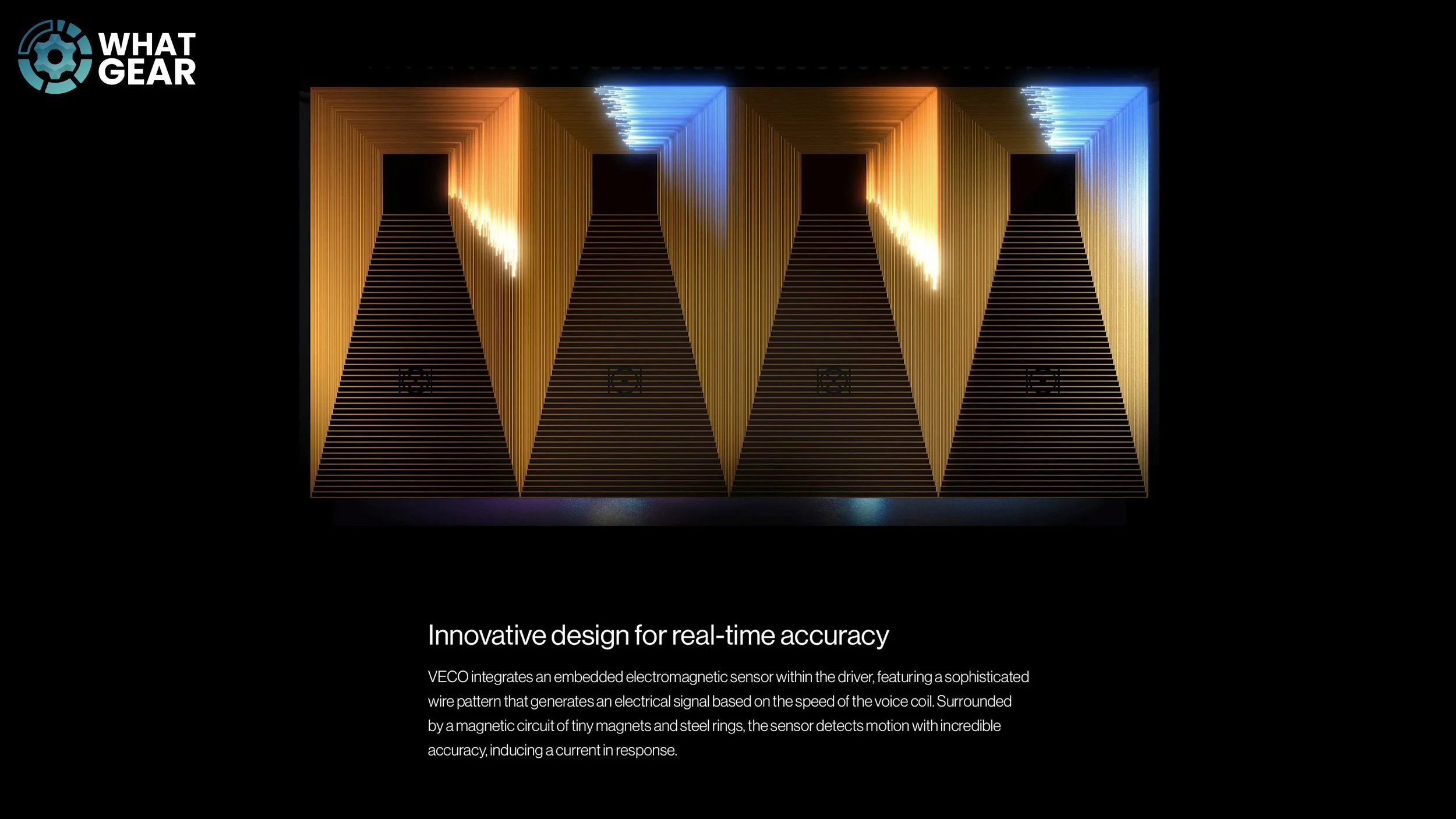
And before I show you the connectivity options, we have to talk about VECO. What is VECO, I hear you say. Well, let me break this down for you. The driver bounces with the sound waves, but as I mentioned earlier, the properties may change with heat. So KEF has added tiny sensors to the UNI Q driver that monitor movement and instantly correct the cone's position on the fly, which prevents the cone from wobbling and producing blurry or muddy sound. This is important when it comes to heavy bass and loud sounds. And for audio consistency over longer listening sessions. LS LUXE is the very first ported KEF speaker to integrate VECO technology. And this has allowed the sound engineers to have fun when precisely tuning the low-end performance. Which we'll talk about in the sound quality section shortly.
I/O & Connectivity
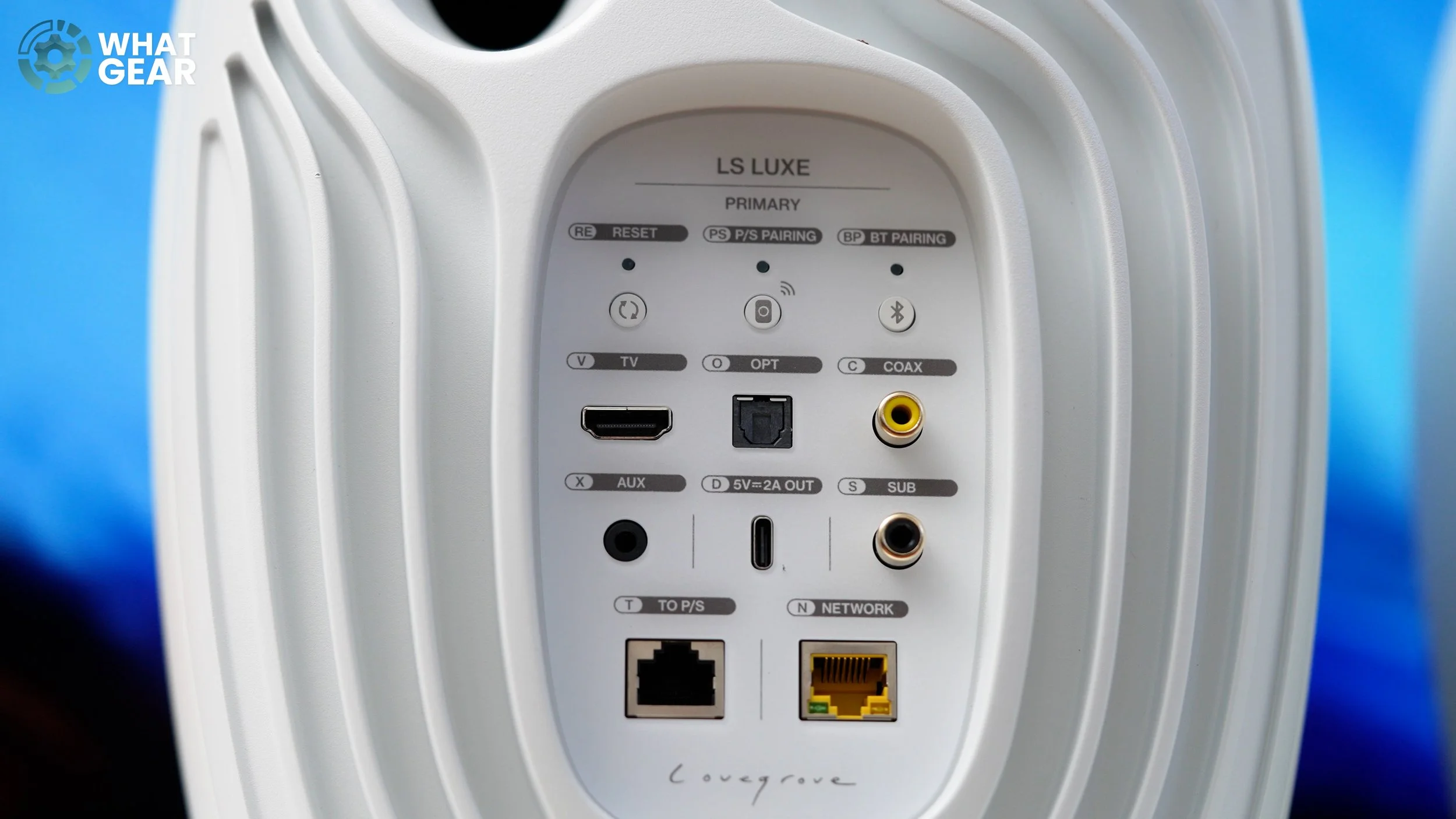
But first, let me give you a guided tour of the ports on the back.
HDMI ARC (for connecting to a TV): 24-bit, 192 kHz, but this speaker is capable of more; there's only one way to do it.
Optical (TOSLINK input): 24 Bit, 192 kHz
Coaxial (Digital coaxial input) 24 Bit 192Khz
3.5 mm Aux (Analog audio input); both speakers have this
Subwoofer Out (RCA output for connecting a subwoofer)
Interspeaker Port (RJ45 Ethernet port to link the primary and secondary speakers): jumps from 24-bit 96 kHz to 24-bit 192 kHz
Network Port (RJ45 Ethernet port for wired network connection): using this improves streaming stability. But both this and the WIFI connectivity support a maximum of 24-bit, 384 kHz. Which, yes, means that these speakers will reach peak performance when streaming audio. But remember how I mentioned the importance of the delivery methods. Brace yourself for that.
Power Input (AC power connector)
No USB-C connectivity
Sound Impressions (Midrange & Highs)
Ok, sound is subjective. So I will offer my opinion. But it's probably worth mentioning I spent a lot of time working in Harrods' technology department, where I spent hours having my ears pounded like Captain America's punching bag by extremely expensive speakers. So, I have some experience in this area. So, here are my personal bullet points on this. The midrange clarity is so clean. Vocals come through super clear and precise, and it will likely ruin how you think about a lot of your older audio products. There's clear and distinct separation between vocals and high-frequency instruments. So nothing feels drowned out/
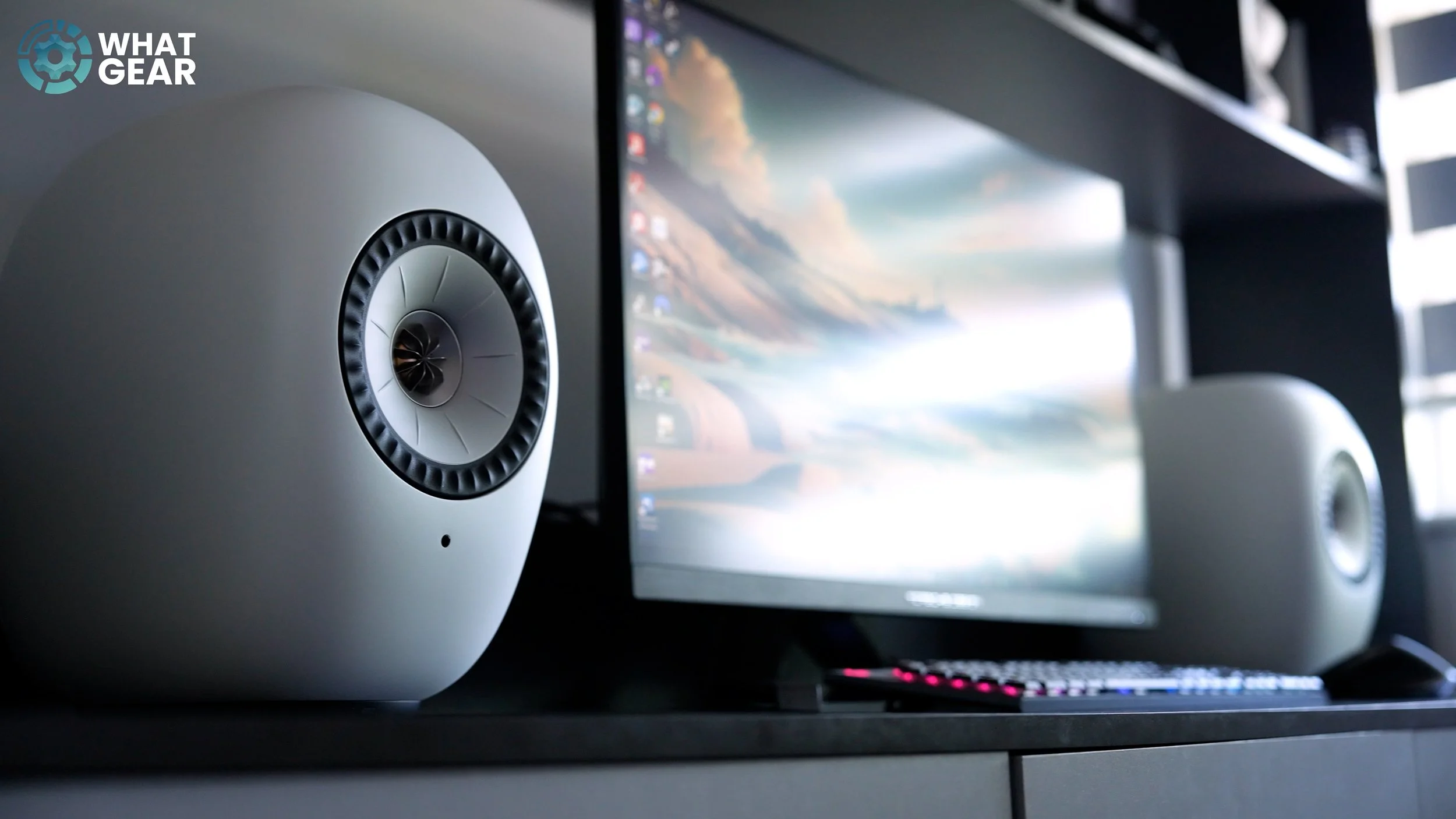
And the high-frequency details feel airy and precise. Cymbals and higher notes hit with crisp definition, but without being overly sharp or ear-piercing. There's no harshness, which makes listening for longer sessions very comfortable. As for the bass response, It's powerful and stands alone. It's really quite impressive given the size of the LS Luxe. And this is likely thanks to that VECO tech I mentioned earlier/I'd describe it as deep, punchy, and tightly controlled. It gives you that satisfying, deep low-end weight without destroying the midrange or compromising the overall balance.
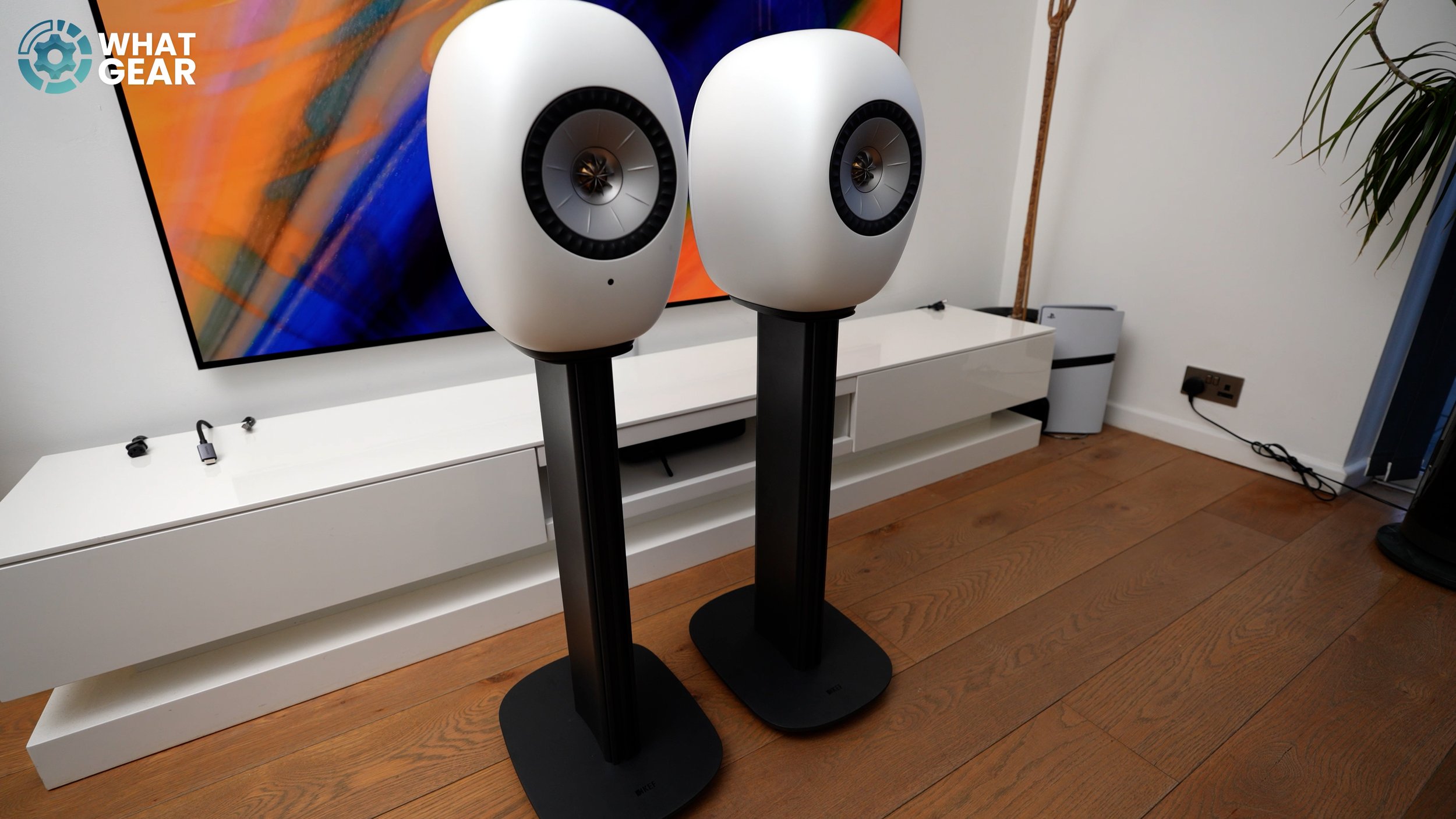
For most music and for watching TV and movies, the integrated bass will be more than enough for most people. But if you're a big movie fan and plan to hook these up to your TV, you'll definitely want to consider adding a dedicated sub to get that full cinematic impact. Normally I'd say something like, "These are great for a certain type of music," but honestly. Everything sounds so clean here. As I said before, I love these speakers. They deliver Sound, Style & more importantly. They make me happy.
Streaming Quality Tiers (AirPlay 2 vs Cast vs Native App)
Ok, now that bombshell regarding audio streaming. These speakers support all file formats, Apple AirPlay 2, and Google Cast. But when it comes to reaching the LS Luxes' full audio potential. There are actually three distinct tiers of streaming quality you need to know about:
Tier 1 (AirPlay 2): This is your entry point. AirPlay 2 tops out at 16-bit / 44.1 kHz (standard CD quality). It's convenient, but you aren't getting the most out of these speakers.
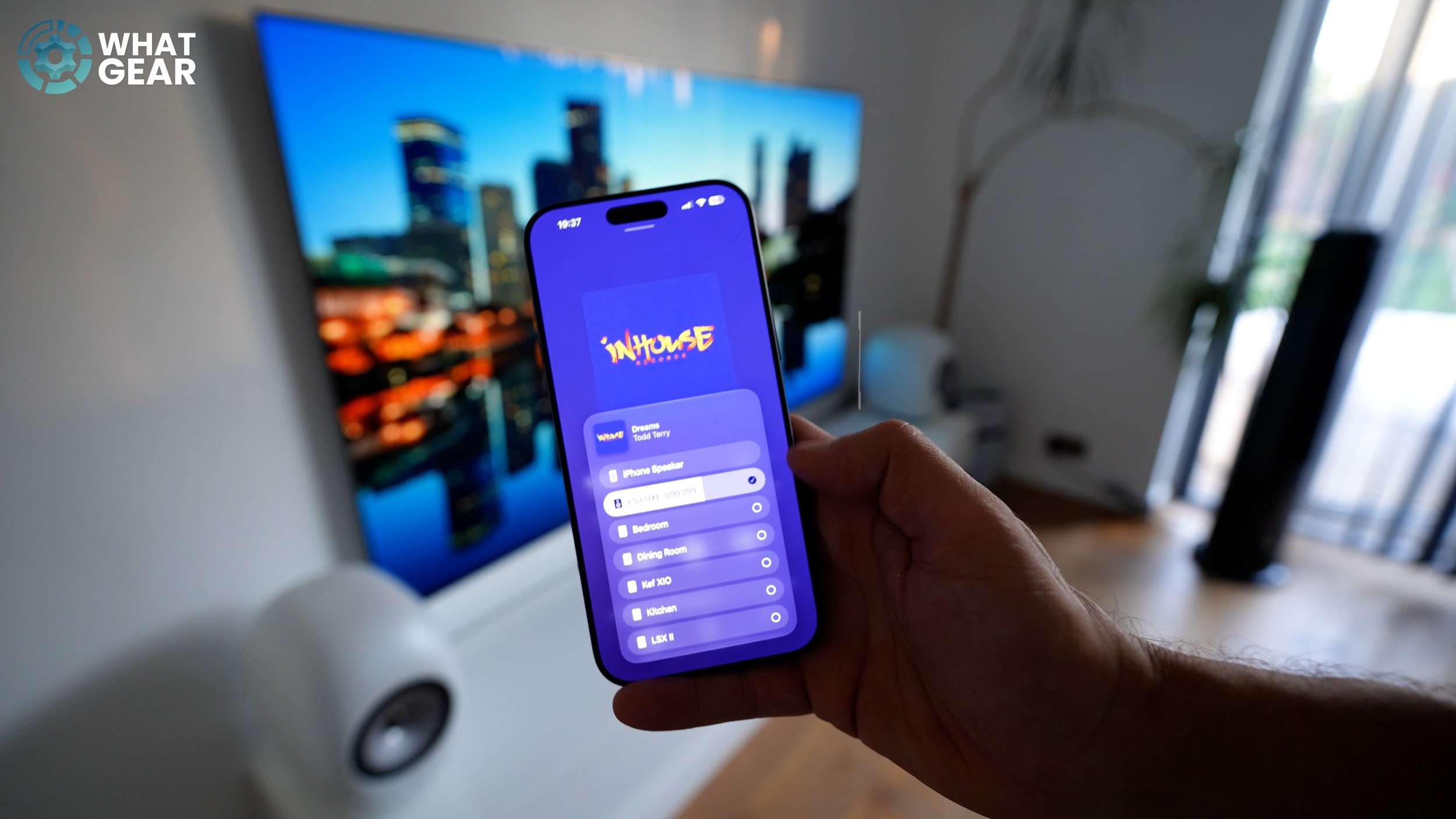
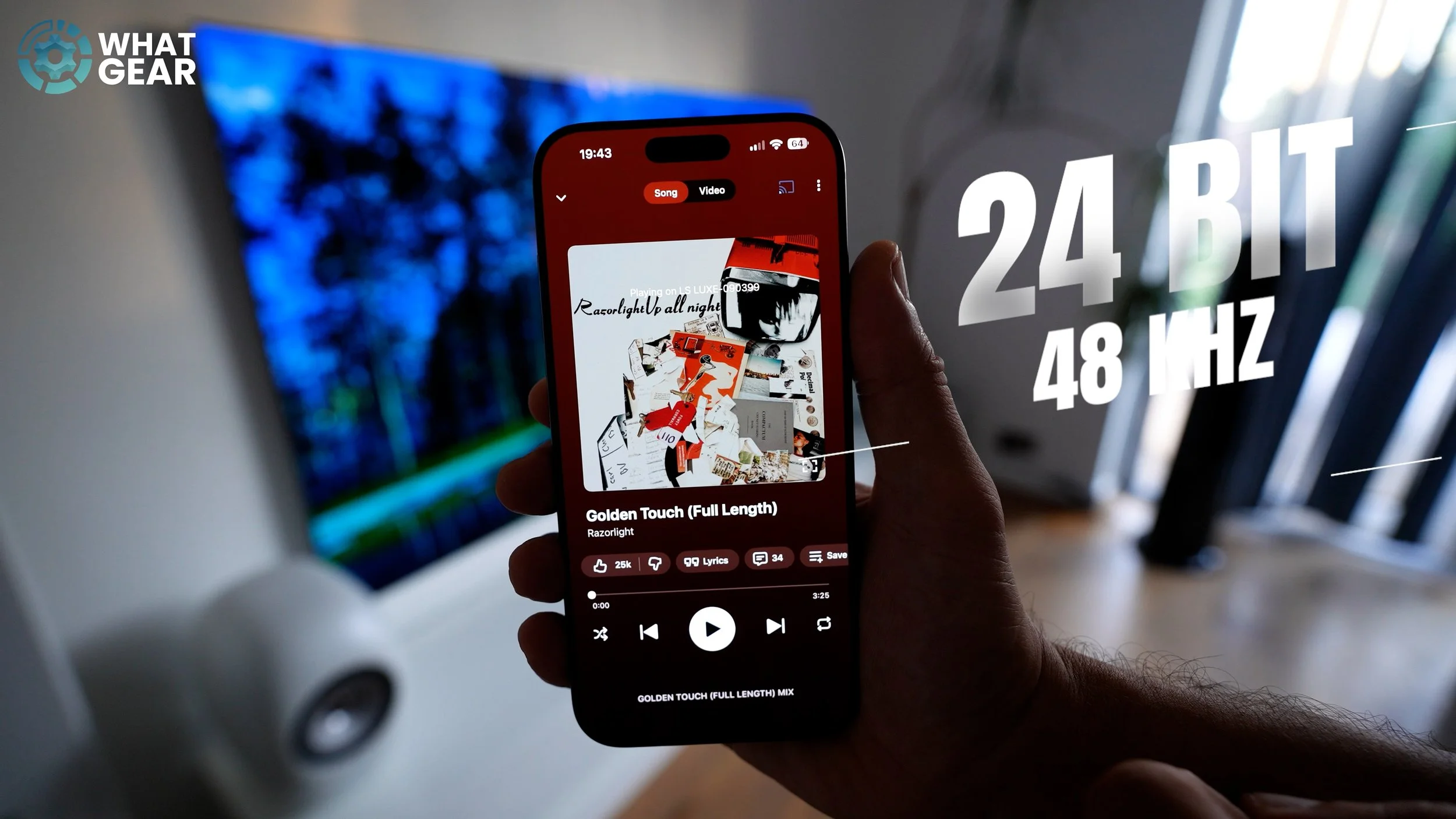
Tier 2 (Google Cast): Yes, Google Cast is in fact better than Apple's AirPlay. Use this instead here, and you'll be stepping up to 24-bit/48 kHz, which offers better fidelity and dynamic range.
Tier 3 (KEF Connect App / Native Streaming): To get the absolute peak performance, you'll want to stream directly through the KEF app or via UPnP to deliver the full resolution these drivers were built for.
App Features & Factory EQ
And the good news is, regardless of which device you use. Inside the KEF Connect app, you'll find integration with the most popular Hi-Res streaming services, as well as the ability to stream UPnP. Making it easy to get the best out of LUXE speakers. There are also some new speaker EQ settings, which offer both Normal and Expert modes to tweak the sound based on your room acoustics. You can tune them for tabletop or TV stand setups, or for the official KEF stands, which are sold separately.
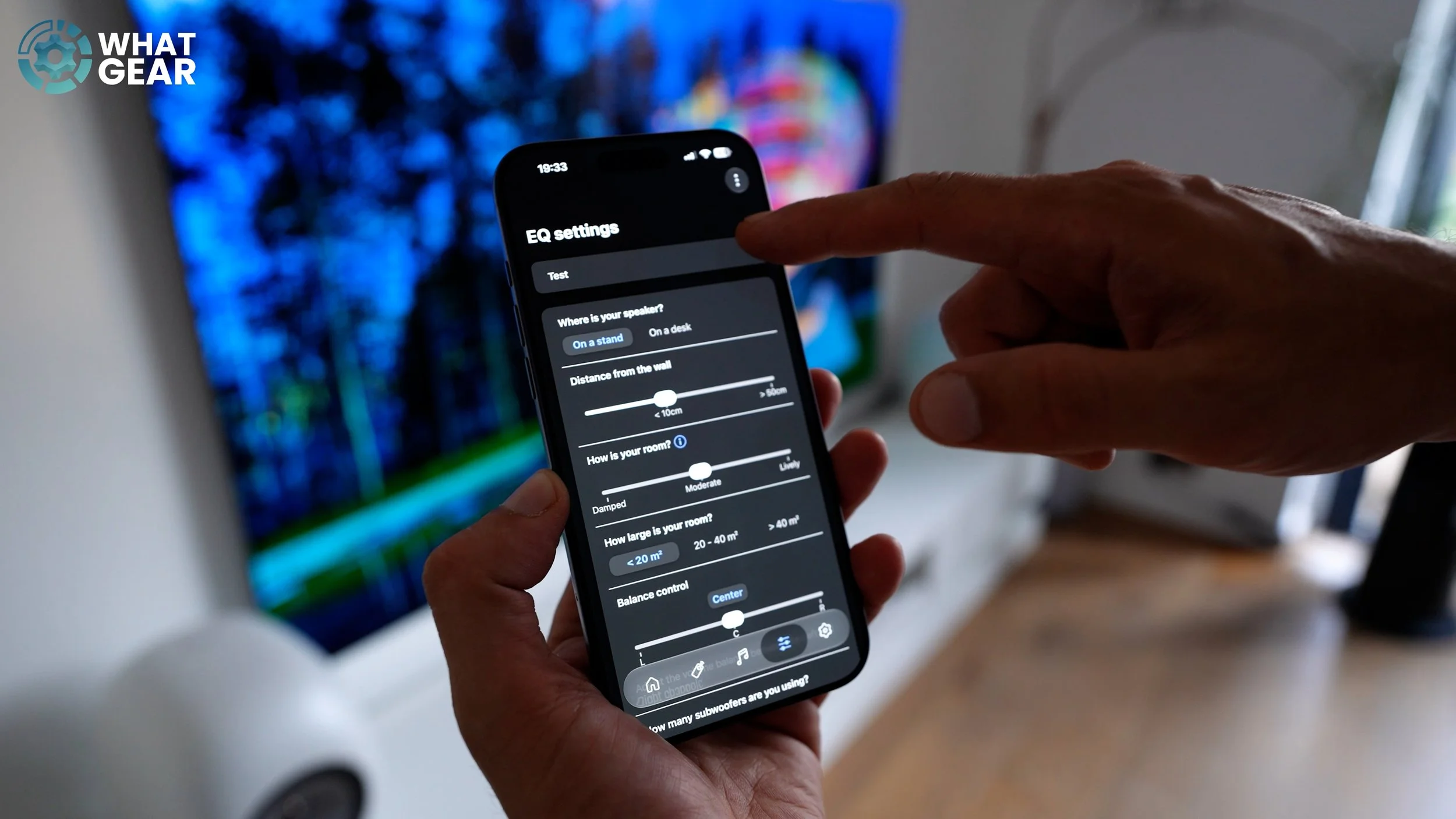
That said, keep in mind these speakers come with KEF's professional factory tuning right out of the box. Unless you really know your way around room correction and acoustic EQ, leaving them on the default preset is usually the best move to hear the sound exactly as the engineers intended." Ok, the price is three bags of sand plus a monkey. That's cockney rhyming slang for 3 and a half grand. Yes, that is expensive, but remember the best things in life are free, and the second-best are very expensive. And maybe it'll be worth it for you.