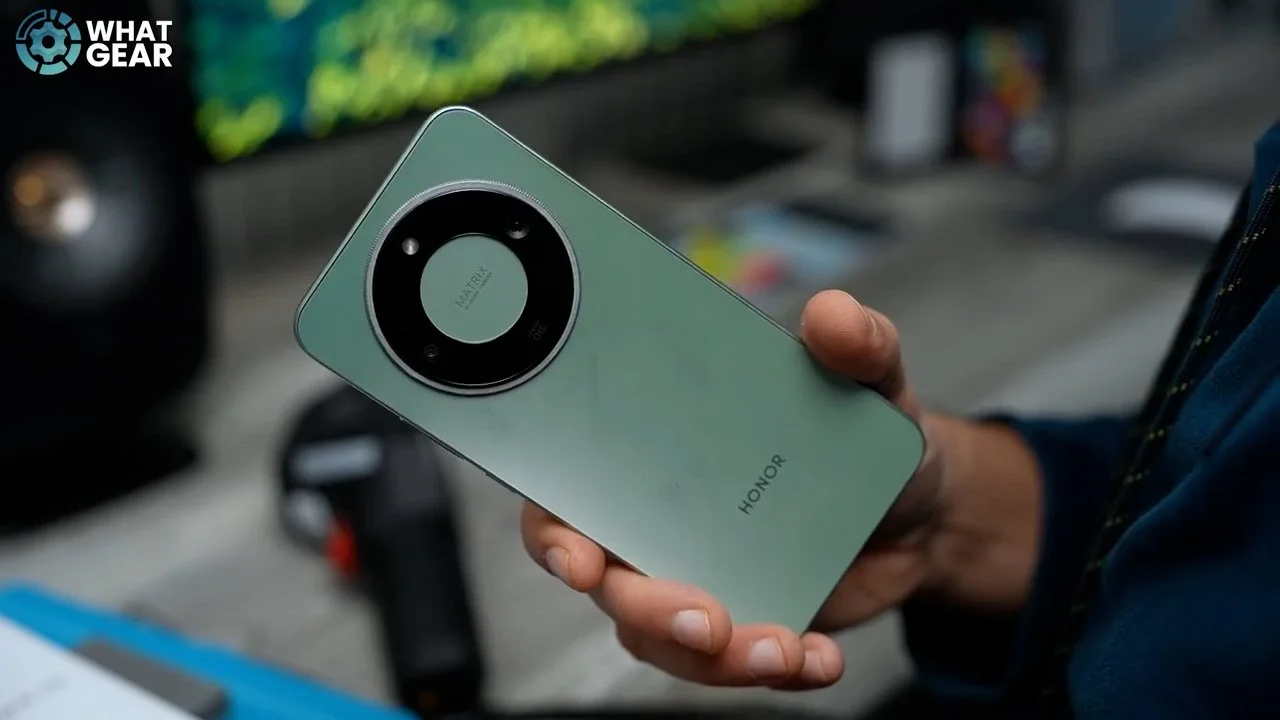
Honor Magic 8 Lite - How Did They Make It So Strong?
This phone right here is the Honor Magic 8 Lite, and this is one of the most rugged phones that you can get that doesn’t look like a power bank with a screen on it. The ruggedness of this device is really just one of three highlights on the Honor Magic 8 Lite. You might be a little bit intrigued, because this actually just looks like a regular smartphone, right? And yes, it kind of does, but it’s the internal design that is completely irregular.
Design
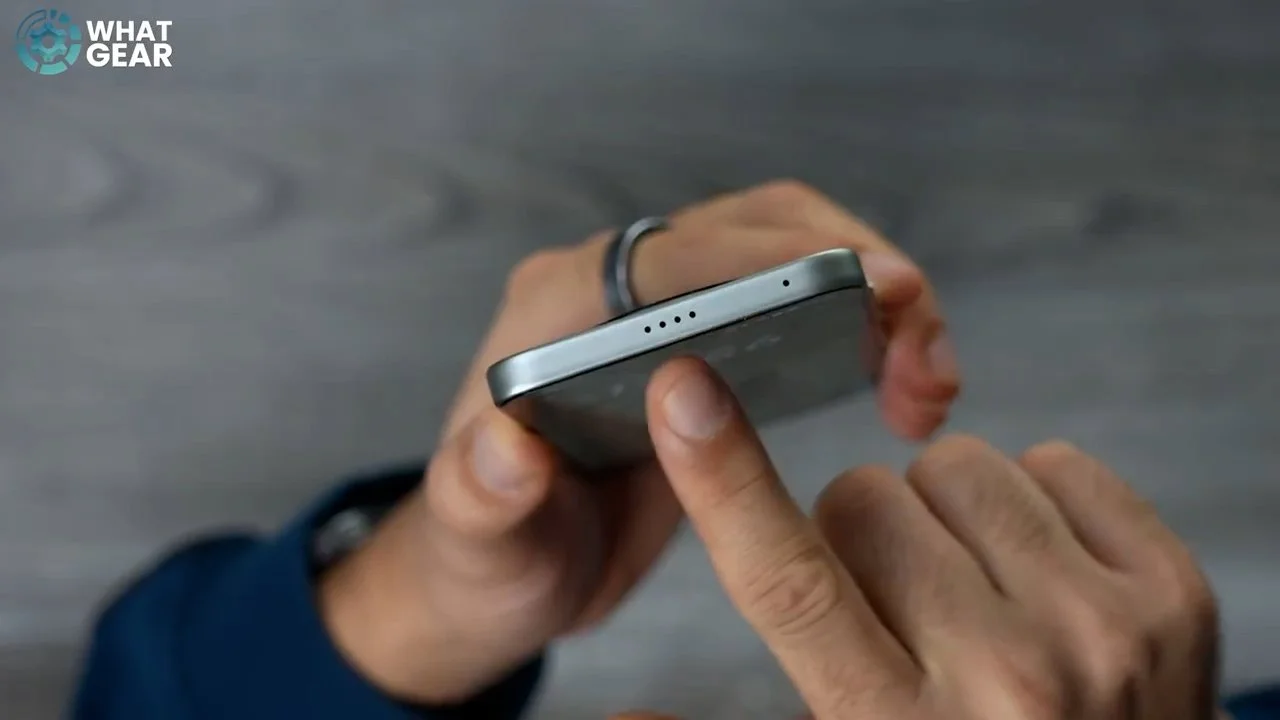
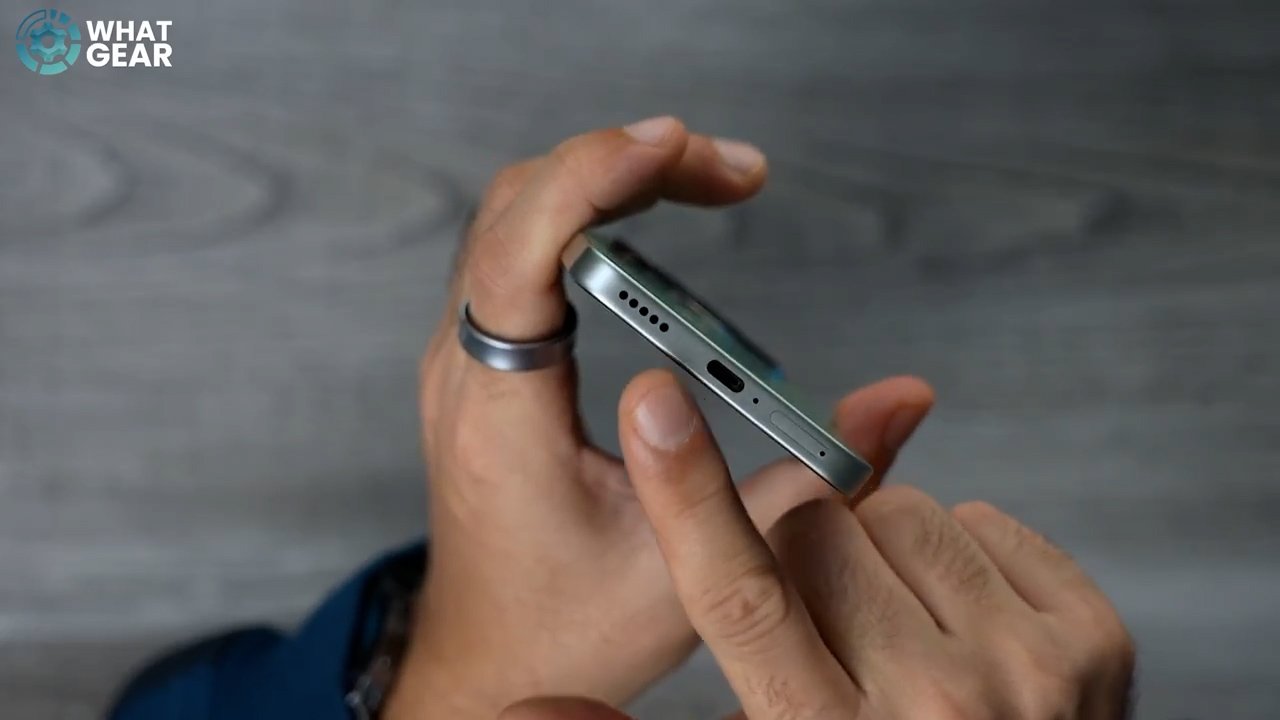
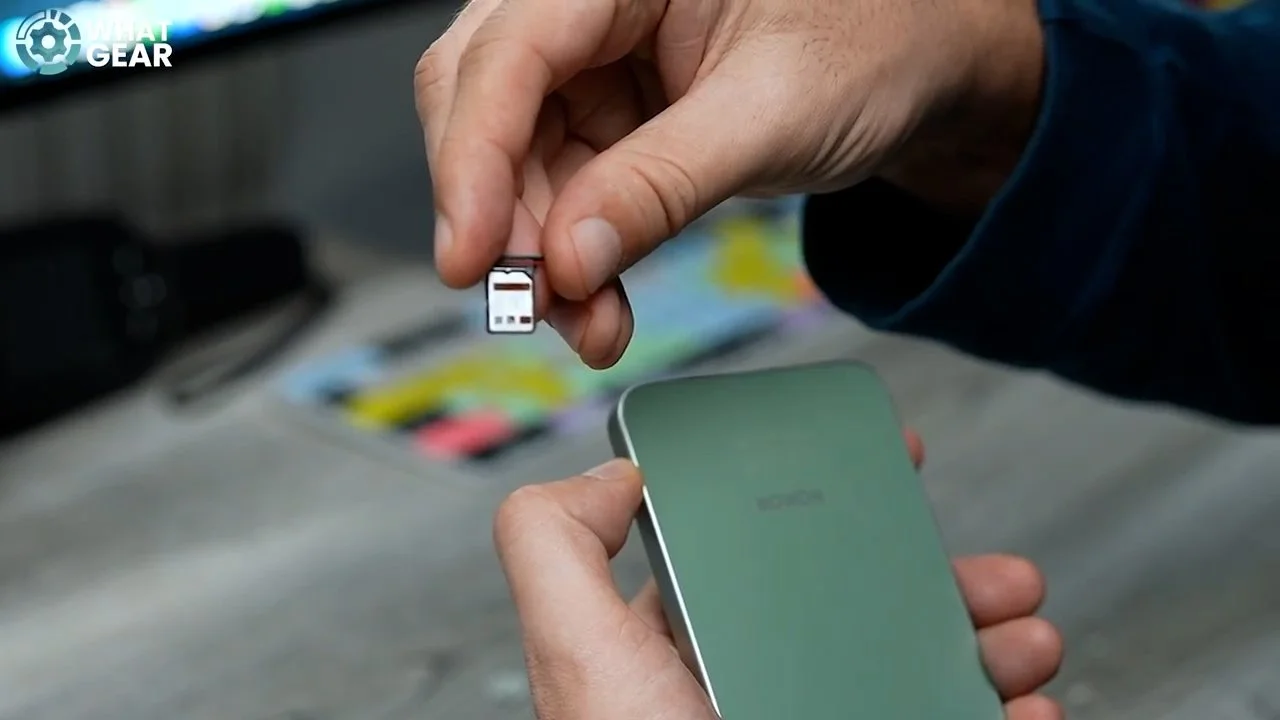
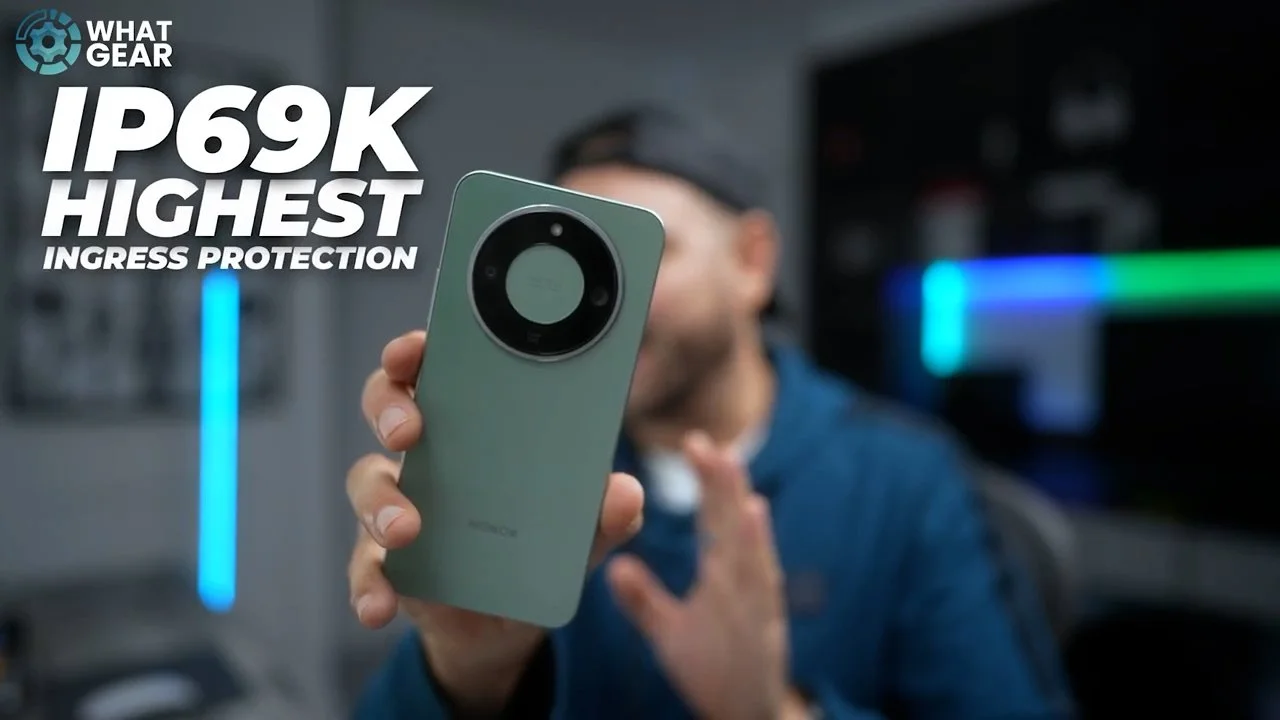
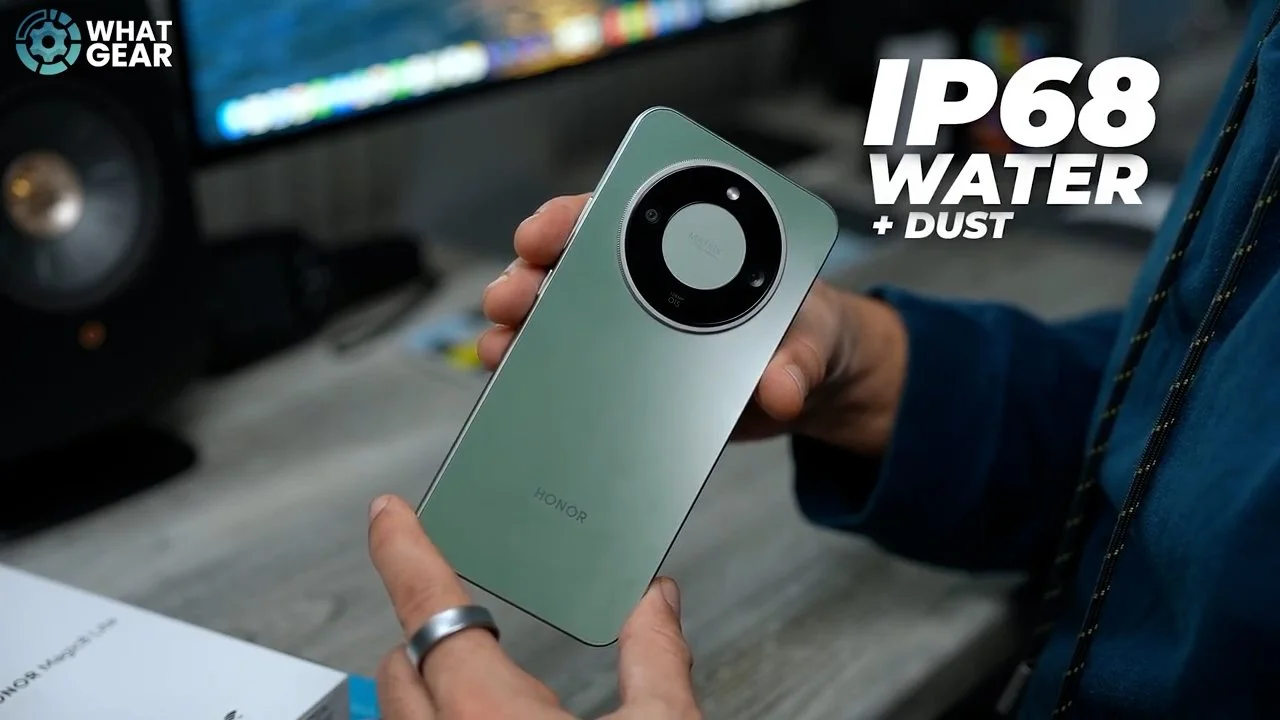
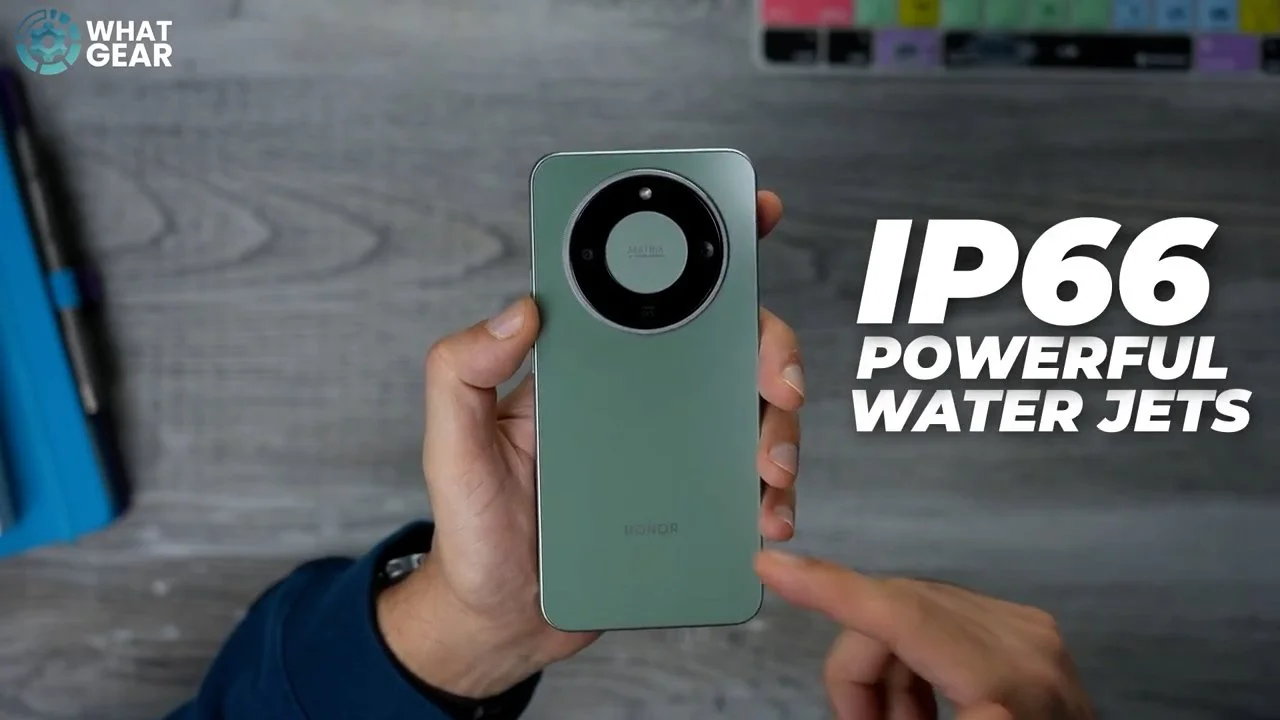
Let me give you a little guided tour of the design on this one. The frame all around it looks like metal, but that would be hard to tell without actually scratching the surface to find out. Up top, you’ll notice the speaker grille and also a speaker grille on the base, which does mean this phone has stereo audio. When you pop the SIM tray, you’ll notice it also has a dual SIM tray with a rubber gasket around it. Now, something very, very interesting about this device is the IP ratings. It’s actually got an official IP69K rating. That means it can survive water jets, IP68 for dust and water resistance, and it’s got an IP66 rating. So that does mean you can submerge this phone, it can be hit with powerful water jets, and it can even roll around in the sand or in a dusty environment like a building site and be perfectly fine. But Honor has actually taken it even one step further than that.
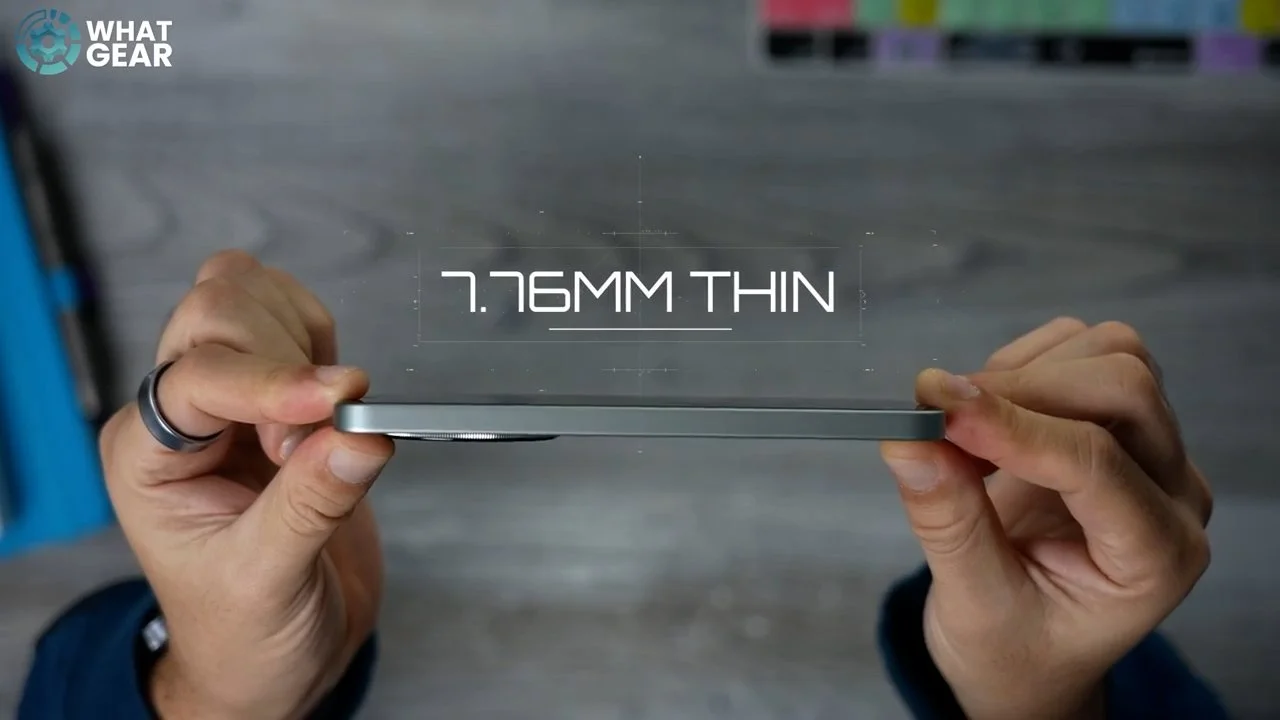
This phone is actually surprisingly thin at 7.76 mm, and that’s something you can see with your eyes. What you can’t see with your eyes, first is the fact that this actually has Corning Gorilla Glass Victus 2, which is pretty standard. Lots of phones have this, and it’s pretty durable, but that is just on the top layer. This phone has a 31% deeper tempering depth to enhance the toughness of the glass, which gives it blade-level scratch resistance. And on top of that, they’re using a non-Newtonian fluid layer here to make it even stronger. I actually hit this thing with a stapler, I’ve scratched it with knives, and it really does resist scratches. To enhance the durability when dropped, it actually boasts an industry-first protection structure inside it. Think of it as having a phone case on your phone, but on the inside, and they call this Ultra-Bounce anti-drop technology.
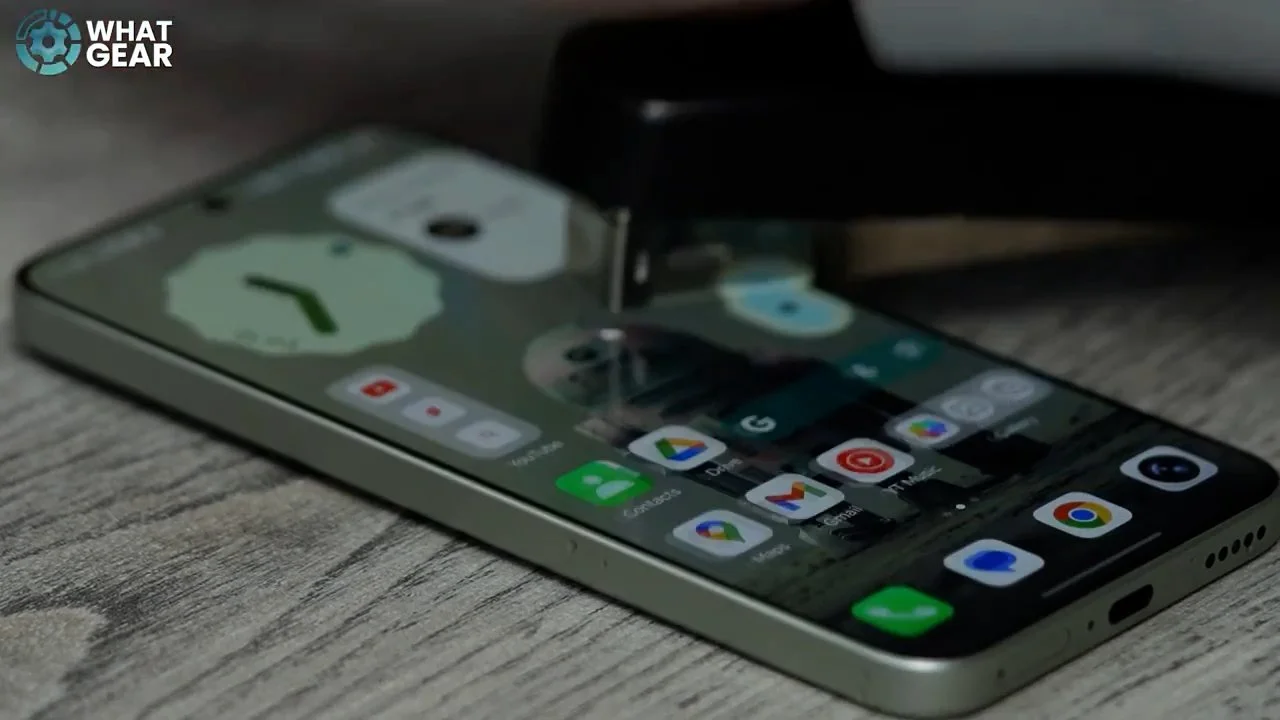
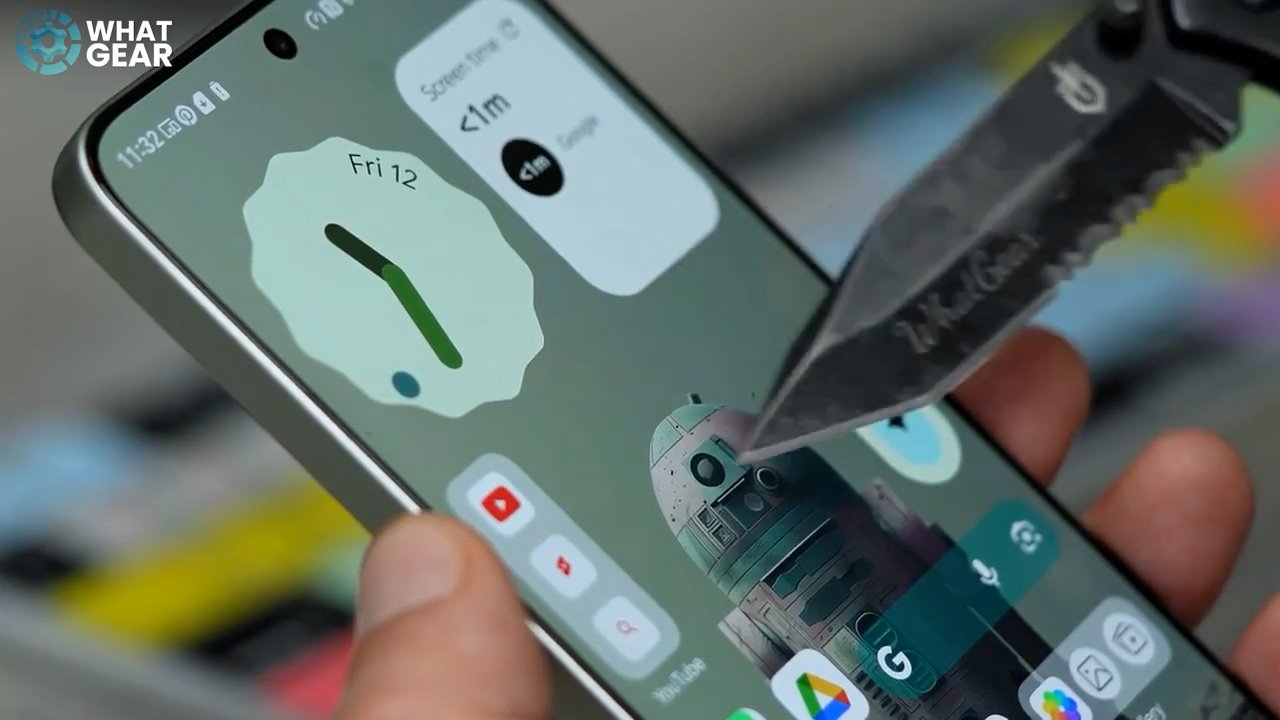
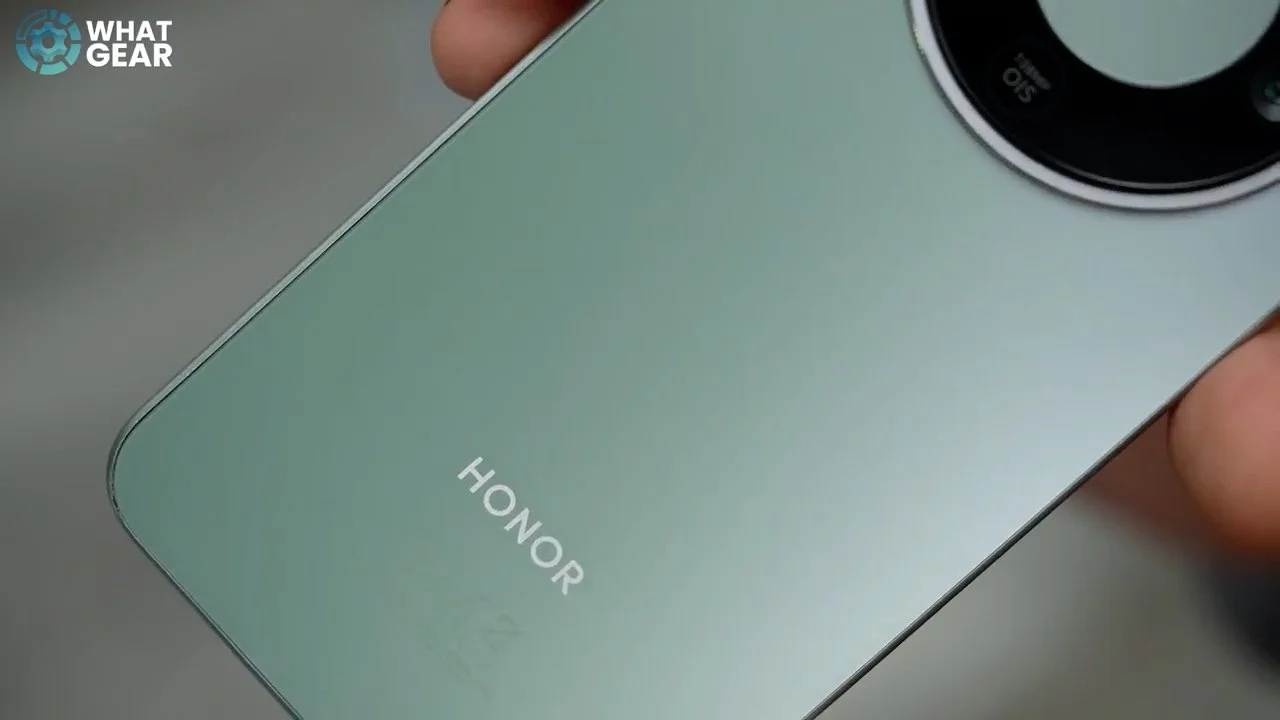
This phone, I’m told, can survive 2.5 m drops onto a marble surface and be perfectly fine. And that is a pretty bold claim. This is roughly a meter here, so let’s just drop this. That noise you heard was the same tool. Yeah, I didn’t expect much damage from that kind of drop, but it’s definitely nice to have that kind of confidence in the durability of your device if you are slightly clumsy. Something else that really impressed me about this phone is that normally with these sorts of mid-tier devices, you get a little bit of a chin at the bottom of the screen, and on this one, the bezels are so thin all the way round, I would say even narrow enough to rival the iPhone. And something that just really surprised me about this phone, especially based off something just inside this device, is that the weight is just 189 g, which makes it very pocketable and very easy to wield on a daily basis. And I actually really like this finish on the back. You kind of get these glows of light and colour shifts when the light hits it. So its durability is the first standout feature on this device.
The display
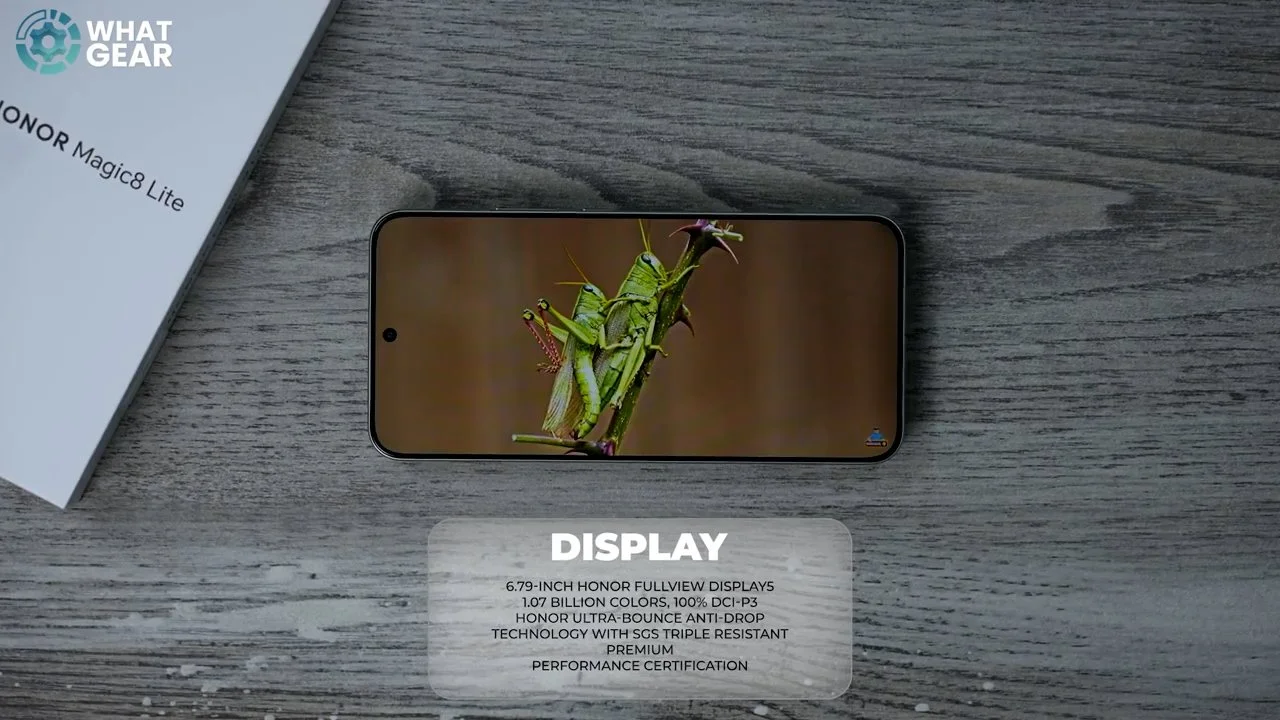
It is a 6.79-inch AMOLED with 6000 nits of peak brightness, which is way above the peak brightness most flagships have. Here are some of the key specs that you need to know about: it is a 10-bit panel with 100% of the DCI-P3 colour gamut supported, 120 Hz refresh rate, resolution is 2640 by 1200, and it does support peak dimming, which is a screen flicker-reduction bit of software that can help reduce eyestrain. And to be quite honest with you guys, the colour reproduction on this display could definitely rival some of the flagships out there that will cost more than twice the price.
Camera
Before we get into the third killer feature on this device, let’s talk about the cameras here. Actually, there are two. There’s one here that’s an ultra-wide, and then we’ve got the primary. Down here is just a bit of print, and up top we have a flash. On the front is a 16-megapixel f/2.45 selfie camera, which is decent. Here’s a little selfie I took earlier. The selfie camera is definitely not the best sensor or lens setup on this phone.
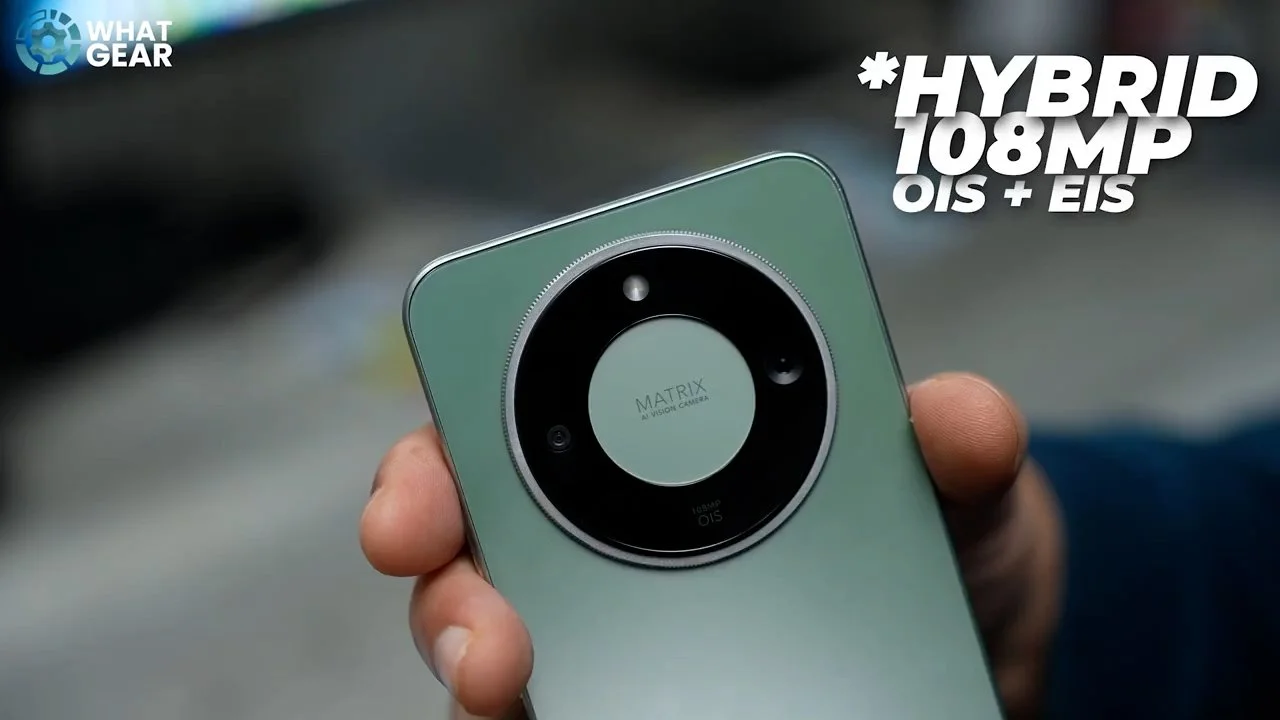

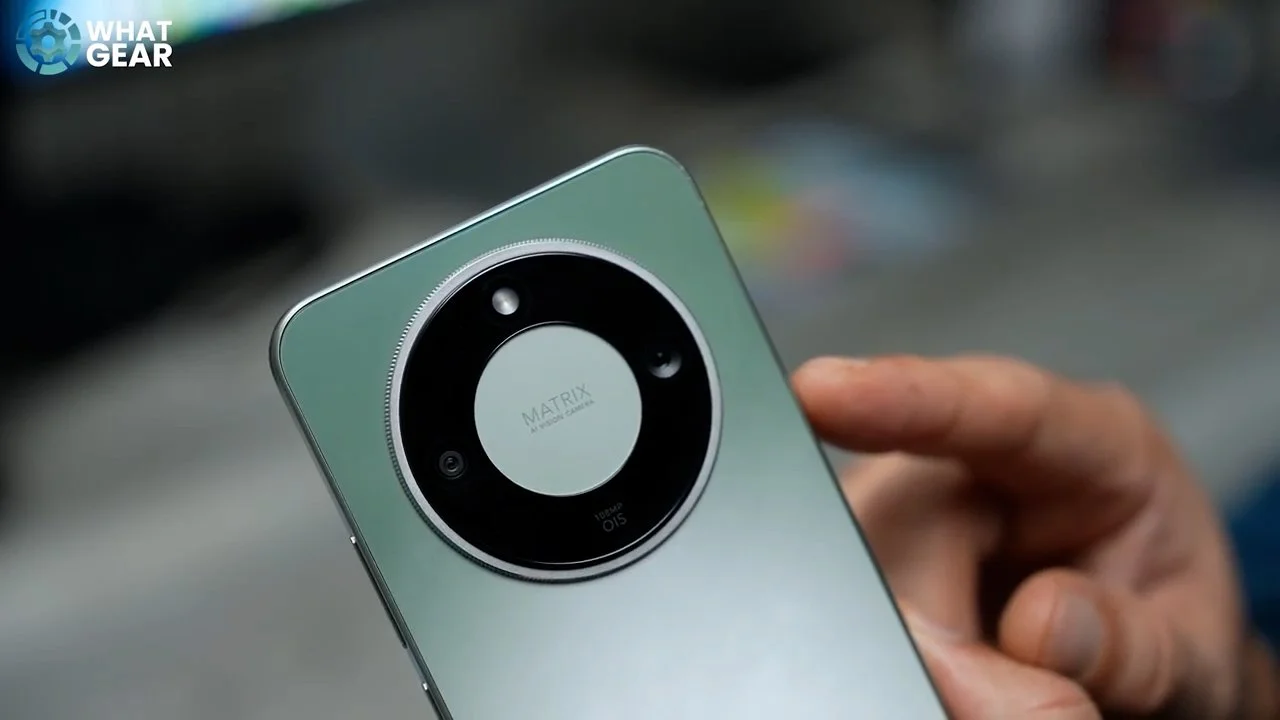
The ultra-wide has a 5-megapixel sensor with an f/2.2 equivalent aperture, and it’s okay. It’s not bad; it’s there when you need it. But this part is really all about the primary camera. This seems to be the camera that Honor has spent the most money on by far, because this one has a 108-megapixel sensor with an f/7.5 aperture equivalent. This is an ultra-sensing main camera, and actually, the performance on this one has impressed me a little bit.
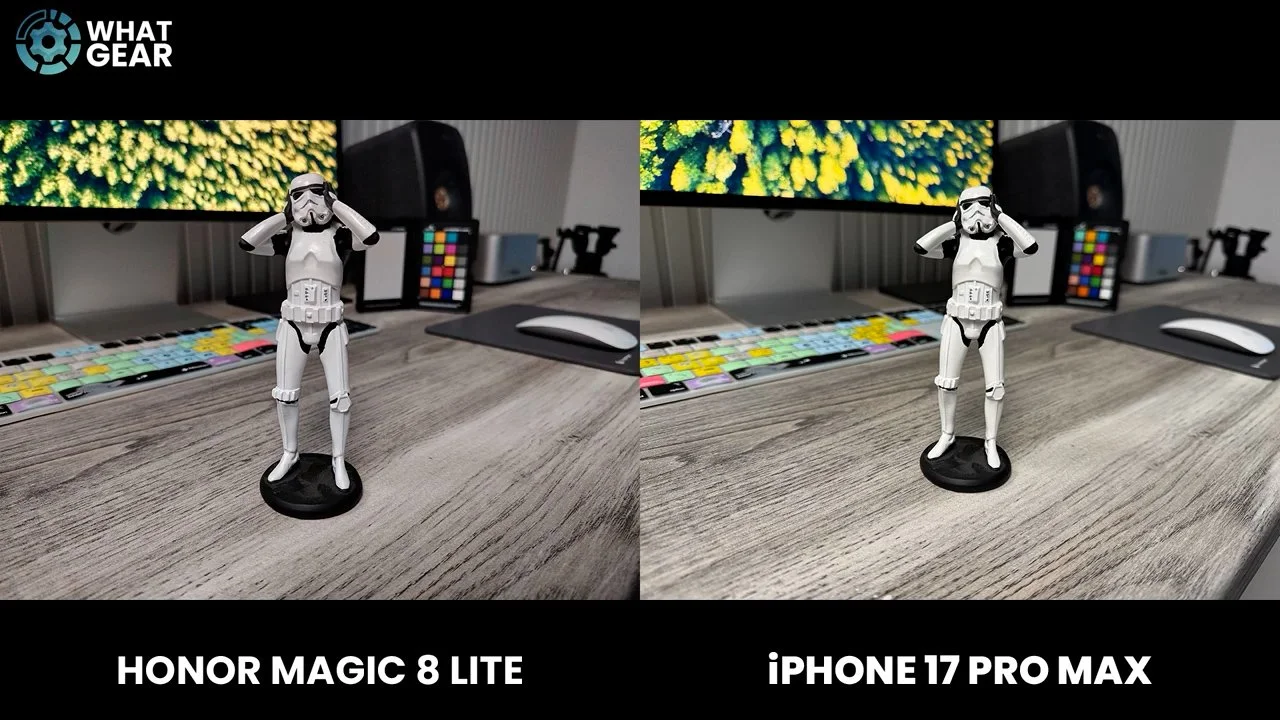
Here are some pictures taken on it side by side with the iPhone 17 Pro Max. You can guess which one’s which before that timer runs out. And when it comes to video using that main camera, it’s not bad either. The max resolution here is 4K 30, so it’s enough for most people, and I’m actually genuinely impressed with the 3x crop on the main camera as well.
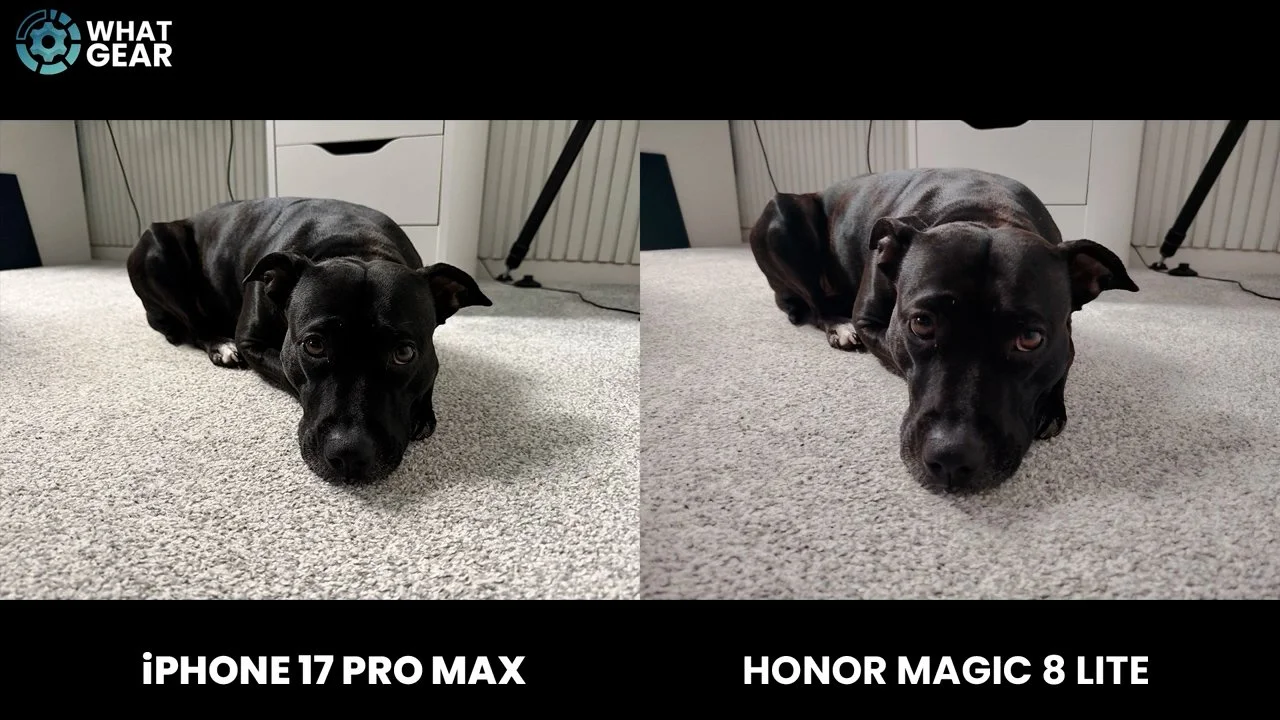
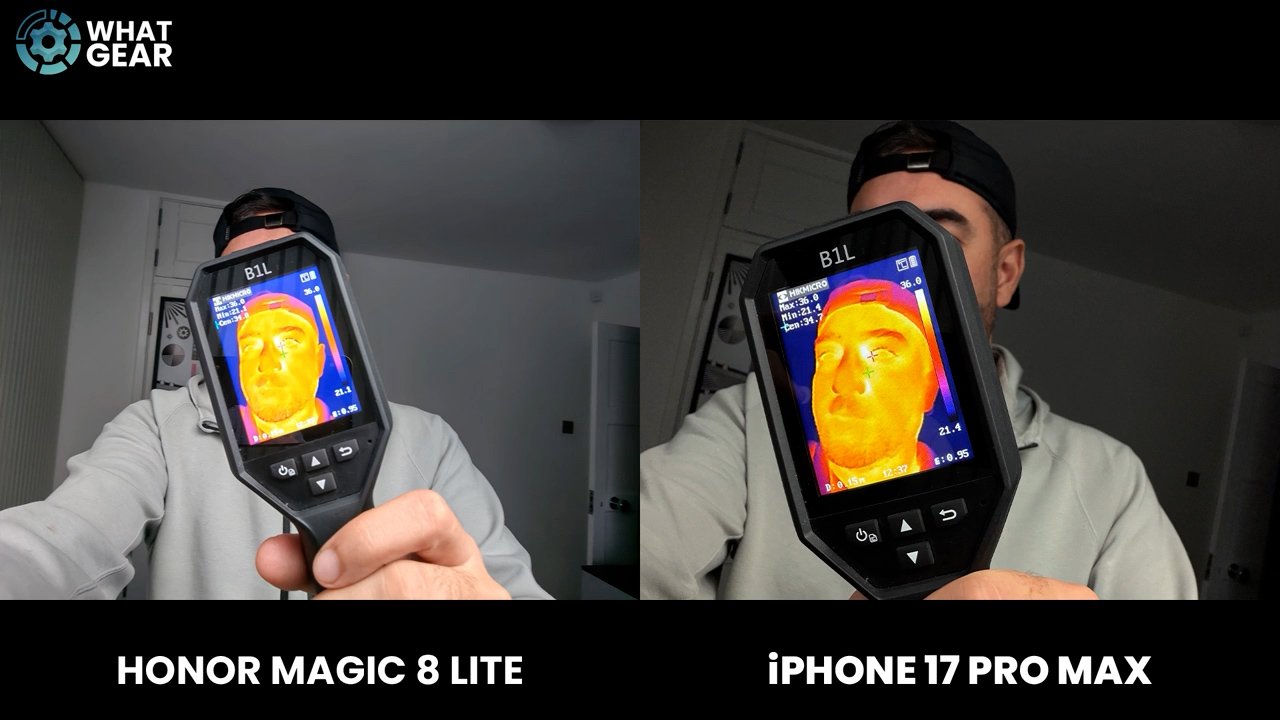
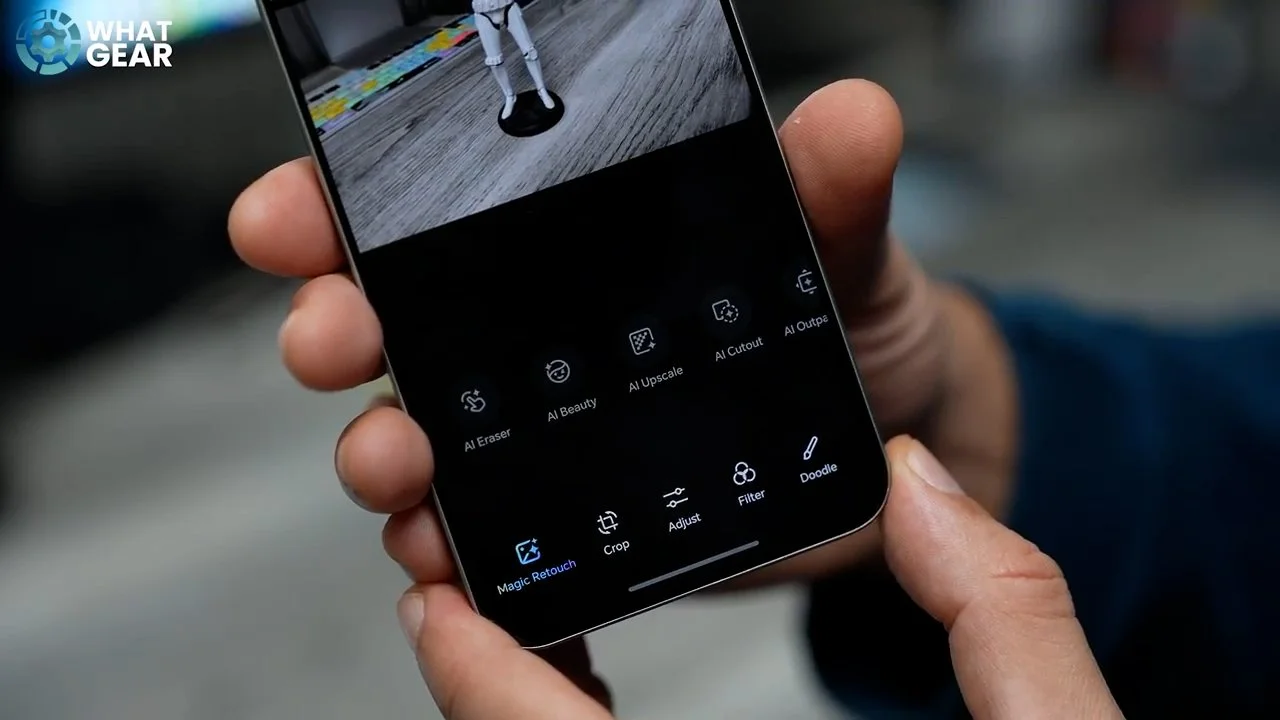
This is useful because even though this phone doesn’t have a telephoto camera, you’ve got so many pixels on that sensor you can actually punch in without losing any detail. And surprisingly, it works well in low light too. There’s this AI edit section here with loads of tools to play around with photos after you’ve taken them. So you’ve got things like Magic Eraser, moving photo, collage, AI cut-out, AI outpainting, where you can expand the image around the existing image, also AI face-tune if you want to make your skin look perfectly smooth or reduce the size of your chin or something. And if you do put your older photos onto this device, you can even use AI to upscale them. And if there are reflections in an image because you’ve taken it through glass, there’s even a feature here to get rid of that.
Performance
So now let’s talk about the performance on this device. What I’m going to do is run a benchmark on this phone for 20 minutes. We’ll see how it does, and then we’ll also get a thermal imaging scan on the back of this device to see how it handles the heat. But before we do that, here are a couple of things you need to know about the specs and the hardware used inside this device. So, as you can see, the software here is MagicOS 9, and the chipset is the Snapdragon 6 Gen 4. It is a mid-range chip.
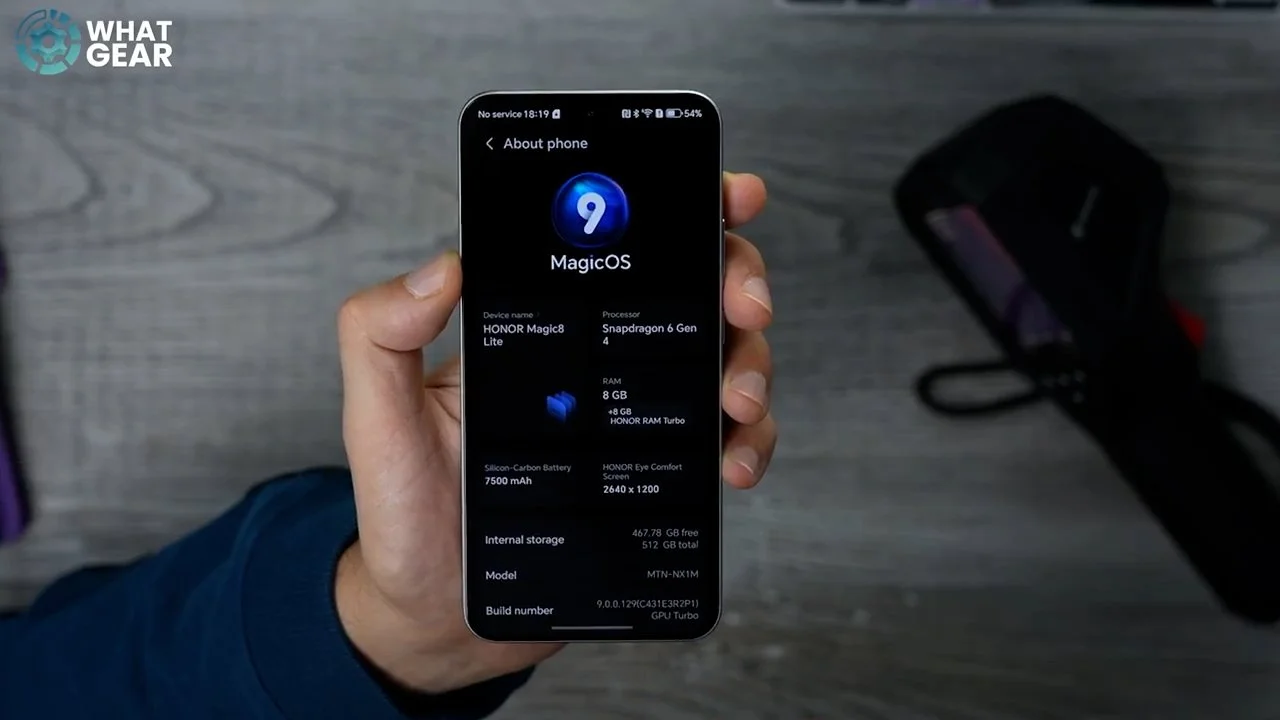
The RAM here is 8 GB, and then you can double that using the Honor RAM Turbo feature, which is on by default. I have been putting this phone through its paces, and I’m happy to tell you you can play games with pretty good graphics – not all the way up –, but they will run pretty smoothly without losing too many frames. And the performance here is definitely better than what I was expecting. The internal storage on this one is 512 GB, so that’s going to be plenty. To be honest with you guys, most of the time I usually go for 256 GB models; the 512 is double what I normally use, so I can’t complain about that. I’m actually making this video ahead of the official launch, so I don’t know how many software updates and security updates we’ll get. I would expect a minimum of three.
Speed and Power
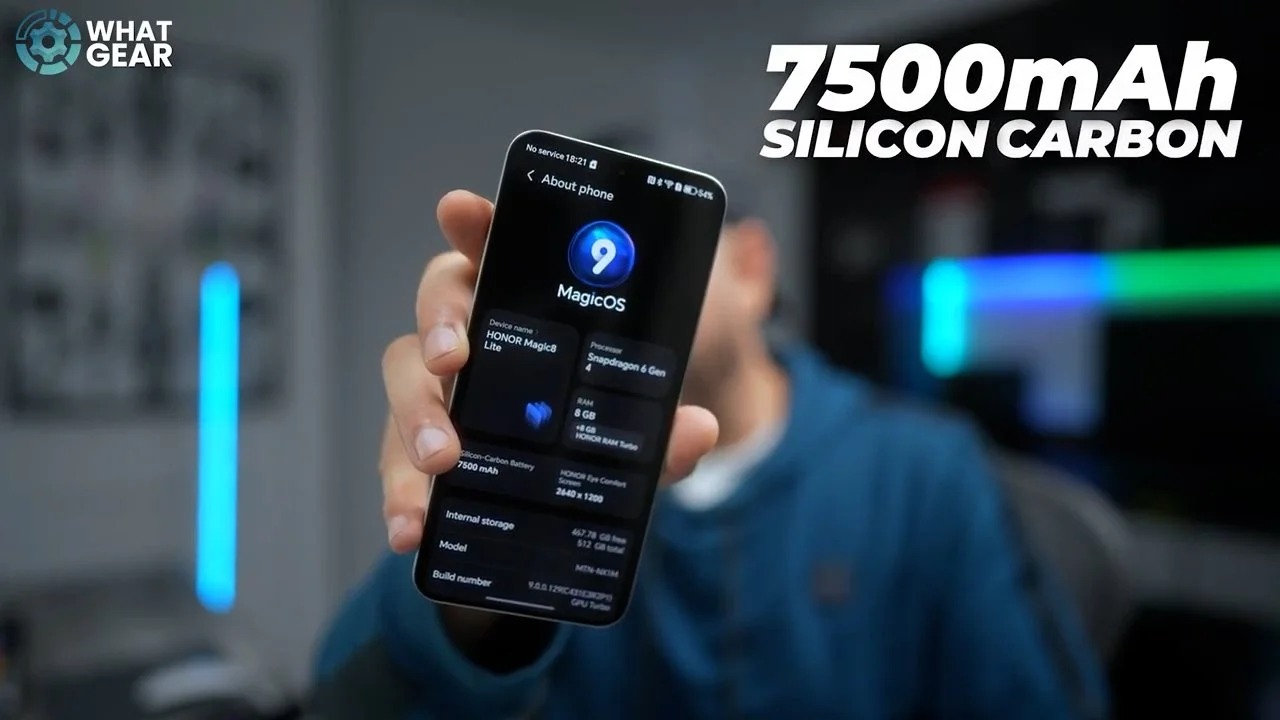
Here’s the third killer feature on this device. This phone has a 7500 mAh battery, but you would never know it based on how thin this phone is and how light it feels. And I believe they’ve actually got two battery strips inside as opposed to one. That’s how they’re allowed to import it into this country. I think there are some regulations that prevent batteries over a certain size from being able to be shipped into Europe. And just for context, 7500 mAh batteries – that’s nearly double what the base iPhone had not too long ago. And most of the popular flagships today still have just over 5000, so that is a pretty big jump up. Now, on top of the massive battery size, something else that might impress you is actually the charging speed. So the charging speed on this one is 66 W by the wire. That’s higher than the iPhone, it’s higher than the Samsung Galaxy phones, but I’m guessing that because the battery is bigger, it probably takes about the same amount of time to charge to full.
When it comes to power, something that this phone doesn’t have is wireless charging, but it does support reverse charging via a wire, so that means you can use the huge battery in this device to charge other devices like earbuds or smartwatches or anything like that if you need to. Now, something I will say about this phone when you get it for the first time, if you do decide to buy one, is that there are a lot of pre-installed apps and yeah, that’s the entire page full of them there. I moved them all off and just added the ones that I wanted on the home screen. So if you’re worried about bloatware, well, you don’t need to be, because you can uninstall it. It’s just a little bit of an inconvenience, that’s all.
Benchmarks
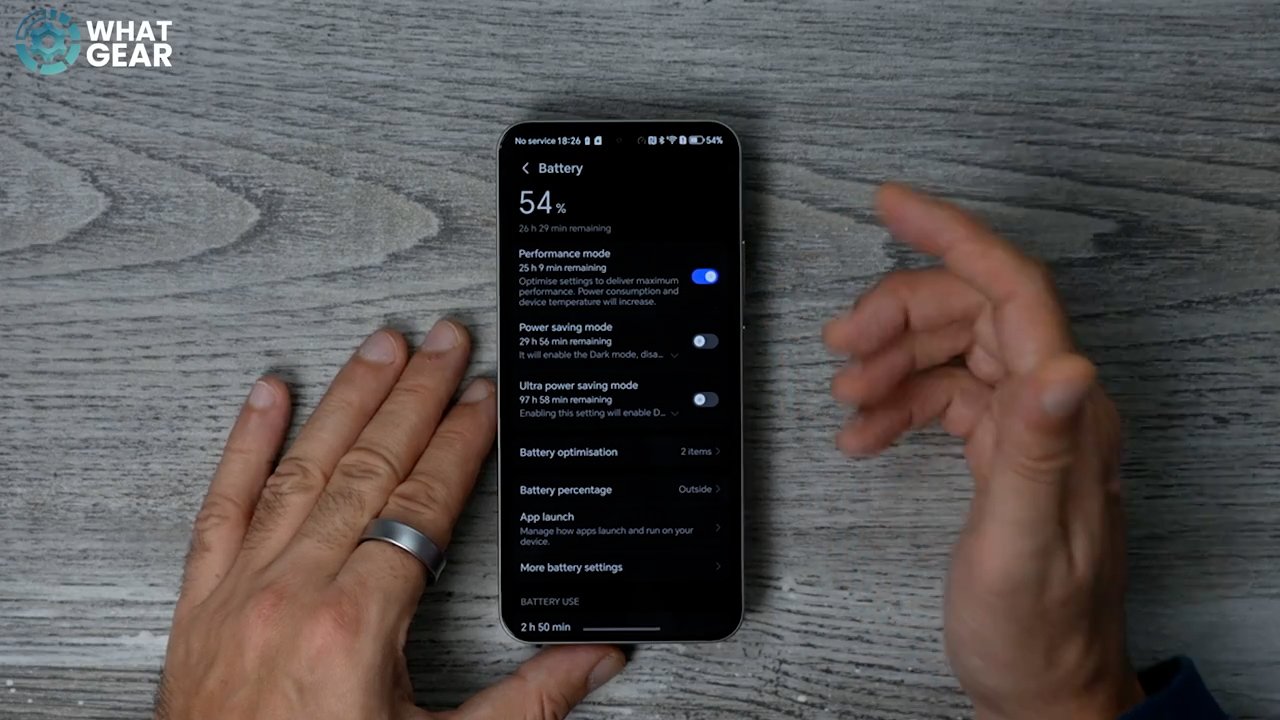
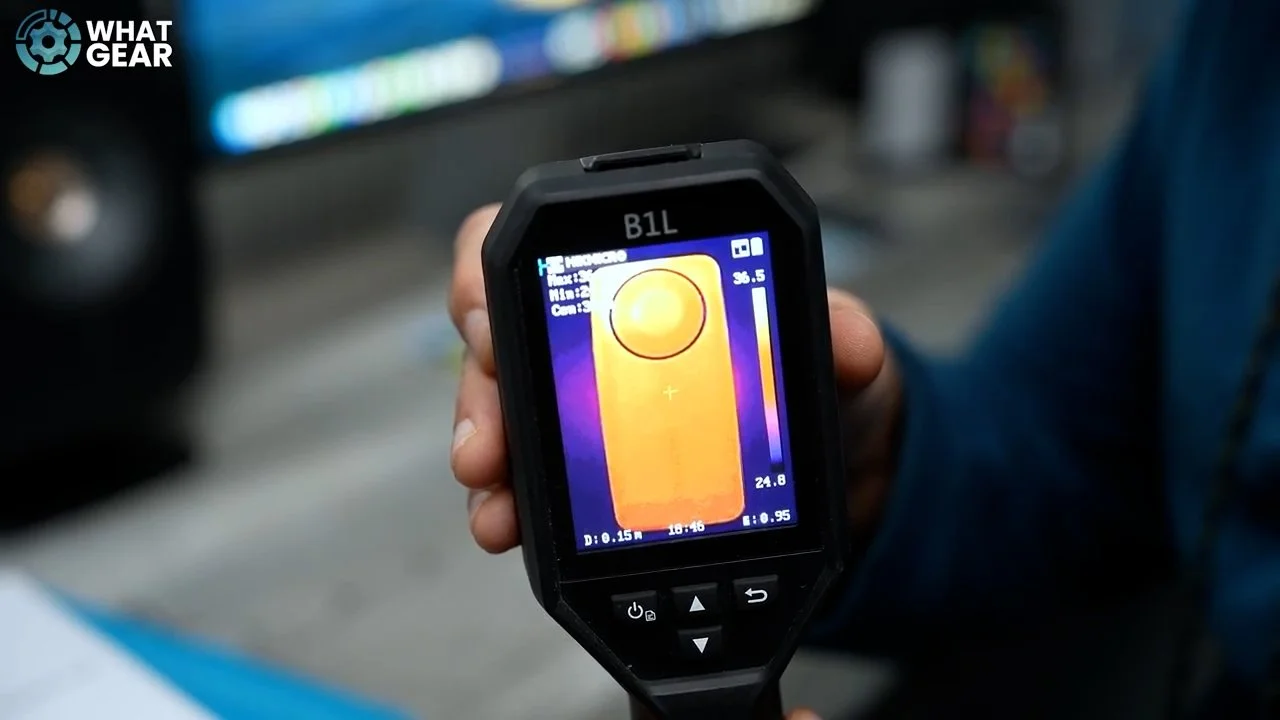
So what I’m going to do is run the 3DMark Wild Life Extreme test. It’s a 20-minute test that emulates a 20-minute gaming session. What I’m going to do, just before we start this off, is go into the battery settings and enable the performance mode so we get the best possible results from the device. So the 20-minute benchmark has just completed. Let’s get a little scan on this before we look at the performance. Hopefully, you can see what’s going on here: the heat is all in that top left corner at the back. That’s likely where the Snapdragon chip is. And if you look carefully, you can actually see the two battery cells and where they kind of split down the middle. The temperature on this one isn’t too bad after 20 minutes – in fact, it’s surprisingly good. It’s so bright up there it’s hard to see it, but it’s just 36 degrees, which is very, very cool. I’ve seen some phones go all the way up to 50.
Now, what’s interesting about the performance on this device is how straight that line is. It’s literally a straight line right across, which indicates that it didn’t really lose any performance as it went through 20 loop cycles. However, the performance itself isn’t game-changing. Some of the frame rates here are quite low – the frame rates here are pretty low – but do keep in mind this test is pretty aggressive, and the battery usage is just 4%, which is also very good. Just dropping 4% in 20 minutes is a very good indicator that this is a power-efficient device. You might be looking at those frame rates and thinking, well, it can’t be very good for those more demanding games. So I’m just going to fire up PUBG immediately after the 20-minute benchmark test to see how it runs.
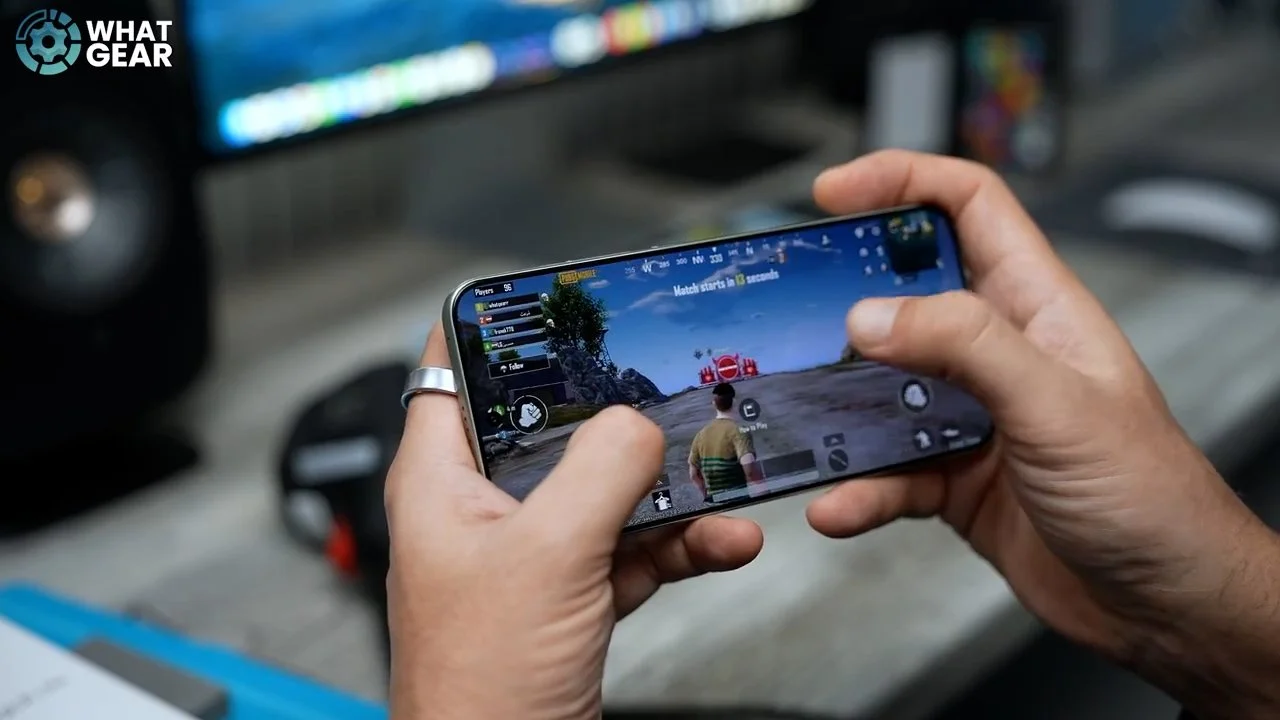
So there was a tiny bit of lag during the loading there, but that might have been the game itself. And looking at this right now, it looks incredibly smooth, much smoother than I thought it would be. There’s even a game launcher, so I’ve got it in the game mode. This phone is much better than I thought it would be when it comes to gaming, definitely based on those benchmark results. Super smooth, super-fast, fantastic display, and yet frame rates are holding up nicely, and it’s not even getting that hot.
Who is it for?
So who is this phone for? Well, in my opinion, if you’re looking for a very strong phone, this is strong not just in build quality but also in battery, and surprisingly even when it comes to gaming performance. And the primary camera on this one is also very, very good. The ultra-wide is okay, the selfie is also pretty good, and the Honor Magic software is actually very intuitive.