Sony Bravia 8II Review - What Makes It Different?
Sony Bravia 8 MKII OLED TV: A New Benchmark for Home Entertainment?
Welcome to what might just be one of the very best 65-inch OLED TVs you can buy right now: the Sony Bravia 8 MKII. While there are many reasons to praise this television, I want to focus on three core areas that truly make it stand out from the competition.
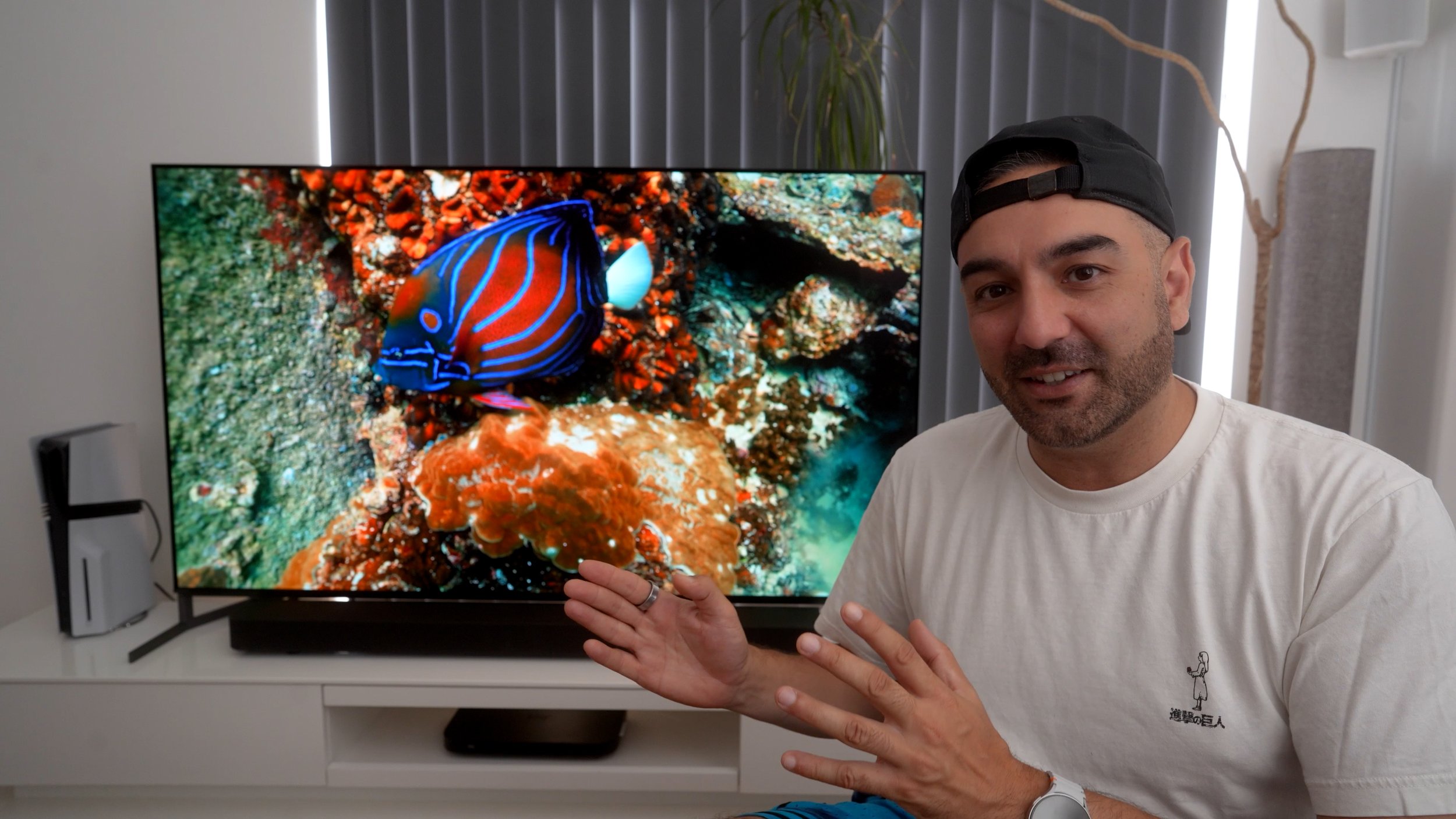
It's a common misconception that all TVs sharing the same display technology perform identically. Many brands, in fact, use the exact same panels – the "canvas," so to speak. But it's what a manufacturer does with that canvas that constitutes the fine art of television design. Sony, with 65 years of experience in TV technology, has truly mastered this. To keep things moving, let's fast-forward through the unboxing and setup process.
Unboxing
First out of the box are the two sturdy metal legs, followed by a classic remote with a full number pad. You'll also find a compact Bluetooth smart remote with convenient shortcut buttons, Sony's "map of Middle Earth" (likely a humorous reference to a large user manual), four screws for the legs, and four Sony-branded batteries for the remotes. Additionally, there's the "Sony Bible of health and safety" (another playful reference to comprehensive documentation), and plastic back covers for tidying up ports and power leads.
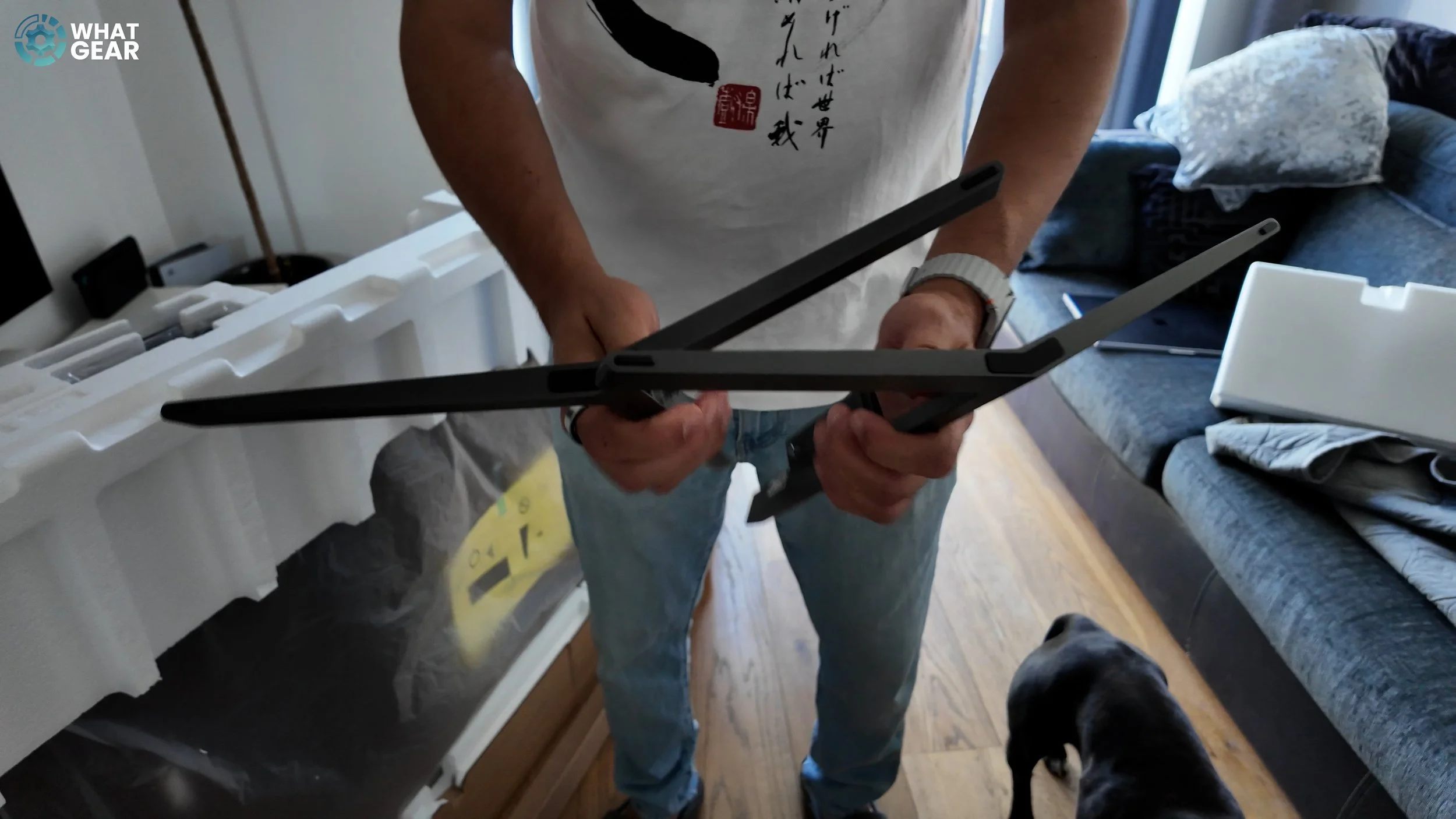
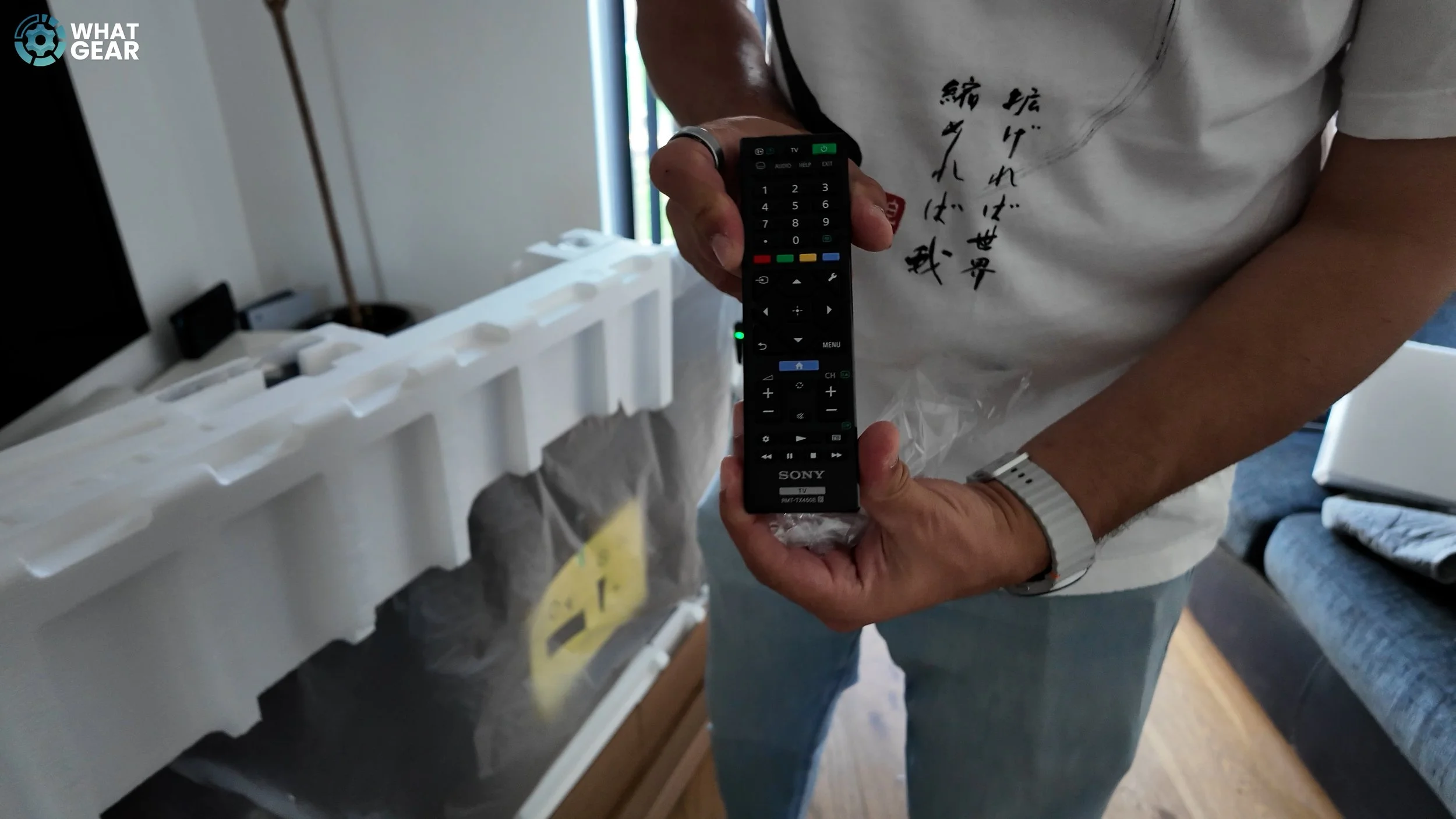
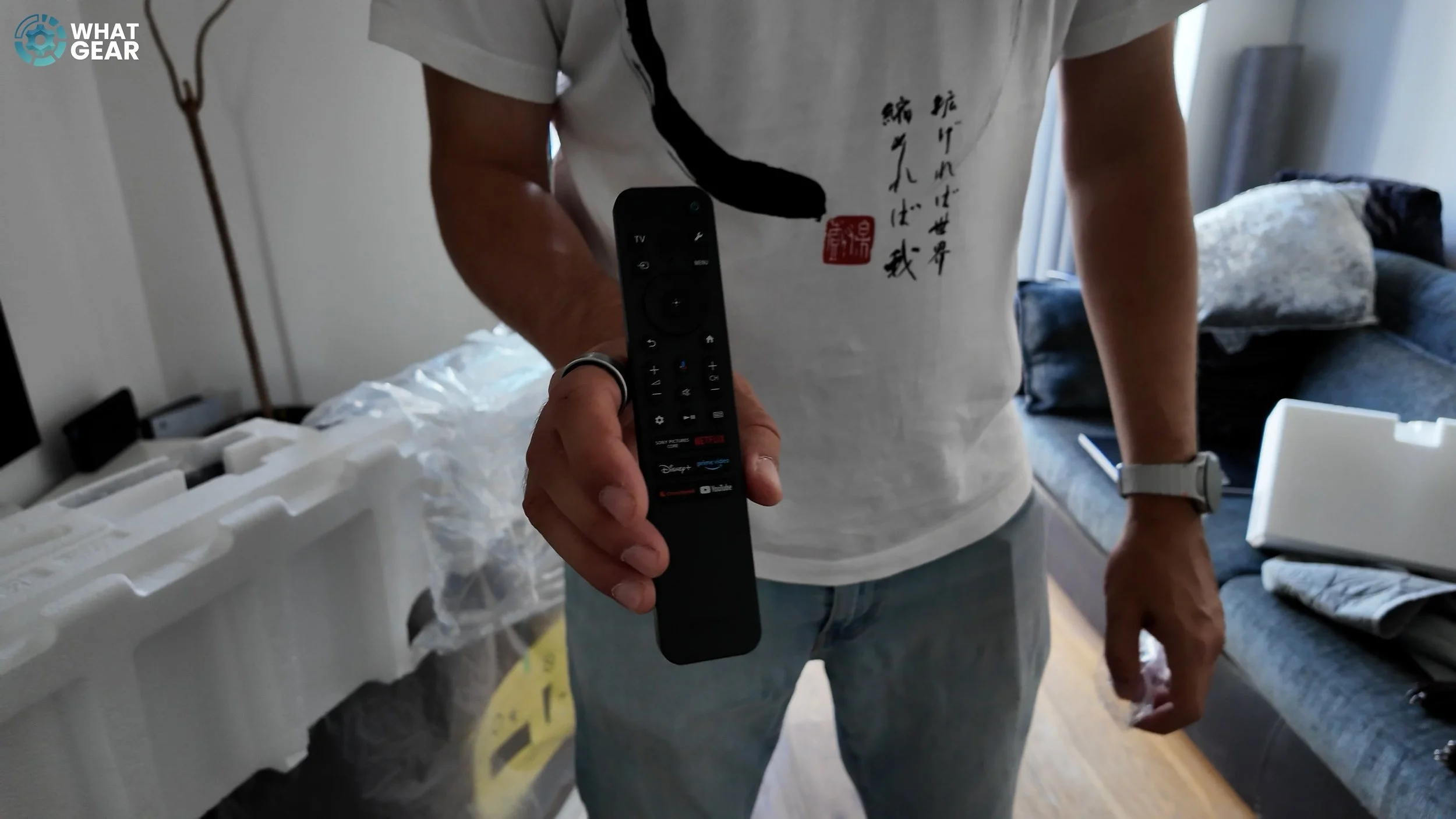

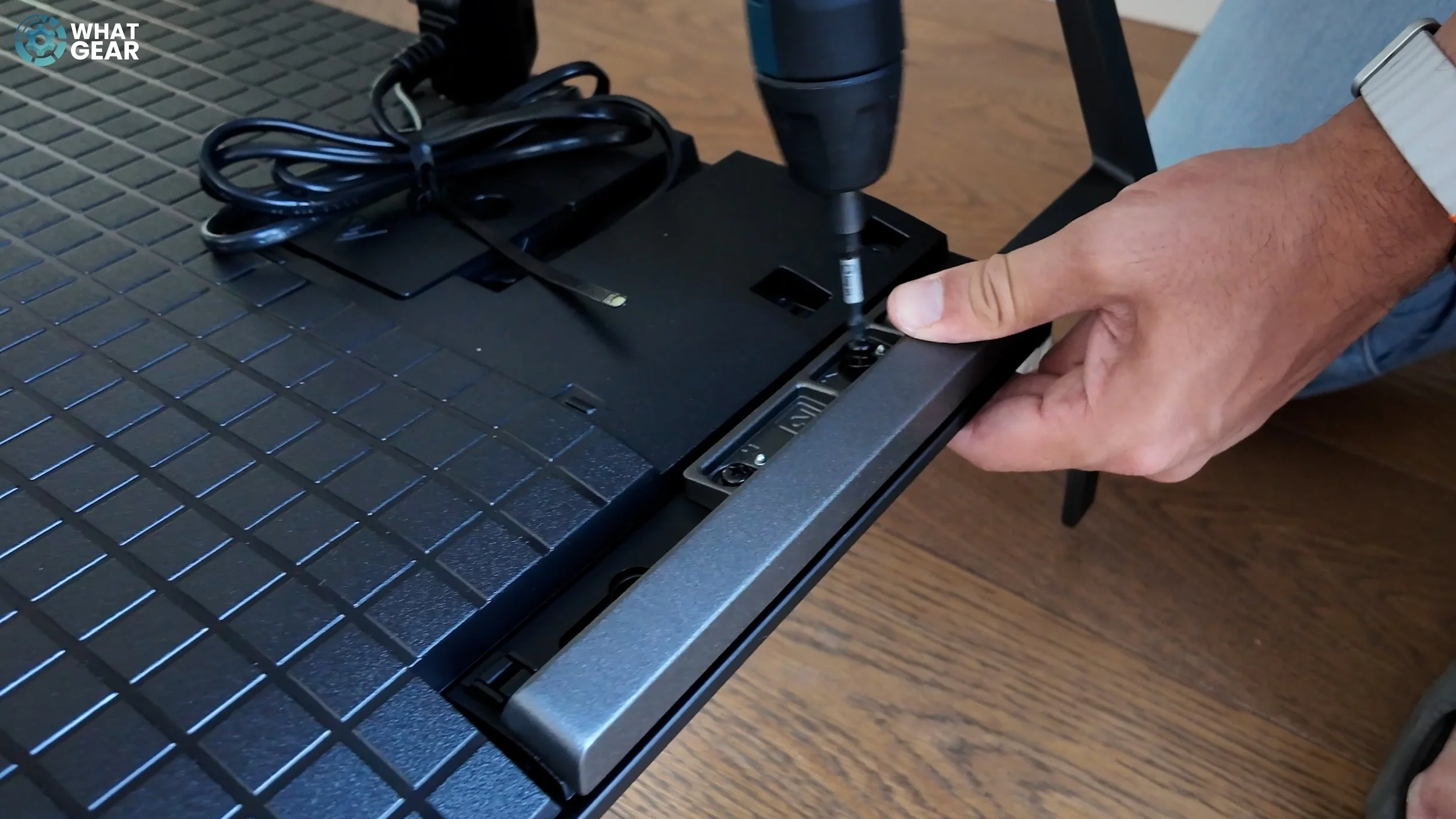
Attaching the stand is straightforward, requiring just two screws for either the low or high position. Once powered up, simply scan the QR code to log in with your Google account, and you're good to go.
Design
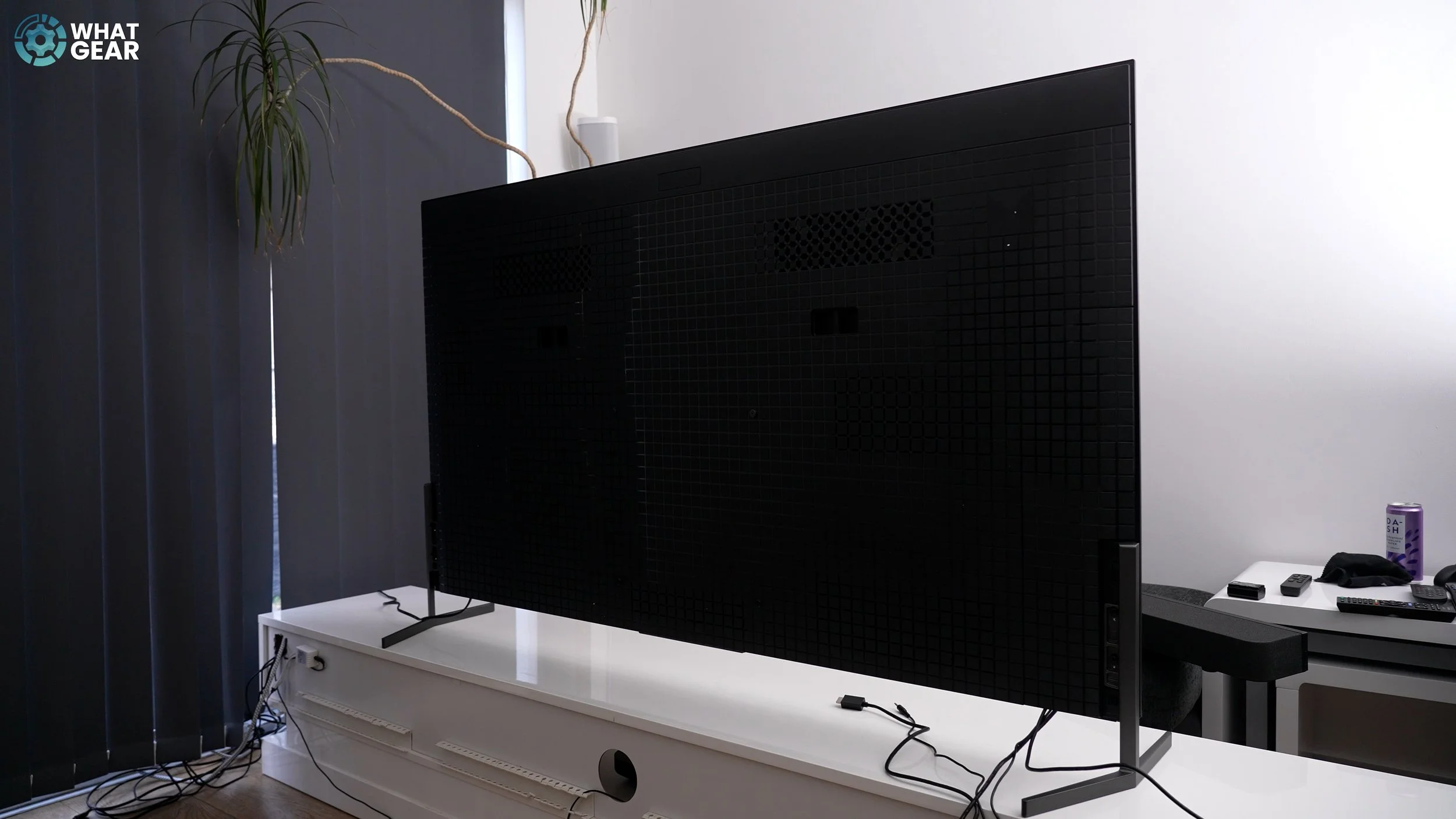
Sony's design and build quality are as premium as you'd expect. The TV features abundant metal components and clever attachments on the back for efficient cable management. While the exact slimness measurement is omitted here, the TV boasts a sleek profile with black metal trim.


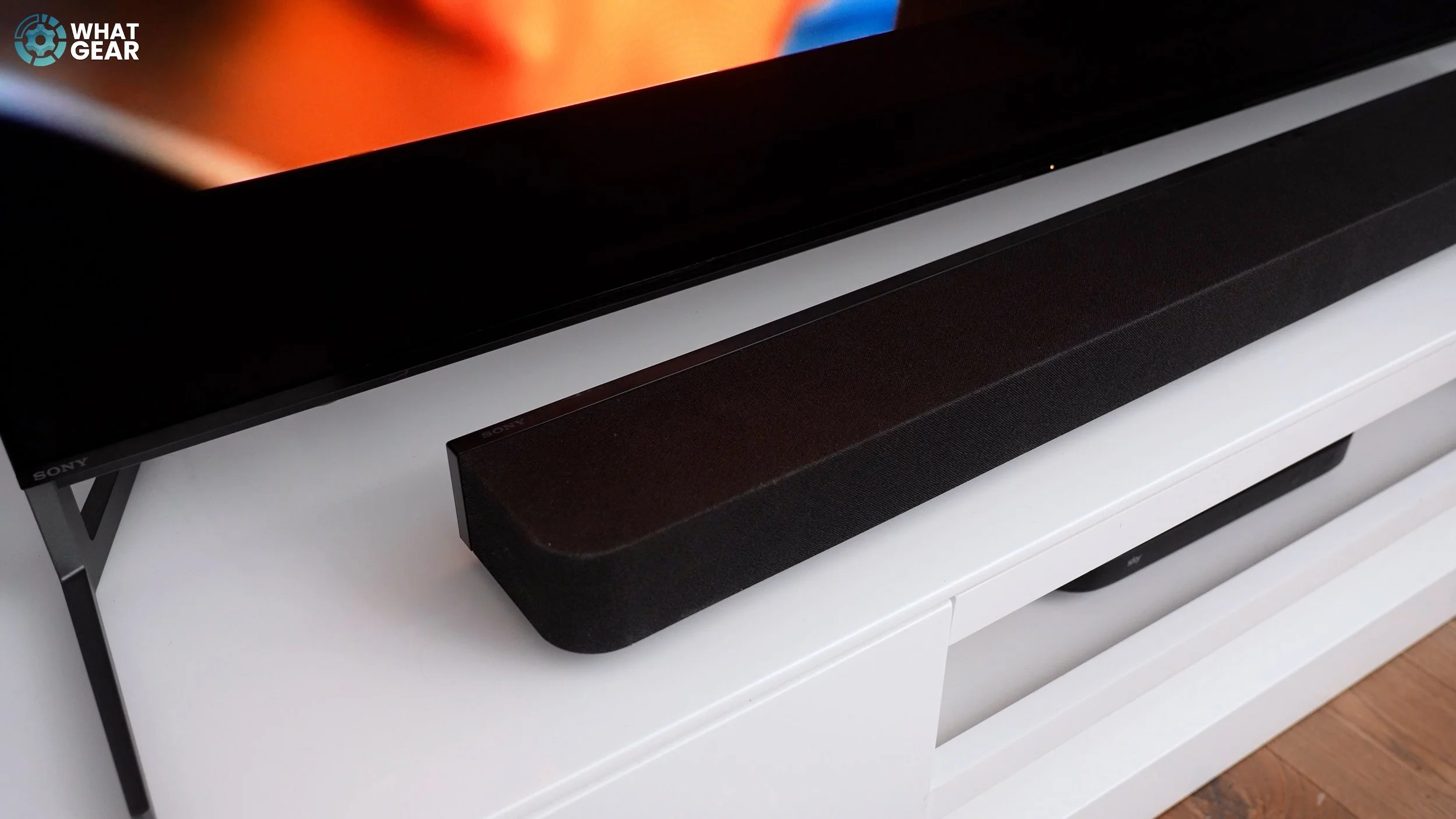
Branding is subtle, maintaining a minimalist aesthetic. The iconic Sony light bar on the front, a staple of Sony Bravia TVs and even seen on PlayStation DualSense controllers, adds a touch of signature style. Beyond a single button below the light bar, which offers basic functions, there are no other physical controls onboard.
A unique design element to Sony TVs are the legs. Their visually minimal profile from the front is exactly what you want, ensuring fewer distractions from the display. As mentioned, there are two height positions: the low position places the bottom edge of the display mere millimeters off the surface, while the higher position is ideal for taller soundbar setups. Of course, standard VESA mounting points are available if you prefer to wall-mount.
Ports
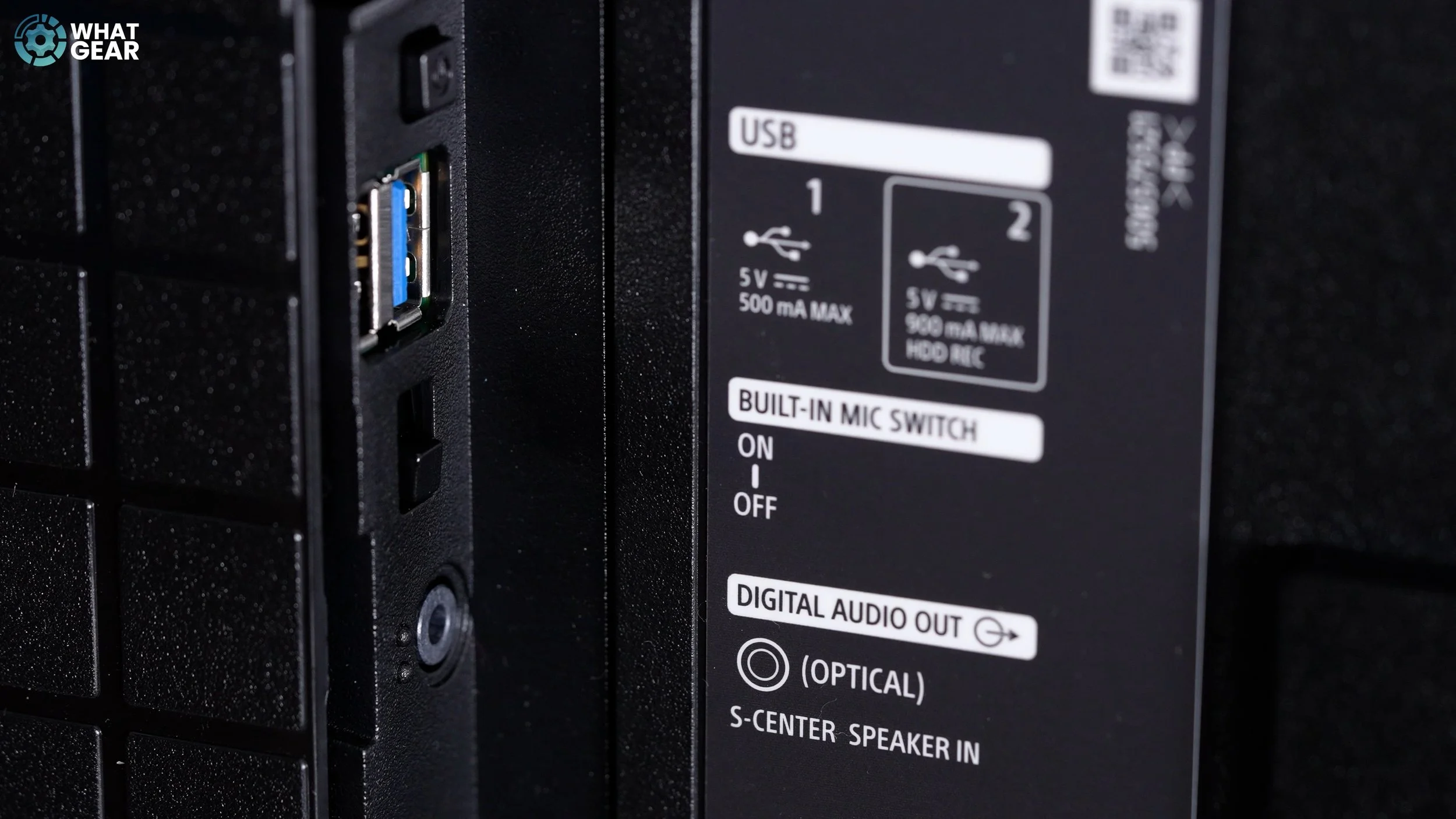
The side-mounted ports consist of two HDMI 2.0 and two HDMI 2.1 inputs that support 120Hz. One of the HDMI 2.1 ports also functions as an eARC (enhanced audio return channel). You'll also find LAN, satellite, and TV antenna ports, as well as two USB ports and an optical audio out. For privacy, a mic mute switch is conveniently located.

Display
Here is the first of the three big reasons why the Bravia 8 MKII might be one of, if not the, greatest OLED TVs currently available. While some may assume all OLED TVs are alike, there's actually a new and superior type of OLED technology on the market, surpassing the more common W-OLED. The Bravia 8 MKII incorporates this third-generation technology, known as QD-OLED. You may wonder what makes QD-OLED superior to W-OLED. Simply put, it offers greater brightness (this Bravia is, in fact, 50% brighter than the Bravia 8 Mark 1), displays superior colours, and is even more power-efficient. This particular panel also effectively reduces reflections and light glare without requiring a matted surface.
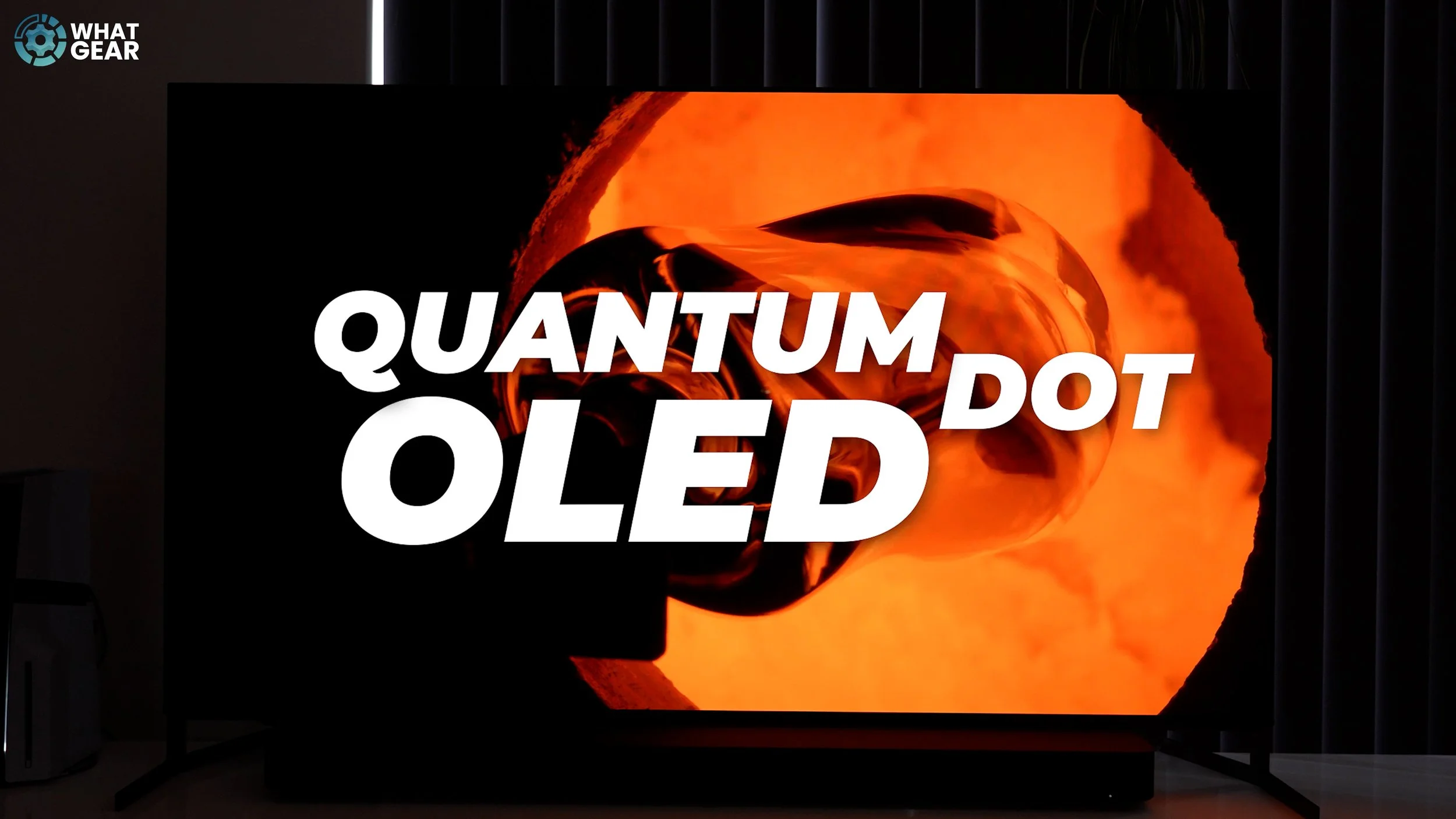
While there is one other flagship TV that uses this exact same QD-OLED panel, it's Sony's meticulous refinement of this QD-OLED "canvas" that truly makes the difference. Many experts consider Sony's XR picture processing to be "S-tier" and incredibly difficult to beat, especially when it comes to upscaling lower-resolution content and smoothing noisy images. So, if you frequently watch regular HD TV or older movies, you'll greatly benefit from Sony's XR processor and its AI capabilities.

For those who prioritise the highest quality HDR content, the Bravia 8 MKII has several tricks up its sleeve. It supports Dolby Vision, HDR10, and HLG, and offers very colour-accurate pre-calibrated picture modes straight out of the box. When watching 4K HDR content, the Bravia 8 MKII truly shines. You'll experience incredible brightness, true infinite blacks, amazing colours and colour gradients, and no visible banding.
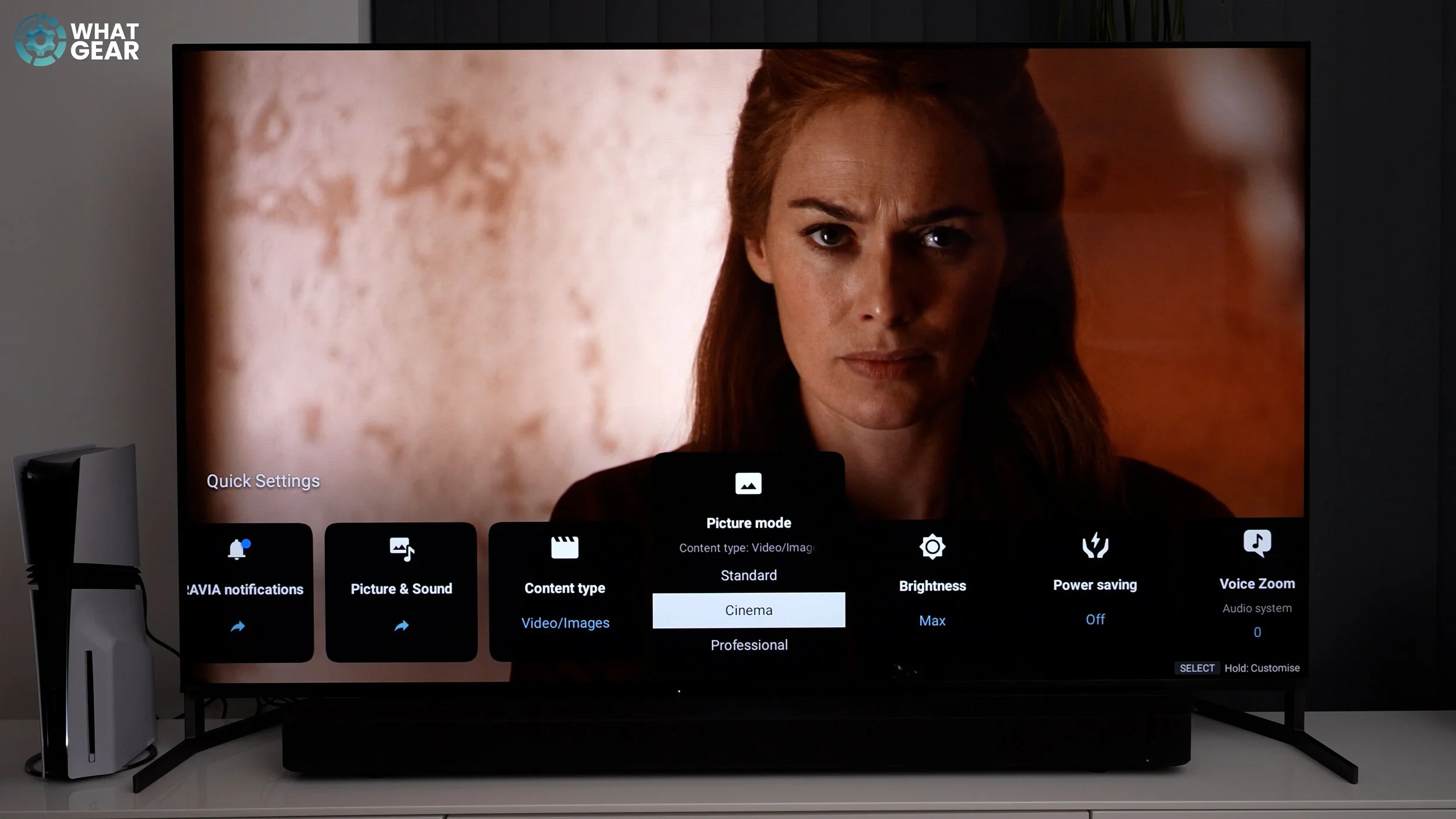
The clarity and sharpness are perfectly balanced, avoiding over-sharpening, which is crucial if you prefer to watch content exactly as the creator intended. I could elaborate on the picture quality endlessly, as it is undoubtedly the 8 MKII's strongest attribute.
Sound
Now, let's move on to the second reason why the Sony Bravia 8 MKII might be the greatest OLED right now. Did you know that in cinemas, speakers are actually positioned behind the big screen?
It's true! And Sony, as far as I know, is the only TV manufacturer that incorporates front-facing speakers directly within the display. The Bravia 8 MKII features two actuators and two subwoofers, delivering a combined 50 watts of power. While I'm exaggerating slightly when comparing it to being "punched by Neo in The Matrix," it's certainly adequately loud for regular TV content and offers a good soundstage for movies.
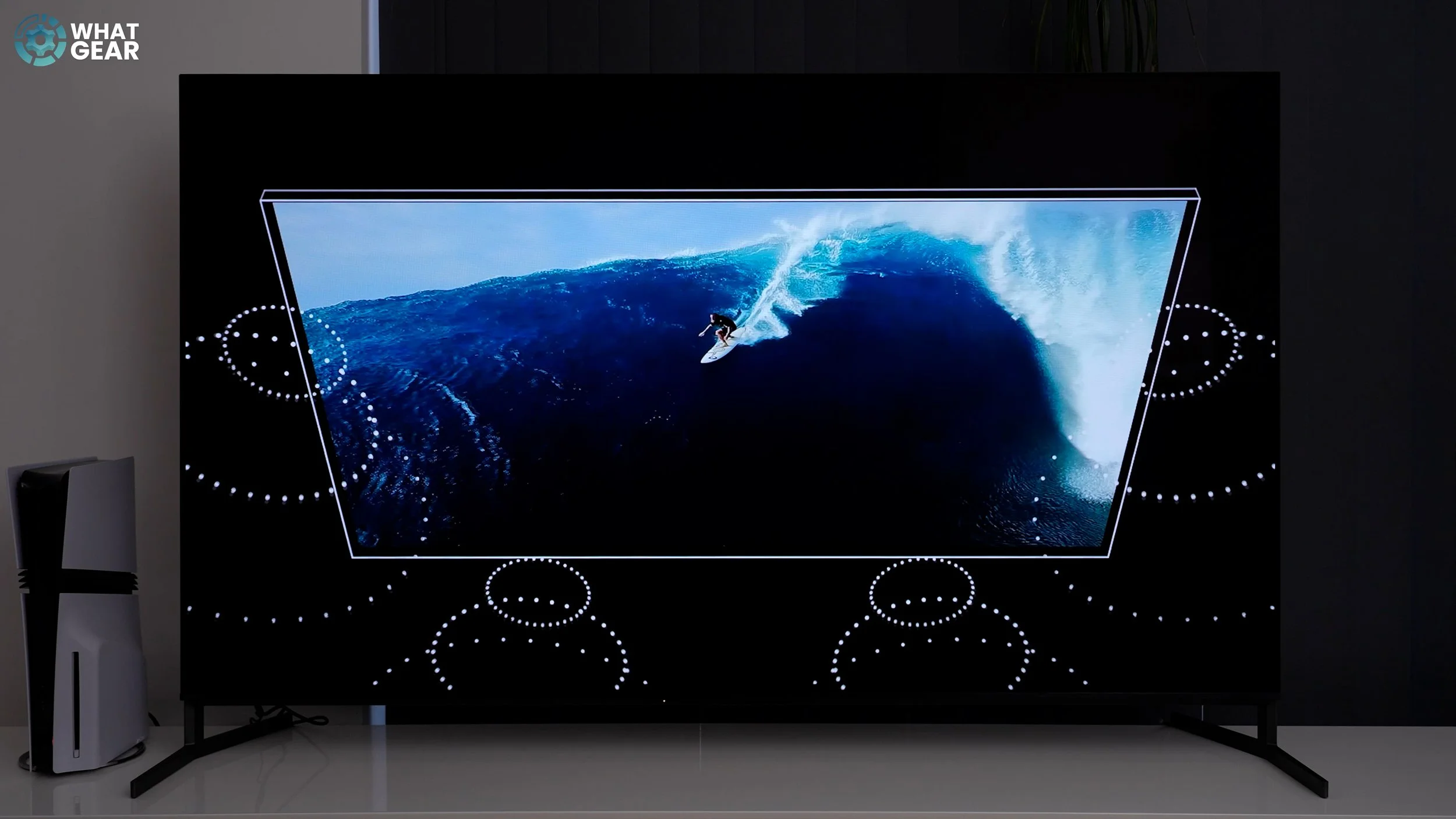
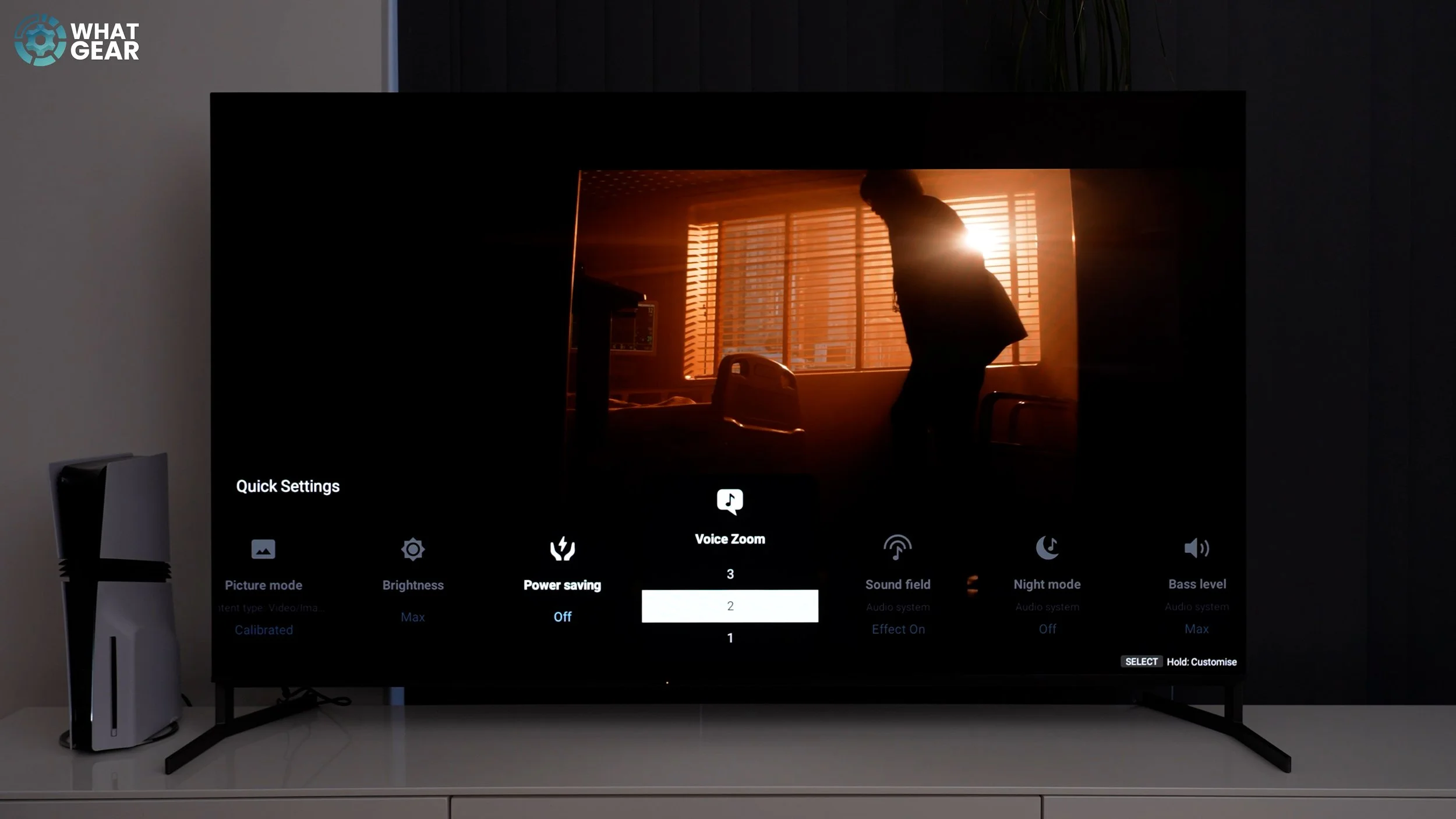
What's truly innovative is that these speakers utilize the display glass itself to amplify the sound and match sound source placement on the screen. This is technology you don't typically see – or hear – because it's all happening behind the scenes, just like in a movie theater. A significant advantage for this TV is Sony's Voice Zoom 3.0 software, which can intelligently isolate and boost vocal frequencies over music and background noises in the content you're watching.
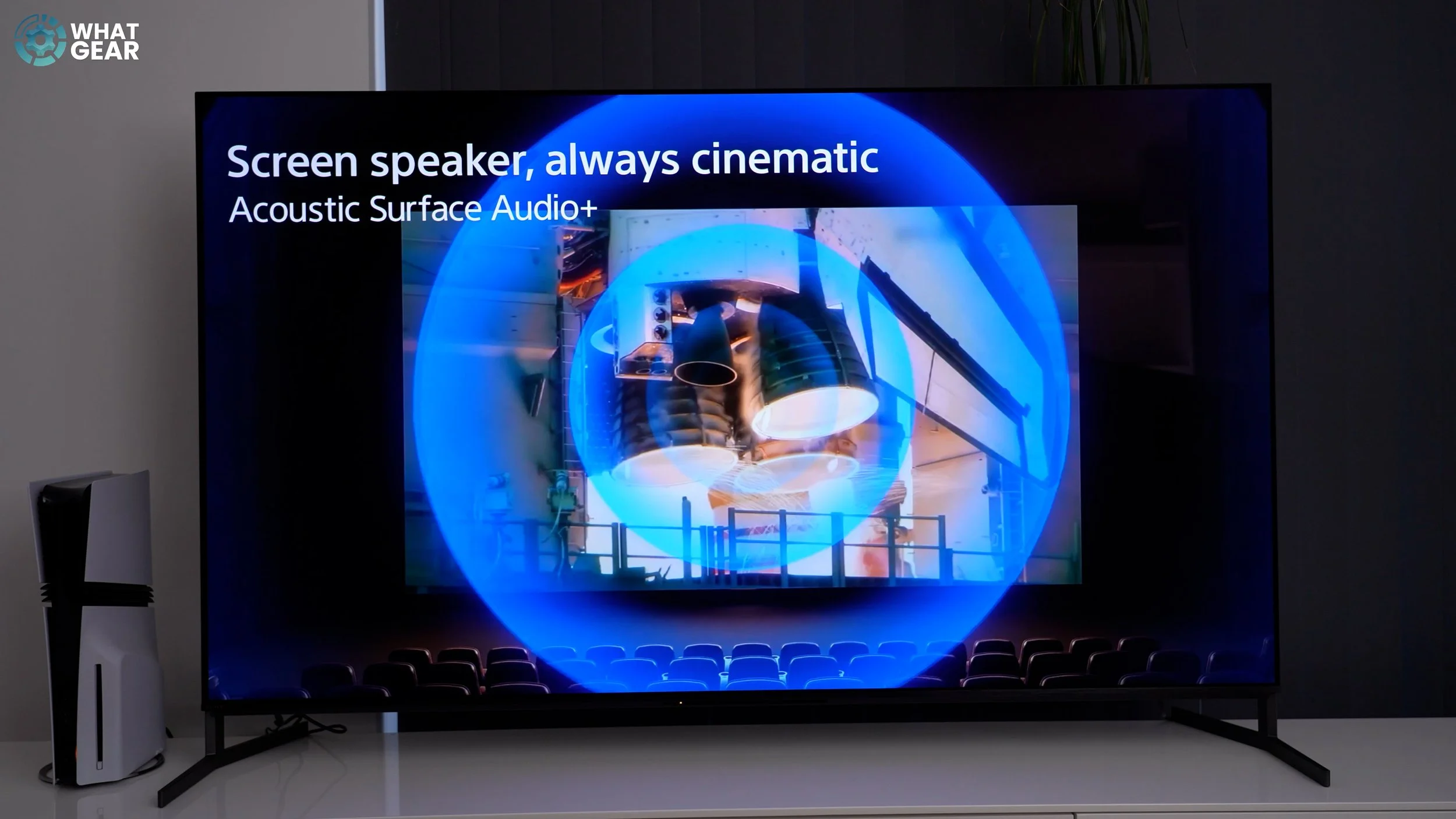
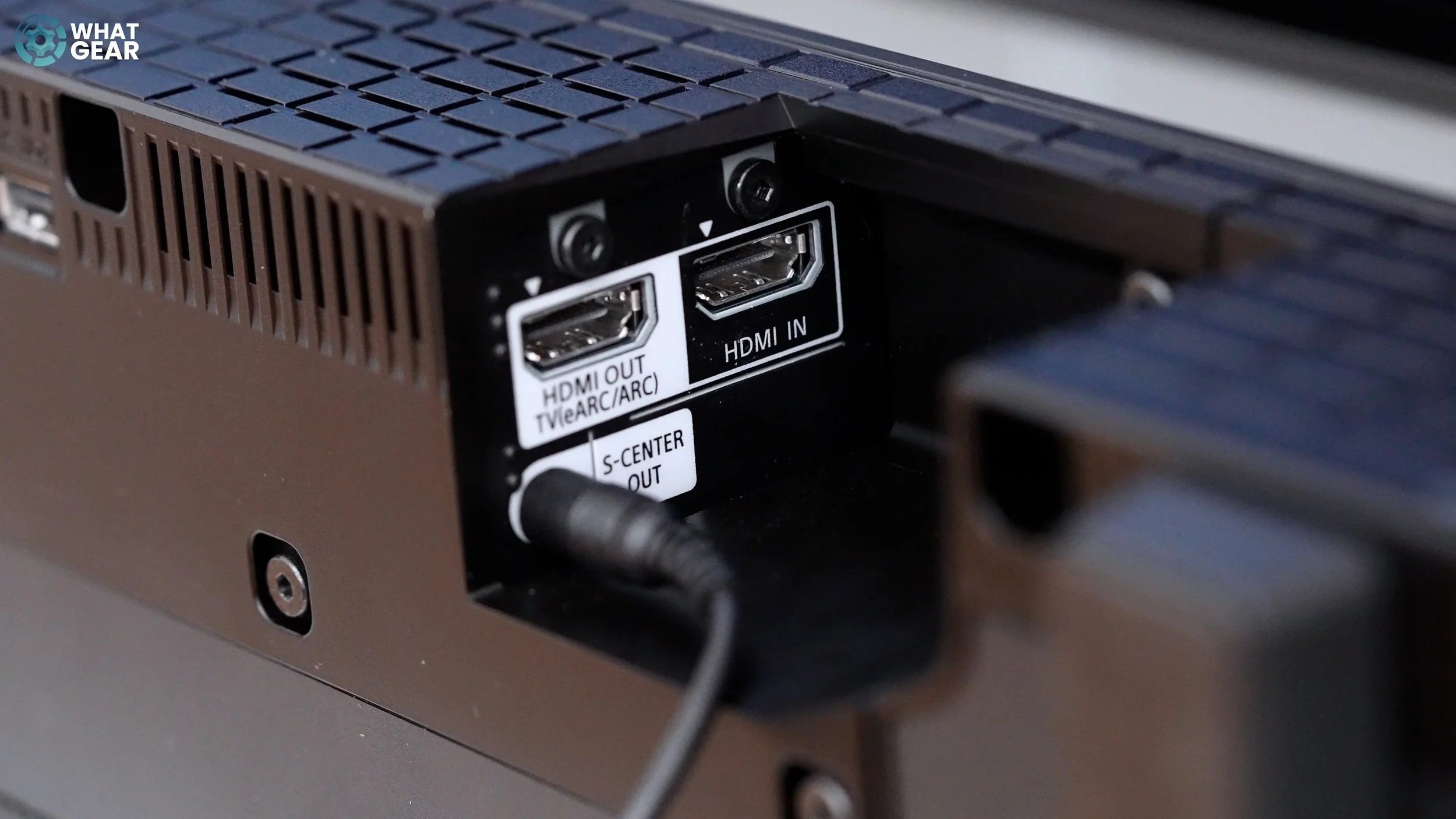
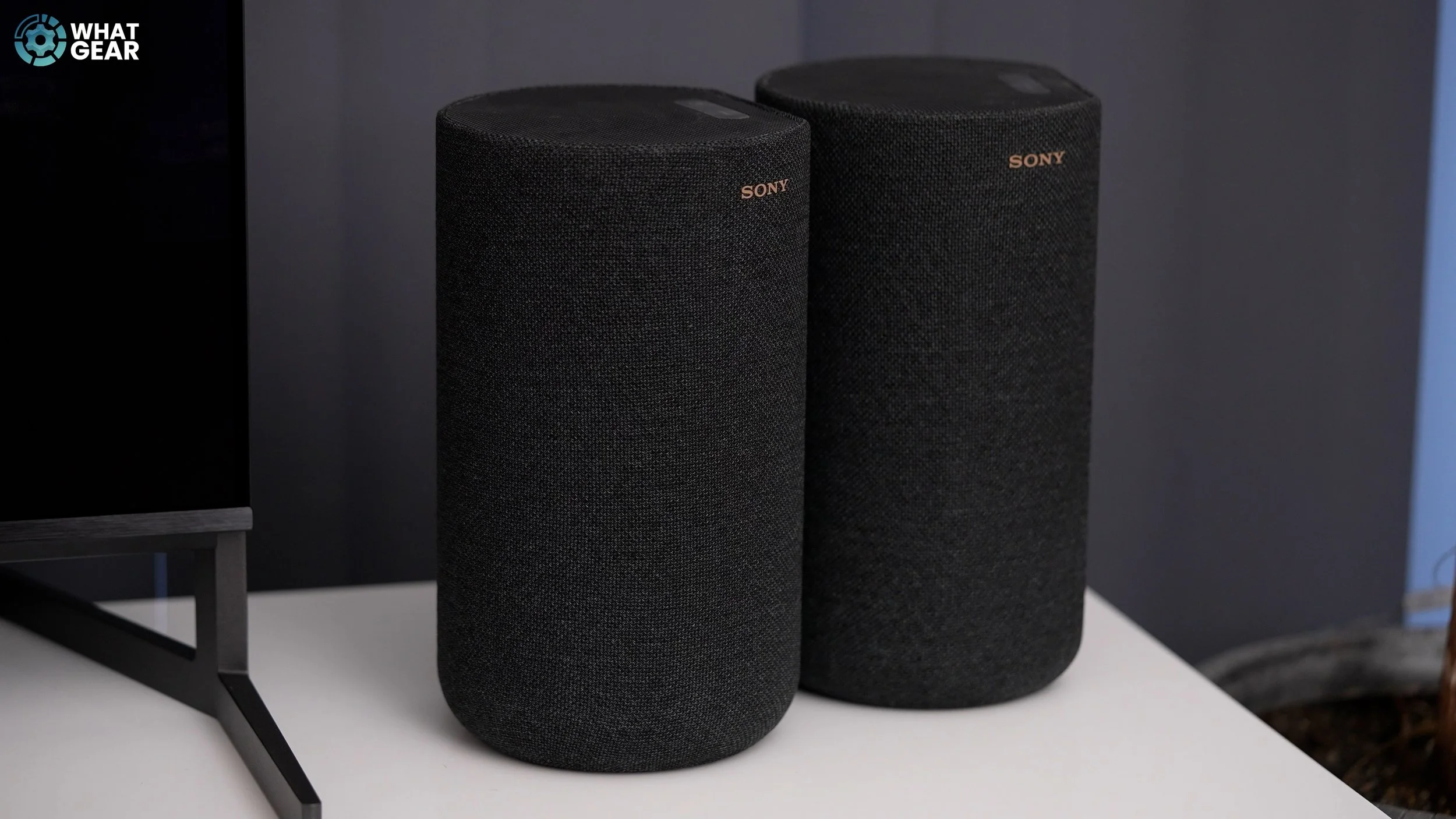
I know many people, myself included, will want to connect a home theater sound system. This might make the Acoustic Surface technology seem less useful, but not if you pair it with a Sony Bravia Bar, like the Bravia Bar 8. While the Bravia Soundbar connects via eARC like any other soundbar, it can also connect to Sony's Center Sync Channel, allowing the TV's Acoustic Surface to work seamlessly alongside the rest of your home theater setup. A great feature of the Bravia Bar 8 is its high-speed HDMI pass-through port. You can also add subwoofers and rear speakers at a later date if you wish to build out a proper Dolby Atmos system, and DTS:X is also supported here.
Google TV
Okay, this is the third big selling point, because while picture and sound are arguably the most important, content is king. And the king of content discovery on the planet right now is undoubtedly Google.
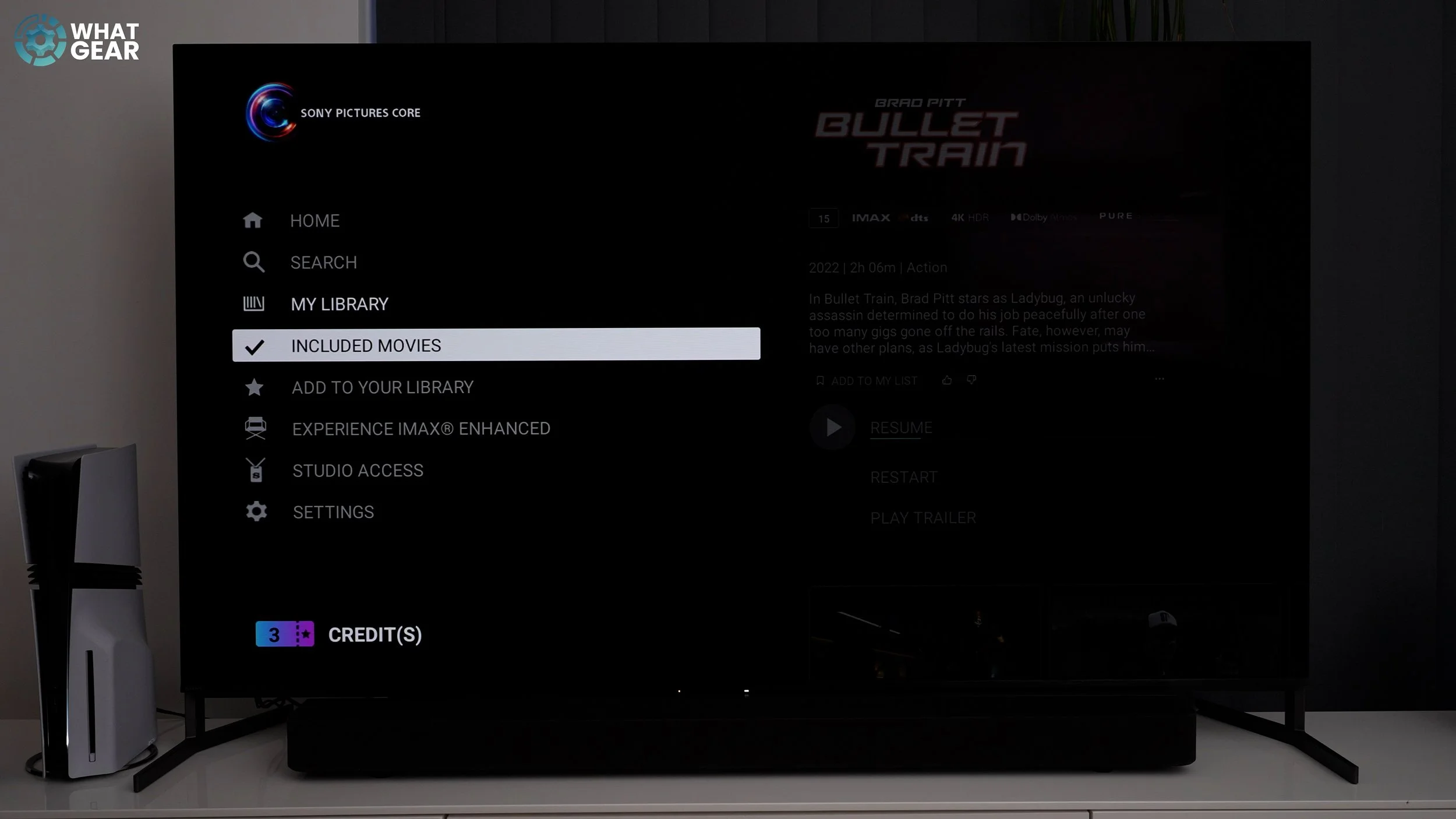
The Bravia 8 MKII runs on Google TV, which other brands also have access to, but Sony has added its own "Bravia magic" on top, including some exclusive Sony features. For example, there's their exclusive Pictures Core movie streaming app. This streaming service is actually home to the world's largest IMAX Enhanced movie library and delivers content via Sony's 'Pure Stream.' Simply put, Pure Stream speeds are roughly three to four times faster than Disney+ or Netflix, meaning more picture data can be sent more quickly, resulting in higher quality content. This TV also supports Wi-Fi 6E, ensuring optimal speeds even over Wi-Fi, provided you have a decent router.
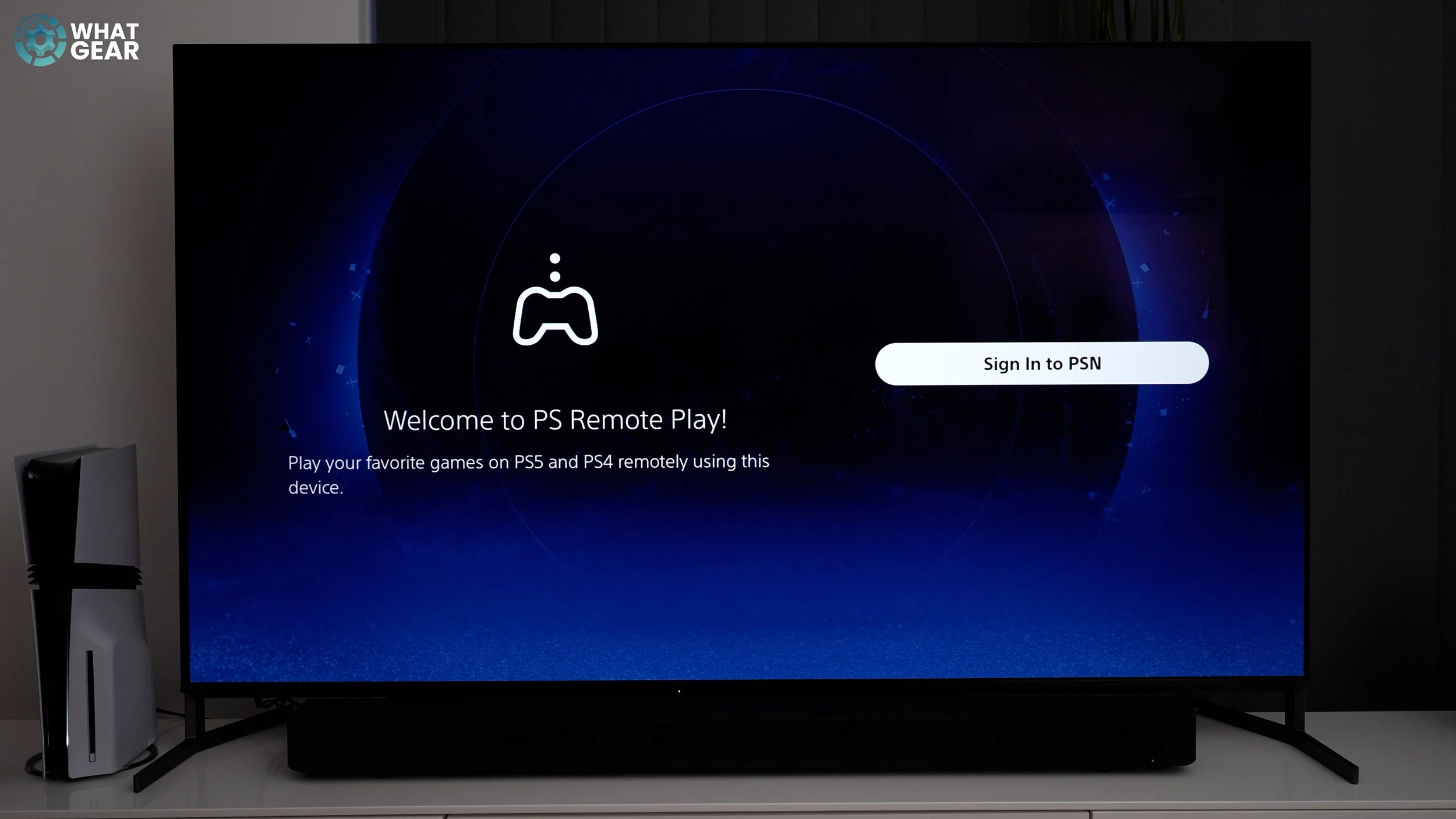
PlayStation Remote Play comes pre-installed, so if your consoles are in another room, you can still play them remotely. For gamers, Xbox players benefit from Dolby Vision gaming support, while PlayStation players get some really nice exclusive ecosystem features like Auto HDR Tone Mapping and Auto Genre Picture Mode, which make the PlayStation experience more seamless compared to other TVs. The Bravia 8 MKII also supports 120Hz gaming, VRR (Variable Refresh Rate), and ALLM (Auto Low Latency Mode). The gaming software settings interface is one of the best I've seen on any TV.
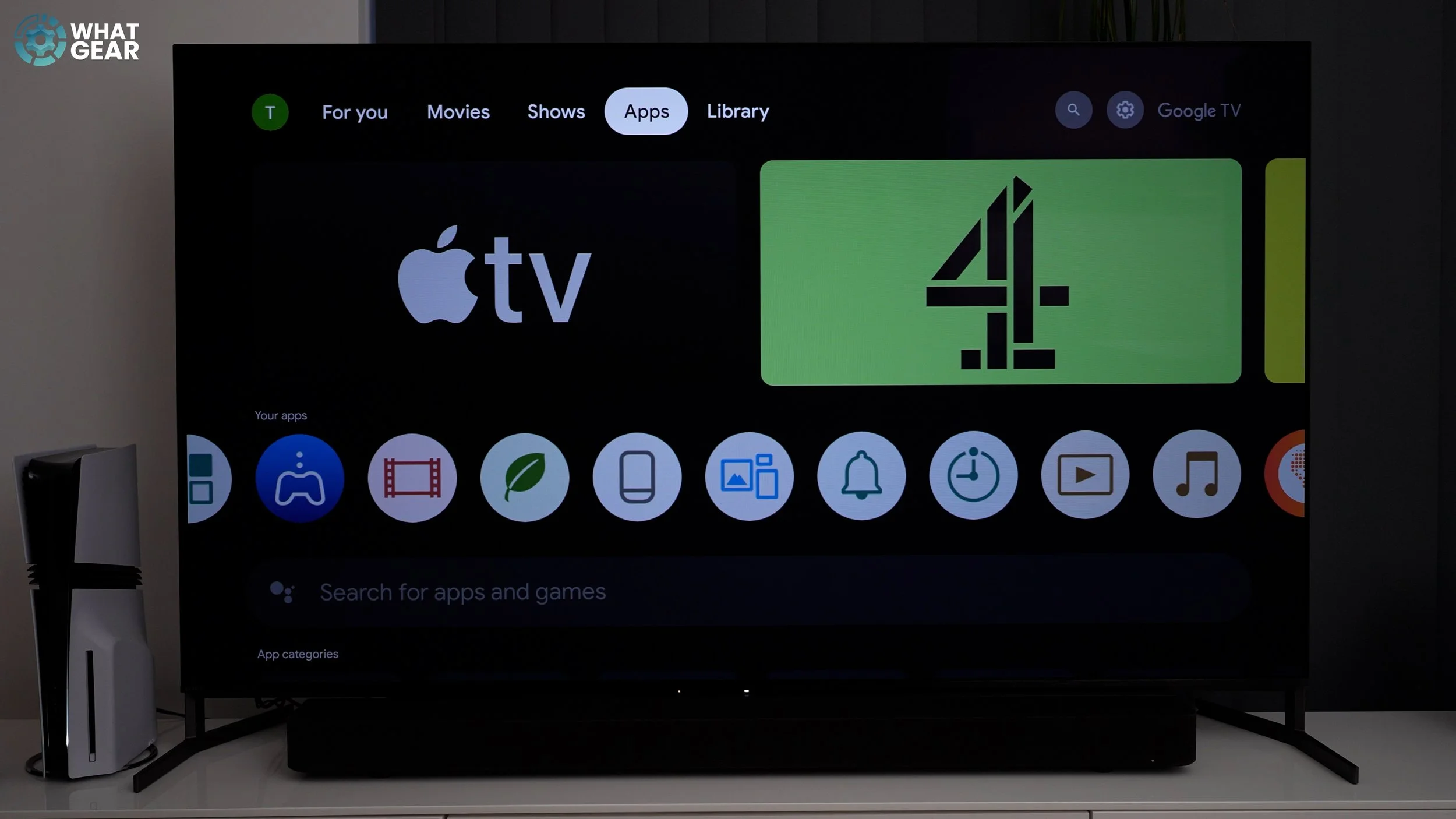
Of course, you get standard features like Chromecast, Apple AirPlay, Apple HomeKit, and Alexa. Perhaps more importantly, you get Google's app library and search, which are currently the best in the business. I have a feeling we may see Gemini AI come to the Google TV platform at some point, and if that happens, that could be a game-changer and potentially game over for many other TV platforms.
So there you have it: the big three – Picture, Sound, and Software. There's just one more thing I haven't mentioned yet... the price. Prices fluctuate significantly, but if you time it right, you can often get an amazing deal. Currently, the 55-inch model is around £2,499, and the 65-inch is around £2,999. Deals are always out there, and I've linked some good ones below to support the channel. If you have any questions about this TV, please let me know in the comments.
Key Features (Summary for Quick Reference):
QD-OLED Panel (55-inch & 65-inch models only)
Acoustic Surface Audio+ (Sound in the display)
Exclusive Pictures Core movie streaming app
Pure Stream 80Mbps movie streaming
Display Highlights:
Brightest Sony Bravia OLED to date
50% brighter than the Mark 1
3rd Gen QD-OLED technology
Peaks over 1800 nits
Infinite Blacks
Amazing viewing angles
Best colors
Dolby Vision support
Impressive content smoothing and upscaling
Powered by Sony XR processor
Connectivity & Gaming:
HDMI 2.1 ports with 120Hz support
Dolby Vision Gaming
Acoustic Center Sync option
Wi-Fi 6E (6Ghz)
Bluetooth 5.3
Smart TV Platform:
Google TV platform