Redmi Note 15 Pro Vs 15 Pro+ ( 10 Differences RANKED )
Camera
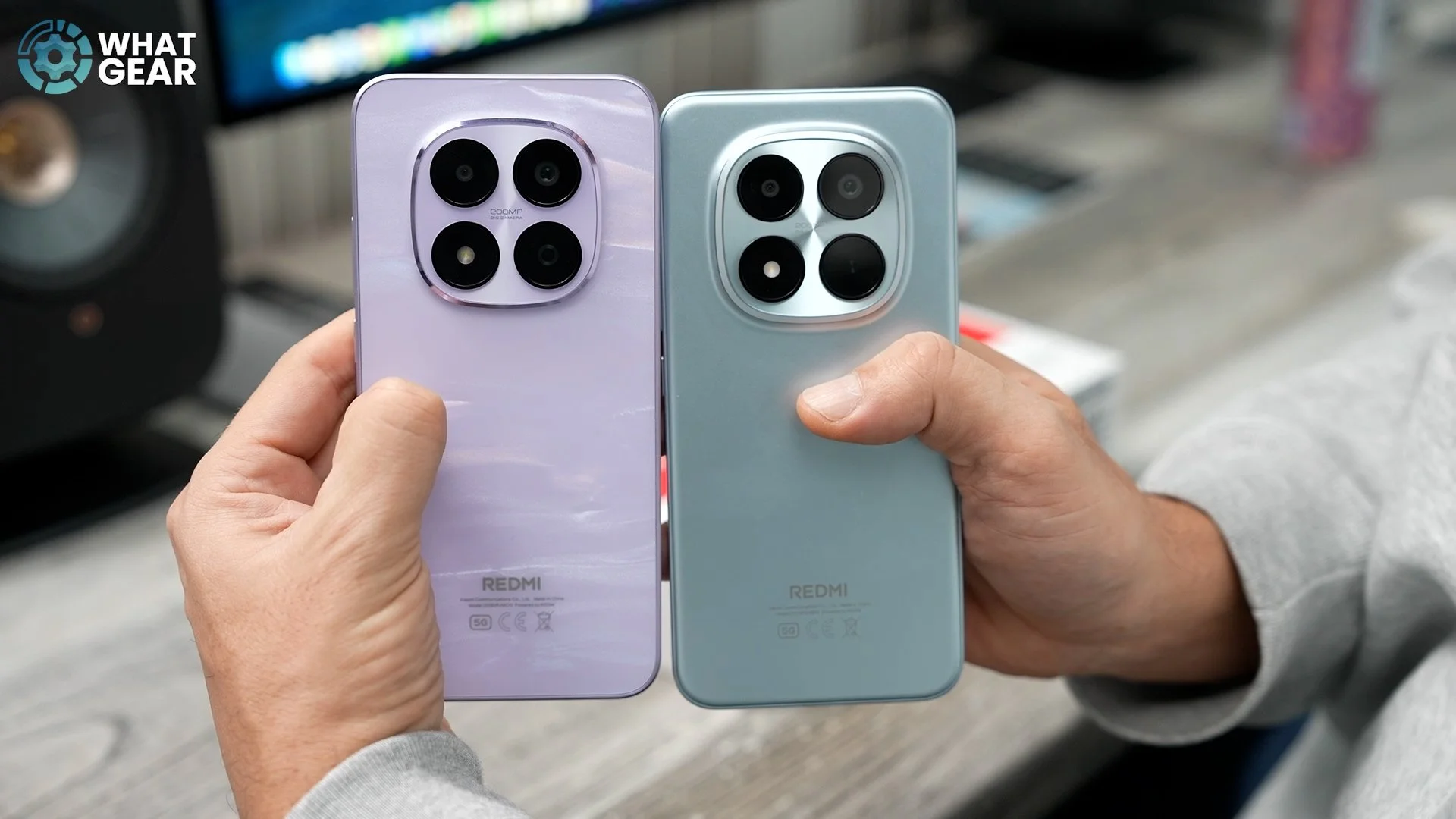
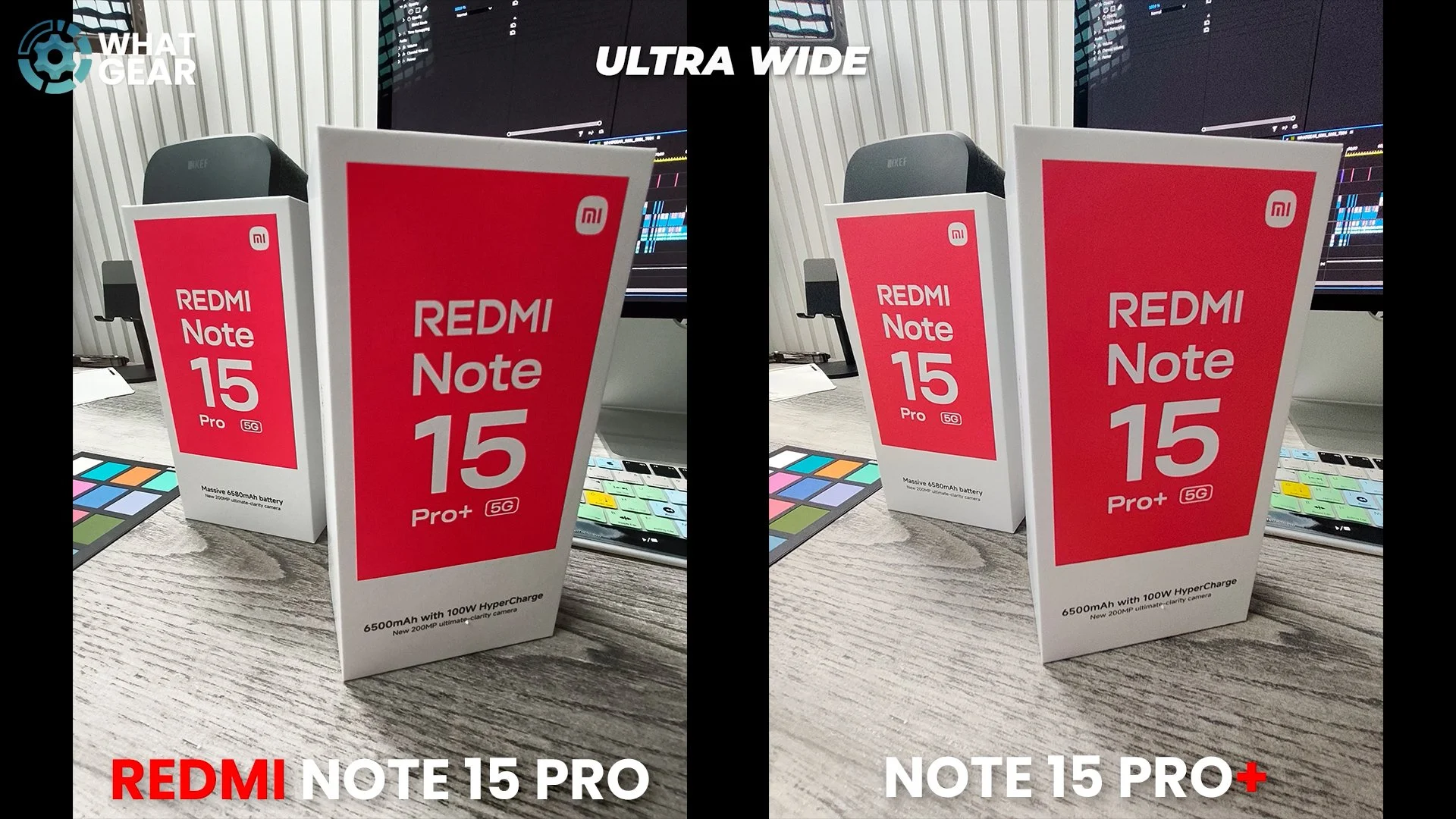
Looking at the back of these two phones, they look identical. And actually, behind the scenes, they are in fact identical. Both phones have a 200-megapixel primary camera with OIS – definitely the star of the show when it comes to the cameras. The sensor size is 1/1.4-inch, and the aperture is f/1.7. And although it does look like there are four cameras here, there are actually only two. The second camera is an 8-megapixel ultra-wide, and this one does have an aperture of f/2.2.
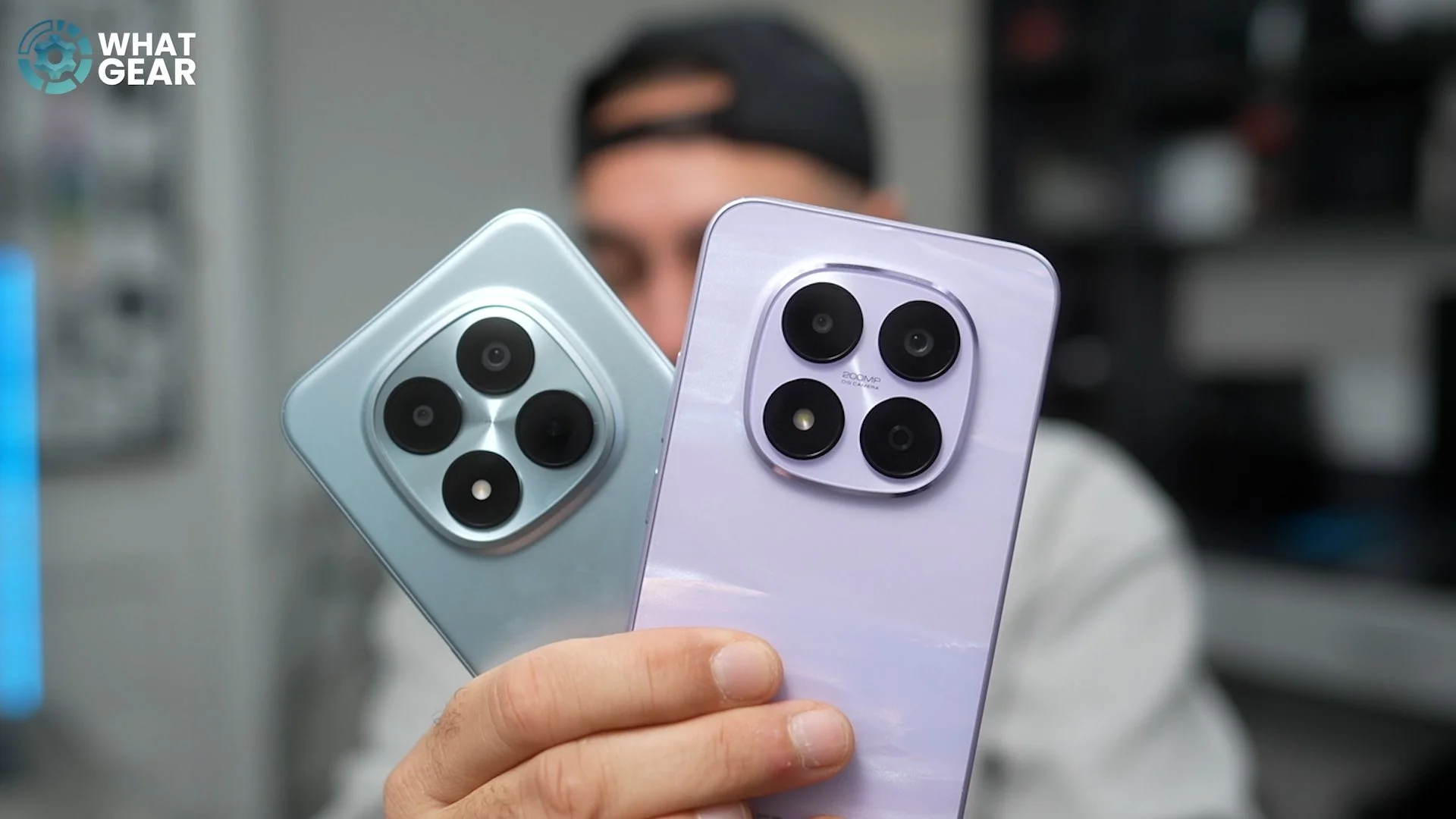
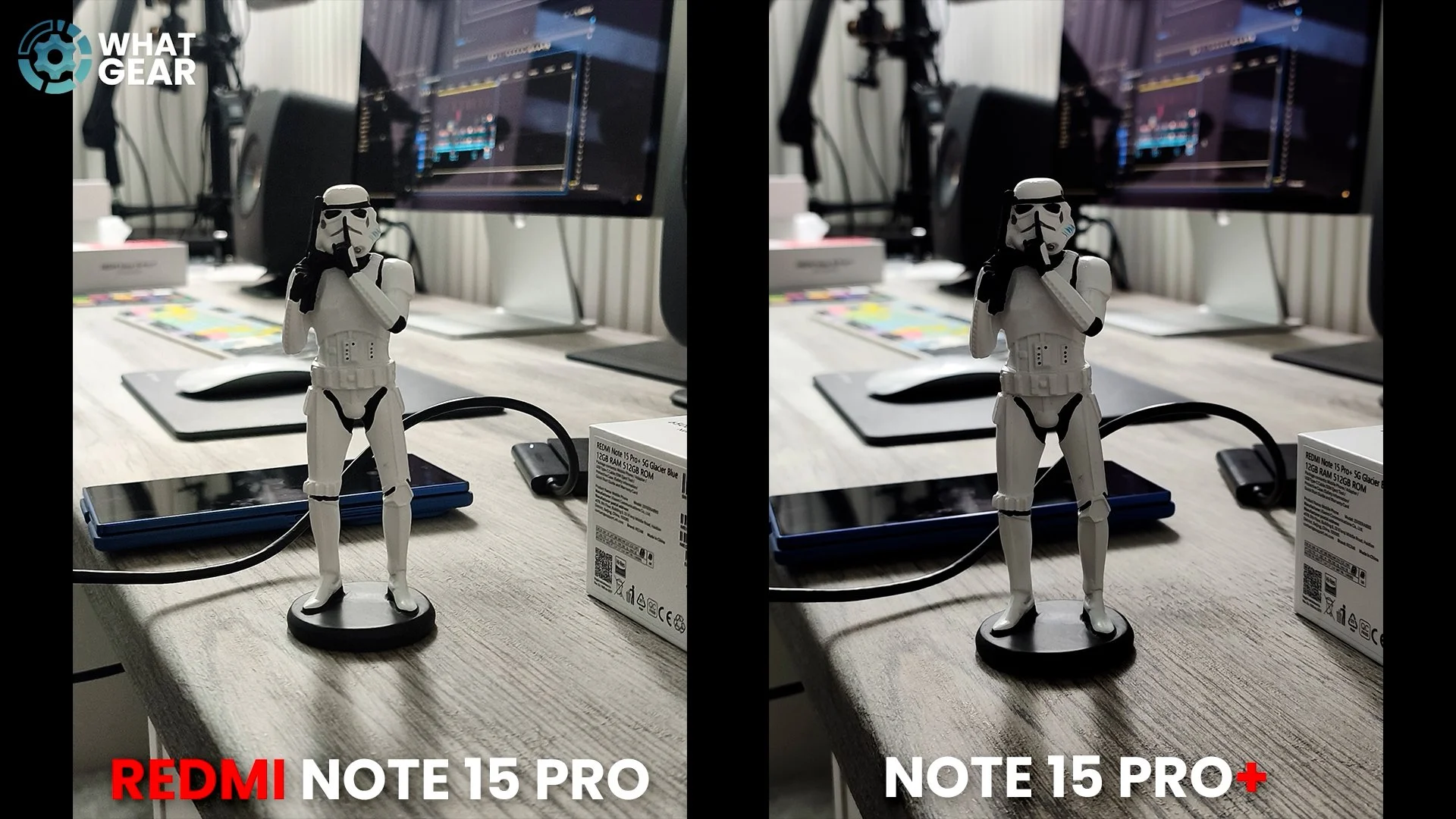
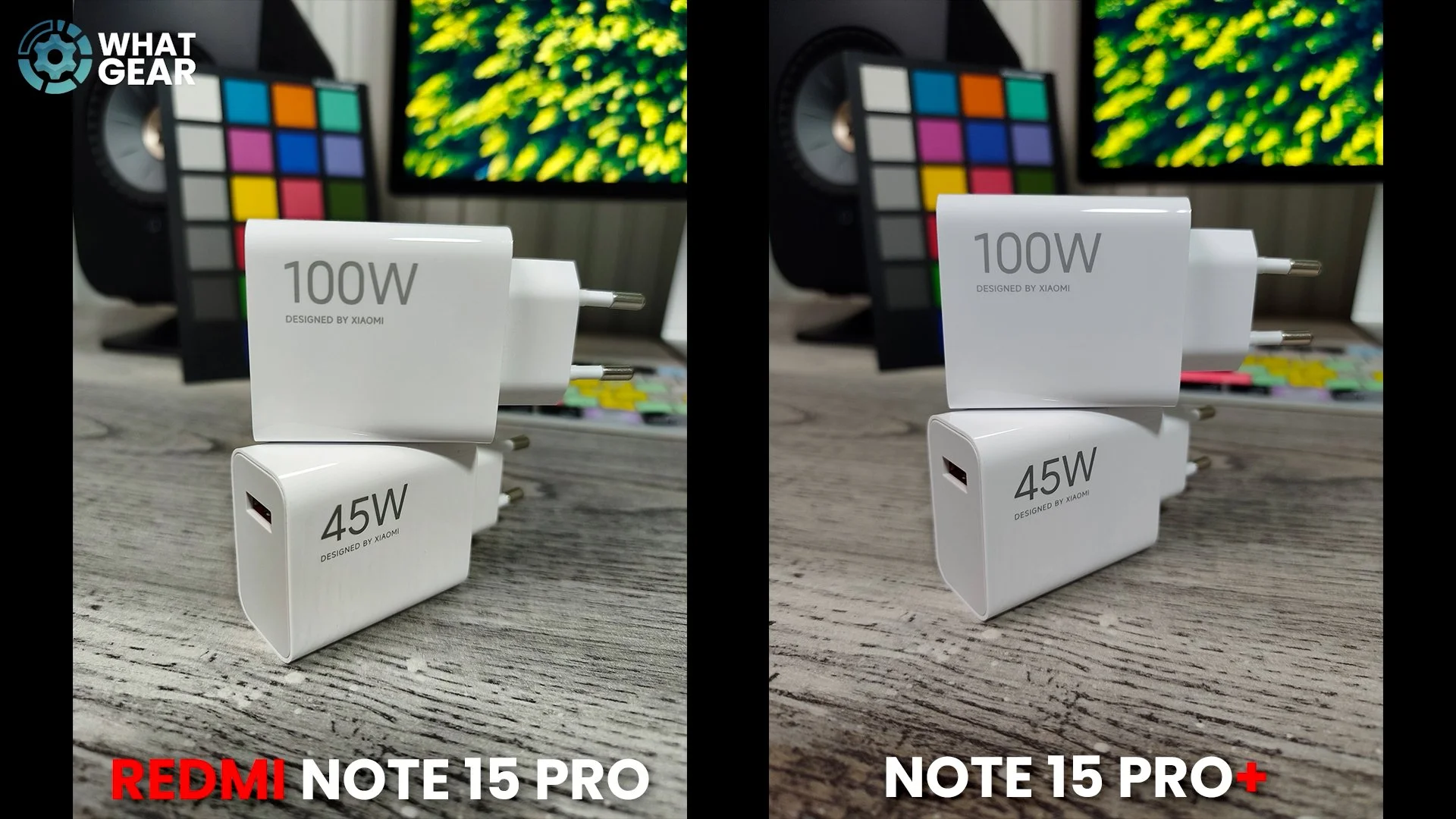
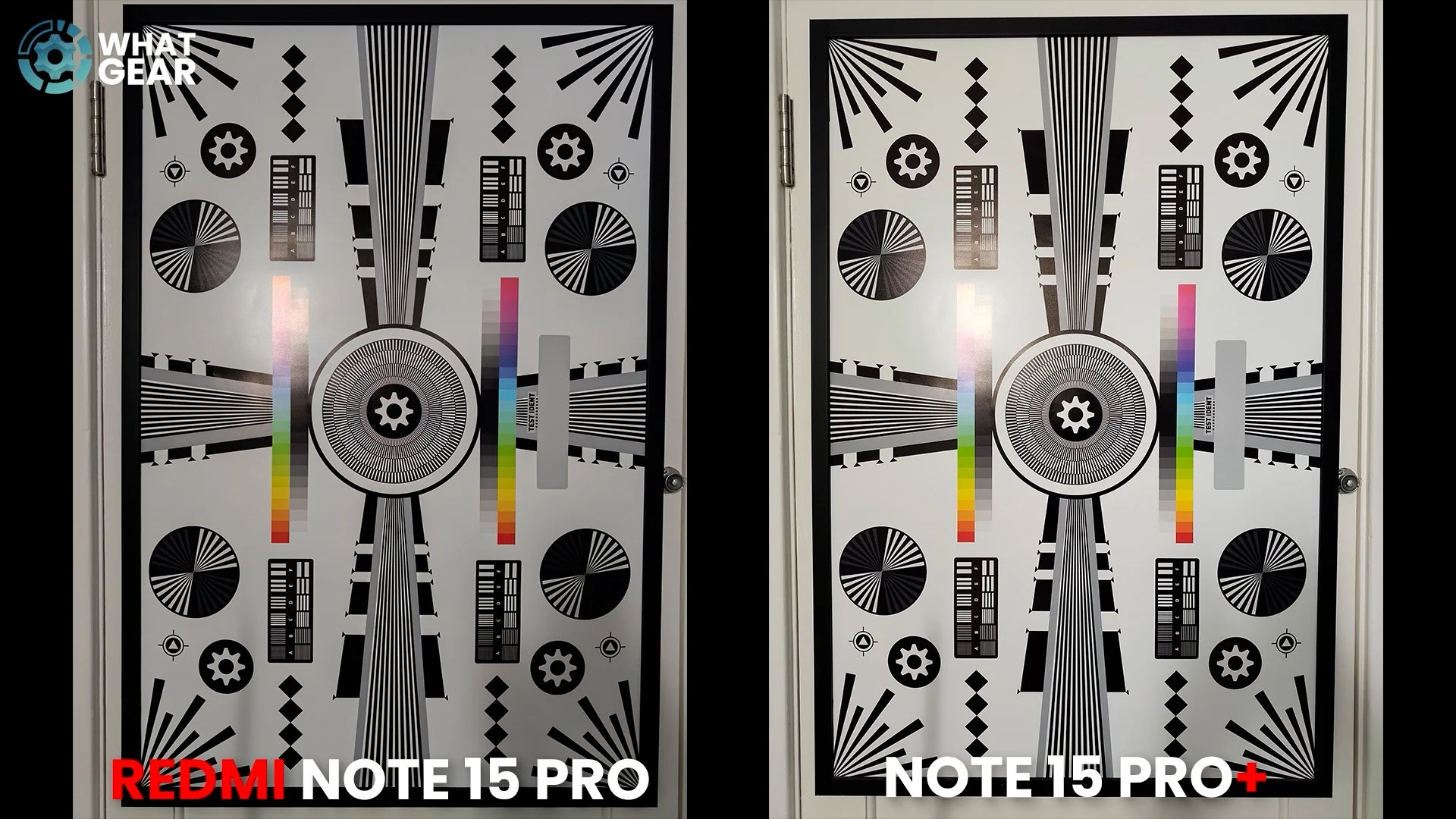
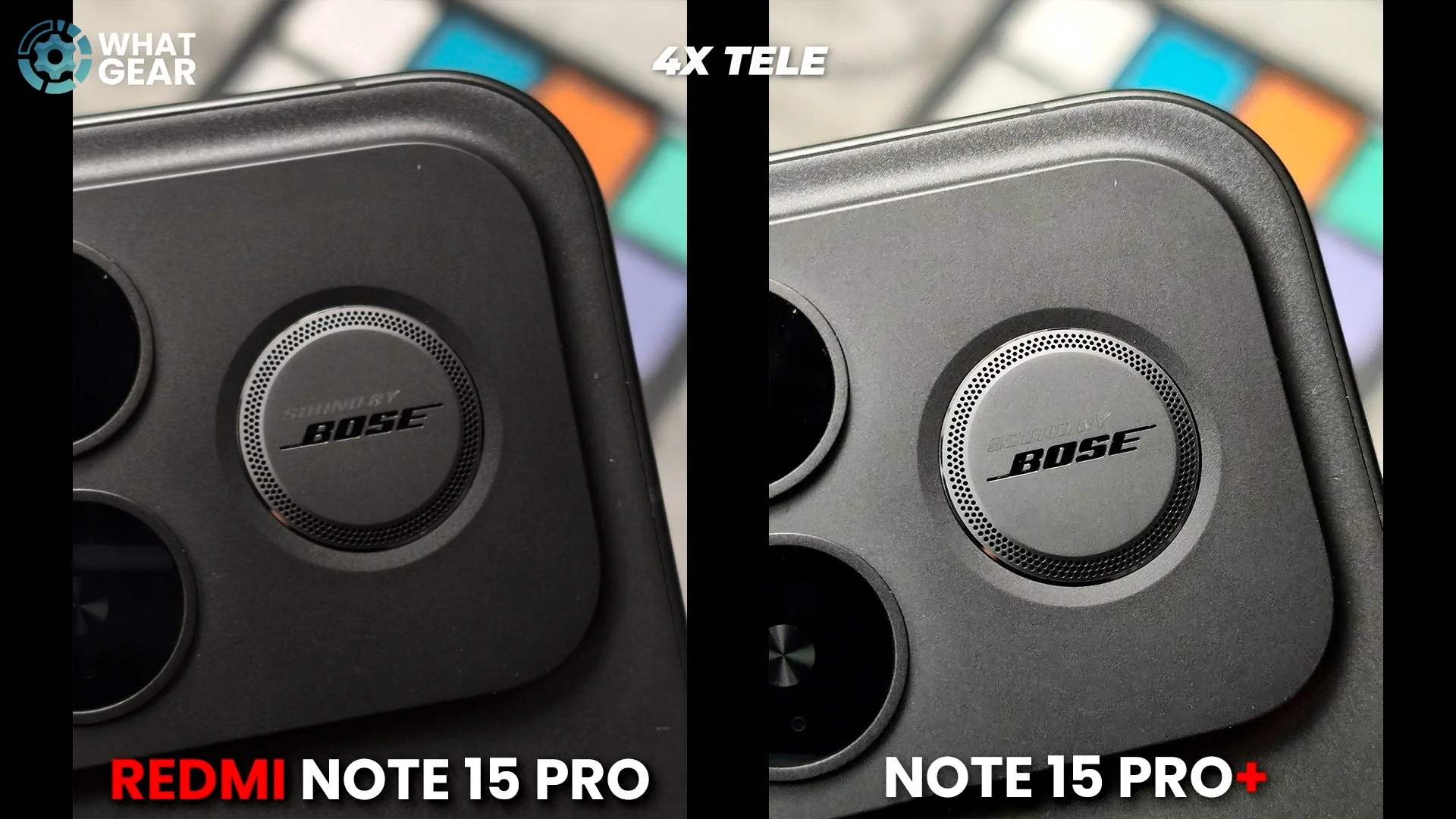
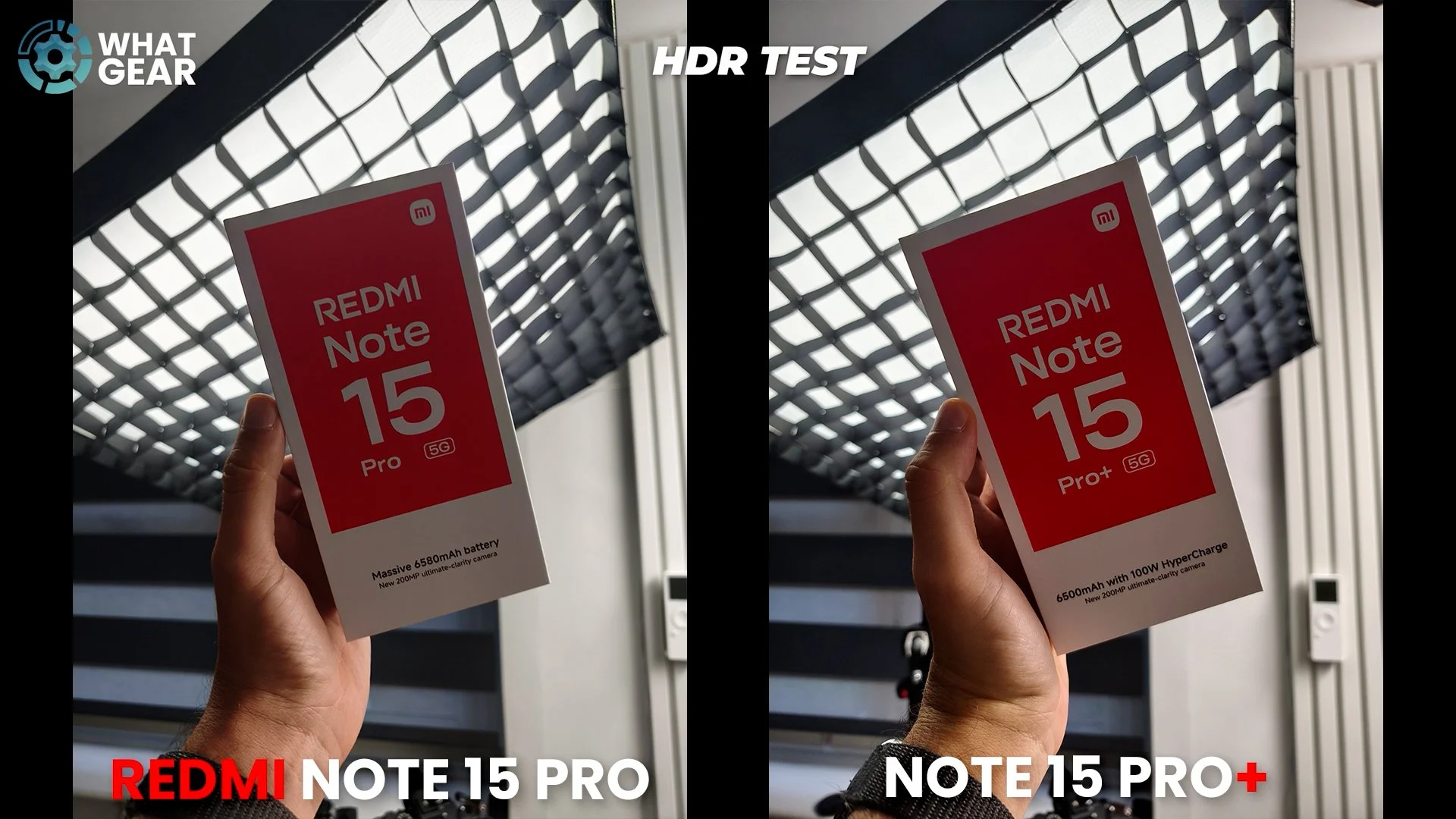
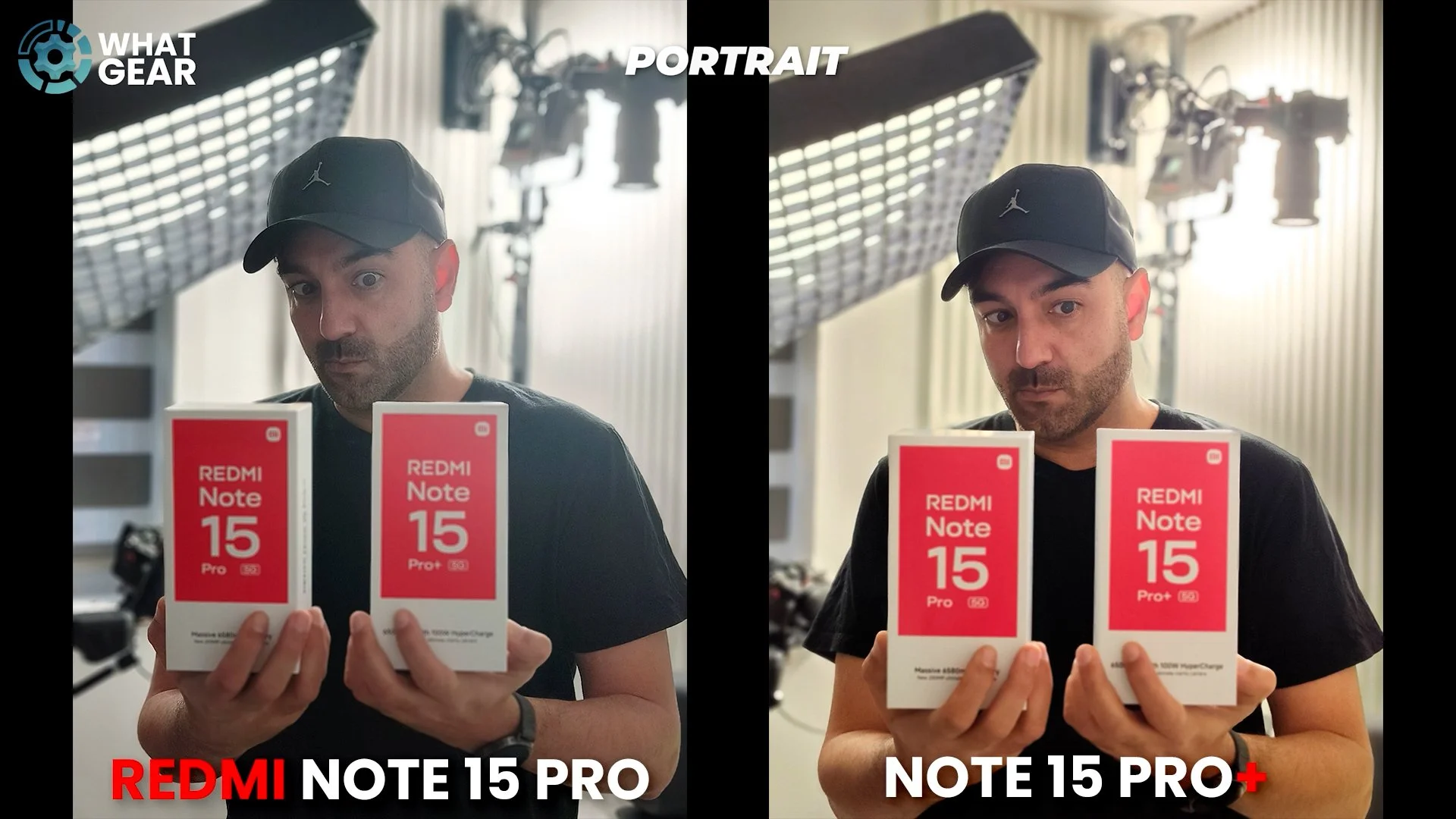
So based off of these specs, you would assume that the photos will be identical when taken in the same lighting conditions and everything like that. But actually, they won’t be. And I will explain why that is a little bit later on in the article, and I will show you some side-by-side images so you can see exactly what I’m talking about. Do let me know if you notice the difference. And there is also another major camera difference, which we’re going to come back to later because it is more significant.
Design & Display Shape
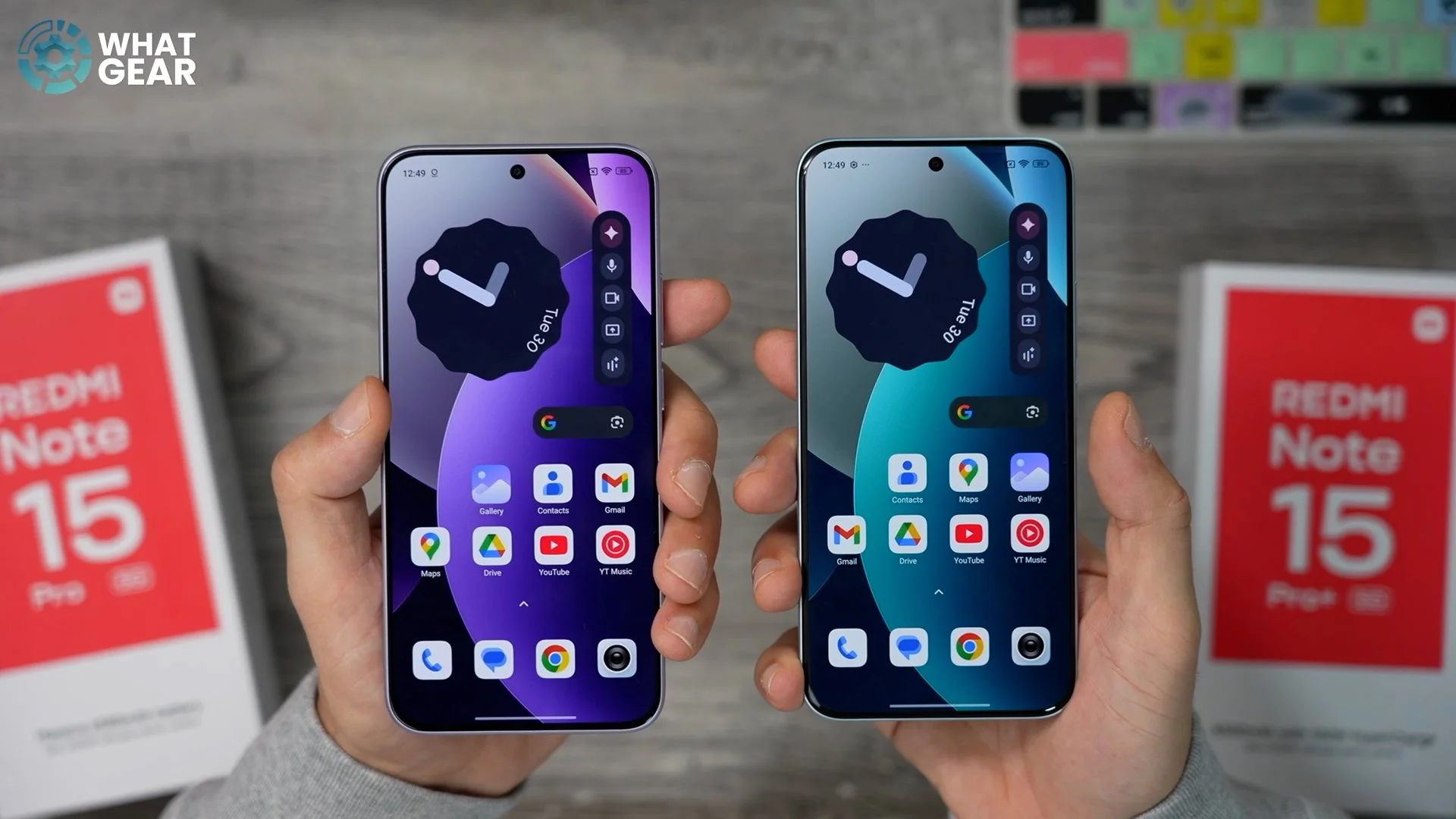
Here is a design difference that you won’t notice when you look at the phones from the front so much, but you will notice when you get them in your hand. The Pro+ actually has a curve on the glass at the edges of the screen, and this kind of wraps just over the bezels. And just so you know, both phones have pre-installed screen protectors. But you’ll notice here on the Pro, it is a completely flat glass on the front. So this actually could be a little bit of a win for the Pro, because a lot of people actually prefer flat displays. This might also reduce any unwanted touches at the edge of the screen, and it might make it more robust as well – but that, of course, is kind of debatable.
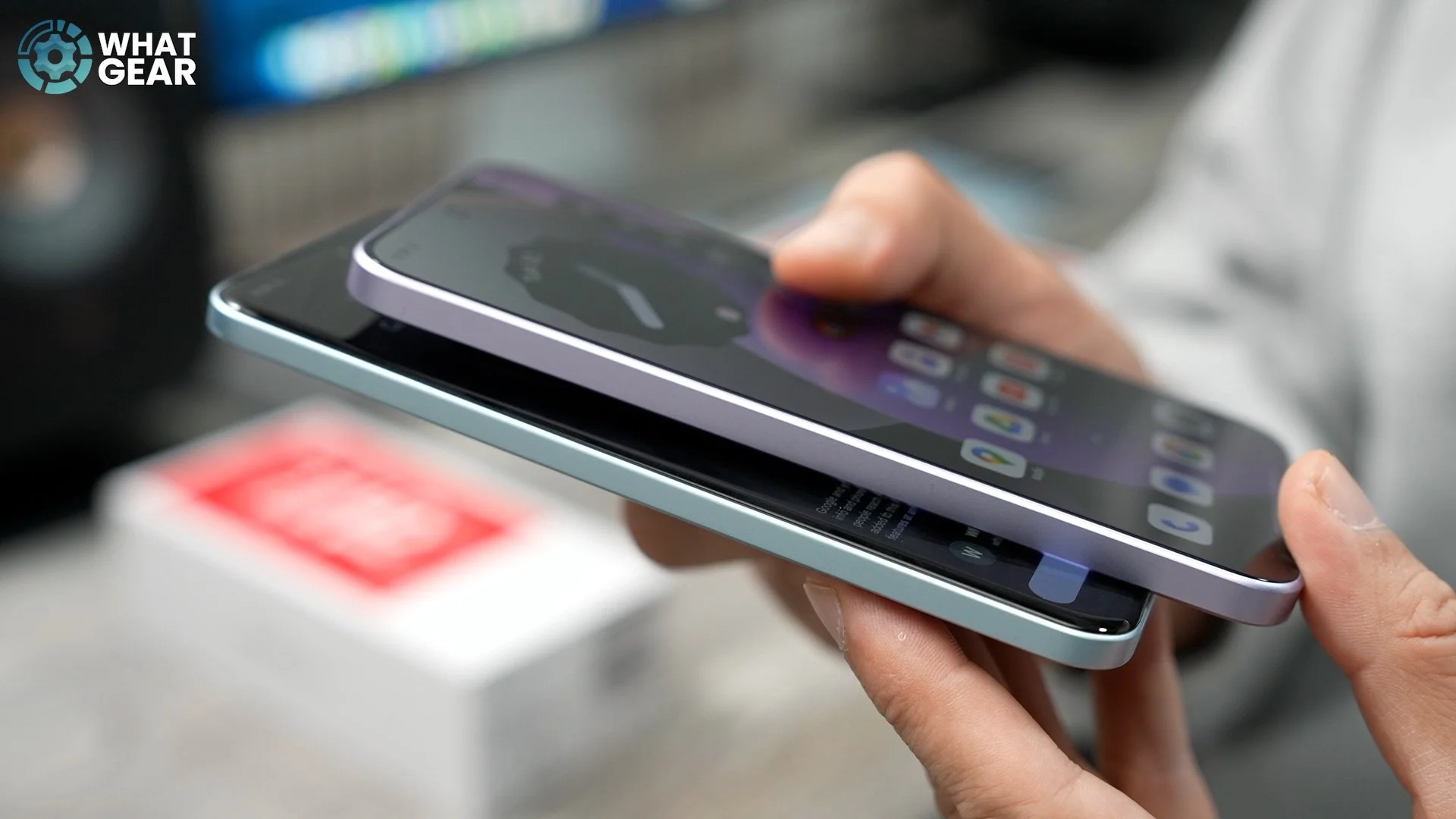
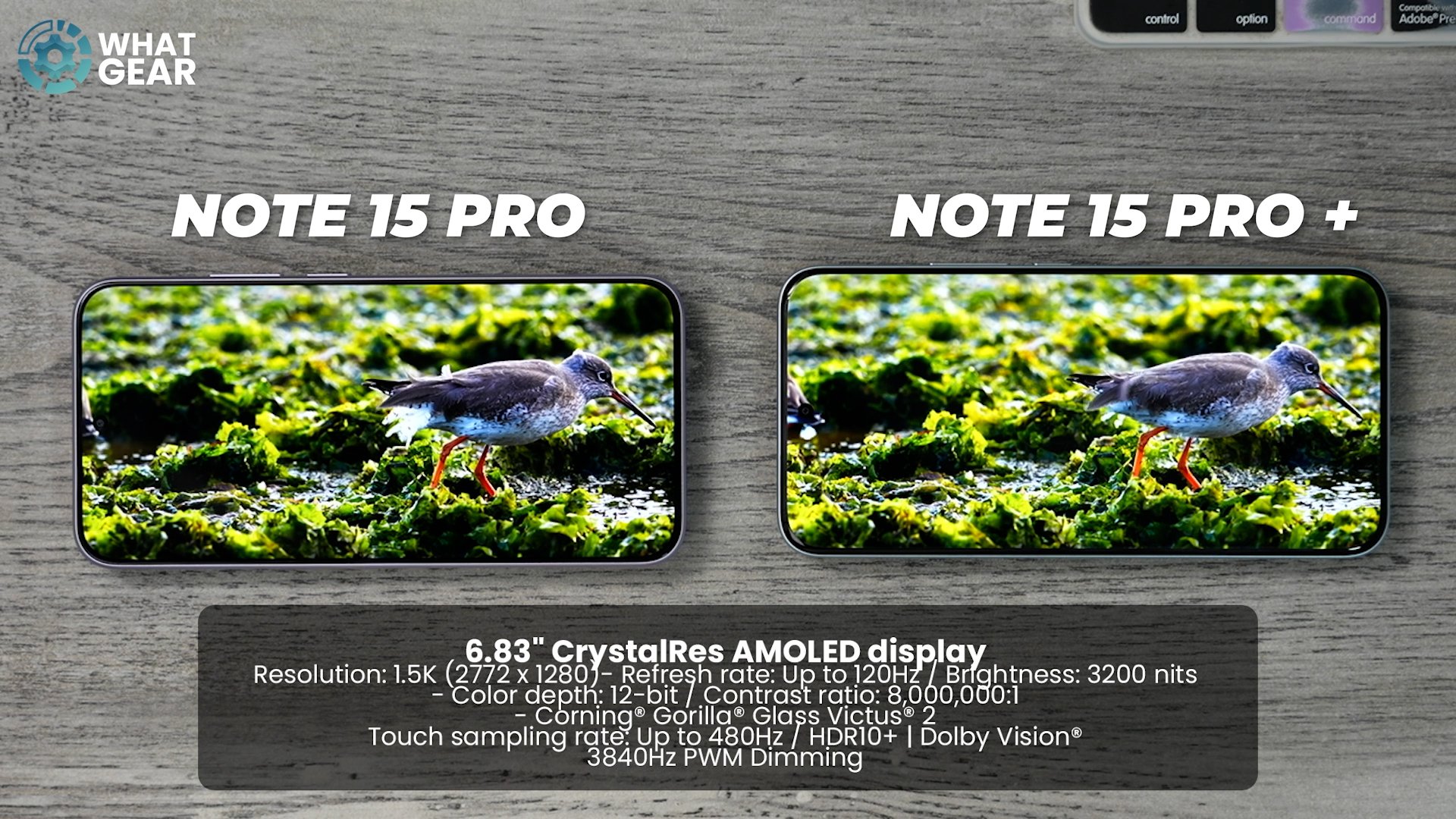
Something that I noticed just looking at these right now is that the bezels appear to be thicker on the Pro+. Maybe that’s because of that curvature – I’m not sure. Anyway, something else you need to know about these two displays is that they are actually, apart from the glass, identical. They’re both 6.83-inch CrystalRes panel displays. They both have a 1.5K resolution (2772 × 1280), refresh rates up to 120 Hz, and peak brightness up to 3200 nits, which is very impressive for phones in this price category. And they are 12-bit panels, and side by side, just going off what I can see with my own eyes, they look pretty much identical – except for that little bit of curvature at the side of the frame on the Pro+, which does introduce some more reflections, which again could be a little bit of a win for the Pro.
Connectivity
When it comes to connectivity, the Pro is pretty decent for this price category. It’s got Wi-Fi 6, it’s also got Bluetooth 5.4, and it does support 5G. However, the Pro+ model does have an advantage in this area because it supports Wi-Fi 6E, and it’s also got an additional chip in there called Xiaomi Surge T1 tuner that helps it fine-tune its connectivity speeds.
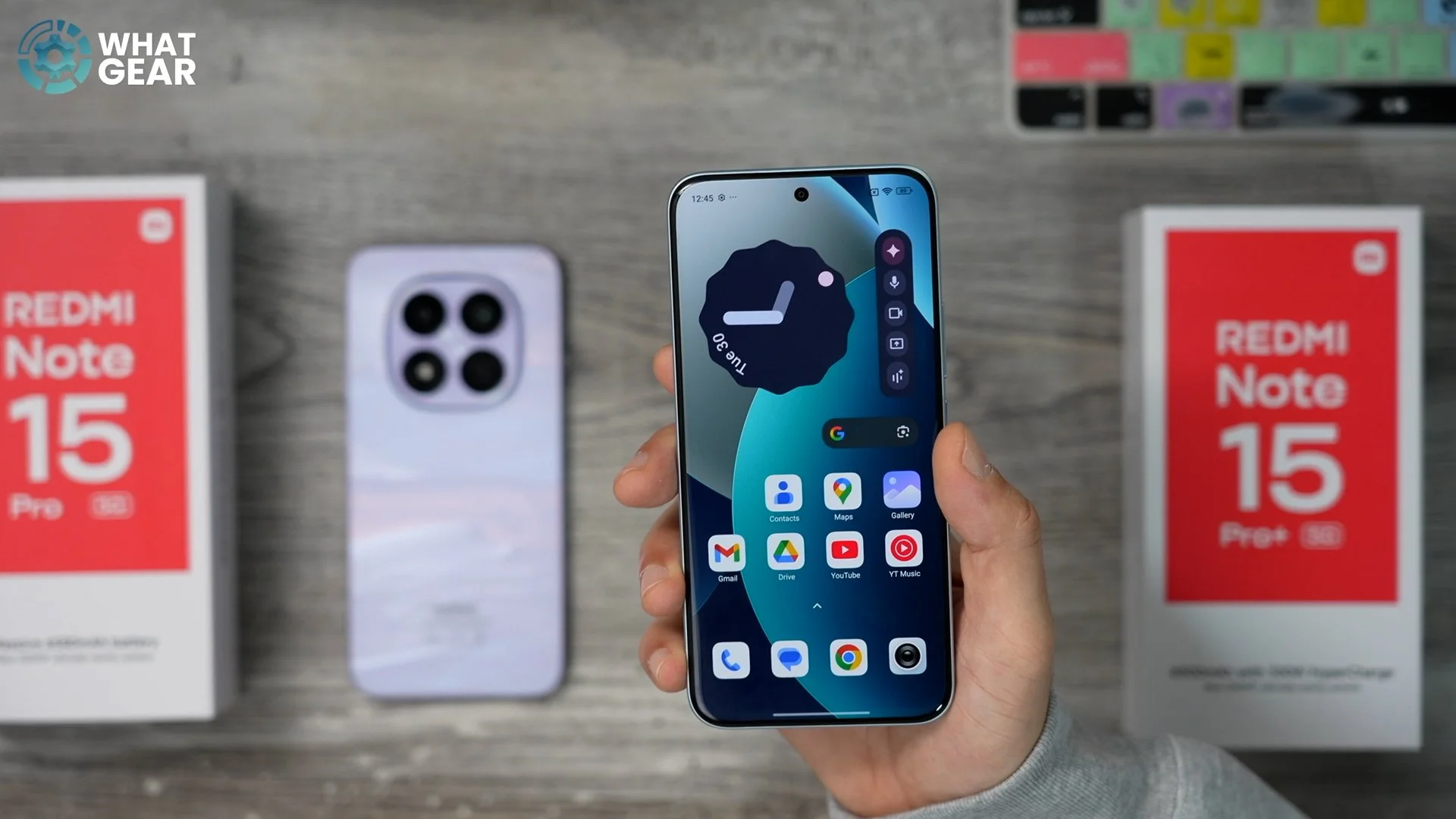
This is actually noticeable: when I was downloading Wuthering Waves over Wi-Fi, the download speeds of the resources and all that kind of stuff were so much faster on the Pro+, noticeably faster, which is definitely a big win for the Pro+. And interestingly, there is a feature that both of these phones have, which is kind of exclusive to me right now. We’re going to come back to that a little bit later on in the article.
Colour Options
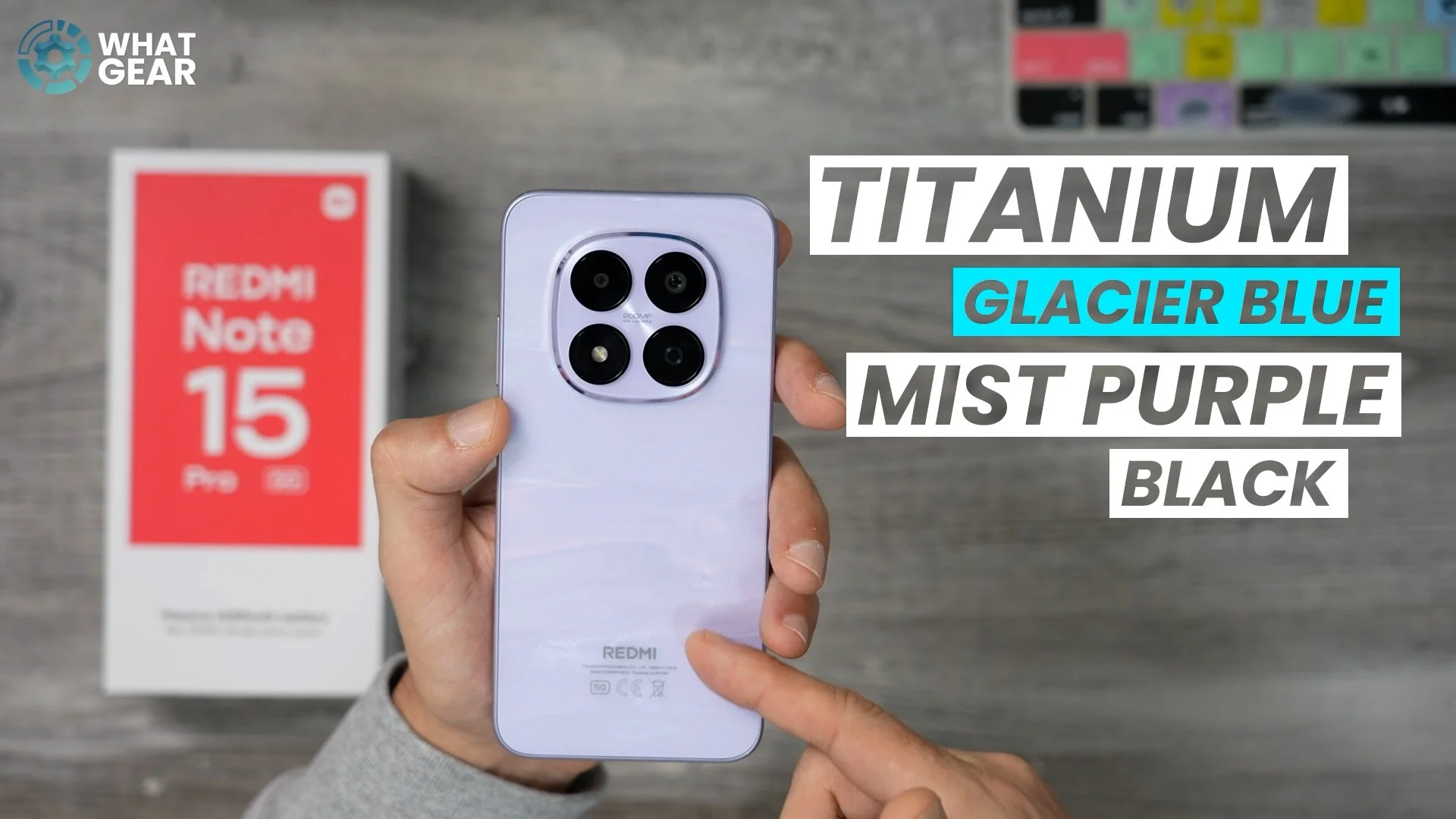
Number four. So this could be considered a little bit of a one-up for the regular Pro model: there are more colour options.
You’ve got:
Titanium
Glacier Blue
This one, the Mist Purple
And Black
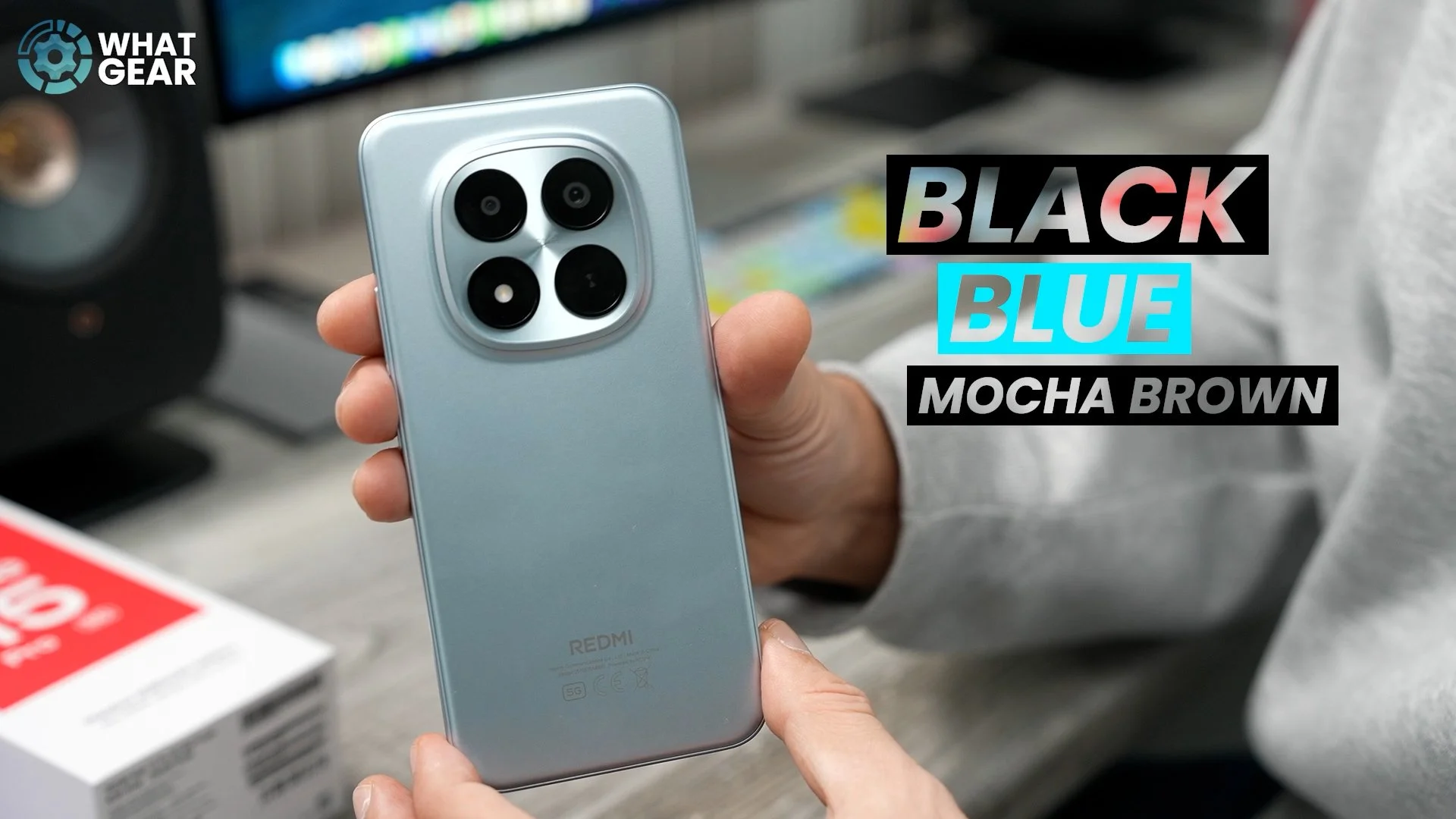
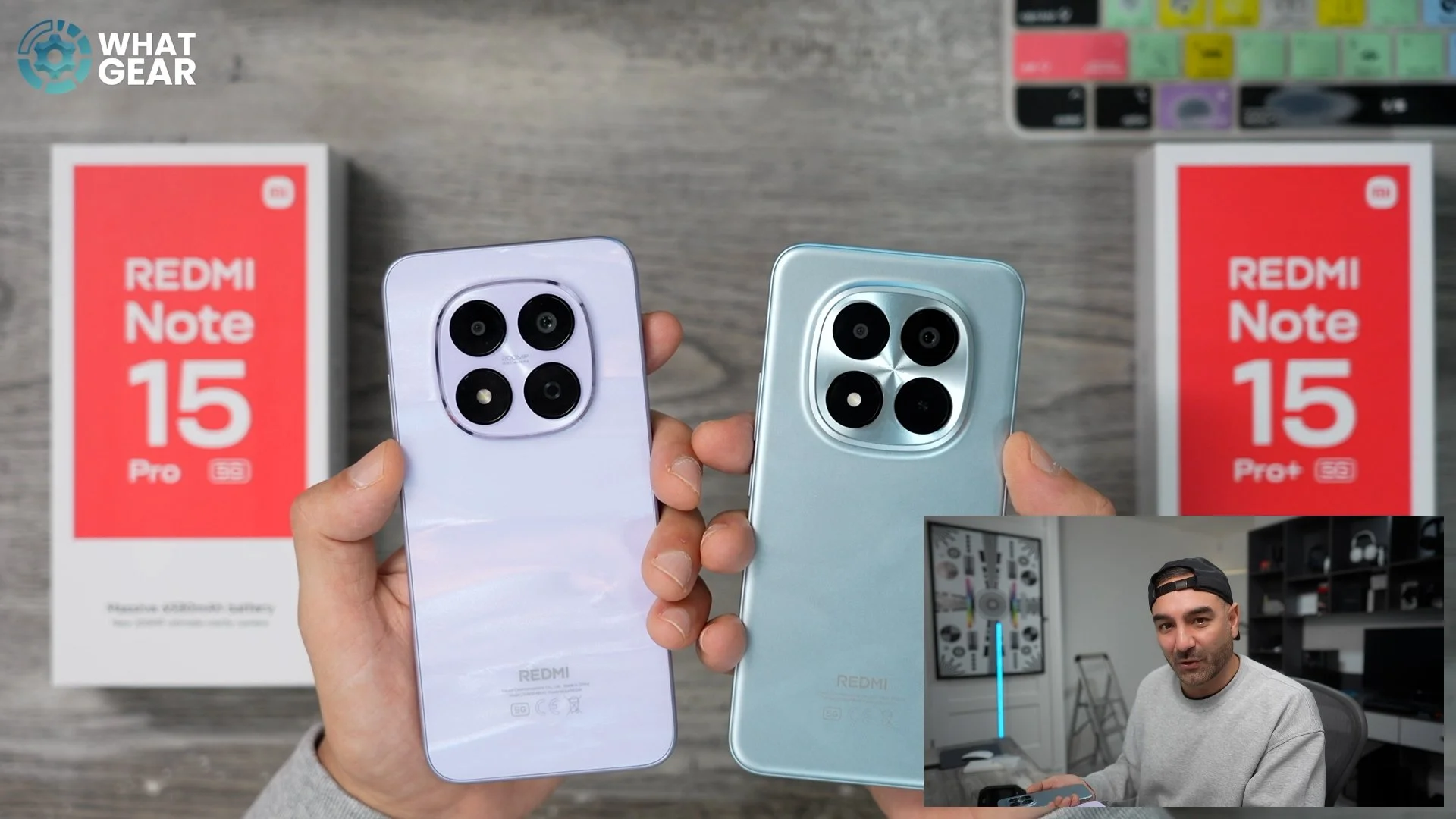
On the Pro+, there are actually only three colours. There’s this one, the Glacier Blue, which is really nice – it’s almost kind of silver. There’s also a Black and the Mocha Brown, which has a kind of leatherette finish to it. It’s actually a bit thicker than this one because of that extra material used on the back, and the Mocha Brown version of the Pro+ model is ever so slightly heavier, but not noticeably.
Size, Feel & Durability
This one is kind of hard to tell just by looking at the two phones. Maybe you can see it, maybe you won’t, but the dimensions are ever so slightly different. The Pro+ is, in fact, 0.3 mm shorter in height from the side. Even though it doesn’t look like it, it’s actually a bit thicker too by 0.3 mm. And looking at them both front on, the Pro+ is also a little bit narrower, just a tiny bit. The weights are more or less the same. And both phones are designed to be extremely robust with this kind of “Titan frame” on the inside (that isn’t the official name).
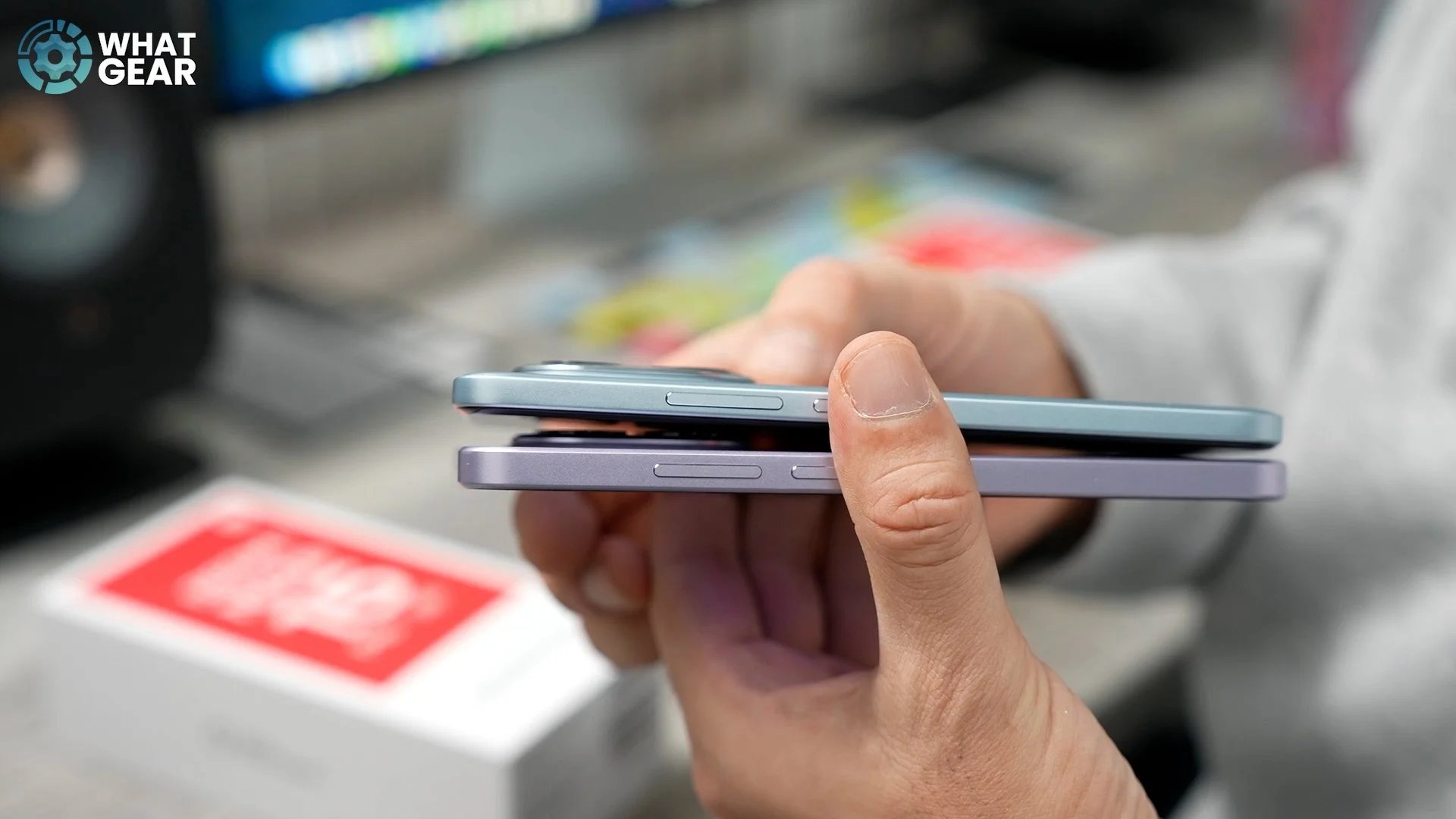
Both phones do have IP68 and IP69K ratings, so these are some of the highest ratings you can get on smartphones. Dust, water, and even water jets won’t hurt either one of these phones. With that said, I will say just feeling these phones, you can notice that the Pro+ feels more premium. The Pro feels a little more hollow and even sounds a bit more hollow when you tap the back.
Battery Size
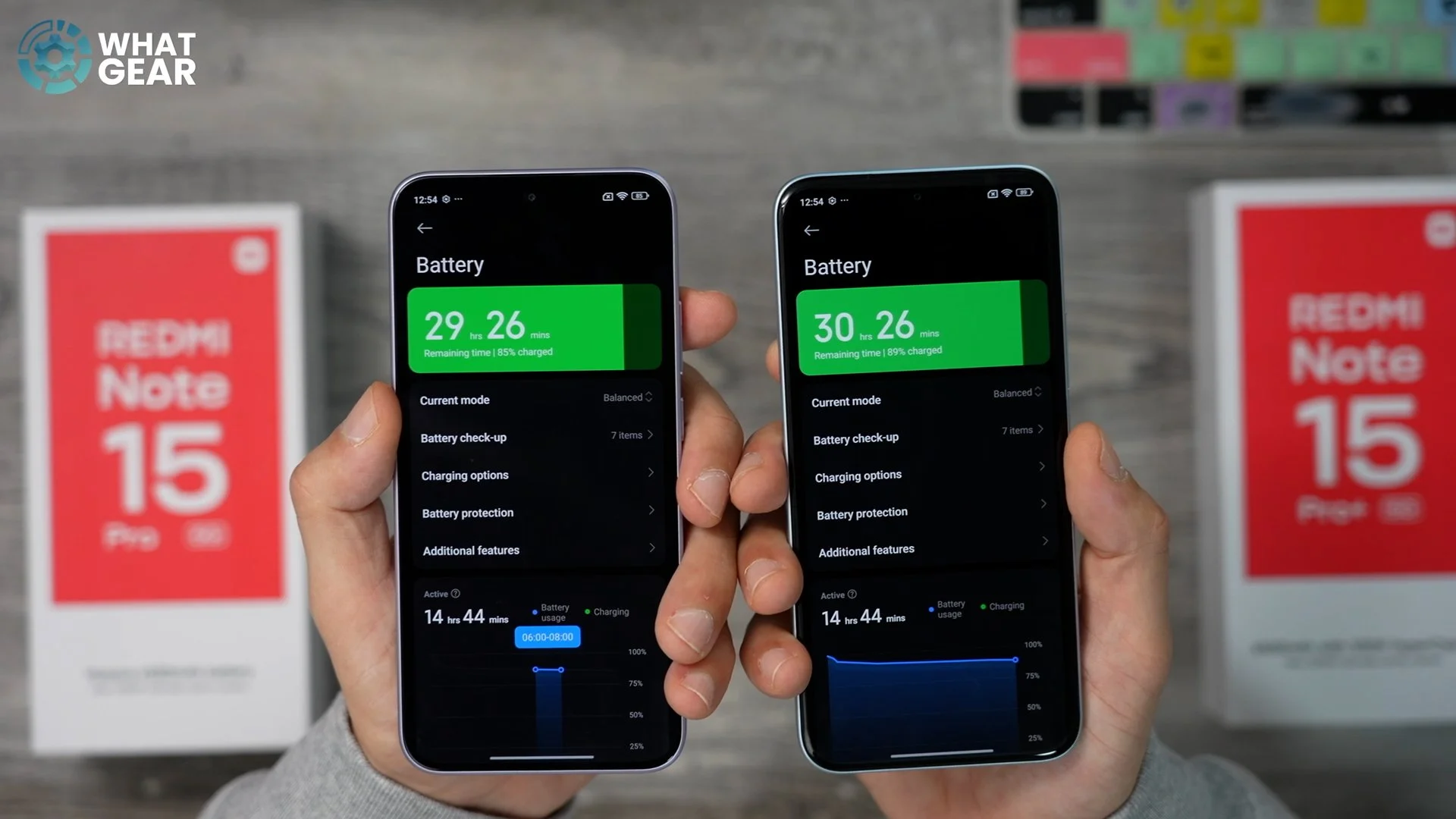
This one is important to understand because you might be drawn in by the numbers and the fact that the Pro has a slightly larger battery. The cell size on here is 6580 mAh. The Pro+ is slightly smaller, with a 6500 mAh silicon-carbon battery. Now, while you might automatically assume that that’s a win for the Pro, that isn’t necessarily the case, and I will explain why in one of the upcoming points.
Charging Speed
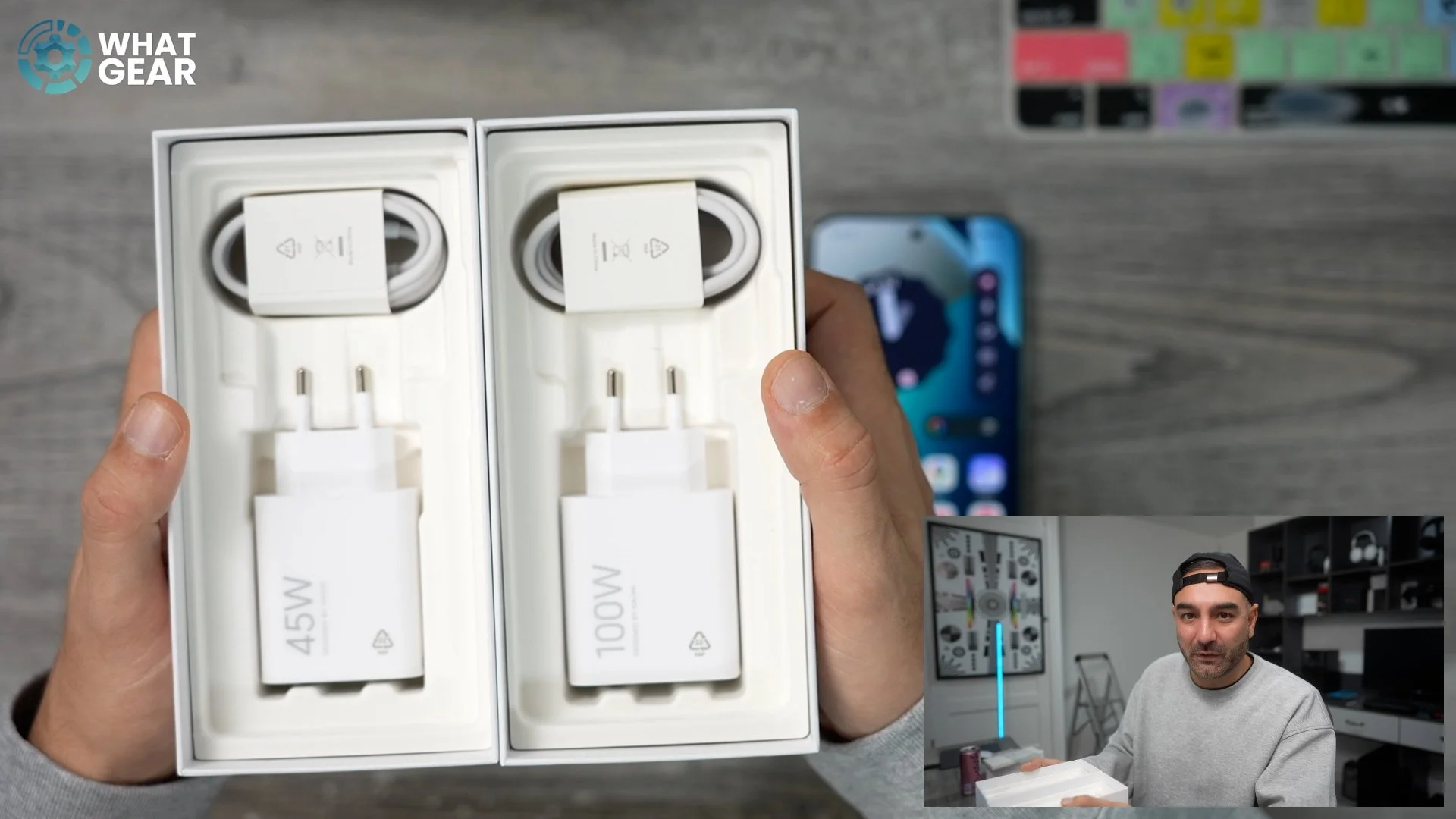
Both of these phones ship with the chargers and the charging cables in the box, and they support the max speeds on both devices. And you can see exactly what I’m talking about here: There is a 55 W charging speed difference between the two – 100 W on the Pro+ and 45 W on the Pro. That is a pretty significant difference. So the battery is smaller on the Pro+, but the charging speeds are faster. And while neither of these phones has a wireless charging coil, what they do have is reverse wired charging at 25 W.
Chipset & Why It Affects the Camera
Now, remember how I said in number one that the cameras are the same on the back, but they still might differ when it comes to picture quality? That’s because of this major difference between the two devices. The Pro model uses the MediaTek Dimensity 7400 Ultra, and the Pro+ has the more powerful Snapdragon 7s Gen 4 mobile platform. The reason why this could affect the picture quality, even though the sensors and the optics are the same on both phones, is the image signal processing and the different approaches each one of these chipsets has.
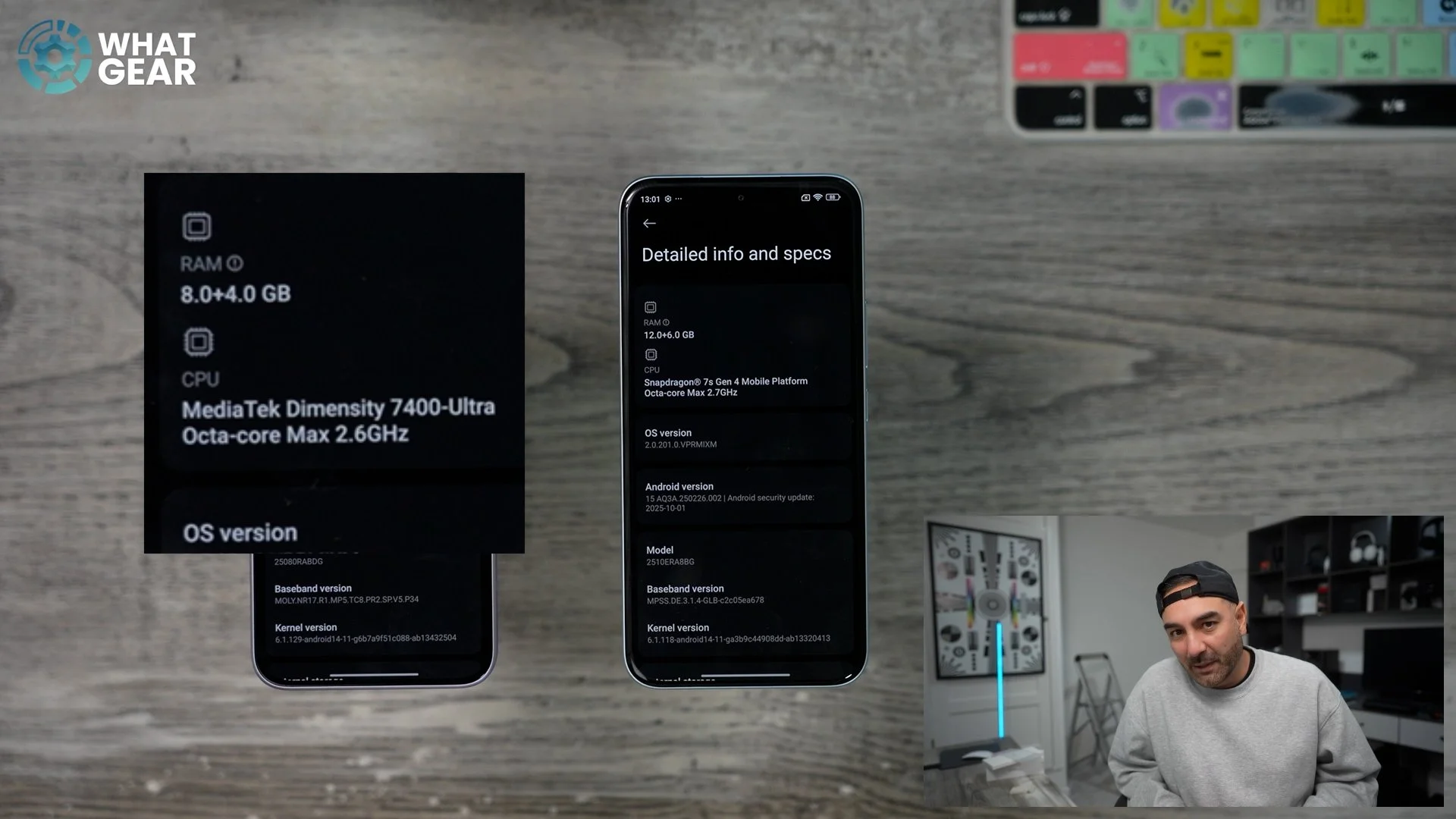
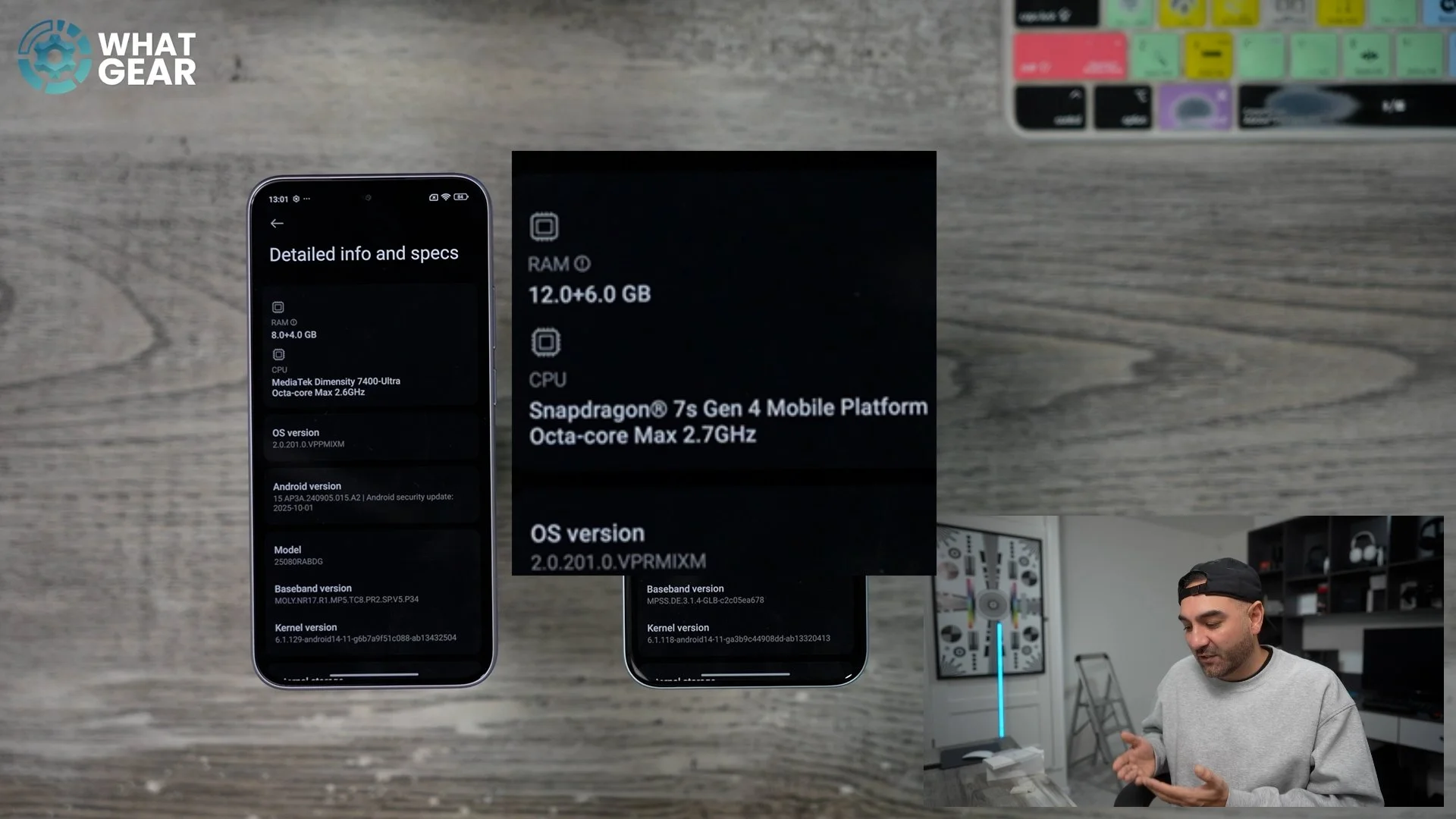
Whilst the Dimensity chip is pretty powerful – it’s got a clock speed of 2.6 GHz; that’s decent for a phone in this price bracket – it’s not going to be quite as good as the Snapdragon chip with its higher 2.7 GHz clock speed. But that’s not the only reason why this phone will perform better, and I’m going to use my very handy thermal imager to show you exactly what I’m talking about in number nine.
Cooling & Sustained Performance
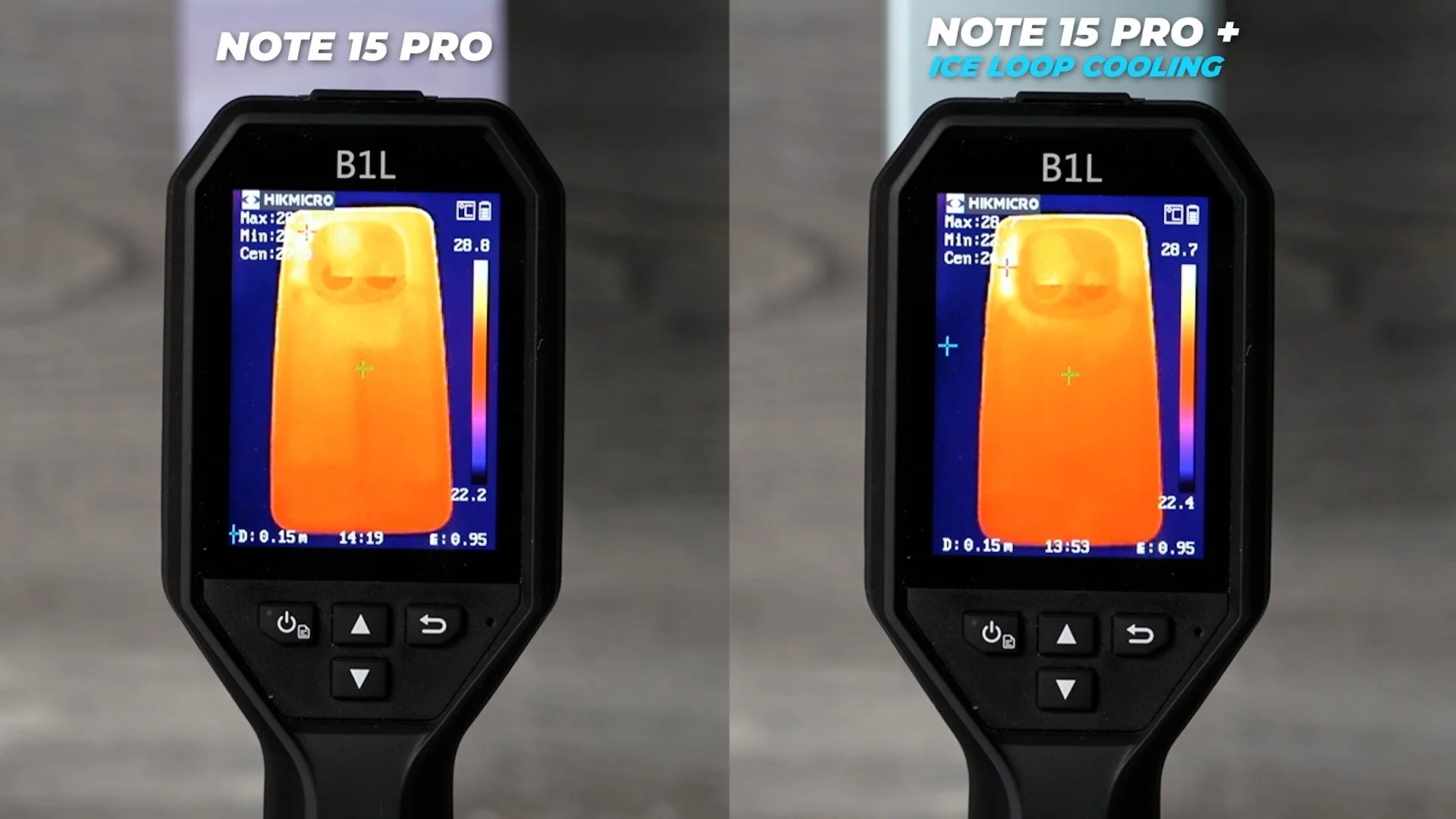
So at face value, looking at these two phones, you would never know about this massive advantage that the Pro+ has. The Pro model has this kind of thinner back on it, which will help dissipate heat when pushing the phone to its limits. But Xiaomi have given the Pro+ a massive advantage on top of the performance upgrade it has thanks to the chip, and that is in the form of what they call the IceLoop cooling system.
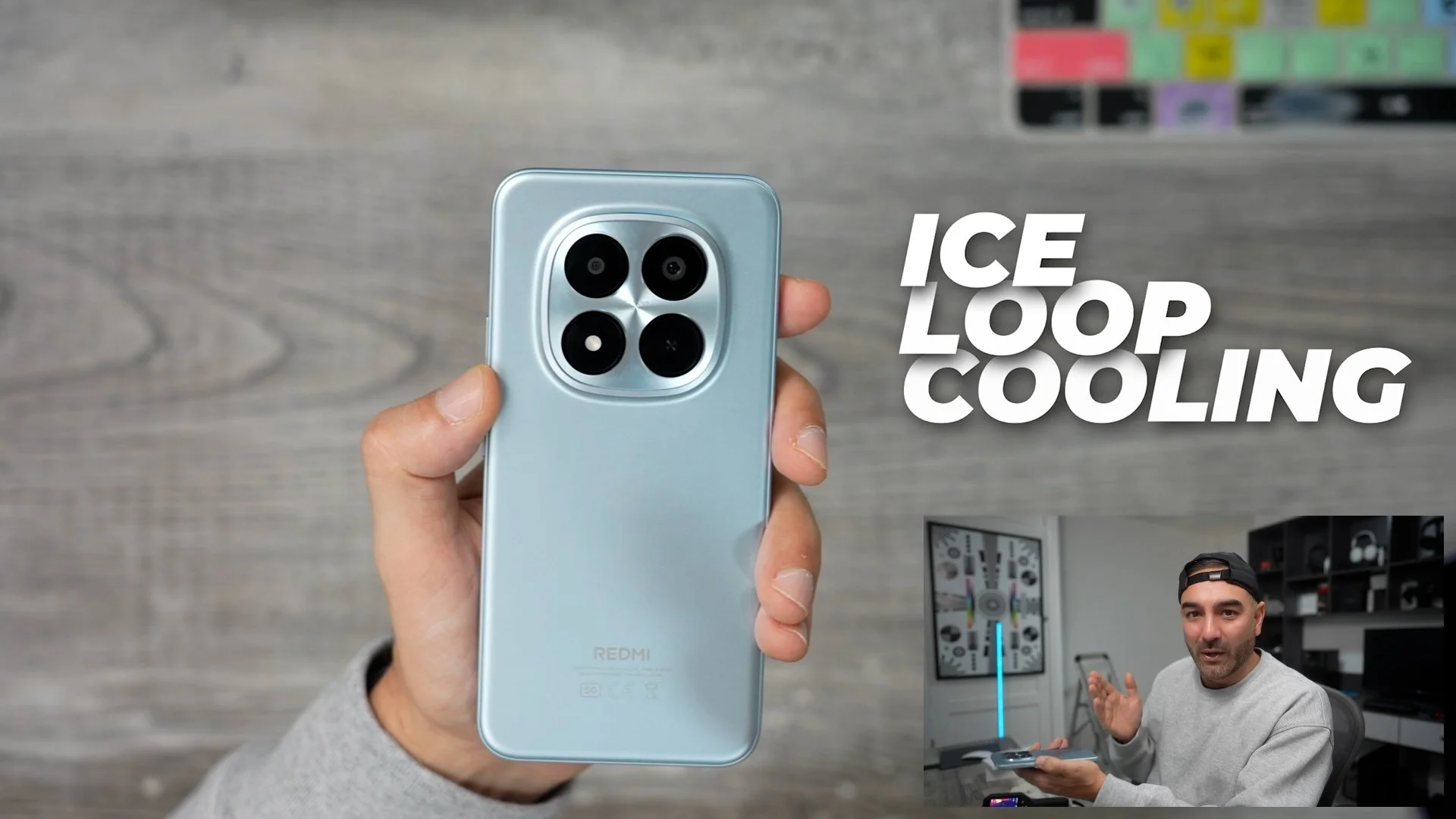
Now, I’m sure a lot of people have probably already told you about this, but have any of them actually shown you how much of a difference this makes? I’m guessing they haven’t. So here’s some good news for you guys: here is exactly how much of a difference this makes when pushing the phones with the Geekbench 6 GPU test, and I will speed this up for you guys just to save you some time.
Selfie Camera
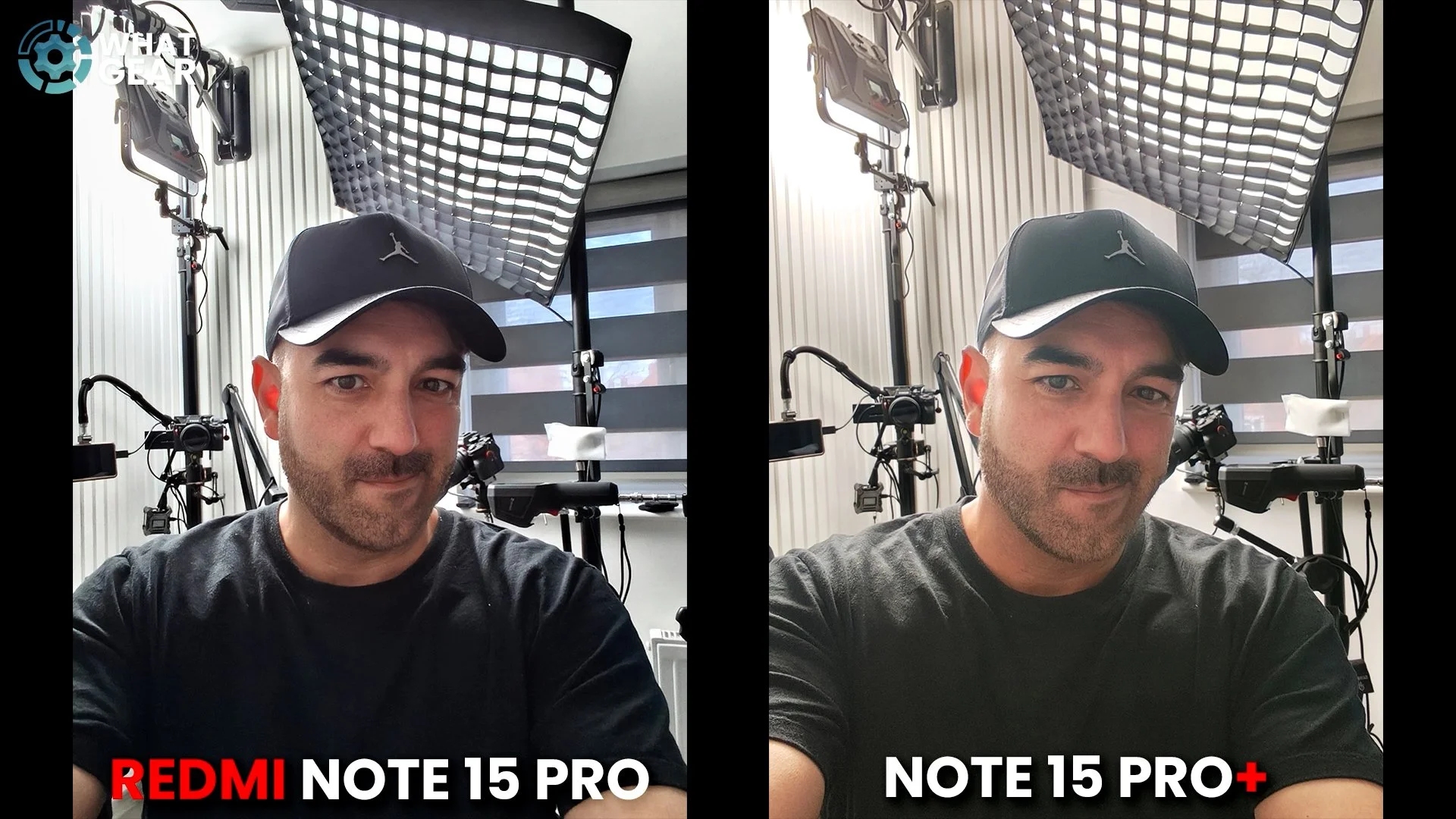
Here is that other camera difference that I mentioned earlier on, and it is to the selfie cameras on both of these phones. The Pro model has a 20-megapixel sensor for the selfie camera, which is pretty respectable. A lot of phones these days still use 12. But the Pro+ camera is 32 megapixels, which on paper should be significantly better. So let’s get a look at exactly how much of a difference it makes alongside the rear camera comparison. I’ve just shot random things here in my little YouTube studio.
Price Difference & Final Thoughts
That’s ten differences that you need to consider if you're looking at these two phones, but there is also one more, which is maybe the most important – and that’s the difference in price. The Pro, at the time of this article, comes in at around £399 here in the UK. The Pro+ is around £100 more. If you shop around – and I have seen this online – you can get better deals on these, but the price gap will still likely be quite significant. So definitely have a look around at the different prices.
Let me know which one you think is a better value, and if there are any differences that I didn't mention in this article which you think should be mentioned, leave that in the comments because that will help other viewers come to a decision on their own.