Sony WF1000-XM6 Earbuds - 10 New Upgrades Ranked
In this video, I’m going to highlight ten of the most significant upgrades that Sony has made to their 2026 flagship WF1000-XM6 noise-cancelling earbuds. And I’ll put them in order, starting with the most important upgrades, and I’ll explain the difference these upgrades will make. And if you stick around, I’ll share my honest opinions on how these stack up against the XM5 buds & the latest Airpods Pro in terms of sound quality and Active Noise Cancellation & I’ll even do a mic test.
Driver Upgrade
Let's start with a big upgrade. That instantly levels up and boosts sound quality. The XM6 buds have all-new drivers. It is the same size as the previous model at 8.4mm; however, it’s an upgraded design with a new, more flexible edge.
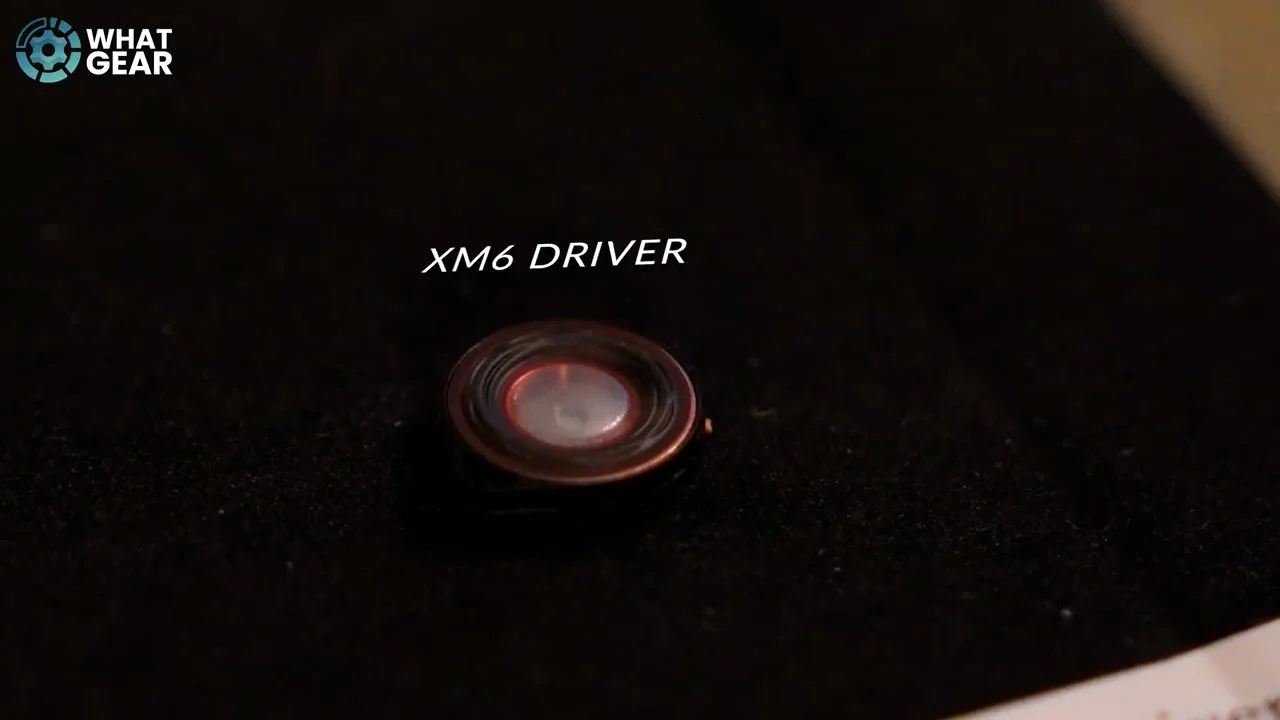
The reason this makes a difference is that it allows the buds to move more air, which helps create a bigger sound and, most notably, a sound bigger than Sony’s previous flagship. A lot more Bass when you need it.
Additional Mic Upgrade
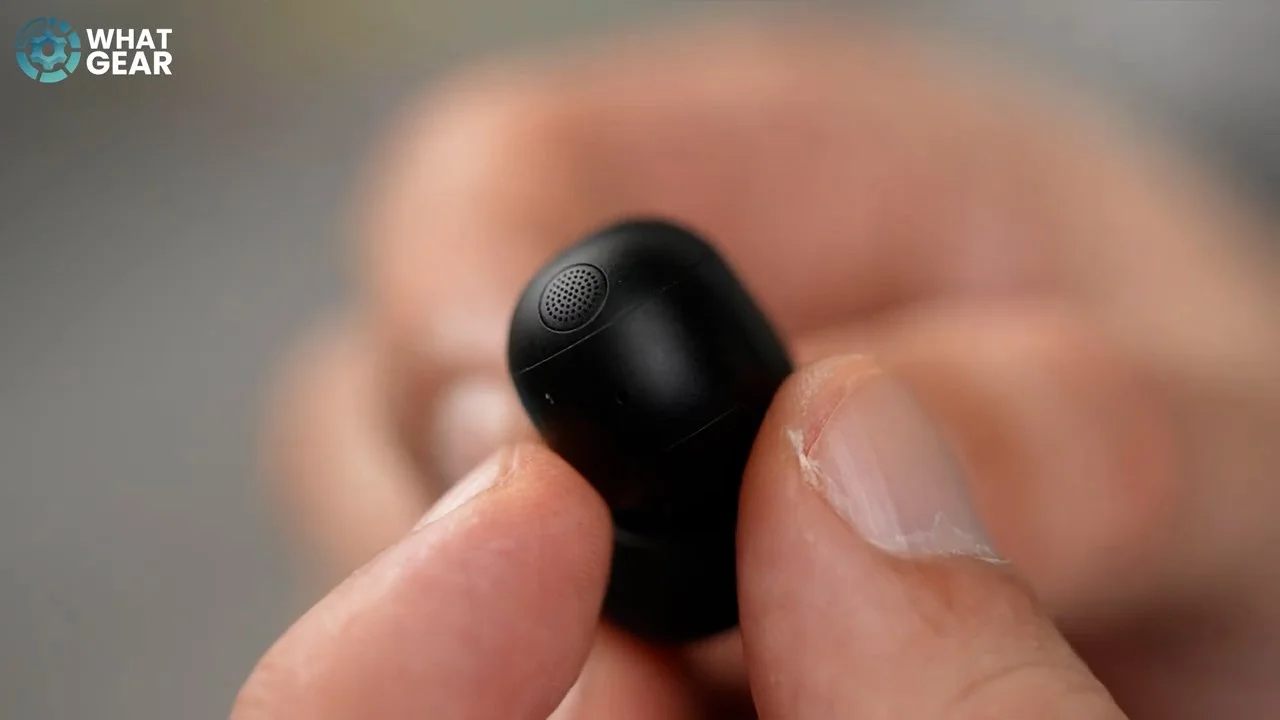
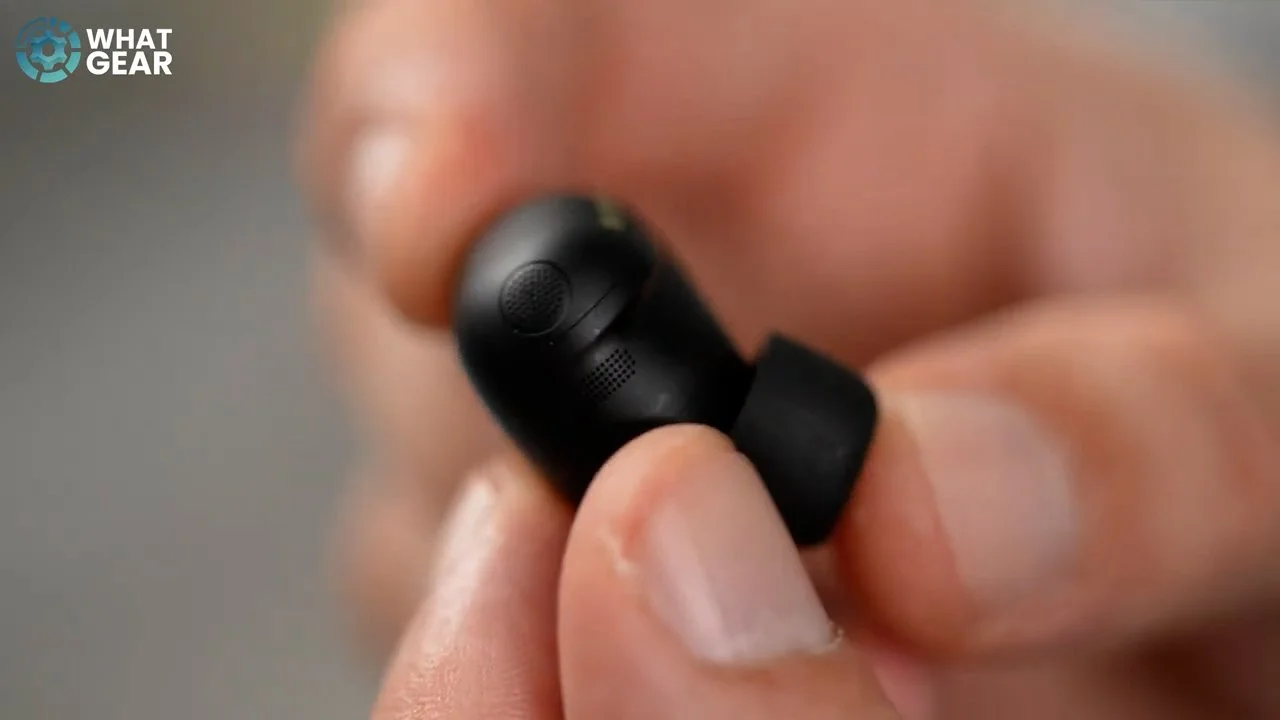
When it comes to active noise-cancelling features on headphones & earbuds, mics are incredibly important. The quality of them, their position on the device, and, of course, the number of them. And Sony has leveled up this aspect of the ANC earbud game. The previous model had 6 mics; the XM6 has 8. This makes a huge difference in a few areas, but first and foremost in terms of noise reduction. The added mics give the XM6 a more accurate ability to lock in and isolate surrounding noise. And I tested these side by side with some other favourites in an ANC test. Stick around for the results of that test.
Antenna Upgrade
So, upgraded sound and mics are the most obvious changes that most people will talk about, but this one, I think, might go under the radar, but it’s very important. What’s the point of better sound and ANC if the signal between your device and the buds is easily disrupted or disconnected? To improve connectivity range and stability on the XM6 buds, Sony has increased the size of the antennas by 1.5X.
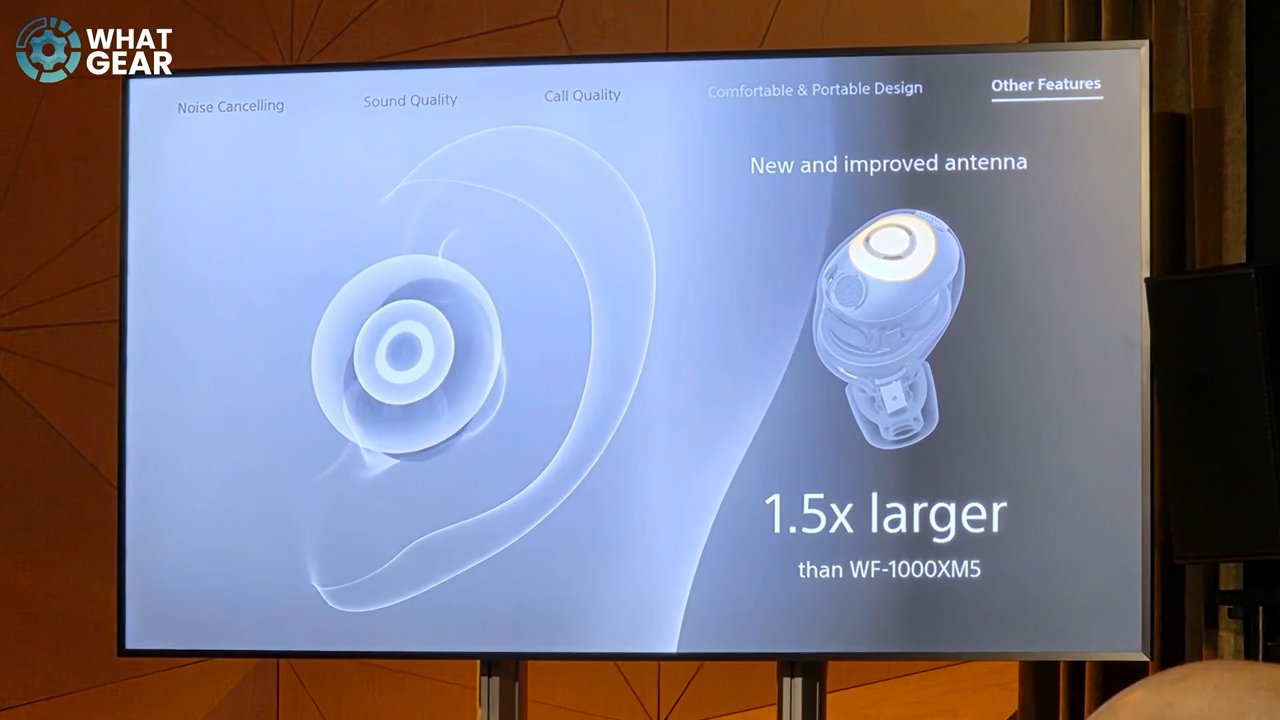
Now, this is fantastic for obvious reasons, such as range and improved reception in general. But I think you'll notice this upgrade most when listening to Hi Res audio, as the enhanced connectivity will be improved when listening via the LDAC Hi-Res-certified codec, which typically has a shorter range & is more susceptible to RF interference.
Chip Upgrade
We’ve talked about sound quality, ANC, and connectivity enhancements. Here are a couple more pieces to the puzzle that tie them all together. Each earbud features all-new, improved chips. It’s called the QN3e HD noise-cancelling processor, which is Sony’s latest and greatest. Sony says the noise-cancelling processing speed is 3X faster, and the noise reduction levels have improved 25% compared to the QN2e.
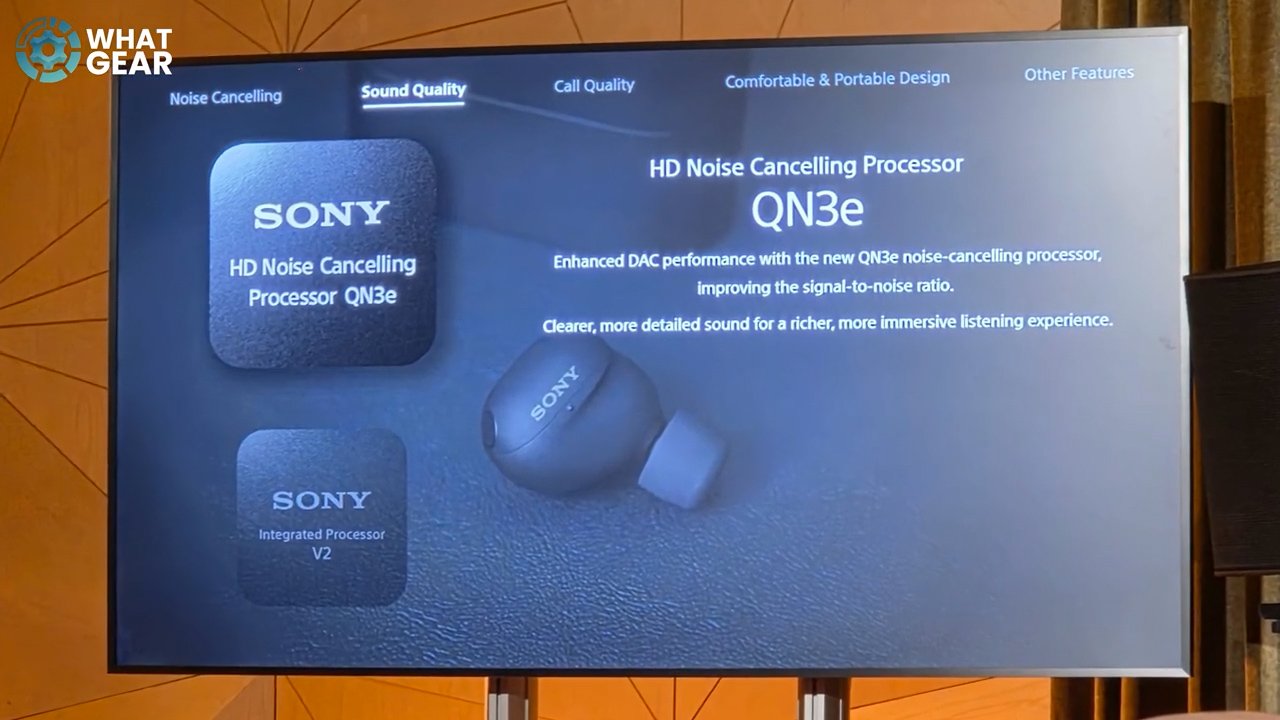
The second chip isn’t actually new, but it seems Sony has unlocked some more of its potential. It’s the integrated V2 processor. It’s my understanding that this is the onboard digital signal processor. Put simply, this handles the sound. And on the previous Sony model, the V2 delivered 24-bit audio, but now on the XM6, when combined with the new QN3e chip. Audio quality has leveled up to 32Bit. Which is a big deal if you are an audiophile, or you have access to a library of 32 Bit audio files.
Ventilation structure
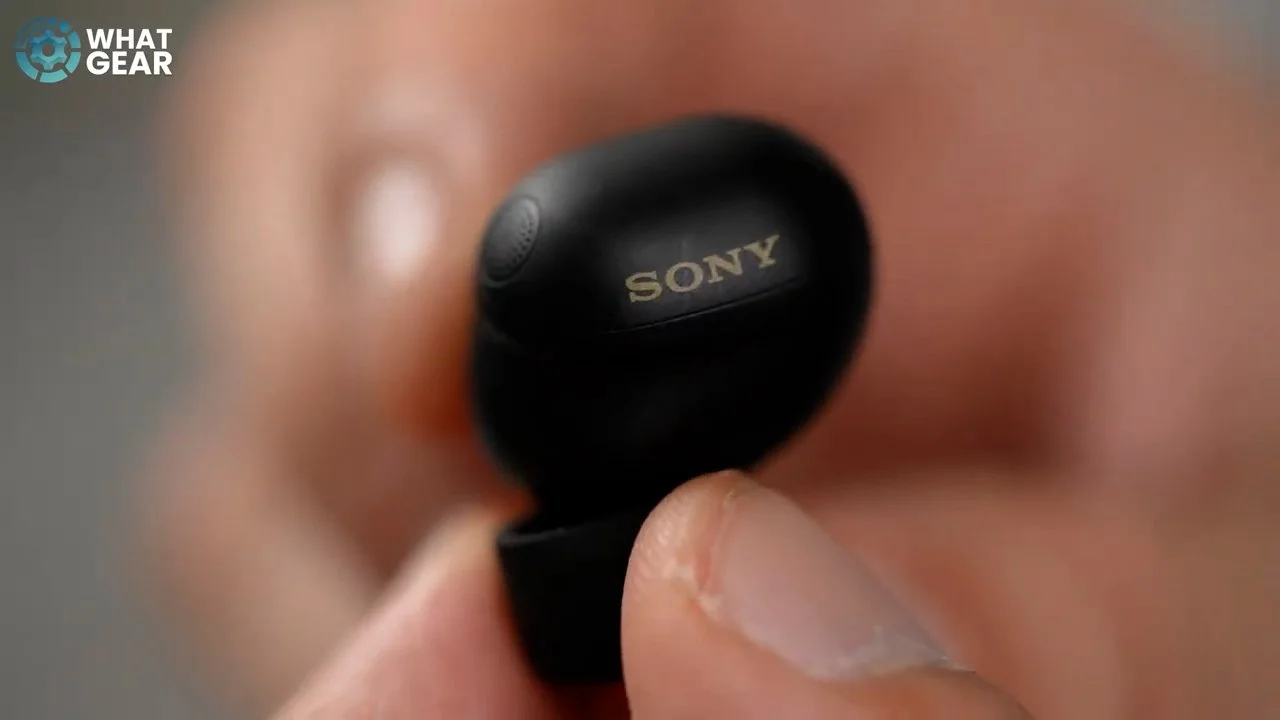
I know you’re probably wondering why I haven’t spoken about Sony's fresh new approach to the design of the XM6. Yes, they do look to be inspired slightly by a TikTac. I’ll be straight up honest with you: In the charging case, they do look a little generic and plain in comparison to the XM5. They lack the stylish contours and gold accent bling that we saw on the previous models. However, there is a good reason for this. And what’s interesting is that they actually look better when you’re wearing them

Anyway, this slightly larger TikTac-shaped cabinet has its advantages. Not only does it better accommodate the larger antenna and additional mics, but it also features an upgraded ventilation structure that improves airflow, resulting in better audio quality. At the same time, it has occlusion-reducing qualities. Put simply, this ventilation helps reduce the plugged-in feeling you get with some earbuds and the boomy noise you get when you talk or chew food while wearing them. So, Sony has prioritised features over form factor to some extent in this design. And they are IPX4, just like the previous buds, so they are well-suited for the Gym.
Case width & ease of removal
Another benefit of the redesign is that the Xm6 is now easier to remove from the case. The XM5 was slightly more slippery, and that was a trade-off for the slightly more stylish shape. And there is a noticeable difference regarding the case design on the XM6. Sony has drawn inspiration from the XM3 buds' case, with its pill-shaped top surface. Compared to the XM6 case, it is slightly larger in all dimensions except width, which has been reduced by 11%. Interestingly, the buds and case remain the same ( specs on screen )

I like the redesign. It's nice that it has a flat base, which gives it a slightly larger centre of gravity, which could be handy when placed on an aeroplane table. And it’s small enough to fit in the pocket of a pair of jeans.
More comfortable - Shape redesign
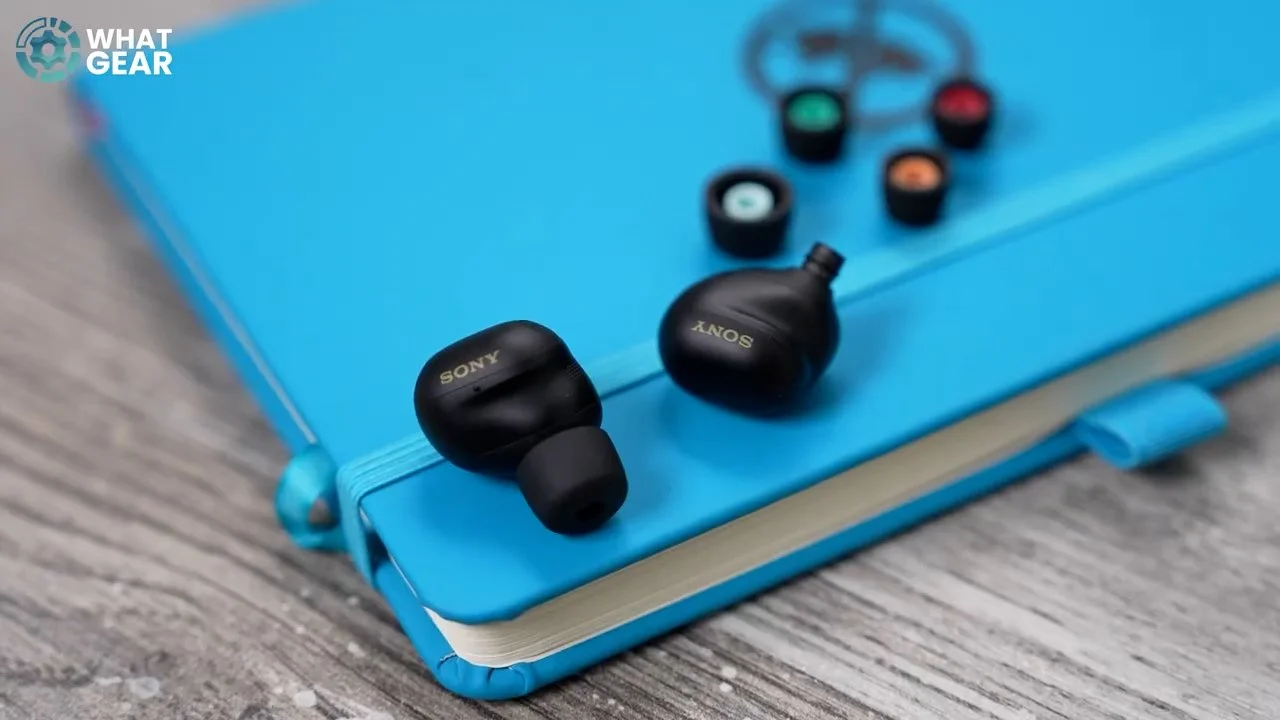
Now, this will be subjective, but I think it’s worth mentioning despite the buds being slightly larger for the reasons I mentioned earlier in the video. They’re actually more comfortable now. This is likely a change made to the overall shape and weight distribution. And just like the XM5 buds, they still ship with foam tips, which definitely offer better passive noise-cancelling and a slightly firmer fit. The only downside to these is they’re not the easiest to clean & one thing you should never do… I learnt this the hard way. Do not try to clean them with an alcohol wipe… they will disintegrate.

Upgraded ambient sound
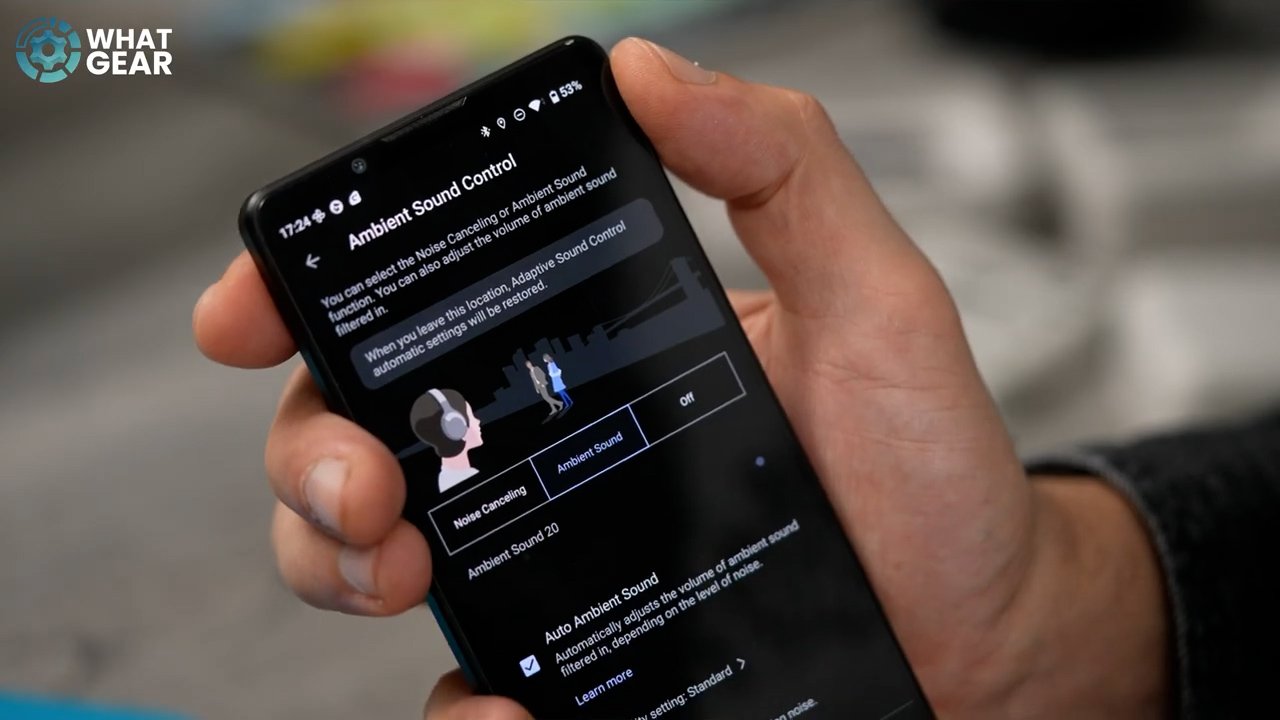
You probably saw this one coming. One very noticeable upgrade you’ll appreciate the most if you’re coming from the XM5 buds is how much better the ambient passthrough mode is now. This is actually a combination of additional mics & wind-reduction placement, the QN3e, and the new ventilation structure. It’s also an auto-ambient-sound feature that allows the levels to adapt on the fly, which is a welcome upgrade.
Call quality algorithms & bone conduction.
Another very noticeable improvement over the XM6 buds is voice call clarity. More mics, better placement, plus bone conduction sensor & upgraded beam forming mic algorithms result in what you’re about to hear in action. For Call Quality, please watch the video
LE super wide band
But before we do that, and before I tell you how they compare to XM5 and Airpods Pro, here's number 10. The XM6 now supports the LE super-wideband. This allows the buds to deliver much better call quality to the person on the other side. However, this is number 10 because your device must support Bluetooth LE for this to work, and if the person you’re on a call with doesn’t have good-quality mics, yeah, it’s not going to improve the voice call quality for you. But they’ll be able to hear you in much higher resolution. So that’s good.
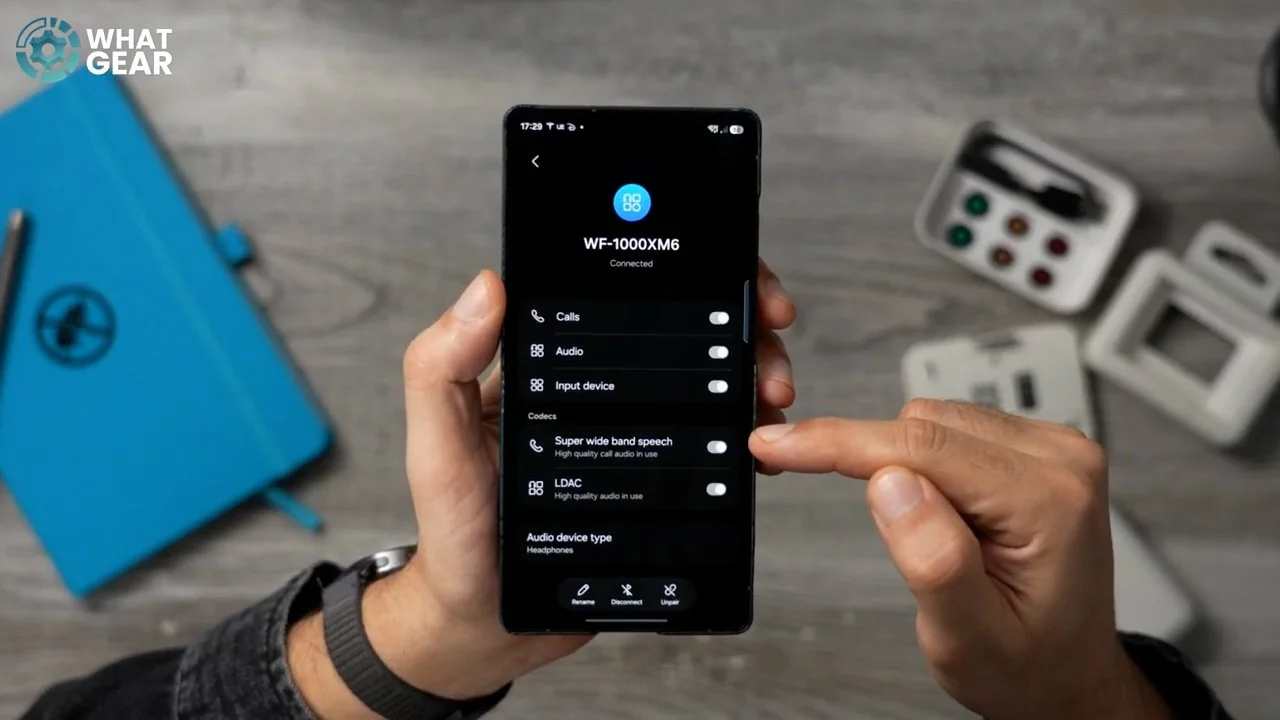
And this is just a quick example of the kind of difference you can expect when using this feature. Wideband (HD Voice): Captures up to 7 or 8 kHz. This is what most modern smartphones use. It sounds "clearer," but still a bit "digital. Super Wideband (The Upgrade): Captures up to 16 kHz (and sometimes beyond). This covers almost the entire range of the human voice. Alright, let's do the mic test. XM5 vs XM6 & I’ll throw the Airpods Pro 2 in for context
First Impressions
ANC Quality
XM5 is very good & remember to do a similar test versus AirPods Pro 1; they were better. However, the newer AirPods Pro 2's noise-cancellation has leveled up and is amongst the best right now. But in a head-to-head with the XM6, it’s quite easy to tell that the XM6 buds block out more noise.
Ambient Passthrough
The transparency mode is phenomenal. If I were to critique it a little bit, I’d say they do give a slight boost to higher frequencies, for example, for computer fan noise. The XM5s are good but tend to deliver slightly more white noise than the AirPods and the new XM6s.
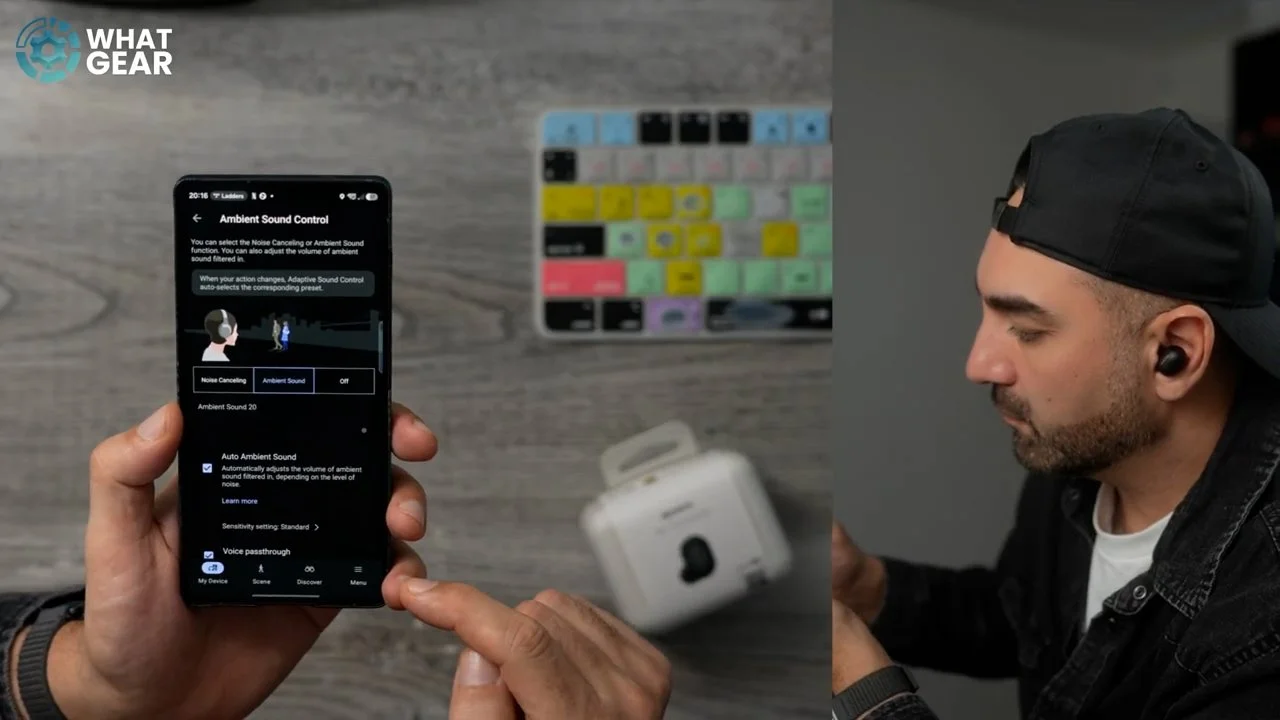
The XM6 is very close to Apple's transparency mode, with a slight boost in higher frequencies, which can sound like subtle white noise. Sony does give you control over this so that you can fine-tune it yourself. Overall, Ambient mode is cleaner and more natural-sounding on the XM6 than on the XM5, and it's just as good as AirPods Pro 2. However, what's potentially better about this mode is the added controls that Sony offers in its app.
Sound Quality
So how do they sound? Here’s what I noticed when I compared them initially to the previous Sony flagship buds. Sony has made a huge improvement in vocal clarity and overall detail. Subtle nuances in Hi-Res recordings are much more noticeable. Vs AirPods Pro 2, the soundstage is what sets it apart. The XM6 has a much bigger sound, and when you’re listening to more modern styles of music with a lot of bass. The XM6 really blows both the XM6 & AirPods out of the water.
Now listen, here real quick, if you are set on buying these or even better, you already own them. I’ve got some custom EQs for you to try out. They’re featured in the WF1000-XM6 tips and tricks and first things to do guides. In that video, I explain how to make the most of the best software & new features available in Sony’s Sound Connect App.