Sony Xperia 1 VIII FINALLY Better Than the iPhone? ( 10-Days Later Review)
Here’s the new Xperia 1 Mark 8, Sony’s first flagship redesign since 2019. Leaks hinted at changes, but there’s more beneath the surface. Let’s dive in and see why. I’ve used this phone for ten days—nervously, given its £1400 launch price and my Mark 3 accident in 2021 ( seen in the video ). I’ve been careful with this expensive phone. You may wonder if it outperforms competitors in camera, display, and performance. I have good news on the price.
This phone is designed for Sony fans. If you use a Sony camera as I do, you’ll appreciate it even more. And if you’re a content creator, Sony has a few secret weapons for you, too. Which I think you’ll want to see. And let’s not forget how Sony became the multi-billion-dollar corporation they are: it was originally due to their audio game… and that expertise comes into play here on the Xperia 1 Mark 8 too. And I will say now, there is one thing that’s really surprised me whilst dailying the Xperia 1 Mark 8 over the last ten days… we’ll get to that shortly.
Design
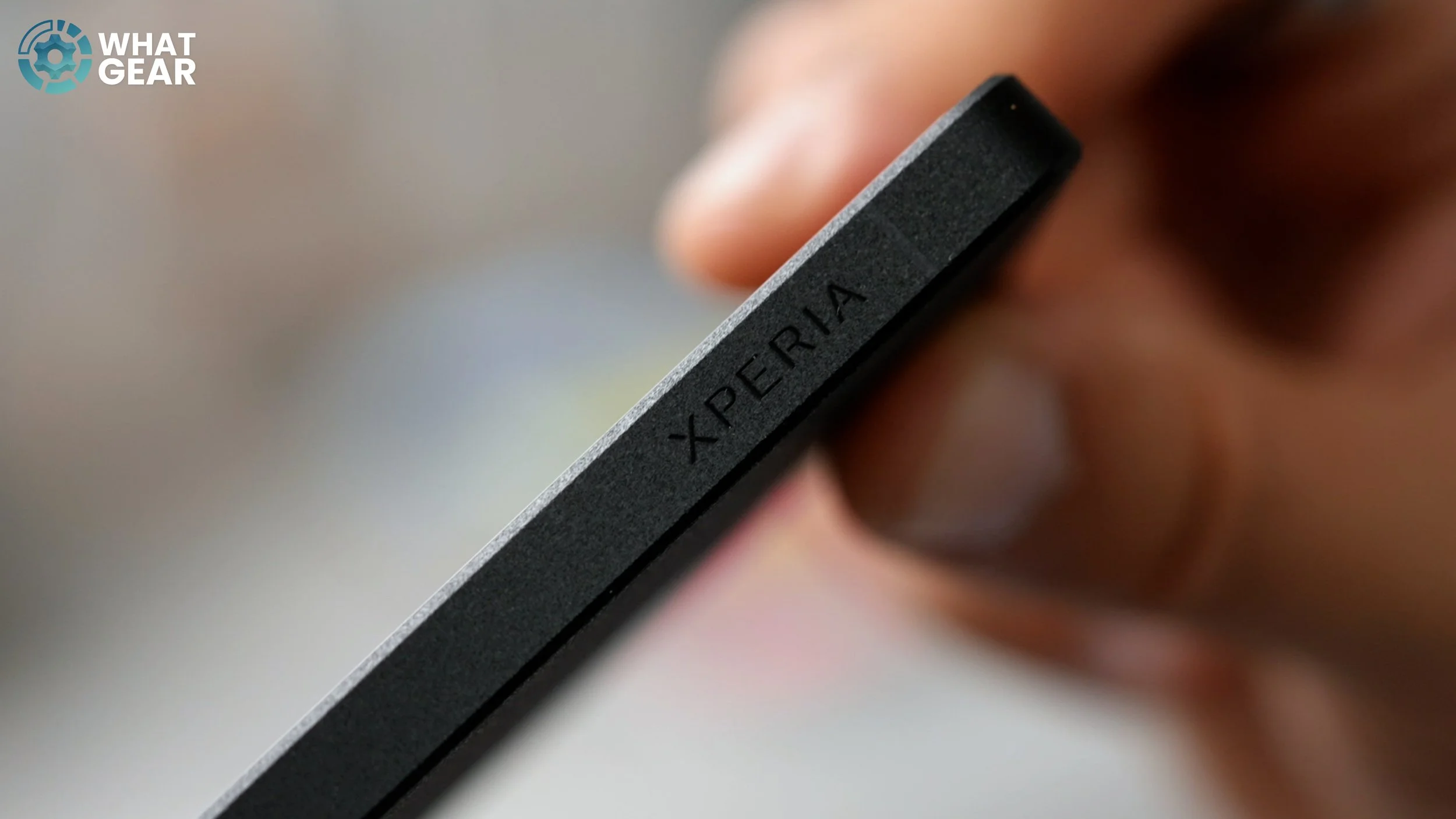
So let’s talk about the evolution of the Xperia 1 design. Previous models had this kind of dimpled back glass and ridged metal frame. This has been overhauled with what they are calling their Ore design, which is texture-inspired by natural materials and raw gemstones.
The back is still glass, but you wouldn’t know it by touch. It almost feels like suede when you run your fingers across it. It’s really nice… and check this out. It’s not a fingerprint magnet at all, and if you scratch it, the marks simply wipe off. And something you might only notice if you’re a true Xperia fan is that there’s no NFC logo this year… but don’t worry, it is still here.
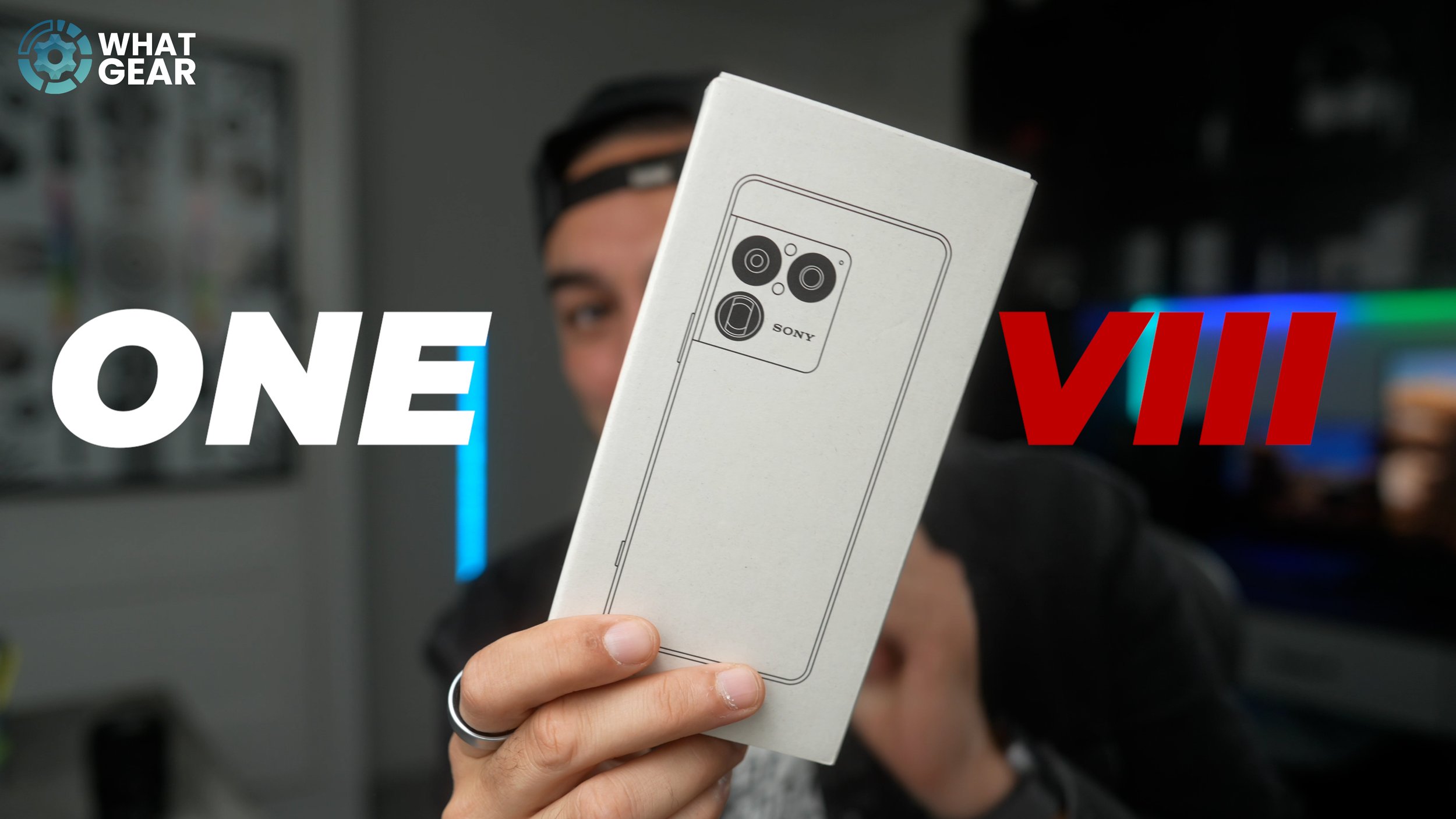
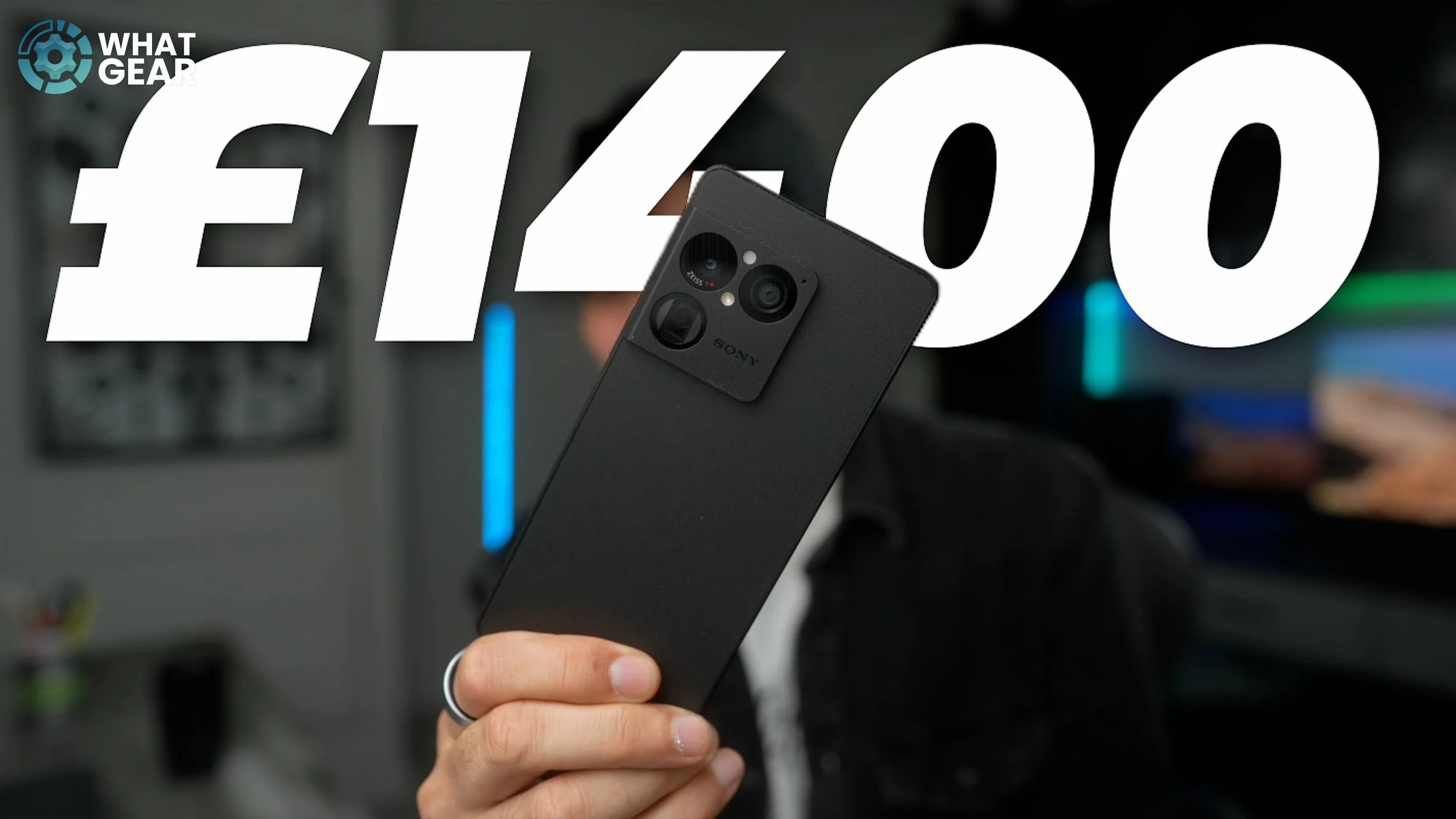
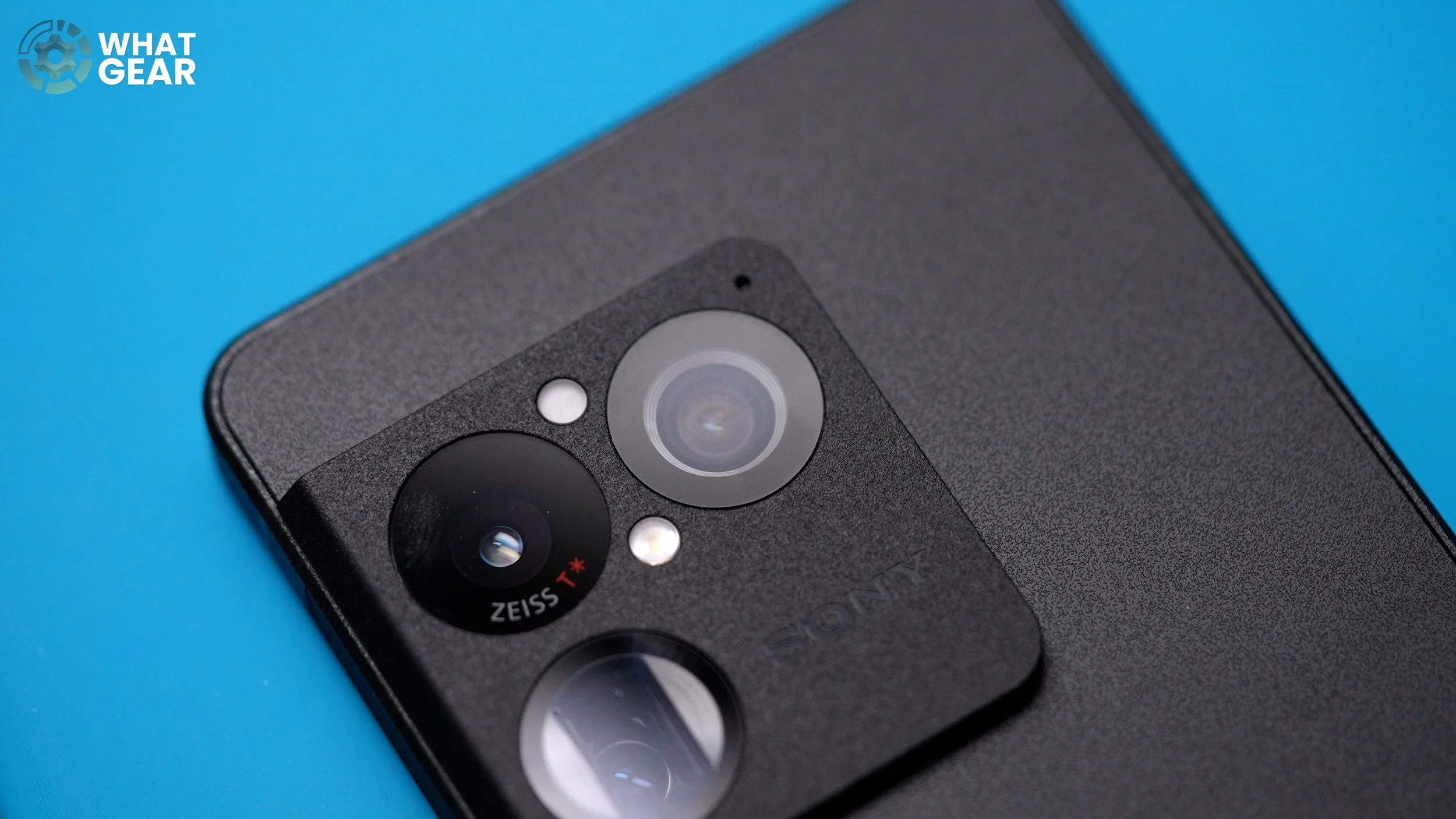
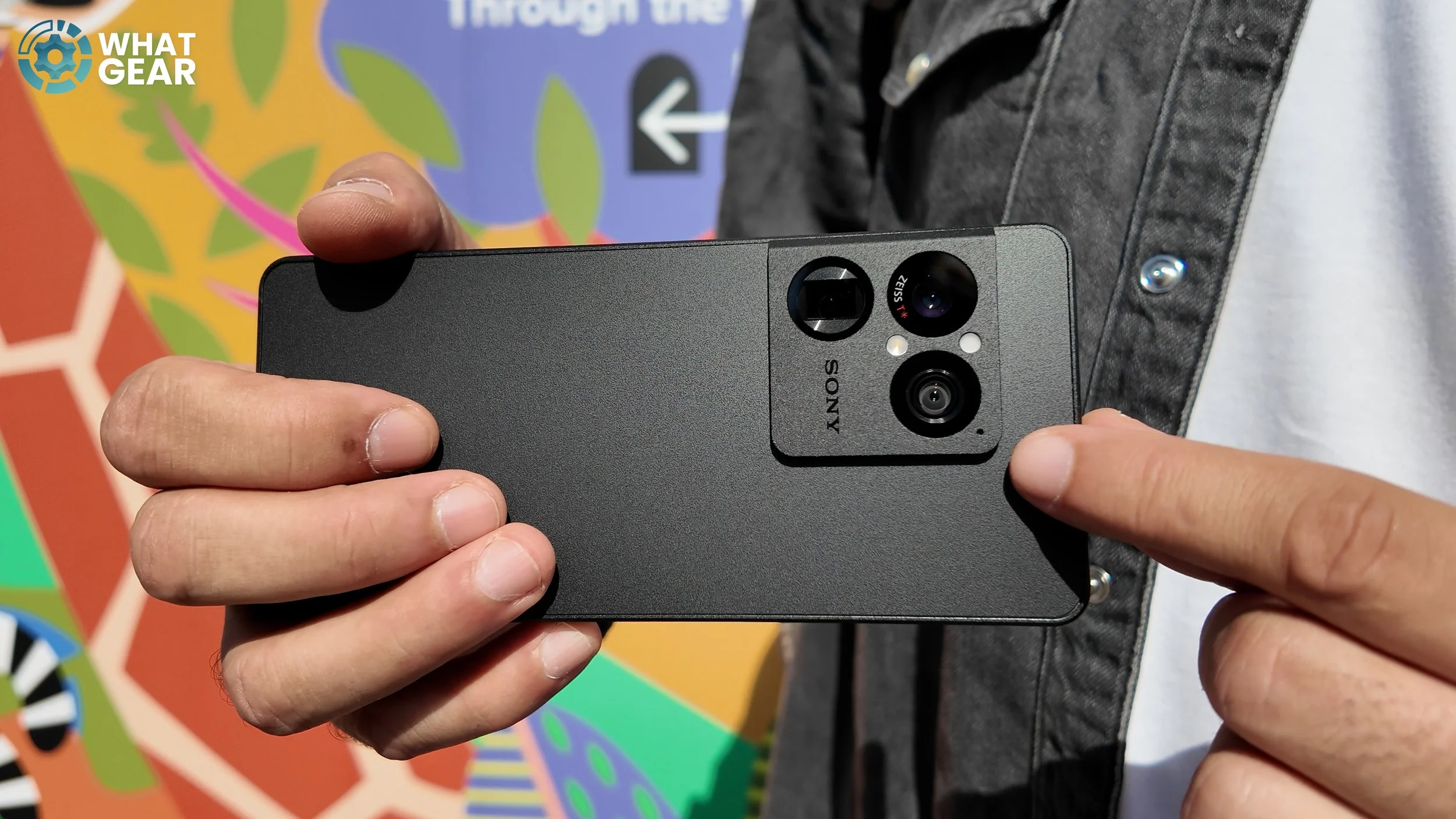
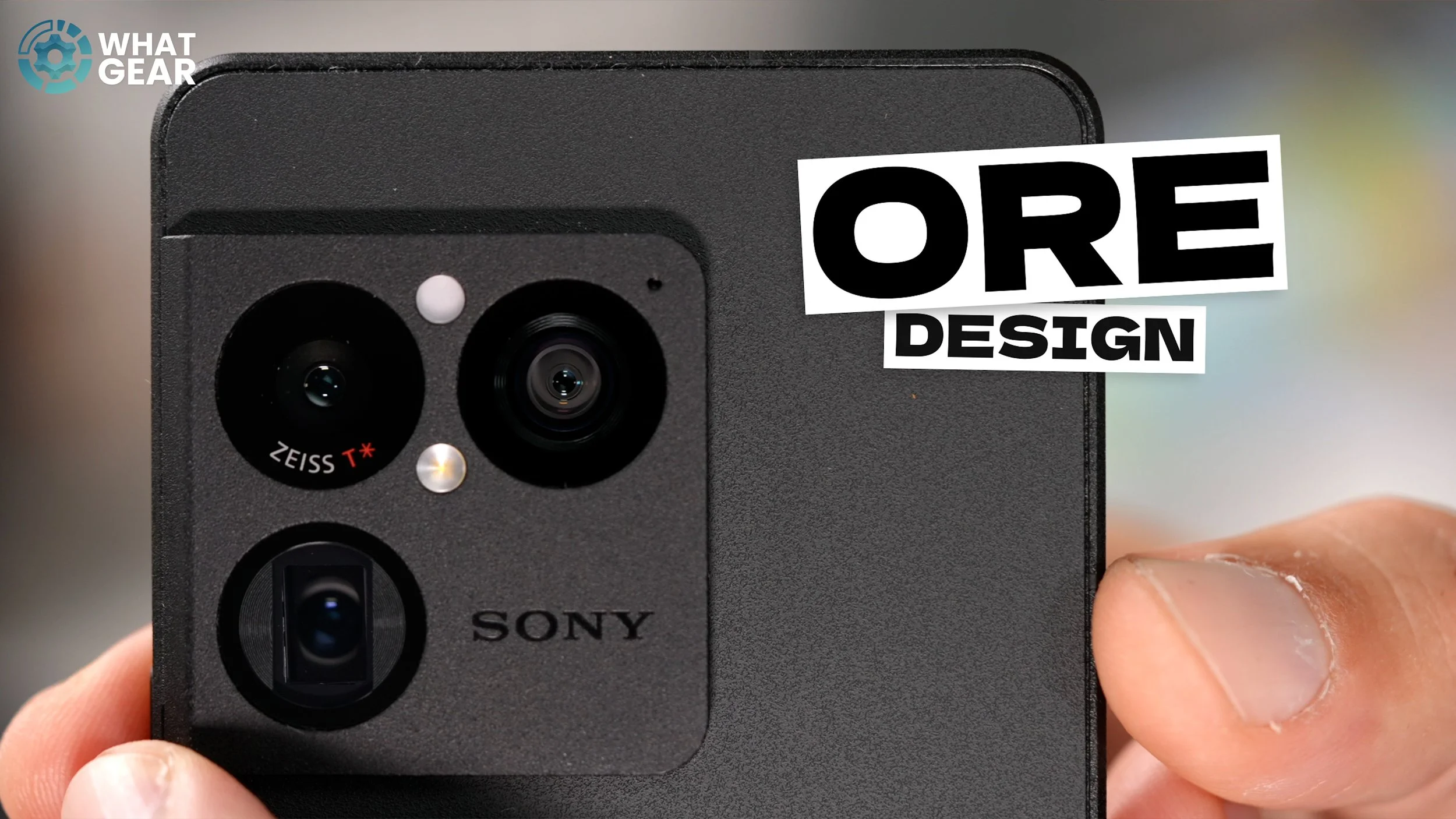
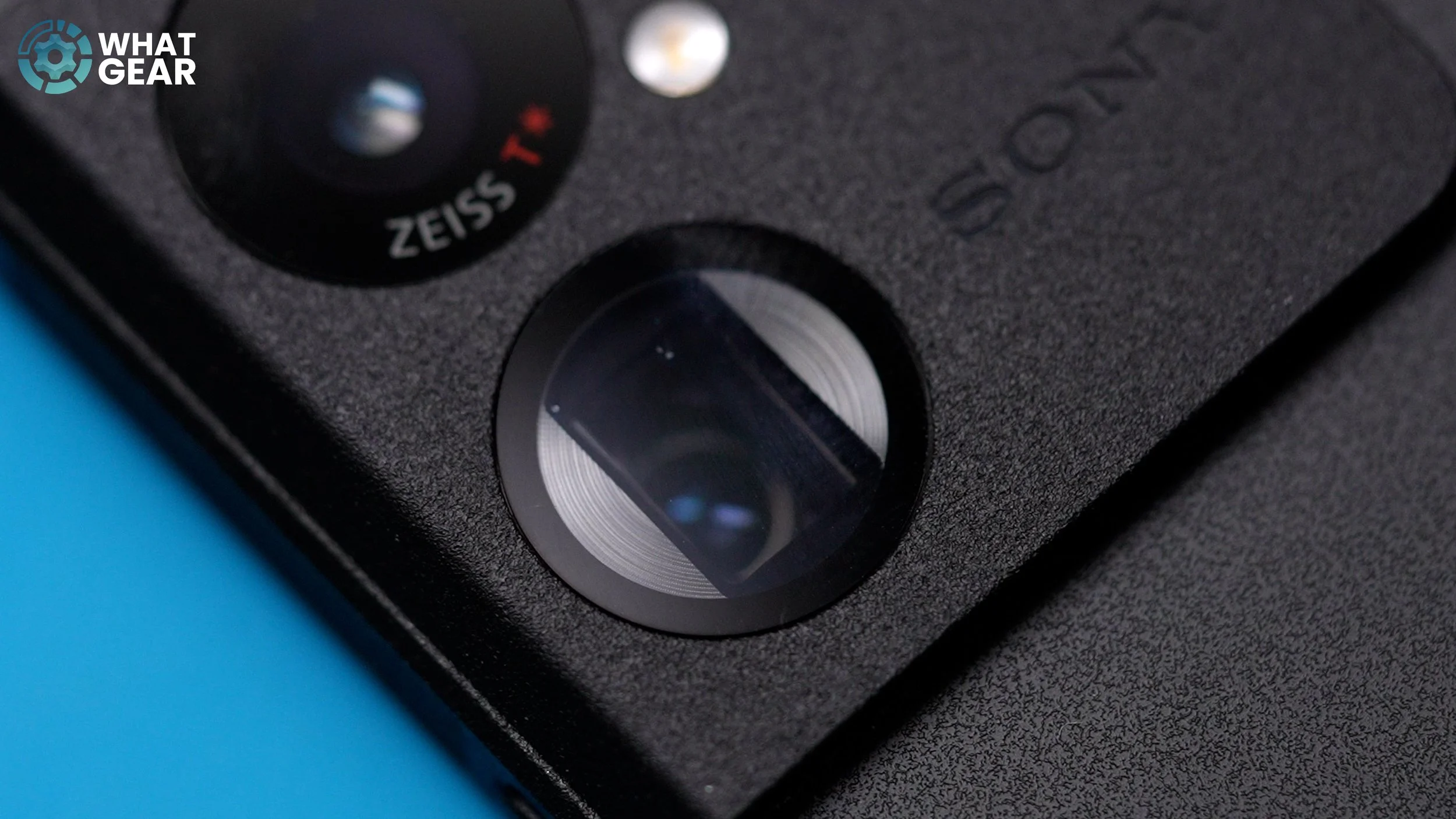
This same texture is carried over to the maybe biggest change to the Xperia 1's design: the new square camera module. When I saw the early leaks, I wasn’t sure I liked them. But, seeing it in real life… I really like it.
You got a nice bit of subtle Sony branding here. It still has the rear-facing mic, which is fantastic for video, as you probably already know, and the rear-facing luminance sensor is still here. I’ll explain why this is kind of a big deal later in the video. And of course, there’s a good reason for this bigger camera module, and it's because there’s one big change to the telephoto camera this year.
The Mark 7 had a 12MP sensor with a shifting optical lens for telephotos. The sensor is now larger and 48MP, with a prime fixed-focal-length lens. You will see it in action at the London Zoo, so definitely stick around for the camera test if you want to see how good it is.
Going back to the design, Impressively, somehow Sony has managed to apply the same Ore texture to the aluminium frame. So unlike most phones, which usually have two-tone textures, this one just has a unified, very unique feel. And something I’ve never seen before on an Xperia is this area just above the volume rocker, which I had initially hoped was a mappable capacitive touch area. However, I do believe it might be part of the newly improved antenna setup. As Sony mentioned, there has been a marked improvement in wireless signal strengths.
Of course it’s still IP68 rated and all the Sony fan favourite features are still, like the tool-less hybrid sim tray that allows you to add up to 2TB of SD memory expansion, the side-mounted fingerprint scanner, which is also the power button, the dedicated camera button, which a lot of brands seem to be copying these days. As well as the Walkman tech headphone jack with gold solder for peak, latency-free audio performance via a wire. Front-facing full-stage stereo speakers only. Sony says that they’re 12% louder than the Mark 7’s and have more bass. I ran a little experiment against the iPhone 17 Pro Max in the video
Something else that makes it uncommon among ordinary phones is its uninterrupted display, no notch and no punch holes. Just one beautifully Bravia-calibrated display.
Display
Which is, I'm told, the same 6.5” FHD+ 120Hz LTPO panel that was used on the Mark 7. They haven’t gone back to 21:9; they’ve stuck with the 19.5:9 ratio that we first saw on the Mark 6. Sony doesn’t disclose the official peak brightness stats; we do know that the highest brightness measured on the Xperia 1 Mark 7 is 1520 nits. That’s only achieved when the luminance light sensor recognises an extremely bright light condition. And because there's one on the front and one on the back, this makes the phone display vastly more energy efficient, and even more so because it’s an LTPO display that can dim to just 1Hz when idle.
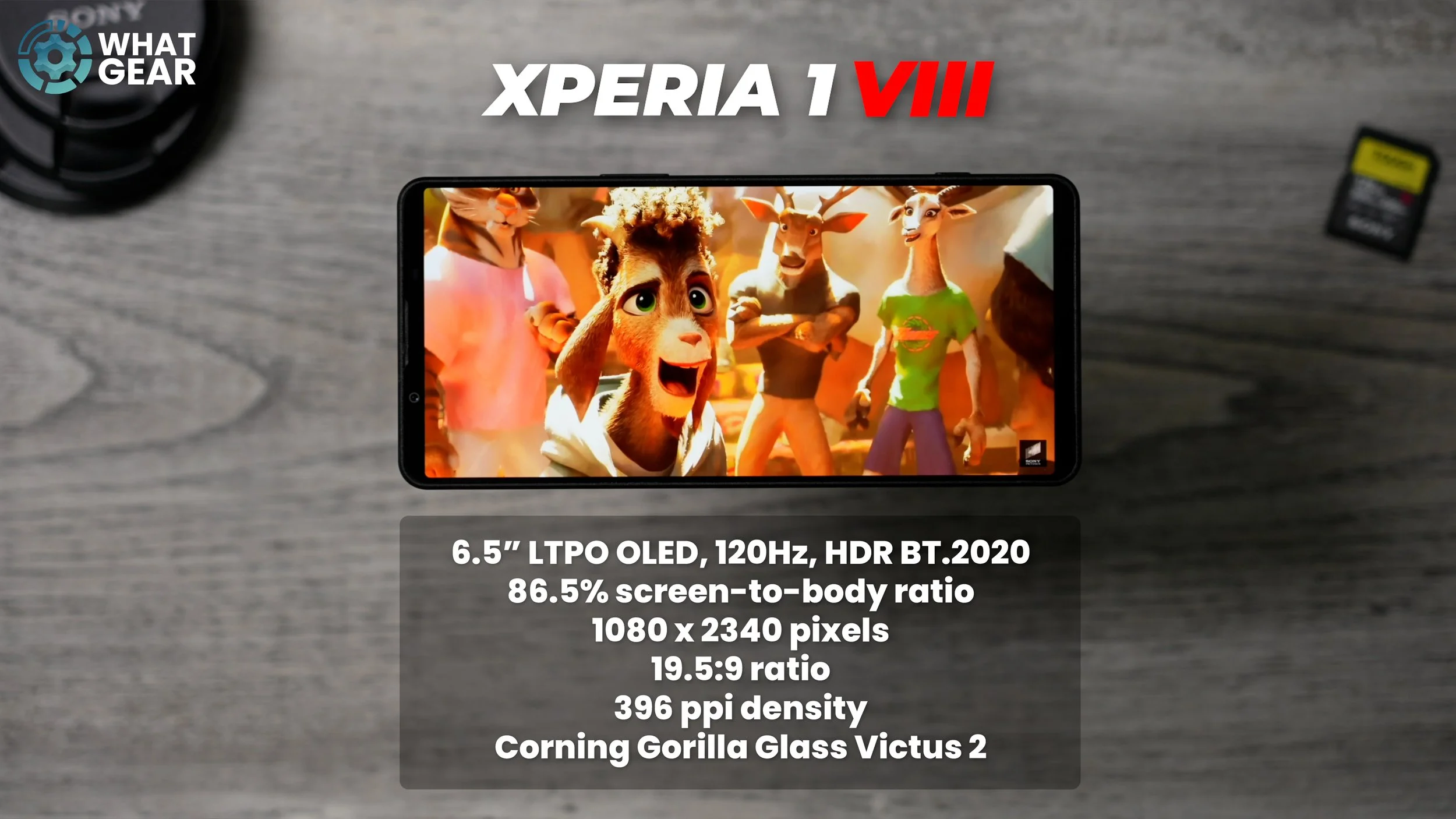
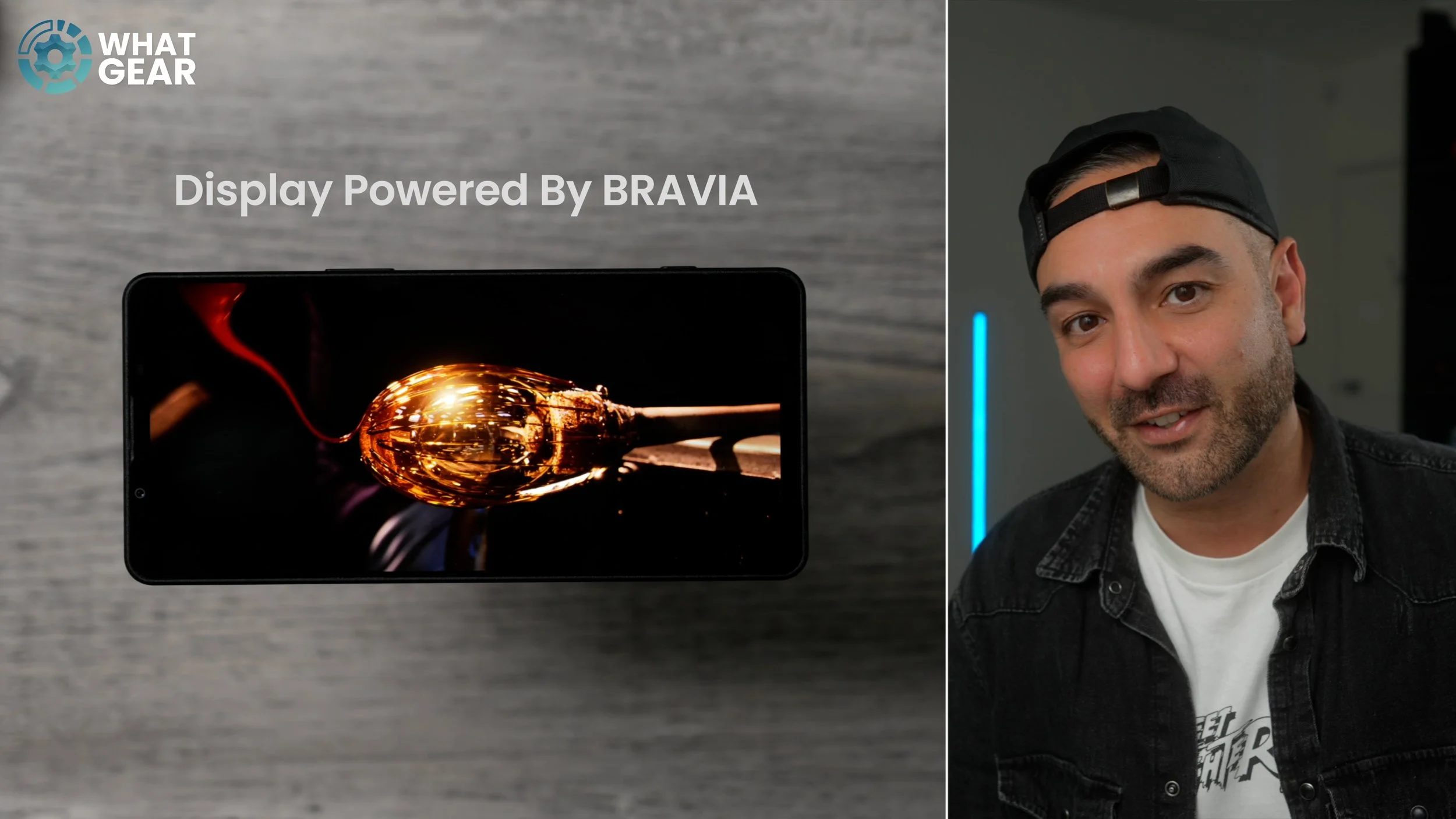
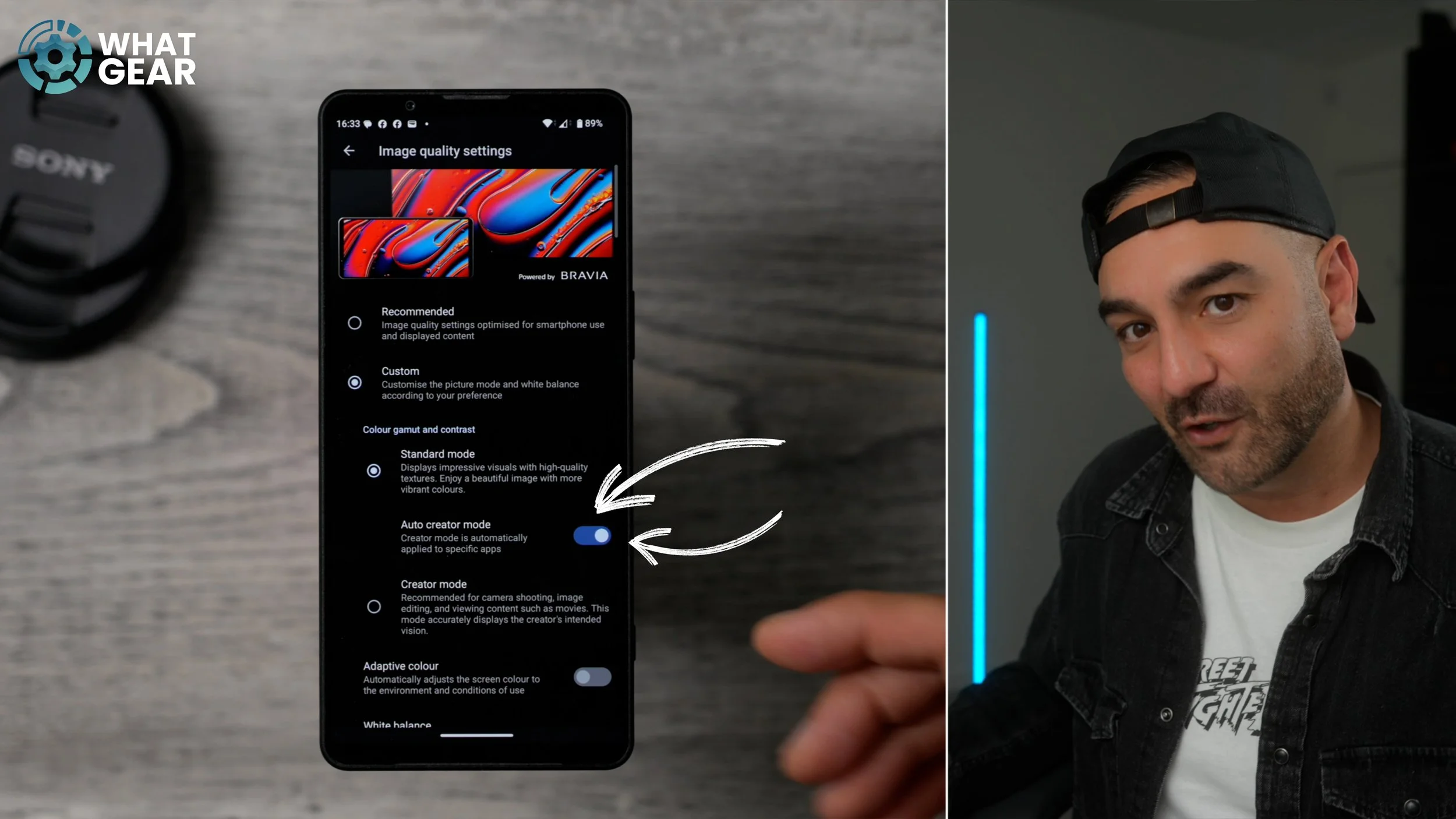
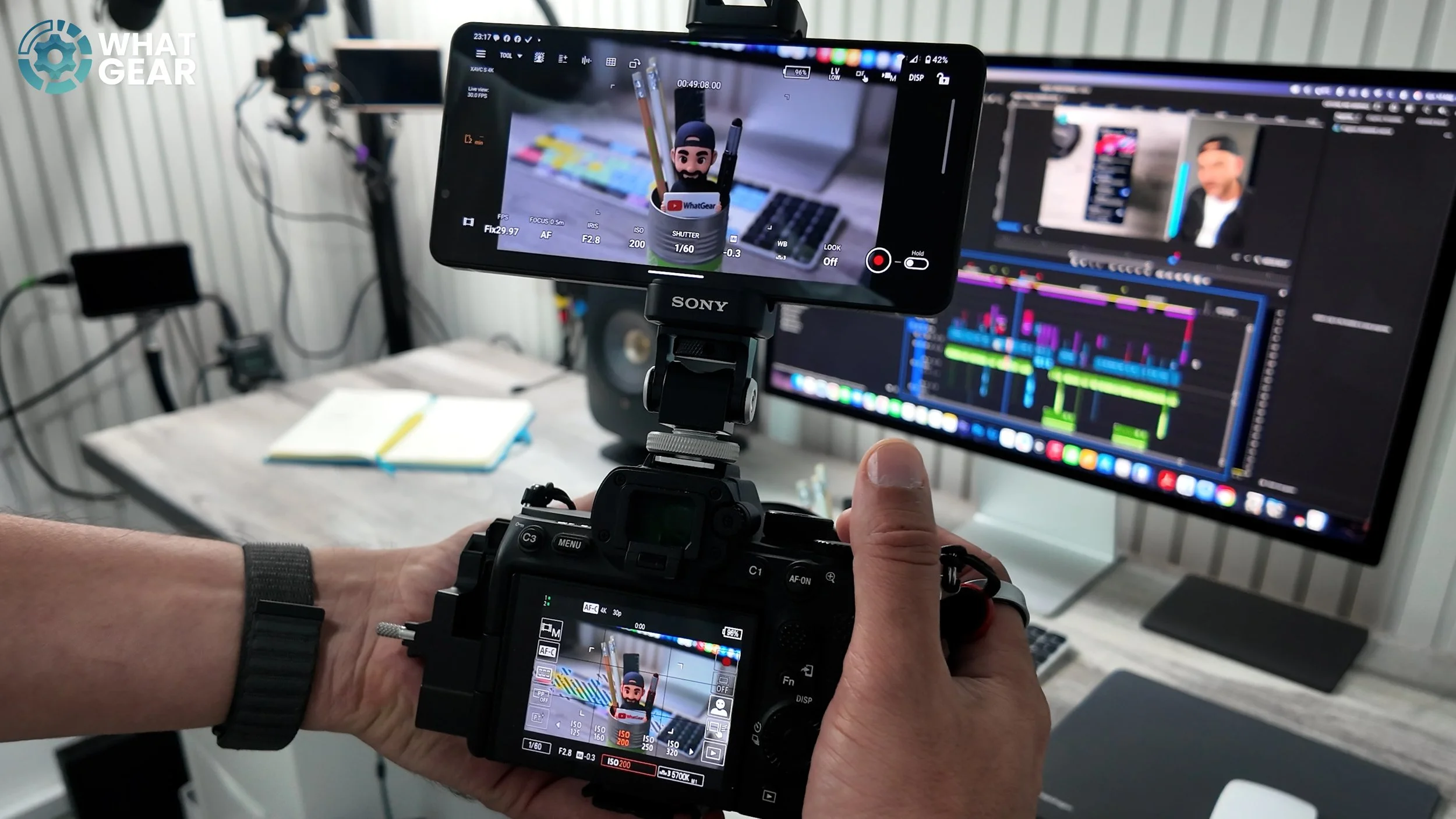
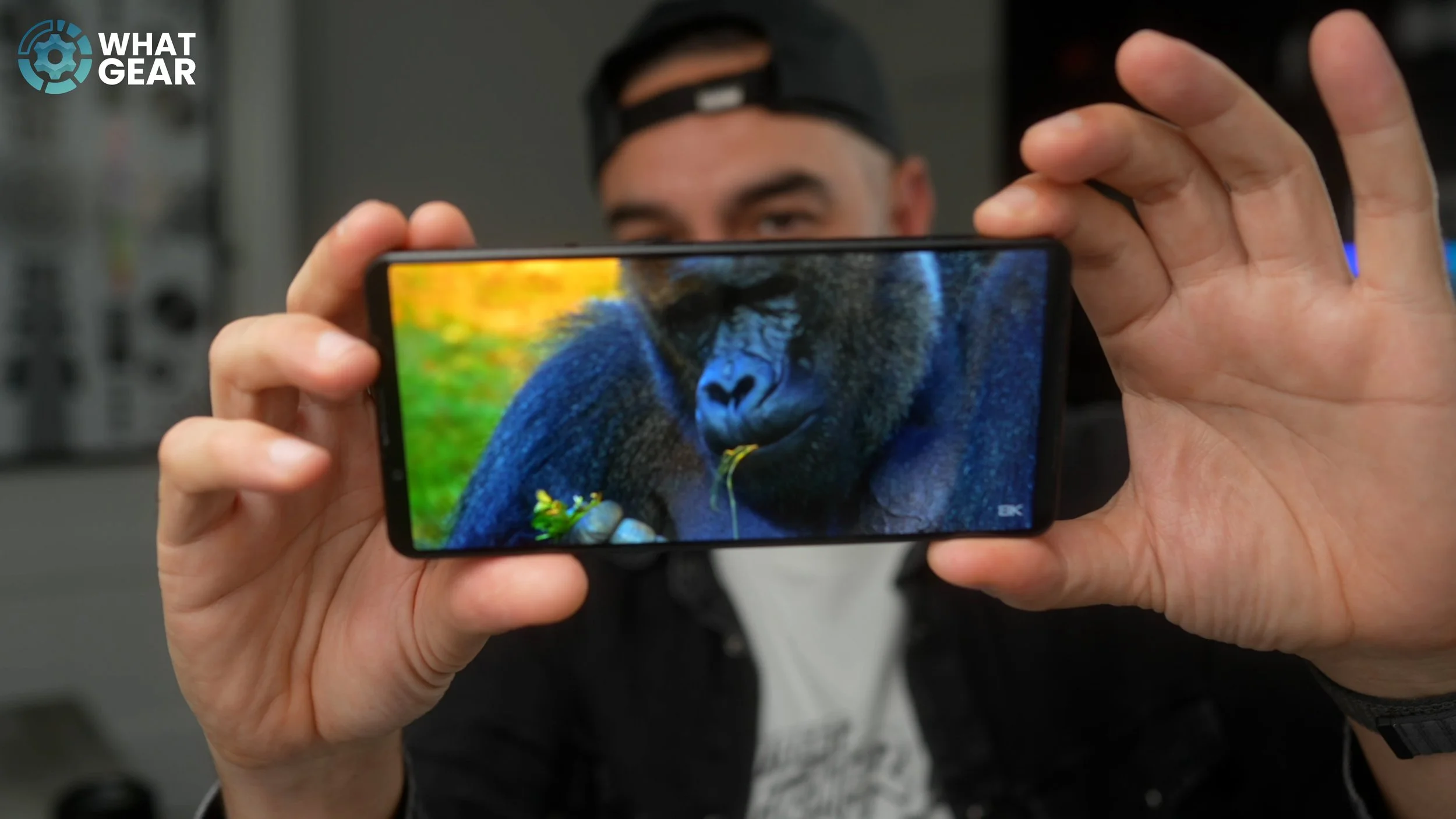
And something that Sony is a specialist at is their display colours and picture processing. And that brings me on to the display features, which use an all-new AI colour table. The Bravia Creator Mode is still here, perfectly calibrated for movies and for shooting photos and videos on the phone or with a Sony camera. The real-time HDR drive and video image enhancement features are here. If you choose to turn off the adaptive colours, you can calibrate your own.
While there are certainly more dense and faster displays out there right now. There are really three big wins for Sony here. Power efficiency, accurate colours, and an uninterrupted panel are a big part of the viewing experience in most cases, and with this one, because the speakers face you, it’s very difficult to accidentally mute them with your hands.
Camera
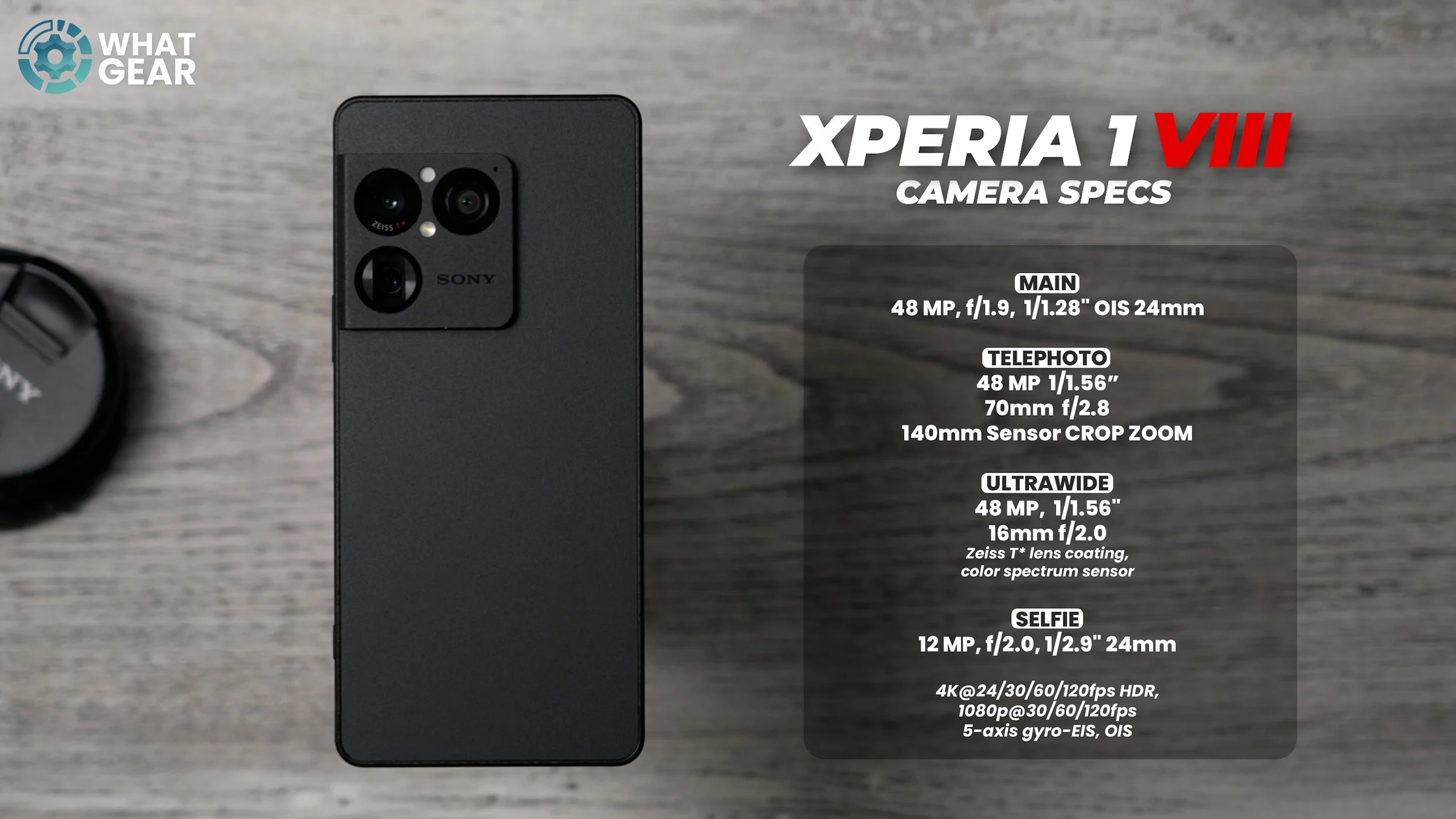
Let’s clarify the main camera changes: The primary camera now uses a larger 1/1.28” 52MP sensor with a 48MP effective area and improved stabilisation. The ultra-wide lens remains a 16mm lens with a 1/1.56” sensor, a major upgrade from last year. The telephoto lens now features a new 48MP sensor, larger than before and a fixed focal length for better detail.
The sensor size is, in fact, the same as the current iPhone flagship primary camera. However, the 16mm Ultra-wide. Is 167% larger than the iPhone's ultrawide sensor, with its size of 1/1.56”. This was the big camera upgrade Sony made to the Mark 7 last year.
The big upgrade this year is a new 48MP telephoto sensor. Unlike the previous Mark 7’s smaller, shifting lens setup, this telephoto is the same size as the ultra-wide sensor and is four times larger than before, offering better quality and detail.
Alright, now it’s time to head to London Zoo to get a look. And I’ll throw in a few cheeky side-by-side shots with the iPhone so you can judge the camera quality for yourself. Loop 1 close
24mm Wide / 48mm Standard: This primary lens uses an Exmor T™ for mobile 1/1.28-inch sensor with 48MP resolution and a brighter f/1.9 aperture.
16mm Ultra-wide: Equipped with an Exmor RS™ for mobile 1/1.56-inch sensor, featuring 48MP resolution and an f/2.0 aperture.
70mm/140mm Telephoto Zoom: Features the new Exmor RS™ for mobile 1/1.56-inch sensor (48MP) with an f/2.8aperture.
Optics: The lenses continue to feature ZEISS T* coating to reduce reflections and improve contrast.
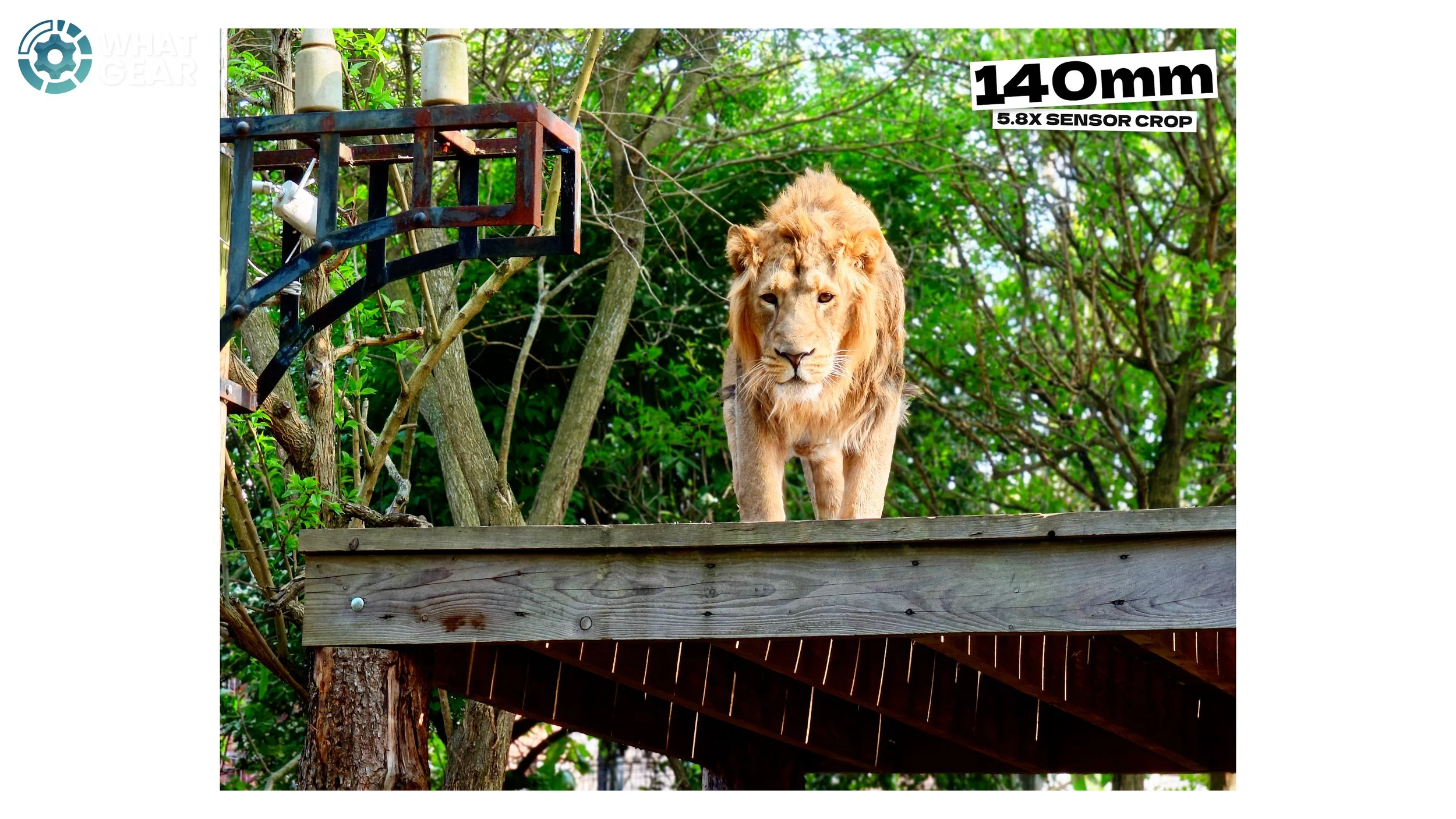
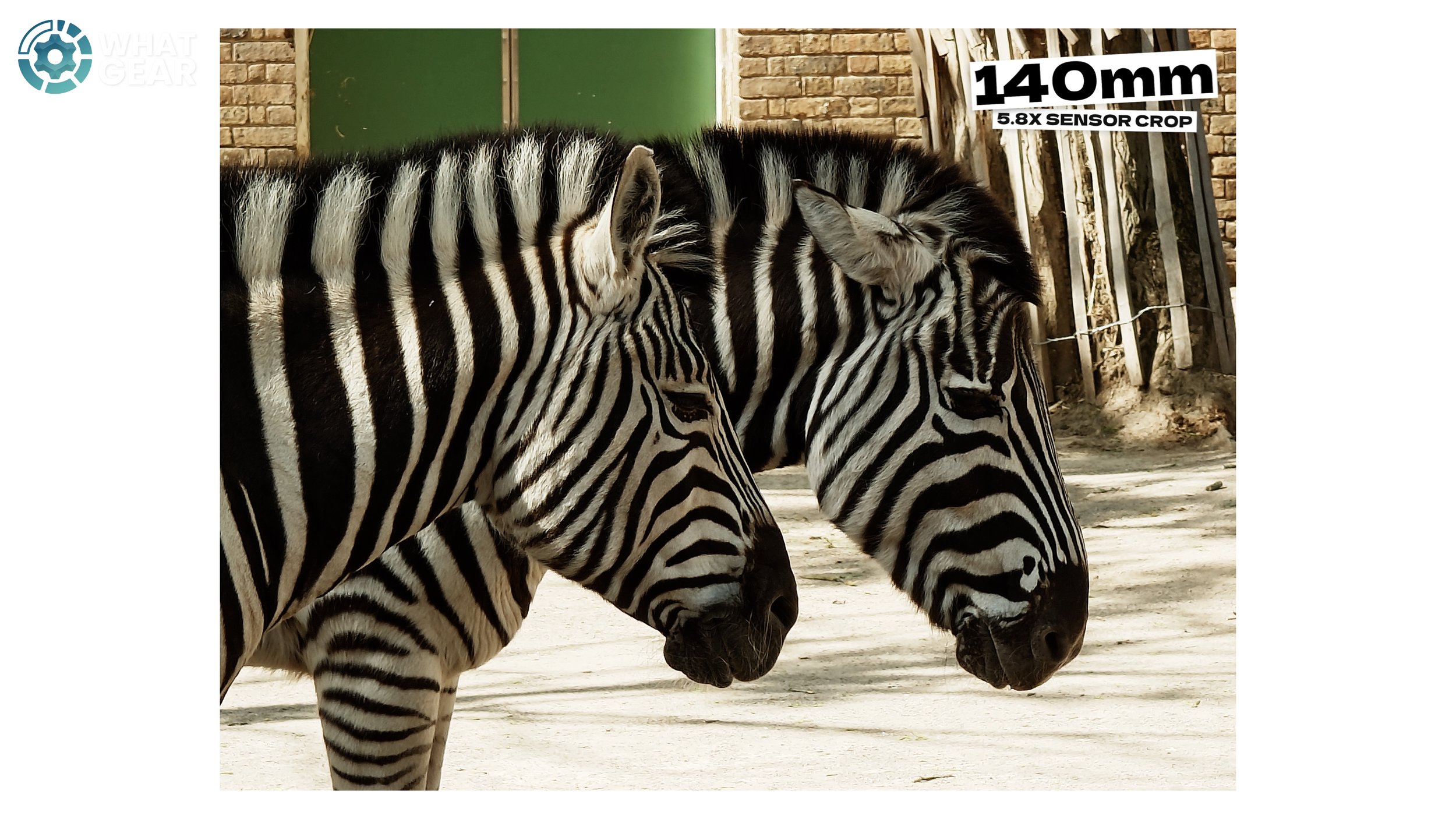
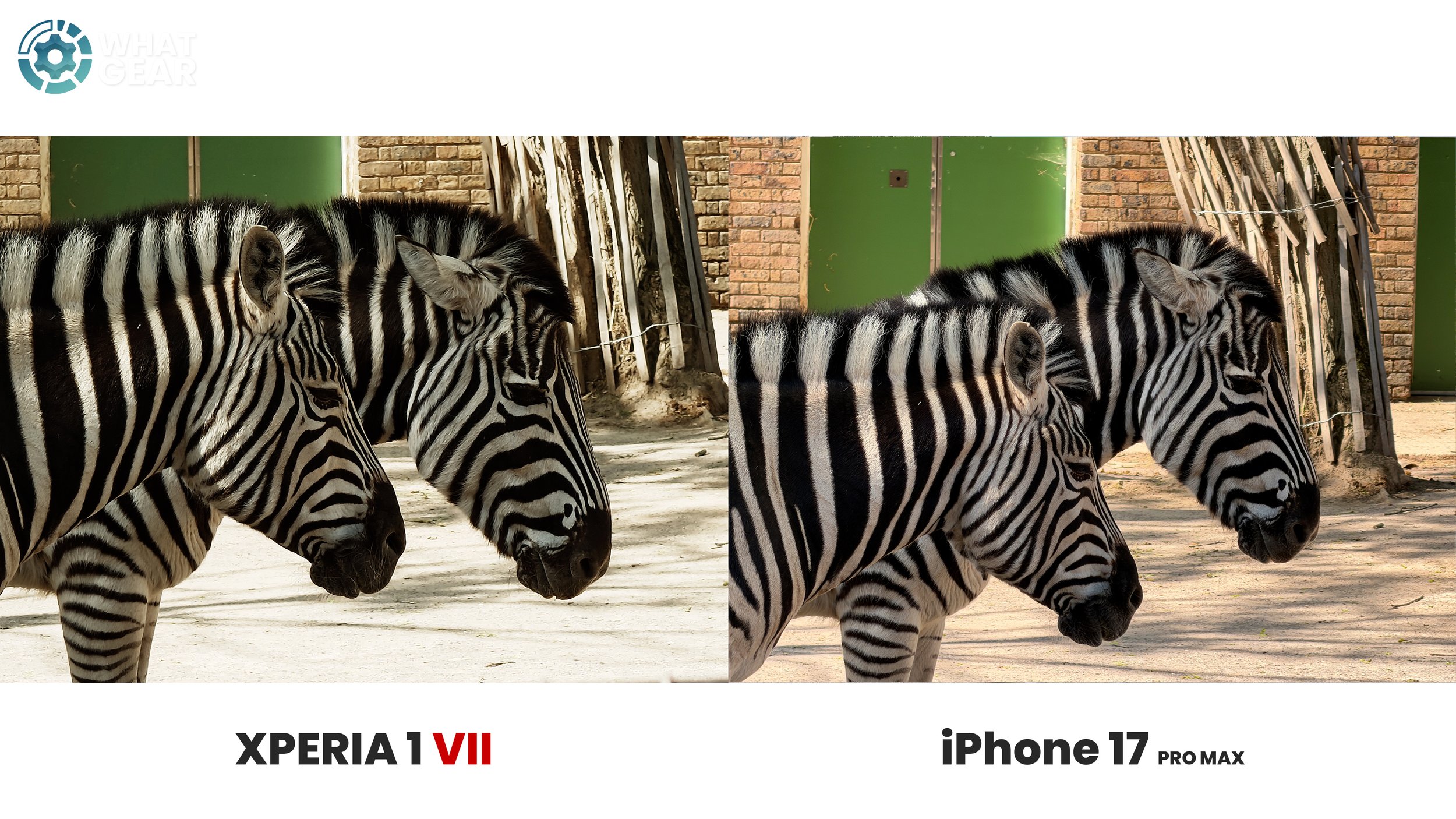



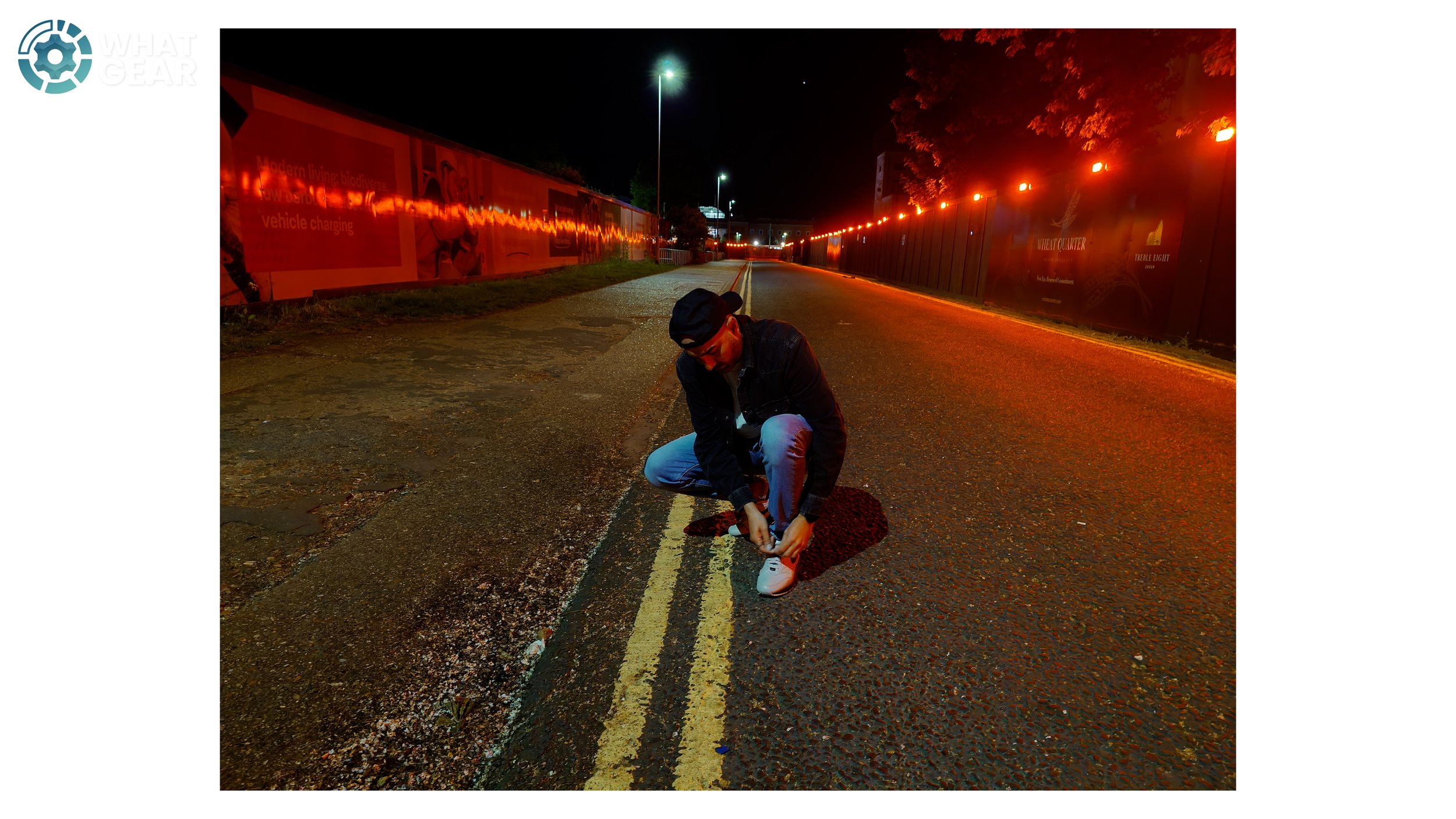

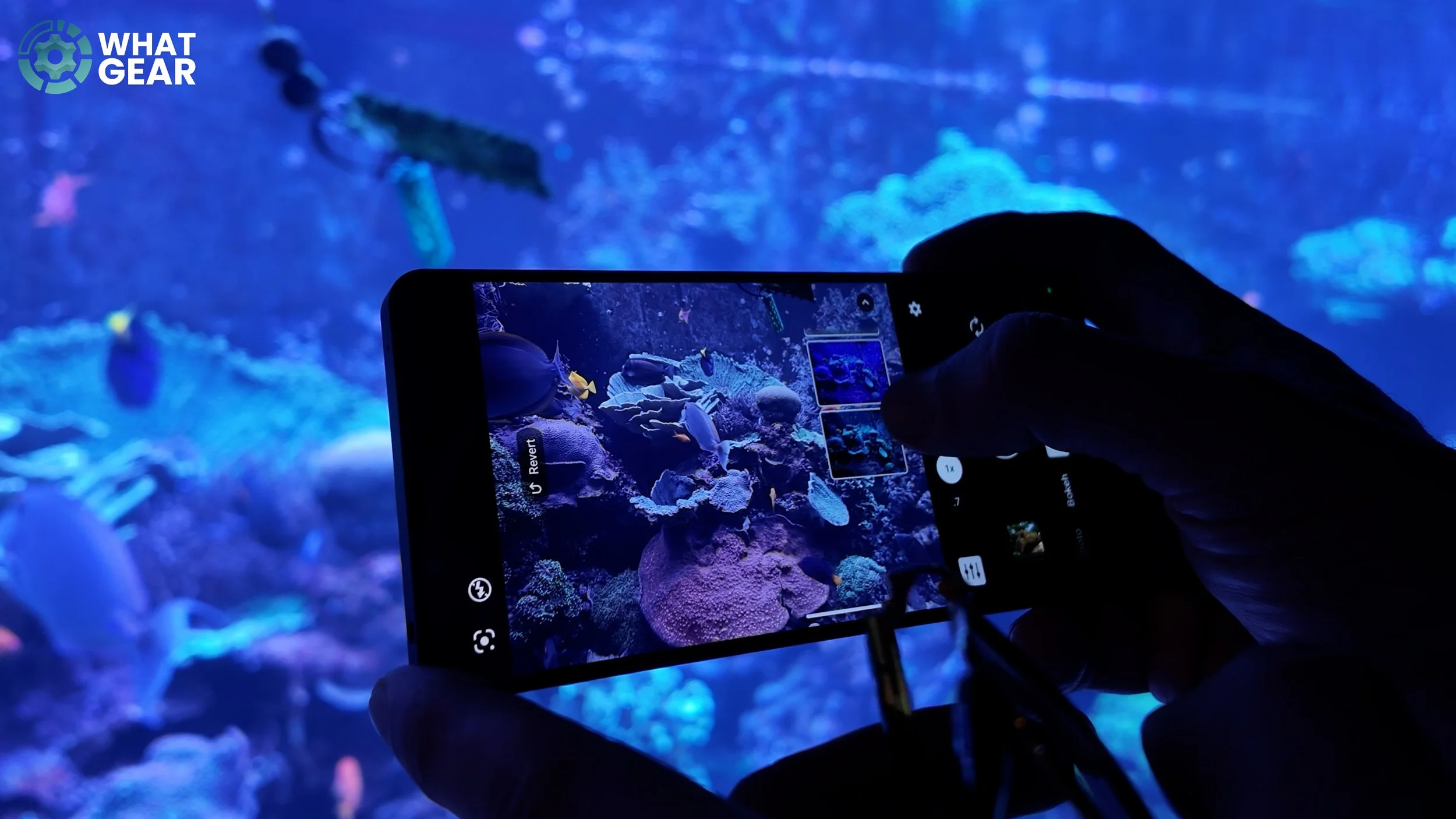
Thanks to the upgraded ISP, the Xperia can now use RAW multi-frame technology for much better HDR performance and better noise reduction in low light. Also, the Macro mode is now available on all lenses, and the macro range goes from 15cm down to just 4cm if you need it. Also, Sony says it's improved the bokeh effect, making it more natural.
Let me know in the comments what you thought of the camera quality on the Xperia 1 Mark 8. Does it exceed your expectations? Ultimately, does it make the Xperia a true contender for your next phone? Your feedback will help others decide if this phone stands out from the competition.
There’s definitely a part of me that would have liked to see how that new telephoto sensor would perform with the sliding lens setup on the previous model…but, instead of the 140mm zoom with sensor crop. I guess maybe Sony is saving that for the next one. If you’re wondering about the selfie camera, it is the exact same sensor and lens used on the Mark. Actually, it hasn’t changed for a while now. While some might wish for updates, Sony clearly believes the current setup delivers consistent quality.
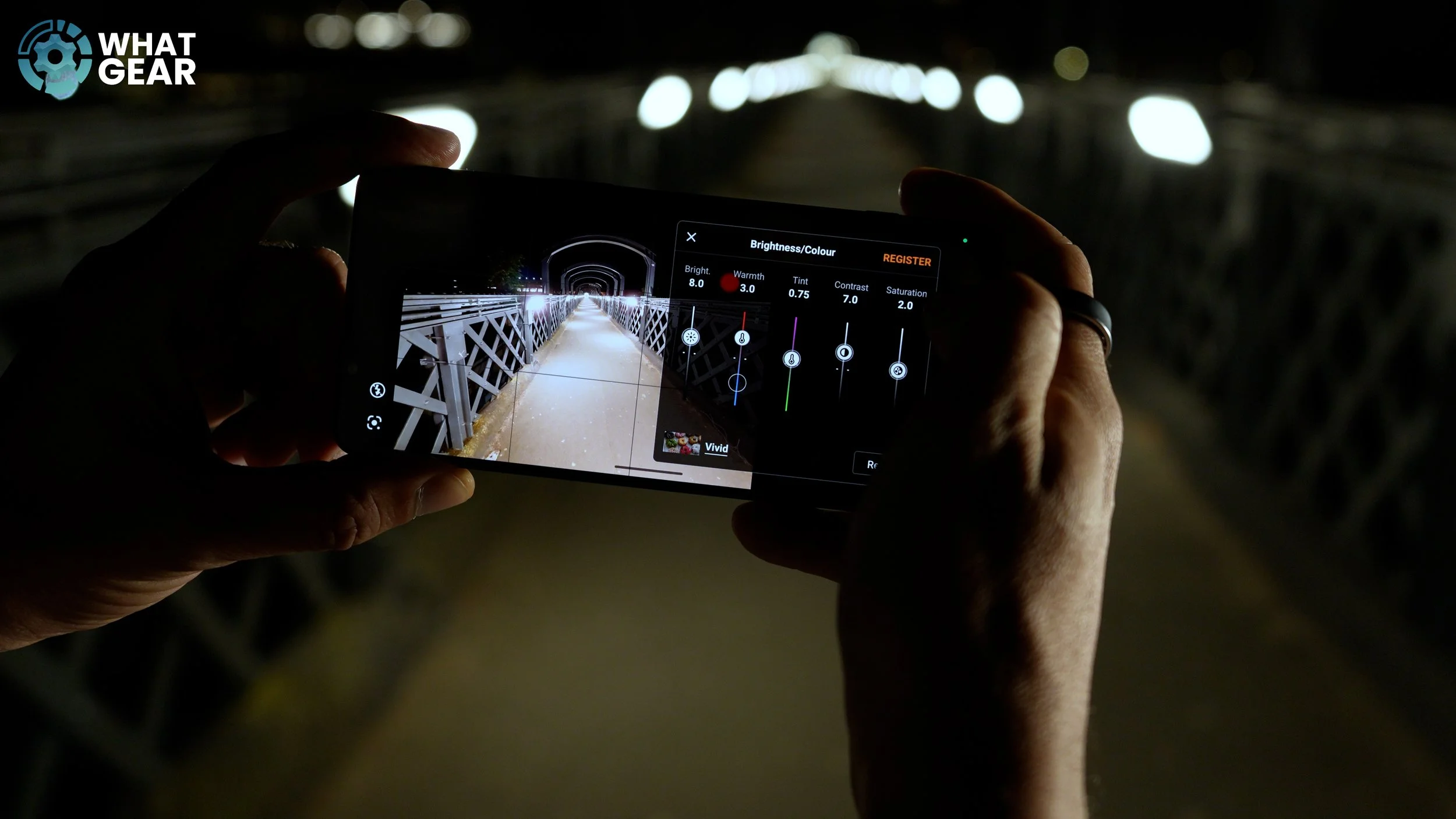
Now, something really nice and new regarding the camera UI is Sony’s new AI assistant, which appears as this little pop-up window. Essentially, when you’re lining up a shot, you can choose the perfect colour profile that you want. So you can quickly select the most realistic colours based on what your eyes can see, or, on the flip side, stylise it.
Something else that’s really nice about the auto mode is that at any point you can hit this little icon to access the colour controls and use the sliders to get everything perfect, and once you’ve done that, you can even register that profile for quick recall later on. So if you’re doing lots of shots in a single location with consistent lighting, this could be very useful.
You’ve also got the AI camera work feature that lets you film a wide and vertical video at the same time, and the phone will create two separate files. This is created for short-form creators. And there’s also the Auto framing feature, which allows the phone to track a subject by cropping to parts of the video to keep the subject perfectly framed in the centre. Again, another awesome creator tool.

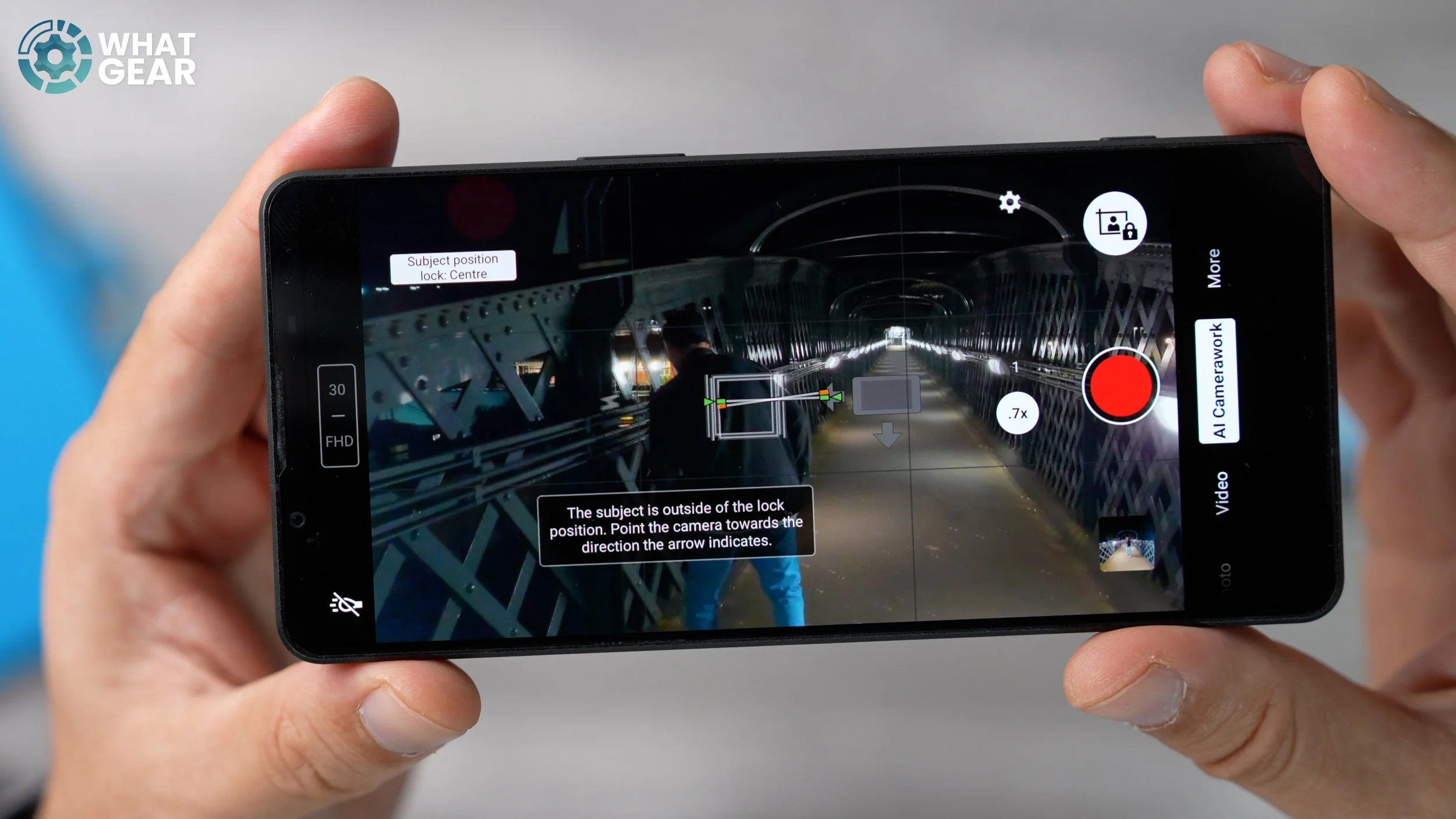
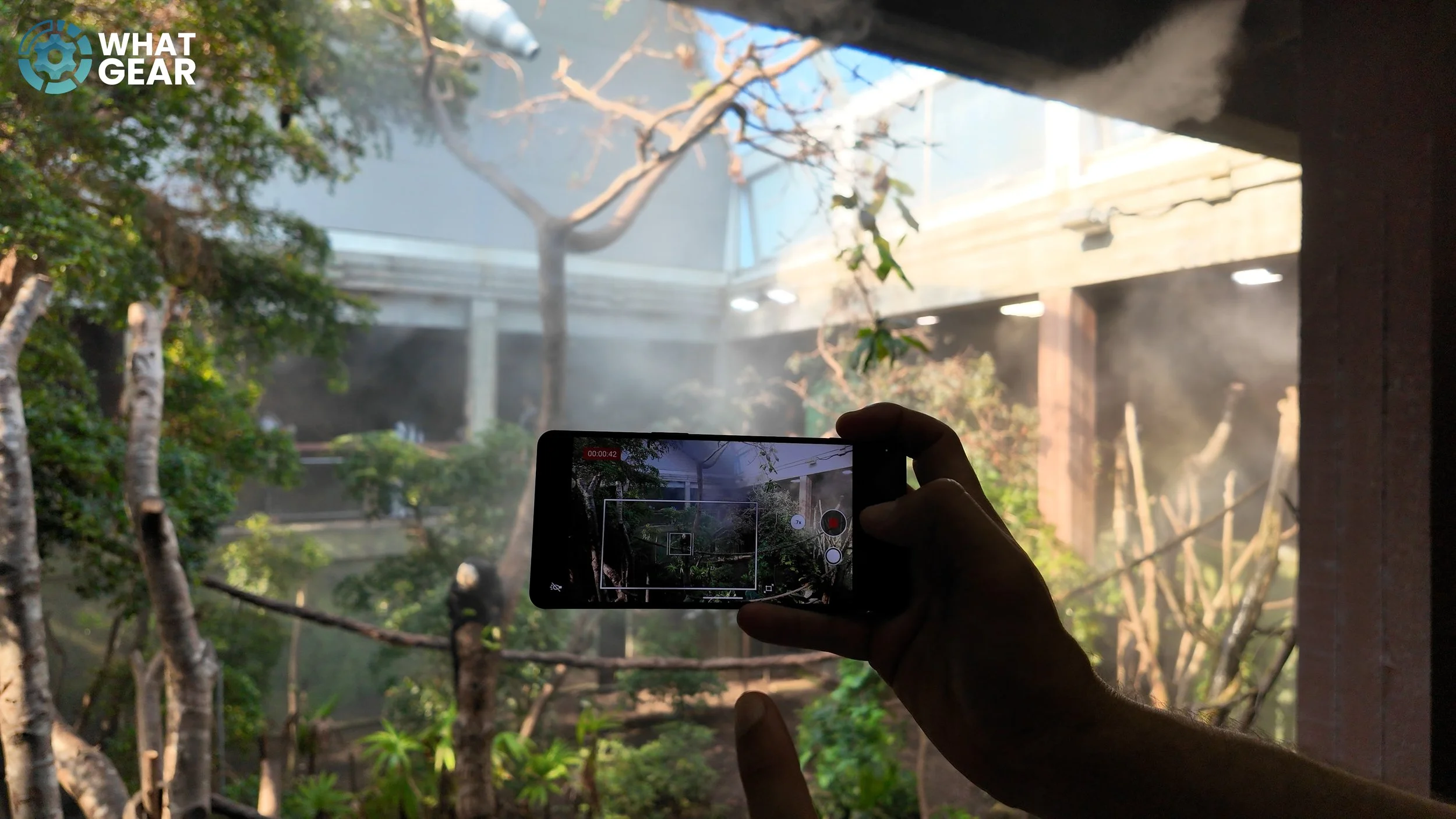
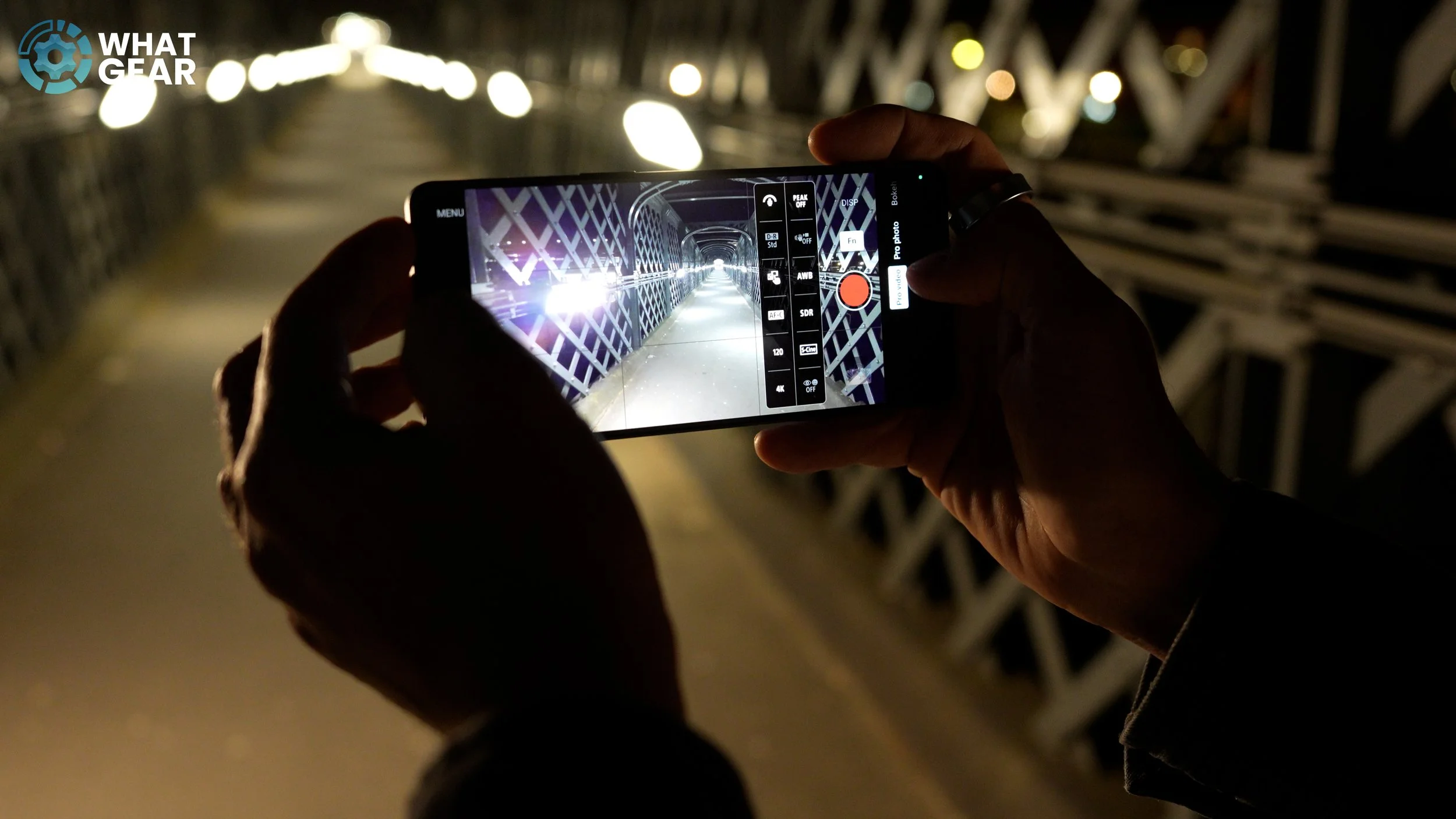
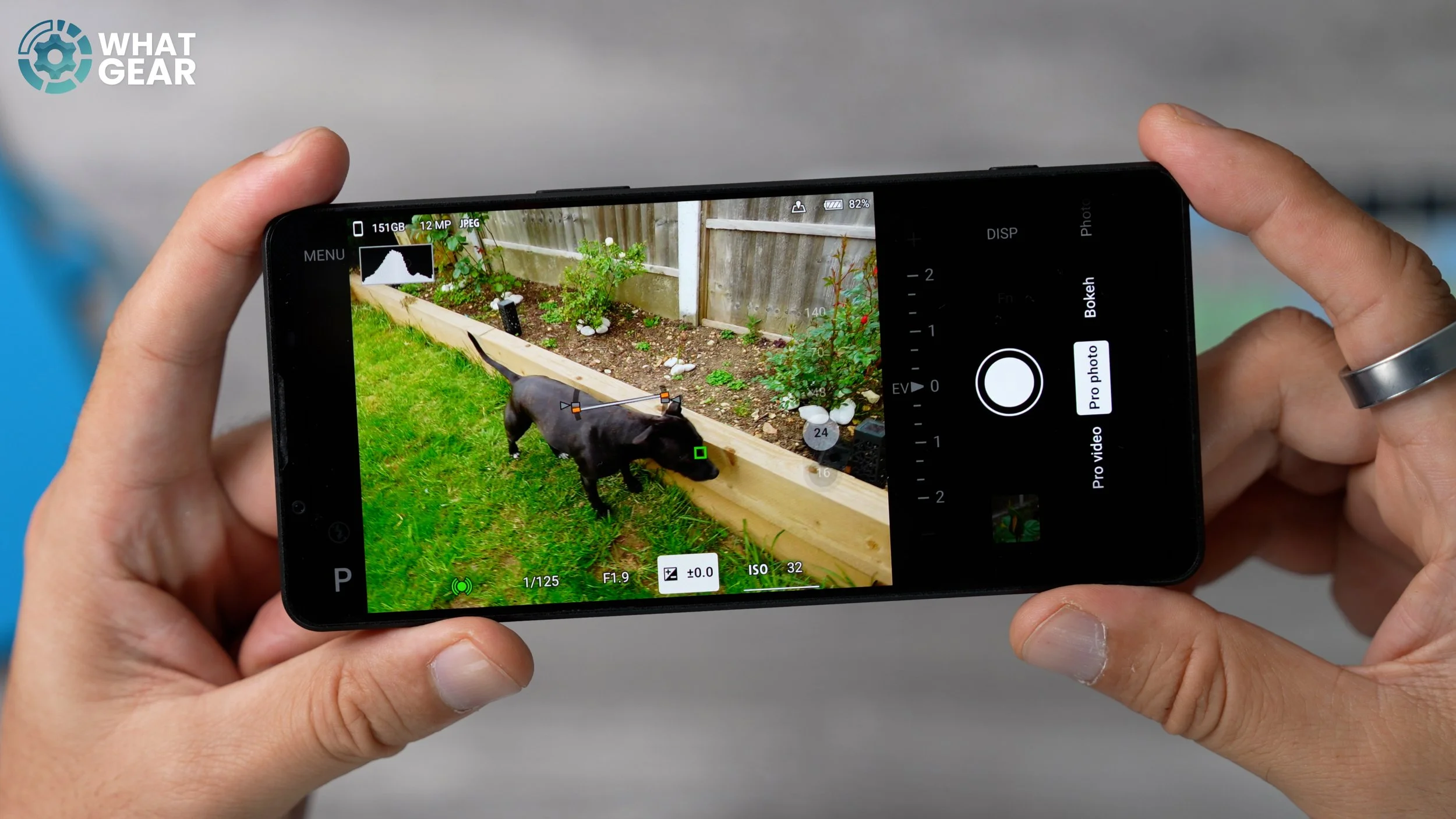
The pro photo and video modes are still here, which I’m sure anyone who's used a Sony camera will be very familiar with. You can shoot in 4K 120Hz on all three rear cameras. Focus peaking, face and eye autofocus, HDR, and even Sony's exclusive S-Cinetone are all available here & also work across all the cameras.
In the Photo Pro app, you have a ton of settings to play with. And something quite nice is that you can turn off computational photography. So if you are more of a purist, I think you might appreciate that feature. We don't often get this option on phones these days. And of course, the continuous shooting modes are available for rapid-fire shots. Eye and face tracking do work with the fastest Hi+ drive mode.
Power & Performance
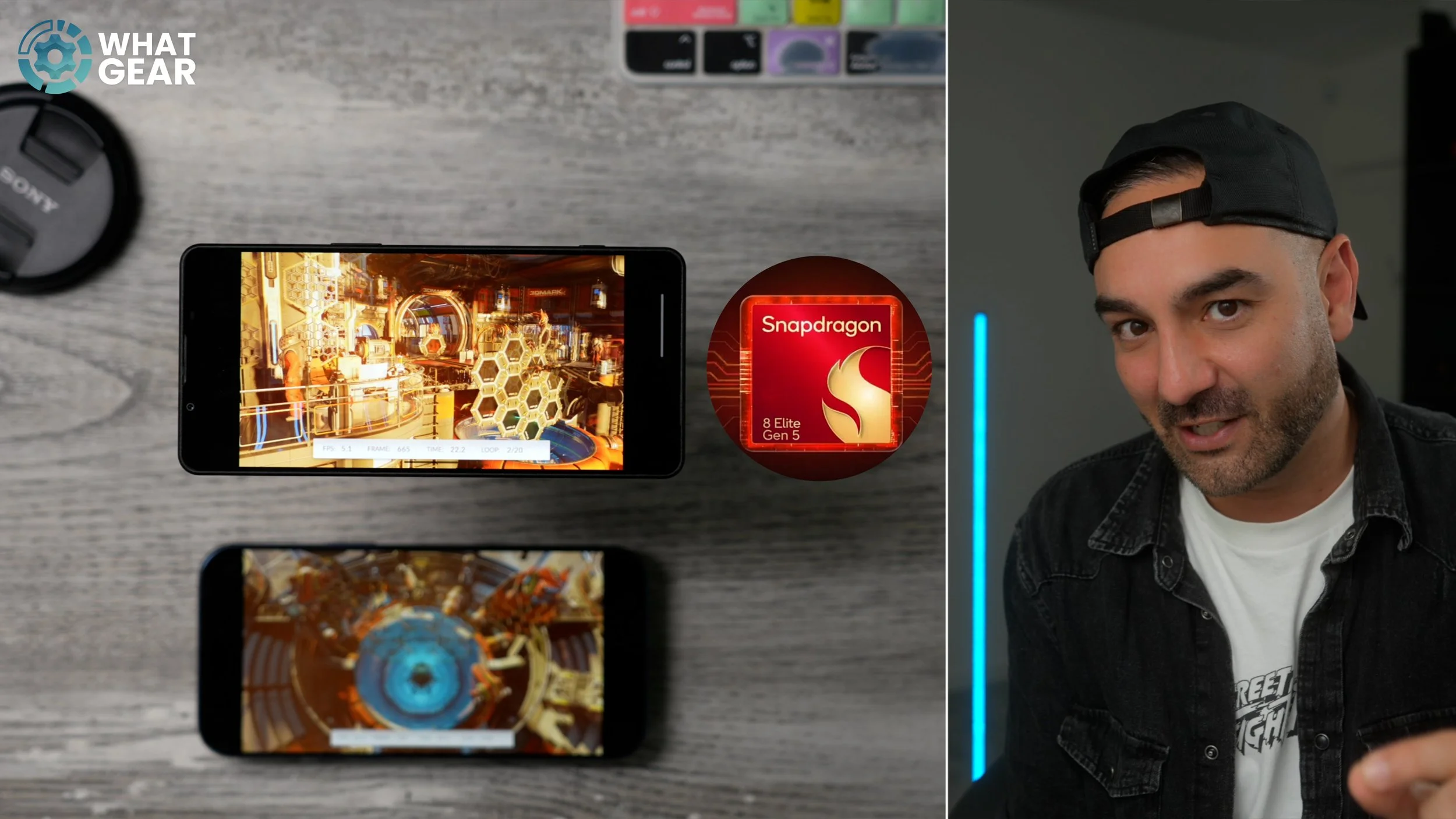
Alright, let's talk about power and performance. As many suspected, this Xperia 1 Mark 8 is using the latest Qualcomm Flagship at the time of release. The Snapdragon 8 Elite Gen 5. 12GB of RAM is standard. The storage is 256GB, which is ok…but if you need more, there’s another option. The Gold model comes with 1TB & 16GB RAM, but you know how much you’ll need if you want that one it’ll cost an extra £350.
Performance has been very good here. I’ve had no issues with it at all. And that Snapdragon 8 Elite is enough to blitz through almost any game without breaking a sweat. And Sony has equipped it with a vapour cooling chamber for good measure. This also helps during those longer 4K shooting sessions.
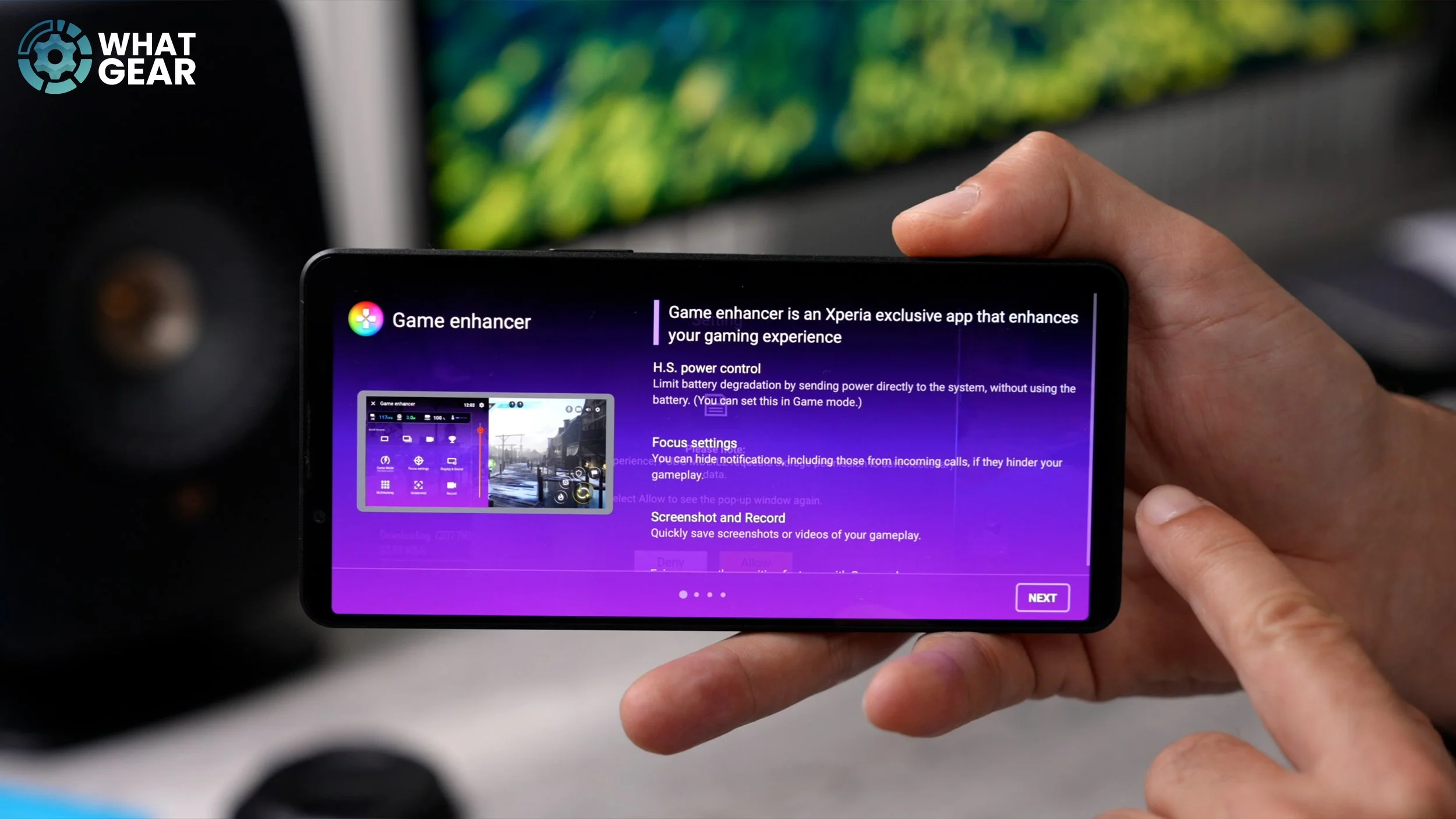
The game enhancer is also a bit of a game changer with lots of tools to improve your gameplay. I do wish Sony would allow for the shutter button to be mapped to a trigger action here, but that's unfortunately not possible. However, it can take screenshots. HS power passthrough is definitely handy for longer gaming sessions, as you can run the phone on mains power without charging, which keeps it cooler for longer.
Battery
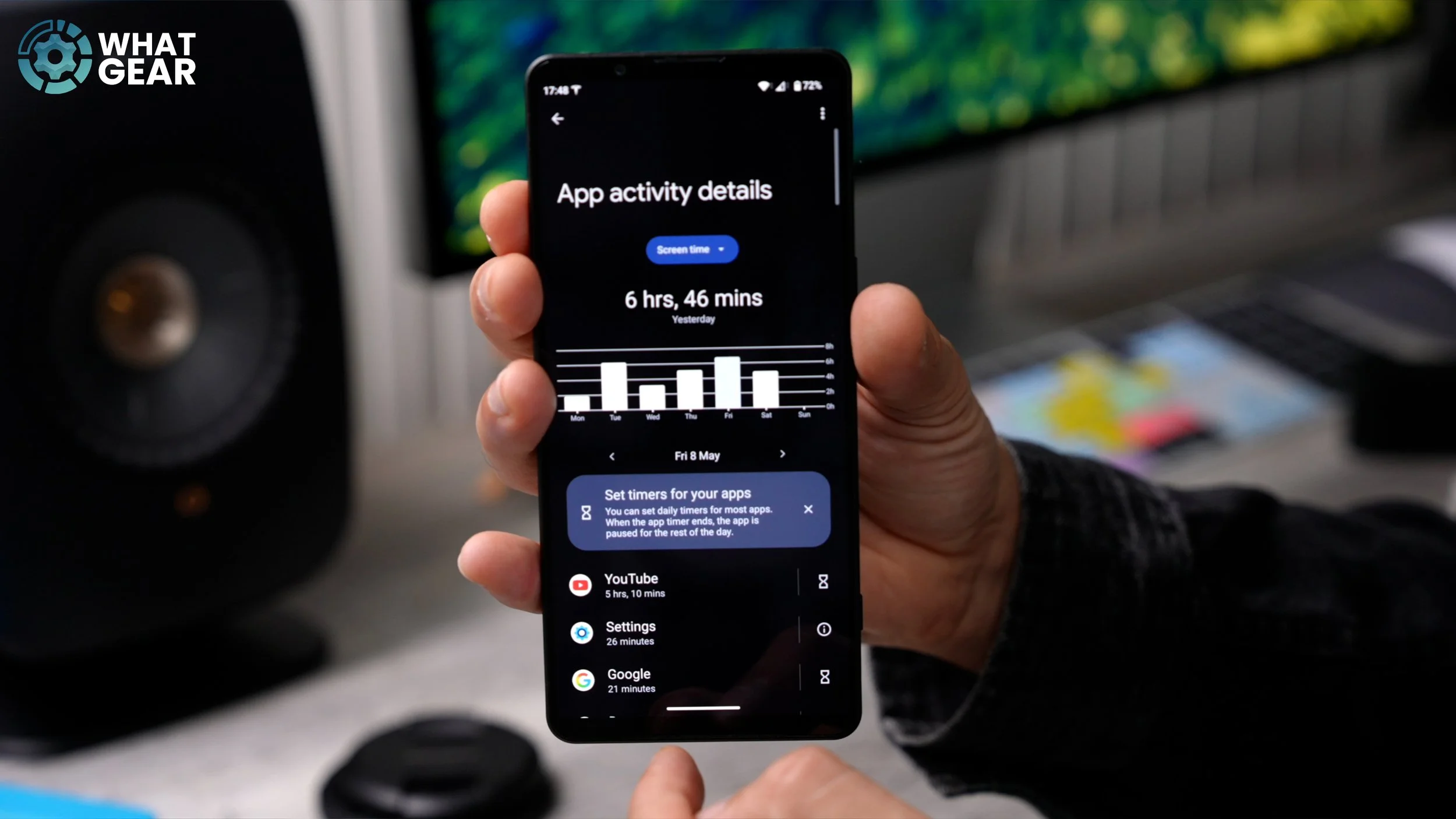
This brings me nicely to what surprised me about the Xperia 1VIII. The battery is 5000 mAh, a pretty standard size for smartphones these days. The charging speed is 30 Watts, and the wireless charging is 15 Watts; it’s not the fastest. However, the battery life is crazy. I’ve gone nearly two full days without having to worry about recharging. Screen on time easily over 6 hours. And I’ve not had issues with the phone overly dimming the screen to save power or anything like that. So yeah, I’m impressed. Loop 2 close
And the argument for the slower charging speed, which takes around an hour and a half to recharge, is that it’s better for battery health in the long run. And on top of that, Sony promises 4 years of healthy battery life (80% capacity) & 4 years of Android updates and 6 years of security patches.
Software
If you’ve watched other stuff on my channel, you’ll know I do like my software features. There are some good little gems here. But I will say Sony doesn't seem to be leaning into its AI tools much. Things like generative image tools and the fun little AI feature. If you want that kind of stuff, I guess you’ll just have to create those via your preferred AI apps here. They’ve kept the operating system very clean and very stock Android.
A couple of differences here are that the shutter button can be used to take screenshots, unlike the annoying button on the combo that most phones use. I like the squared quick settings buttons, and there are some interesting options here that I haven't seen on other Androids. Including this select-to-speak option, where you can highlight text and have it read to you.
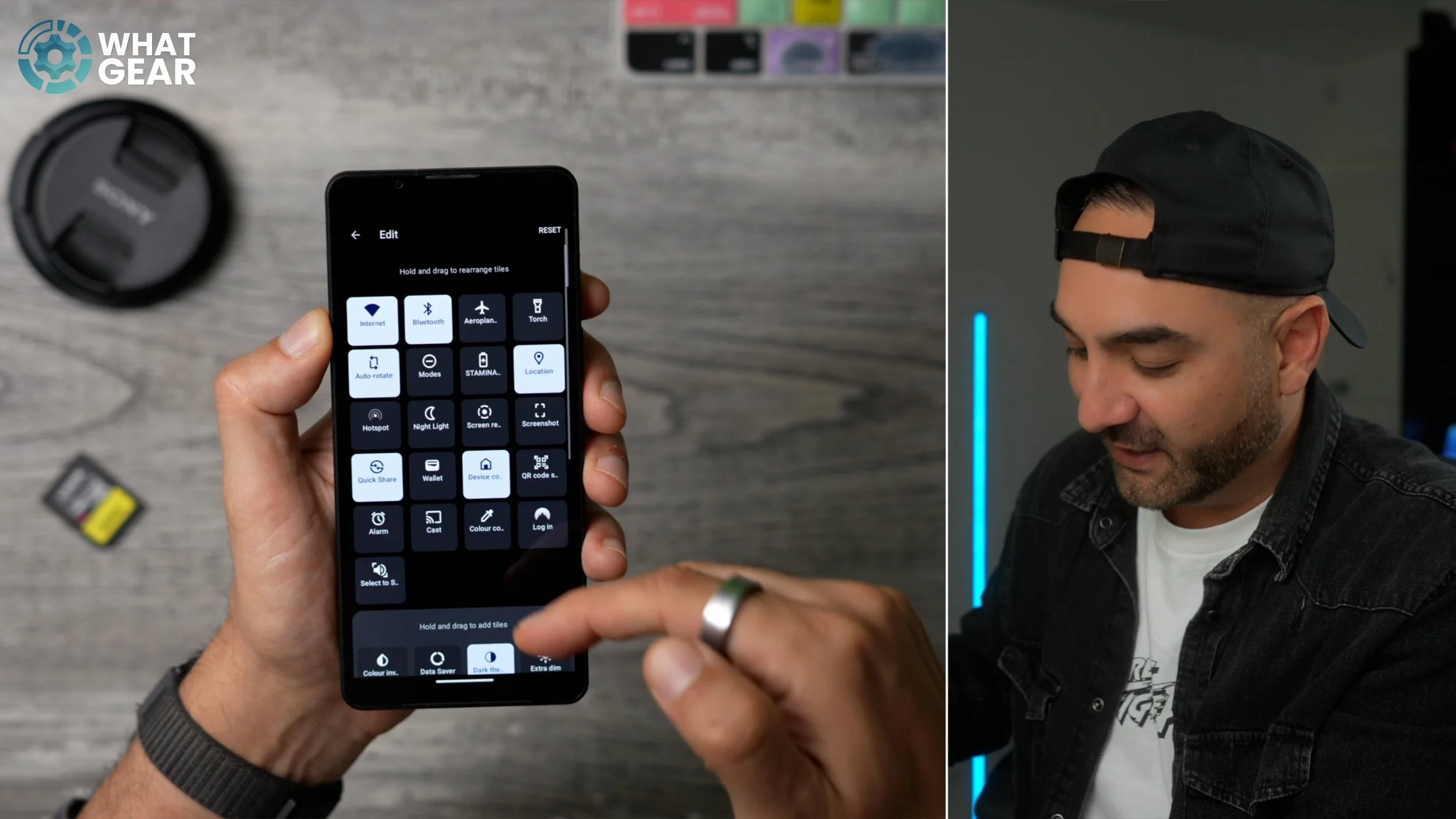
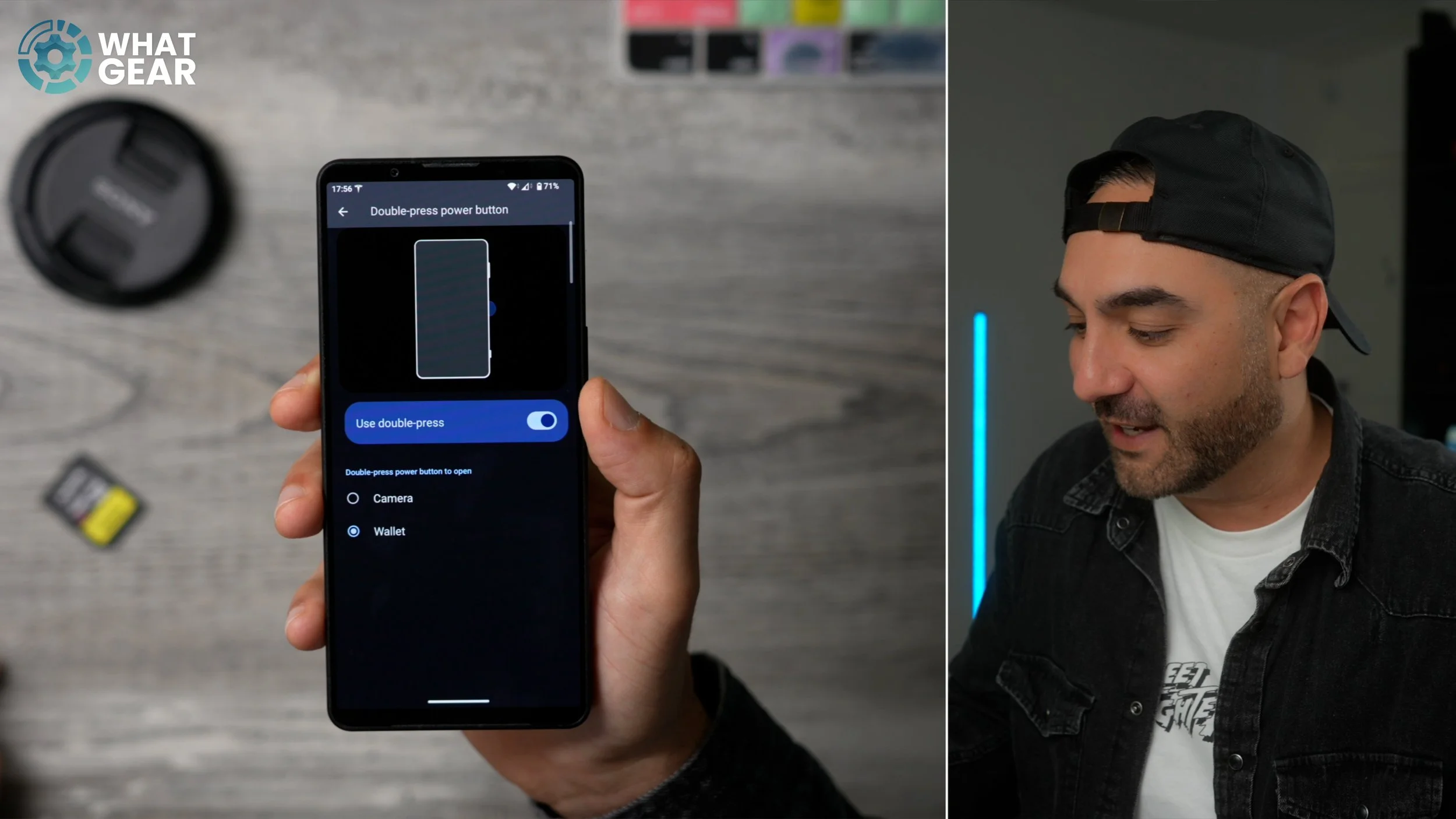
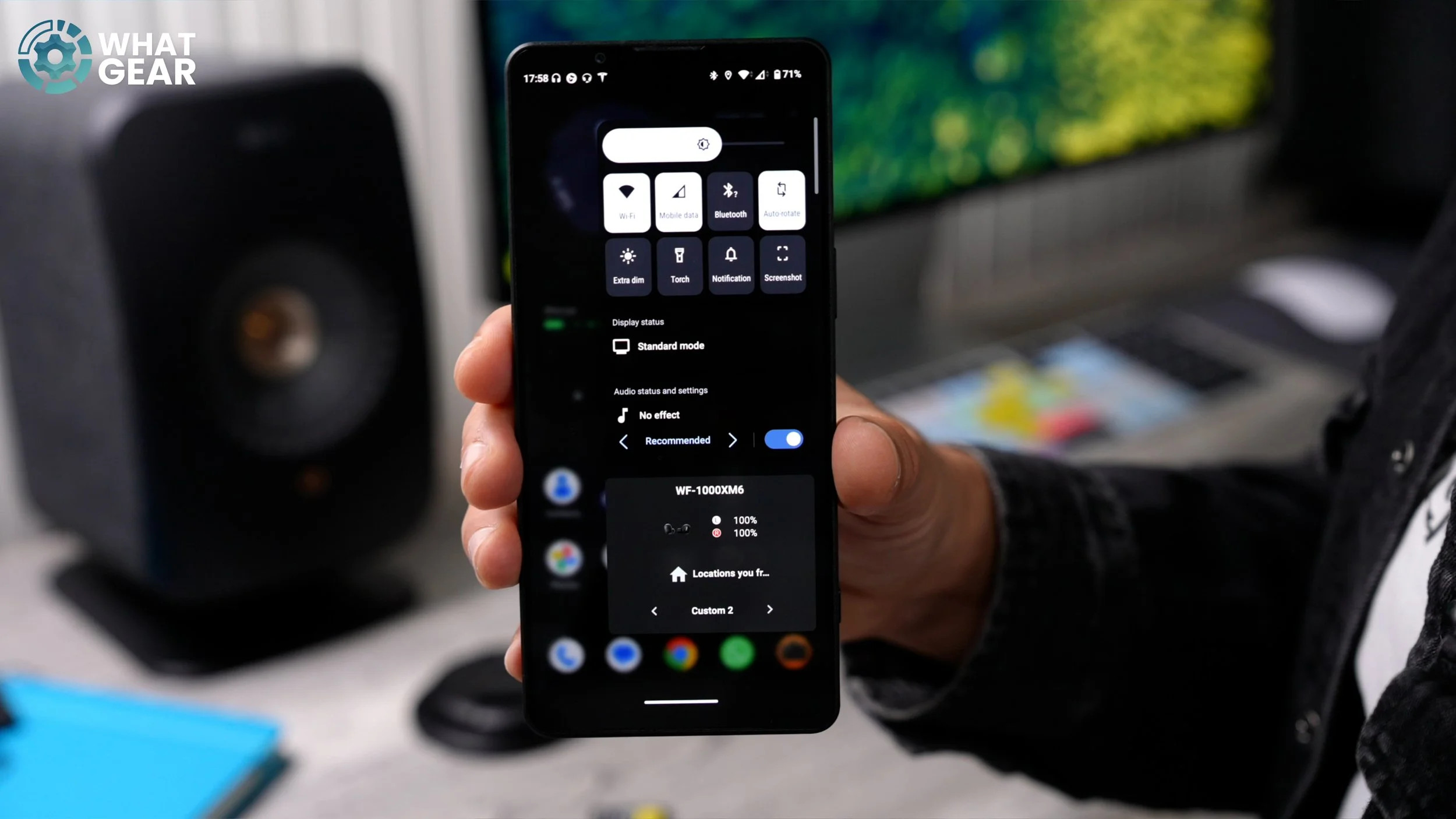
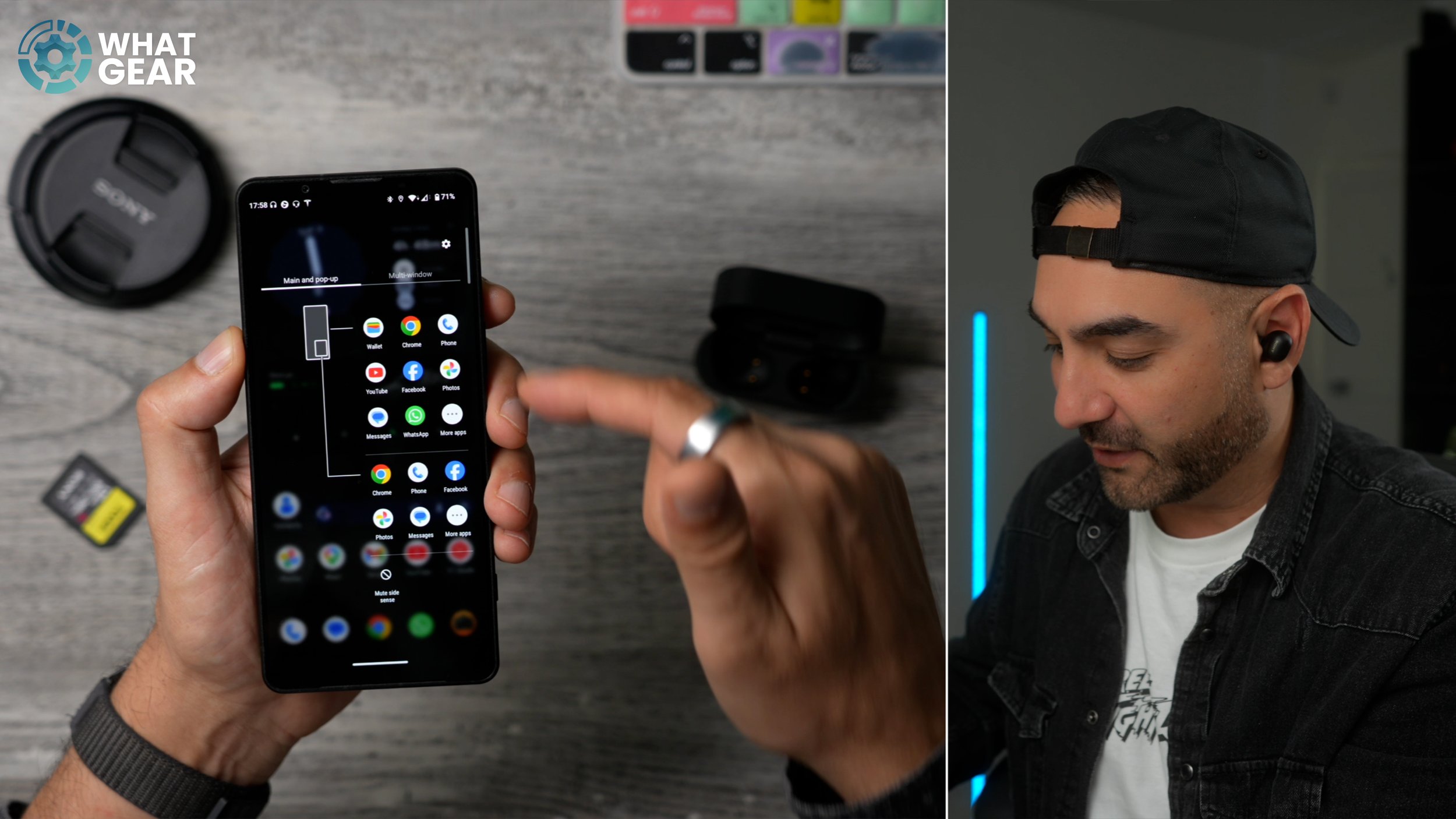
You can remap the double-tap on the power button to open the wallet. I did that straight away. The side sense is an interesting one; there's a bit of technique to it, but it’s pretty good. You can create an app shortcut here with a swipe down, and it also allows you to create pop-up windows, split screens, and get quick access to Sony’s Sound Connect app controls.
And on the topic of audio, I’ve been testing this phone with a device that I think you guys will be very interested in discussing. I can say no more on that at this point… but trust me, I think you’re going to like it. So definitely subscribe with notifications on, if you’re intrigued.
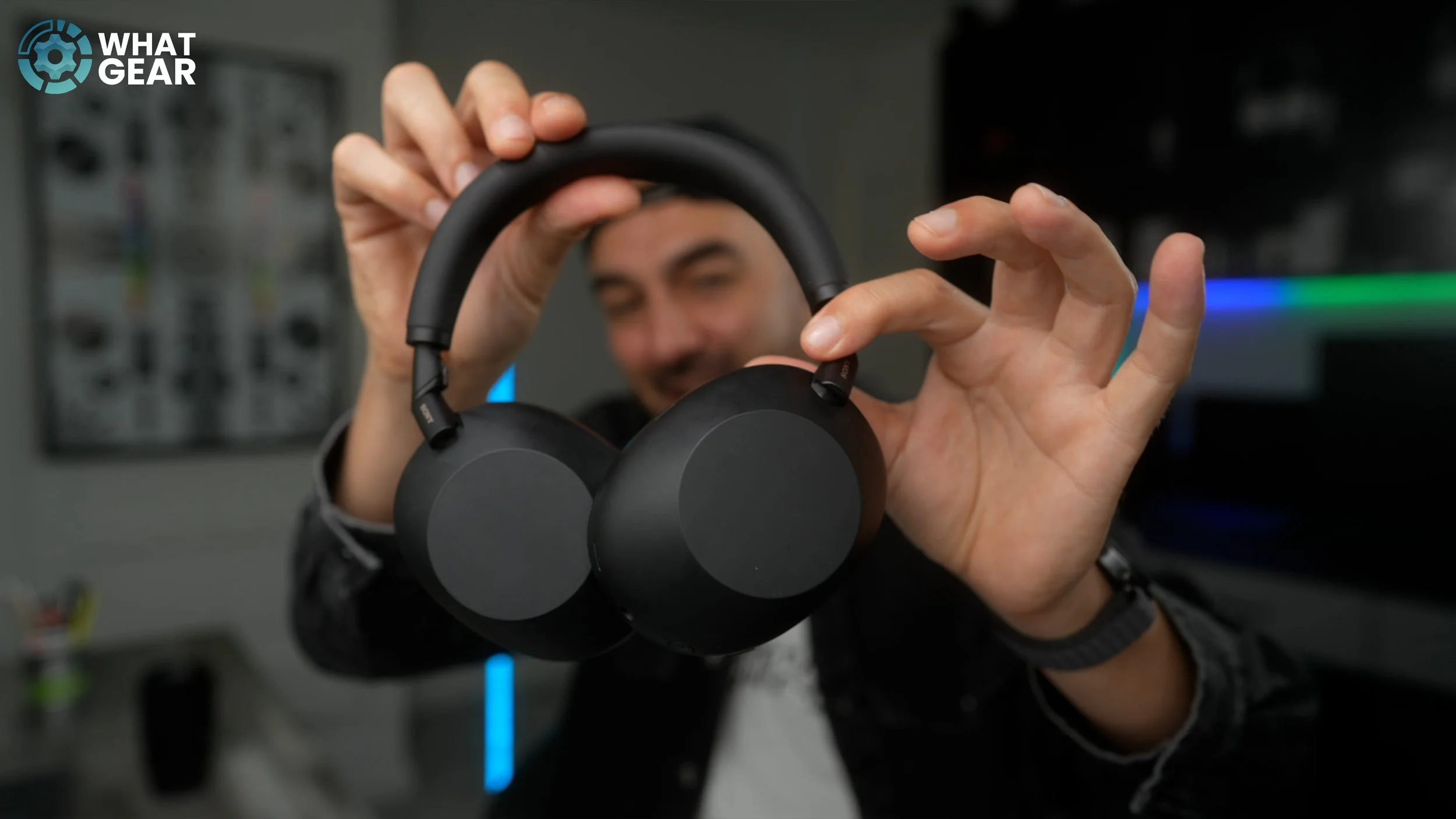
Oh, and that bit of good news about the price: at the time of this video, if you decide to buy the Mark 8, Sony is throwing in their incredible noise-cancelling headphones, the WH1000-XM6, for free. They retail for £329 on Sony's website right now. So that's. And do let me know in the comments if you want to see a dedicated camera comparison with the Xperia 1VIII and which phones you’d like to see it up against.